
Yes, cyclamen can absolutely grow indoors, and they can bloom for several months straight when you get the conditions right. The catch is that they want cool rooms, bright indirect light, and a very specific watering method. Most people kill them by keeping them too warm and watering the wrong way. Nail those two things, and you'll have one of the most rewarding winter houseplants around.
Can Cyclamen Grow Indoors? How to Grow It Successfully

James Hartwell
27 Apr 2026
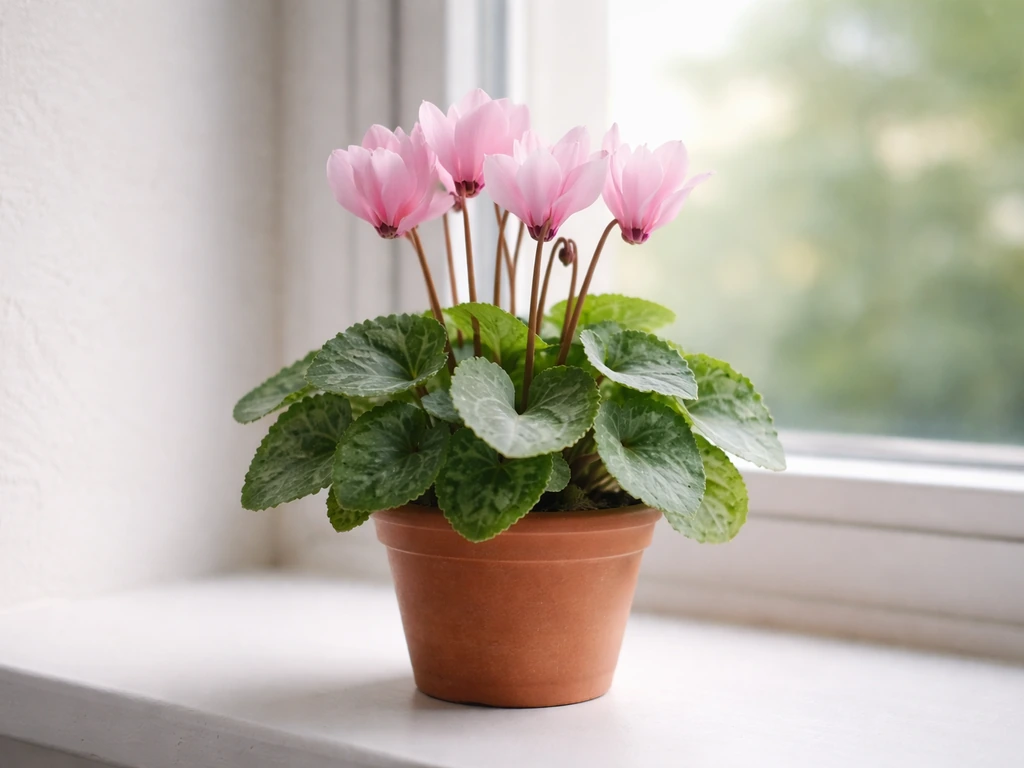
Choosing the right cyclamen for indoor growing
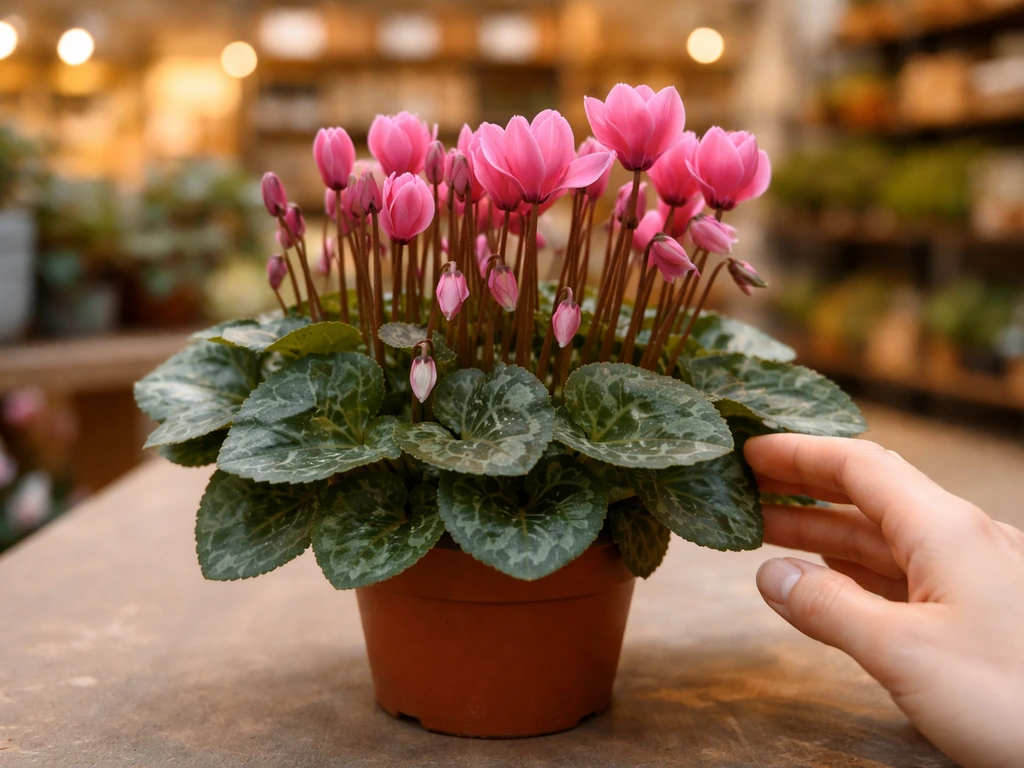
The plant you'll find at a florist, garden center, or grocery store in autumn and winter is almost certainly a florist's cultivar of Cyclamen persicum. That's good news, because C. persicum is specifically bred for exactly this kind of use: pot culture in cool indoor spaces. It's the species most suited to indoor growing, and the one this whole guide is focused on.
When you're buying, look for a plant that has plenty of buds still closed or just starting to open, rather than one that's already at full bloom. A bud-heavy plant has more weeks of flowering ahead of it. Check the leaves: they should be crisp, dark green with those characteristic silver marbled markings, and sitting upright. Any yellowing, wilting, or soggy-looking soil at the garden center is a red flag. Also peek underneath the foliage and check the crown area for early signs of rot or pest damage before you commit.
It's worth knowing that different cyclamen species bloom at very different times of year. C. persicum and C. coum bloom in winter, C. hederifolium blooms in autumn, and C. repandum blooms in spring. If you want a classic winter-blooming indoor cyclamen, C. persicum is your plant. The florist versions come in a huge range of colors, from deep crimson and magenta to soft pink, salmon, white, and bicolors.
Light, temperature, and humidity requirements indoors
Light
Cyclamen want bright, indirect light indoors. A north- or east-facing windowsill is often ideal. A west-facing window works too, as long as the plant isn't getting blasted by direct afternoon sun. South-facing windows can work in winter when the sun is lower, but in spring you'll want to move the plant back or filter the light with a sheer curtain. The professional target light range is roughly 150 to 500 foot-candles, which translates to a well-lit room near a window, not deep inside an apartment. If you're in a low-light situation, a south-facing window in winter is your best bet.
Temperature
This is where most indoor cyclamen fail. These plants genuinely love cool conditions: the sweet spot is 50 to 65°F (10 to 18°C). The RHS recommends maintaining bright filtered light, moderate humidity, and a winter minimum temperature of 13 to 16°C for Cyclamen persicum. A temperature of around 60°F (16°C) is often cited as ideal, and anything consistently above 70°F (21°C) will cause the plant to decline quickly. Once temperatures drop below 40°F (4°C) the plant is also at risk, so a cold drafty window in deep winter needs attention too. In practice, this means cyclamen thrive in rooms that feel a little chilly to you: an unheated spare bedroom, a cool hallway, or a room where you keep the thermostat lower at night. They do not belong on top of a radiator or near a heat vent, which is where a lot of people put them.
Humidity
Cyclamen like moderate humidity, but not excessive moisture around the leaves and crown. The usual recommendation is to set the pot on a tray filled with pebbles and water, keeping the pot itself above the waterline so it's never sitting in standing water. The Cyclamen Society notes that cyclamen prefer moderate humidity, and a pebble-and-water tray helps raise humidity without keeping the crown too wet presents a tray filled with pebbles and water. This raises local humidity around the plant through evaporation without wetting the crown or roots directly. Some people mist the air around the plant lightly, but avoid misting the leaves or flowers directly. Here's an important nuance: humidity that's too high actually increases the risk of botrytis (a gray mold fungal disease), so the goal is moderate humidity with good air circulation, not a tropical-level steam room.
Potting mix, pot choice, and drainage basics
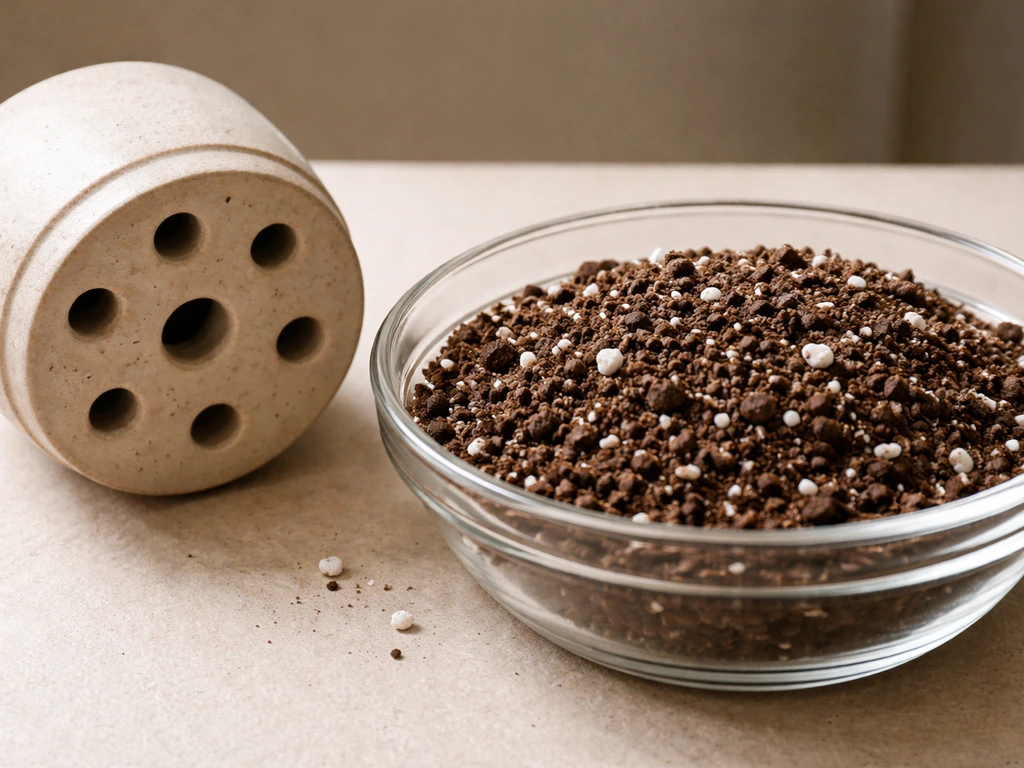
Cyclamen need a very free-draining potting mix. A standard peat- or coir-based houseplant compost mixed with around 20 to 30 percent perlite is a good starting point. The goal is a mix that holds enough moisture to stay consistently damp between waterings but never stays waterlogged. A slightly acidic to neutral pH around 6.0 or just above is recommended, and using a composted mix helps reduce disease risk.
For pots, choose one with multiple drainage holes in the base. This is non-negotiable. A pot without good drainage turns any watering mistake into a root rot situation very quickly. Terracotta pots work particularly well because they're breathable and help prevent the soil staying too wet. Size-wise, cyclamen actually prefer to be slightly snug in their pot rather than over-potted: a pot that's just an inch or two larger than the corm is plenty. When you plant the corm, leave roughly the top third of it sitting above the soil surface. This helps keep the crown drier and reduces rot risk.
Watering the 'indoor cyclamen' way (most common failure point)
Watering is where the majority of cyclamen failures happen, and the mistakes go in both directions: overwatering during the growing season and overwatering during dormancy are both common killers. The Cyclamen Society is pretty blunt about it: most indoor cyclamens die from too much water, not too little.
The safest method is bottom watering. Place the pot in a tray or bowl of water for about 15 to 20 minutes, letting the soil draw moisture up through the drainage holes via capillary action, then remove the pot and let any excess drain away completely. Never leave the pot sitting in standing water after that initial soak. This approach keeps the crown and upper tuber relatively dry, which dramatically reduces the risk of crown rot and botrytis.
If you prefer top watering, water around the edge of the pot rather than directly over the crown, and be careful not to let water pool in the center of the plant. A watering can with a narrow spout helps here. The single most important rule: do not pour water onto the crown or into the leaf rosette. Water sitting on the crown is the fastest route to rot.
During active growth and blooming (typically autumn through spring), water when the top 1 to 2 inches of soil feel dry. The soil should stay consistently moist but never soggy. As the plant heads toward dormancy in late spring, reduce watering significantly. Once the leaves start yellowing, reduce to almost nothing. During summer dormancy, the corm should be kept more or less dry.
Step-by-step setup and care through the bloom cycle
Here's a practical walkthrough of what to do from the day you bring the plant home through its full annual cycle.
- When you get home, remove any decorative foil or sleeve wrapping the pot immediately. These trap moisture and heat around the base and can kickstart root rot within days.
- Place the plant on a pebble tray in your chosen cool, bright spot. Avoid windowsills above radiators or any location where heat rises from below.
- Check the soil moisture. If the plant came in soggy soil, hold off watering for a few days. If it's dry, bottom water it right away and let it drain fully.
- During the blooming period (which can last two to four months with good care), water when the top inch or two of soil is dry, using the bottom-watering method. Remove spent flowers and yellowed leaves by pulling them off with a gentle twist at the base of the stem rather than cutting, to prevent stubs rotting in the crown.
- Feed every two to four weeks during active growth with a low-nitrogen liquid fertilizer diluted to half strength. High nitrogen encourages leafy growth at the expense of blooms.
- As spring arrives and temperatures start climbing above 65°F indoors, you'll notice the plant beginning to look tired: fewer new buds, yellowing leaves. This is normal. Start reducing watering.
- By late spring or early summer, let the plant dry out almost completely. Move it somewhere cool and shaded (a garage shelf, a cool cupboard, or outdoors in a sheltered spot in mild climates) and let it rest through summer.
- In September, start giving the corm a little water. Wait to see new growth emerge before returning to regular watering. Once new leaves appear, bring it back to its bright windowsill and resume normal care.
- With this cycle, a healthy C. persicum should rebloom each winter for several years.
Troubleshooting: yellowing, drooping, no blooms, and indoor problems
| Symptom | Most Likely Cause | What to Do |
|---|---|---|
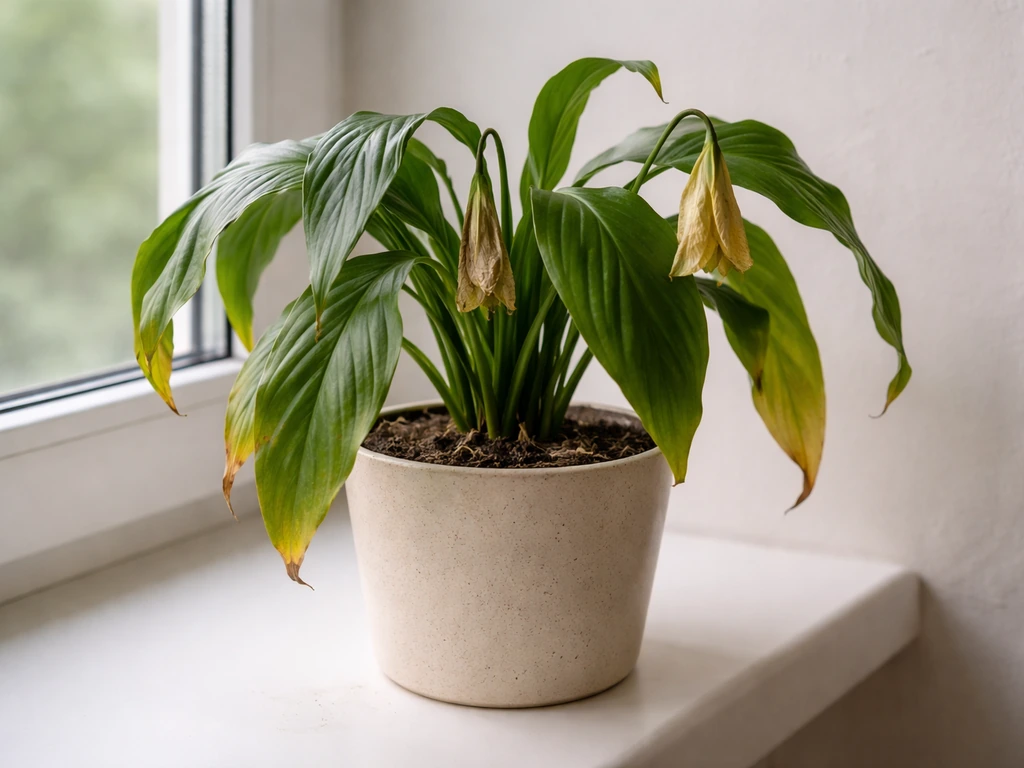
| Drooping leaves and flowers | Too warm, overwatered, or root rot beginning | Move to a cooler spot; check roots for rot; let soil dry out before next watering |
| Yellowing leaves in spring | Normal onset of dormancy | Reduce watering gradually; let the plant rest |
| Yellowing leaves mid-bloom season | Overwatering or too much heat | Check soil moisture and room temperature; adjust accordingly |
| No new buds or blooms | Too warm, too dark, or needs feeding | Move to a brighter, cooler spot; feed with diluted low-nitrogen fertilizer |
| Crown feels soft or mushy | Crown rot from water sitting on crown or overwatering | Remove affected tissue carefully; repot into fresh dry mix; switch to bottom watering |
| Distorted, twisted new growth at crown | Cyclamen mite infestation | Isolate the plant immediately; treat with a miticide labeled for cyclamen mites; damage to affected growth is permanent |
| Gray fuzzy patches on petals or stems | Botrytis (gray mold) | Remove affected parts; improve air circulation; reduce humidity slightly; avoid wetting foliage |
| Leaves with petal spotting or petiole collapse | Botrytis or crown rot | Remove damaged material; improve drainage; ensure pot has adequate drainage holes |
| Limp plant despite moist soil | Root rot from overwatering | Ease off water immediately; check roots; repot if roots are brown and mushy |
A note on pests
The two pest problems most likely to affect indoor cyclamen are cyclamen mites and spider mites. Cyclamen mites are tiny and hard to see, and they target the young, unfolding leaves right at the crown of the plant. By the time you notice the characteristic twisted, distorted new growth, the infestation is usually well established. The concealed location in the crown makes them difficult to treat. Spider mites are more visible (look for fine webbing on the undersides of leaves) and generally easier to manage with repeated insecticidal soap treatments. If you spot any pest activity, isolate the plant from your other houseplants immediately.
Is your home actually cool enough?
Honestly, this is worth asking yourself before you buy. If your home runs at 70°F or warmer year-round, cyclamen will struggle. It's not impossible, but you're working against the plant's natural preferences the whole time. If that's your situation, you might find other cool-season flowering plants a better match, or position the cyclamen specifically in your coolest room with the heating turned down. If you also want to compare how other plants handle indoor conditions, can tradescantia grow indoors is a useful related question. Comparing cyclamen to something like a croton makes the point well: crotons love warmth and will sulk in a cool room, while cyclamen is almost the exact opposite. Know your conditions before you commit.
If you can offer a cool, bright windowsill and commit to the bottom-watering approach, cyclamen is genuinely one of the best plants you can bring indoors in winter. If you can give cyclamen a cool, bright windowsill and follow the watering method, you can cymbidium grow indoors as well. Camellia sinensis can you grow indoors too, but it needs very bright light and consistent cool-to-mild conditions for best results bring indoors in winter. Can camellias grow indoors? They can, but you’ll need the right light, consistent care, and a cool growing setup bring indoors in winter. The flowers are dramatic, the blooming period is long, and the plant can come back year after year if you respect its summer dormancy. Get those fundamentals right and it rewards you handsomely.
FAQ
How close does my window need to be for indoor cyclamen to bloom for months?
Aim for a spot where the plant receives bright indirect light all day, not just a few hours of glow. If the pot sits more than a few feet from the window or in a dim interior corner, buds often drop before opening. A north or east window is usually reliable, and a south window works mainly in winter if you block harsh afternoon sun.
What should I do if my room is usually warmer than 70°F (21°C)?
If your thermostat stays above that range, cyclamen may still start flowering briefly but often declines as summer approaches. The most effective workaround is concentrating it in your coolest area (coolest room and night-lower thermostat). Avoid placing it on or near radiators, heat vents, or TVs that add warmth.
Can I water cyclamen normally from the top if I’m careful?
Top watering can work, but the margin for error is small. Water only around the outer edge of the pot, using a narrow spout, and never let water collect in the leaf rosette or on the crown. If water does splash onto the crown, blot it immediately and ensure good airflow so it doesn’t sit wet.
Do cyclamen need drainage holes and a saucer, or just a saucer?
They need drainage holes in the bottom, because a saucer alone cannot prevent root rot. With bottom watering, remove the pot after the soak and let any extra drain away fully. The saucer should be empty afterward, not used as a standing-water reservoir.
How dry should cyclamen be during summer dormancy?
Once leaves yellow, watering should taper to almost nothing. During full dormancy, the corm should stay mostly dry, not damp. A good rule is to water only if the potting mix becomes bone-dry and the plant is still producing some growth, otherwise let dormancy progress dry to reduce rot risk.
My cyclamen leaves look limp, but the soil isn’t wet. Is it underwatering?
Limp can be caused by both incorrect watering and heat stress. Check the soil: if the top layer is dry and the whole mix pulls away from the sides, it may need bottom watering. If the mix feels consistently moist or cool-room conditions are present, look for crown issues, root rot, or mites, since wilting with wet soil is often rot-related.
How do I tell if the crown is rotting before it gets obvious?
Early crown rot often shows as a soft or collapsing center near where leaves emerge, sometimes with a musty smell or increasing leaf yellowing even though soil moisture seems controlled. If the crown looks dark, mushy, or waterlogged at the center, stop watering and assess immediately, because rot can spread fast under humid conditions.
Are cyclamen mites treatable indoors, or should I discard the plant?
They can be difficult because damage starts in the crown and symptoms may appear after infestation is established. If you catch it early, repeated targeted treatments and isolating the plant can help. If new distorted growth continues to expand and other plants are at risk, discarding may be the safest option to protect your collection.
Should I mist cyclamen leaves to raise humidity?
Usually no. Misting can increase moisture around the crown and raise gray mold risk, especially with limited airflow. Better options are moderate humidity plus ventilation, and using a pebble tray under the pot with the pot above the waterline.
Why did my cyclamen drop flowers or buds after I brought it home?
The most common reason is sudden environmental change, especially warmth or inconsistent watering. A florist plant is grown for cool indoor conditions, so moving it to a warmer room, a drafty heat source, or a brighter direct-sun spot can trigger bud drop. Keep it cool, bright indirect light steady, and use bottom watering so the crown stays dry.