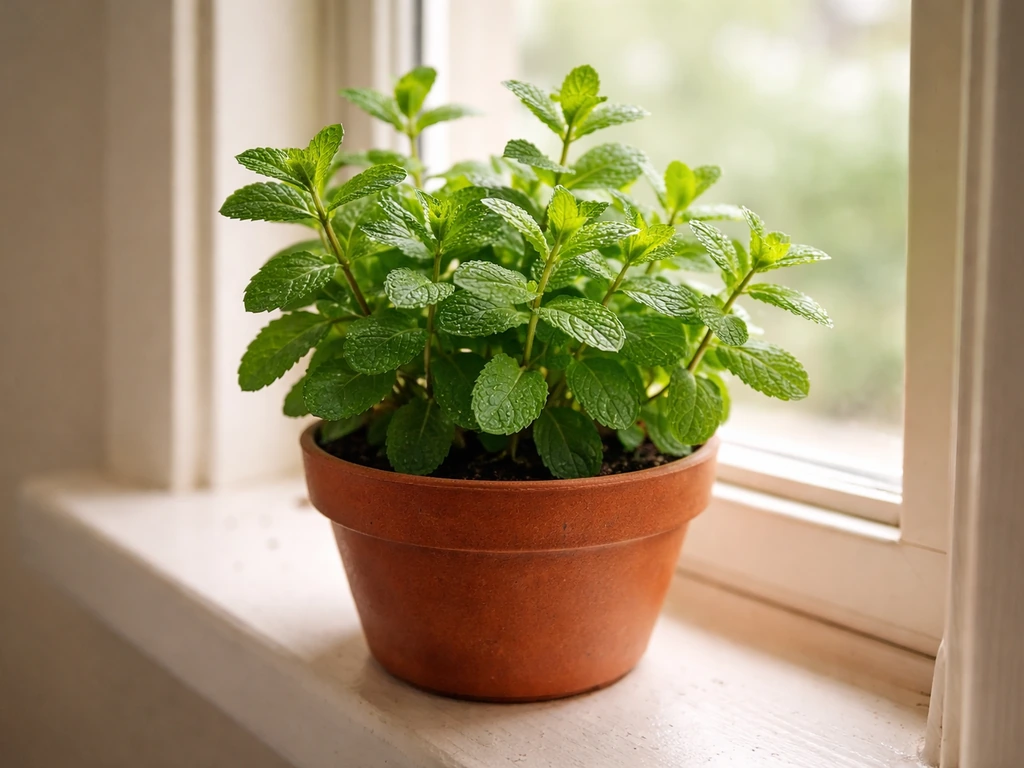
Yes, mint can absolutely grow indoors, and it does surprisingly well compared to a lot of other herbs. RHS container advice specifically suggests mint as a good herb to try in containers mint can absolutely grow indoors. Give it enough light, a pot with good drainage, and water it at the right time (not too often), and you can be snipping fresh leaves year-round whether you have a garden or just a windowsill. I've kept mint going indoors through winter and into spring without any drama. The main things that trip people up are low light, overwatering, and planting it in a pot that's too small or too shallow. Get those three things right and you're most of the way there.
Can Mint Plant Grow Indoors? Success Guide for Year-Round Harvest

James Hartwell
17 Apr 2026
How much light mint actually needs indoors
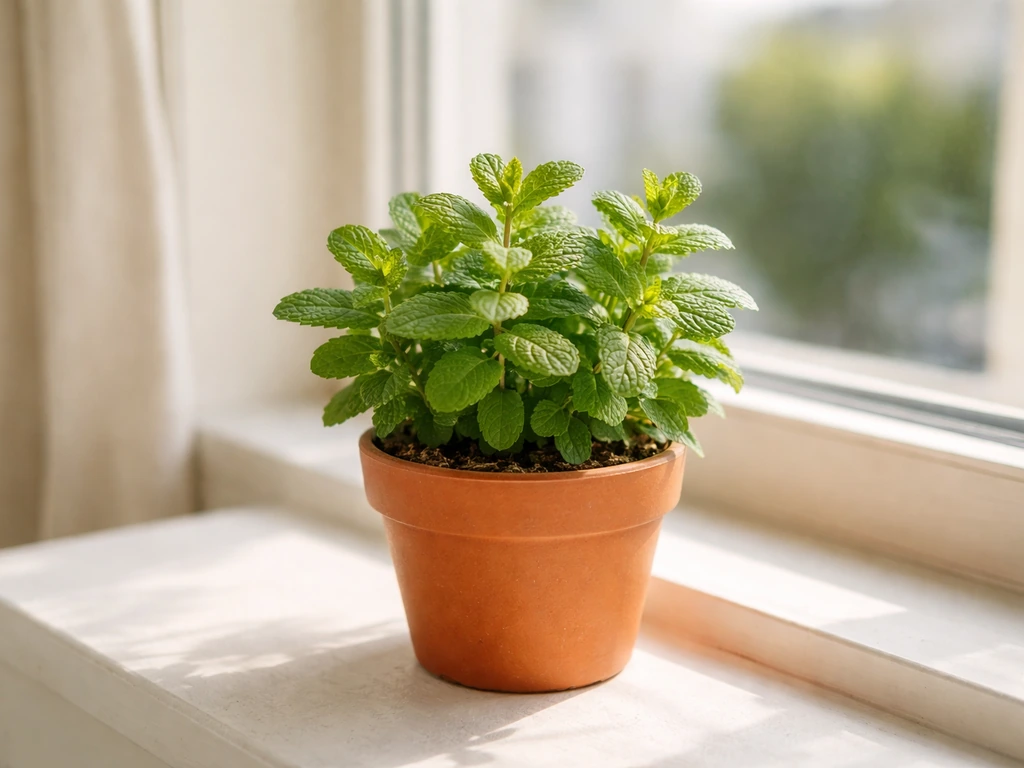
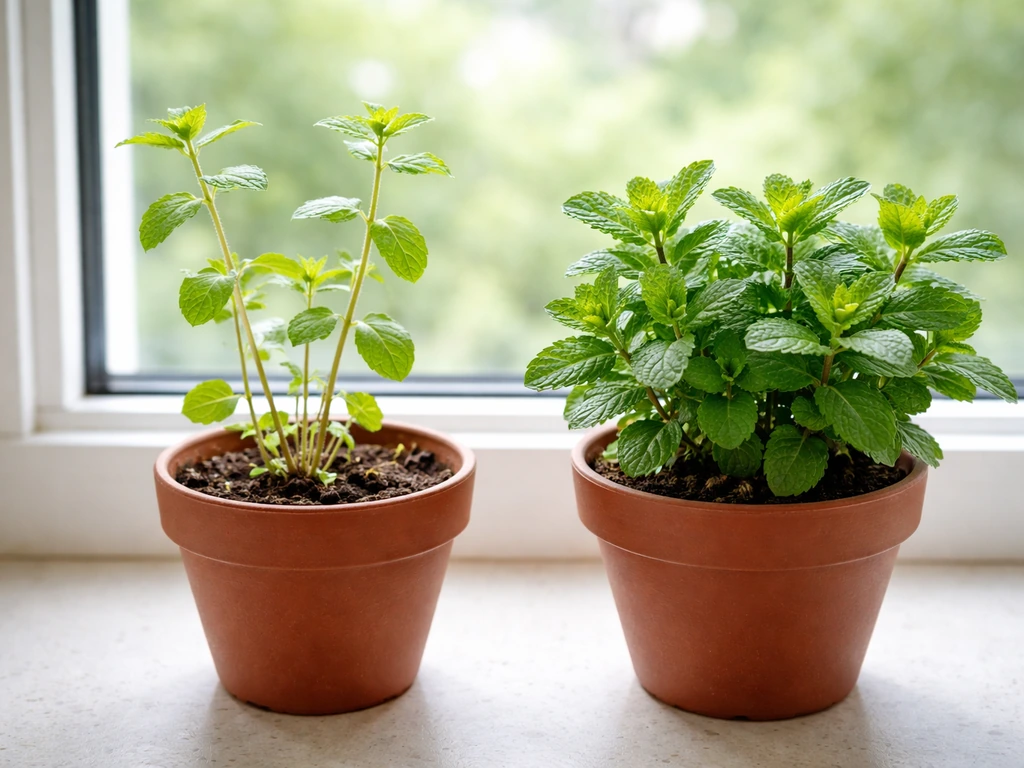
Light is the single biggest variable for indoor mint. Insufficient light slows growth noticeably, and mint grown in too little light gets leggy and pale, with long weak stems reaching toward whatever brightness it can find. If you've ever had a mint plant that looked great for two weeks and then started flopping over, low light was almost certainly the problem.
For placement, your best option is a south-facing window (if you're in the northern hemisphere), followed by east or west-facing. A north-facing window typically doesn't deliver enough light on its own. Mint wants around 4 to 6 hours of direct or bright indirect light daily. If you're using a grow light, aim for a PPFD (photosynthetic photon flux density) of 300 to 500 µmol/m²/s, which translates roughly to 16,000 to 27,000 lux at canopy level. You don't need to obsess over these numbers, but they're useful if you're comparing grow light specs. Run the light for about 14 to 16 hours per day to compensate for the lower intensity compared to outdoor sun.
If you only have a mediocre window, a small LED grow light on a timer is genuinely worth it for mint. It keeps growth compact and productive rather than stretched and straggly. I use one positioned about 6 to 8 inches above my pots, and the difference compared to a dim window is dramatic.
Best mint varieties to grow indoors
Not all mint behaves the same indoors. Some varieties are more compact and better suited to container life. Here are the ones I'd actually recommend for indoor growing.
- Spearmint (Mentha spicata): The classic. Grows reliably indoors, handles moderate light well, and is the most forgiving of the group. Great for cooking and drinks.
- Peppermint (Mentha x piperita): Strong flavor, great for teas. Grows well in pots and stays manageable indoors. If you want to branch out with a more unusual option, chocolate mint (Mentha x piperita 'Chocolate') is a peppermint cultivar with a distinct cocoa-mint aroma and works well in containers.
- Apple mint (Mentha suaveolens): Slightly fuzzier leaves, mild flavor. The RHS specifically notes its suitability for patio and container growing, which translates well to indoor pots too.
- Corsican mint (Mentha requienii): Tiny-leaved, very compact, and low-growing. Perfect if you have limited space but it needs consistent moisture.
- Mojito mint (Mentha x villosa): If you actually make mojitos, grow this one. It's vigorous but handles containers well.
If you're wondering about peppermint specifically and how it handles indoor conditions, the short answer is that it does well as long as light is adequate. I'd skip growing mint from seed indoors since seed propagation has a significantly lower success rate compared to cuttings or division. Start with a cutting or a small nursery plant and you'll be harvesting weeks sooner.
Soil, pot size, drainage, and how to water it right
Choosing your pot and soil
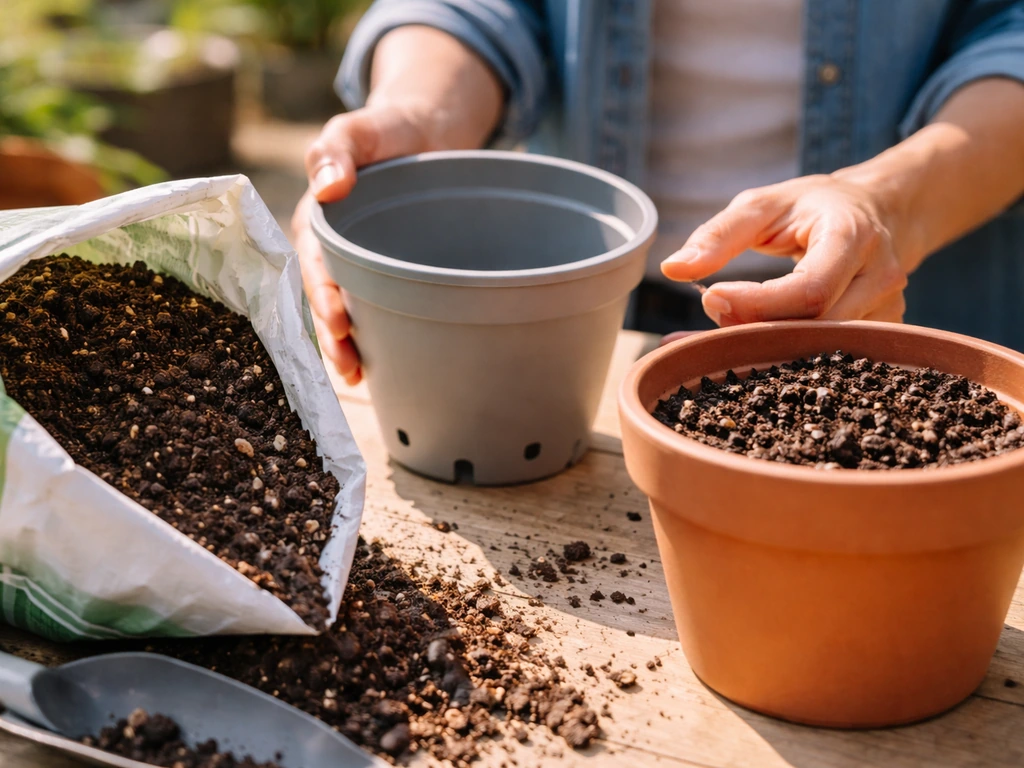
Mint has an aggressive root system that spreads horizontally, so pot width matters more than depth. A pot that's at least 8 to 10 inches wide and 6 to 8 inches deep gives it enough room to grow without becoming root-bound too quickly. Drainage holes are non-negotiable. Waterlogged soil leads directly to root rot, and mint sitting in soggy soil will decline fast even if everything else is perfect.
Use a good quality potting mix rather than garden soil, which compacts too easily in containers. If your mix feels heavy or dense, work in a little coarse sand or perlite to improve drainage. Terracotta pots are worth considering if you tend to overwater, because they allow the soil to breathe and dry out more evenly.
Watering: the rule that actually works
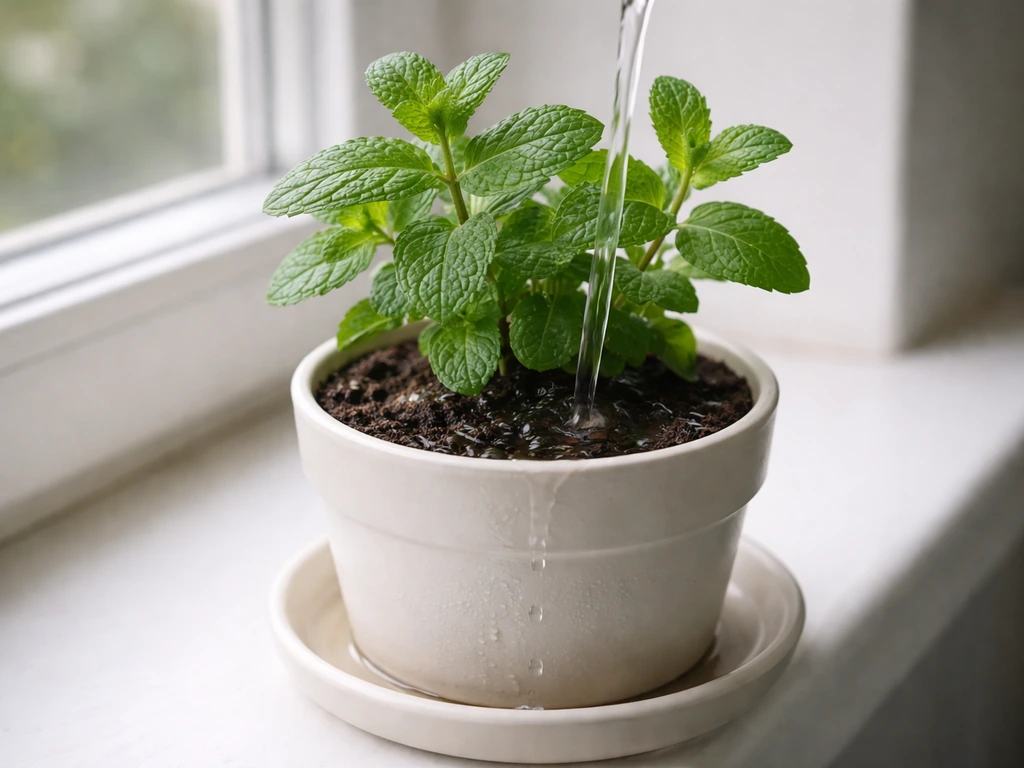
The watering rule for indoor mint is simple: water thoroughly, but only when the soil surface is dry. Stick your finger about an inch into the soil. If it's still damp at that depth, leave it. If it's dry, water well until it runs out of the drainage holes, then don't water again until the surface is dry once more. This approach prevents both underwatering and the more common mistake of keeping the soil constantly wet. University of Maryland Extension notes that mint prefers moist soil, which is true, but 'moist' doesn't mean 'wet at all times.' The goal is consistent moisture without waterlogging.
Temperature, humidity, airflow, and what goes wrong indoors
Mint is comfortable in the same temperature range most people keep their homes: roughly 65 to 75°F (18 to 24°C). It can handle slightly cooler nights without complaint, which makes it well-suited to indoor life. What it doesn't like are sudden temperature swings, cold drafts from poorly sealed windows, or being positioned directly next to a heating vent where hot dry air blows on it constantly.
Humidity is worth paying attention to in winter especially, when indoor heating dries the air significantly. Mint prefers moderate humidity. If your home gets very dry, grouping plants together helps slightly, or you can set the pot on a tray of pebbles with a little water in it (the pot should sit above the water level, not in it). Good airflow matters too. Stagnant air around densely growing mint increases the risk of fungal problems.
Common indoor problems and how to fix them
| Problem | Likely Cause | Fix |
|---|---|---|
| Leggy, stretched stems | Not enough light | Move to brighter window or add a grow light; aim for 14–16 hours under grow light |
| Yellow leaves | Overwatering or poor drainage | Let soil dry out; check drainage holes aren't blocked; repot if roots are rotting |
| Soft, mushy stems at base | Root rot from waterlogged soil | Remove affected roots, repot in fresh well-draining mix, reduce watering frequency |
| Powdery white coating on leaves | Powdery mildew (Golovinomyces sp.) | Improve airflow, reduce humidity, remove affected leaves; avoid overhead watering |
| Orange/rust-colored spots on leaves | Mint rust (Puccinia menthae) | Remove and destroy affected leaves; do not compost; rust can persist in soil and on old plant debris |
Rust is worth knowing about specifically. It shows up as light yellow or orange-brown powdery spots on the leaves, and it's caused by the fungus Puccinia menthae. It overwinters on old mint stubble and can spread to healthy growth. If you see it, strip affected leaves immediately, improve airflow around the plant, and avoid reusing infected soil. Powdery mildew is a separate fungal issue caused by Golovinomyces (formerly Erysiphe) and looks like a dusty white coating. It thrives in stagnant, humid conditions, so good airflow is your main prevention.
How to plant, propagate, and harvest continuously
Starting your mint
The easiest way to start indoor mint is from cuttings. Take a stem about 3 to 5 inches (8 to 10 cm) long, strip the lower leaves, and place the cut end in a clear jar or vase with about an inch (2.5 cm) of water at the bottom. Set it on a bright windowsill and roots typically appear within 7 to 10 days. Once roots are an inch or more long, pot the cutting into your prepared container. This method works reliably and means you can propagate new plants from any healthy mint you already have, including a bunch from the grocery store.
Division is the other go-to method. If you have an established mint plant, you can split the root ball into two or three sections and repot each one. It's fast, effective, and gives you multiple plants from one.
Harvesting year-round
Indoors with adequate light, mint can be harvested year-round, and regular harvesting actually encourages bushier, more productive growth. The rule is never to take more than a third of the plant at once. Pinch off the growing tips regularly to prevent the plant from flowering, because once mint flowers it tends to put energy into seed production rather than leaf growth, and the flavor often declines. If you do see flower buds forming, pinch them off immediately.
To keep a continuous supply going, start a second pot from cuttings a few weeks after your first one is established. Rotate which one you harvest from heavily, letting the other recover. It's a simple system and it works well.
Keeping mint contained so it doesn't take over
Mint is a rhizome-spreading plant, meaning it sends out horizontal underground runners that colonize new ground aggressively. Outdoors, this can turn a polite herb garden into a mint monoculture within a season or two. Indoors, the container prevents most of the spread, but you still need to manage it actively.
Both the University of Maryland Extension and Oregon State University Extension specifically recommend growing mint in containers rather than open beds to keep its spreading habit under control. Indoors, the practical steps are: use a pot that's wide enough to satisfy the plant but not so large that it has endless room to sprawl, and repot every one to two years as it fills the container. When you repot, divide the plant and discard or pass on the excess rather than just sizing up repeatedly.
If you're ever tempted to grow mint alongside other herbs in a shared container, resist it. Mint will outcompete almost anything you plant it with. Give it its own dedicated pot and you'll have a much tidier situation. The same principle applies if you're growing other vigorous plants indoors. For example, chilli plants grown indoors also do better with their own space and dedicated care rather than being crowded into mixed planters.
One clever trick from University of Maryland Extension: if you do want to sink mint into a larger mixed planter, place it inside a bottomless plastic pot with about an inch of the rim left above the soil line. This physical barrier stops the rhizomes spreading laterally into the surrounding soil while still letting the plant sit in the same visual space as other plants.
Quick-reference setup for indoor mint
| Factor | What to Aim For |
|---|---|
| Light (natural) | 4–6 hours bright direct or indirect light; south or east-facing window preferred |
| Light (grow light) | PPFD 300–500 µmol/m²/s; run 14–16 hours per day |
| Pot size | 8–10 inches wide, 6–8 inches deep minimum; drainage holes required |
| Soil | Quality potting mix with added perlite or coarse sand for drainage |
| Watering | Thoroughly when top inch of soil is dry; never let it sit in standing water |
| Temperature | 65–75°F (18–24°C); avoid drafts and heating vents |
| Humidity | Moderate; use pebble tray in dry winter air |
| Harvesting | Pinch up to a third of plant at a time; remove flower buds promptly |
| Repotting | Every 1–2 years; divide and keep contained |
Growing other herbs and plants indoors
If indoor herb growing has you curious about what else works well inside, there are some interesting options worth exploring. Flowering plants like mums grown indoors can add color alongside your herb setup, though they have different care needs. You might also want to check out guidance on growing mums in the house specifically, since indoor mum care has a few quirks compared to outdoor growing. And if you want to branch beyond herbs into vegetables, looking at the best chilli varieties for indoor growing in the UK is a good starting point for adding some heat to your indoor garden.
Mint is genuinely one of the more rewarding herbs to grow indoors because it comes back reliably, grows fast enough to see real progress, and you actually use it. Get the light right, don't overwater it, keep it in its own container, and you'll have fresh mint whenever you want it without any complicated routine.
FAQ
Can mint plant grow indoors from seed, or is that harder than cuttings?
Yes, but it is usually slower and less predictable than rooting a cutting. If you start from seed, keep the surface consistently lightly moist (not wet), provide bright light from day one, and expect transplanting only after several sets of true leaves have formed.
What should I do if my indoor mint stops growing?
If leaves look healthy but growth stalls, the most common cause is light intensity or duration, not “bad soil.” Move the pot closer to the light source or extend your light timer toward the 16-hour range, then reassess watering only after a week.
After I water indoor mint, should I leave it in a saucer with water?
Do not let mint sit in runoff. When you water until it drains, empty the saucer or decorative cachepot after 10 to 20 minutes so the roots are not re-wetted repeatedly.
Is it better to use a larger pot for indoor mint, or can bigger make things worse?
A pot that is too large can cause slower, weaker leaf growth because the soil stays wet longer. Aim for “wide but not huge,” and if you repot into a bigger container, monitor drying time carefully and reduce watering frequency accordingly.
My indoor mint leaves are yellowing, but I’m not sure why. How do I tell if it’s overwatering?
Most of the time it is overwatering, even if you are following the finger test loosely. Check dryness at the same depth every time, and make sure drainage holes are clear, the mix is airy, and the pot has good airflow around it.
How can I prune indoor mint to keep it bushy instead of leggy?
Trim the stems back to just above a healthy set of leaves (or pinch the growing tips). Avoid taking more than one third of the plant in a single session, and renew light exposure after heavy pruning to prevent new growth from stretching.
How do I manage indoor humidity for mint in winter?
In winter, a dry indoor space can make mint more prone to powdery mildew and leaf crisping. Use a pebble tray or humidifier if your home is very dry, and prioritize gentle airflow (fan on low, not blasting directly).
Can I move my indoor mint outdoors during warm months and bring it back in winter?
Yes, but only as a temporary bridge when you do not have enough light. If you move mint outdoors in summer, acclimate it over several days and watch for wind stress, then bring it back indoors before nighttime temperatures drop too far.
What causes indoor mint to decline after a while, even with good care?
It usually means it has either reached the end of a cutting’s vigor or the container has become too crowded. First, confirm light and watering, then repot and divide if the plant has been in the same pot for more than about 1 to 2 years.
How do I avoid fungus when rooting mint cuttings in water?
Keep mint separate during propagation, because shared water or shared tools can spread fungal issues. Rinse and refresh the jar water every few days, use clean scissors for cuttings, and discard any cuttings that develop brown, mushy ends.
What’s the best way to respond if I spot rust or powdery mildew on my indoor mint?
If only a few leaves are affected, strip those leaves immediately and improve airflow. If you see fast spreading dust-like growth, remove the worst foliage, avoid misting, and consider changing the top layer of potting mix to reduce lingering spores.