Yes, you can grow edelweiss indoors, but it's one of the more demanding alpine plants to pull off inside your home. It needs intense light (think grow lamp, not a north-facing windowsill), fast-draining gritty soil, cold winters to trigger dormancy, and careful watering to avoid rot. Get those four things right and you'll get the woolly white blooms. Skip any one of them and you'll end up with a leggy, struggling plant that never flowers. It's doable, especially with a supplemental grow light, but go in with realistic expectations.
Can You Grow Edelweiss Indoors Yes and How to Do It

James Hartwell
28 Apr 2026
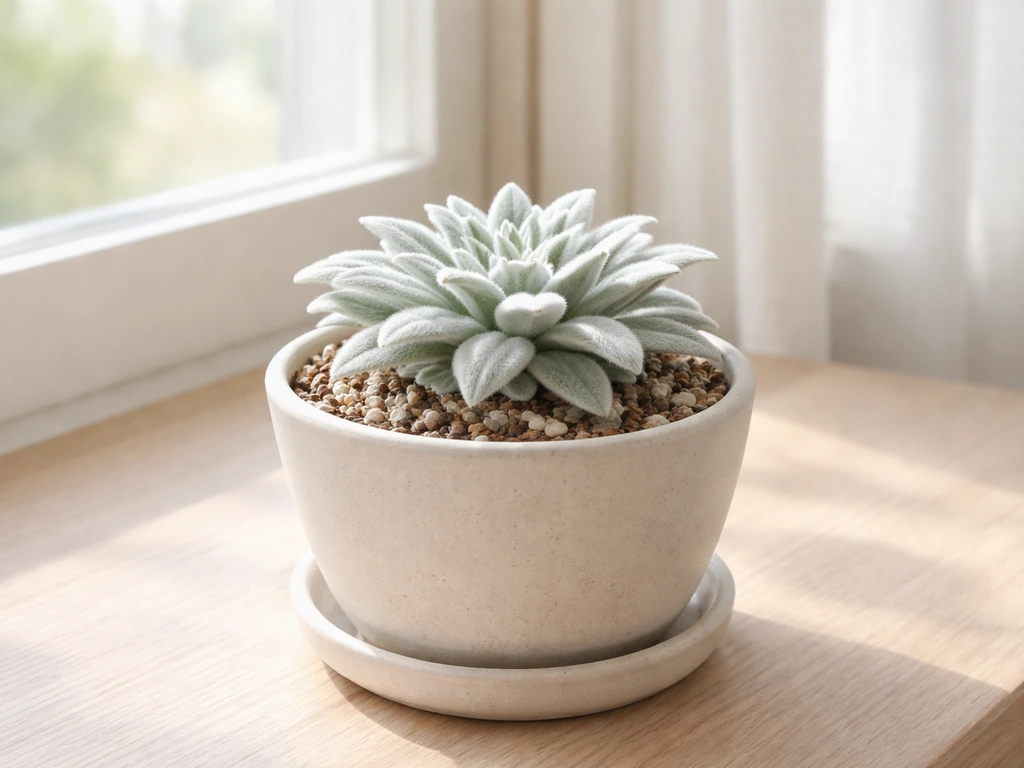
Is edelweiss actually possible indoors (and when it's not)
Edelweiss (Leontopodium alpinum) grows wild in the Alps at high elevation, where it gets blazing sun, freezing winters, thin rocky soil, and low humidity. Your apartment is the opposite of all that. So the honest answer is: it's possible indoors if you're willing to actively recreate those alpine conditions, but it's not a plant you just put on a shelf and forget about.
Where it genuinely works indoors: a south-facing window with supplemental grow lighting, a cool room that you can let drop close to freezing in winter, and a grower who's disciplined about watering. An alpine house setup (a cool, bright, well-ventilated greenhouse or sunroom) is ideal, and edelweiss has a long history of being grown in exactly those conditions.
Where it won't work: a warm, dim apartment with central heating running all winter, high humidity, and standard potting compost. If your home stays above 60°F (15°C) all year and your only light source is a single window with indirect light, edelweiss will struggle badly. It'll survive for a while but won't bloom and will likely rot or die within a season or two.
- Works indoors: bright grow-light setup, cool winters, excellent drainage, low humidity
- Works indoors: cool sunroom or alpine house environment with south-facing glass
- Won't work: dim rooms, warm all-year heating, humid conditions, standard potting mix
- Won't work: if you can't provide a cold rest period of at least 6–8 weeks below roughly 41°F (5°C)
Light requirements and the best indoor placement
Light is the number-one reason edelweiss fails indoors. This plant is classified as a full-sun species by the RHS, meaning it wants direct, intense light for the majority of the day. In the Alps it gets high-altitude UV all summer long. Your average windowsill simply doesn't replicate that, even a south-facing one in most climates.
The best indoor placement is a south-facing window (or west-facing as a secondary option) combined with a full-spectrum LED grow light positioned 6–12 inches above the plant. Aim for at least 14–16 hours of bright light during the active growing season (late spring through summer). Without supplemental light, expect weak, stretched stems and no flowers.
If you're setting up a dedicated grow-light shelf, a 2000–3000 lux minimum at the plant canopy is a reasonable target, though more is better with this species. Think of it this way: edelweiss is used to light intensities that would bleach most houseplants. It can handle intense direct light that would scorch a fern.
Temperature, dormancy, and airflow needs
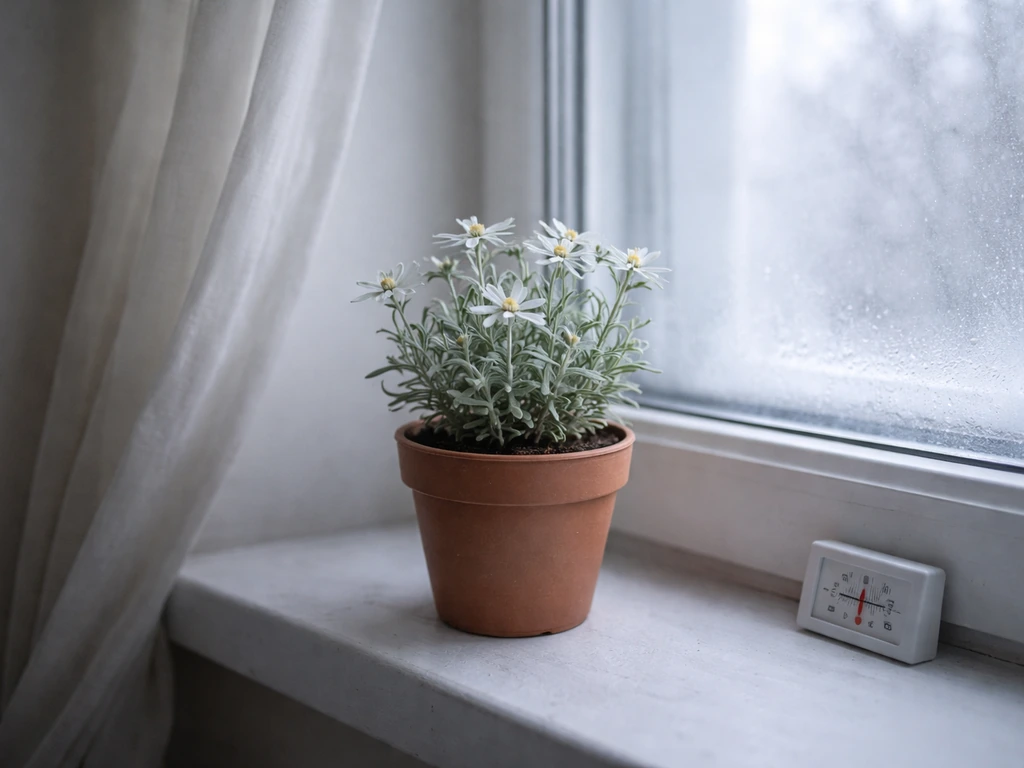
Edelweiss is a hardy perennial and it genuinely needs a cold rest period each winter. Research on ex situ cultivation shows plants do best when given a vegetative rest with minimum temperatures around -5°C (23°F) from December through late January. You don't have to hit sub-zero temperatures in a home setting, but you do need to get the plant into cold conditions, ideally 1–5°C (34–41°F), for at least 6–8 weeks. A cold porch, an unheated garage, or even a dedicated spot in a refrigerator (for very small plants in pots) can work.
During the growing season, edelweiss handles warm temperatures well. The same ex situ research recorded healthy flowering with peak summer temperatures up to 35°C (95°F), so heat isn't the problem indoors. Consistent warmth all year with no cold break is the problem, because the plant never properly goes dormant and fails to set flower buds for the following season.
Airflow matters more with edelweiss than with most houseplants. In nature it grows on exposed alpine slopes with constant air movement. Stagnant, humid indoor air is a setup for fungal issues and rot, especially around the woolly leaves. Place a small fan nearby or make sure the room gets regular ventilation. This is one reason alpine houses work so well for this plant.
Soil, potting, and drainage for success
Get the potting mix wrong and edelweiss will rot, full stop. It needs fast-draining, lean, gritty soil that dries out quickly between waterings. Edelweiss is described as best cultivated in rock gardens or well-drained gritty substrates that mimic its natural calcareous scree habitat, and it requires full sun and excellent drainage fast-draining, lean, gritty soil that dries out quickly between waterings.. The go-to recommendation from growers is a roughly 50:50 mix of loam-based compost (something like John Innes No.1) and horticultural grit or coarse perlite. That ratio might sound extreme if you're used to standard houseplant soil, but edelweiss in rich, moisture-retaining compost is a recipe for root rot.
Target a soil pH of 6.5 to 7.5, which is slightly acidic to neutral. Edelweiss comes from alkaline limestone environments in the Alps, so slightly alkaline is fine too. Avoid peat-heavy, acidic mixes.
For containers, terracotta pots are ideal because they're porous and help wick away moisture. Use a pot that's proportionate to the plant, not oversized, because excess soil volume holds extra moisture around the roots. Make sure the pot has at least one large drainage hole, and add a layer of gravel or broken crocks at the bottom before filling with your gritty mix. Never let the pot sit in a saucer of standing water.
Planting edelweiss indoors: seed vs. starts
Starting from seed
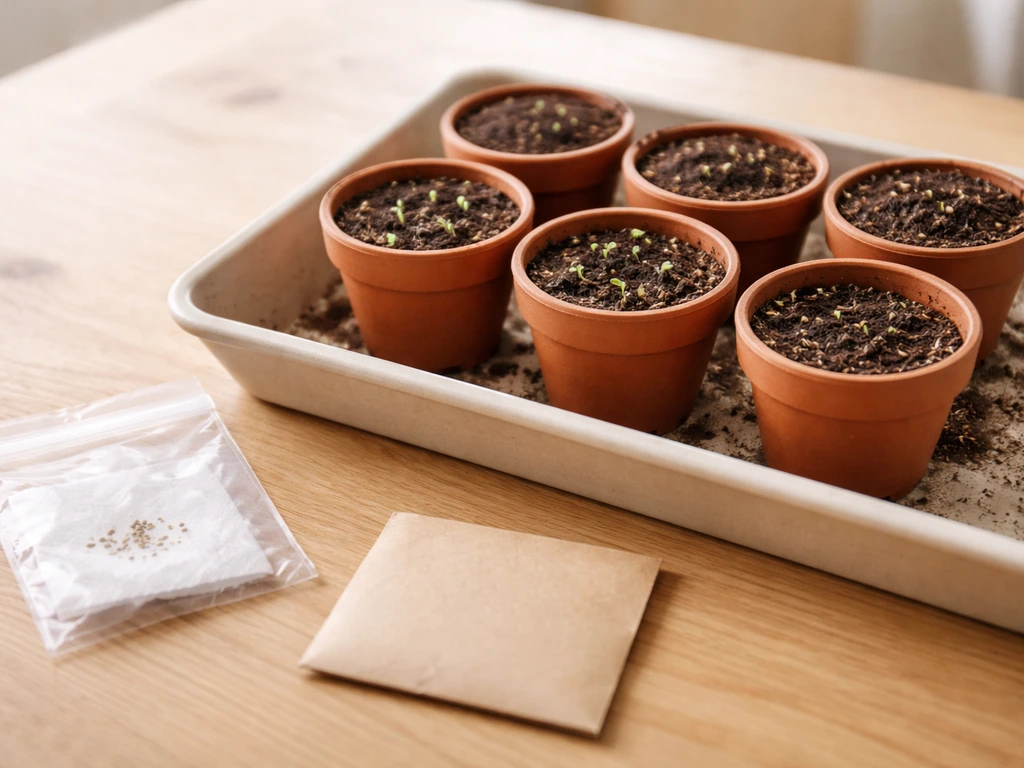
Starting edelweiss from seed is achievable but requires patience and a few specific steps. The RHS notes that Leontopodium alpinum can be [propagated by seed](https://www. rhs. org.
uk/Plants/9924/Leontopodium-alpinum/Details), which is useful when planning an indoors from seed versus starts approach. Seeds need cold stratification before they'll germinate reliably. The general guidance is around 21 days of cold stratification at about 2–4°C (35–39°F), which you can do by placing seeds between damp paper towels in a sealed bag in the fridge.
After stratification, sow seeds on the surface of your gritty mix (don't bury them, they need light to germinate), and keep at around 21°C (70°F) with a 14-hour photoperiod and humidity around 85% until germination occurs. A simple humidity dome over the tray works well. Germination can be slow and uneven, so don't give up after a couple of weeks.
Once seedlings have a couple of true leaves, pot them individually into small terracotta pots with your gritty mix. Don't rush to move them into final-size pots; edelweiss grows slowly and likes things a bit snug.
Using divisions or nursery starts
If you can find edelweiss plants at a nursery or alpine plant specialist, starts are far faster and more reliable than seeds. Established plants can also be divided easily once they've been growing for a couple of years. Division is straightforward: lift the plant, gently tease apart rooted sections, and pot each section into fresh gritty mix. Do this in early spring just as the plant wakes up from dormancy.
| Method | Time to Bloom | Difficulty | Best For |
|---|---|---|---|
| Seed (with cold stratification) | 2–3 years | Moderate to high | Patient growers, multiple plants |
| Nursery starts | 1 season | Low to moderate | Most home growers |
| Division of existing plant | Same or next season | Low | Growers who already have a plant |
Watering and feeding schedule (and where most people go wrong)
Overwatering is the single most common way edelweiss dies indoors. In the research on ex situ cultivation, soil moisture was maintained at roughly 60% field capacity during the vegetative phase and dropped to about 45% during flowering, with watering done 2–3 times per week. In home terms: let the top 2–3 cm of soil dry out before watering again, and during the active growing season, water thoroughly but infrequently, perhaps twice a week in warm conditions. Always make sure excess water drains freely.
In winter during dormancy, reduce watering dramatically. The plant is essentially resting and barely needs any moisture. A light watering once every 2–3 weeks is often enough to keep the roots from desiccating completely without rotting them.
For feeding, edelweiss is a lean feeder. Rich soil or heavy fertilizing leads to lush, weak growth that flops and never flowers well. A single light application of a low-nitrogen fertilizer (something like a diluted balanced feed at half strength) in early spring is plenty. Some growers skip feeding entirely for several seasons and the plant does just fine. Don't fertilize in late summer or fall, as you want the plant to harden off and go into dormancy naturally.
- Water 2–3 times per week in summer, letting the top soil dry between waterings
- Reduce to every 2–3 weeks in winter dormancy
- Never let the pot sit in standing water
- Feed only once in early spring, at half-strength low-nitrogen fertilizer
- Do not feed from late summer onward
Troubleshooting: leggy growth, rot, no blooms, and pests
Leggy, stretched stems
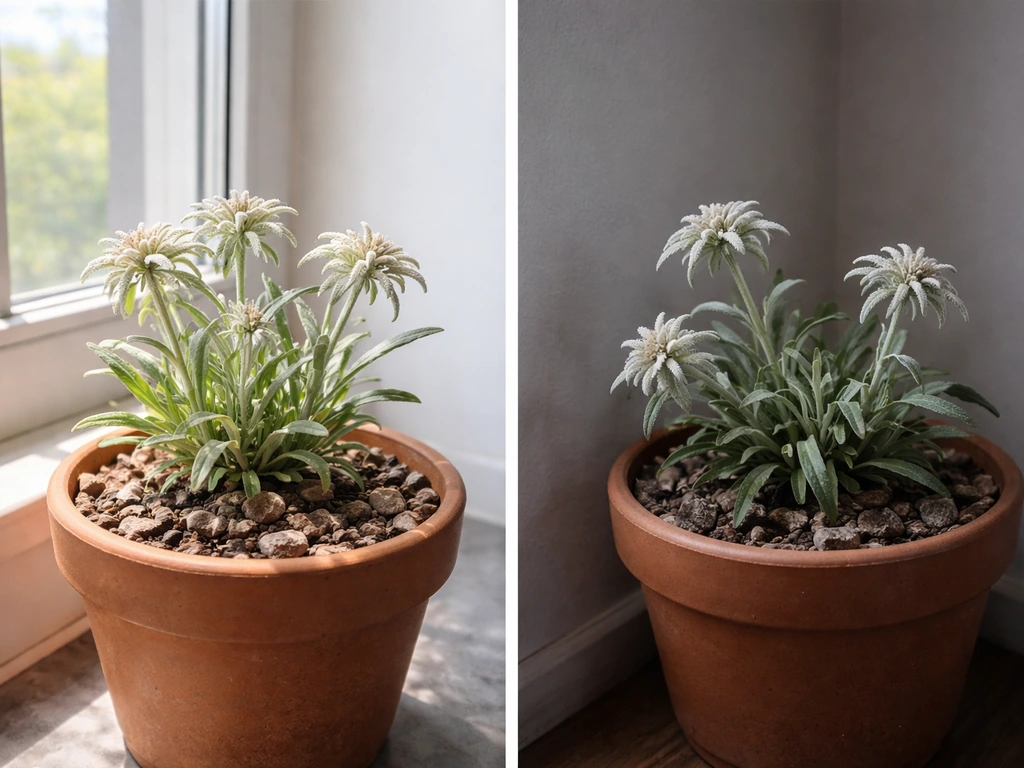
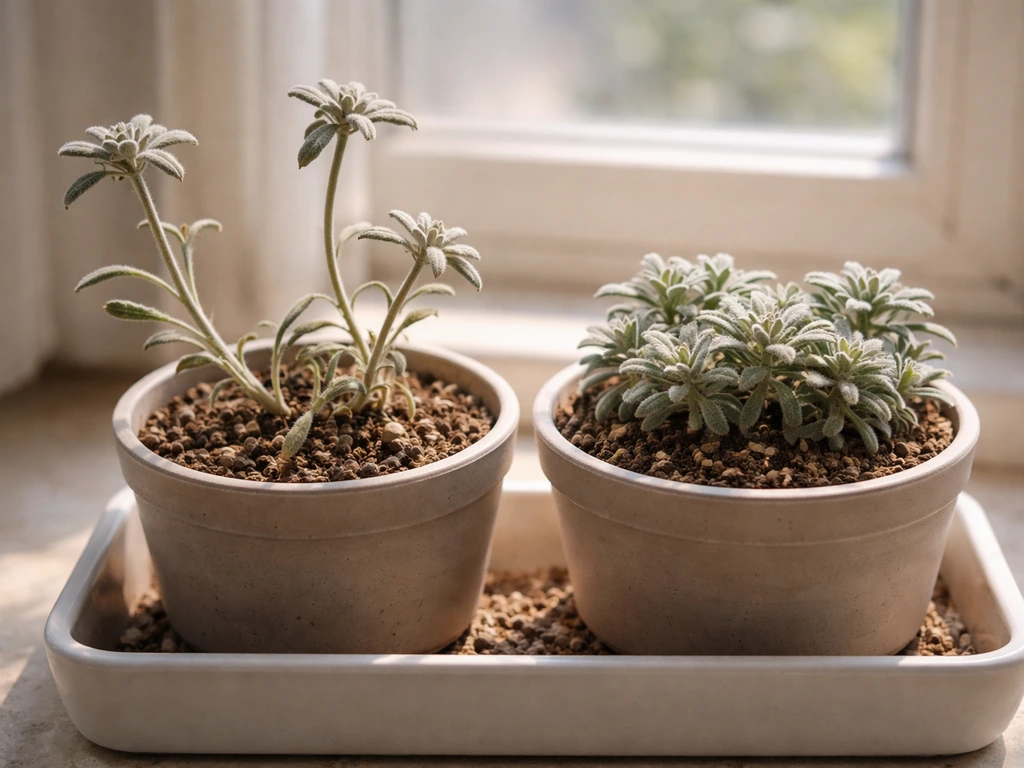
If your edelweiss is producing tall, thin, floppy stems instead of the compact, woolly rosettes it's known for, the plant isn't getting enough light. This is the most common indoor complaint. Move it to a brighter spot and add a grow light. You won't fix stems that are already stretched, but new growth will come in more compact once light levels improve. Pinching back overly leggy stems can also help encourage bushier growth.
Root rot and stem rot
Rot is almost always a drainage and overwatering problem. If you notice the base of the plant turning soft or brown, or the soil stays wet for days after watering, you need to repot immediately into a drier, grittier mix. Remove any rotted roots, let the plant dry out slightly, and repot into fresh gritty compost. Improve drainage by adding more grit or switching to a terracotta pot. Going forward, water less and check that drainage holes are clear.
No blooms
If your edelweiss is growing but not flowering, run through this checklist: Did it get a proper cold dormancy period last winter? Is it getting at least 14 hours of bright or direct light daily during summer? Is the soil lean enough, or are you feeding it too much? Flowering failure is almost always one of those three things. Edelweiss grown from seed also takes 2–3 years to first bloom, so patience is needed with young plants.
Pests and disease
Edelweiss is relatively pest-resistant, especially when grown in dry, airy conditions. The woolly leaves are actually a natural adaptation against UV and moisture loss, and they can deter some pests. Indoors, watch for fungal issues (grey mould, botrytis) in humid or stagnant conditions, and the occasional aphid infestation. Good airflow prevents most fungal problems. For aphids, a targeted spray with insecticidal soap is usually enough. Avoid overhead watering, which keeps the woolly foliage wet and invites mould.
Getting started today: checklist and weekly care plan
If you want to start growing edelweiss indoors right now, here's what to do first. If you’re wondering can you grow perennials indoors, focus on matching the plant’s light and dormancy needs, plus using fast-draining soil. Persian shield has similarly specific light and watering needs, so it's worth planning your indoor setup before you commit can you grow persian shield indoors.
If you want to know can you grow asters indoors, the same mindset applies: plan for strong light, fast-draining soil, and consistent care. Source either seeds (budget option, 2–3 year wait for blooms) or a nursery start from an alpine plant specialist (faster and more reliable). Set up your growing space with a south-facing window and a full-spectrum LED grow light before the plant arrives. Mix your potting medium before you pot the plant, not after.
- Buy a terracotta pot (4–6 inch for a small start) with a good drainage hole
- Mix loam-based compost and horticultural grit 50: 50 as your potting medium
- If starting from seed: cold-stratify in the fridge for 21 days first, then surface sow at 21°C with a humidity dome
- If using a nursery start: pot into your gritty mix and place in your brightest indoor spot immediately
- Set up a grow light above the plant, 6–12 inches, on a 14–16 hour timer
- Place a small fan nearby for air circulation
- Water thoroughly on planting day, then wait until the top 2–3 cm are dry before watering again
- Plan for a cold dormancy period in winter: identify where you'll move the plant (cold porch, garage, or similar)
For your weekly routine during the growing season: check soil moisture twice a week and water only when needed, ensure the grow light timer is running correctly, and look at the plant for any signs of rot, pests, or leggy growth. Once a month, rotate the pot so all sides get equal light exposure. That's really it. Edelweiss isn't a high-maintenance daily project once the setup is right.
Realistic expectations: a nursery start in good conditions can bloom in its first season indoors if it was already of flowering age. A seed-grown plant takes 2–3 years. The famous woolly white star-shaped flower heads appear in late spring to early summer if the plant had a proper cold winter and enough spring light. If you get the conditions right, it's genuinely rewarding, and edelweiss in bloom indoors is a striking thing.
If you enjoy the challenge of tricky alpine plants, you might also find yourself curious about other plants that push indoor growing limits, like foxglove or ornamental grasses, which have their own set of indoor challenges worth knowing about. If you’re wondering can you grow foxglove indoors, you’ll want to plan for the right light, temperature, and careful potting so it doesn’t struggle indoors.
FAQ
Can you grow edelweiss indoors without a grow light?
Yes, but only if you treat it like a timed indoor grow setup. Plan on using a full-spectrum LED at canopy height and keep it in a cool, well-ventilated area during winter. A typical living room that stays warm, even with a window, usually fails because the plant never gets a proper cold rest or enough intense light.
Will a south-facing windowsill alone work for can you grow edelweiss indoors?
Generally, no. A north-facing windowsill is almost always too dim, and even a south-facing window often drops off in intensity in winter and can be too far from the glass. If you skip grow lighting, expect stretched stems, poor bud formation, and a higher risk of rot from slower drying soil.
What counts as sufficient cold dormancy for edelweiss indoors?
The key is not just temperature, it is the duration and consistency. Aim for a cold period of at least 6 to 8 weeks in the 1 to 5°C (34 to 41°F) range, then return to brighter conditions for active growth. If you only get a few cold nights, the plant may survive but often will not bloom.
How important is airflow for can you grow edelweiss indoors?
Use airflow like a preventive tool, not just when you see problems. A small fan running nearby, plus regular ventilation, helps prevent grey mould and botrytis around the woolly leaves. Also avoid overhead watering, since wet foliage stays damp longer and encourages fungal growth.
Should I water edelweiss on a schedule indoors?
You can, but stop when the top few centimeters dry out and your mix has lots of air space. If the pot stays wet for days, you need more grit/perlite or a terracotta pot with better drainage. Watering on a calendar without checking soil dryness is the fastest path to base rot.
What pot size is best when trying to can you grow edelweiss indoors?
It varies by setup, but the fastest way is to check soil drying time and choose the pot size accordingly. Don’t use a very large pot, because excess wet soil stays around the roots. A snug pot with one large drainage hole, and a gritty mix that dries quickly, gives you the best control.
Does soil pH matter for indoor edelweiss, and how do I adjust it?
Target a slightly alkaline to neutral mix, roughly pH 6.5 to 7.5. If your local water is very soft and your compost is acidic, the mix can drift too low over time. Using a lean, lime-friendly base and testing pH once early on can save a season.
What are the most common mistakes when growing edelweiss indoors from seed?
Yes, but expect slow and uneven results. Keep the seeds on the surface after stratification (they need light to germinate), maintain high humidity with a dome, and do not bury them. If you see no germination after a couple of weeks, give them more time rather than increasing heat or watering.
How do I position and set up a grow light for edelweiss indoors?
Pick a grow-light height and then verify actual intensity at the canopy, not just the lamp settings. If you cannot measure lux, use plant response as a guide, compact new growth is a good sign, leggy stretched stems mean the light is insufficient. Also use a timer so you get the 14 to 16 hour bright period reliably.
If my indoor edelweiss isn’t flowering, what should I troubleshoot first?
Edelweiss can be hard to bloom from seed, but you can improve your odds by not feeding heavily and by ensuring the cold rest actually happens. For flowering failures, first check cold dormancy, then confirm summer light hours, and only afterward look at feeding and watering habits. Young seed-grown plants often take 2 to 3 years to bloom.
Can you divide edelweiss indoors, and when is the best time?
Division can work, but only on mature clumps and ideally early spring when the plant is waking up from dormancy. Use fresh gritty mix immediately, water sparingly until roots resume, and expect slower establishment compared to a nursery start. Avoid dividing repeatedly in the same year, it can set the plant back.