
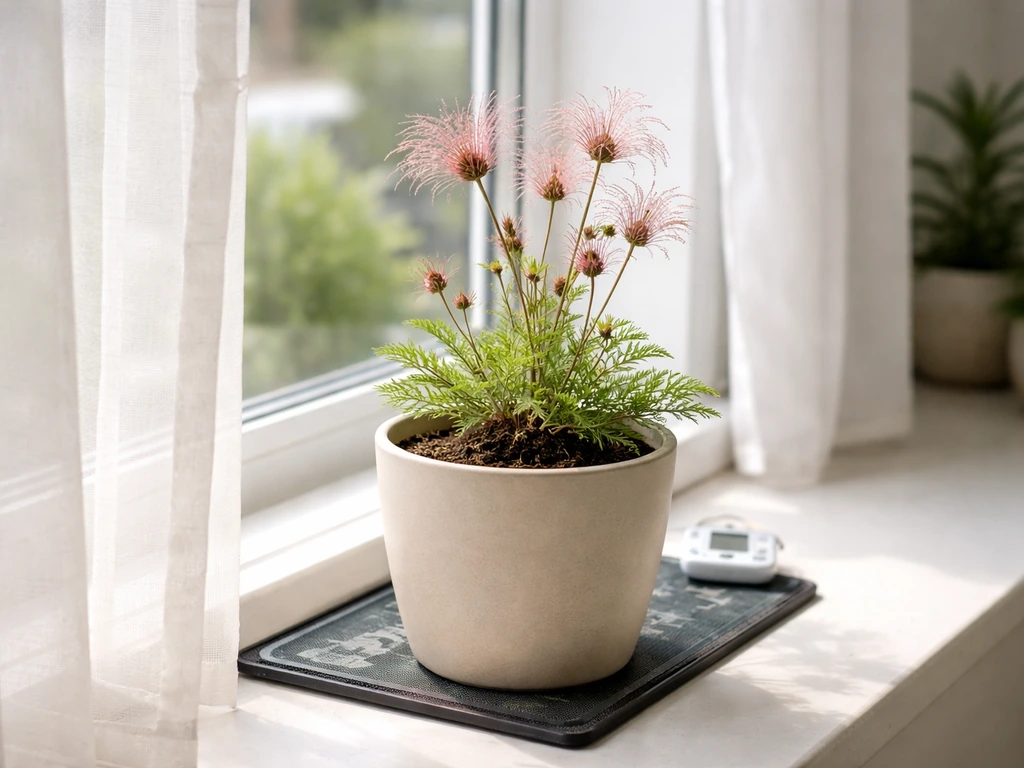
You can grow prairie smoke (Geum triflorum) indoors, but only in a very limited, temporary way. It is not a plant that will thrive long-term on a windowsill or in an apartment. Prairie smoke is a native prairie wildflower built for cold winters, full sun, and lean well-drained soil. Indoors, you can start seeds, overwinter a young plant, or nurse a dormant root through the colder months, but if you want those wispy, smoke-like seedheads and nodding spring flowers, the plant will almost certainly need to go outside at some point in its life cycle.
Can You Grow Prairie Smoke Indoors? Full Guide
James Hartwell
23 May 2026
What prairie smoke actually is and what makes it tick
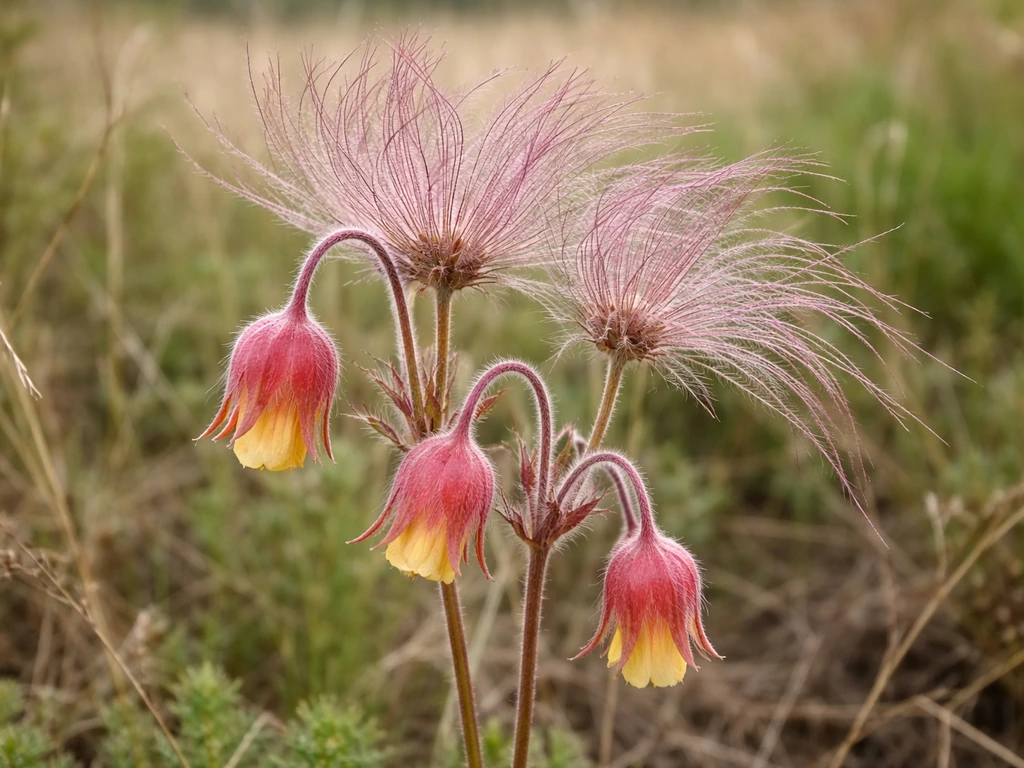
blank" rel="noopener noreferrer">Prairie smoke is Geum triflorum, also called prairie avens, three-flowered avens, or old man's whiskers. It is a low-growing perennial native to upland prairies and open woodlands across a wide swath of North America, thriving in USDA Hardiness Zones 3 through 7 (and sometimes listed as far as Zone 9). The blank" rel="noopener noreferrer">bloom window is roughly May through June, and the real showstopper is the feathery, smoke-like seedheads that appear after the flowers fade. It grows in clumps of hairy, pinnate leaves that stay relatively low to the ground, topping out around 12 to 16 inches when in flower.
The plant is native to tough, exposed environments, which shapes everything about how it grows. It wants full sun to part sun, well-drained to dry soil, and doesn't need much fertilizer or water once established. It is moderately drought tolerant and genuinely dislikes soggy roots. It also requires a cold dormancy period, which is the main reason indoor cultivation is so challenging. One more thing worth flagging: if you search for 'Geum indoors,' a lot of the advice you will find applies to garden hybrids like Geum coccineum or Geum chiloense cultivars, which are somewhat easier to manage. Geum triflorum specifically is a wilder, more uncompromising plant.
Can indoor conditions actually meet its needs?
This is where you have to be honest with yourself. Prairie smoke needs direct sun for most of the day. A south-facing window in a US home delivers roughly 4 to 6 hours of direct light in summer, which is borderline. In winter, a south-facing window might give you 2 to 3 hours, which is not enough. If you have a grow light, you can supplement with a full-spectrum LED running 12 to 14 hours a day, placed 6 to 12 inches above the foliage. That will keep the plant alive and the rosette looking decent, but do not expect dramatic flowering without real outdoor sun.
Temperature is the bigger obstacle. Prairie smoke blooms in spring after a cold winter dormancy. In nature, the plant experiences months of near-freezing or sub-freezing temperatures before it wakes up and flowers. Most homes are kept at 65 to 72°F year-round, which means the plant never gets the chilling signal it needs to set flower buds. You can simulate this by moving the plant to an unheated garage, a cold basement (around 35 to 45°F), or a cold frame outdoors for 8 to 12 weeks in winter. Without that chilling period, you are very likely to get a healthy-looking rosette with no flowers.
| Requirement | What prairie smoke needs | What most indoor spaces offer | Workaround |
|---|---|---|---|
| Light | 6+ hours direct sun daily | 2–4 hours at a south window | Full-spectrum grow light, 12–14 hrs/day |
| Winter temperature | 35–45°F for 8–12 weeks | 65–72°F year-round | Cold garage, basement, or cold frame |
| Soil drainage | Fast-draining, lean mix | Variable depending on potting mix | Gritty/sandy DIY mix (see below) |
| Humidity | Low to moderate | Often moderate indoors | No humidifier needed; avoid misting |
| Water | Infrequent, drought tolerant | Easy to overwater indoors | Water only when top 2 inches are dry |
| Dormancy | Needs winter dieback | Stays warm year-round | Simulate with cold period |
Starting prairie smoke from seed indoors
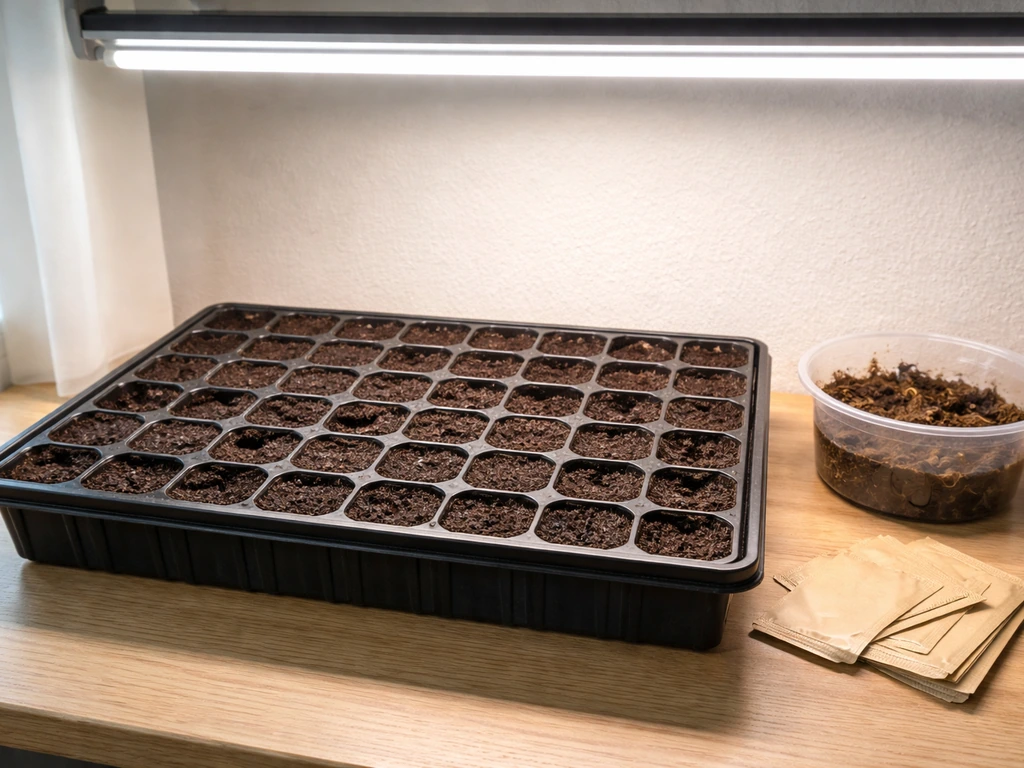
Starting from seed is the most common way to grow prairie smoke, and it is where indoor growing genuinely helps. The seeds require cold stratification to germinate, which means they need a period of cold and moist conditions to break dormancy. Skip this step and you will be waiting forever for sprouts that never come.
Cold stratification step by step
- Mix seeds with slightly damp peat moss or vermiculite in a zip-lock bag or small container.
- Seal the bag and place it in the refrigerator (not the freezer) at around 35 to 40°F.
- Leave it there for 60 to 90 days. Check occasionally to make sure the medium stays barely moist and hasn't molded.
- After stratification, sow seeds in your prepared pots (see next section), pressing them lightly onto the surface. Prairie smoke seeds need light to germinate, so do not bury them.
- Place pots under grow lights or in a bright south-facing window at room temperature (60 to 65°F is ideal for germination).
- Germination typically takes 2 to 4 weeks after the cold period. Be patient: not all seeds will sprout at the same time.
Alternatively, you can direct-sow seeds outdoors in fall and let winter do the stratification work naturally. That is the path of least resistance and produces the most reliable germination, but if you're an apartment gardener or have no outdoor space, the refrigerator method works. Timing matters: start stratification in late November or December so seeds are ready to sow in late February or March for a spring start indoors.
Starting from transplants or divisions
If you can get a nursery transplant or a division from an established plant, you are ahead of the game. Pot it up in spring, let it establish over summer (ideally outdoors or in the brightest spot you have), then bring it inside before hard frost if you want to overwinter it. The plant will go dormant, lose much of its foliage, and look pretty rough for a few months, which is normal.
Pots, soil, and watering: get this right from the start
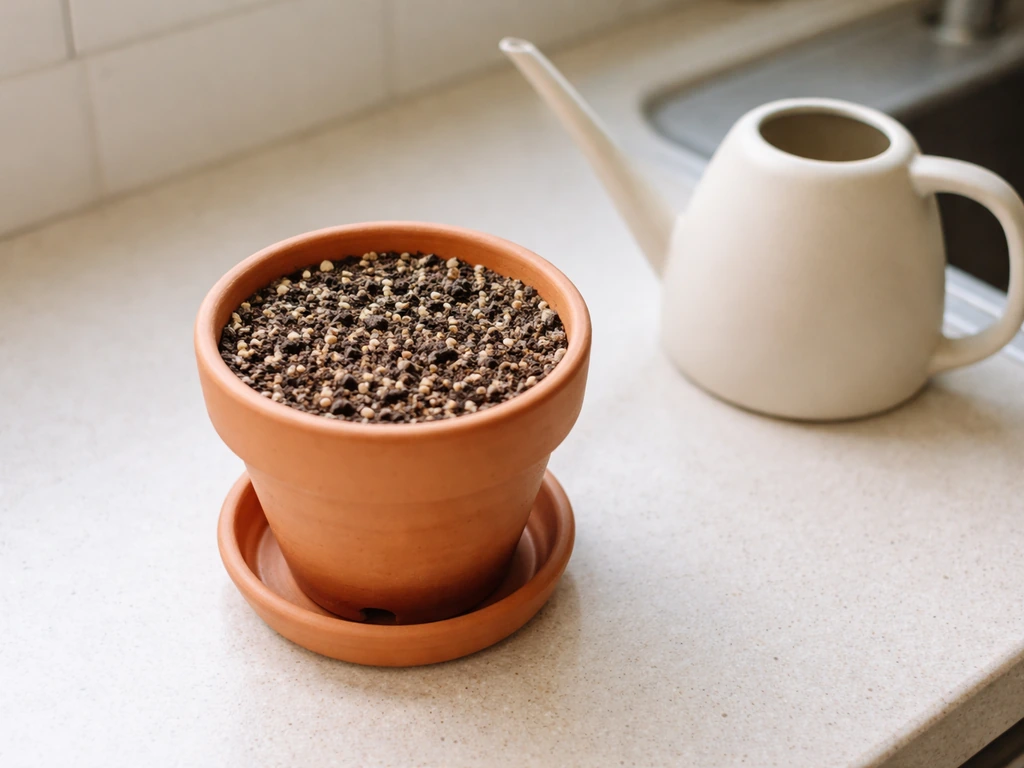
Prairie smoke hates wet roots. This is probably the single most common reason people kill it indoors. The potting mix needs to drain fast. A standard houseplant potting mix is too water-retentive on its own. Mix it with coarse sand or perlite at roughly a 1:1 ratio, or use a cactus and succulent mix as your base. The goal is a mix that dries out within a day or two of watering.
- Container: terracotta is ideal because it breathes and dries faster than plastic or glazed ceramic. Use a pot that is 6 to 8 inches wide and at least 8 inches deep for a single plant, since prairie smoke has a taproot that goes down.
- Drainage holes: non-negotiable. Do not use pots without holes, and do not place a solid saucer underneath that lets water pool. Elevate the pot or use a saucer you actively empty.
- Watering: water thoroughly when the top 2 inches of soil are dry, then let it drain completely. During the plant's winter dormancy, water even less, maybe once every 3 to 4 weeks just to keep the roots from desiccating entirely.
- Fertilizer: go light. A diluted balanced liquid fertilizer (half the recommended dose) once in spring and once in early summer is plenty. Prairie smoke evolved in lean soils and too much fertilizer produces lush, floppy growth with fewer flowers.
A care calendar and how to fix common problems
Prairie smoke follows a clear seasonal rhythm, and trying to fight that rhythm indoors is the source of most frustration. Here is how to work with it rather than against it.
| Season | What to do indoors |
|---|---|
| Late fall (Nov–Dec) | Begin cold stratification for seeds if starting from seed. Move potted plants to cold garage or basement (35–45°F). Reduce watering significantly. |
| Winter (Jan–Feb) | Keep plants cold and barely watered. Seeds continue stratifying in the fridge. |
| Late winter (Feb–Mar) | Bring stratified seeds out to sow. Begin warming potted plants gradually back to room temperature. Resume light watering. |
| Spring (Mar–May) | Grow seedlings under lights. Established plants may show new rosette growth. Move outside as soon as nights stay above 28°F consistently. |
| Summer (Jun–Aug) | Best grown outdoors. Flowers and seedheads appear. Water only when dry. Minimal fertilizer. |
| Early fall (Sept–Oct) | Bring indoors before hard frost if overwintering, or leave outdoors if in a hardy zone. |
Troubleshooting the most common problems
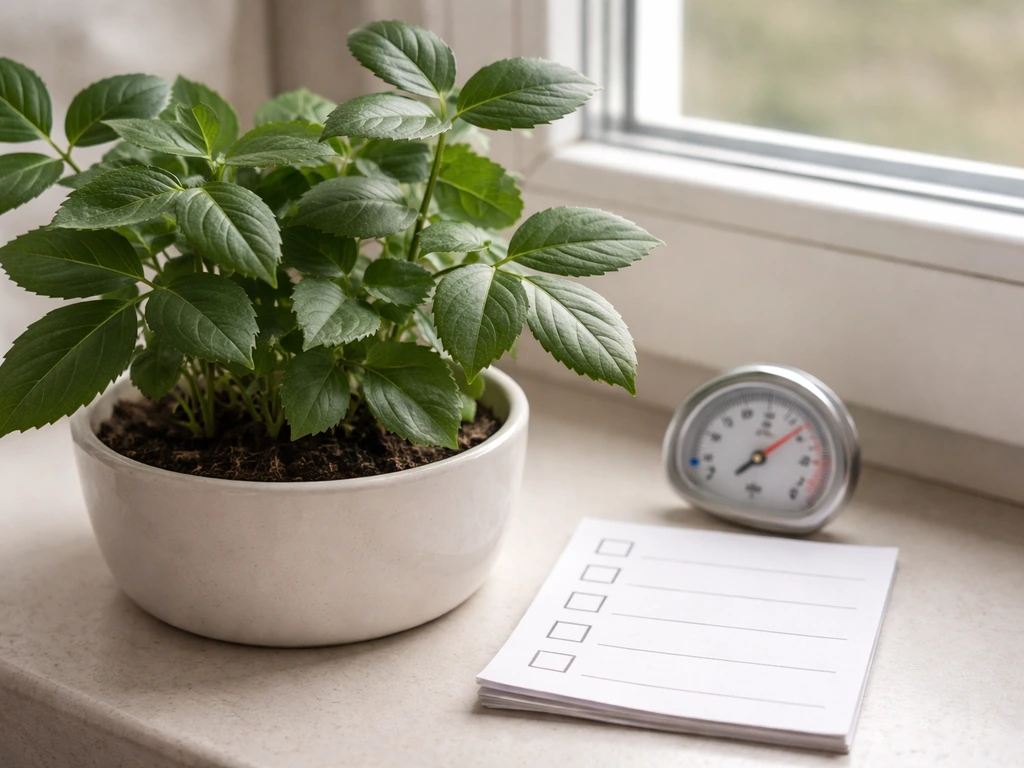
- No flowers: almost always a missing cold period. The plant needs 8 to 12 weeks of chilling below 45°F. If it has been warm all year, move it to a cold spot next winter and give it that dormancy.
- Leggy, weak growth: not enough light. Move it to the brightest window you have or add a grow light. Stretched stems that flop over are a classic sign of insufficient sun.
- Root rot and wilting despite moist soil: overwatering or poor drainage. Pull the plant, check the roots (mushy brown roots are rotten), trim them back to healthy tissue, let them air out, and repot in fresh gritty mix. Do not water for at least a week.
- Wilting despite dry soil: the plant may be too warm or in too much heat from a nearby radiator or heating vent. Move it somewhere cooler. It can also mean the roots have completely dried out during dormancy, so give it a slow, deep drink.
- Seeds not germinating: most likely insufficient stratification time. Put them back in the fridge for another 3 to 4 weeks. Also check that seeds have not been buried, since they need light to germinate.
- Mold on soil surface: airflow is too low. Run a small fan nearby, reduce watering frequency, and make sure the pot is draining properly.
The honest truth about long-term indoor growing
Prairie smoke is not a long-term houseplant. Can you grow phlox indoors? It has very different requirements, so the answer depends on light, temperature, and how you handle dormancy prairie smoke. Even with grow lights and a cold garage for winter chilling, you are working hard to replicate conditions the plant gets for free outdoors. Most indoor-grown prairie smoke plants will produce decent rosettes but bloom unreliably, if at all. The plant can survive indoors for a season or two if you manage the cold period carefully, but over time it tends to decline without real outdoor sun and natural soil conditions.
The best way to think about indoor growing is as a bridge, not a permanent home. Start seeds indoors in late winter, grow them out through spring, then move them outside once the weather cooperates. If you have a patio, balcony, or any outdoor space at all, that is where prairie smoke belongs from late spring through fall. Bring it in only to protect it from a brutal winter if it is in a container, or to start the next generation from seed.
If you are in a zone where it is hardy outdoors (Zones 3 to 7 primarily), the smarter play is to grow it in a container that you can move in and out seasonally, or just plant it in a garden bed and let it do its thing. Prairie smoke is an incredibly tough, long-lived perennial in the right outdoor spot, and it deserves to be there rather than struggling under a grow light.
Your quick success checklist
- Use a fast-draining gritty potting mix, at least 50% perlite or coarse sand.
- Choose a terracotta pot with drainage holes, at least 8 inches deep.
- Cold-stratify seeds for 60 to 90 days in the refrigerator before sowing.
- Sow seeds on the surface, do not bury them, and keep under grow lights or a bright south window.
- Give established plants 8 to 12 weeks of cold temperatures (35 to 45°F) every winter to trigger blooming.
- Water only when the top 2 inches of soil are dry. Almost none during dormancy.
- Move the plant outdoors in late spring once temperatures are consistently above freezing.
- Skip heavy fertilizing: once or twice a season at half strength is plenty.
If prairie smoke is too much work indoors, try these instead
If you love the idea of a native or wildflower-ish plant with spring interest but want something that genuinely thrives indoors without the cold-period drama, there are better options. If your goal is a similar look to prairie-style wildflowers, you can also explore whether you can grow fireweed indoors, since it has comparable challenges with indoor conditions.
Prairie smoke's needs are honestly similar to other challenging native plants like fireweed or certain alpine species, which also struggle long-term inside without significant effort. You can sometimes grow alpine plants indoors too, but they still usually require the right light and a cold or cool rest period to do well can you grow alpine plants indoors.
Brunnera (Siberian bugloss) is a much more manageable cool-season perennial that tolerates lower light and stays attractive indoors longer without needing a hard cold period. Phlox, depending on the variety, can be grown indoors in a bright window with much less fuss. If you enjoy the feathery, textural look of prairie smoke's seedheads, ornamental grasses like blue fescue (Festuca glauca) adapt far better to pot culture and bright indoor light.
For true indoor spring color and ease, consider African violets, oxalis, or kalanchoe, none of which need cold stratification or winter chilling. They won't give you that prairie wildflower aesthetic, but they will actually bloom reliably on your windowsill without you engineering a cold garage situation every November. If you are committed to the native plant angle and have any outdoor space at all, grow prairie smoke in a container that lives outside and comes in only as a temporary guest during seed starting season. That is the setup that respects what the plant actually is.
FAQ
What is the best way to keep prairie smoke alive indoors if it never flowers?
Aim for survival and a decent rosette, not bloom. Provide 12 to 14 hours of full-spectrum LED if the window is weak, keep watering infrequent, and schedule a true cold-rest period in the coldest available location (unheated garage or cold frame) for 8 to 12 weeks so it can set up for next spring outside.
How cold do the seeds need to be, and for how long, for indoor germination?
For the refrigerator method, cold stratification has to be long enough to fully break dormancy, typically about 8 to 12 weeks. Keep seeds consistently moist but not wet, then sow into a fast-draining mix right after the stratification window ends.
Can I skip the cold stratification if I’m using a grow light?
Usually no. Light and warmth can help with germination after dormancy is broken, but they cannot replace the chilling signal needed for Geum triflorum seed germination and bud development. Skipping stratification commonly leads to no sprouts or plants that look fine but do not flower.
What kind of window setup works, if I do not have a grow light?
A south-facing window in summer can be borderline, winter often is not. If you do not have a grow light, consider treating the indoor period as short-term only (seed starting or overwintering the container in a cold, bright spot) and plan to move outdoors as soon as temperatures stabilize.
How do I prevent prairie smoke from rotting in a pot?
Use a pot with drainage holes and a genuinely fast mix (often equal parts potting mix plus coarse sand or perlite). Water only when the mix has dried enough that it feels light and dry at the surface, and never let the pot sit in a saucer of runoff.
Is it better to grow prairie smoke from seed or buy a nursery transplant for indoors?
Seed is usually the most dependable for any indoor component, because you can control stratification timing. A nursery plant can work for overwintering, but it still needs real chilling to bloom, and many store plants are not labeled precisely for indoor performance.
When should I start moving the plant outdoors after an indoor cold period?
Move it outside when the risk of harsh freezing is over and you can keep it in direct sun for most of the day. Acclimate gradually over several days to avoid sudden sun and wind stress, especially if it was under LEDs indoors.
How long can prairie smoke stay indoors before it declines?
Think in seasons, not years. Even with correct light and a cold rest, it often holds up only for a limited period indoors, with unreliable flowering. Plan to treat indoor growing as a bridge, not a permanent habitat.
Does prairie smoke need fertilizer indoors?
Usually not. It prefers lean conditions, and extra fertilizer can increase soft growth and worsen issues like dampness. If you fertilize at all, use a very diluted dose sparingly during active growth, and focus first on light and drainage.
Can I take a division from an indoor plant and keep it as a houseplant?
Divisions can help propagation, but they will not remove the plant’s core requirements. Without strong direct light and a cold dormancy period, divisions frequently form rosettes but do not flower reliably and can decline over time.
Why does my prairie smoke have lots of leaves but no flowers the next spring?
The most common cause is insufficient chilling. If the plant never experienced a true cold dormancy period (roughly 8 to 12 weeks near winter-like temperatures), it may grow a rosette and then fail to set flower buds.