Yes, sedum can absolutely grow indoors, and it's one of the more forgiving plants you can bring inside. It's a succulent at heart, which means it stores water in its leaves, tolerates neglect better than most houseplants, and asks for very little beyond bright light and a pot that drains fast. The catch is that 'bright light' part. Sedum is not a low-light plant you can tuck on a bookshelf and forget. Get the light right, keep the soil dry between waterings, and indoor sedum will reward you with compact, healthy growth for years.
Can Sedum Grow Indoors? Yes, Here’s How to Do It

James Hartwell
27 Apr 2026
So, can you actually grow sedum indoors? (The direct answer)
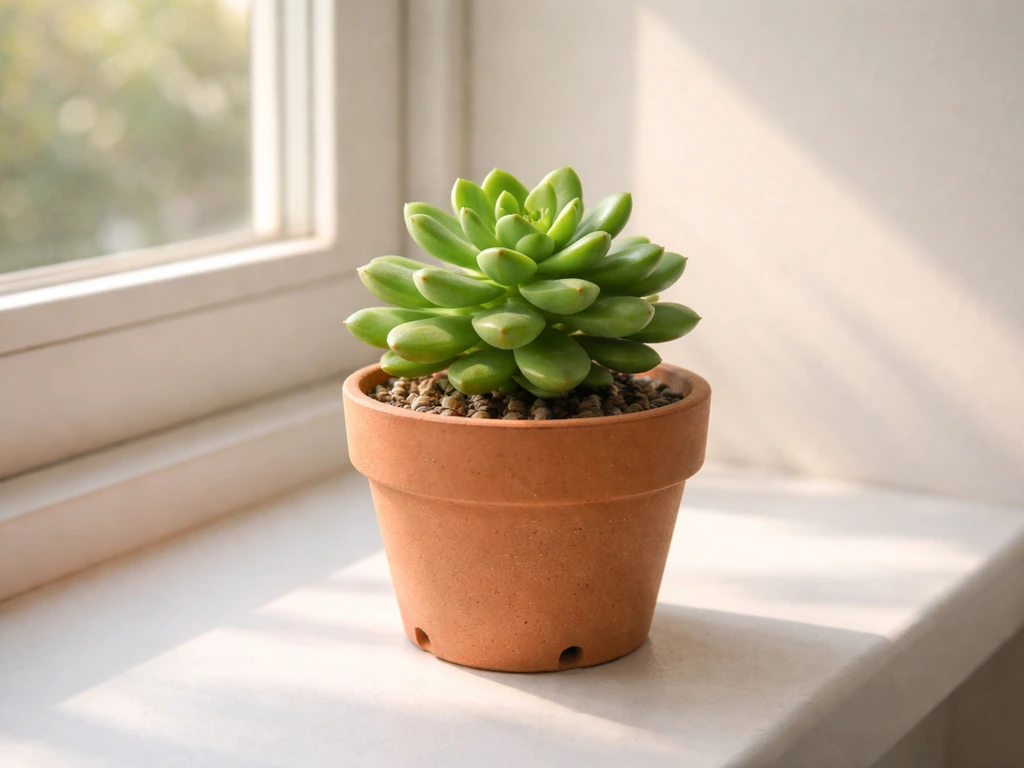
Yes, you can grow sedum indoors successfully. It's not a plant that secretly hates being inside the way some outdoor perennials do. Sedum adapts well to container life, stays manageable in size, and doesn't need high humidity or complicated care routines. Sedum adapts well to container life, stays manageable in size, and doesn't need high humidity or complicated care routines can heather grow indoors. The main conditions it needs indoors are a high-light spot (think south or west-facing window), fast-draining soil in a pot with drainage holes, and a watering schedule built around 'wait until the soil is completely dry.' Nail those three things and you're in good shape.
Where people run into trouble is treating sedum like a regular houseplant, watering on a schedule regardless of soil moisture, or placing it in a dim corner because it looks pretty there. Sedum will survive those conditions for a while, but it won't thrive. More on fixing those problems below.
Best light setup for indoor sedum
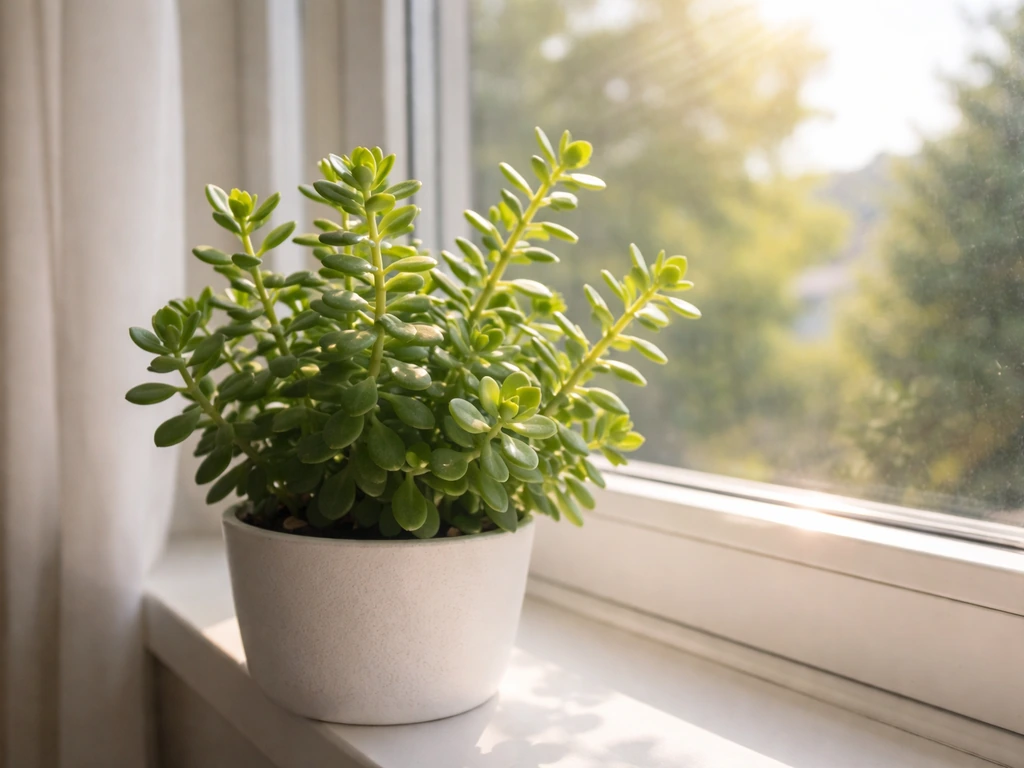
Sedum wants as much light as you can give it indoors. A south-facing window is the gold standard. A west-facing window with good afternoon sun is a solid second choice. East-facing windows can work for some low-growing varieties, but the light duration is often too short to keep sedum compact and happy long-term. North-facing windows are a firm no for this plant.
The problem with indoor light, even from a south-facing window, is that it's still considerably less intense than outdoor sunlight. When sedum doesn't get enough light, it etiolates, meaning the stems stretch out and get leggy as the plant reaches toward whatever light it can find. If you've ever seen a sedum that looks like it's trying to escape its pot in one direction, that's what's happening.
When to use grow lights
If your best window is marginal or you're in an apartment where natural light is limited, a grow light is a genuinely practical fix rather than overkill. For succulents like sedum, University of Maine Extension research targets a PPFD (photosynthetic photon flux density) of around 100 to 200 µmol/m²/s. You don't need to obsess over the numbers, but it's useful context: sedum doesn't need the highest-intensity grow light you can buy. A mid-range full-spectrum LED positioned 6 to 12 inches above the plant for 12 to 14 hours a day is plenty. This also matters for flowering, since sedum naturally blooms under long days, so light duration is worth paying attention to beyond just brightness.
Soil, pot, and drainage: get this right first
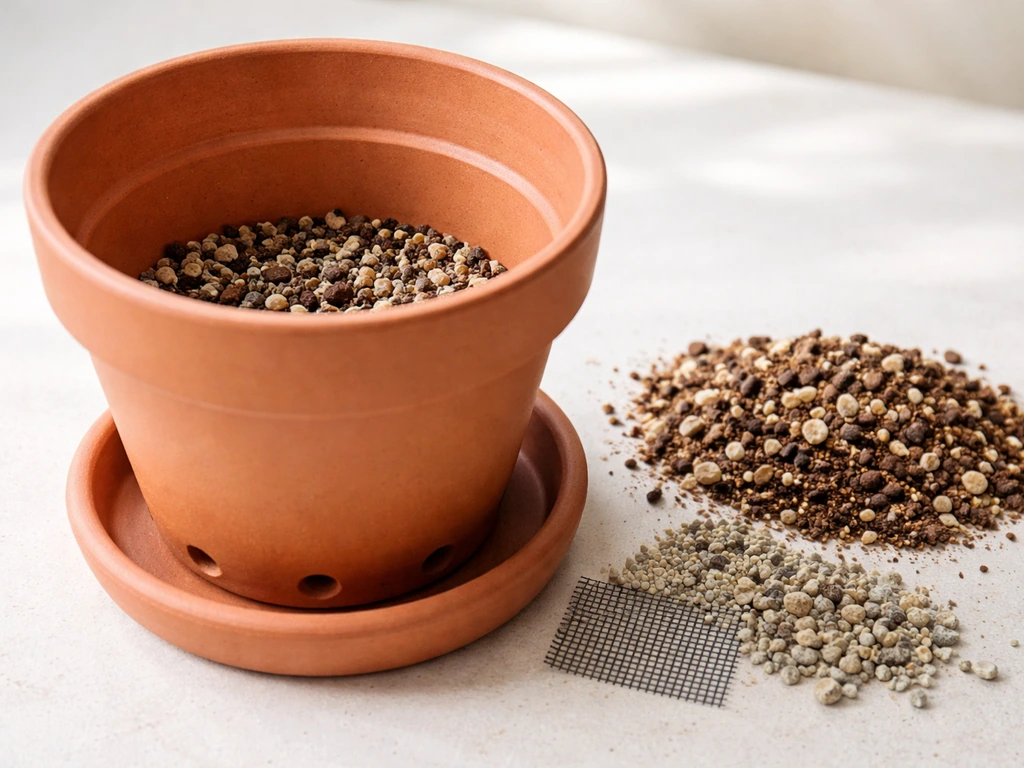
If I had to pick the single most important thing to get right for indoor sedum, it would be the drainage setup. Sedum absolutely cannot sit in wet soil for extended periods. The roots will rot, the stems will go mushy, and the plant will decline faster than you'd expect. This isn't a slight risk, it's the number-one killer of indoor sedum.
Use a succulent or cactus potting mix, or make your own by mixing standard potting soil with perlite in roughly a 50/50 ratio. For rooting, University of Washington propagation materials note that peat alone roots poorly, but peat mixed with perlite or vermiculite, or perlite mixed with sand, provides a better rooting medium along with proper environmental conditions make your own by mixing standard potting soil with perlite in roughly a 50/50 ratio. The goal is a mix that dries out quickly after watering, not one that holds moisture for days. For the pot itself, terracotta is genuinely better than plastic here because it's porous and helps the soil dry faster. Any pot you use must have drainage holes. No exceptions. Those decorative pots without holes look great, but they turn into tiny swamps at the root level.
Pot size matters too. Don't go too large. A pot that's only slightly bigger than the root ball gives the soil less excess moisture to hold onto between waterings, which reduces rot risk. When rooting new cuttings, University of Washington propagation work uses a blend of sand and a peat/perlite/vermiculite mix precisely because it drains fast and doesn't keep the cut stem sitting in moisture.
Watering and feeding: the most common mistakes
The watering rule for indoor sedum is simple: wait until the soil is completely dry before you water again. Not 'mostly dry.' Not 'dry on top but maybe damp underneath.' Completely dry. Stick your finger a couple of inches into the soil. If there's any moisture there, wait a few more days and check again. When it's fully dry, water thoroughly until it drains out the bottom, then leave it alone.
In practice, this often means watering once every 10 to 21 days indoors depending on your pot size, light level, and season. In winter when growth slows, you'll water even less. I've gone three weeks between waterings for indoor sedum in winter without any problem. The plant's succulent leaves hold reserves and it simply doesn't need what you might think.
For fertilizer, sedum is a light feeder and doesn't need much. If you want to give it a boost during the active growing season (spring and summer), use a balanced liquid fertilizer diluted to half strength, maybe once a month. Skipping fertilizer entirely is fine too. Over-fertilizing with a nitrogen-heavy feed is actually counterproductive because it pushes soft, weak, leggy growth rather than compact and sturdy stems.
Temperature and placement tips
Sedum is comfortable in the same temperature range most people keep their homes. Logee's cultural guidance puts the indoor minimum at above 40°F, so unless your windowsill gets genuinely cold in winter (near a drafty, single-pane window in a cold climate), you're unlikely to have a temperature problem. Average indoor temperatures of 60 to 75°F suit sedum well.
Placement-wise, keep sedum away from heating and air conditioning vents, which dry leaves out unevenly and stress the plant. A bright windowsill is ideal. If it's a south-facing window that gets intense afternoon sun in summer, watch for any signs of scorching on the leaves and pull the pot back slightly if needed. Indoors, though, this is rarely an issue since glass filters some intensity. Rotate the pot a quarter turn every week or two so all sides of the plant get equal light and it grows evenly rather than leaning.
Humidity is not something you need to worry about with sedum. It handles average household humidity without complaint and doesn't need misting the way ferns or tropical plants do. Low humidity is actually fine.
How to start sedum indoors
Buying a plant
The easiest way to start is to buy a small potted sedum from a nursery or garden center. You'll often find them sold as succulent arrangements or as individual plants. Look for a compact, firm plant with no mushy stems or yellowing leaves. When you get it home, check whether the pot drains properly and repot into a fast-draining mix if the existing soil seems too moisture-retentive.
Starting from cuttings
Sedum propagates from cuttings extremely easily, which makes it a great plant to share or expand. Cut a 3 to 6 inch stem section, remove the leaves from the bottom inch or two, and then leave the cutting somewhere dry and bright for 3 to 7 days to let the cut end callus over. This drying step is important because it prevents the fresh cut from rotting when you plant it. Small sedum varieties tend to callus in as little as 3 to 4 days.
Once the cut end is dry and scabbed over, plant the cutting in dry, well-draining soil and hold off on watering for a few days. Roots typically develop within 2 to 4 weeks. University of Washington propagation work found 4 weeks to be a reliable timeline before cuttings are established enough to treat as regular plants. Don't rush it by overwatering to encourage rooting. Dry conditions actually speed root development with sedum.
Ongoing care and fixing common problems
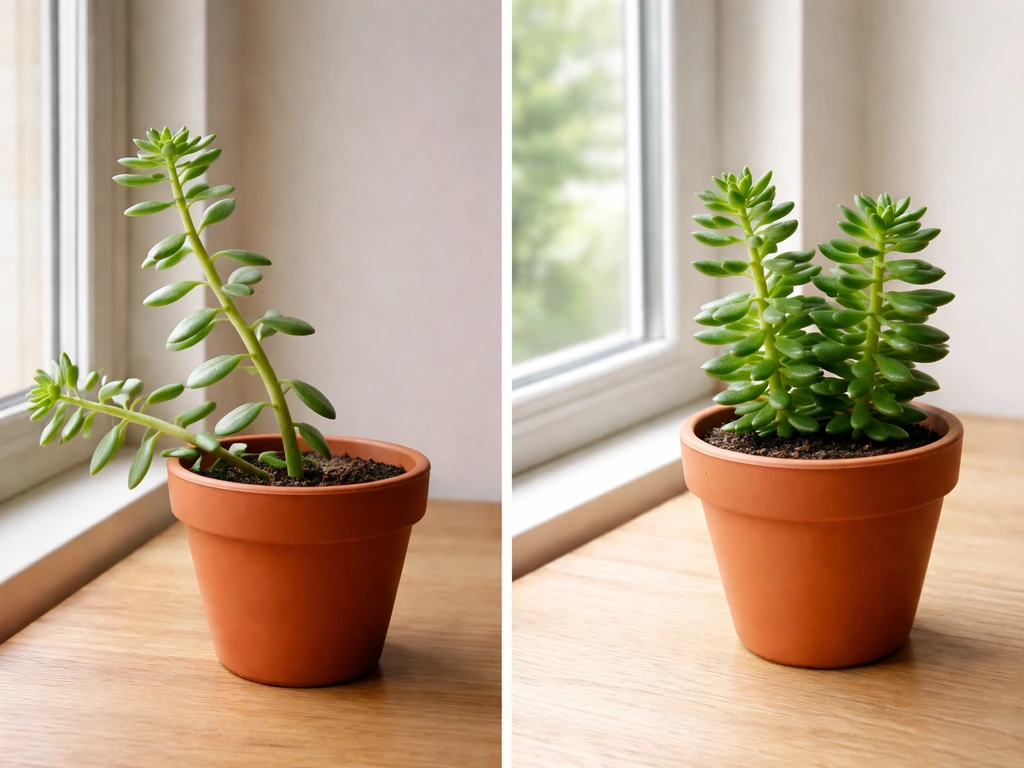
Leggy, stretched-out growth
If your indoor sedum starts looking long and spindly with widely spaced leaves, it's not getting enough light. This is called etiolation and it's the most common indoor sedum complaint. The fix is straightforward: move the plant to a brighter window or add a grow light. Unfortunately the stretched stems won't compact back down, but you can trim the leggy growth and use the cuttings to propagate new, compact plants under better light. Treat those leggy bits as a free source of cuttings rather than a total loss.
Overwatering and root rot
If you notice mushy, translucent stems or leaves that look waterlogged rather than plump and firm, overwatering is almost certainly the cause. Root rot sets in when soil stays wet too long. Catch it early and you can often save the plant by removing it from the pot, trimming off any black or mushy roots, letting the root system air dry for a day, and replanting in fresh, dry succulent mix. Going forward, extend the time between waterings and make absolutely sure the soil dries out completely before you water again.
Pests
Indoors, the most common pests on sedum are spider mites and mealybugs. Mealybugs look like small cottony clusters, usually at leaf joints. Spider mites leave fine webbing and cause stippled, dull-looking leaves. Both respond well to insecticidal soap spray applied directly to the pests. The soap works on contact, so make sure you coat the affected areas thoroughly. Check the plant weekly during treatment since a single application rarely eliminates all of them.
When to repot
Sedum grows slowly enough that you won't need to repot frequently. When you see roots coming out of the drainage holes or the plant looks obviously cramped for its pot, move it up one pot size (not two) and refresh the potting mix at the same time. Spring is the best time to repot since the plant is heading into its active growing season and will establish quickly.
Which sedum types work best indoors
Low-growing, compact varieties tend to do better indoors than the tall, upright types like Autumn Joy (Hylotelephium), which really want to spread out and tend to get leggier inside. Smaller stonecrop varieties like Sedum spathulifolium, Sedum dasyphyllum, and many of the spreading ground-cover types stay compact and manage well on a bright windowsill. Sedum morganianum (burro's tail) is a popular trailing variety that does particularly well indoors in a hanging pot near a sunny window. When shopping, ask the nursery whether the variety is a low grower or a tall border plant, and lean toward the compact types for indoor growing.
| Sedum Type | Indoor Suitability | Best Placement | Notes |
|---|---|---|---|
| Sedum spathulifolium (small stonecrop) | Excellent | South or west window | Stays compact, easy to propagate |
| Sedum morganianum (burro's tail) | Excellent | Bright window or grow light | Trailing habit, great for hanging pots |
| Sedum dasyphyllum | Excellent | South or west window | Very low-growing, drought tough |
| Sedum album | Good | South or west window | Spreads slowly, manageable in containers |
| Autumn Joy / Hylotelephium | Fair | Largest brightest window available | Gets leggy indoors, better suited outdoors |
If you enjoy exploring other plants in this category, the same 'bright light plus dry soil' logic applies to several other plants that people ask about for indoor growing. The same bright light plus dry soil approach also answers whether can horsetail grow indoors, since horsetail still needs strong light and careful watering. These same indoor rules can also help you figure out whether can mexican heather grow indoors, since light and watering drive the results. You can use the same indoor approach to answer questions like can hypoestes grow indoors, since light level and watering habits make all the difference. Unlike sedum, some plants in the foliage and groundcover category, like heuchera or dusty miller, come with their own specific indoor challenges worth researching before you bring them inside. If you want, you can look up how to can you grow heuchera indoors so you know the right light, watering, and placement for it.
FAQ
How much direct sun does indoor sedum need, and can I use a window with curtains?
Choose a south or west window, and avoid sheer curtains that reduce intensity. If your indoor sedum still looks stretched after 2 to 3 weeks, use a grow light on a timer for 12 to 14 hours daily and keep the light about 6 to 12 inches above the plant.
What’s the best way to tell if my indoor sedum is truly dry enough to water?
Use the “bone-dry” check (a couple inches down). If you just watered and the top still feels dry, you can still be too wet underneath, especially in larger pots. When in doubt, wait longer, then water thoroughly once the entire pot is dry.
Is it better to underwater or overwater indoor sedum if I’m unsure?
Don’t. Sedum is safer on the dry side because it can store water in leaves. If you suspect rot, stop watering immediately and inspect the stems and roots, then repot into fresh fast-draining mix after you trim away any mushy areas.
How should my watering schedule change in winter for indoor sedum?
In winter, reduce frequency substantially, because growth slows and soil dries more slowly. A practical rule is to water only when the pot is fully dry, which often stretches to 3 to 4 weeks or more for small pots.
Can I fertilize indoor sedum year-round, and what fertilizer should I use?
For most indoor sedum, fertilize lightly during spring and summer only. If you want to feed, use half-strength balanced liquid no more than about once a month, and skip fertilizer entirely if your plant is not actively growing or if light is weak.
Should I use a saucer under my indoor sedum pot, and can it ever hold water?
Yes, but only if the water drains freely. If the pot sits in a saucer, empty it 10 to 15 minutes after watering so the roots never sit in runoff.
My sedum came in a decorative pot without drainage, what should I do?
If you use a decorative cover pot, it must be removed for watering, or the inner pot must drain completely and not wick moisture back up. Better is an inner pot with drainage holes placed inside the decor, then removed to dry.
My sedum is leggy, can it recover, or should I prune and propagate?
Mild etiolation can be corrected by increasing light and rotating the plant, but stretched stems usually won’t become compact again. Trim the leggy parts and root the cuttings to rebuild a fuller plant.
My indoor sedum looks stressed and dry, is misting a good fix?
It can, especially in dry heated rooms, but the plant usually needs better light rather than misting. If leaves look dull or stippled and you see tiny movement or webbing, check for spider mites instead of assuming it’s humidity stress.
How do I transition sedum from outdoors to indoors without shocking it?
If you move it indoors from outdoors, do a gradual acclimation over 1 to 2 weeks so the leaves adjust to lower intensity. After it settles, fine-tune with either a brighter window position or a grow light to prevent stretching.
Why do my sedum cuttings rot instead of rooting, and how can I prevent that?
If you take cuttings, let them callus fully in a dry, bright spot first, then plant in dry, well-draining mix and hold off on watering until established. Overwatering during rooting is a common cause of failure.
When is the safest time to repot indoor sedum, especially if it’s doing poorly?
Yes, but wait until spring or early summer when growth restarts. Repotting during low light or winter dormancy can leave soil wet too long, raising rot risk.