
Yes, vinca vine can grow indoors, but let's be upfront: it's manageable rather than effortless. Can turtle vine grow indoors? Yes, with bright light and careful watering, it can be kept as a houseplant. Vinca thrives in heat, bright sun, and well-drained soil, so indoors it needs you to recreate as much of that as possible. Put it in your sunniest south- or west-facing window, use a pot with excellent drainage, and let the soil dry slightly between waterings. Do those three things and you'll have a healthy, trailing plant. Skip them and you'll be fighting leggy stems, yellowing leaves, and root rot within weeks.
Can Vinca Vine Grow Indoors? How to Grow and Flower

James Hartwell
25 Apr 2026
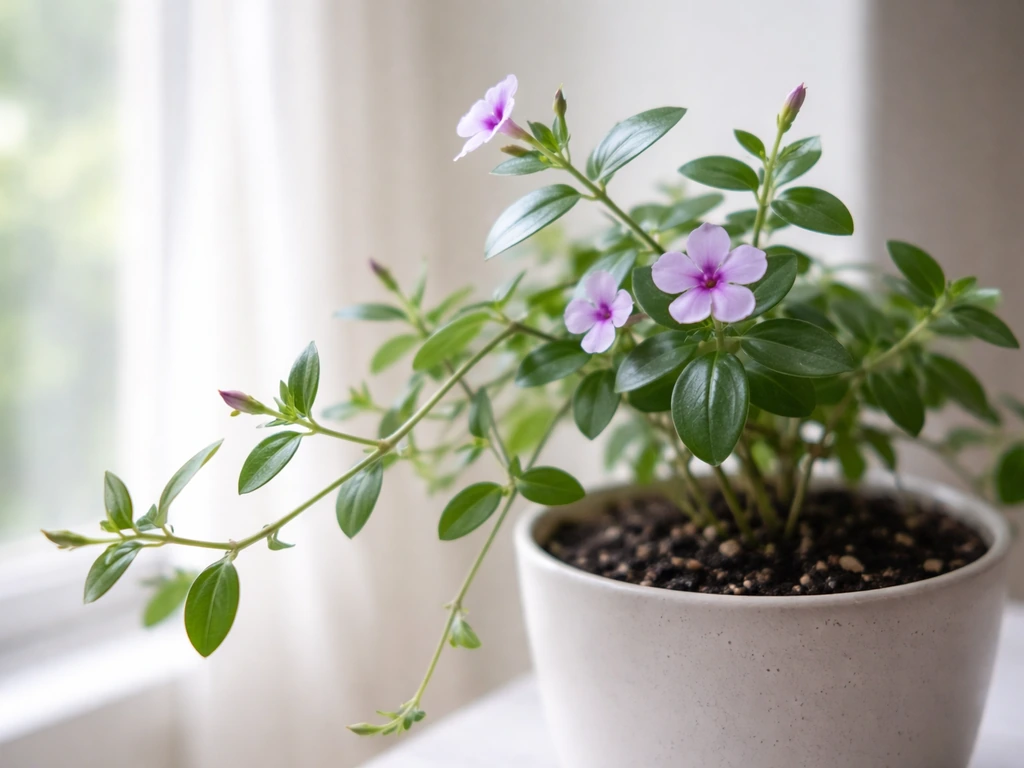
Which vinca are we actually talking about?
There are two plants people commonly call 'vinca vine' and they behave differently indoors. You can apply the same indoor mindset to a much hotter pepper by asking, can you grow Carolina reapers indoors? The first is Vinca minor or Vinca major, the trailing periwinkle vine with small glossy leaves and occasional purple or white flowers. This is the classic groundcover vinca that most people picture when they say 'vinca vine.
' The second is Catharanthus roseus, often sold in garden centers as 'annual vinca' or 'vinca,' which is actually more of a mounding plant with showy flat blooms. Both can be grown indoors, but the trailing vinca (Vinca minor/major) is the more realistic long-term houseplant because it's naturally lower-light tolerant and doesn't demand as much heat to stay alive.
Regular vs. variegated vinca indoors, and what about flowers?
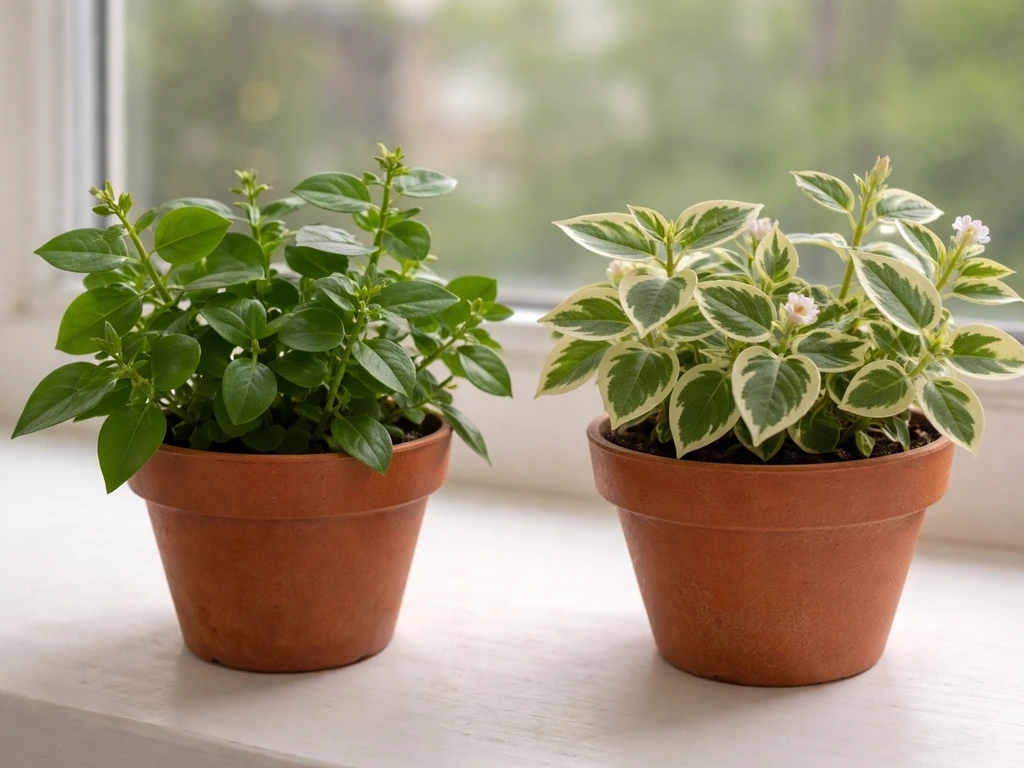
Variegated vinca, most often Vinca major 'Variegata' with its cream-edged leaves, is one of the best-looking trailing plants you can bring inside. It performs just as well as the plain green variety indoors, and some gardeners find it slightly more interesting as a houseplant because the foliage does the decorative work even when blooms are absent. The care is identical between the two.
Flowering indoors is the honest conversation. Vinca minor and major will produce their small periwinkle blooms indoors if the light is genuinely bright, but don't count on the prolific flush you'd see outside in warm weather. The UF/IFAS Extension notes that Catharanthus roseus (annual vinca) is 'prolific throughout the warm months,' which tells you everything: flowers are tied to warmth and strong light. Trailing vinca is less demanding, but you'll still get sparse blooms at best in a typical indoor setting. If you're chasing flowers more than foliage, annual vinca moved inside from summer or kept under a grow light is your better bet, though even then it underperforms compared to outdoor conditions.
| Type | Foliage appeal indoors | Bloom likelihood indoors | Difficulty |
|---|---|---|---|
| Vinca minor (green) | Good trailing coverage | Occasional, sparse | Easy to moderate |
| Vinca major 'Variegata' (variegated) | Excellent, decorative leaves | Occasional, sparse | Easy to moderate |
| Catharanthus roseus (annual vinca) | Moderate | Possible with grow light or hot sunny window | Moderate to challenging |
How to get vinca vine set up indoors
Choosing the right pot
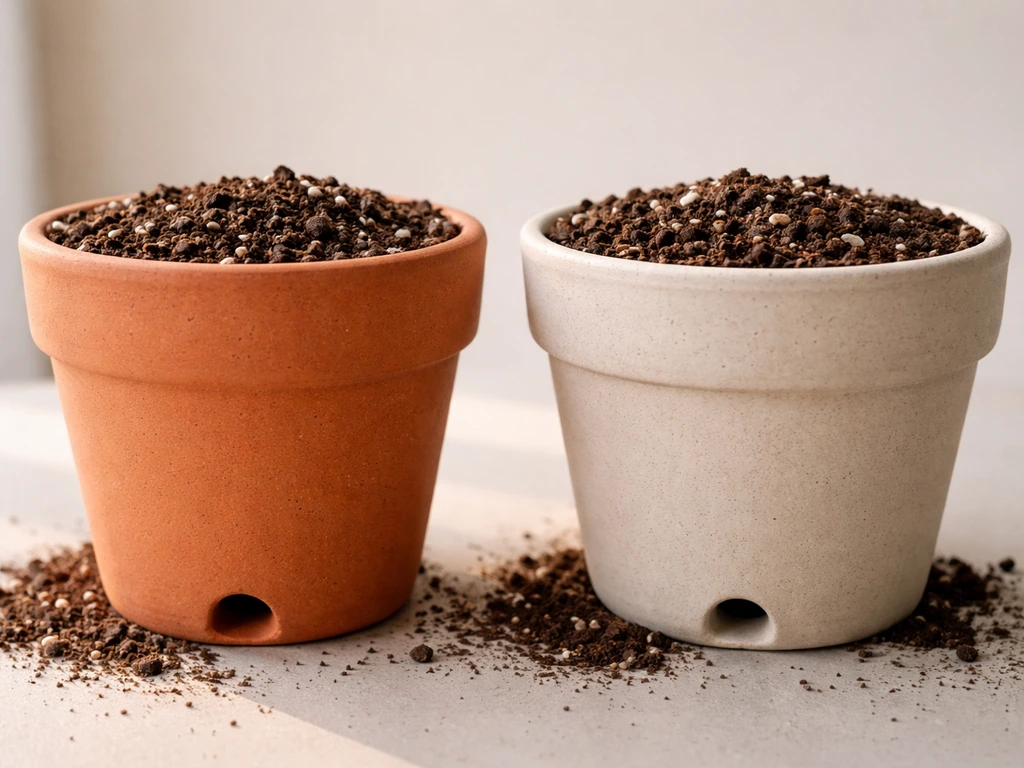
Use a terracotta or unglazed ceramic pot if you can. These breathe and help prevent the soggy-soil situation that kills more indoor vinca than anything else. A 6- to 8-inch pot works for a single plant or a small cutting. If you're planting multiple cuttings for a full trailing look, step up to a 10- to 12-inch hanging basket. Whatever you choose, it must have drainage holes. No exceptions. Vinca sitting in a cachepot with no drainage is vinca on borrowed time.
Soil and drainage
Use a quality all-purpose potting mix and improve it before planting. Mix in about 20 to 25 percent perlite to open up the structure and ensure water moves through quickly. Vinca tolerates slightly alkaline soil just fine, so you don't need to stress about pH adjusting your potting mix, but you do need to avoid anything described as 'moisture-retaining' or 'water-holding.' Those formulas are the opposite of what vinca wants. A fast-draining mix is the single most useful thing you can do before the plant even goes in the pot.
Light placement: this is where most indoor attempts fail
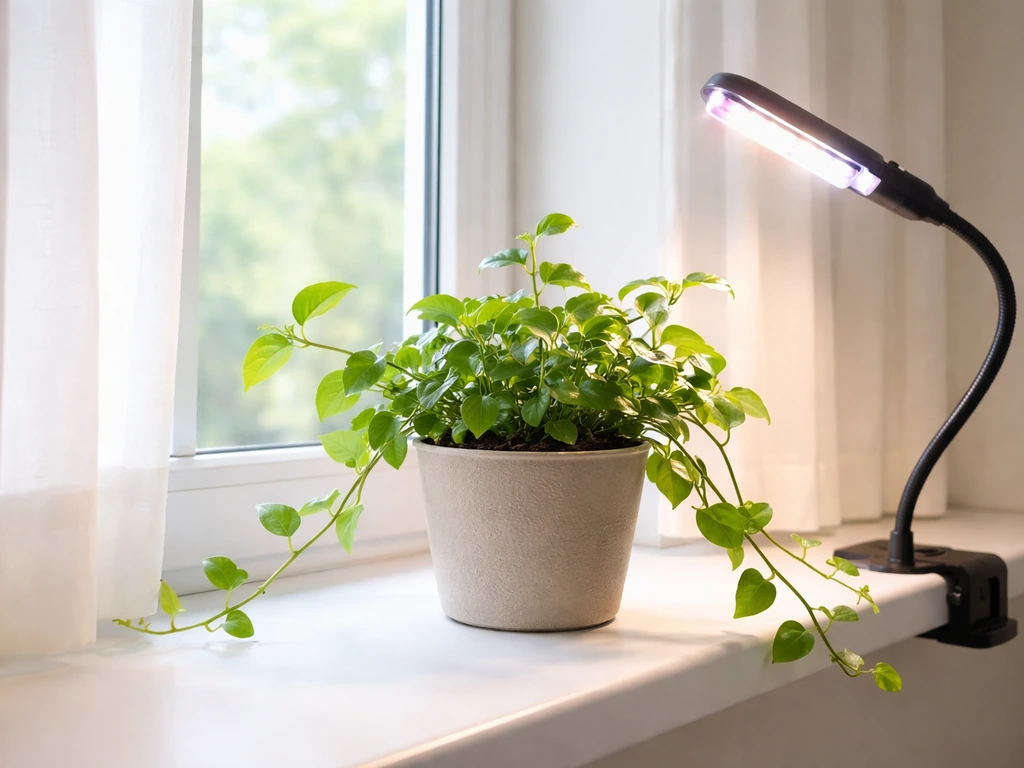
Vinca vine needs more light than the average houseplant. In the ground outdoors it often grows in full sun, so your best indoor spot is a south-facing window where it gets at least four to six hours of direct or near-direct sun daily. A west-facing window is a reasonable second choice. North- and east-facing windows usually don't cut it for long-term health; the plant survives but grows slowly, stretches toward the light, and may never bloom.
If your window situation is limited, a full-spectrum LED grow light is genuinely worth it here. Position the light 6 to 12 inches above the plant and run it for 12 to 14 hours per day. This setup is the most reliable way to keep vinca compact, green, and at least occasionally blooming indoors regardless of your apartment's orientation. I've seen people in north-facing studios keep vinca looking great under a decent grow light when their windowsill plants were struggling by February.
Watering, feeding, and day-to-day care
Watering
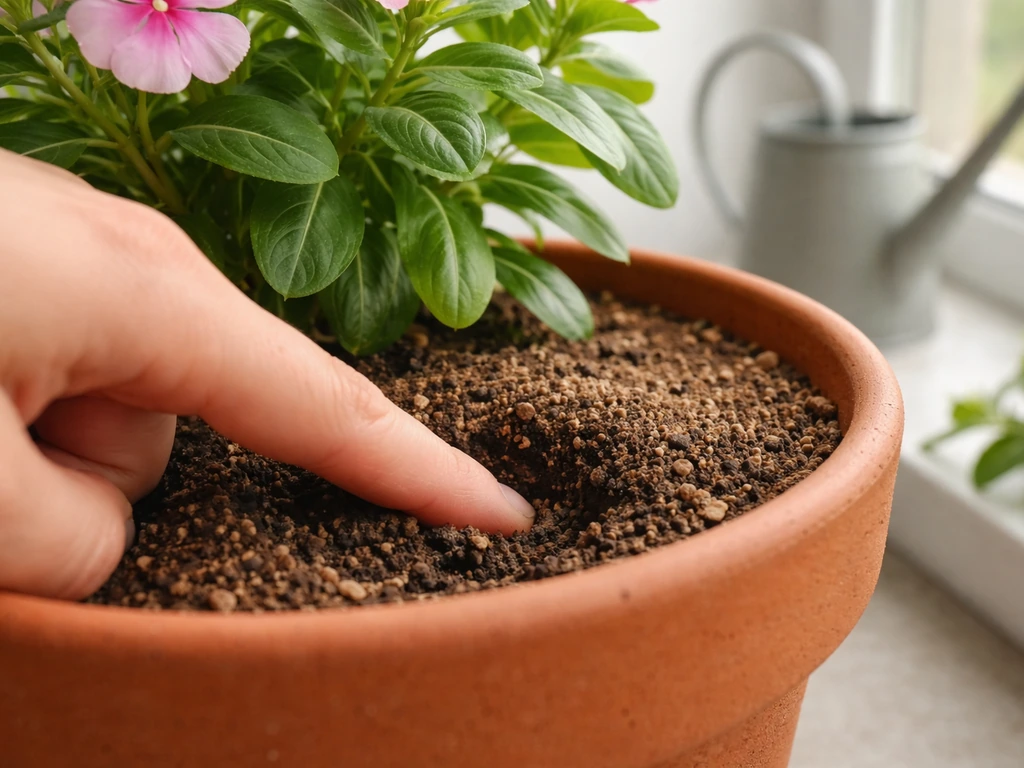
This is the part that trips up most people. Vinca wants to dry out a bit between waterings. Stick your finger about an inch into the soil; if it still feels damp, wait another day or two. If it's dry, water thoroughly until it drains from the bottom, then let it dry again. The UGA Cooperative Extension's commercial production guide notes bluntly that overwatering vinca is an extremely common mistake even among professional growers, and that excessive moisture causes major root problems. Indoors, where evaporation is slower and there's no wind to dry the pot, the risk is even higher. When in doubt, underwater rather than overwater.
Fertilizing
Feed your indoor vinca every three to four weeks during spring and summer with a balanced liquid fertilizer diluted to half strength. In fall and winter, back off to once every six to eight weeks or skip it entirely if growth has slowed down. One specific thing to watch: vinca has a harder time absorbing iron when the soil pH climbs above 5. 8, and tap water in many cities is alkaline enough to push pH up over time.
If your leaves start looking pale or yellowy between the veins despite regular feeding, that's often an iron uptake problem, not a feeding gap. Flushing the pot with plain water occasionally helps reset the pH drift, and switching to a fertilizer that includes chelated iron addresses it directly.
Temperature and humidity
Keep indoor vinca in temperatures between 60 and 80 degrees Fahrenheit. University of Illinois Extension notes that annual vinca (Catharanthus roseus) does not like cold, wet soils, so warmth and avoiding excess moisture are important annual vinca does not like cold, wet soils. It does not like cold drafts, air conditioning vents blowing directly on it, or temperatures below 50 degrees at night. Unlike many tropical houseplants, vinca doesn't demand high humidity, which is actually good news for most homes. Average indoor humidity is perfectly acceptable.
Fixing the most common indoor problems
Leggy, stretched-out stems
If your vinca is sending out long, weak stems with wide gaps between leaves, it's not getting enough light. Move it to a brighter window immediately or add a grow light. Once the light improves, pinch back the leggy stems to just above a leaf node. This encourages branching and creates a fuller plant. You can do this as many times as needed throughout the year.
Yellowing leaves
Yellow leaves have two main causes with indoor vinca. Overall yellowing with soggy soil points to overwatering and possibly root rot; let the soil dry out completely and check the roots (brown, mushy roots need to be trimmed and the plant repotted into fresh dry mix). Yellowing between the leaf veins while the veins stay green is usually iron chlorosis, often triggered by high soil pH from alkaline tap water or over-fertilizing. Flush the pot, check your fertilizer label for chelated iron, and consider using filtered or rainwater going forward.
Pests
Indoors, aphids and spider mites are the most likely visitors. Aphids cluster on new growth and stem tips; knock them off with a strong stream of water in the sink or treat with insecticidal soap. Spider mites show up when the air is very dry and conditions are dusty; look for fine webbing on the undersides of leaves. Wipe leaves down with a damp cloth, increase humidity slightly around the plant, and treat with neem oil if the infestation is heavy. Checking the undersides of leaves every week or two when you water means you'll catch either pest early before it becomes a real problem.
Root rot
Root rot is the most serious issue and usually results from a combination of overwatering and poor drainage. Signs are wilting even when the soil is wet, yellowing leaves, and a musty smell from the pot. If you catch it early, unpot the plant, trim all brown and mushy roots with clean scissors, let the roots air dry for 30 minutes, and replant in fresh dry mix. If most of the root system is gone, take healthy stem cuttings and start over rather than trying to revive a heavily rotted plant.
Getting vinca to actually flower indoors
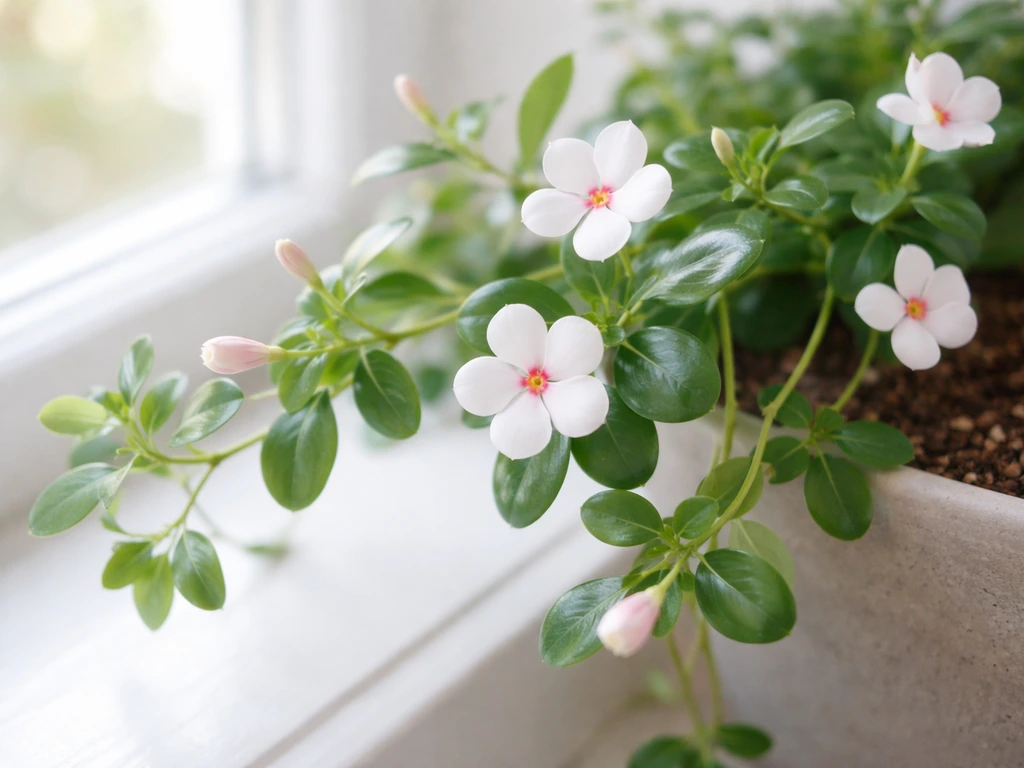
Flowering is possible indoors, but you need to set realistic expectations. If you're trying to decide whether you can grow silvervine indoors, aim for similarly bright light and consistent care Flowering is possible indoors. Trailing vinca (Vinca minor/major) produces small, pretty periwinkle-blue or white flowers, but indoors it will bloom occasionally rather than continuously. Annual vinca (Catharanthus roseus) can produce more dramatic blooms but really needs strong light and warmth to do it reliably, since its flowering is strongly tied to warm conditions and high light levels.
To maximize your chances of blooms, keep the plant in the brightest spot you have or under a grow light running 12 to 14 hours daily. Maintain temperatures above 65 degrees Fahrenheit, especially at night. Feed regularly during spring and summer with a fertilizer that includes a small amount of phosphorus (the middle number on the NPK label), since phosphorus supports flowering.
Pinch the plant back in late winter to encourage fresh growth, which is more likely to carry buds than old woody stems. If you do all of this and still get minimal flowers, don't be discouraged. The foliage on variegated vinca especially is genuinely attractive on its own, and the plant will reward you with blooms when conditions align even if it isn't a constant flower machine.
If you're comparing options for trailing indoor vines that flower more reliably, it's worth knowing that plants like potato vine and purple sweet potato vine are also commonly tried indoors with variable results, and some trailing plants such as turtle vine are grown primarily for foliage rather than flowers. If you're comparing other climbing vines like can you grow virginia creeper indoors, the main trick is still matching light, watering habits, and drainage to what the plant needs.
If you are also wondering can purple sweet potato vine grow indoors, the main factors are the same: plenty of light, consistent care, and avoiding overly wet soil. If you're wondering can turtle vine grow indoors, the same basics apply: bright light and careful watering will determine whether it thrives. If you want to grow potato vine indoors too, the key is matching its light and warmth requirements.
Vinca sits somewhere in between: it can flower indoors, but it takes effort, and the foliage is worth having even when it doesn't.
Quick setup checklist before you bring vinca indoors
- Choose a terracotta pot with drainage holes, 6 to 12 inches depending on plant size.
- Mix all-purpose potting soil with 20 to 25 percent perlite for fast drainage.
- Place in a south- or west-facing window, or directly under a full-spectrum LED grow light.
- Water only when the top inch of soil is dry, then water thoroughly and let it drain.
- Feed every three to four weeks in spring and summer with a half-strength balanced fertilizer that includes chelated iron.
- Pinch back long stems regularly to keep growth bushy and compact.
- Check leaf undersides weekly for spider mites and aphids.
- Keep temperatures between 60 and 80 degrees Fahrenheit and away from cold drafts.
FAQ
Can vinca vine survive indoors year-round, or is it only a seasonal houseplant?
Trailing vinca (Vinca minor or major) is the one that can be kept long-term indoors, as long as you provide bright light and avoid chronic wet soil. Annual vinca (Catharanthus roseus) is typically treated like a seasonal plant indoors, because it often slows and flowers less reliably as temperatures and light drop in winter.
Should I rotate my vinca pot, and how often?
Yes. Rotate the pot about a quarter turn every week so stems grow more evenly toward the light. Without rotation, it commonly becomes lopsided and more leggy on one side.
How big should the pot be for indoor vinca cuttings?
For a single cutting, a 6 to 8 inch pot usually works, but avoid jumping straight to a very large container. Oversized pots hold more moisture, increasing root-rot risk. If you want a full trailing look, increase only to the next practical size, such as a 10 to 12 inch hanging basket for multiple cuttings.
Can I let vinca trail directly over the side of a regular pot, or do I need a hanging basket?
You can let it spill over a regular pot, as long as the plant stays stable and the pot has drainage. A hanging basket is mainly for aesthetics and to give the trailing stems room, not because it’s required for growth or flowering.
What’s the best way to tell if my vinca is too wet versus just ready to water?
Use the finger test plus pot weight. If the top inch is dry but the pot is still heavy, wait longer. Vinca often looks fine at first when it’s slightly wet, then declines quickly after roots suffer, so waiting an extra day is usually safer than watering on a schedule.
Will pinching or pruning harm indoor vinca, and where should I cut?
Pruning is beneficial. Pinch or cut just above a leaf node to encourage branching. Avoid heavy cuts during the darkest part of winter, and if you prune, make sure the plant is in its brightest spot or under a grow light so new growth has enough energy.
Why are my vinca leaves pale and yellow even though I’m fertilizing?
Pale or yellowing between veins often points to iron chlorosis from high pH or fertilizer buildup, not a lack of nutrients. Flush the pot with plain water and consider switching to fertilizer with chelated iron, since that form is more usable when pH drifts upward.
Is filtered or rainwater actually necessary for indoor vinca?
Not always, but it helps many homes. If your tap water is very alkaline and you notice persistent vein chlorosis, switching to filtered or rainwater can slow pH drift and reduce the need for frequent flushing and iron troubleshooting.
How do I manage vinca pests indoors without spreading them to other plants?
Isolate the plant as soon as you spot aphids or spider mites, and check neighboring plants weekly. For spider mites, rinsing leaves can reduce numbers early, but you’ll get better results if you also increase monitoring of leaf undersides and treat promptly if webs or speckling increases.
What temperature is safest, and can I put vinca near a window in winter?
Keep it above about 50°F at night and avoid cold glass exposure. If your window area drops near freezing or you feel cold drafts, move the pot slightly back from the glass. Even if the room is warm, cold air pooling near the window can stress vinca.
How can I restart the plant if it gets root rot?
If roots are brown and mushy, trim them with clean scissors, then let healthy portions air dry for around 30 minutes before repotting in fresh, dry mix. If you can’t save much root system, take healthy stem cuttings and root them in fresh mix instead of trying to revive a heavily compromised plant.