
Yes, you can grow vanilla indoors, but let's be clear about what that means before you get excited and order a cutting. Growing a vanilla plant indoors as a lush, climbing vine is absolutely achievable with the right setup. Actually harvesting vanilla beans indoors is a different story: possible, but genuinely difficult and something that takes years of patient, consistent care. If you go in with clear eyes, vanilla is one of the most rewarding tropical plants you can grow inside your home. If you expect a bean harvest in year one, you'll be disappointed.
Can You Grow Vanilla Indoors? Conditions and Steps

James Hartwell
21 Apr 2026
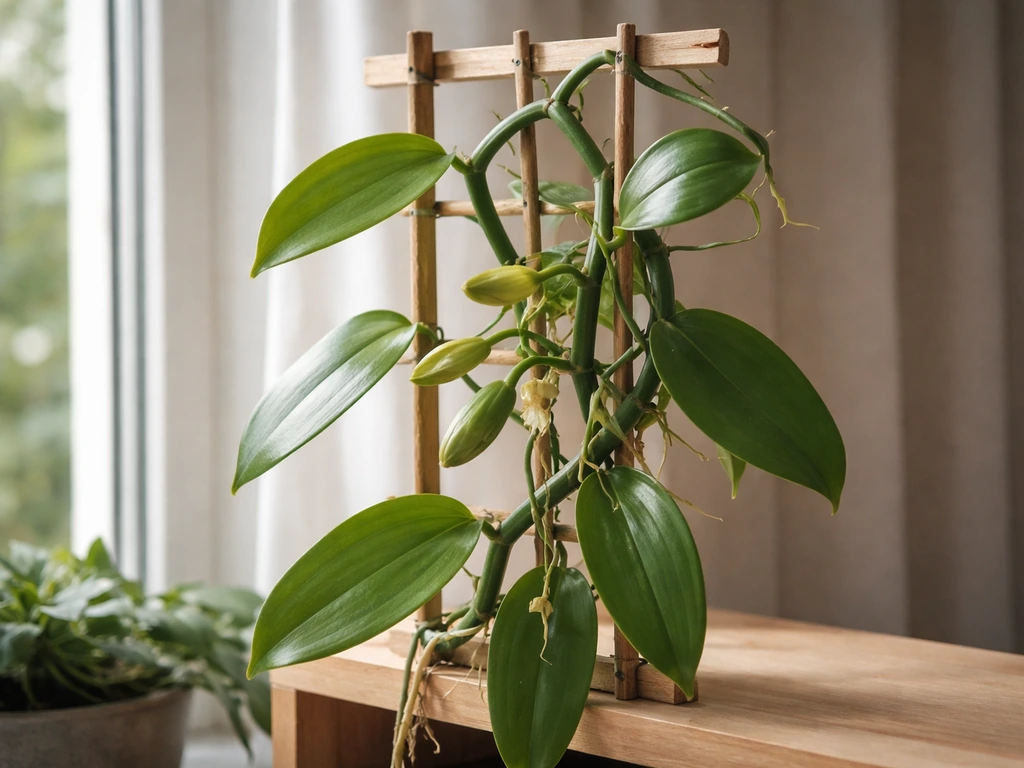
Growing the plant vs. getting beans: know what you're signing up for
Vanilla (Vanilla planifolia) is a tropical orchid vine native to Mexico. In the wild, it climbs trees in humid jungle conditions, sending out aerial roots that grip whatever they can find. Indoors, it behaves the same way: it wants to climb, it wants warmth and humidity, and it grows slowly but steadily when conditions are right. Getting the plant to grow and look healthy is the achievable goal for most home growers.
Getting it to flower and then produce beans adds a layer of difficulty that involves years of maturity, very specific conditions, and active hand pollination, because vanilla flowers are only open for about eight hours and natural pollination is basically a non-event indoors. So: grow the plant, yes. Harvest beans indoors, yes but manage your expectations hard.
What indoor vanilla actually needs
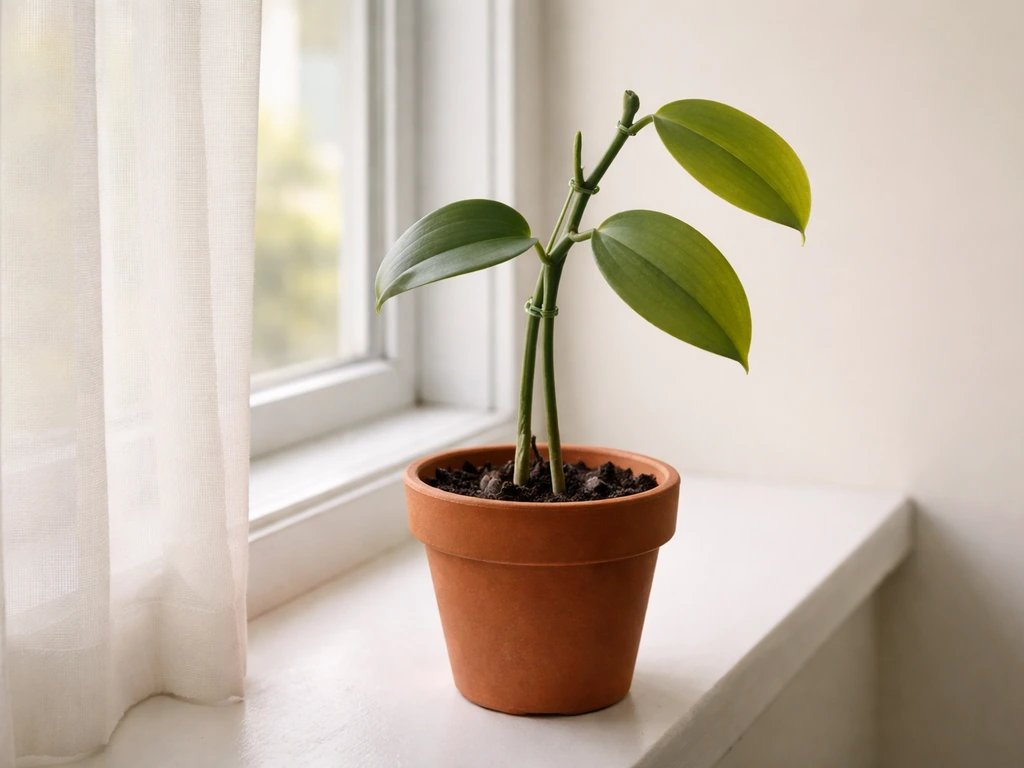
Vanilla is not a forgiving plant if you shortchange it on its core requirements. I've seen people try to tuck a vanilla cutting into a shady corner and wonder why nothing happens. Here's what it genuinely needs to thrive indoors.
Light
Vanilla needs bright, indirect light for most of the day. A south-facing or east-facing window is your best option. Direct harsh afternoon sun through glass can scorch the fleshy leaves, but low light will stall growth and make flowering nearly impossible. If your home doesn't have a genuinely bright window, a full-spectrum grow light running 12 to 14 hours a day is not optional, it's essential. This is probably the single biggest reason indoor vanilla fails in most homes.
Warmth
Keep temperatures between 60°F and 85°F (15°C to 29°C) consistently. Vanilla dislikes cold drafts from windows in winter, air conditioning vents blowing directly on it, or temperatures dropping below 55°F (13°C). A warm, stable room is far better than a fluctuating one. Think of it like a tropical houseguest: it doesn't want to be chilly.
Humidity
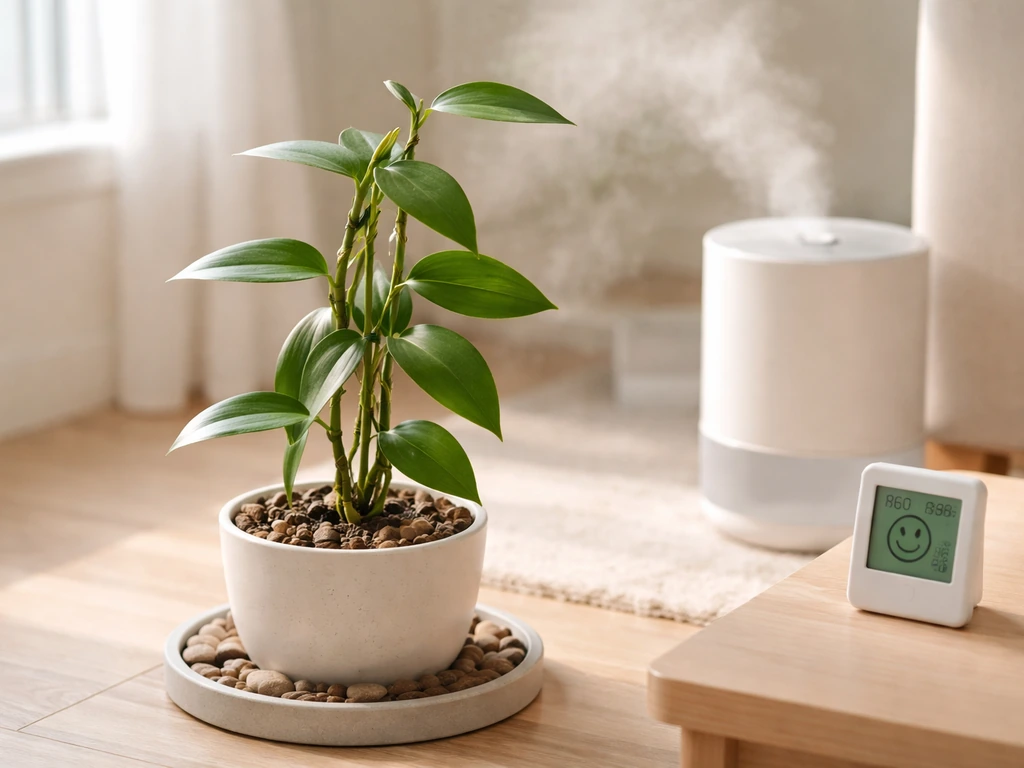
This is where most apartments and homes fall short. Vanilla wants relative humidity of 60 to 80 percent. The average home runs at 30 to 50 percent, which is too dry. You'll need to either place the pot on a pebble tray filled with water, group it with other tropical plants, or run a humidifier nearby. Misting the leaves occasionally can help short-term, but it won't replace sustained ambient humidity. If you've grown orchids or ferns and found the humidity battle annoying, vanilla will feel familiar.
Airflow
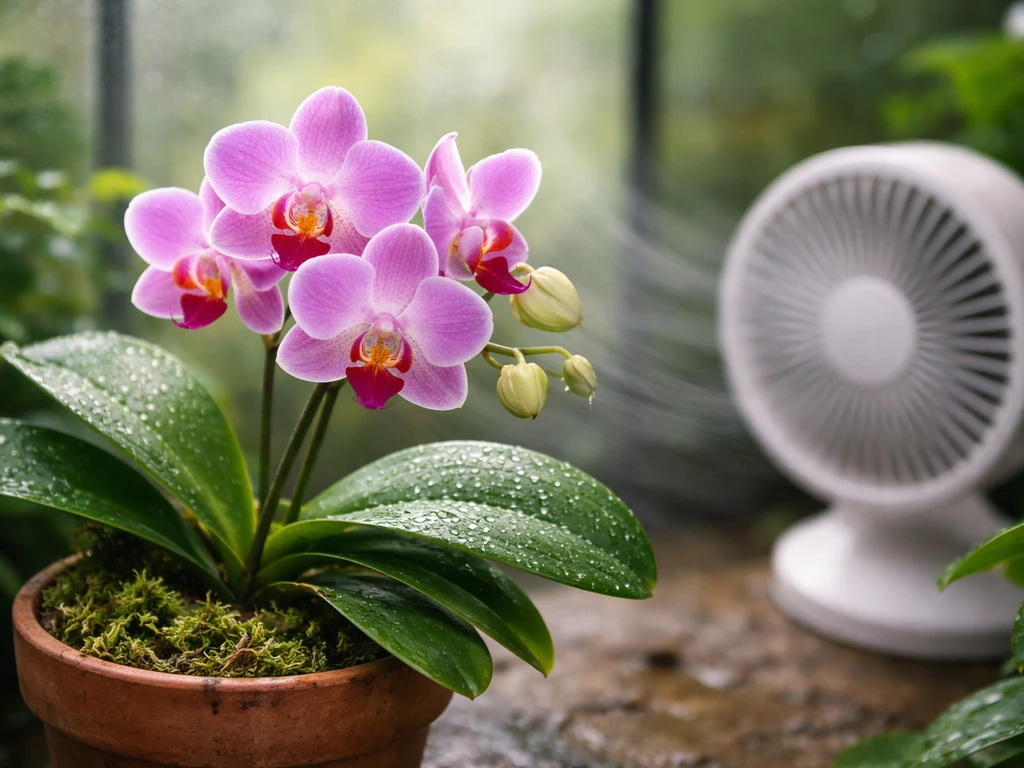
Good air circulation prevents fungal issues on a plant that lives in high humidity. A small oscillating fan on low, positioned nearby but not blasting directly at the plant, does the job well. Don't seal it in a terrarium hoping the humidity will help: stagnant air creates rot problems fast.
Picking the right vanilla and finding planting material
Vanilla planifolia is the species you want. It's the standard commercial vanilla, and it's what most specialty plant nurseries and online vendors sell. Vanilla tahitensis is another option with slightly different flavor notes, but it's harder to find and not meaningfully easier to grow. Avoid anything labeled vaguely as 'vanilla orchid' without a proper species name confirmed.
You want to start from a cutting, not seeds. Vanilla seeds require specific mycorrhizal fungi to germinate and are not a practical option for home growers. Look for stem cuttings at least 12 to 18 inches long with several nodes (those bumpy joints where aerial roots emerge). Good sources include specialty tropical plant nurseries, orchid societies, reputable online sellers who ship live cuttings, and sometimes local botanical garden plant sales. When you receive a cutting, check that the stem is firm and green with no soft or mushy spots, and that there are visible aerial root nubs along the nodes.
How to get vanilla growing indoors, step by step
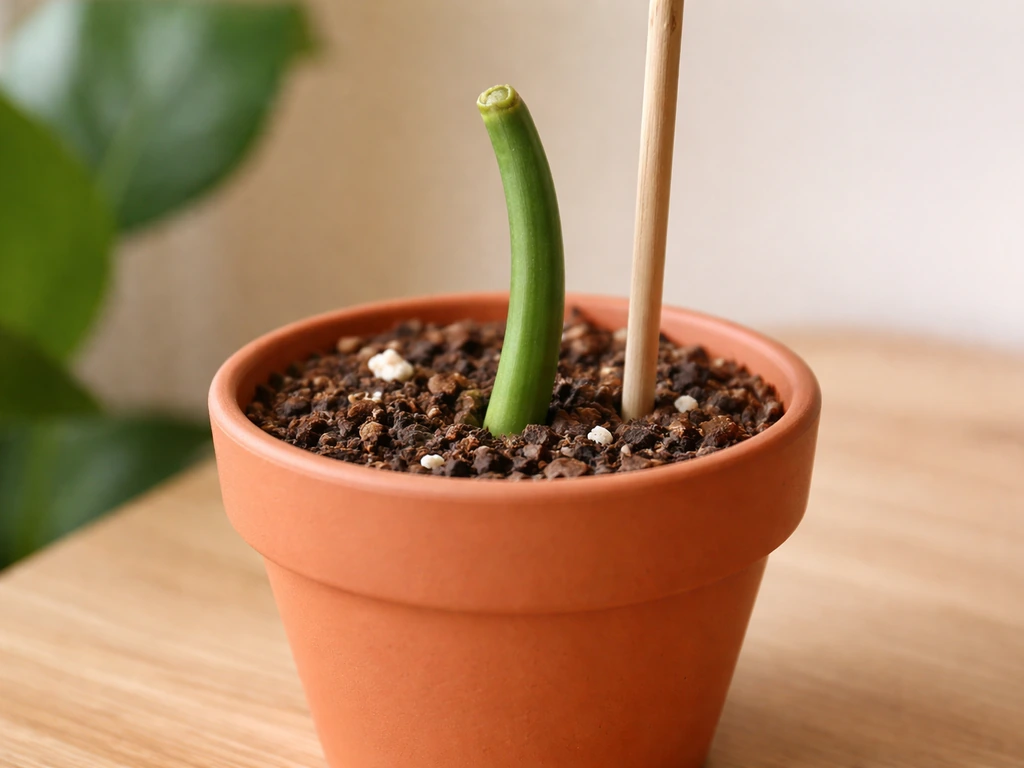
- Let the cut end of your cutting callous over for 24 to 48 hours before planting. Just leave it out in a warm, shady spot. This reduces the chance of rot at the cut end.
- Prepare a pot with excellent drainage. A 6- to 8-inch pot works for a starter cutting. Use a well-draining mix: a blend of orchid bark, perlite, and a small amount of peat or coco coir works well. Vanilla roots want moisture but despise sitting in waterlogged soil. Pure potting mix will likely rot the roots.
- Insert a support stake or small trellis into the pot at planting time. Vanilla wants to climb from day one, and having a structure ready means you won't disturb roots later trying to add one.
- Plant the lower end of the cutting 2 to 3 inches into the mix, and loosely tie the stem to the support. The aerial roots along the stem should be gently pressed toward the support structure so they can grip.
- Water lightly after planting, then hold back and let the mix dry out slightly before the next watering. The most common beginner mistake is overwatering a fresh cutting before it has established roots.
- Place in your brightest indirect light spot or under a grow light immediately. Don't let it sit in low light while 'getting established.' It needs light right away.
- Feed with a diluted, balanced liquid fertilizer (something like a 10-10-10 or an orchid fertilizer) once every two to three weeks during the growing season (spring through summer). Cut back to monthly in fall and winter.
- Repot when roots start circling the bottom or visibly escaping the drainage holes, typically every one to two years, moving up one pot size at a time.
Training the vine and actually getting beans
Vanilla is a vigorous climber once it's established. Let it grow up its stake, then train horizontal runs along a shelf, trellis, or even along a curtain rod near a bright window. Horizontal growth encourages flowering: vines that are growing straight up tend to put energy into vegetative growth, while horizontal or slightly drooping sections are more likely to produce flower spikes. This is a technique commercial growers use and it genuinely works on indoor plants too.
Don't expect flowers until the vine has reached at least 10 feet in length and is at least three to five years old. That's not a rough guess: it's the reality of vanilla's maturity cycle. When flower spikes do appear, they'll emerge from the leaf axils (where the leaf meets the stem) and carry clusters of pale yellowish-green flowers.
Hand pollination: the step you cannot skip
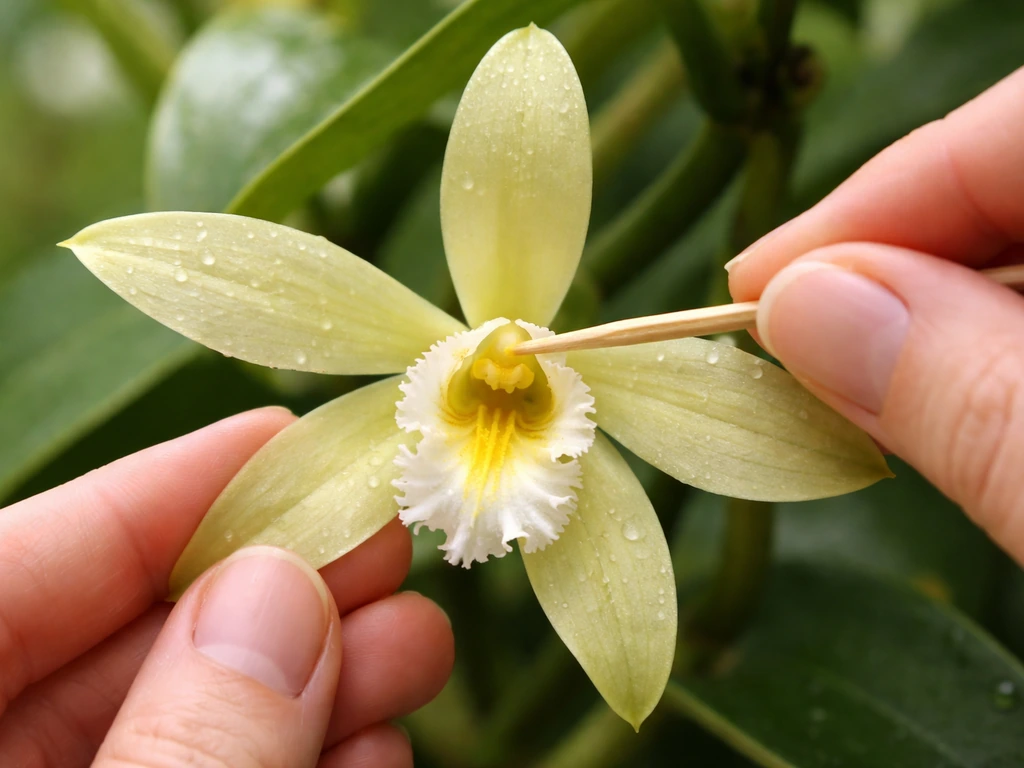
This is where vanilla production gets demanding. Each flower is only open for about eight hours. Natural pollination in cultivation is essentially a non-event (roughly a 1% success rate per flower in the wild), and indoors there's simply no pollinator capable of doing the job. You have to hand-pollinate every single flower you want to set as a bean, on the morning it opens.
To hand-pollinate: use a toothpick or small paintbrush to transfer pollen from the anther cap (the small flap covering the pollen mass) onto the stigma surface. The anther cap sits just above the stigma with a thin membrane separating them. You need to gently lift or push the rostellum (the membrane between them) aside and press the pollen mass onto the sticky stigma. It's fiddly work, and it's done under time pressure. If pollination doesn't happen that same day, the flower wilts and drops within one to two days, and that potential bean is gone.
Successfully pollinated flowers will swell over the following weeks into a long green pod. blank" rel="noopener noreferrer">Vanilla beans take nine months to fully develop on the vine before harvest. Yes, nine months from a single hand-pollinated flower.
Troubleshooting the most common indoor vanilla problems
| Problem | Likely Cause | Fix |
|---|---|---|
| No new growth after months | Too little light or too cold | Move to brighter spot or add grow light; check room temperature stays above 60°F |
| Yellowing leaves | Overwatering or nutrient deficiency | Let mix dry more between waterings; resume feeding if you've skipped it |
| Leaf drop or shriveling | Low humidity or cold drafts | Add humidifier or pebble tray; move away from drafty windows or AC vents |
| Soft, mushy stem near soil | Root rot from overwatering or poor drainage | Remove from pot, trim rotted sections, let callous, repot into fresh well-draining mix |
| No flowers after several years | Vine too short, not horizontal, or insufficient light | Train horizontal runs, ensure vine is at least 10 feet, maximize light |
| Flowers open but drop without setting | Hand pollination missed or done incorrectly | Pollinate same morning flower opens; practice technique on next available flower |
| Pests (mealybugs, spider mites) | Low humidity or dry conditions attract mites; mealybugs spread from other plants | Isolate plant, treat with neem oil or insecticidal soap; increase humidity for mites |
Realistic timelines: what to expect and when
Here's the honest version of the vanilla indoor growing timeline. A healthy cutting from a reputable source will typically start showing new leaf and aerial root growth within four to eight weeks if conditions are right. Steady vine growth of several feet per year is achievable indoors with good light, warmth, and humidity. First flowering is realistically three to five years from a cutting, sometimes longer. This is not a plant where you cut corners on maturity. Beans, if you successfully hand-pollinate, take nine months on the vine to fully develop. Curing the harvested pods to develop that familiar vanilla flavor and aroma is a further months-long process on its own.
So the full journey from cutting to cured vanilla bean is realistically four to six years minimum for most home growers. That sounds daunting, but the plant itself is genuinely beautiful as a houseplant in the meantime: a glossy-leaved tropical vine growing up a trellis in a sunny room is its own reward. If beans happen, great. If they take longer, you still have a striking plant.
Your actual next steps
If you're ready to give this a go, here's where to focus your energy first. Sort out your light situation before you buy anything. If your brightest window is a dim north-facing slot, invest in a quality full-spectrum grow light before spending money on a cutting. Then source a healthy, named-variety cutting of Vanilla planifolia from a specialist nursery. Prepare your orchid bark and perlite mix, get a pot with genuine drainage holes, add a support structure, and plant it up. Set a humidity target of at least 60 percent near the plant and keep the room consistently warm. Then be patient: vanilla rewards consistency over years, not weeks.
Vanilla sits in interesting company when it comes to ambitious indoor tropical growing. Other plants people ask about for indoor growing, like damiana or night-scented stock, have their own quirky requirements, but few demand the long-term commitment and precise pollination window that vanilla does. If you're curious about night-scented stock specifically, the indoor approach is a bit different, so check its light and care requirements before you start.
Damiana also does best with warm temperatures and bright light, so you can use similar indoor care habits to get started can you grow damiana indoors. If you want a different indoor option, you may be asking, can you grow black eyed susan indoors? If you're wondering about other risky nightshades, can you grow deadly nightshade indoors is a different (and much more dangerous) question than vanilla.
Know what you're taking on, set up conditions properly from day one, and vanilla is genuinely one of the most satisfying plants you can grow indoors. If you're also wondering about St John's wort indoors, the key is matching its specific light and temperature needs and avoiding overly dry air can you grow st john's wort indoors. Just don't expect beans before your next major life milestone.
FAQ
Can you grow vanilla indoors if you only have a north-facing window?
It’s possible, but in most homes it won’t be bright enough long enough to sustain growth. If the window feels dim for much of the day, use a full-spectrum grow light for 12 to 14 hours daily and keep the vine within a couple feet of the light, then reassess after 4 to 6 weeks by checking for new nodes and aerial root nubs.
Do you need to repot vanilla immediately after you get a cutting?
Not usually. Wait until the cutting shows active growth, then check drainage and root health. If the cutting arrived in a poorly draining or overly compact mix, you can repot sooner, but avoid disturbing it while it’s still stabilizing because stressed vanilla often pauses growth.
Will a terrarium or closed glass container work for indoor vanilla?
It can backfire. Vanilla needs high humidity but also airflow, stagnant air increases the risk of rot and fungal problems. If you do use an enclosure, you must provide real air exchange and avoid constantly wet surfaces on the stem and nodes.
What humidity method is actually best, pebble tray, misting, or humidifier?
A humidifier is usually the most reliable for the 60 to 80 percent target. Pebble trays can help locally but tend to drop quickly, misting helps briefly but doesn’t raise ambient humidity for long, and grouping plants works better as a supporting tactic than a standalone solution.
How do I tell if my vanilla is getting enough light or just more heat?
Look at growth, not just temperature. If warmth is present but light is insufficient, growth stays slow and leaves may appear smaller or less firm. A practical check is whether you see steady new growth over time, along with aerial root nubs, and whether the vine keeps pushing to brighter areas.
Should I fertilize right away on a new cutting?
Hold off at first. Give the cutting time to recover and start producing new growth, then use a balanced orchid fertilizer at a reduced strength. Over-fertilizing a stressed cutting can burn roots, especially in constantly humid conditions where salts build up.
How often should I water a vanilla orchid vine indoors?
Water when the top portion of the mix starts to dry slightly, not on a rigid schedule. Vanilla likes moisture but it must drain well, if water sits around the nodes or aerial roots for long periods you increase rot risk.
Can vanilla flower on a shorter indoor vine, or does it truly need 10 feet?
The 10-foot length and 3 to 5 years timeline is a realistic expectation for most home conditions, but the key factor is maturity plus enough active growth. If you’re getting long horizontal sections and strong leaf development yet still no flowers, it’s usually a maturity or light intensity issue rather than a support issue.
Do I need to pollinate every flower, or only the first ones?
Only the flowers you want to turn into pods, but if you want a realistic chance of beans you typically pollinate every opening flower during the season. Any flower left unpollinated will drop within 1 to 2 days once it wilts.
How do I avoid missing the pollination window when flowers open for only about eight hours?
Set a routine during the flowering period, check plants in the morning and again a few hours later. If you’re unsure a flower has opened, observe the same leaf axils daily, once a flower is open you need to pollinate that day.
What if I successfully pollinated, but pods stall or turn brown?
Common causes are pollination not completing, inconsistent humidity or temperature, or stress from cold drafts. If conditions fluctuate, the pod may fail during swelling. Keep the environment stable and avoid moving the vine right after pollination.
Is Vanilla planifolia the only species that can be grown indoors for beans?
Vanilla planifolia is the most typical choice for home growers because it’s widely available and matches commercial vanilla production. Vanilla tahitensis can sometimes be grown indoors, but it may be harder to source and you should expect differences in availability of plants and timing, even if the basic care is similar.
Can I start from vanilla seeds if I want a cheaper project?
In practice, seeds are usually not realistic for most indoor growers because germination depends on specific mycorrhizal fungi. Even if seeds sprout, early success is unpredictable, and a cutting-based approach is far more consistent for home setups.