The short answer on what it takes: a genuinely bright spot (ideally within a couple feet of a window, or a grow light setup), consistent but not excessive watering, and the right pot-and-soil combo. For example, UMD Extension recommends normal room temperatures and indirect light from east or west windows for keeping Phalaenopsis (moth orchid) flowers lasting at least a month or longer with proper care normal room temperatures with indirect light from east or west windows. That's the foundation. The specific details vary by plant, and I'll walk through all of them below, but if you nail those three basics, flowering indoors is very much doable, even in an apartment.
How to match indoor flowers to your light situation
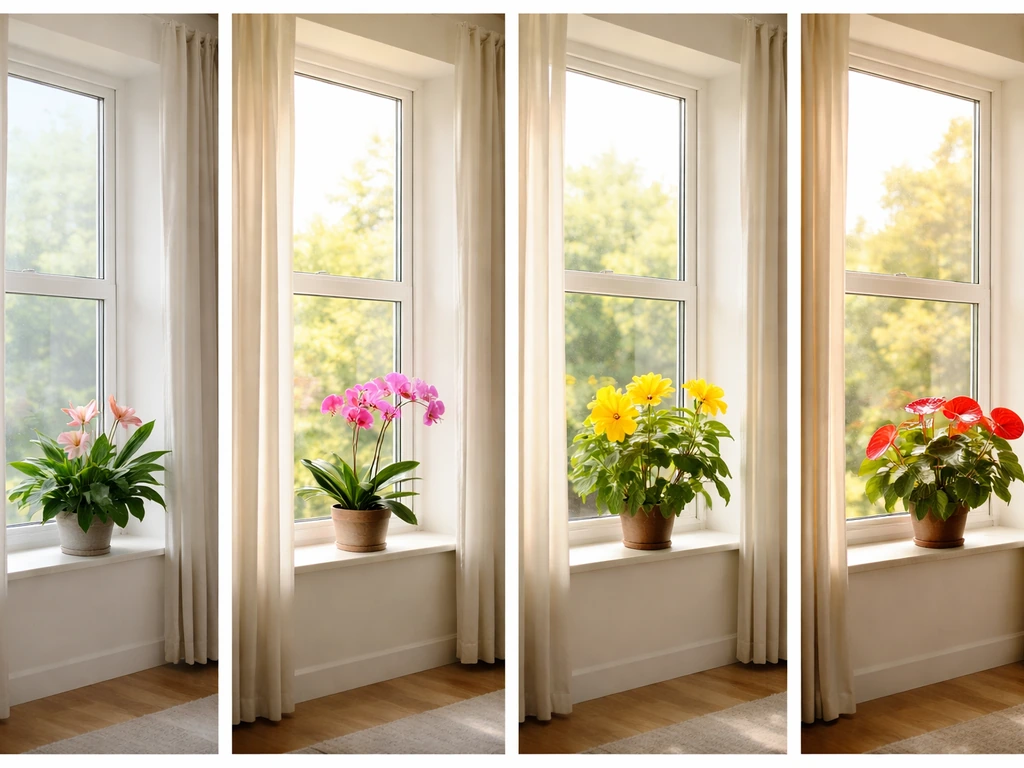
Before you pick a plant, take an honest look at your windows. This is the step most people skip, and it's the reason flowers disappoint. Light intensity drops dramatically as you move away from the glass, so "near a window" covers a huge range of actual conditions.
A south-facing window is your best asset indoors, especially in spring and fall. East- and west-facing windows give you a solid few hours of direct light per day, which is enough for many flowering plants. North-facing windows are genuinely challenging for blooms, not impossible, but you'll be limited to the most forgiving options like peace lilies and certain begonias. If your brightest window gets blocked by a roof overhang, nearby building, or tree, mentally drop it down a category.
Grow lights are a real solution, not a gimmick
If your window situation is limited, grow lights are genuinely worth it. African violets, for example, thrive under cool white fluorescent tubes placed about 8 to 12 inches above the plant and run for roughly 14 hours a day. That setup replicates bright indirect light consistently, which is actually better than a window that changes with the seasons. LED grow lights have gotten much cheaper and more effective in recent years. A simple two-bulb shop light or a dedicated LED panel over a shelf can open up flowering plants to almost any room in your home. Think of it as buying yourself a permanent south-facing window anywhere you want one.
| Light Level | What It Means at Home | Flowers That Work |
|---|
| Bright direct (4+ hrs sun) | South or west window, unobstructed | Geraniums, bougainvillea, hibiscus |
| Bright indirect | Within 2–3 ft of a sunny window, light filtered | African violets, peace lily, anthurium |
| Moderate indirect | East window or farther from south window | Begonias, kalanchoe, pothos (non-blooming) |
| Low light | North window or interior room | Peace lily (marginal blooms), cast iron plant |
| Grow light (supplemental) | 8–14 hrs of LED or fluorescent light | African violets, herbs, begonias, most on this list |
The easiest indoor flowers to start with
If you're new to this, start here. These plants are forgiving, widely available, and bloom reliably indoors when given reasonable conditions.
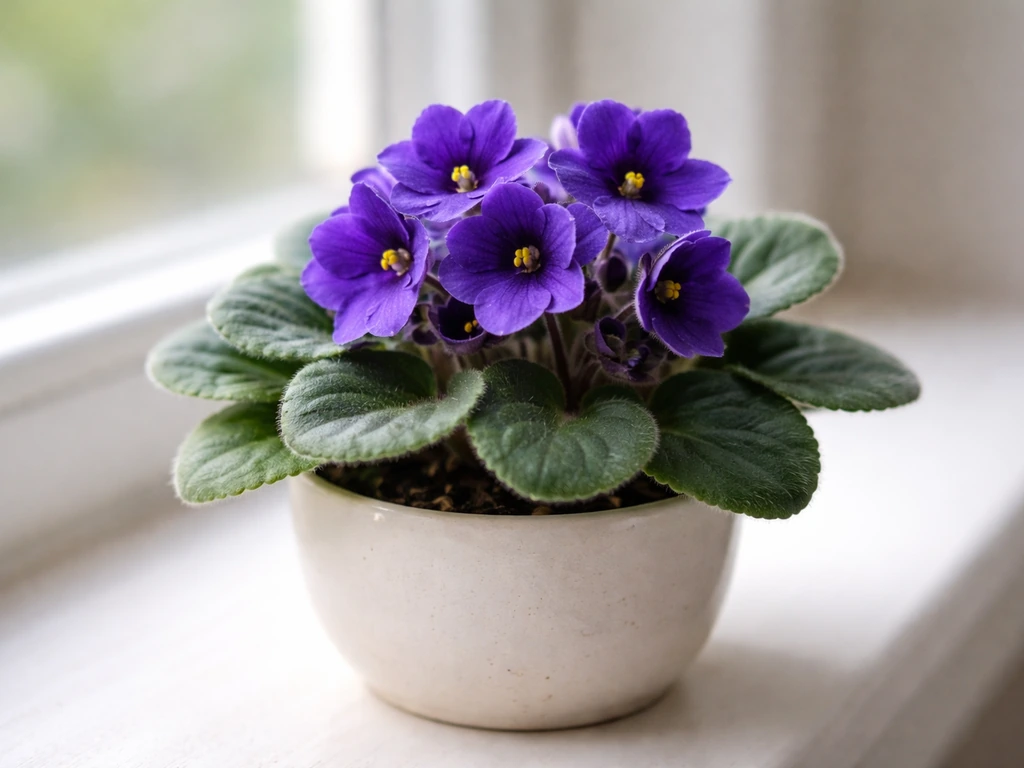
- African violet: The gold standard for beginner indoor flowers. Blooms nearly continuously in a good bright spot. Tolerates fluorescent light well. Small footprint, perfect for a windowsill.
- Peace lily (Spathiphyllum): One of the few plants that will bloom in lower light. White flowers appear once or twice a year, and the plant itself is nearly indestructible.
- Kalanchoe: Comes from the store in full bloom and will rebloom with some coaxing. Bright light and a dry-down period between waterings are the main keys.
- Potted begonias (Wax and Angel wing types): Easy, colorful, and long-blooming. They do well in east or west windows and don't demand a lot of fuss.
- Anthurium: Waxy, long-lasting flowers (technically spathes) that hold for weeks. Bright indirect light and decent humidity keep it happy.
- Christmas cactus (Schlumbergera): Blooms during the holidays when given the right dark/light cycle. Very tolerant of indoor conditions between bloom cycles.
Best indoor flowers for long-lasting or year-round blooms
Some flowering houseplants bloom for a week and then sit dormant for a year. Others are essentially always on. If you want color year-round or as close to it as possible, these are the ones to focus on.
African violets are the standout here. When they're in the right spot, they genuinely bloom without interruption for years. That's not marketing language, that's what happens when you match them to a bright window or a good grow light setup. I've had the same plant on a shelf under a fluorescent fixture bloom almost nonstop for over two years. They're that reliable.
Anthurium is another excellent choice for long-lasting color. Each flower spike lasts several weeks, and a healthy plant produces them regularly throughout the year. Begonias, particularly the wax types, tend to bloom almost continuously as long as they get enough light and aren't overwatered. Peace lilies bloom less frequently (usually twice a year), but they're so easy to keep alive that they earn their place on this list.
Christmas cactus is worth a mention here too, with a caveat: it blooms seasonally, tied to day length and temperature. With a little management, you can time the blooms for the holidays or encourage a second flush. It won't give you year-round color, but it's a remarkably long-lived plant that just keeps performing year after year.
| Plant | Bloom Duration | Light Need | Difficulty |
|---|
| African violet | Near year-round | Bright indirect or grow light | Easy |
| Anthurium | Recurring, flowers last weeks | Bright indirect | Easy–Moderate |
| Wax begonia | Most of the year | Bright indirect to moderate | Easy |
| Peace lily | 1–2 times per year | Low to medium indirect | Easy |
| Kalanchoe | Seasonal, reblooms with effort | Bright indirect to direct | Easy |
| Christmas cactus | Seasonal (holiday) | Bright indirect | Easy–Moderate |
| Orchid (Phalaenopsis) | Months per spike, then rest | Bright indirect, no direct sun | Moderate |
Plant-by-plant growing basics
Here's what you actually need to know for each of the main players, covering light, watering, containers, and soil. No fluff, just the specifics that make the difference.
African violet
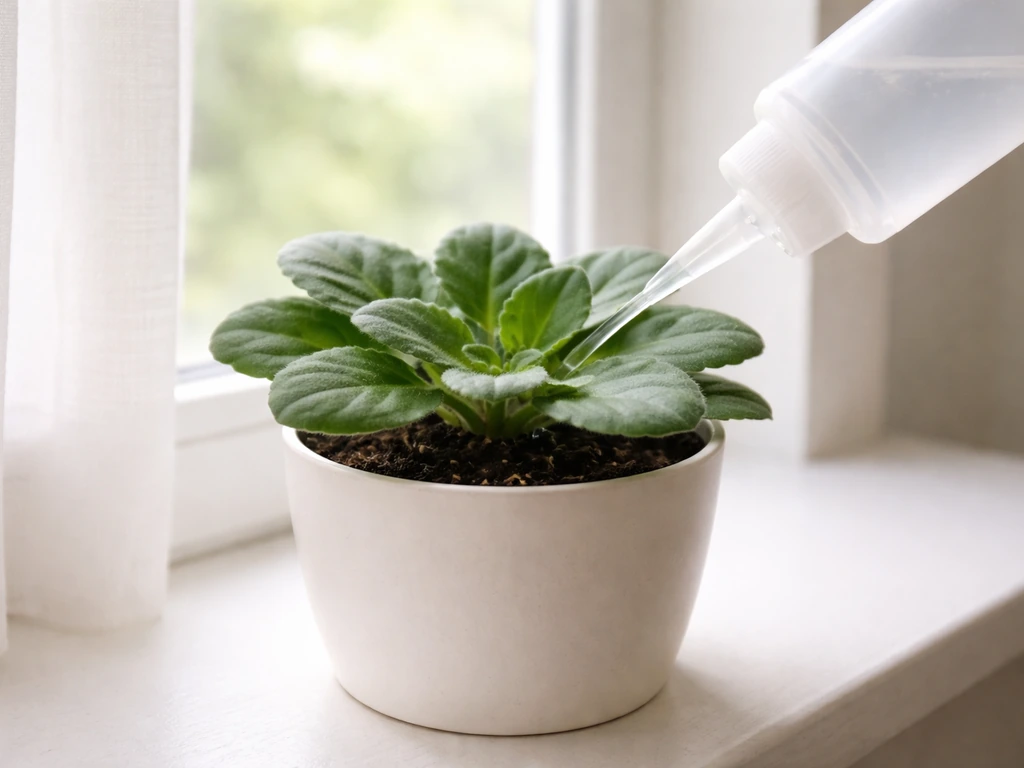
Light: bright indirect, no direct sun on the leaves (scorches them fast). A north or east window works if it's unobstructed; grow lights work brilliantly at 8 to 12 inches above the plant for 14 hours daily. Watering: water at the base, not on the leaves, and let the top inch of soil dry out between waterings. Wet leaves cause spotting. Use a small pot, not much bigger than the root ball, because these plants like being a little snug. Soil: use African violet mix, which is lighter and better-draining than standard potting soil. Fertilizer: use a fertilizer high in phosphorus (African violet formulas are made for this) to keep blooms coming.
Christmas cactus
Light: bright indirect light during the growing season, kept away from intense direct sun. Watering: let the top one-third of the soil dry out before watering again. These are semi-succulents and handle a bit of drought, but they don't like bone-dry soil either. To trigger blooming for the holidays, move the plant to a cool room (below 65°F) and give it a strict dark period, something like covering it or moving it to a dark spot from 5 p.m. to 8 a.m. each day for several weeks. That dark-plus-cool combination is what sets the buds. Soil: a well-draining mix, cactus or succulent blend works, or standard potting soil mixed with perlite. Containers: drainage holes are non-negotiable.
Peace lily
Light: tolerates low to medium indirect light better than almost any other flowering plant, making it a realistic option for north-facing rooms. It won't bloom as freely in very low light, but it won't die either. Watering: keep the soil consistently moist but not waterlogged. Peace lilies will droop dramatically when thirsty, which is actually a useful signal. Soil: standard well-draining potting mix. Containers: not overly large, peace lilies bloom better when somewhat root-bound. Humidity: they appreciate it, a pebble tray with water beneath the pot helps.
Begonias (wax and angel wing)
Light: bright indirect to moderate light. An east or west window is ideal. Watering: let the top inch dry between waterings, these do not like soggy soil and will rot at the base if overwatered. Soil: light, well-draining mix. Containers: keep them in proportionate pots since too much soil around the roots holds excess moisture. Deadhead spent flowers regularly to encourage new blooms.
Anthurium
Light: bright indirect is ideal. Direct sun bleaches the leaves and flowers. Watering: water thoroughly when the top inch is dry, then let it drain fully. Never let it sit in water. Soil: a coarse, well-aerated mix (orchid bark blended into potting mix works well). Humidity: anthuriums love humidity, so bathrooms or kitchens with natural moisture are great, or use a pebble tray. Fertilize lightly every 6 to 8 weeks during active growth.
Kalanchoe
Light: one of the higher-light options on this list. It wants a bright spot with some direct sun if possible, a south or west windowsill is ideal. Watering: very drought-tolerant. Let the soil dry out significantly between waterings, treat it more like a succulent. Overwatering is the fastest way to kill a kalanchoe. Soil: cactus or succulent mix. To rebloom after the initial flush, give it 6 weeks of long nights (14 hours of darkness) at around 60°F.
Why indoor flowers fail (and how to fix the real problems)
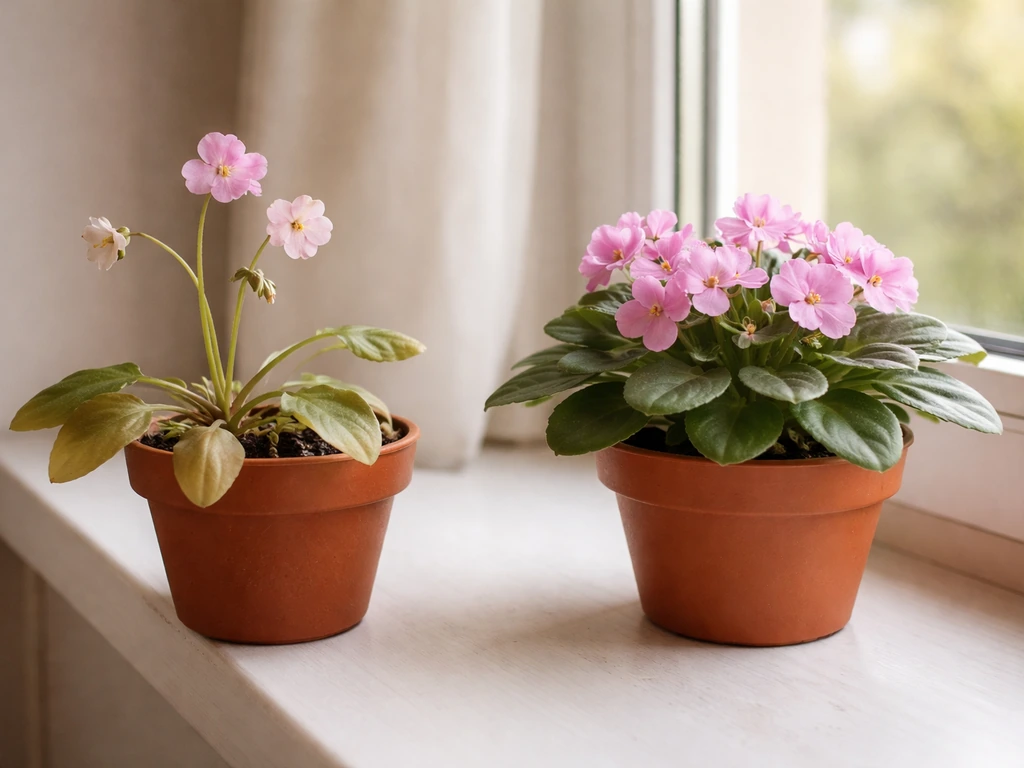
Most indoor flower failures come down to a short list of fixable problems. Knowing what to look for saves a lot of frustration.
Not enough light is the number one culprit. If a plant is putting out leaves but no flowers, light is almost always the issue. Either intensity or duration, or both, is insufficient. The fix: move closer to the window, add a grow light, or switch to a plant that's honestly suited to your light level. If you’re specifically looking for flowers that can grow indoors without sunlight, focus on plants and setups that rely on bright indirect light or grow lights. If you’re specifically wondering whether can flowers grow inside without sunlight, focus on plants and setups that rely on bright indirect light or grow lights. Inadequate light is not a watering problem in disguise.
Watering mistakes are a close second. Two scenarios kill plants: letting the soil dry out completely for extended periods (roots can't recover quickly enough to support blooms), and keeping soil constantly wet (which causes root rot, the silent killer). The fix is learning each plant's rhythm, which is described in the plant-by-plant section above. When in doubt, stick your finger an inch into the soil before watering.
Low humidity is a sneaky one, especially in winter when heating systems dry indoor air significantly. Flower buds dropping before they open is a classic low-humidity symptom. The fix: group plants together, use a pebble tray with water, or run a small humidifier nearby. Misting works short-term but evaporates quickly.
- No blooms but healthy leaves: almost always a light problem, increase intensity or duration
- Yellow leaves: usually overwatering or very low light
- Brown leaf tips: low humidity or fluoride sensitivity (use filtered water if this is recurring)
- Buds dropping before opening: low humidity, sudden temperature change, or drafts
- Root rot (mushy base, foul smell): overwatering and/or poor drainage, repot into fresh dry mix immediately
- Leggy, stretched growth: the plant is reaching for more light, move it closer to the source
Poor fertilization is also worth mentioning. Too little and the plant lacks the energy to bloom. Too much and you get lush foliage with no flowers, because excess nitrogen pushes vegetative growth. Use a balanced or slightly phosphorus-heavy fertilizer during the growing season and back off in winter.
How to get started today
The best move if you're just starting out is to pick one plant matched to your actual light situation, not the one you like the look of most. Here's a simple way to decide:
- Stand at your brightest window at noon. If you can clearly see your hand's shadow on the wall, you have enough light for African violets, begonias, anthurium, or kalanchoe. If the shadow is faint or absent, start with a peace lily.
- If your windows are genuinely dark or limited, buy a basic LED grow light panel (under $40 for a simple one) and set it up on a timer for 12 to 14 hours per day. This opens up almost all the plants on this list.
- Buy your first plant from a local nursery rather than online so you can see its health before you bring it home. Look for compact growth, no yellowing leaves, and ideally some buds rather than fully open flowers (buds will open at home and give you more bloom time).
- Use the right soil from day one. African violet mix for violets, cactus mix for kalanchoe and Christmas cactus, and standard well-draining potting mix for everything else. Don't use garden soil indoors.
- Choose a pot with drainage holes, always. No exceptions. A saucer underneath is fine, just don't let the pot sit in standing water.
- Give the plant a week to settle in before moving it around. New environments cause some temporary stress, which is normal.
If you find yourself wanting to push further, terrariums are another interesting path for certain flowering plants, though the enclosed humidity and limited light create a different set of conditions to work with. If you’re curious about trying a microclimate instead of a standard pot, terrarium setups can be another way to grow flowers with enclosed humidity and limited light can you grow flowers in a terrarium.
That approach can work for African violets too, as long as you provide enough light and avoid keeping the soil too wet terrariums are another interesting path for certain flowering plants. And if you're curious about whether your favorite outdoor flowers can make the transition inside, that's a genuinely different question with its own set of answers depending on the species.
If you're wondering whether you can grow outdoor flowers indoors, the main thing is matching their light and seasonal needs to your indoor setup can you grow outdoor flowers indoors. If you’re specifically wondering, “can you grow outdoor plants indoors,” the key is matching their light and seasonal needs to an indoor setup.
For most people, the simplest path to success is an African violet on a bright windowsill or under a grow light. It's not glamorous, but it works reliably and gives you the satisfaction of consistent blooms while you learn the rhythms of indoor flowering plants. Once you have one thriving, adding a peace lily or a begonia to the mix is a natural next step, and before long you'll have a genuinely colorful indoor garden running through most of the year.