
Yes, New Guinea impatiens (Impatiens hawkeri) can grow indoors, but only if you give them a genuinely sunny spot. This isn't a low-light plant you can tuck into a dim corner and hope for the best. Place one near your brightest south- or west-facing window, keep it warm, and maintain decent humidity, and it will reward you with flowers. Can Strelitzia nicolai grow indoors? Yes, but it needs very bright light, steady warmth, and careful watering to prevent root issues. Fall short on light, and you'll end up with a leggy, non-blooming plant that slowly declines. The setup matters a lot here, so let me walk you through exactly what it takes.
Can New Guinea Impatiens Grow Indoors? Requirements and Care

James Hartwell
3 May 2026
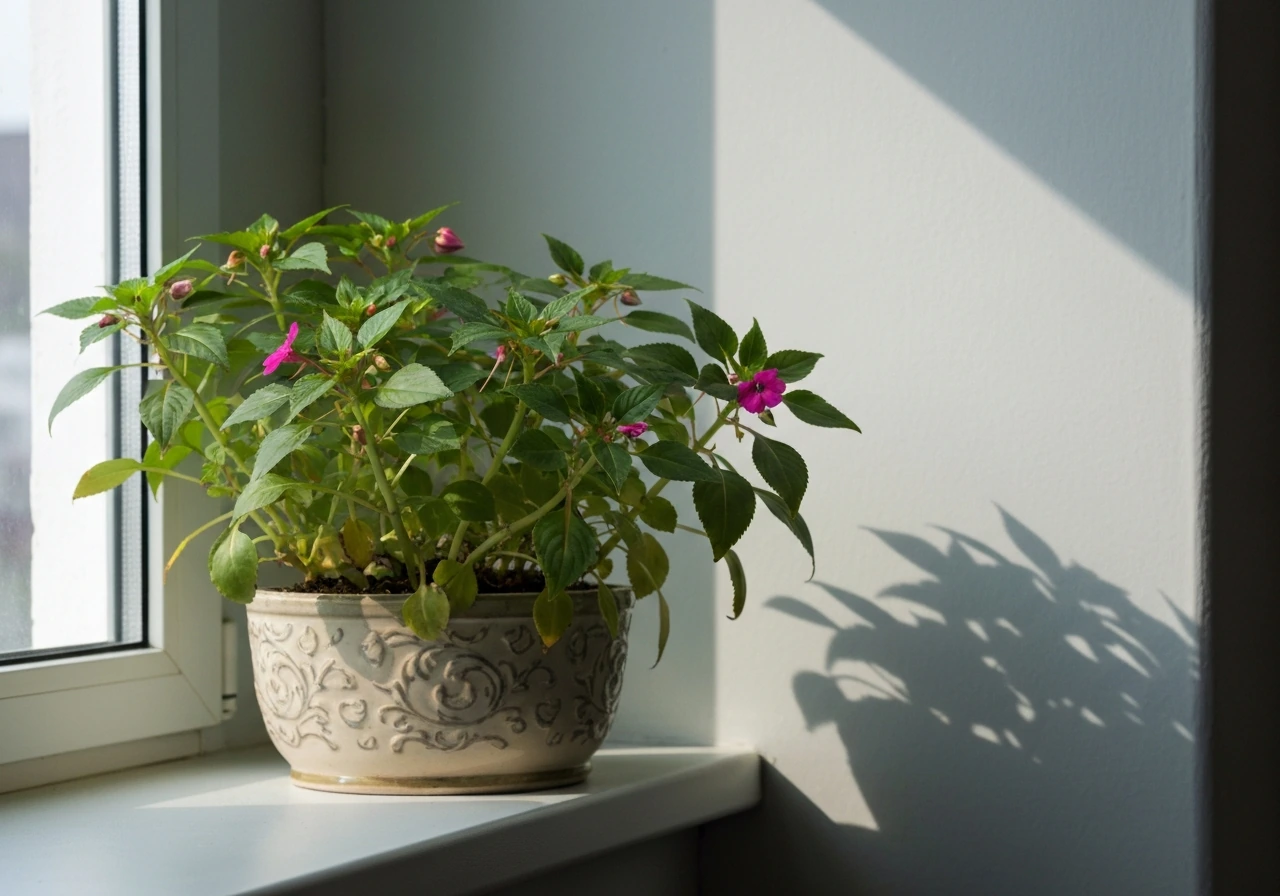
Indoor light requirements and where to put it
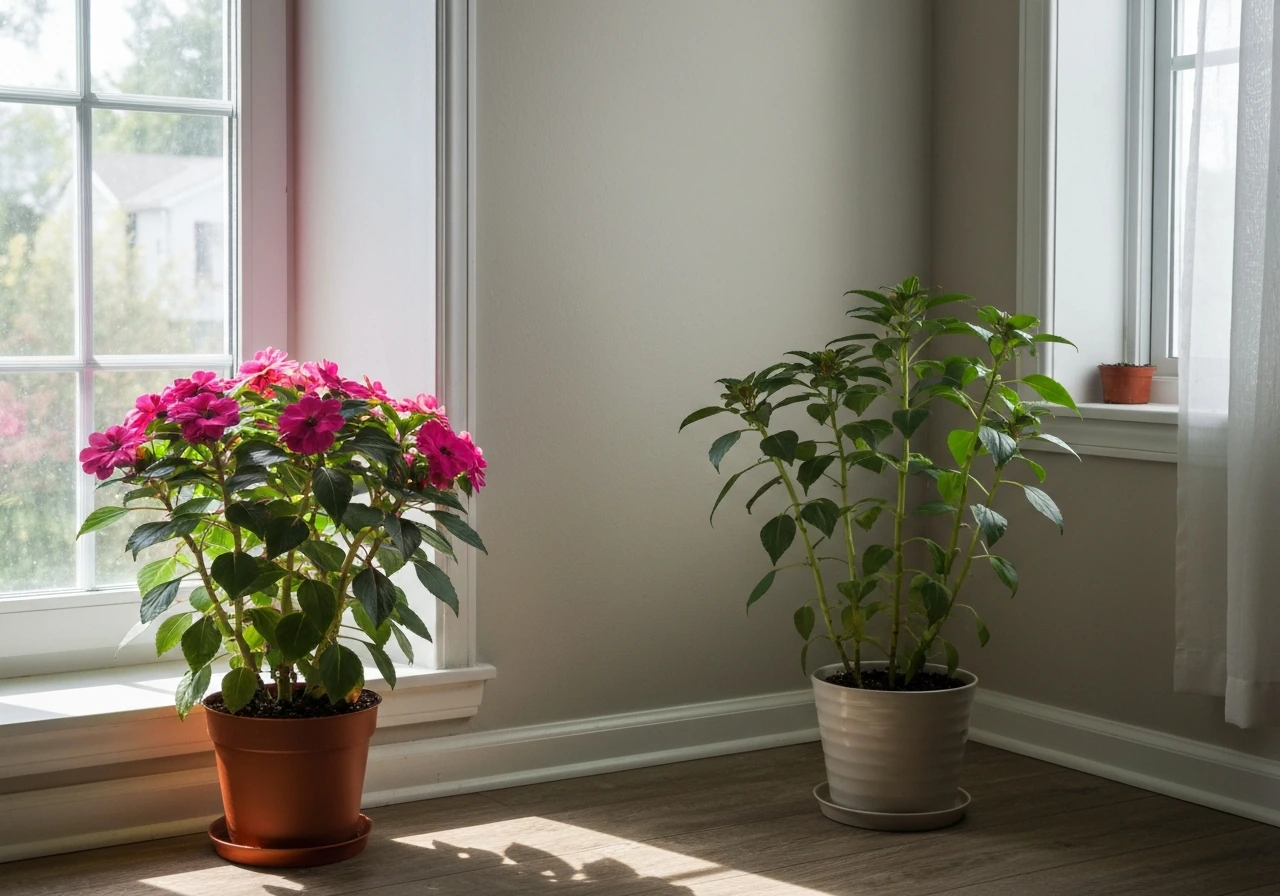
Light is the single biggest make-or-break factor for New Guinea impatiens indoors. The Missouri Botanical Garden puts it well: a sunny windowsill gives roughly the same light intensity as sun-dappled shade outdoors, which is close to what this plant wants. Syngenta's consumer culture guidance is direct about it too: place the plant near a window with full sun. can rieger begonias grow indoors.
In practice, that means a south-facing window is your best option in the northern hemisphere. A west-facing window works if it gets strong afternoon sun for at least four to five hours. East-facing windows are borderline, especially in winter when the sun angle drops. North-facing windows will not cut it for flowering. I've had people ask why their plant stopped blooming after they moved it to a pretty shelf across the room from the window. That's exactly why.
New Guinea impatiens respond to daily light integral, meaning total light accumulation across the day matters, not just whether they get a few bright minutes at noon. If your windows are shaded by trees, overhangs, or neighboring buildings, consider supplementing with a grow light (a full-spectrum LED positioned 6 to 12 inches above the plant for 14 to 16 hours a day makes a real difference).
Soil, pot size, and watering indoors
What to pot it in
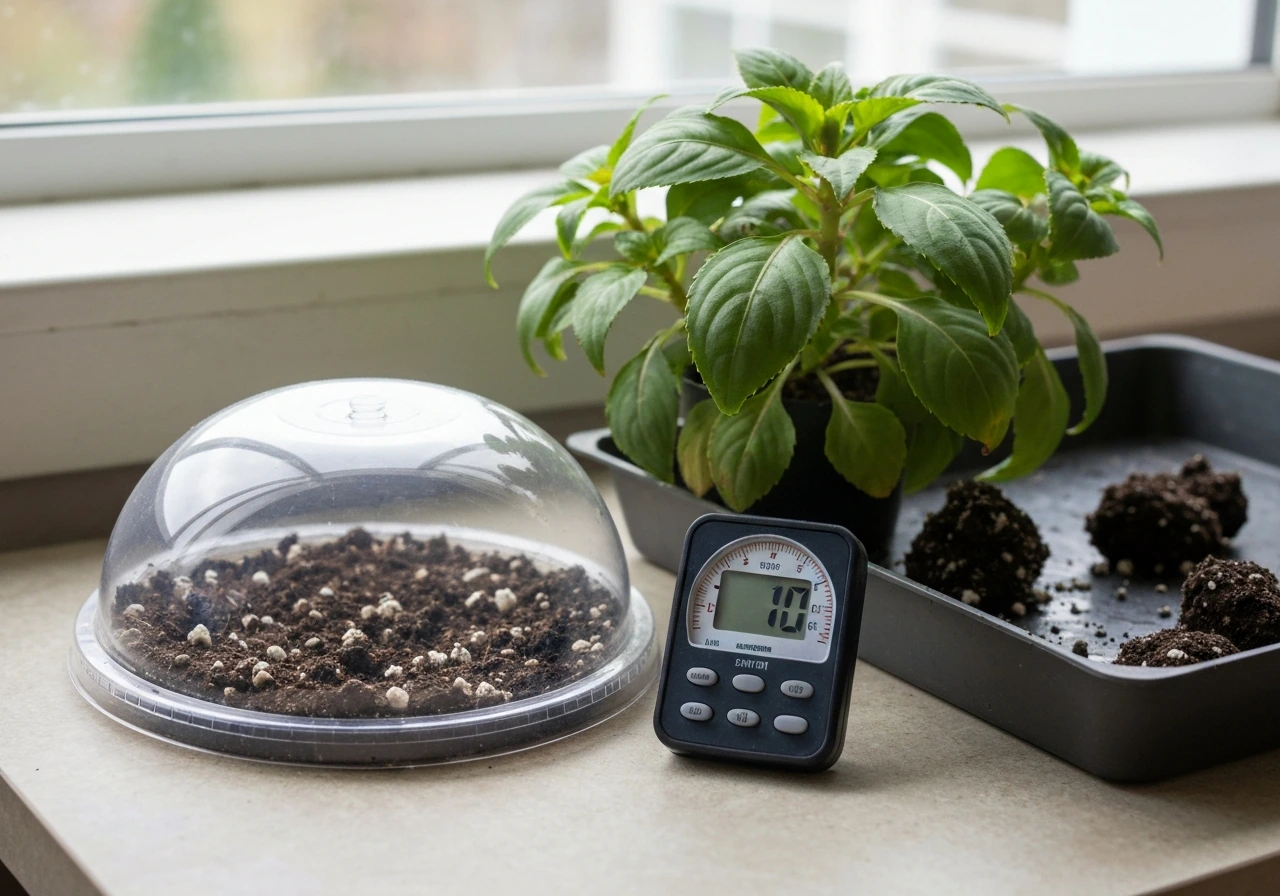
Use a well-draining potting mix, not heavy garden soil. A peat- or coir-based mix with perlite added works well. New Guinea impatiens roots need moisture but hate sitting in soggy substrate, so drainage is non-negotiable. A terracotta pot helps wick away excess moisture if you tend to overwater. Choose a pot that's not too large: a container that's roughly one inch larger in diameter than the root ball is about right. Going too big means the excess wet soil around the roots stays damp too long, which invites rot.
How often to water
Water when the top one to two inches of soil feels dry, not on a fixed schedule. Indoor plants dry out at different rates depending on pot size, light, and room temperature, so always check the soil before watering. New Guinea impatiens are moisture-loving, so you don't want them to dry out completely, but overwatering is one of the most common indoor mistakes. The goal is consistently moist, never waterlogged. Make sure your pot has drainage holes and that you're not letting it sit in a saucer full of water.
Fertilizing in a container
Feed your plant monthly with a balanced fertilizer that has higher phosphorus than nitrogen. Phosphorus promotes flower development, while excess nitrogen pushes leafy growth at the expense of blooms. If you want to get technical, professional growers target a substrate EC between 1.0 and 2.5 mS/cm, but for most home gardeners, a diluted liquid fertilizer at half the recommended label rate once a month is plenty.
Temperature, humidity, and airflow
New Guinea impatiens like it warm and consistent. blank" rel="noopener noreferrer">Target a day and night temperature between 70 and 75°F (21 to 24°C). Most heated homes fall right in that range, which is one reason this plant actually adapts reasonably well to indoor life. What you need to watch out for is cold stress: don't place the plant near a drafty window, an air conditioning vent, or close to an exterior door that gets opened in winter. If temperatures dip into the 40s°F, bring the plant in immediately. Cold sensitivity is a real issue with this species.
Humidity is the trickier part. Professional growers target a minimum of 75% relative humidity, especially at night. Most homes run between 30 and 50% relative humidity, which falls short of ideal. You can raise humidity around the plant by placing a pebble tray filled with water underneath the pot (without letting the pot sit in the water), grouping it with other plants, or running a small humidifier nearby. Misting the foliage is a mixed bag since it can encourage fungal issues if the leaves stay wet overnight.
Airflow matters too. Stagnant air encourages disease and pest problems. A small fan running on low a few feet from the plant, or simply keeping it in a room with normal household air circulation, is enough. Just avoid cold drafts.
How to start or move your plant indoors
Overwintering an existing outdoor plant
If you're moving a New Guinea impatiens in from outside before fall temperatures fall into the 40s°F, start by shearing the plant back by about a third to a half. This is not just about size management. It reduces the stress load on the plant during the transition, removes any damaged growth, and gives you a cleaner, bushier plant to work with indoors. Pot it up in fresh mix if it's been growing in the ground, or check the roots on a container plant and repot if needed. Then acclimate it gradually: bring it in during cool evenings for a few days before leaving it inside full-time.
Starting from cuttings
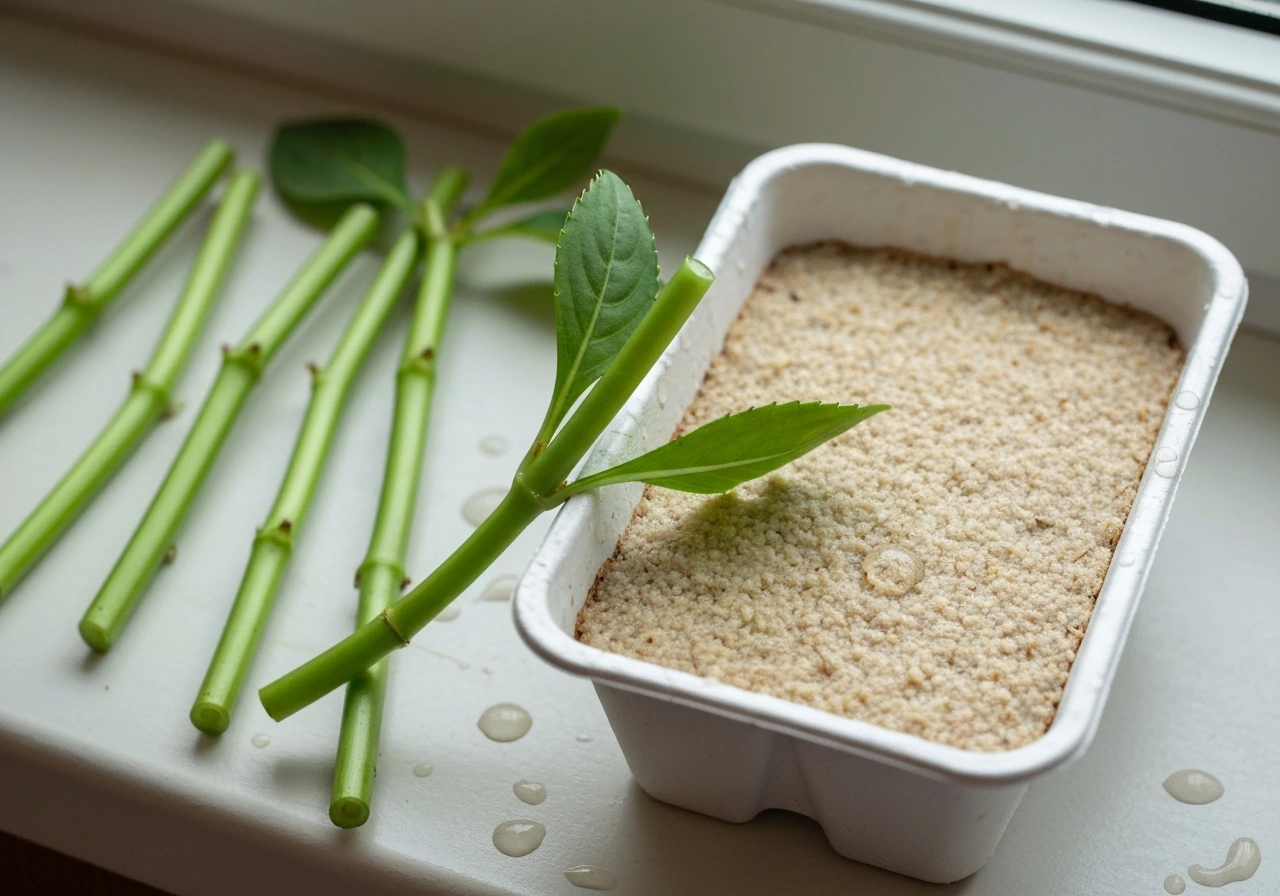
New Guinea impatiens root easily from stem cuttings, which is actually the standard propagation method. Choose a non-flowering stem with at least two leaf nodes, cut it cleanly just below a node, remove lower leaves, and stick it in a moist but well-drained rooting medium. Keep the medium consistently moist, maintain warmth around 70 to 75°F, and expect roots in roughly three weeks. Once rooted, pot the cutting up into your final container and place it in your sunniest window.
Common indoor problems and how to fix them
- Leggy, stretched growth with few flowers: Almost always a light problem. Move the plant closer to the window or add a grow light. Shear back the leggy stems to encourage bushier regrowth.
- Drooping or wilting despite wet soil: A sign of root rot from overwatering or poor drainage. Check the roots. If they're brown and mushy, trim the affected roots, repot in fresh well-draining mix, and cut back watering frequency.
- Drooping with dry soil: Simple underwatering or the plant drying out faster than expected due to heat or low humidity. Water thoroughly until it drains from the bottom.
- Leaf drop or bud drop: Usually caused by sudden temperature changes, cold drafts, or stress from moving the plant. Keep temperatures stable and avoid placing it near vents or drafty windows.
- Spider mites: A genuine concern indoors, especially in dry conditions. Look for fine webbing under leaves and a stippled, dull appearance on leaf surfaces. Treat early with insecticidal soap or neem oil, and raise humidity since mites thrive in dry air.
- Aphids (melon aphid): Check the undersides of new growth for soft, clustered insects. Knock them off with a strong spray of water or use insecticidal soap.
- Fungal spots or mold on leaves: Usually from poor airflow or consistently wet foliage. Improve circulation and water at the base of the plant rather than overhead. Note that downy mildew, which devastates common impatiens (Impatiens walleriana), is not known to infect New Guinea impatiens (I. hawkeri), so that's one less disease to worry about.
What to expect week to week: ongoing care routine
Once your plant is settled indoors, the care routine is straightforward. Check soil moisture every two to three days and water when the top one to two inches are dry. Rotate the pot a quarter turn every week or two so all sides get even light exposure and the plant grows evenly rather than leaning toward the window. Deadhead spent flowers to keep new blooms coming, though many New Guinea impatiens varieties are fairly self-cleaning.
Every month, feed with a phosphorus-forward liquid fertilizer. Every few months, check whether the roots are circling the bottom of the pot, which signals it's time to move up one pot size. Wipe dust off the leaves occasionally so they can absorb light efficiently, and while you're at it, check leaf undersides for early signs of pests.
In terms of realistic expectations: a New Guinea impatiens in a genuinely sunny window with good humidity can bloom nearly continuously indoors. If you're wondering about indoor success beyond light, focus on warmth, steady humidity, and careful watering to keep the plant healthy genuinely sunny window. In a marginal light spot, you'll get foliage but sporadic or no flowers.
If you're also curious about other flowering plants in this category, wax begonias and angel wing begonias are worth comparing since they tend to be more forgiving about indoor light levels and humidity than New Guinea impatiens, which makes them a slightly easier choice for apartments with less-than-ideal windows. If you want a closely related alternative to try, can Rieger begonias grow indoors?
| Care Factor | What New Guinea Impatiens Needs Indoors | Notes |
|---|---|---|
| Light | Full sun window (south or west facing) | Grow light recommended if window light is limited |
| Temperature | 70 to 75°F (21 to 24°C) day and night | Keep away from cold drafts and vents |
| Humidity | Minimum 75% RH, especially at night | Use pebble tray or humidifier in dry homes |
| Watering | When top 1 to 2 inches of soil are dry | Never let it sit in standing water |
| Fertilizing | Monthly, higher phosphorus than nitrogen | Half-strength liquid fertilizer works fine |
| Pot size | One inch larger than root ball | Well-draining mix with perlite; drainage holes required |
| Pruning | Shear back before bringing indoors; pinch as needed | Prevents legginess and maintains compact shape |
FAQ
Can New Guinea impatiens grow indoors under a grow light if my windows are shaded?
Yes, but only if the light is truly strong and stable. Use a stand or shelf level so the top leaves sit about 6 to 12 inches under the LED, run it 14 to 16 hours daily, and keep it on a timer. If you move the grow light farther away or shorten the photoperiod, expect fewer flowers and faster leggy growth.
What happens if the indoor temperature drops in winter, can New Guinea impatiens still bloom?
It can, but expect a higher risk of problems and slower recovery. When using a bright window, avoid letting the soil stay wet, because cooler rooms plus soggy mix is a fast path to root rot. In winter, raise the plant away from the glass if it gets chilly, and water less often by checking the top 1 to 2 inches of soil dryness.
How do I avoid overwatering with New Guinea impatiens indoors?
You should water based on the mix drying, not on a calendar. A reliable check is the top 1 to 2 inches of soil, if it feels dry there, water thoroughly until it drains, then discard any runoff in the saucer. If your saucer collects water, empty it right away every time.
How often should I repot indoor New Guinea impatiens?
Repotting is usually best only when needed, like when roots are circling the pot bottom, drainage slows, or the plant keeps wilting despite correct watering. Move up just about one pot size (roughly 1 inch larger in diameter), and switch to a fresh well-draining mix to reduce root stress.
Should I fertilize year-round indoors, or only during the growing season?
Not necessarily. If the plant is under light stress, fertilizer can push more leafy growth and worsen the “no blooms” situation. Wait until it is in a bright window (or under your grow light), then follow the phosphorus-forward monthly feeding routine and reduce feeding if you notice lots of dark green growth with few flowers.
My indoor plant is getting leggy, what pruning should I do to encourage flowers?
Try pruning even if the plant is already indoors, not just during the outdoor-to-indoor transition. If stems get tall or the plant leans, shear back about a third, remove damaged tips, and ensure the plant stays in the brightest spot you can provide. This restores bushiness and helps more flowering stems form.
Is misting the leaves enough to raise humidity for New Guinea impatiens?
While misting can temporarily raise humidity, it often creates wet leaves that can increase fungal risk if air circulation is poor. A pebble tray, humidifier, and grouping plants usually provide steadier humidity with less leaf wetness. If you mist, do it earlier in the day and only if the room dries quickly.
How do I propagate New Guinea impatiens indoors without it rotting?
Use a clean rooting medium and keep it warm, consistently moist, and well-drained. For rooting, moist but not waterlogged is key. Once you see roots and new growth, move it to the final pot and give immediate access to your sunniest window so it can settle without stretching.
Which pests are most likely indoors, and what should I check first?
Yes, common indoor pests include spider mites, aphids, and fungus gnats, and they can show up even if humidity is high. Check the leaf undersides weekly, and if you see fine webbing or small clustered insects, treat quickly with appropriate measures before populations explode. Also ensure drainage holes and let the top layer dry slightly to discourage gnats.