
Yes, hyacinths can absolutely grow and bloom indoors, and they're actually one of the more rewarding bulbs to force inside during winter. Geraniums can be grown indoors, but they need bright light and consistent care to keep them healthy and blooming grown and bloom indoors. If you're also trying to figure out can ixora grow indoors, remember that its light and temperature needs are different from forcing hyacinths, so compare the conditions before you buy. The catch is that they need a cold dormancy period first, about 12 to 14 weeks at 35 to 45°F (2 to 7°C), before they'll flower. UW-Madison Extension materials provide a recommended cold period for forcing bulbs, showing the specific required cold-period approach varies by bulb type (with hyacinth included in the overall recommended-forcing table) 12 to 14 weeks at 35 to 45°F (2 to 7°C). Skip that, and you'll get limp leaves and no blooms. Get it right, and you'll have fragrant, colorful flowers in the middle of winter with very little fuss. You can even stagger plantings to keep blooms coming from November through March.
Can Hyacinth Grow Indoors? Conditions and Steps to Bloom
What to realistically expect from indoor hyacinths
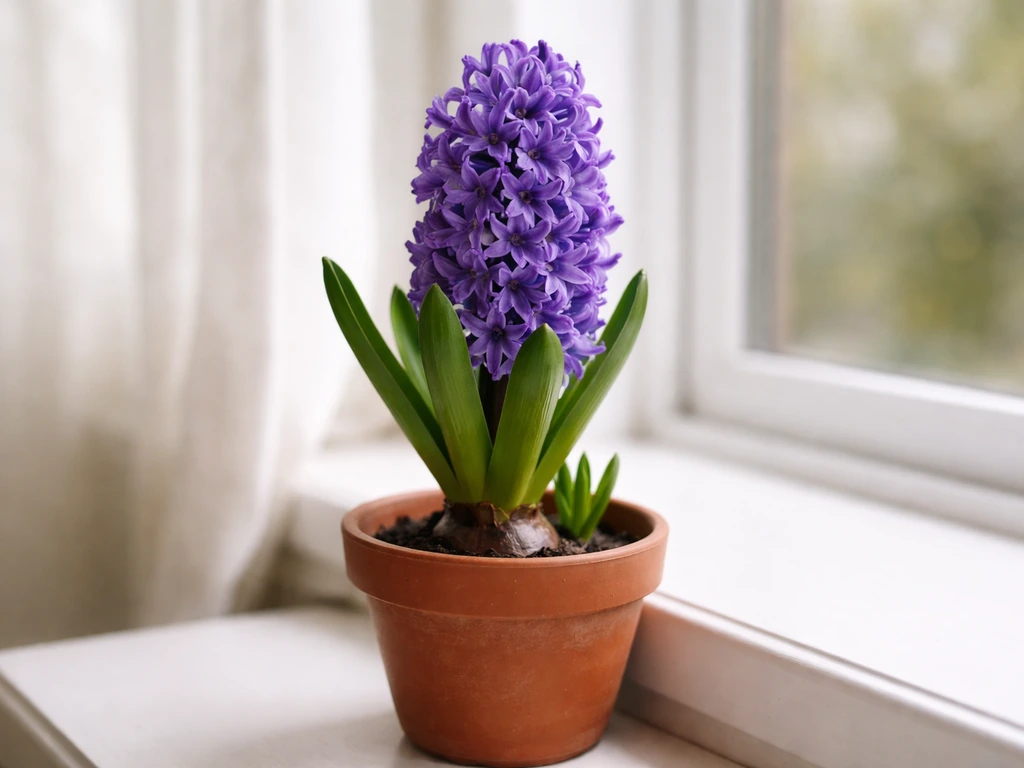
Hyacinths are not true houseplants in the way a pothos or peace lily is. They don't live out their whole lives happily on your windowsill year after year without intervention. What they are is one of the best bulbs for forcing indoors, meaning you can trick them into blooming out of season by simulating a winter cold period. Once the chill is done and you bring them into warmth and light, expect flowers roughly 3 to 4 weeks later. The bloom itself lasts about 1 to 2 weeks, longer if you keep the room cool. After that, the show is over for that bulb, at least for that season.
If you buy pre-chilled bulbs (sometimes labeled 'prepared' hyacinths, especially around the holidays), you can skip the refrigerator step entirely and go straight to potting. That's genuinely the easiest route for beginners. Either way, the total timeline from bulb to bloom is roughly 13 to 15 weeks if you're chilling them yourself, or just 2 to 3 weeks if you start with pre-chilled bulbs.
Light and location: where to actually put them
During the chilling phase, light is irrelevant. A refrigerator, unheated garage, or cold basement works fine, and the bulbs don't need any light at all while they're developing roots. Once you bring them indoors to force blooming, light becomes critical.
When shoots first emerge to about 2 inches (5 cm) tall, start them in a cool spot with low light, around 50°F (10°C) if possible, and let them adjust for a few days. Then move them to your brightest spot: a south- or east-facing windowsill is ideal. Bright, indirect light is the goal. Direct midday sun can stress them and shorten bloom time, but a sunny windowsill where the light is strong but filtered through glass is perfect. If your space doesn't get much natural light, fluorescent grow lights placed close to the plant work well too.
Temperature is just as important as light at this stage. Aim for 60 to 65°F (15 to 18°C) during the first few weeks after chilling. If your room runs warmer than 70°F (21°C), hyacinths grow too fast, producing floppy stems and flowers that fade within days. This is one of the most common reasons indoor hyacinths disappoint people. A cooler bedroom or a spot near a drafty (but not freezing) window can actually be your best friend here.
How to force hyacinths indoors, step by step
Option 1: Chill your own bulbs
- Buy firm, healthy hyacinth bulbs in autumn (mid-September to October is ideal for timing holiday blooms).
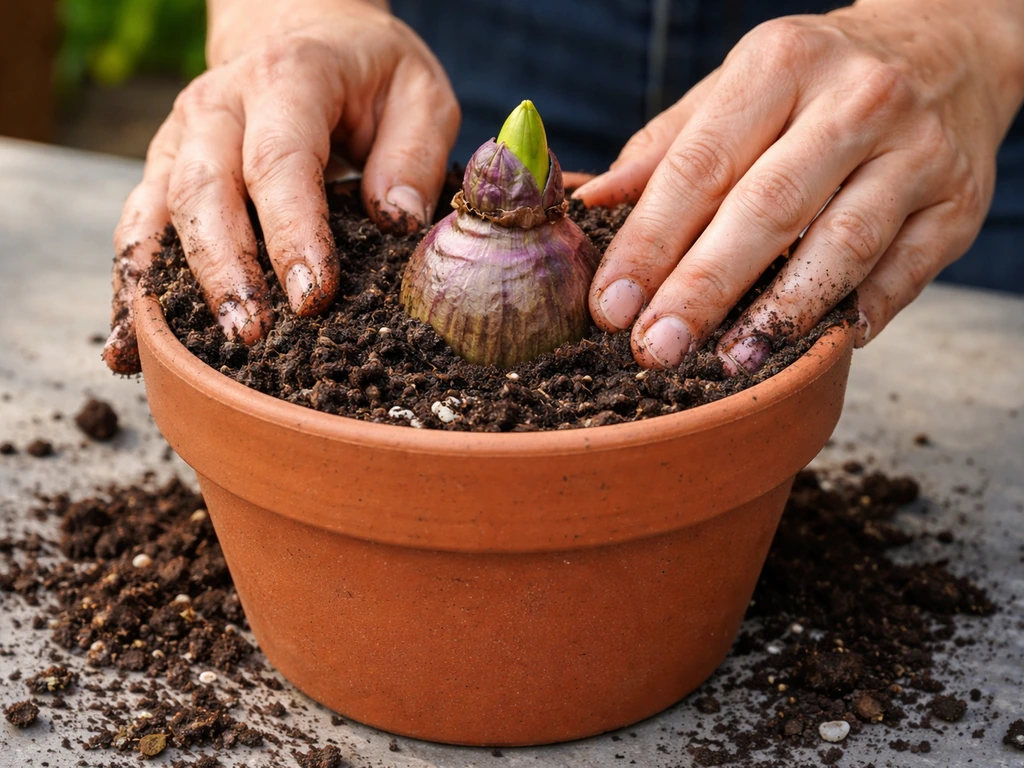
- Plant them in pots with drainage holes, using a well-draining potting mix. Set the bulbs so the tips are just at or slightly above the soil surface.
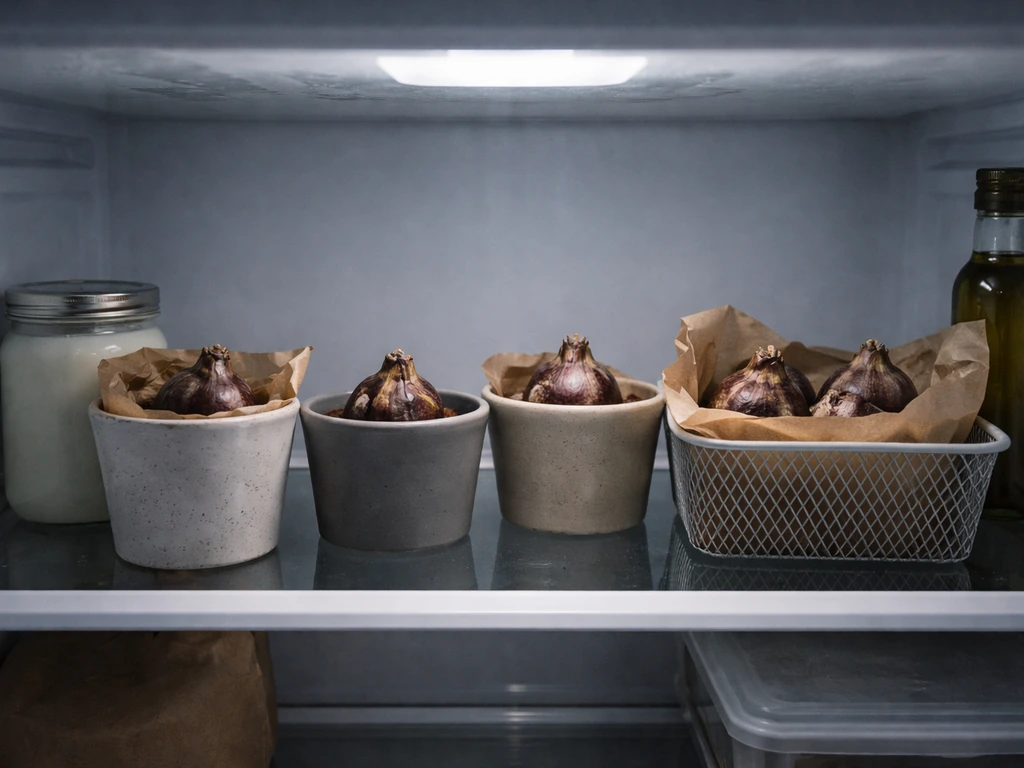
- Water lightly and place the pots in a cold, dark spot: a refrigerator (away from fruit, which releases ethylene gas), unheated basement, or garage where temps stay between 35 and 45°F (2 to 7°C). Do not let them freeze.
- Leave them there for 12 to 14 weeks. Check occasionally and water very sparingly if the soil dries out completely.
- When shoots reach about 2 inches tall and you can see roots through the drainage holes, move pots to a cool, dim indoor spot for a few days.
- Once the shoots start turning green, move to your brightest window. Keep temperatures at 60 to 65°F if possible.
- Expect flowers in 3 to 4 weeks from the time you brought them indoors.
Option 2: Start with pre-chilled bulbs
If you see hyacinth bulbs labeled as 'prepared' or 'pre-chilled' at a garden center or online, grab them. These have already had their cold treatment done for you. Just pot them up, put them in a bright spot indoors, keep them at 60 to 65°F, and you should see blooms in as little as 2 to 3 weeks. It's genuinely that straightforward.
Growing in water (hyacinth vases)
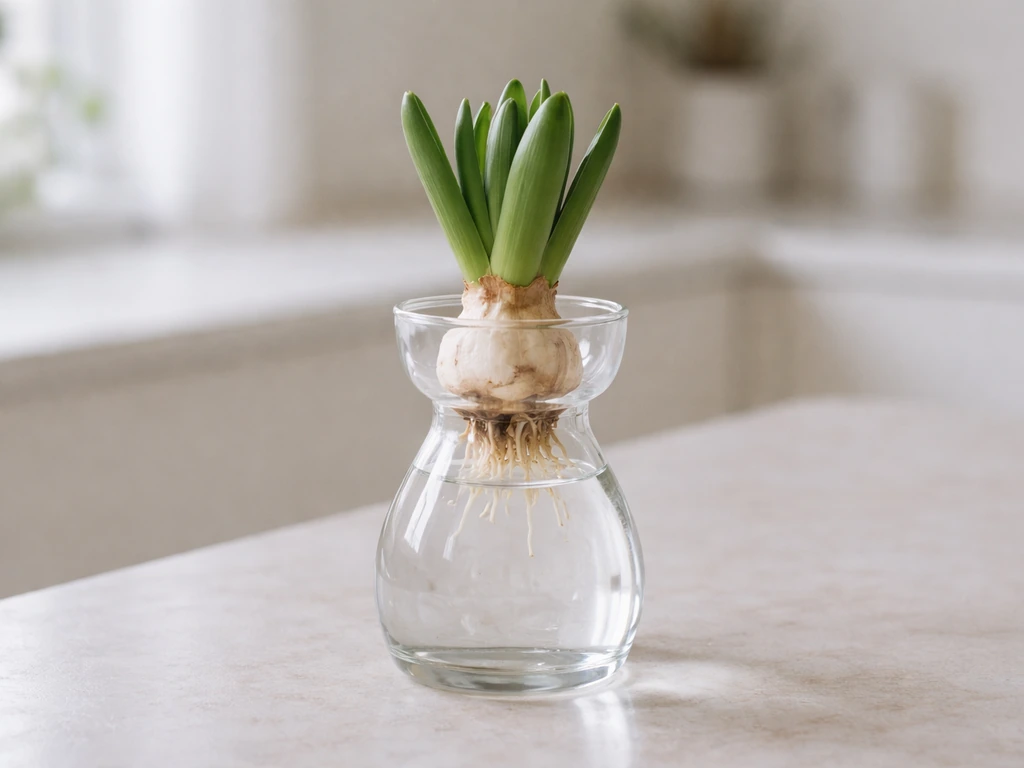
Hyacinths can also be forced in water using specially shaped hyacinth vases, where the bulb sits above the water level and just the roots dip in. If you are wondering whether you can water hyacinth grow indoors, the conditions and maintenance needs are quite different from forcing regular bulbs like this. If you are wondering whether you can grape hyacinth grow indoors, the key is still matching the light, temperature, and dormancy needs to the type of bulb you have. Fill the vase so water barely touches the base of the bulb, and follow the same chilling schedule. Change the water weekly and keep the roots submerged. It's a nice visual option, though bulbs forced this way are usually spent afterward and won't rebloom well. University of Missouri Extension also advises not to try to rebloom bulbs forced in water, such as hyacinths, and to discard them instead blank" rel="noopener noreferrer">won't rebloom well.
Soil, watering, and temperature: the practical details
Potting mix
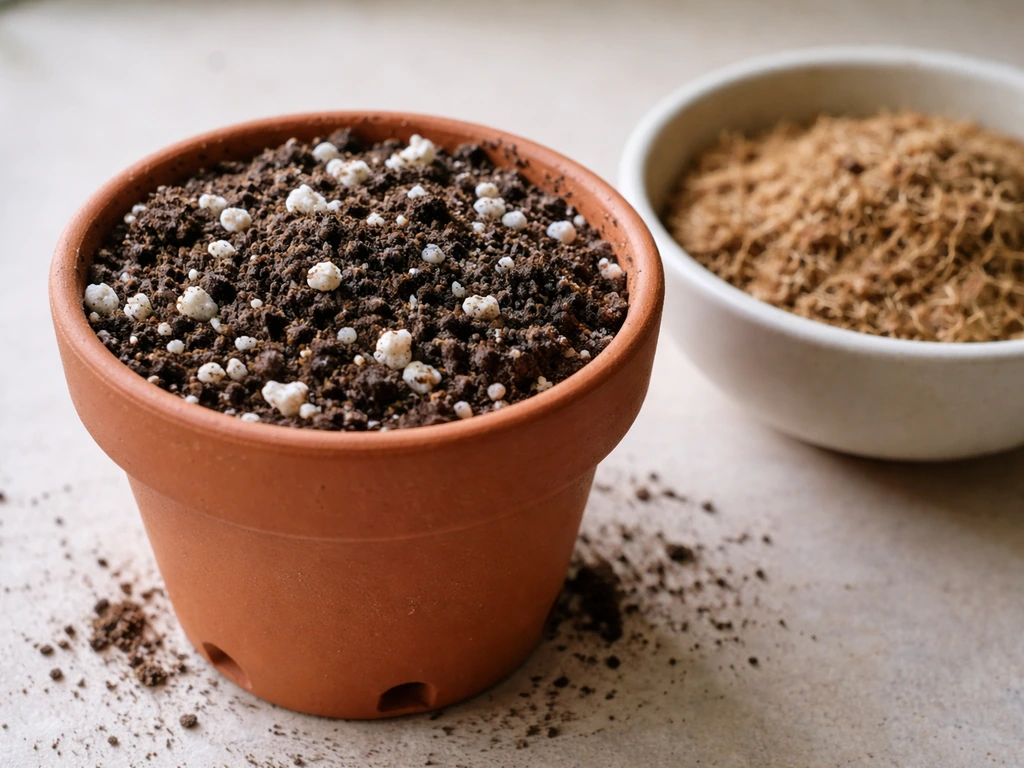
Drainage is everything with hyacinth bulbs. A soggy bulb is a rotting bulb. Use a mix of equal parts peat (or coco coir), perlite, and pasteurized potting soil for good drainage and aeration. A standard indoor potting mix with added perlite also works well. Always use pots with drainage holes. If you want to display hyacinths in a decorative pot without drainage, plant them first in a plain plastic pot that fits inside it, then slide the plastic pot in when the plants are ready to show off.
Watering
During the chilling phase, water sparingly. The goal is to keep the soil just barely moist, not wet. Once plants are actively growing indoors, keep the soil consistently moist but never soggy. Poke your finger an inch into the soil: if it feels damp, wait. If it feels dry, water thoroughly and let it drain completely. Never let the pot sit in standing water.
Temperature summary
| Growth Phase | Ideal Temperature | Notes |
|---|---|---|
| Chilling (root development) | 35 to 45°F (2 to 7°C) | Cold and dark; no light needed |
| Early transition (first green shoots) | Around 50°F (10°C) | Low light; gentle adjustment period |
| Active forcing to bloom | 60 to 65°F (15 to 18°C) | Bright indirect light; avoid going above 70°F |
| In bloom (extending display) | 55 to 65°F (13 to 18°C) | Cooler temps extend bloom life significantly |
Blooming indoors all year round: what's actually possible
Growing hyacinths continuously indoors all year round isn't really possible with a single bulb, because each one needs a dormancy and chill cycle to rebloom. But you can absolutely have hyacinths flowering in your home from late autumn right through early spring by staggering your planting schedule.
The strategy is simple: plant a new batch of bulbs every two weeks starting in mid-October, and stagger when you pull them out of cold storage. According to succession planting guidance, you can keep indoor flowers coming from around Thanksgiving all the way until late March doing this. So while you won't have hyacinths in July without a serious setup (and honestly, it's not worth it), you can have a near-continuous run of blooms through the coldest months, which is exactly when you want them most.
For timing a specific event, like Christmas or a Valentine's Day gathering, count back about 13 to 15 weeks from your target bloom date to set your chilling start date. If you want blooms by Christmas, start chilling in late September. BBC Gardeners' World pinpoints the last week of September as the planting date for holiday hyacinths, which maps well onto that timeline.
After a hyacinth has flowered indoors, you can plant the bulb out in the garden in spring and it may bloom outdoors the following year. Most indoor-forced bulbs are too exhausted to rebloom reliably indoors again, so treat each one as a seasonal performer rather than a perennial houseplant. Hyacinths are different from typical leafy houseplants because most forced bulbs are only meant to perform for one season indoors can german ivy grow indoors. It's a different mindset from growing, say, ivy indoors, which genuinely lives year-round without any seasonal dormancy tricks.
When things go wrong: troubleshooting common problems
No flowers, just leaves
This is almost always a chilling failure. Either the cold period was too short, the temperature wasn't cold enough, or the bulbs were stored near fruit (which releases ethylene gas and interferes with development). Make sure your next batch gets a full 12 to 14 weeks at a genuine 35 to 45°F. A refrigerator shelf set away from fruits and vegetables is your safest bet.
Floppy, weak stems
Usually caused by temperatures that are too warm after chilling, or by moving plants into bright light too quickly before they've adjusted. Keep the room at 60 to 65°F during forcing, and introduce light gradually. If your home is consistently warmer than 70°F, find the coolest spot you have: an unheated spare room, a cool hallway, or a window in a room you don't heat much at night.
Rotting bulbs or soggy roots
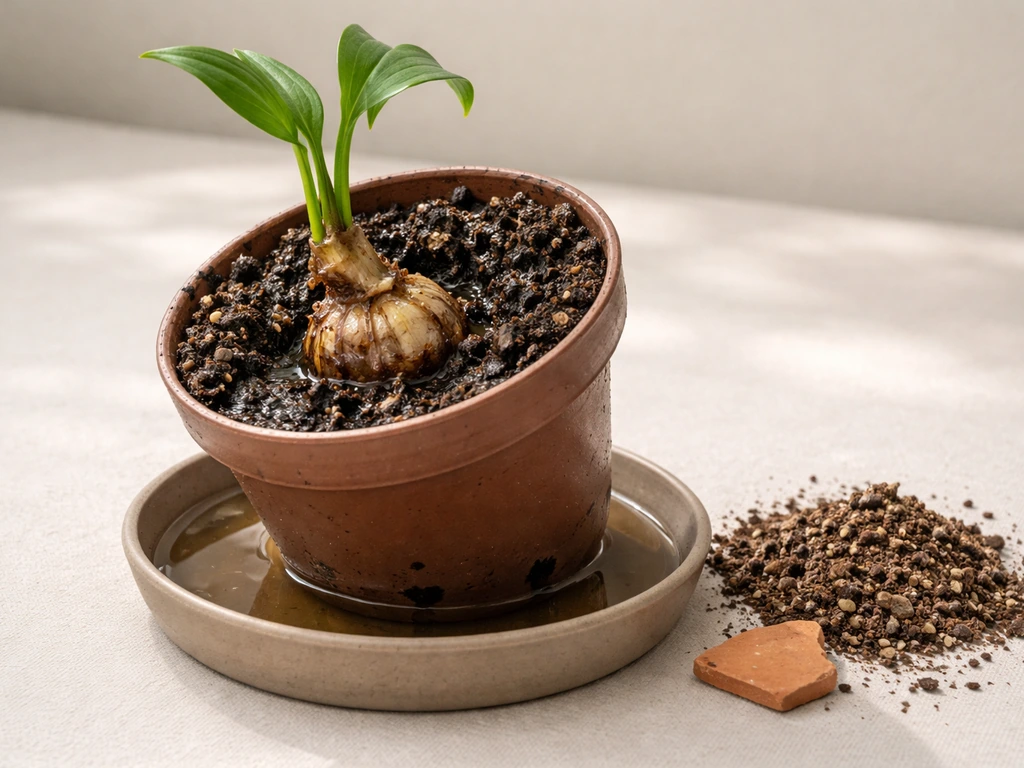
Rot is always a drainage and overwatering problem. Check that your pot has drainage holes, your potting mix drains freely, and that you're not keeping the soil waterlogged. During chilling especially, err on the side of barely moist rather than wet. If you spot a mushy, soft bulb when potting up, discard it. One rotten bulb in a pot can spread to its neighbors.
Gray mold or fuzzy growth on leaves and flowers
Gray mold (Botrytis) shows up when humidity is high and air circulation is poor. Keep condensation off the leaves, don't mist the plant, and make sure there's some airflow around it. A small fan on low nearby, or just cracking a window, makes a meaningful difference. Avoid crowding multiple pots together in a damp spot.
Flowers fade almost immediately after opening
Room temperature is too high. Move the plant somewhere cooler, even at night. Blooms last longest in a room that stays around 55 to 65°F. Keeping them out of direct heat from radiators, heating vents, or sunny afternoon windows will add days to the display.
Shoots are pale yellow or very slow to green up
This is normal for the first few days after you bring pots out of cold storage. Yellow shoots that have been in the dark will green up quickly once they get light. If yellowing continues for more than a week in bright light, check the roots for rot or consider whether the bulb was healthy to begin with.
Your first indoor hyacinth: a simple starting plan
If you want to start today (late April), you're just past the natural autumn forcing window, but you can still grab pre-chilled hyacinth bulbs online or from specialty bulb suppliers who stock them year-round for indoor forcing. Pot them up in a well-draining mix, put them on your brightest windowsill, keep the room under 70°F, water moderately, and you could realistically have flowers in 2 to 3 weeks. For next season, plan ahead: buy bulbs in September, start chilling them right away, and stagger pots every two weeks for a long indoor bloom window. Grape hyacinths (Muscari) are worth looking into as a companion plant, since they follow a similar forcing process and can fill gaps in your bloom schedule with their smaller, more delicate flowers.
FAQ
Can hyacinth grow indoors year-round and rebloom every year from the same bulb?
You can, but you will usually only get one indoor bloom per bulb. After flowering, transplant the bulb outdoors in spring, where it has a chance to rebuild its energy stores. Indoors, most forced bulbs lack the natural rest period they need to reliably bloom again the same season.
What happens if I chill hyacinth bulbs for less than 12 to 14 weeks?
Forcing works best when the bulb is fully chilled for the required time. If you rush the chill, you may still see leaves, but flowers often fail or are very weak. If you are short by only a few days, it is still worth trying, but expect a higher chance of poor or no bloom.
Can I plant new hyacinth bulbs in the same pot to extend the bloom season?
Yes, but treat it as a separate forcing cycle. Chill the new bulbs first, then move each batch indoors at the time you want it to start flowering, about 3 to 4 weeks later. The two-week staggering method is designed to avoid all pots flowering at once.
Should I repot a hyacinth after it starts growing indoors?
Repot only when you are at the transition from chilling to forcing, or if roots are bound and the bulb cannot sit properly. Once active growth starts, disturbance can delay flowering. If you must repot, keep the bulb at the same depth it was growing and handle the roots as little as possible.
Do I need to fertilize indoor-forced hyacinths?
Avoid adding fertilizer during the chilling phase. During forcing, you can use a light, balanced fertilizer once shoots have emerged and you see active growth, but do not overdo it because too much feed plus warmth can shorten bloom time and create floppier stems.
How can I tell if my hyacinth bulbs are already pre-chilled?
It depends on the bulb type and storage. If the bulb is pre-chilled, you can skip refrigeration and go straight to potting for indoor forcing. If the bulb is not labeled prepared or pre-chilled, assume it still needs the full cold dormancy period before you bring it into warmth.
My hyacinth shoots are yellow, is that always a problem?
Small yellow shoots for a few days can be normal because the plant is using energy stored in the bulb while it adjusts from dark to light. If the plant stays yellow after about a week in bright light, check for root rot or confirm you are keeping temperatures cool enough during forcing.
Why are my hyacinth flower buds dropping before they open?
Some shedding during the first days is common, especially if the plant is exposed to dry air, drafts, or a big jump in light intensity. To minimize drop, keep the plant away from heating vents and avoid placing it in direct harsh sun, then increase light gradually.
Can grow lights replace a south- or east-facing window for indoor hyacinths?
Yes, you can use a grow light, especially if your windows are dim. Keep the light close to the plant and provide consistent brightness during forcing. Turn the light on at the same times daily, and avoid leaving the bulb in darkness for long stretches after chilling.
What is the best way to water hyacinths when I’m using a decorative pot?
Use a pot with drainage holes and a mix that drains quickly. If you are using a decorative cachepot without drainage, always keep the nursery pot inside and never let water collect in the bottom. This is the most common way indoor bulbs rot.
Are hyacinths safe around pets, and what should I do if a bulb gets chewed?
Rabbits can damage bulbs and foliage, but indoors the bigger risks are usually pets and chewing. Many bulbs are toxic if eaten. If you have pets, keep the bulb and any water in reach, and discard any mushy rotten bulb immediately to prevent spoilage and mold.
Is it still possible to force hyacinths indoors if I start in late April?
Because they require a chilling and forcing schedule, the natural window is limited. You can still buy bulbs for late spring forcing, but your odds improve with pre-chilled bulbs. Even then, plan to manage temperature carefully and expect the display to be shorter than winter forcing in cooler homes.