
Yes, jasmine can grow indoors, and several types will actually bloom for you inside your home if you get a few key conditions right. The tricky part is that not all jasmines behave the same way indoors, and picking the wrong type for your setup is the number one reason people end up with a healthy-looking vine that never produces a single flower. Let me walk you through exactly which types work, how to set them up, and how to get them blooming reliably.
Can Jasmine Grow Indoors? Guide to Indoor Blooming Success

James Hartwell
18 Apr 2026
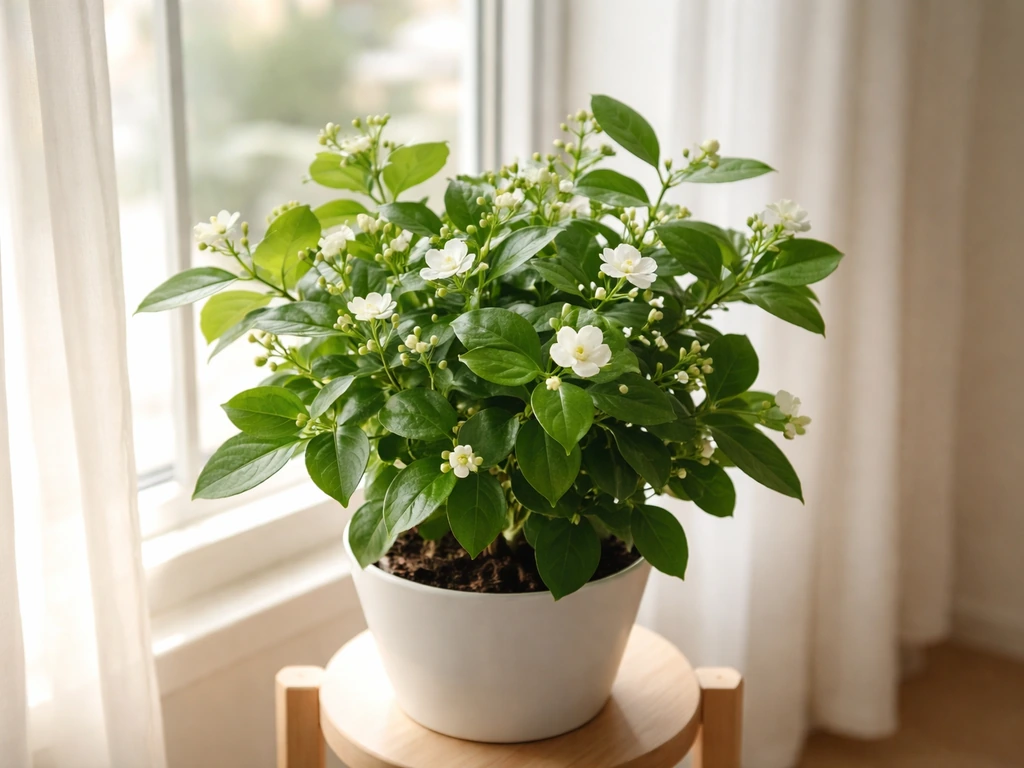
Which types of jasmine can actually grow indoors
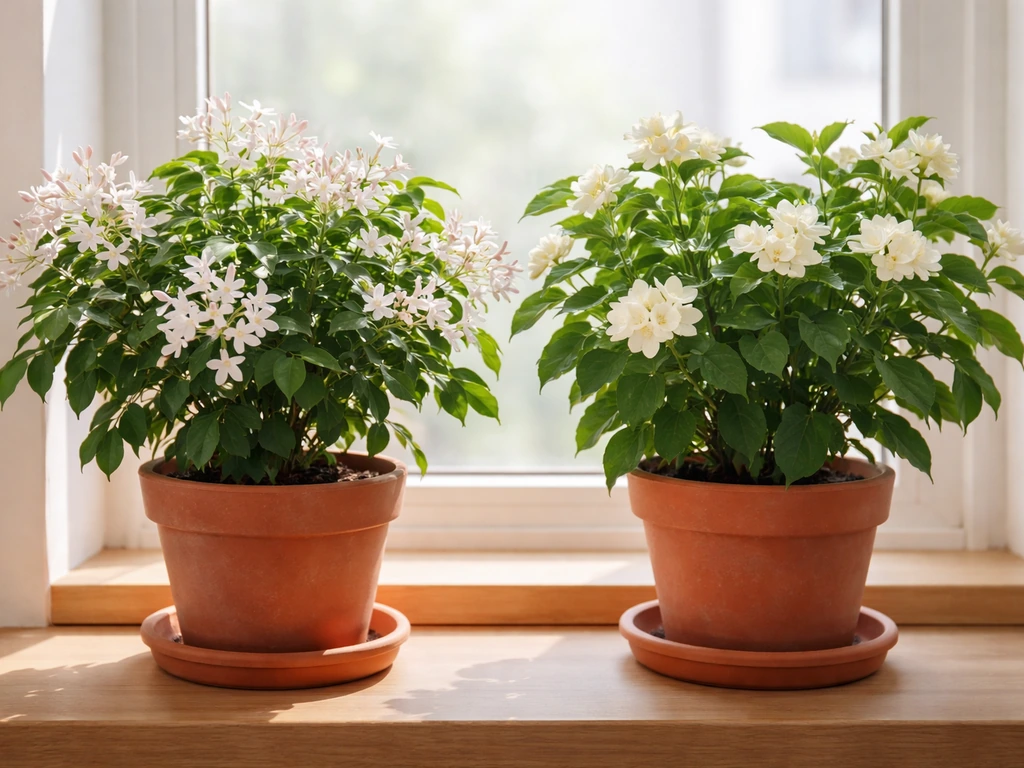
The jasmine family is bigger and more confusing than most people realize. When someone asks "can jasmine grow indoors," they might be thinking of a true Jasminum species, or they might be thinking of a plant that just has "jasmine" in its common name. The distinction matters a lot for indoor success.
True indoor-friendly jasmines from the Jasminum genus include Jasminum polyanthum (pink or many-flowered jasmine), Jasminum sambac (Arabian jasmine), and Jasminum officinale (common jasmine). All three can live and bloom indoors with the right setup, though they have meaningfully different temperature preferences, which I will get into shortly.
Then there are the "jasmine lookalikes" that confuse a lot of beginners. Confederate jasmine and star jasmine are both common names for Trachelospermum jasminoides, which is not a true Jasminum at all. It is a woody evergreen climber that does fine in containers and can be brought inside during cold winters, but it is really more of a cold-protection strategy than a true houseplant. If you are curious specifically about that plant, growing confederate jasmine indoors has a full breakdown. Similarly, star jasmine as an indoor plant covers the Trachelospermum angle in more depth.
Night-blooming jasmine (Cestrum nocturnum) adds another layer of confusion. Despite the name, it is not a Jasminum species either. It has its own indoor care requirements, which I cover in a dedicated section below.
How to choose the best jasmine for growing indoors
If I had to recommend just one jasmine for a beginner growing indoors, it would depend entirely on what kind of home you have. Here is the short version: if your home is warm year-round (think apartment with central heat that never dips below 65°F), go with Jasminum sambac. If you have a cool room, sunroom, or unheated space that gets down to 55°F at night in winter, Jasminum polyanthum is your best bet for dramatic spring blooms.
Jasminum polyanthum is probably the most commonly sold indoor jasmine. It is the one you see in garden centers in late winter, covered in pink buds, sold as a gift plant. It is genuinely beautiful, but it needs cool nights to set those flower buds. If you keep it in a warm living room all year, it will grow happily but may never rebloom for you after that first purchase flush. Arabian jasmine indoors (Jasminum sambac) is the opposite: it thrives in the warm conditions most homes already provide and is more forgiving for apartment dwellers.
| Jasmine Type | Best For | Temperature Needs | Bloom Season Indoors | Growth Habit |
|---|---|---|---|---|
| Jasminum polyanthum | Cool rooms, sunrooms | Cool nights (around 55°F) to set buds | Late winter to spring | Vigorous vining climber |
| Jasminum sambac | Warm apartments, heated rooms | Above 65°F (above ~13–15°C minimum) | Intermittent, nearly year-round | Upright shrub, stays compact |
| Jasminum officinale | Cool rooms with bright light | Night temps around 55°F or lower for best blooms | Summer | Large vining climber |
| Trachelospermum jasminoides | Cold-climate container overwintering | Cold-hardy, brought in for frost protection | Unlikely to bloom indoors reliably | Woody evergreen climber |
My honest recommendation: Jasminum sambac is the easiest true indoor jasmine for most people. It stays more compact than polyanthum or officinale (both of which can become very large vines indoors), it tolerates typical home temperatures, and it blooms repeatedly with good light and care. If you want the big dramatic spring flower show and have a cool spot to put it, polyanthum is worth the effort.
Setting up your indoor jasmine for success
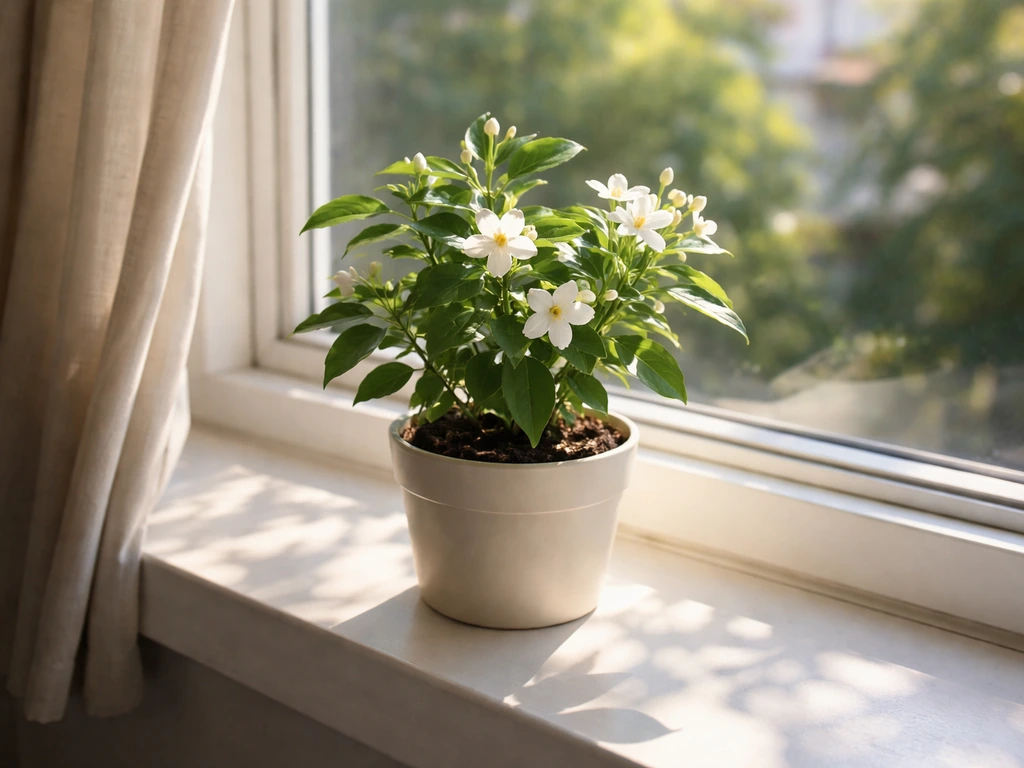
Light: this is the non-negotiable
Jasmine needs bright light with some direct sun each day. A south or west-facing window is ideal, but an east-facing window can work if it gets a solid few hours of morning sun. I have seen people put jasmine on a north-facing windowsill and then wonder why it limps along and never blooms. It is not a low-light plant. If your only bright window faces east or west, that is workable, but south is the gold standard for most climates.
If you are in an apartment with limited window space, you are not necessarily out of luck. A supplemental grow light positioned 6 to 12 inches above the plant for 12 to 14 hours a day can fill in the gaps. Think of it the way you would think about growing a jade plant indoors successfully: consistent bright light is the single biggest lever you have.
Temperature and humidity
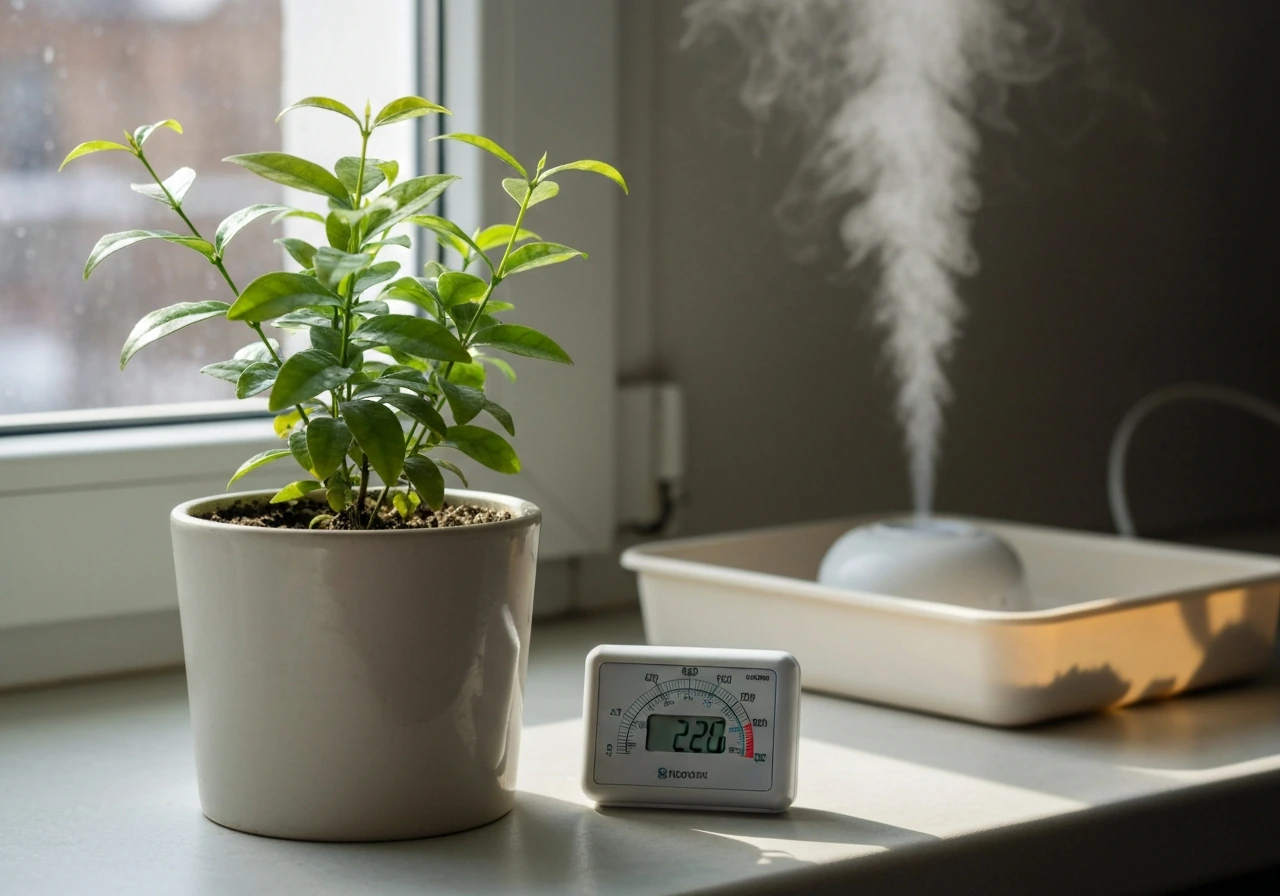
Temperature requirements split by species, so pay attention here. Jasminum sambac wants warmth, with a minimum floor of around 55–60°F (13–15°C) and optimum conditions above 65°F. Jasminum polyanthum and Jasminum officinale are different: they actually blank" rel="noopener noreferrer">need cool night temperatures, around 55°F or lower, to initiate flower bud formation.
Oregon State Universitys Landscape Plants profile notes that Jasminum polyanthum blooms heaviest in late winter and produces fragrant flowers in dense clusters Jasminum polyanthum and Jasminum officinale are different: they actually need cool night temperatures, around 55°F or lower, to initiate flower bud formation. .
Jasminum officinale 'Grandiflorum' in particular blooms best when night temperatures drop to around 55°F. Keeping polyanthum in a warm room year-round is a reliable way to get a plant that never reblooms.
For humidity, jasmine generally prefers moderate to high humidity, which most heated homes in winter simply do not provide. Set your pot on a tray of pebbles and water (keeping the pot bottom above the water line) or run a small humidifier nearby. Misting helps briefly but does not really move the needle the way a pebble tray does. Low humidity also makes jasmine more vulnerable to spider mites, especially in winter.
Pot size and soil
Use a well-draining potting mix. A standard peat-based or coir-based indoor potting mix works fine, but I like to mix in about 20 to 25 percent perlite to improve drainage and prevent the root rot that kills a lot of indoor jasmines. Jasmine likes to be slightly root-bound, so do not rush to size up the pot. Going too large too fast encourages the plant to put energy into roots and foliage rather than flowers. Move up only one pot size at a time, and only when you can see roots circling the bottom or poking through drainage holes.
A care routine that actually keeps jasmine alive indoors
- Water when the top inch of soil feels dry. Jasmine likes consistent moisture but hates sitting in soggy soil. In winter, ease off watering slightly, especially for the cool-growing types. In the growing season, you may need to water every 5 to 7 days depending on pot size and light.
- Fertilize weekly during the active growing season (spring through early fall) with a balanced soluble fertilizer at about 1/4 teaspoon per gallon of water. This light but frequent approach feeds the plant without salt buildup. Reduce to monthly in winter.
- Train vining types (polyanthum, officinale) onto a small trellis, bamboo hoop, or tension wire near the window. Left to sprawl, they become an unmanageable mess. Sambac is naturally more shrubby and needs less structural support.
- Prune after each bloom cycle to encourage fresh growth and future flowering. For sambac, regular trimming helps keep the plant compact and actually stimulates more branching, which means more blooms. For polyanthum and officinale, trim back after the spring flowering finishes.
- Check for pests weekly. Spider mites, aphids, and mealybugs are the main threats. Catch them early with a magnifying glass or by simply looking at the undersides of leaves. A strong spray of water or neem oil solution handles most early infestations.
- Rotate the pot a quarter turn every week or two so all sides of the plant get even light exposure. This is especially important if you are growing near a single window.
How to actually get jasmine to flower indoors
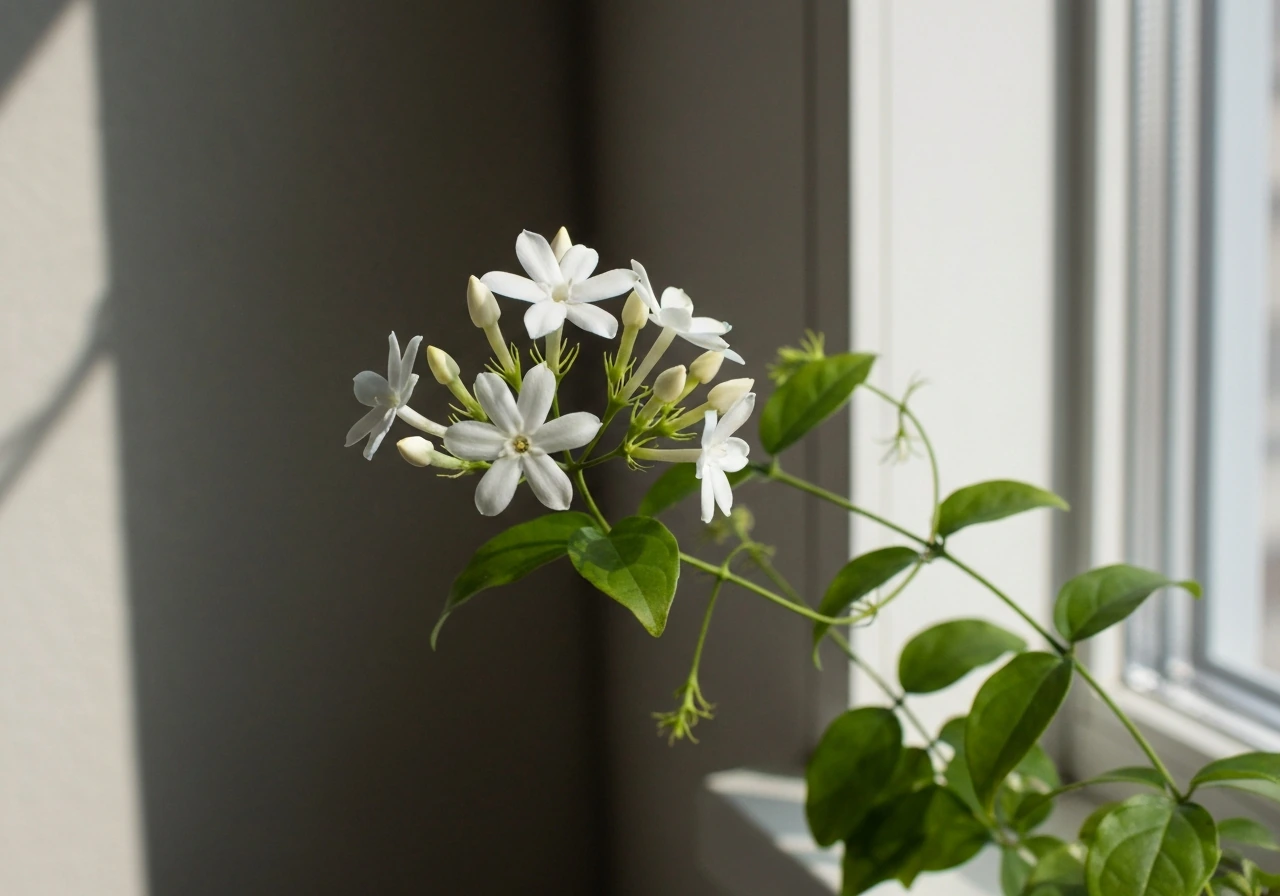
Getting jasmine to bloom indoors is where most people get stuck. The plant looks healthy, it is growing, but the flowers never come. Here is the honest truth: most indoor jasmine failures come down to two things, not enough light and the wrong temperature at the wrong time of year.
For Jasminum polyanthum, the key is giving the plant a genuine cool period in fall and early winter. Move it to an unheated room, a cool basement with a bright window, or a spot near a drafty window where night temperatures can drop to around 55°F. This cool period triggers bud formation. Once you see buds, you can bring it back to a warmer spot to let them open. White Flower Farm describes it well: keep polyanthum in a room where temperatures do not climb above 65°F, especially as summer transitions into fall, to encourage next season's bud set. Miss this window and you are waiting another full year.
For Jasminum sambac, the bloom trigger is simpler: maximum light plus consistent warmth. Sambac blooms intermittently through much of the year when it is happy, almost like a reward for good consistent care rather than requiring a specific seasonal manipulation. This is part of why it is more beginner-friendly.
Phosphorus matters for flowering too. If you have been using a high-nitrogen fertilizer, switch to something with a higher middle number (phosphorus) as you approach the bloom season. Phosphorus supports root development and flowering. A 10-30-10 or similar formula used monthly during bud development can make a noticeable difference.
One thing that frustrates indoor growers of fragrant bloomers (jasmine included) is that the experience is similar to what you run into with something like growing gardenia indoors: the plant is fussy about conditions, but when you nail them, the reward in fragrance is absolutely worth the effort.
Night-blooming jasmine indoors: what you need to know
Night-blooming jasmine (Cestrum nocturnum) is a popular plant, but let me clear up the naming confusion first. It is not a true Jasminum species. It is in the Solanaceae family, the same family as tomatoes and peppers, so it is a completely different plant biologically. What it shares with Jasminum is intensely fragrant flowers that open at night, which is why the common name stuck.
Can night-blooming jasmine grow indoors? Yes, with some caveats. It is a subtropical shrub that wants warmth (similar to sambac in that regard), bright light, and good drainage. Indoors, it can get quite large, often reaching 4 to 6 feet or more, so you need to be ready to prune it regularly to keep it manageable. It will bloom indoors if given a south-facing window or supplemental lighting.
The fragrance is the main reason people want it, but be aware: the scent is extremely potent and some people find it overwhelming in an enclosed room. In a small apartment, a single blooming plant can perfume an entire space. If you are sensitive to strong scents, keep it in a well-ventilated room or consider placing it near an operable window.
Care-wise, treat night-blooming jasmine similarly to a warm-growing Jasminum: bright light, consistent watering without waterlogging, moderate humidity, and regular fertilizing during the growing season. It does not need the cool dormancy period that polyanthum requires. Prune it back by about a third after each flowering cycle to encourage fresh blooming growth. Also worth knowing: all parts of Cestrum nocturnum are toxic if ingested, so keep it away from pets and children.
Jasmine sambac indoors: a closer look
Jasminum sambac is the species behind Arabian jasmine and the famous 'Grand Duke of Tuscany' and 'Belle of India' cultivars. It is also the jasmine used to make jasmine tea, and the national flower of the Philippines. Growing it indoors is genuinely achievable for most people.
The key requirements for sambac indoors are warmth, humidity, and light. It needs temperatures consistently above 55–60°F (13–15°C), with optimum growth happening above 65°F. If your home stays warm year-round, this is not even something you need to think about much. Where people run into trouble is placing it near a cold drafty window in winter, where it might get hit with temperatures it cannot handle.
Light for sambac should be as bright as possible. A south or west window is ideal. If the plant gets fewer than 4 to 5 hours of direct sun equivalent, expect sparse blooming. Sambac responds very visibly to light levels: plants in bright spots are dense and frequently blooming, while the same plant in lower light stretches, gets leggy, and barely flowers.
Unlike the vigorous vining types, sambac stays relatively compact and shrubby, which makes it much easier to manage in a home. You can trim it to maintain a tidy shape, and pruning actually encourages bushier growth with more potential bloom sites. After trimming, give it a few weeks and you will typically see a flush of new growth from the cut points.
One underappreciated factor for sambac (and really all indoor jasmines) is humidity. Central heating in winter drops indoor humidity to desert-like levels. Sambac, which naturally grows in warm humid tropical regions, notices this. A pebble tray, regular misting, or a small humidifier nearby makes a real difference in leaf health and flower production. Think of it similarly to how wandering jew thrives indoors when humidity is kept up: the difference between a plant that merely survives and one that genuinely thrives is often just humidity.
For fertilizing sambac, follow the same routine as other indoor jasmines: a dilute balanced fertilizer (roughly 1/4 teaspoon per gallon) applied weekly during the growing season. Reduce to monthly or less in the darker months of winter. Overfeeding with nitrogen will push leafy growth at the expense of flowers, so resist the urge to go heavier.
Common reasons jasmine fails indoors (and how to fix them)
- Not enough light: this is the most common cause of a non-blooming, leggy indoor jasmine. Move the plant closer to your brightest window or add a grow light.
- Wrong temperature for the species: keeping polyanthum in a warm room year-round prevents bud set. Keeping sambac in a cold spot stunts growth and prevents blooming. Match the variety to your conditions.
- Overwatering: jasmine roots rot quickly in soggy soil. Make sure pots have drainage holes and that you are letting the top inch of soil dry out between waterings.
- Low humidity: especially in winter with central heating. The plant will survive but may drop buds or develop crispy leaf edges. A pebble tray helps significantly.
- Skipping pruning: without periodic pruning, jasmine becomes a tangled mess and flower production drops. Prune after bloom cycles and do not be afraid to cut back firmly.
- Pests going undetected: spider mites in particular thrive in warm dry indoor conditions. Check leaf undersides regularly, especially in winter.
- Pot too large: oversized containers encourage root and foliage growth over flowering. Keep jasmine slightly snug in its pot.
Is jasmine hard to grow indoors?
Honestly, jasmine is not the easiest indoor plant, but it is not brutally difficult either. It sits somewhere in the middle: more demanding than a pothos or a creeping jenny grown indoors, but nowhere near as finicky as, say, a maidenhair fern. The species you choose matters a lot for how hard it feels. Sambac in a warm bright apartment is genuinely manageable for a beginner. Polyanthum in a house with a cool sunroom or garage window is also very doable once you understand the cool-period requirement.
Where jasmine earns its reputation for difficulty is when people try to grow polyanthum in warm centrally-heated rooms without any cool period, or when they place any jasmine in low light and expect it to bloom. Nail the light and temperature requirements for your chosen species, keep humidity up, fertilize lightly and regularly, and you will be rewarded with one of the most intoxicating fragrances any houseplant can offer. That payoff makes it worth the learning curve.
If you want a contrast to help calibrate your expectations, consider that plants like creeping charlie grown indoors require much less coaxing, while something like jade plants indoors are similarly positioned in terms of effort: straightforward once you understand their specific preferences, frustrating if you ignore them.
FAQ
How do I tell if my plant is a true jasmine (Jasminum) or a jasmine-named lookalike?
Check the scientific name on the tag or label. True indoor-friendly jasmine should list Jasminum (for example, Jasminum sambac or Jasminum polyanthum). Confederate and star jasmine are typically Trachelospermum jasminoides, and night-blooming jasmine is usually Cestrum nocturnum, which has different needs and toxicity.
My jasmine blooms once after I buy it, then nothing. Is something wrong?
Usually the plant is missing the repeat-bloom trigger. Polyanthum often needs cool night conditions during fall and early winter to set buds, while sambac generally needs consistently bright light and warm temperatures. If light levels drop or the plant stays warm through the season for polyanthum, rebloom can stall for months or longer.
What nighttime temperature is “cool enough” for polyanthum to form buds?
Aim for nights around 55°F (about 13°C) or a bit cooler during the bud-setting window. It is not about daytime warmth alone. If your room stays near 65°F at night, bud formation often fails, even if the plant looks healthy and is actively growing.
Can I move jasmine between rooms or outdoors to help it bloom?
Yes, but do it gradually. Sudden shifts in temperature and light can cause bud drop. For polyanthum, moving to an unheated bright spot during cool periods can help bud set, then returning to a warmer area once you see buds.
Will a grow light replace a sunny window for indoor jasmine?
Often, yes, if you match intensity and duration. Place the light 6 to 12 inches above the plant and run it about 12 to 14 hours daily. If flowers still do not appear, the most common issue is the light being too far away or not bright enough, so adjust height and ensure consistent daily timing.
Should I prune jasmine indoors, and when?
Prune to control size and encourage new flowering shoots. For sambac, trimming helps maintain a compact shape and typically triggers new growth from cut points. For night-blooming jasmine, prune about a third after each flowering cycle to stimulate fresh bloom growth. Avoid heavy pruning right before you expect bud formation for polyanthum.
My jasmine leaves are dropping or turning yellow. What’s the most likely cause?
Overwatering and poor drainage are the most common indoor causes. Jasmine needs a well-draining mix and a pot with good drainage. If soil stays wet for long periods, roots can struggle and leaves yellow or drop. Check that water drains quickly and that the pot bottom is not sitting in a saucer of water.
How often should I water jasmine indoors?
Water when the top portion of the potting mix starts to dry, then water thoroughly so excess drains out. The exact schedule changes with light, temperature, and humidity, so rely on soil moisture rather than a fixed calendar. Avoid letting the plant sit in runoff, and do not keep the roots constantly wet.
Does jasmine need high humidity, or is my home fine?
Humidity matters, especially in winter. Central heating often dries indoor air, and jasmine can respond with more stress and fewer blooms. Use a pebble tray or a small humidifier near the plant, and skip relying on misting alone because it raises humidity only briefly.
What fertilizer should I use to encourage flowering, and when should I switch?
As you approach bloom season, reduce nitrogen emphasis and use a formula with relatively more phosphorus. A common approach is using a fertilizer with a higher middle number during bud development, then easing back once flowers start or during darker winter months.
Are all jasmine-scented plants safe around pets and kids?
No. Night-blooming jasmine (Cestrum nocturnum) is toxic if ingested, even though it smells strongly like jasmine. Keep it out of reach and use caution with any “jasmine” plant whose scientific name you have not confirmed.
My jasmine is leggy and not flowering. What should I adjust first?
Start with light. Leggy growth and lack of blooms usually signal insufficient direct sun or insufficient grow light intensity. Move it to a brighter window (often south or west) or increase light quality, then reassess temperature and humidity after light is corrected.