
Yes, lilies can grow indoors, and with the right setup you can get them to bloom beautifully inside your home. The key requirements are bright indirect light (a south- or east-facing window is ideal), temperatures in the 60–70°F range, excellent drainage, and choosing a variety that actually suits indoor conditions. Nail those four things and you're most of the way there. Skip one of them, especially drainage, and you'll likely end up with a rotted bulb and a lot of disappointment.
Can Lily Grow Indoors? Indoor Care, Light, and Bloom Plan

James Hartwell
24 Apr 2026
What lilies actually need to thrive indoors
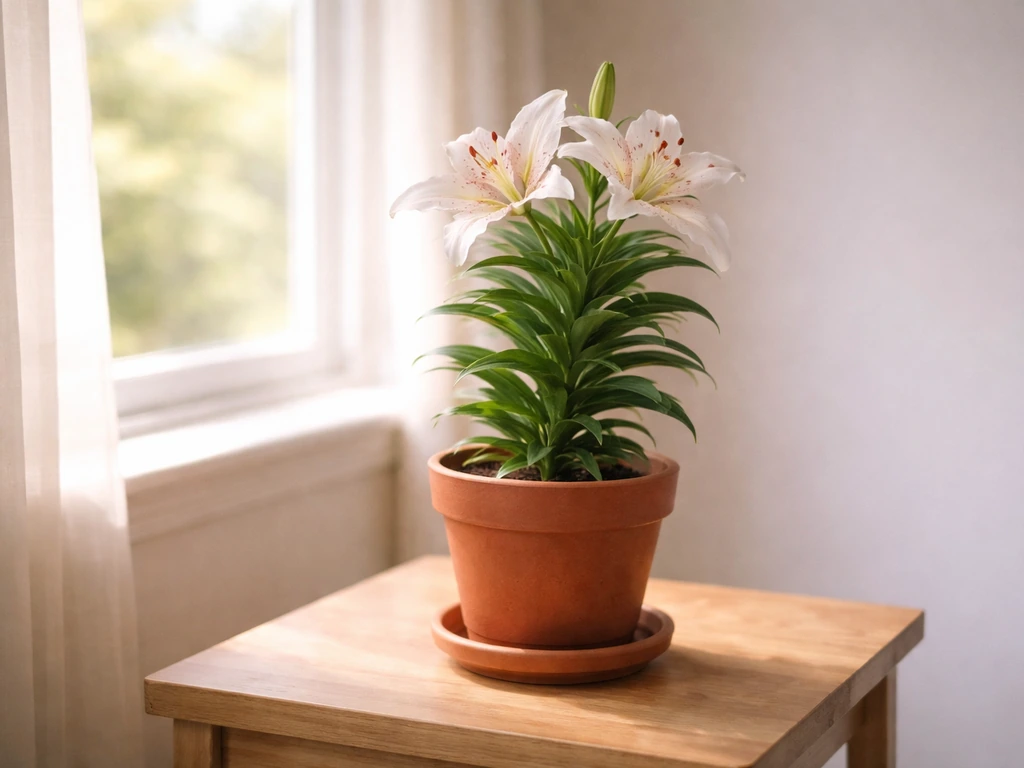
Lilies are outdoor plants at heart, so growing them inside means you're recreating conditions they'd normally get from sun, cool nights, and well-drained garden soil. That's totally doable in a home setting, but you need to be intentional about it. The non-negotiables are: enough light (more than most indoor plants need), cool-to-moderate temperatures, a pot with real drainage holes, and a well-aerated growing mix that doesn't hold water around the bulb. Get those right and lilies reward you with stunning flowers. Ignore any one of them and they struggle fast.
One thing I want to be upfront about: lilies are not long-term houseplants the way a pothos or snake plant is. Most people grow them indoors for their bloom period, then transition the bulb outside or into storage. That's a completely valid way to enjoy them, and it's actually how most florists and nurseries think about potted lilies too.
Best lily types for growing indoors
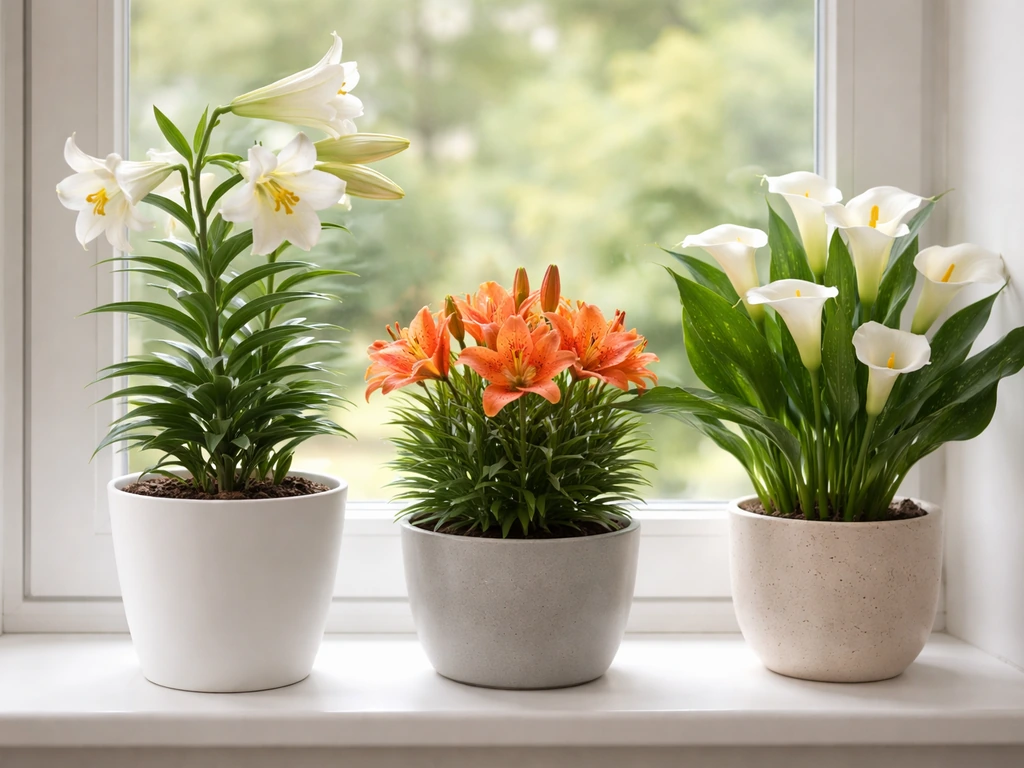
Not all lilies behave the same way indoors, and picking the right type saves you a lot of trouble. Here's how the main options stack up.
| Lily Type | Indoor Suitability | Best For | Notes |
|---|---|---|---|
| Easter Lily (Lilium longiflorum) | Excellent | Seasonal indoor bloom | Most forgiving for home display; widely available in spring |
| Asiatic Hybrids | Good | Forced pot blooms | Need cooler nights (50–55°F); shorter and more compact than Orientals |
| Oriental Hybrids | Good with effort | Fragrant indoor display | Need slightly warmer nights (60–65°F); taller and need staking |
| Calla Lily (Zantedeschia) | Very good | Year-round indoor plant | Not a true lily but widely sold as one; needs bright light and consistent moisture |
| Tiger Lily (Lilium lancifolium) | Fair | Experienced growers | Can be done but grows tall and needs more space—worth reading up on separately |
| Daylily (Hemerocallis) | Fair | Sunny windowsill | Also not a true lily; daylilies are challenging long-term indoors due to light needs |
Easter lilies are my top recommendation for beginners. They're compact, widely available every spring, and well-studied for indoor conditions. Asiatic hybrids are a great choice if you want to force bulbs yourself and have a cool spot (like an unheated garage or basement) to start them. Oriental hybrids are beautiful and fragrant but do need a bit more attention to temperature. Calla lilies are a reliable indoor option if you want something lower-maintenance that doesn't require a dormancy period every year. If you're curious about tiger lilies or daylilies specifically, those deserve their own deep-dive since their indoor needs differ enough to warrant separate consideration.
Light requirements and where to place them
Lilies need bright, indirect light indoors. A south-facing window is ideal, but an east-facing window works well too, especially for Easter and Asiatic types. What you want to avoid is direct afternoon sun blasting through the glass, which can scorch leaves and cause buds to drop prematurely. I usually set my potted Easter lily about two to three feet back from a south window, or right in the light of an east window in the morning.
If your best window is north-facing or your apartment just doesn't get great natural light, a clip-on or tabletop grow light positioned 6–12 inches above the plant for 12–14 hours a day can fill the gap. Low light is one of the top reasons indoor lilies fail to bloom or grow leggy and weak. The plant is telling you it's stretching toward any light it can find. If you notice stems leaning hard toward the window, rotate the pot a quarter turn every few days to keep growth even.
Potting, soil, drainage, and container size
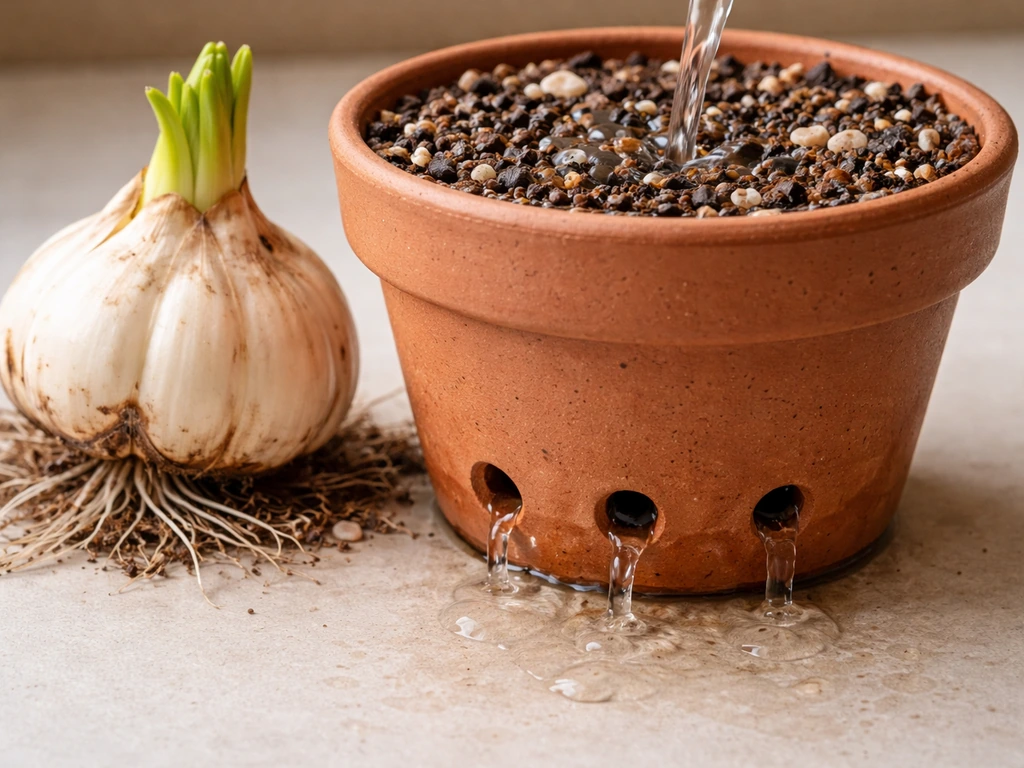
Drainage is the single biggest factor in whether your lily bulb survives indoors. Lily bulbs rot fast in wet, compacted soil, and a pot without drainage holes is basically a death sentence for them. Always use a pot with at least one drainage hole, and never let the pot sit in a saucer full of standing water.
For the growing mix, use a well-draining potting mix rather than standard garden soil. I like to blend a good-quality peat or coir-based potting mix with about 20–25% perlite to keep it aerated. This mimics the fast-draining conditions lily roots love and drastically cuts the risk of bulb rot.
Container size matters more than people think. For a single Easter lily or Asiatic hybrid bulb, a 6–8 inch pot is usually right. For two or three bulbs, go up to a 10–12 inch pot. The pot should be heavy enough that the plant won't tip over once it's fully grown, because lilies can get top-heavy when they bloom. Terracotta pots are great for this: they're heavy, they breathe, and they help prevent overwatering.
When planting bulbs, the general rule is to plant them at a depth of about two to three times the height of the bulb. So a 2-inch bulb goes in about 4–6 inches deep. This depth helps insulate the bulb and keeps roots cool, which is especially helpful if your home runs warm.
Watering and temperature targets
Water lilies when the top inch of soil feels dry, then water thoroughly until it drains out the bottom. That's it. The mistake most people make is watering on a schedule rather than checking the soil first. In a cool room, the soil will stay moist longer; in a warm, dry room, it dries faster. Check it with your finger before you water.
Temperature is where indoor lily growing gets specific. Easter lilies do best at 65–70°F during the day. Cooler night temperatures, around 55–60°F, help extend bloom time and keep the flowers lasting longer. Asiatic hybrids prefer even cooler nights, around 50–55°F, while Oriental hybrids are happier with nights closer to 60–65°F. The sweet spot for most lilies is a moderate daytime temperature that doesn't spike above 72°F, since heat stress causes buds to drop and flowers to fade fast. If your home runs warm, keep lilies away from heat vents, south-facing windows with afternoon direct sun, and radiators.
Humidity isn't a huge issue for most lilies, but if your home is very dry in winter (common with forced-air heating), misting the leaves occasionally or placing a small pebble tray with water near the pot can help. Just don't mist the flowers themselves, as that can cause spotting.
Feeding, bloom timeline, and deadheading
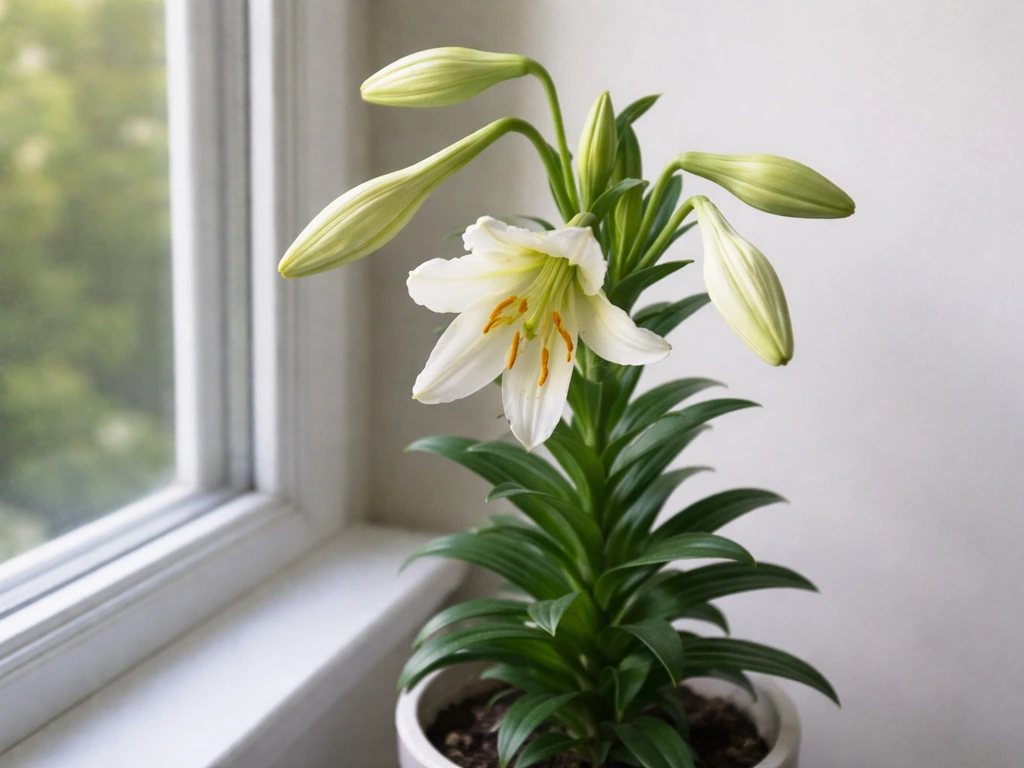
If you're buying an Easter lily already in bud or bloom (which is how most people get them), you don't need to fertilize during the display period. Just focus on light, temperature, and watering. Once blooms are done and you decide to keep the bulb growing for a second season, that's when feeding kicks in.
For bulbs you're forcing yourself from scratch, start feeding with a balanced water-soluble fertilizer (something like a 10-10-10 or 20-20-20) at half strength once you see active green growth. You can fertilize at reduced strength every time you water, which is the easiest approach for containers. Avoid high-nitrogen formulas once buds form, as that pushes leaf growth at the expense of flowers.
If you're forcing bulbs indoors from scratch, expect roughly 6–8 weeks of active growth before blooms appear, depending on temperature, light, and the specific variety. Cooler conditions slow development; warmer conditions speed it up but can reduce flower quality.
Deadheading is straightforward: as each flower finishes, snap or cut it off at the base of the flower (not the stem). This prevents the plant from putting energy into seed production and keeps the display looking tidy. Once all flowers on a stem are done, cut the entire flower stalk down, but leave the green foliage in place so the bulb can keep storing energy through photosynthesis.
Common indoor lily problems and how to fix them
Most indoor lily failures come down to one of five problems. Here's what to watch for and what to do about each one.
- Leggy, weak stems reaching toward the window: Not enough light. Move closer to a brighter window or add a grow light. Rotate the pot regularly so the plant grows more evenly.
- Bud drop before flowers open: Usually heat stress or a sudden temperature change. Keep the plant away from heat vents and out of direct afternoon sun. Consistent temperatures around 65–70°F during the day are the goal.
- Yellowing lower leaves with soggy soil: Overwatering or poor drainage. Let the soil dry out more between waterings, check that drainage holes are clear, and consider repotting into a mix with more perlite if the problem persists.
- Bulb rot (plant collapses, smells musty): Caused by standing water around the bulb, usually from a pot without drainage or watering too frequently. Prevention is the only cure—once a bulb is rotten, it's done. Always use a draining pot and never leave water sitting in the saucer.
- Pests (aphids, spider mites, thrips): Aphids cluster on new growth and buds; spider mites leave fine webbing on leaf undersides; thrips cause silvery streaking on leaves. For small infestations, wipe leaves with a damp cloth or use insecticidal soap spray. Check the undersides of leaves regularly—catching pests early is much easier than dealing with a full infestation.
Your checklist for getting started today
If you're ready to bring a lily indoors right now, here's everything you need to do from the start.
- Choose the right variety: Easter lily for easiest results, Asiatic hybrid for self-forcing, calla lily for a lower-maintenance long-term option.
- Pick a pot with drainage holes: 6–8 inches for one bulb, 10–12 inches for two to three bulbs. Terracotta is a great choice.
- Use a well-draining mix: Quality potting mix plus 20–25% perlite. No garden soil.
- Plant bulbs at 2–3 times their own height in depth. For a purchased plant already in bloom, just make sure it's in a well-draining pot.
- Find your brightest window: South- or east-facing is ideal. Add a grow light if natural light is limited.
- Set your temperature: Aim for 65–70°F daytime, 55–65°F nights depending on variety. Keep away from heat vents and direct afternoon sun.
- Water when the top inch of soil is dry. Water thoroughly, then let excess drain fully. Never leave standing water in the saucer.
- Deadhead spent flowers as they fade. Remove the whole stalk once all blooms are done, but leave green foliage standing.
- Feed with half-strength balanced fertilizer once active growth begins (skip this during an existing bloom period).
- Check leaves weekly for pests, especially on the undersides. Catch problems early.
The honest bottom line: lilies are absolutely doable indoors, but they're not hands-off plants. Give them enough light, keep temperatures moderate, and never let the bulb sit in wet soil. If you want a totally different kind of flowering plant, you can also check whether can lamium grow indoors and what light it needs as a related option. Do those things and you'll have gorgeous blooms inside your home. Busy lizzies can be grown indoors too, as long as you give them plenty of bright light and consistently moist but well-draining soil can busy lizzies grow indoors. Yes, lilies are absolutely doable indoors, but can lysimachia grow indoors as well, and what conditions does it need to thrive? If you want to try a different flowering plant, you can also learn whether alyssum can grow indoors and what conditions it needs can alyssum grow indoors. If you are wondering can lobelia grow indoors, the key is matching its bright light and consistent moisture needs to your indoor setup. If you find yourself drawn to other lily-family plants, it's worth looking into what growing tiger lilies or daylilies indoors really involves, since those come with their own specific quirks that differ from the classic Easter or Asiatic types. Can lantana grow indoors, and what conditions does it need to thrive there? If you're curious about growing tiger lilies indoors, it can be a rewarding indoor option with their own specific quirks and care needs compared with the classic Easter or Asiatic types. If you're curious about can daylilies grow indoors, the best approach is to match their specific light, temperature, and potting needs to your home conditions. If you're also wondering can lantana grow indoors, it's a different kind of plant, with its own light and care needs tiger lilies or daylilies indoors.
FAQ
Can lily grow indoors year-round, or is it usually a seasonal display?
Most indoor lily types are best treated as a seasonal display. After blooming, the bulb typically needs a rest period outdoors or in cool storage to regain strength, especially for varieties like Easter and many Asiatic hybrids. If you try to keep them continuously indoors at warm temperatures, flowering quality often declines the next cycle.
Do lilies need a dormancy period if I keep them in the house after blooming?
It depends on the variety and how the bulb was forced. Many grocery store and florist bulbs are already primed for a bloom cycle, so dormancy needs show up later if you want repeat flowering. A common approach is to maintain foliage after bloom, then move the pot to a cooler, darker location once growth slows, rather than keeping it in a warm living room.
What should I do if my indoor lily buds are dropping before they open?
Bud drop is usually triggered by heat stress, inconsistent watering, or not enough light. Check that your lily is not getting direct afternoon sun through the glass, move it away from heating vents, and water based on the top inch feeling dry rather than on a fixed schedule.
Is it okay to water from the top, or should I water from the bottom?
Top watering is fine as long as you water thoroughly and let excess drain fully. Bottom-watering can work, but only if the pot never sits in water and you empty any saucer promptly. Repeated standing water, even if “just for a short time,” increases bulb rot risk.
How do I tell whether the problem is underwatering versus overwatering?
Overwatering usually shows up as persistent soggy soil, yellowing plus soft or collapsing leaves, and sometimes a sour smell from the pot. Underwatering typically causes wilting that improves after watering, and soil that pulls away from the pot sides. The best check is to feel the soil top inch and adjust immediately, since container drying can vary a lot by room temperature.
What humidity level do lilies need indoors?
They tolerate average indoor humidity, but very dry winter air can reduce vigor. Use a pebble tray or a humidifier near the plant if needed, but avoid misting blossoms or keeping water on the leaves for long periods, since that can encourage spotting and fungal issues.
Can I grow lilies indoors in a self-watering planter or cachepot?
Be careful. Self-watering systems often keep roots sitting in moist conditions, which is exactly what lilies do not like. If you use one, you must ensure the bulb is never in contact with standing water, and you still need a well-draining mix plus reliable drainage control.
What pot size and depth are safest for preventing bulb rot?
A pot that is too large stays wet longer and raises rot risk. For one bulb, a 6 to 8 inch pot is usually safer, for multiple bulbs 10 to 12 inches, and always with drainage holes. Planting depth also matters, about two to three times the bulb height, so the bulb is insulated but not buried in a water-retaining layer.
Should I fertilize while the lily is in bloom?
If your lily is already in bud or bloom when you buy it, fertilizing during the display is generally unnecessary. Focus on stable light and temperature instead. Feed only once the plant is actively growing again for repeat flowering, and use reduced-strength balanced fertilizer rather than high-nitrogen formulas.
How can I get a lily to bloom again indoors next season?
To attempt repeat blooming, keep the green foliage after flowers fade, continue light and watering until growth slows, then move the bulb into a cooler phase suitable for the variety. Without some form of cooling or rest, many indoor setups produce leaves but fewer or no blooms.
Are there lilies that are safer choices for beginners than others indoors?
Yes. Easter lilies and many Asiatic hybrids are usually the easiest to succeed with indoors because they are commonly sold for indoor forcing and respond well to bright light and moderate temperatures. Orientals can be more finicky about temperature and may be best for someone ready to fine-tune nighttime conditions.