Yes, philodendrons are genuinely easy to grow indoors, and they're one of the best choices for beginners. The heartleaf philodendron (Philodendron hederaceum) especially will forgive a lot of neglect, tolerate lower light than most tropical plants, and still look good in a small apartment. The main way people kill them indoors is overwatering, not underwatering or bad light. Get the watering right, give them a bright-ish spot away from direct sun, and you're most of the way there.
Is Philodendron Easy to Grow Indoors? A Practical Checklist
James Hartwell
15 May 2026
Are philodendrons really beginner-friendly? (And for whom)
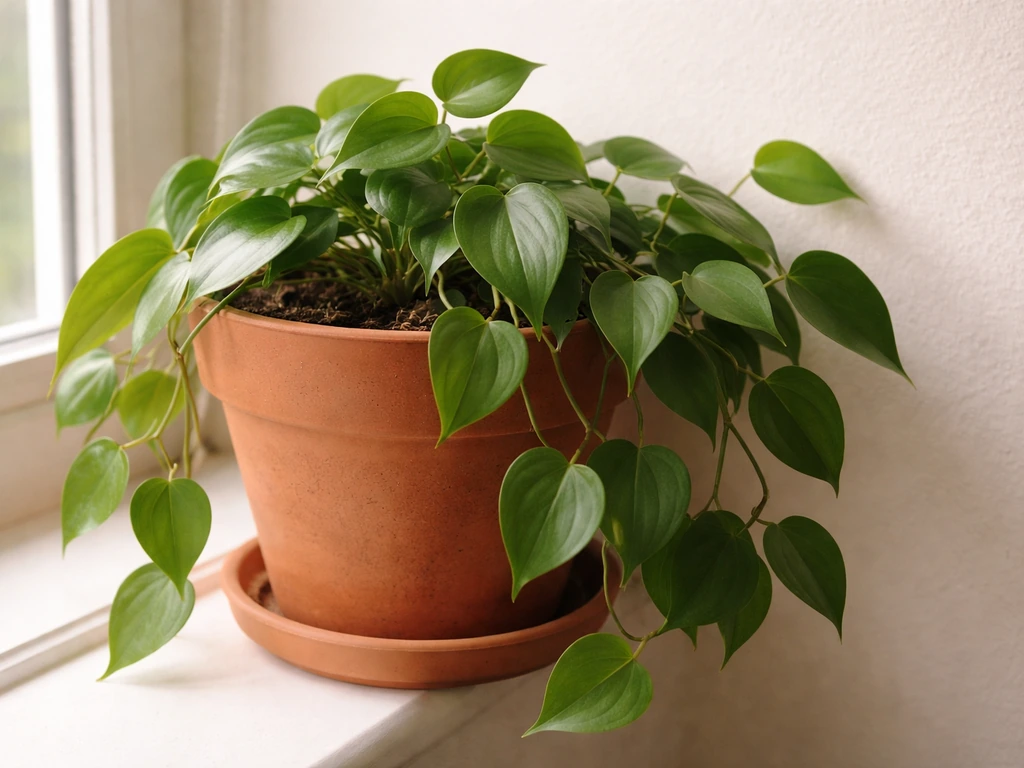
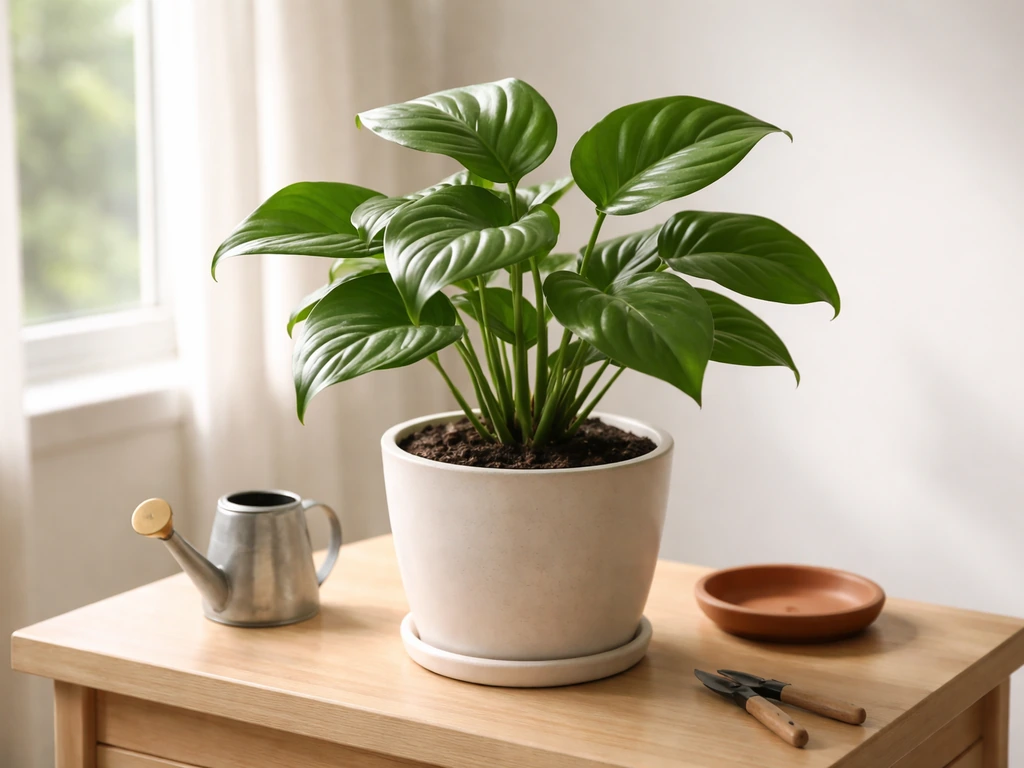
For most people, yes. Trailing types like the heartleaf philodendron are about as forgiving as houseplants get. They handle irregular watering, adapt to moderate or even low light, and don't demand constant attention. If you're someone who forgets to water for a week or lives in an apartment with one north-facing window, a heartleaf philodendron is honestly a better bet than most popular options. Where philodendrons get slightly harder is with the showier varieties: split-leaf types, larger climbers like Philodendron bipinnatifidum, or rare aroids with colorful or variegated foliage. Those want better light and more consistent humidity and won't look as good if you cut corners.
The honest summary: heartleaf and other trailing philodendrons are beginner-friendly without any asterisks. Large or rare varieties are intermediate-level. Neither group is truly difficult compared to something like calathea, which is famously fussy about water quality and humidity.
Light requirements and where to put your philodendron
Bright, indirect light is the sweet spot. Think a spot a few feet back from a south or east-facing window, or directly in front of a north-facing window. The RHS describes it well: 'bright but diffused light.' Direct afternoon sun through glass will scorch the leaves, so if your window gets intense sun, just pull the plant back or use a sheer curtain.
The heartleaf variety is notably tolerant of lower light. Iowa State Extension points out it can handle very low light indoors, which makes it practical for rooms that don't get great natural light. That said, low light means slower growth, smaller leaves, and longer gaps between new growth. It'll survive, but it won't thrive. If you have a darker spot and want something to actually flourish there, supplemental grow lights on a timer (12 to 14 hours a day) make a real difference. Varieties with bright or colorful foliage need more light than the standard green types, so give those a priority window spot.
Watering and soil: the most common place people go wrong
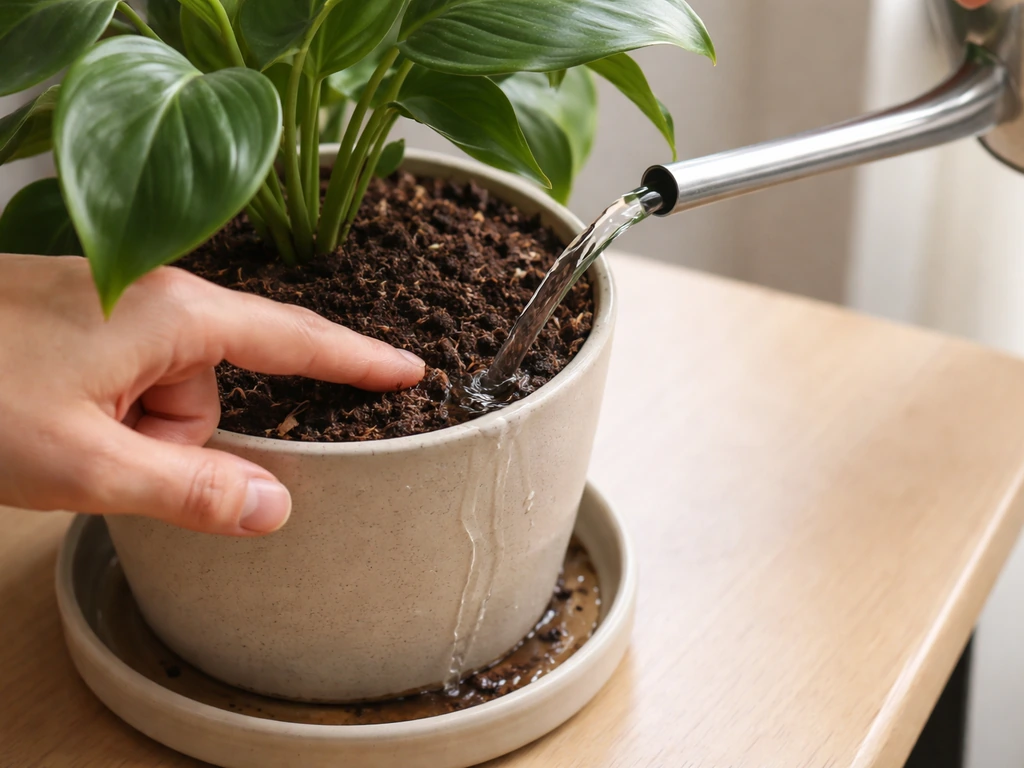
Overwatering is how most indoor philodendrons die. The rule is simple: water when the top inch of soil is dry to the touch. Stick your finger in the soil up to the first knuckle. If it feels dry, water. If it's still damp, leave it alone and check again in a day or two. Iowa State Extension puts it plainly: water when the top of the soil is dry, and don't let the plant sit in soggy soil or standing water in the saucer.
When you water, do it thoroughly so water drains out the bottom of the pot, then empty the saucer. Don't let the roots sit in a puddle. The University of Minnesota Extension recommends letting pots drain completely and removing excess water from decorative containers afterward. This is the step a lot of people skip, and it's where root rot starts.
For soil, use an open, well-draining mix that still holds some moisture without getting waterlogged. A standard indoor potting mix is fine, but add some perlite (about 20 to 30% by volume) to improve drainage if the mix feels dense. The RHS recommends an 'open, well-drained but moisture-retentive mix' for Philodendron hederaceum, which is a good description of what you're aiming for.
Humidity, temperature, and airflow indoors
Philodendrons are tropical plants, so they like warmth and some humidity, but they're more flexible about this than a lot of other tropicals. For temperature, aim for 65 to 80°F during the day. University of Maryland Extension recommends 70 to 80°F during the day and 60 to 68°F at night for indoor foliage plants generally, and philodendrons fit right in that range. Don't let them drop below 55°F, and keep them away from cold drafts near single-pane windows in winter.
Humidity is worth paying attention to, especially in winter when heating systems dry out indoor air. Illinois Extension notes that indoor humidity often drops below 30% in winter, which is lower than most tropical plants prefer. Philodendrons cope with normal household humidity (40 to 60%) reasonably well, but extended dry periods can cause brown leaf tips. A small humidifier near the plant helps if your home gets very dry. Grouping plants together also raises local humidity slightly. Avoid placing your philodendron directly above or in front of a heating or cooling vent since the constant dry airflow stresses the plant more than low ambient humidity does.
Easy philodendron types vs the trickier ones
Not all philodendrons are equally easy indoors. If you're starting out or just want something low-maintenance, stick with the trailing and climbing types. If you want a challenge or a statement plant, the larger self-heading varieties are worth the extra effort, but go in knowing they need more.
| Type | Care Level | Light Needs | Humidity Needs | Best For |
|---|---|---|---|---|
| Heartleaf (P. hederaceum) | Very easy | Low to bright indirect | Average household | Beginners, low-light rooms |
| Brasil / Lemon Lime (trailing) | Easy | Bright indirect | Average household | Beginners wanting color |
| Velvet-leaf / P. micans | Easy-moderate | Bright indirect | Moderate (50%+) | Intermediate growers |
| P. bipinnatifidum (large split-leaf) | Moderate | Bright indirect | Moderate to high | Experienced, spacious rooms |
| Rare/variegated varieties | Moderate-hard | Bright indirect (more) | High (60%+) | Experienced collectors |
My recommendation: start with the heartleaf philodendron if you're unsure. It's cheap, widely available, and nearly impossible to kill if you get the watering right. Once you've kept one alive for a season, you'll have a feel for how philodendrons behave and you can confidently move to something with more personality.
Getting the setup right from day one
Pot and drainage
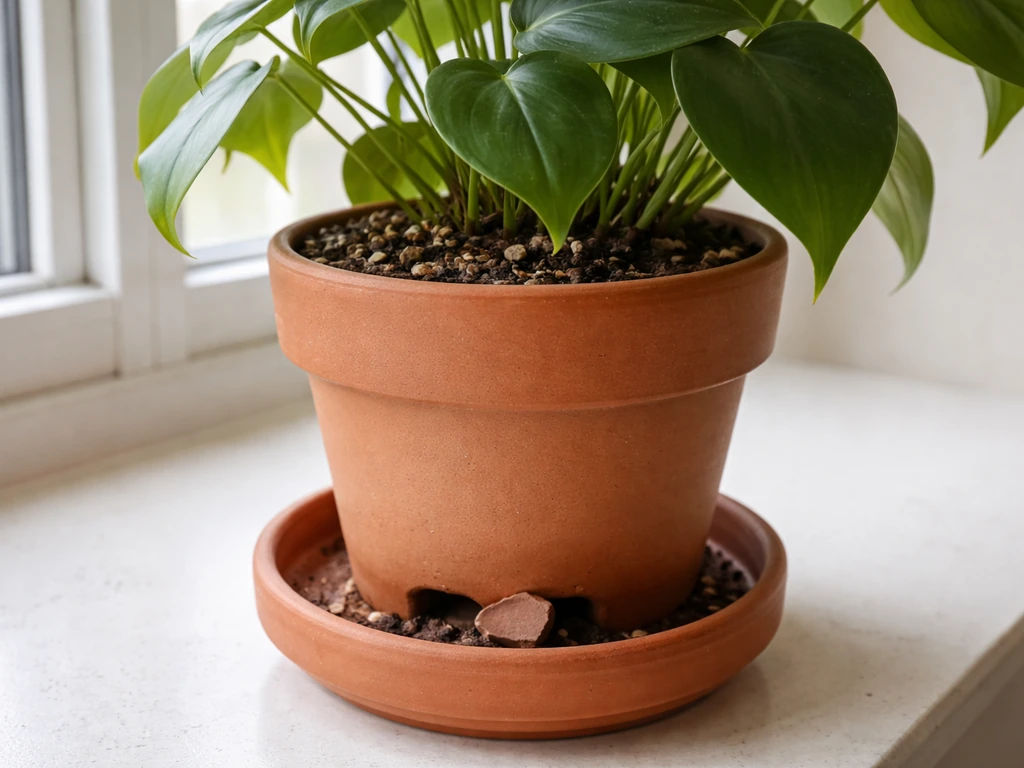
Always use a pot with drainage holes. This is non-negotiable. University of Maryland Extension recommends placing a pottery shard over the drainage hole to keep soil from washing out while still letting water escape. If you're using a decorative pot without holes as a cachepot, just make sure to empty it after watering so the inner pot isn't sitting in water. Pot size matters too: don't go too big. A pot that's much larger than the root ball holds too much wet soil around the roots and increases the risk of rot. When repotting, go up just one pot size (about 2 inches wider in diameter).
Potting mix
A mix of standard houseplant potting soil with added perlite works well. You can also mix in a small amount of orchid bark for extra aeration if you have it. Avoid heavy garden soil or mixes that compact easily, since those stay wet for too long. The goal is soil that drains freely but still holds some moisture so the roots don't dry out completely between waterings.
Optional equipment: grow lights and humidifiers
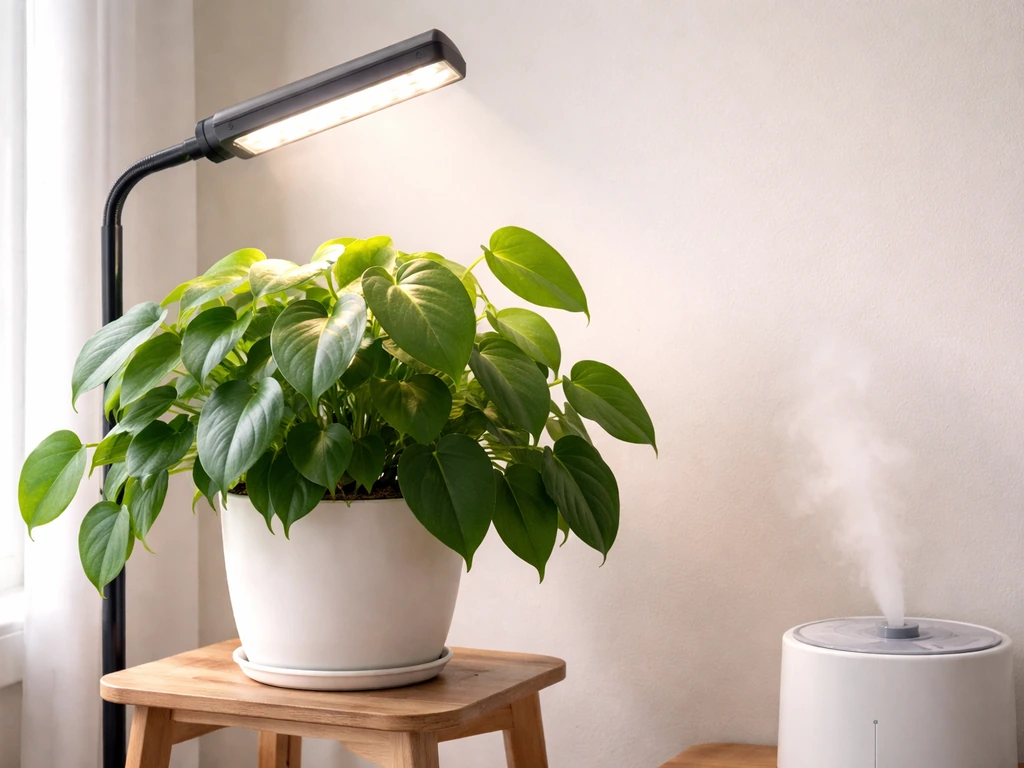
A grow light isn't essential for a heartleaf philodendron in a reasonably lit room, but it makes a real difference if your space is dark. A basic LED grow light on a 12 to 14 hour timer will keep the plant growing actively through winter instead of just barely surviving. A humidifier is similarly optional for the easy varieties but genuinely helpful for velvet-leaf types, larger climbing varieties, or any philodendron during winter heating season.
When your philodendron isn't thriving: what to check
Yellow leaves
Yellow leaves are the most common complaint, and overwatering is the most common cause. If the soil feels consistently wet and several leaves are turning yellow, ease off watering, check that drainage is working, and consider whether your soil mix is too dense. blank" rel="noopener noreferrer">UMass Extension research links yellowing and even blistering on foliage to root/water problems from overwatering. If the soil is actually dry and lower leaves are yellowing, it's more likely normal aging or underwatering.
Drooping or wilting
Drooping usually means one of two things: the plant is bone dry and needs water, or the roots are rotting from too much water and can no longer take up moisture. Check the soil. If it's dry, water thoroughly. If it's soggy and the plant still droops after a couple of days, you may have root rot, in which case unpotting and trimming any black or mushy roots, then repotting in fresh dry mix, gives the plant its best chance.
Slow growth or small leaves
Almost always a light issue. Move the plant closer to a window or add a grow light. Also consider whether the plant is rootbound: if roots are circling the bottom of the pot or growing out of drainage holes, it's time to pot up one size. Fertilizing monthly during the growing season (spring through early fall) with a balanced liquid fertilizer helps too.
Common pests
Philodendrons can get mealybugs, scale, spider mites, and aphids. Catch them early and they're easy to manage. For small infestations, wipe mealybugs off with a cotton swab dipped in rubbing alcohol or spray with insecticidal soap. For spider mites, a forceful spray of water dislodges them, and insecticidal soap kills them on contact. University of Minnesota Extension notes that insecticidal soaps have no residual activity, so you need to make contact with the pests directly and repeat treatments every week or so until the problem clears. For scale, horticultural oil is the most effective option. Colorado State University Extension confirms insecticidal soaps are among the most commonly available and effective houseplant insecticides for most soft-bodied pests.
Brown leaf tips
Brown tips are usually a humidity or water quality issue. Try raising humidity near the plant and, if you're using tap water with high chlorine or fluoride content, switch to filtered water or let tap water sit out overnight before using it.
Your first-week checklist
When you bring a new philodendron home, give it a week to acclimate before making any big changes. It may drop a leaf or two from the stress of moving, and that's normal. Here's what to do in that first week and beyond:
- Place it in bright indirect light, away from direct sun and drafts. Near an east or north-facing window works well as a starting point.
- Don't water it immediately unless the soil is completely dry. Check the top inch with your finger before watering.
- Make sure the pot has drainage holes and that there's nothing blocking water from flowing out.
- Don't fertilize for the first 4 to 6 weeks. Let it settle in first.
- Check the soil moisture every 2 to 3 days and water only when the top inch is dry.
- After watering, empty the saucer within 30 minutes so the roots aren't sitting in water.
- Inspect leaves top and bottom for pests when you first bring it home and again after two weeks.
- If growth looks slow after a month, consider whether it needs more light before assuming anything else is wrong.
Philodendrons reward consistency over perfection. You don't need to fuss over them daily, you just need to avoid the two big mistakes (overwatering and too little light) and they'll grow happily for years. If you've been looking at other tropical options and wondering how philodendrons compare, they're generally easier than calatheas, which are notoriously sensitive to water quality and humidity, and more flexible about light than many flowering tropical plants.
If you're wondering can calibrachoa grow indoors, it helps to know it needs brighter light and consistent care to bloom well calathea. For most people in most homes, a philodendron is one of the smartest starting points for indoor tropical growing. Can canna plants grow indoors? In many homes, they can, as long as you give them strong light and consistent warmth.
FAQ
Is philodendron easy to grow indoors if I forget to water sometimes?
Usually, yes, but only if you match the watering rule and pot setup. Use a pot with drainage holes, let the top inch dry, and empty the saucer every time. If you tend to forget, choose a trailing heartleaf type first because it tolerates irregular schedules better than larger, showier philodendrons.
How close can I put my philodendron to a window without burning it?
More light helps them grow faster, but you should avoid harsh direct sun. If your window gets strong afternoon sun, move the plant back or diffuse it (sheer curtain). A practical test is leaf feel, if new leaves start crisping or fading, the light is likely too intense.
What causes brown tips on an indoor philodendron, and what should I do first?
It can happen, especially in homes with very dry air. Brown tips are most often linked to inconsistent watering or low humidity, not a fertilizer problem. Check whether the soil is drying out too far between waterings, then consider raising nearby humidity with a small humidifier or plant grouping.
How often should I water an indoor philodendron in winter versus summer?
Don’t rely on a calendar. The most reliable approach is to wait until the top inch of soil is dry, then water thoroughly until it drains out. In winter, growth slows, so the same watering rhythm you used in summer often becomes too frequent.
Should I change my tap water for my philodendron, and when does it matter?
Use filtered or distilled water if you consistently see tip burn, leaf edge problems, or chalky residue from hard tap water. If your tap water is mostly fine, letting it sit out overnight can reduce some chlorine, but it will not solve mineral buildup from very hard water.
My philodendron droops, how can I tell if it needs water or has root rot?
If the plant looks droopy and the soil is wet or smells sour, treat it as a drainage or root health problem. Unpot, trim any black or mushy roots, and repot into fresh dry, airy mix. Waiting too long can turn a manageable rot into permanent loss.
When is the best time to fertilize indoor philodendrons, and should I fertilize if leaves are yellow?
Yes, but only do it when it’s actively growing and the plant is healthy enough to handle stress. A common mistake is fertilizing weak, already-overwatered plants, which worsens root stress. Use a balanced liquid fertilizer at a reduced strength and stop once growth slows in late fall.
Can I use a grow light for my philodendron all winter, and how do I avoid overdoing it?
For heartleaf philodendron, it’s usually safe to place under a grow light, but don’t blast it with intense distance-free light. Start with the light on a moderate schedule (for example 12 hours) and adjust height so leaves stay lush, not bleached or bleary.
Is it okay to keep my philodendron in a decorative pot without drainage holes?
Yes, but it’s a frequent way people accidentally overwater. If you use a decorative pot without drainage (a cachepot), always water the inner draining pot, then remove it and empty the decorative pot afterward. If water sits for hours, oxygen drops and root rot risk rises.
My philodendron has yellow leaves, is it from light or watering?
Not always. If the plant stays in low light, leaves may yellow from slow growth and stress, but yellowing plus consistently wet soil points to overwatering. Check the soil first, then consider moving closer to bright, diffused light before changing anything else.
What’s the fastest way to get rid of common indoor philodendron pests?
Try mechanical controls first for small outbreaks. Wipe mealybugs off with alcohol on a cotton swab, then treat with insecticidal soap for soft-bodied pests, repeating weekly because soaps only work on contact. If scale is present, switch to horticultural oil and focus coverage on affected areas.
How do I know when my philodendron needs repotting, and how big should the next pot be?
It’s better to think in terms of root health and soil dryness cycles. If roots circle tightly, slow growth has lasted months, or roots are pushing out of drainage holes, pot up one size (about 2 inches wider). Jumping multiple sizes often leaves extra wet soil, which can trigger rot.