Yes, you can grow Camellia sinensis indoors, and with the right setup it will stay healthy, look great, and even give you a modest harvest of fresh tea leaves. It is not a fussy houseplant in the way a fiddle-leaf fig is, but it does have real non-negotiable needs: bright acidic conditions, cool temperatures, excellent drainage, and consistent moisture. Get those four things right and you will have a living tea plant on your windowsill or under grow lights that you can actually pluck leaves from. Get them wrong and you will end up with a slow, sulky shrub that drops leaves and refuses to grow.
Can You Grow Camellia Sinensis Indoors? How to Do It
James Hartwell
29 Apr 2026
What to realistically expect from an indoor tea plant
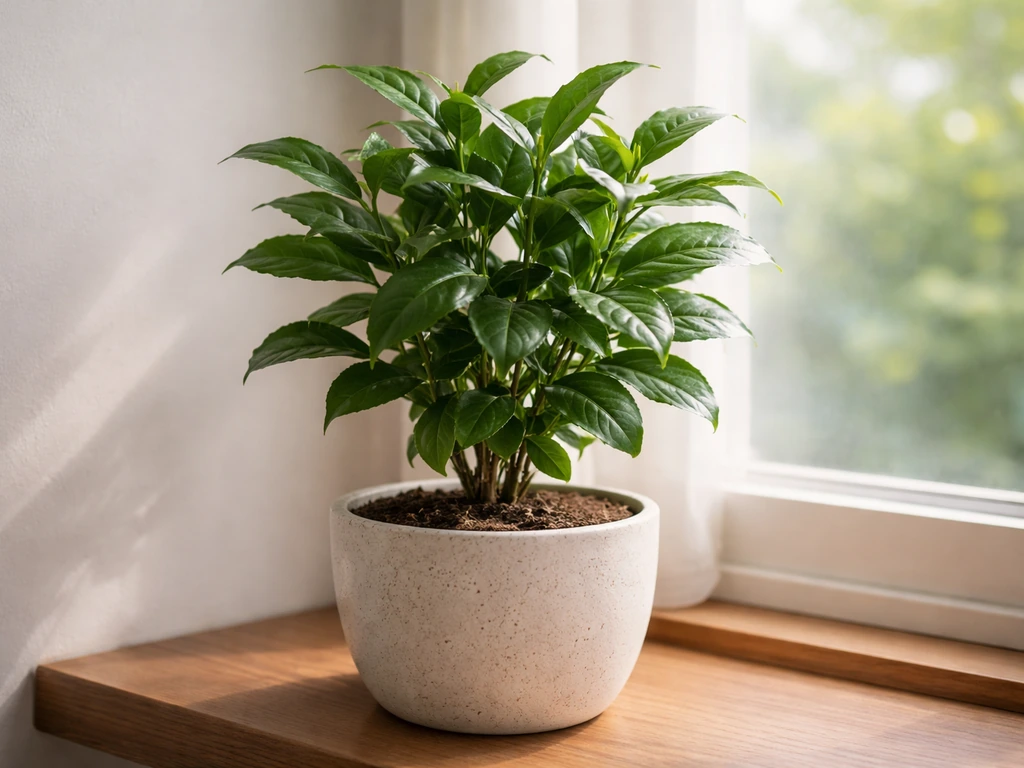
Let's set honest expectations before you buy anything. Indoors, Camellia sinensis will almost certainly not grow into the waist-high bush you see on tea estate photos. What it will do is settle into a compact, manageable shrub that produces fresh flushes of new growth you can pinch and process into green, white, or oolong tea right in your kitchen. The harvest won't be enormous. Think a handful of leaves every week or two per plant, not pounds of dried tea. But for a home grower who just wants to experience the process of growing, plucking, and brewing their own tea, that is genuinely satisfying.
The plant is a slow grower indoors, so be patient in the first year. It is putting energy into its root system before pushing a lot of top growth. Once established, usually by year two, you will see more frequent flushes of that tender new growth that is perfect for harvesting. The plant also has attractive, glossy dark green leaves year-round, so even in a low-harvest phase it earns its spot on a windowsill.
Pick the right variety before you start
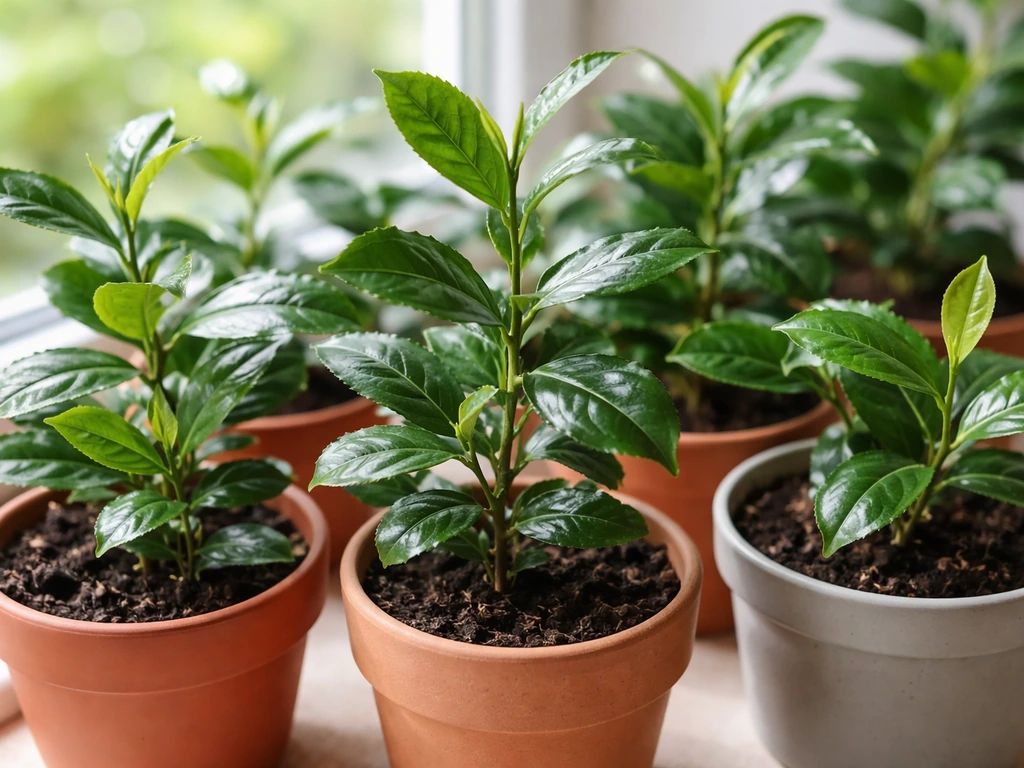
Not all Camellia sinensis plants are equal when it comes to container growing indoors. However, if you are wondering can crotons grow indoors, the lighting and humidity requirements are the main factors to check first Camellia sinensis plants are equal. The species has two main botanical varieties: Camellia sinensis var. sinensis (the Chinese small-leaf type) and Camellia sinensis var. assamica (the Assam large-leaf type). For indoors, var. sinensis is the better choice. It naturally stays more compact, tolerates cooler temperatures better, and is more forgiving of the swings in humidity and light that happen inside a home.
If you can find named cultivars bred specifically for container growing, even better. 'Brew-Tea-Ful' is one of the most practical options available today. It was developed as a compact container plant and tops out at roughly one foot tall and wide, making it genuinely manageable on a windowsill or under a grow light. It is also bred for ornamental appeal, so it looks good as a houseplant even when you are not harvesting. Other compact sinensis selections sold at specialty nurseries will also work, but avoid buying unnamed assamica seedlings for indoor use as they want to get big and warm and are harder to manage inside.
Light and where to put it
Light is the single most common reason indoor tea plants fail. Camellia sinensis needs at least four to six hours of bright, direct or near-direct light per day. A south-facing window in the Northern Hemisphere is your best option. East-facing works if the morning sun is strong and unobstructed. West-facing is marginal. North-facing is not going to cut it without supplemental lighting.
If your windows are limited, do not try to push the plant through a shaded spot. Just add a grow light. A full-spectrum LED grow light placed six to twelve inches above the plant for twelve to fourteen hours a day gives it exactly what it needs and takes the guesswork out of placement entirely. This is actually the approach I would recommend to most apartment dwellers because window light in most apartments, especially above the third floor where neighboring buildings cast shade, is rarely as bright as it looks. The plant also benefits from a consistent day length, so a grow light on a timer is cleaner than relying on seasonal window variation.
One thing to watch: leggy, stretched growth with long gaps between leaves is always a sign the plant is not getting enough light. If you see that, move it closer to your light source or upgrade to a brighter grow light before anything else.
Container, potting mix, and drainage
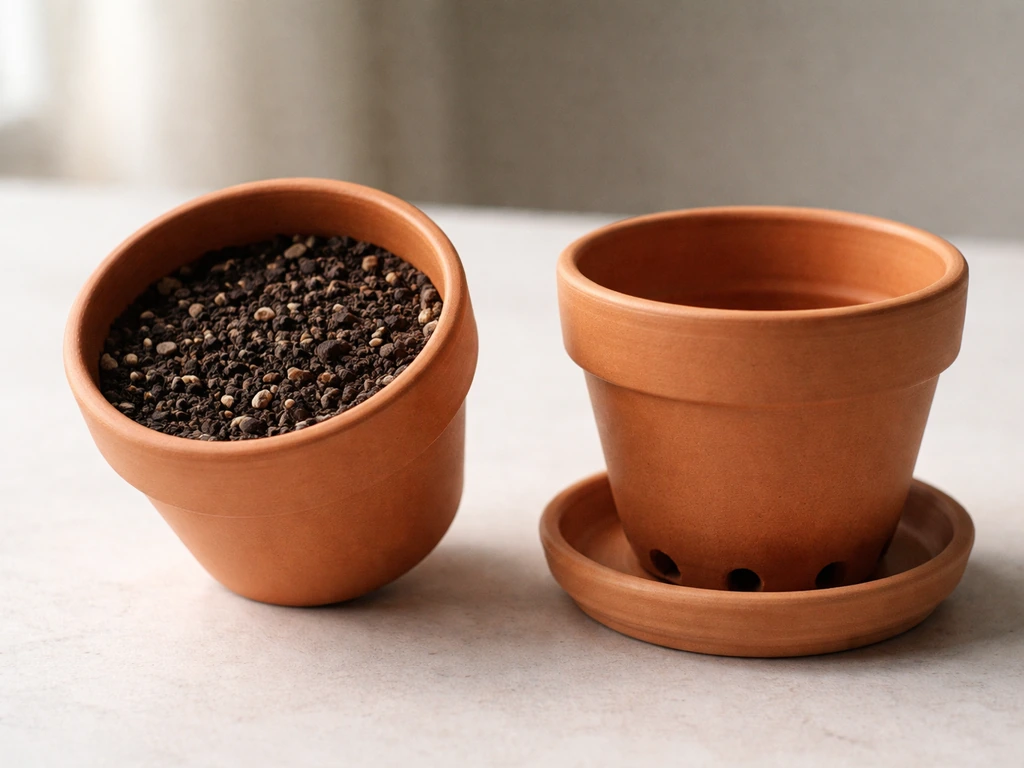
Camellia sinensis is a slow-growing shrub and does not need to be in a huge pot. Start with a container that is about two inches wider than the root ball, typically an eight to ten inch pot for a young plant. Terracotta works well because it breathes and helps prevent waterlogging, but any container with generous drainage holes at the bottom works fine. Plastic pots retain moisture longer, which can tip into overwatering if you are not paying attention.
The potting mix is where most indoor growers make a critical mistake. Camellia sinensis absolutely requires acidic soil, ideally in the pH range of 4. The International Camellia Society also notes that camellias generally do best in a pH range of about 4. 5 to 5.
5 and warns that higher pH can lead to iron and manganese deficiency issues acidic soil, ideally in the pH range of 4. 5 to 6. 0, and it needs excellent drainage.
Standard all-purpose potting mix is usually too alkaline and retains too much moisture. Instead, mix an ericaceous (acid) potting compost with a third perlite or coarse horticultural grit. Some growers add a small amount of pine bark fines to the mix. This combination gives you the acidity the plant needs and the drainage that prevents root rot.
If you cannot find ericaceous compost locally, a mix formulated for azaleas or rhododendrons works the same way.
Repot every two to three years in spring, going up only one pot size at a time. Camellia sinensis does not mind being slightly root-bound and actually tends to perform better that way than in an oversized container.
Watering, humidity, and temperature
Water when the top inch of soil feels dry to the touch. In practice, that usually means watering every five to seven days in summer and stretching to ten or more days in winter when growth slows. When you water, water thoroughly until it drains freely from the bottom, then let it drain completely before putting the pot back in its saucer. Never leave it sitting in standing water. Camellia sinensis hates wet feet and will develop root rot faster than you expect if drainage is poor.
If you are in an area with hard tap water, that is worth paying attention to. Hard water is alkaline and will gradually push the soil pH up, which antagonizes a plant that wants acidic conditions. Rainwater or filtered water is much better for long-term health. At minimum, let tap water sit overnight to off-gas chlorine before using it.
For humidity, Camellia sinensis prefers moderate to higher humidity, roughly 50 to 70 percent. Most heated homes run well below that in winter. Grouping plants together, using a pebble tray with water under the pot, or running a small humidifier nearby all help. Misting the leaves directly is less effective and can encourage fungal spots if airflow is poor.
Temperature is where Camellia sinensis actually has an advantage over many houseplants. It prefers cooler conditions, ideally between 50 and 70 degrees Fahrenheit (10 to 21 degrees Celsius). Most indoor environments in that range are fine. It can handle brief dips near freezing if you want to move it to a cool garage or unheated porch in winter, which can actually encourage better spring growth. What it does not like is being near a heating vent or radiator, which creates dry, hot air that stresses the plant quickly.
Fertilizing and keeping the soil acidic
Feed your tea plant with a fertilizer formulated for acid-loving plants, such as an azalea or camellia fertilizer. A slow-release granular version applied once in early spring and once in midsummer is simple and effective. If you prefer liquid feeding, use a half-strength liquid ericaceous feed every three to four weeks during the growing season (roughly April through September) and stop feeding entirely over winter when the plant is resting.
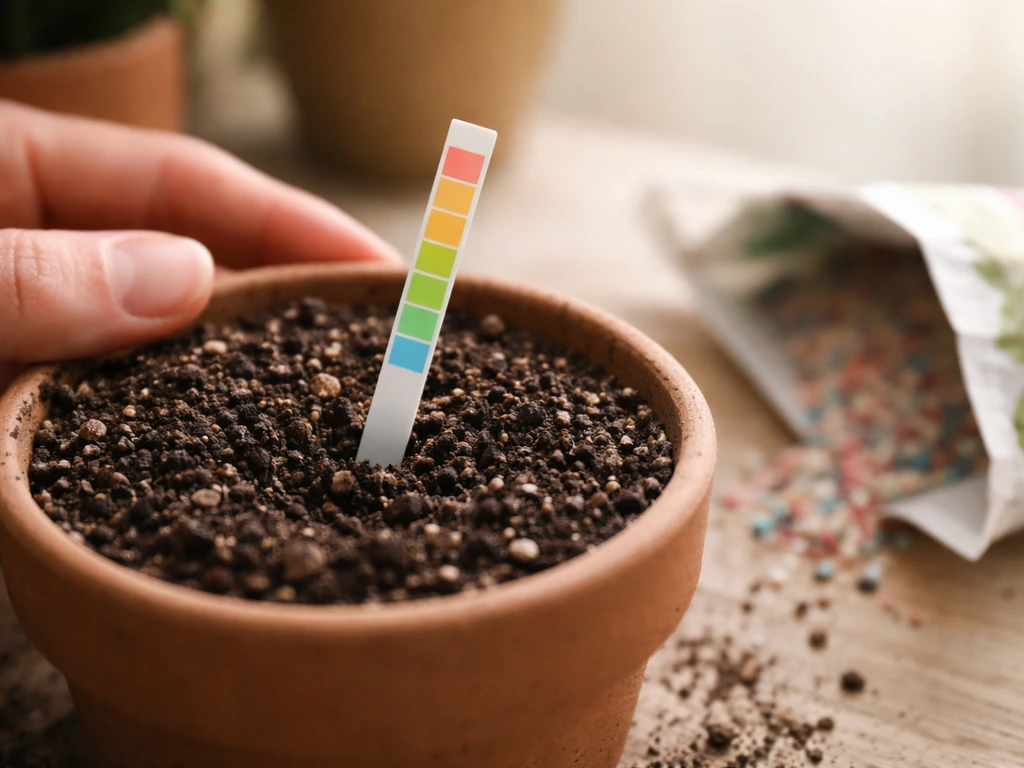
Beyond fertilizing, actively manage soil pH over time. Even with an acid mix, repeated watering (especially with tap water) will slowly raise pH. Test the soil pH every six months with an inexpensive soil pH meter or test strips. If it creeps above 6.5, water once or twice with a dilute solution of pH-adjusted water (a tiny amount of distilled white vinegar per gallon brings pH down) or use a soil acidifier product. Yellowing leaves with green veins, known as chlorosis, is the classic sign that pH has drifted too high and the plant cannot absorb iron.
Pruning, shaping, and harvesting your leaves for tea
This is honestly the most rewarding part of growing Camellia sinensis indoors, and it is simpler than most people expect. The basic harvest method is pinching: you pinch or pluck the terminal bud (the very top growing tip) along with the first two or three young leaves below it. That cluster of tender new growth is your tea leaf material. The older, darker leaves further down the stem are too mature to use for tea and are better left on the plant.
After you pluck, the plant sends out new lateral growth from buds just below where you harvested. Those new shoots will be ready to harvest again in roughly one to two weeks during active growing periods. This means regular harvesting actually keeps the plant more compact and bushy, which is exactly what you want indoors. Think of it as productive pruning.
For shaping and height control, do a light structural prune in late winter before new spring growth starts. Remove any crossing branches, trim back any stems that are getting too tall, and generally open up the center for airflow. Keep indoor plants under about eighteen inches tall for easy management. Compact cultivars like 'Brew-Tea-Ful' barely need this kind of intervention, but if you have a standard sinensis plant that wants to push upward, don't be afraid to cut it back hard. Camellia sinensis responds well to pruning and pushes fresh growth readily afterward.
Common indoor problems and how to fix them
Growing Camellia sinensis indoors is achievable, but a few problems come up regularly. If you are also curious about orchids, you may be wondering can cymbidium grow indoors under similar light and humidity conditions. If you are also curious about other indoor flowers, you might wonder can cyclamen grow indoors and what conditions it needs to thrive. Here is how to diagnose and handle the most common ones.
| Problem | Most Likely Cause | Fix It Now |
|---|---|---|
| Leggy, stretched stems with sparse leaves | Insufficient light | Move closer to window or add/upgrade grow light; aim for 12-14 hours of bright light daily |
| Yellow leaves with green veins (chlorosis) | Soil pH too high, blocking iron uptake | Test pH, acidify with ericaceous feed or soil acidifier, switch to rainwater |
| Leaves dropping suddenly | Overwatering, low humidity, or temperature shock | Check soil moisture and drainage first; assess humidity and move away from heat vents |
| Brown leaf edges or tips | Low humidity or mineral buildup from tap water | Increase humidity, flush soil with rainwater to wash out mineral salts |
| Root rot (soft stem base, wilting despite wet soil) | Overwatering combined with poor drainage | Unpot, trim rotted roots, repot into fresh well-draining acid mix, reduce watering frequency |
| Scale insects or spider mites | Low humidity and poor airflow indoors | Wipe leaves with neem oil solution or insecticidal soap; improve humidity and air circulation |
| Very slow or no new growth | Dormancy, insufficient light, or root-bound pot | Check season (winter slowdown is normal), assess light, and check if roots are circling the pot base |
The most fixable problem of all is light. If your plant looks unhappy and you are not sure why, more or better light solves the issue more often than anything else. Choosing the right light makes it much easier to grow camellias indoors. A dedicated full-spectrum LED grow light is not expensive and it removes the single biggest variable in indoor tea growing. If you are already thinking about growing other indoor plants with specific light needs, you will find the same investment pays off across the board.
Your next steps to get started
- Source a compact Camellia sinensis var. sinensis plant or a named compact cultivar like 'Brew-Tea-Ful' from a specialty nursery or reputable online grower.
- Prepare an acid potting mix: two parts ericaceous compost to one part perlite, with optional pine bark fines. Have a soil pH meter on hand.
- Choose your location: south or east-facing window with direct sun, or set up a full-spectrum LED grow light on a 12 to 14 hour timer.
- Pot the plant into a container with drainage holes, water thoroughly with rainwater or filtered water, and place it in your chosen spot.
- Begin a feeding routine with an azalea or camellia fertilizer in spring. Test soil pH every six months and adjust as needed.
- Once the plant shows active new growth (usually spring through early fall), start harvesting by pinching the top bud plus two to three young leaves. Brew them fresh or dry them for later.
Growing Camellia sinensis indoors is a genuinely interesting project that sits right at the intersection of houseplant care and a functional herb garden. Cyclamen is a very different plant, grown mainly for its distinctive flowers and cool-season indoor or garden conditions. It takes a bit more attention than, say, a pothos, but it is far from the most demanding indoor plant you could choose. If you are curious about whether Tradescantia can also grow indoors, it is one of the easiest options to try pothos. If you enjoy growing plants that also do something useful, a tea plant on a bright windowsill is hard to beat.
FAQ
How much tea can I actually harvest from Camellia sinensis indoors?
Yes, but plan on pruning for leaf growth rather than expecting big tea-estate yields. To keep your plant productive indoors, harvest regularly from the top growth (terminal bud plus the first couple of young leaves) and do a light structural prune in late winter, which encourages more lateral shoots for future plucking.
Can I grow the Assam type indoors, or should I choose Chinese small-leaf varieties?
Start with the least-risk option: var. sinensis and compact, named container cultivars. If you end up with a var. assamica seedling, it may need warmer conditions and can grow larger, so indoors it often becomes harder to manage and may struggle to stay compact enough for regular plucking.
Do I need a south-facing window if I use a grow light?
If you have a grow light, use it as your primary light source and keep the photoperiod stable (for example, 12 to 14 hours daily). Rotating the pot every week also prevents uneven growth toward the light, which helps avoid leggy stems.
How do I know when to water my indoor tea plant?
Avoid wilting as a decision rule. Instead, water based on the soil, when the top inch is dry, water thoroughly until it drains, then empty the saucer. Over time, this prevents both chronic dryness and the wet-feet problem that leads to root rot.
What are the signs my soil pH is wrong, and what should I do?
Common signs are yellow leaves with green veins (pH too high), slow growth despite reasonable light, and leaf drop after using alkaline tap water. The fix is to test soil pH every six months, switch to rainwater or filtered water if possible, and use pH-adjusted watering if it drifts above about 6.5.
Can I overwinter my camellia indoors near a cool window or in an unheated room?
Treat cold as a temporary rest aid, not a freeze risk. Brief dips near freezing can be tolerated if the plant is kept dry and away from harsh drafts, but avoid freezing the root ball and avoid placing it right next to windows that leak cold air.
Is misting necessary to grow Camellia sinensis indoors?
Use moderate air humidity and airflow rather than constant leaf misting. A humidifier set to about 50 to 70 percent, grouping plants, or a pebble tray works better than misting alone, which can encourage fungal spots if leaves stay wet.
When is the best time to start harvesting leaves after planting?
Yes, but expect slower growth while it establishes. In the first year, focus on getting stable light, acidic mix, and consistent moisture, then increase harvest frequency after the plant shows regular flushes. If you harvest too early or too heavily, the plant may put energy into recovery instead of producing new shoots.
My plant is dropping leaves, what are the first things to troubleshoot?
If you see leaf drop plus damp soil, assume drainage or watering is the culprit before anything else. Check that the pot drains freely, confirm you have an acidic ericaceous mix with grit for drainage, and let the pot fully drain after watering.
How often should I repot, and do bigger pots help?
Use the smallest pot increase that still supports the root ball, usually one size up during spring repotting. Going too large too fast keeps soil wet longer and can raise the risk of root rot, especially indoors where evaporation is slower.
Should I fertilize year-round, and how can I avoid fertilizer burn or buildup?
Stop fertilizing during winter rest, then restart in early spring. Overfeeding can contribute to weak, overly soft growth and can also worsen salt buildup in acidic mixes, so flush the soil occasionally with water that has low alkalinity (filtered or rainwater) if you notice mineral crusting.
Why is my plant getting leggy and not filling out?
Mostly because light is insufficient or inconsistent. Leggy, stretched growth with wide gaps between leaves is the classic clue, and the fix is moving the plant closer to the light or increasing grow light intensity and duration before changing anything else.