
Yes, dusty miller can grow indoors, but it's genuinely one of the trickier plants to keep happy inside. It's a Mediterranean sun-lover that wants at least 6 hours of direct light a day, fast-draining soil, and good airflow. Get those three things right and you'll have a compact, silver, stunning plant on your windowsill. Get them wrong and you'll watch it stretch, fade, and eventually rot. It's not a natural houseplant, but with the right setup it can work, especially if you're treating it as a seasonal guest rather than a permanent resident. Can heather grow indoors too, and what conditions does it need to do well?
Can Dusty Miller Grow Indoors? How to Succeed Today

James Hartwell
2 May 2026
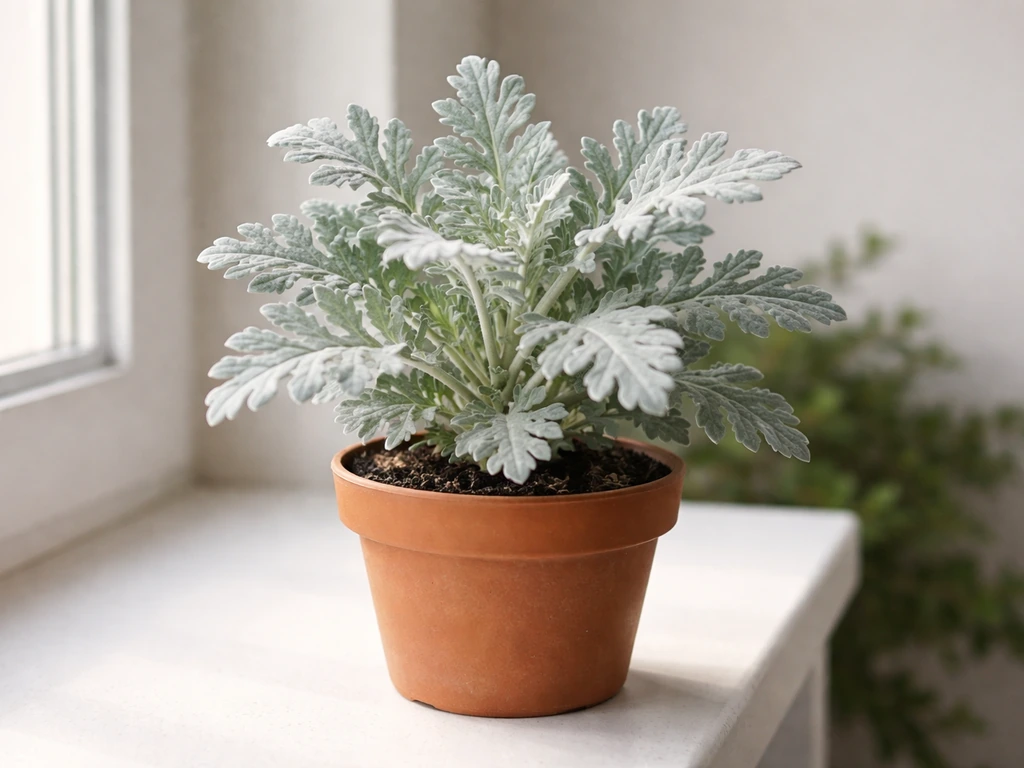
Can dusty miller actually grow indoors (and when it won't)
Dusty miller (Senecio cineraria, also sold as Jacobaea maritima) is technically a tender perennial subshrub from the Mediterranean, not a true annual, even though most garden centers sell it as one. Outdoors it's heat- and drought-tolerant, thriving in full sun with lean, dry soil. Indoors, those same requirements become your checklist of things that can go wrong. Without enough light, it stretches into leggy, pale stems. With too much water or a pot that holds moisture, root rot sets in fast. In a stuffy, humid room with no air movement, fungal problems appear.
So when won't it work indoors? Honestly, if you only have north-facing windows, or your brightest spot gets a couple of hours of indirect light, don't bother. If you’re trying to grow can Mexican heather indoors, you’ll also need strong light and the right airflow to keep it healthy north-facing windows. Dusty miller will survive briefly, then slowly decline.
It's not like some foliage plants that adapt well to low light. If you want to grow heuchera indoors, you’ll need to match similar core conditions, especially bright light and a well-draining setup. This one really does need near-full-sun intensity to hold its compact shape and that signature silver color. If you can provide that, great.
If not, it's better suited as a patio plant that comes inside only for frost protection.
Best indoor light setup: windows vs. grow lights
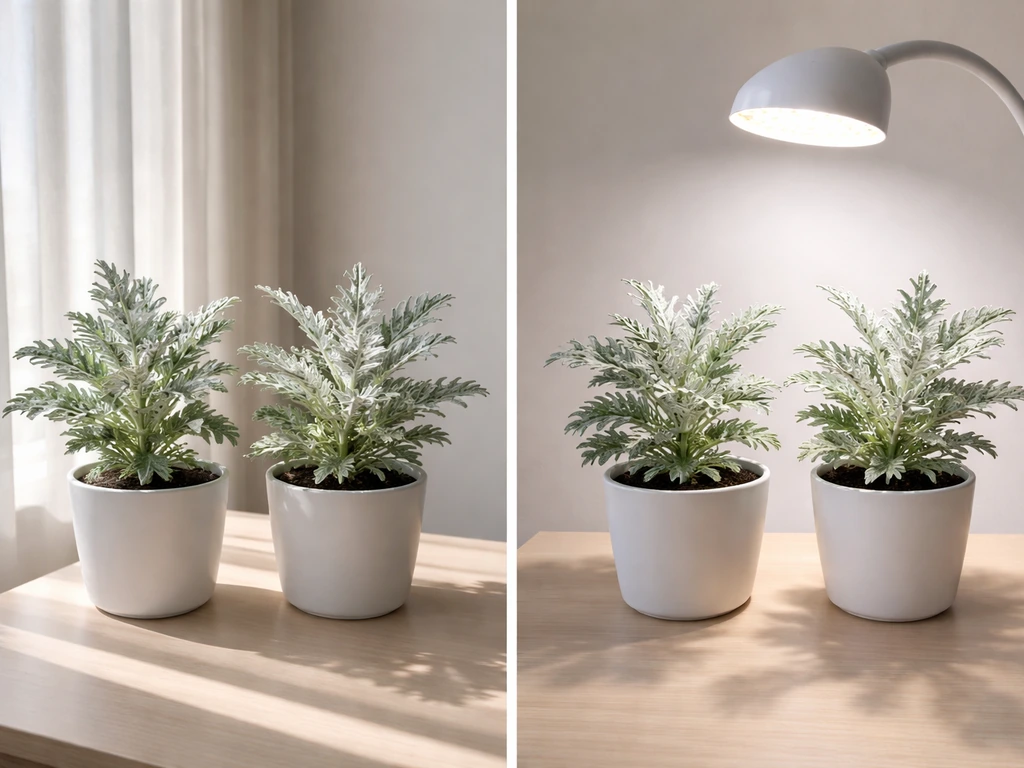
A south-facing window is your best option in the Northern Hemisphere. A west-facing window is your second choice. You're looking for at least 6 hours of direct or very bright light hitting the plant daily. If you can see direct sun rays touching the pot for most of the morning and afternoon, you're in good shape. An east-facing window can work in the warmer months when the sun angle is higher, but it's marginal in winter.
If your windows don't cut it, a grow light is the honest solution. A full-spectrum LED grow light positioned about 6 to 12 inches above the plant, running for 14 to 16 hours a day, can replicate what a sunny window provides. I've had better luck with grow lights than with a mediocre window because the light is consistent and you can control the duration. Look for lights that output in the 3000K to 6500K range. Timers are worth every penny here so you're not manually switching it on and off.
Temperature, airflow, and humidity requirements
Dusty miller is comfortable in the same temperature range most homes are kept in: 60 to 75°F works well. It tolerates warmth easily since it's a heat-tolerant plant by nature, but avoid parking it near a heating vent where hot dry air blasts it constantly. That accelerates the risk of spider mites, which thrive in hot (80°F+), low-humidity conditions under 50% relative humidity.
Airflow is something most people overlook with indoor plants and it matters a lot for dusty miller. The fuzzy, silver leaves are adapted to hot, breezy Mediterranean hillsides. Stagnant, humid indoor air is the opposite of that. If your home tends to be on the humid side (above 60% humidity), or if you're keeping the plant in a bathroom or kitchen, fungal issues like botrytis can appear on those dense, silvery leaves. A small fan running nearby on low for a few hours a day, or simply keeping a window cracked in mild weather, makes a real difference.
Potting mix, drainage, and container choice
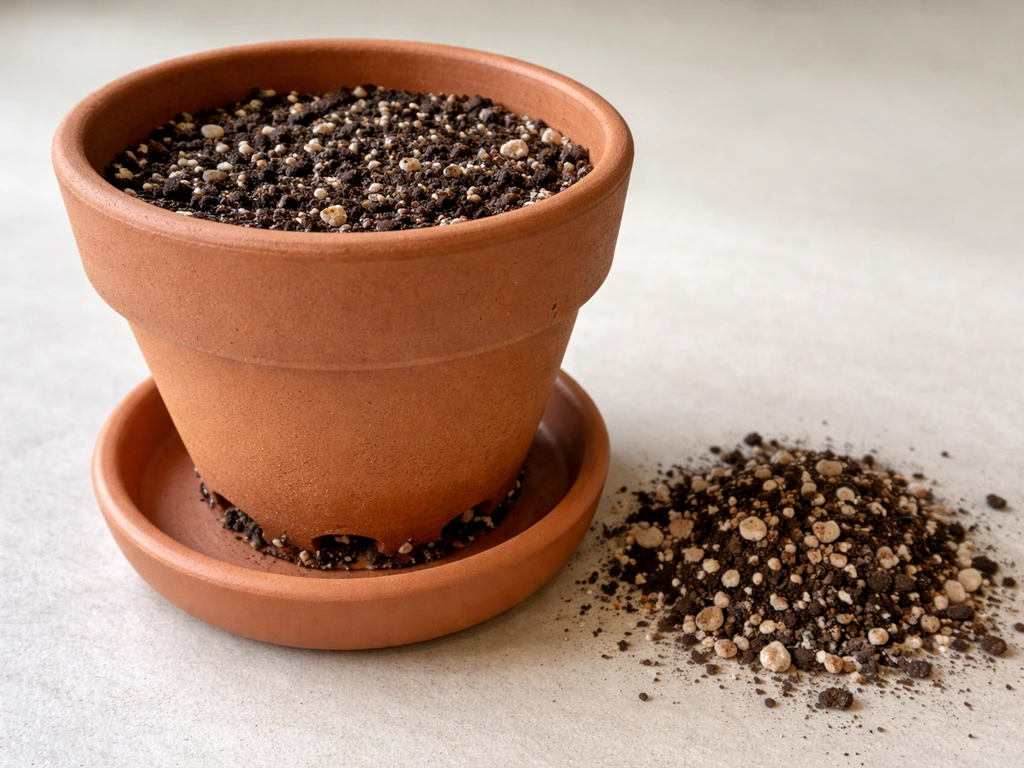
This plant hates wet feet. The potting mix needs to drain fast and dry out relatively quickly between waterings. A standard potting soil on its own is usually too moisture-retentive. Mix it with about 30 to 40% perlite or coarse sand to open it up. Some people use a cactus mix blended with regular potting soil, which also works well. The goal is a root zone that dries out within a few days of watering, not one that stays damp for a week.
For containers, an unglazed terracotta pot is genuinely ideal here, not just aesthetically. Terracotta is porous and wicks moisture away from the root zone, which suits a drought-tolerant Mediterranean plant perfectly. Plastic and glazed ceramic hold moisture much longer. If you want a decorative outer pot, use the double-pot method: plant in a terracotta or plastic nursery pot with drainage holes, then slip it inside the decorative container.
Just never let the inner pot sit in standing water in the outer container. Pooled water deprives roots of oxygen and increases the risk of root rot, which is why letting excess water drain and not leaving the pot sitting in it matters never let the inner pot sit in standing water in the outer container. .
Empty that saucer after every watering. Water wicking back up through drainage holes into the root zone is one of the most common causes of root rot.
Size matters too. Don't overpot dusty miller. A pot that's much larger than the root ball holds excess moisture that the roots can't use fast enough. A snug pot, just an inch or two wider than the root ball, dries out more evenly and reduces rot risk.
Indoor watering and fertilizing to prevent common failures
The watering rule for dusty miller indoors is simple: let the top inch or two of soil dry out before you water again. Stick your finger in. If it feels even slightly damp, wait. This plant is far more forgiving of underwatering than overwatering. In a bright spot during active growth (spring and summer), you might water every 7 to 10 days. In lower light or cooler winter conditions, it could be every 2 to 3 weeks. Watch the plant and soil, not the calendar.
When you water, water thoroughly until it drains out of the bottom, then stop. That flush also moves salts out of the soil. Then empty the saucer so the pot isn't sitting in water. That's the full cycle, and it's more important to get this right than almost any other care step.
Fertilizing should be light. Dusty miller is not a heavy feeder and overfeeding can actually cause problems, including pushing lush, soft growth that's more susceptible to pests and disease. A slow-release balanced fertilizer applied at half the recommended rate once in spring and once in early summer is plenty. Skip fertilizing in fall and winter when growth naturally slows.
Common indoor problems and how to fix them fast
Leggy, stretched-out stems
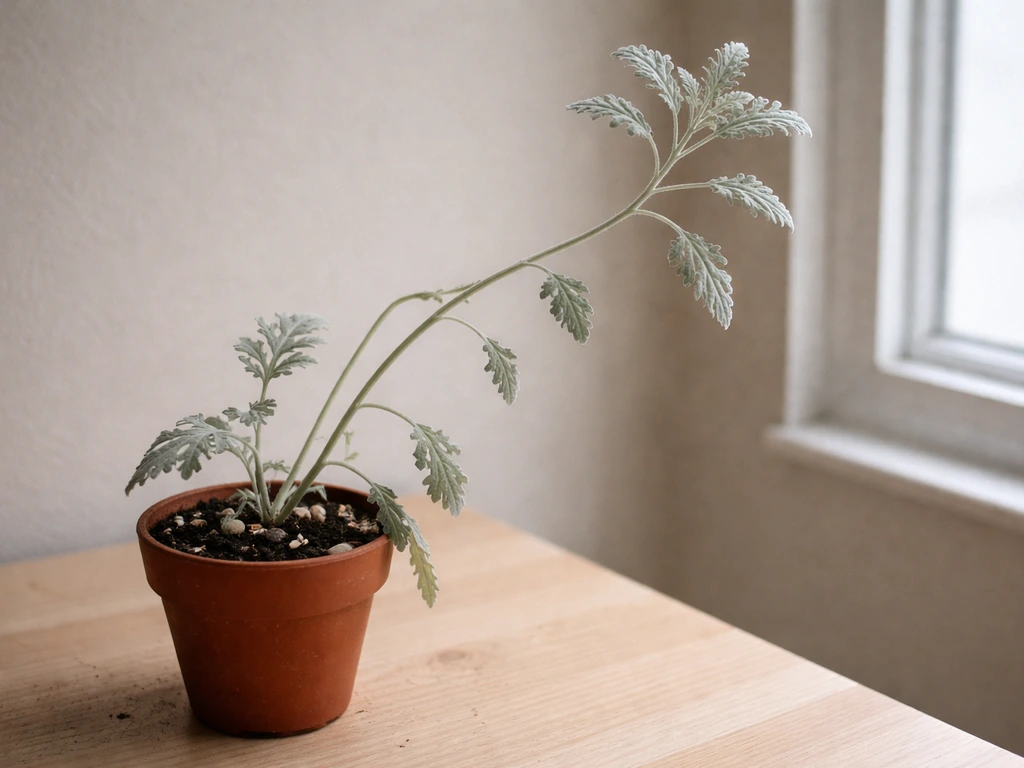
This is the number one indoor problem with dusty miller and it's almost always a light issue. When the plant isn't getting enough intense light, it stretches toward whatever source it can find, producing long, weak stems with widely spaced leaves. If you catch it early, move the plant immediately to a brighter spot and pinch back the leggy stems. Pinching back to a leaf node a few times during the growing season encourages branching and keeps the plant compact. If it's severely leggy and the light situation can't be improved, it's honestly better to take a few healthy stem cuttings and start fresh with proper light from the beginning.
Color loss and less silver
That gorgeous silver-gray color comes from tiny hair-like structures on the leaves, and it's most pronounced when the plant is grown in full, bright light. Indoors with lower light, the leaves often turn greener and less silvery. The fix is more light, plain and simple. If a grow light brings the silver back over a few weeks, great. If moving to your best window still doesn't restore the color, the plant isn't getting what it needs.
Drooping and yellowing leaves
Drooping combined with yellow leaves, especially lower on the plant, usually means overwatering or poor drainage. Check the soil: if it's been wet for more than a week, you have a moisture problem. Let it dry out completely before watering again and consider repotting into a faster-draining mix if this keeps happening. A plant drooping with dry, bone-dry soil is underwatered, but that's a much less common problem with dusty miller indoors.
Spider mites and other pests
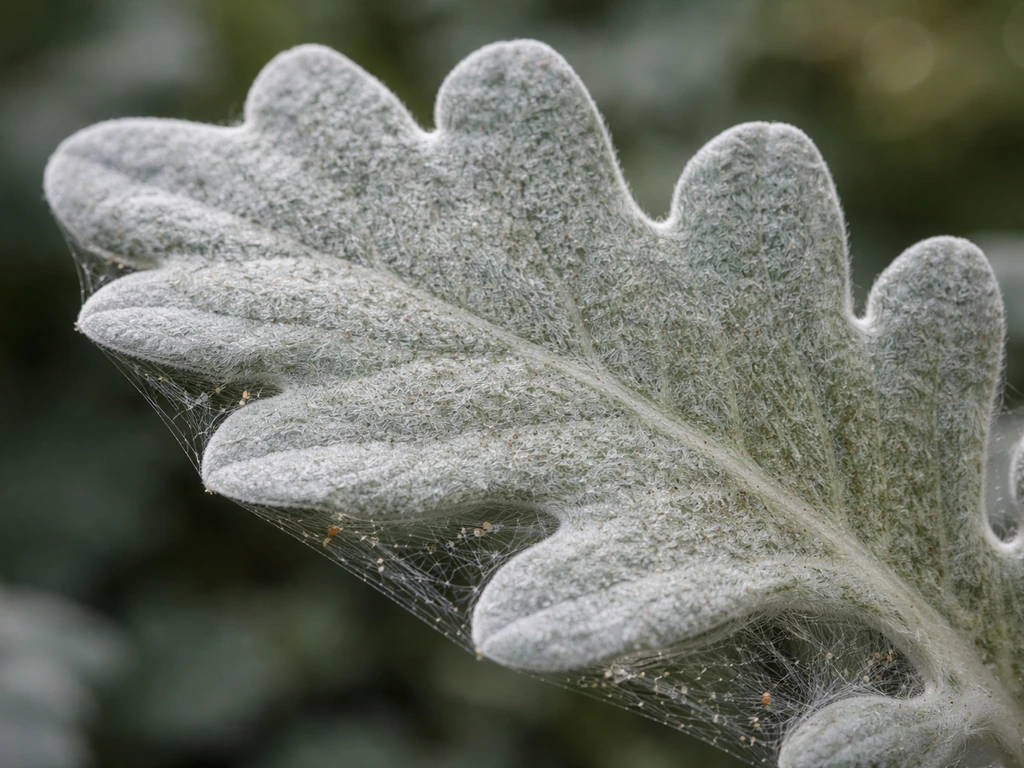
Spider mites are the most likely pest you'll encounter indoors, especially if your home is warm and dry. Look for fine webbing on the undersides of leaves and a stippled, dull appearance on the foliage. They thrive in hot, low-humidity conditions, so ironic as it sounds, a slightly more humid environment (within reason) can discourage them. If you spot them, isolate the plant immediately and treat with insecticidal soap or neem oil, repeating every 5 to 7 days for several weeks. Spider mites can persist indoors year-round, so stay vigilant. Quarantine any new plants for a few weeks before placing them near your dusty miller, since pests often hitch a ride on new arrivals.
Care plan: pruning, repotting, and the seasonal vs. permanent decision
Pinch or snip back the growing tips every few weeks during spring and summer. This is not optional if you want a bushy, attractive plant indoors. Left unpinched, dusty miller gets tall and floppy. Remove about a third of each stem's length, cutting just above a leaf node, and the plant will branch out and fill in. If it starts to flower (small yellow blooms), pinch those off too unless you want seeds, since flowering tends to shift the plant's energy away from the foliage.
Repotting is only needed when the roots are visibly circling the bottom of the pot or coming out of the drainage holes. Move up just one pot size at a time. For most indoor dusty miller plants, repotting once a year in spring is plenty.
The bigger question is whether to keep it indoors permanently or treat it as a seasonal plant. Honestly, most people get better results treating dusty miller as a seasonal indoor plant. If you are wondering about horsetail specifically, the same idea applies: you’ll need a very specific indoor setup to keep it healthy.
Bring it inside in fall before frost, overwinter it in your brightest window or under a grow light, then move it back outdoors in spring after the last frost date. This approach plays to its strengths: it gets the intense outdoor sun it loves during summer, and you use the indoor period just for frost protection rather than trying to make it thrive in conditions it only tolerates.
If you're committed to keeping it fully indoors year-round, invest in a good grow light and be consistent with the dry-watering cycle. Some people pull it off beautifully, but it takes more attention than most true houseplants.
If you enjoy silver and textured foliage indoors, it's worth knowing that some plants in this space, like hypoestes (which has its own set of light needs) or heuchera, are sometimes compared for their leaf interest. Dusty miller sits in a niche of its own though: nothing else quite replicates that soft, silver, almost felt-like leaf texture indoors.
Quick indoor setup checklist
- South- or west-facing window with at least 6 hours of direct or intense bright light, or a full-spectrum LED grow light on a 14 to 16 hour timer
- Fast-draining potting mix: standard potting soil blended with 30 to 40% perlite, or a cactus mix blend
- Terracotta pot with drainage holes, sized just 1 to 2 inches wider than the root ball
- Empty the saucer after every watering, no sitting in water
- Water only when the top inch or two of soil is dry, roughly every 7 to 14 days depending on conditions
- Light slow-release fertilizer at half strength in spring and early summer only
- Pinch back stem tips regularly to keep growth compact and bushy
- Good airflow around the plant: avoid enclosed, stuffy, or very humid spots
- Quarantine new plants before placing near dusty miller to prevent pest introduction
FAQ
Can dusty miller grow indoors year-round, or is it better as a seasonal plant?
It can be grown year-round indoors, but most people get better results using it seasonally (bright summer sun outdoors, then back indoors before frost). If you keep it indoors permanently, plan to use a grow light consistently and stick to the fast-dry watering cycle, because it does not adapt well to low-light winters.
What’s the minimum window type or hours I should have to avoid legginess?
Aim for at least 6 hours of direct light or very bright light hitting the plant daily. North-facing windows usually fall short, even if the room feels bright, because dusty miller needs intense light to stay compact and keep its silver tone.
Why did my dusty miller turn greener and lose its silver color?
Usually the plant is getting insufficient light intensity. The silver look depends on full, bright light, so try moving it closer to the window first, then use a grow light if moving still does not restore color within a couple of weeks.
How do I tell if the problem is overwatering versus low light?
Overwatering often shows up as drooping with yellowing (especially lower leaves) and soil that stays damp for a week or more. Low light typically shows leggy growth and widely spaced leaves without a persistently wet pot.
Can I use normal potting soil for dusty miller indoors?
You can, but it’s often too moisture-retentive by itself. For indoor success, amend it with about 30 to 40% perlite or coarse sand (or use a cactus-style mix) so the root zone dries within a few days after watering.
Is misting or higher humidity a good idea to prevent spider mites?
Don’t mist as your main strategy. Dusty miller prefers airflow and dryness around the roots, and too much humidity in a still room can encourage fungal issues on its dense foliage. Instead, use a fan on low or ensure good ventilation, and only consider humidity changes as a controlled adjustment.
What pot and drainage setup works best to prevent root rot?
Use an unglazed terracotta pot with drainage holes. If you use a decorative cover pot, always empty the saucer after watering so the inner pot never sits in standing water, which is a common root-rot trigger.
How often should I fertilize indoors, and what does “light feeding” mean?
Feed lightly, once in spring and once in early summer using a slow-release balanced fertilizer at about half the labeled rate. Skip fertilizer in fall and winter because reduced growth means unused nutrients can contribute to salt buildup and weak, pest-prone growth.
My dusty miller is flowering indoors, should I remove the blooms?
Pinch off flowers unless you specifically want seed. Flowering can shift energy away from foliage, which may reduce the dense, silvery, compact look you bought it for.
Will pruning and pinching alone fix a leggy dusty miller?
Pruning helps with shape, but it cannot replace the light the plant is missing. If it’s leggy, pinch back to just above leaf nodes and immediately increase light, otherwise it will keep stretching as new growth forms.
How do I propagate dusty miller indoors if it declines?
Take healthy cuttings from non-woody stems during spring or summer, root them in a fast-draining mix, and treat them with the same bright-light and dry-watering routine from the start. Starting fresh is often easier than trying to rehabilitate a severely leggy, low-light plant.
Should I quarantine new plants before placing them near dusty miller?
Yes. Quarantine new plants for a few weeks because spider mites and other pests can hitchhike indoors. Inspect the undersides of leaves regularly before bringing anything close to your dusty miller.