Yes, you can grow many outdoor plants indoors, but not all of them will thrive, and the ones that do need you to solve one problem above everything else: light. Get the light right and most outdoor plants will at least survive inside. Get it wrong and nothing else you do, not the watering, not the fertilizer, not the fancy pot, will save them.
Can You Grow Outdoor Plants Indoors? A Practical Guide
James Hartwell
5 May 2026
What 'outdoor plants indoors' actually means
When people search for this, they usually mean one of two things. Either they have a plant they've been growing outside and want to bring it in (often before winter), or they see a plant at a garden center labeled for outdoor use and wonder if it could live on their windowsill. Both situations are valid, and both can work, but they're slightly different challenges.
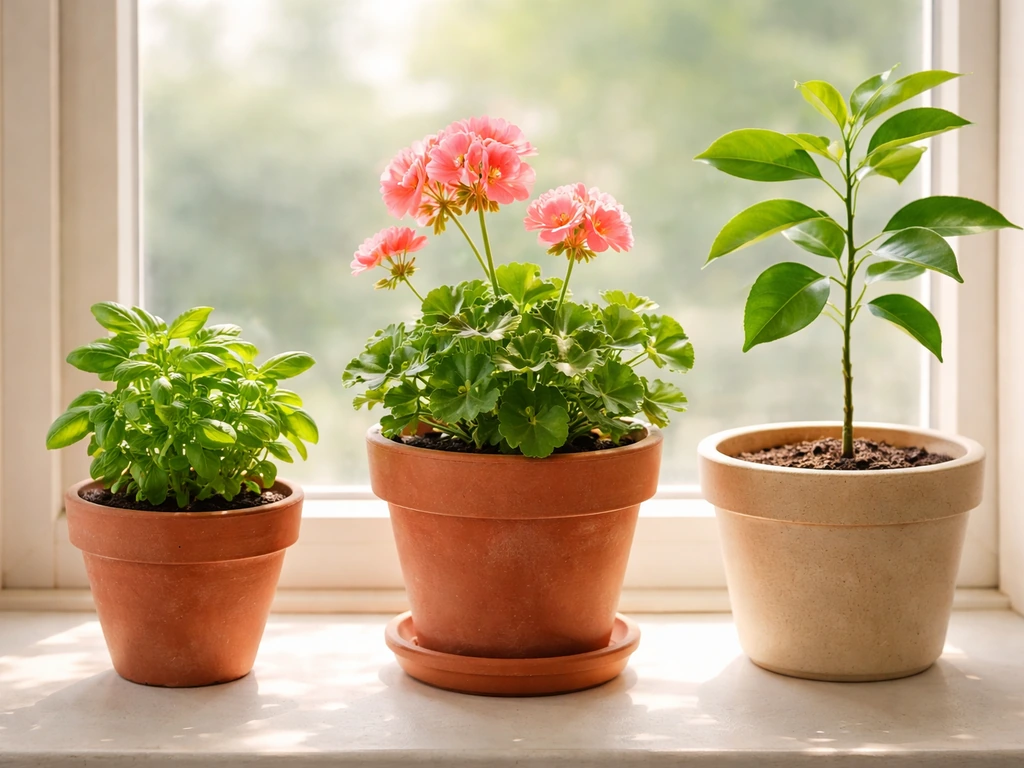
The term 'outdoor plant' mostly just means a plant that was raised in, or is commonly sold for, outdoor garden use. It doesn't mean the plant biologically requires outdoor conditions. Lavender, rosemary, geraniums, citrus trees, and many herbs are all sold as outdoor plants but have been growing happily on sunny windowsills for centuries. The real question isn't whether the plant has an 'outdoor' label, it's whether your indoor environment can realistically deliver what the plant needs to stay healthy.
One thing worth knowing early: USDA Hardiness Zones (which you see on most plant tags) describe a plant's cold tolerance outdoors based on average annual minimum temperatures. USDA Forest Service describes the basis of these USDA Plant Hardiness Zones as long-term average annual extreme minimum temperatures, which are used as a gardening guide for outdoor plant cold survival blank" rel="noopener noreferrer">USDA Hardiness Zones are based on long-term average annual minimum temperatures. Those zone numbers don't tell you much about indoor performance. A Zone 9 plant isn't automatically easier to grow inside than a Zone 5 plant. What matters indoors is light intensity, temperature range, humidity, and airflow.
The outdoor plants most likely to succeed indoors
Some outdoor plants are genuinely well-suited to indoor life. Others are a real stretch. Here's an honest breakdown of the categories that tend to work, and what each one needs.
Herbs
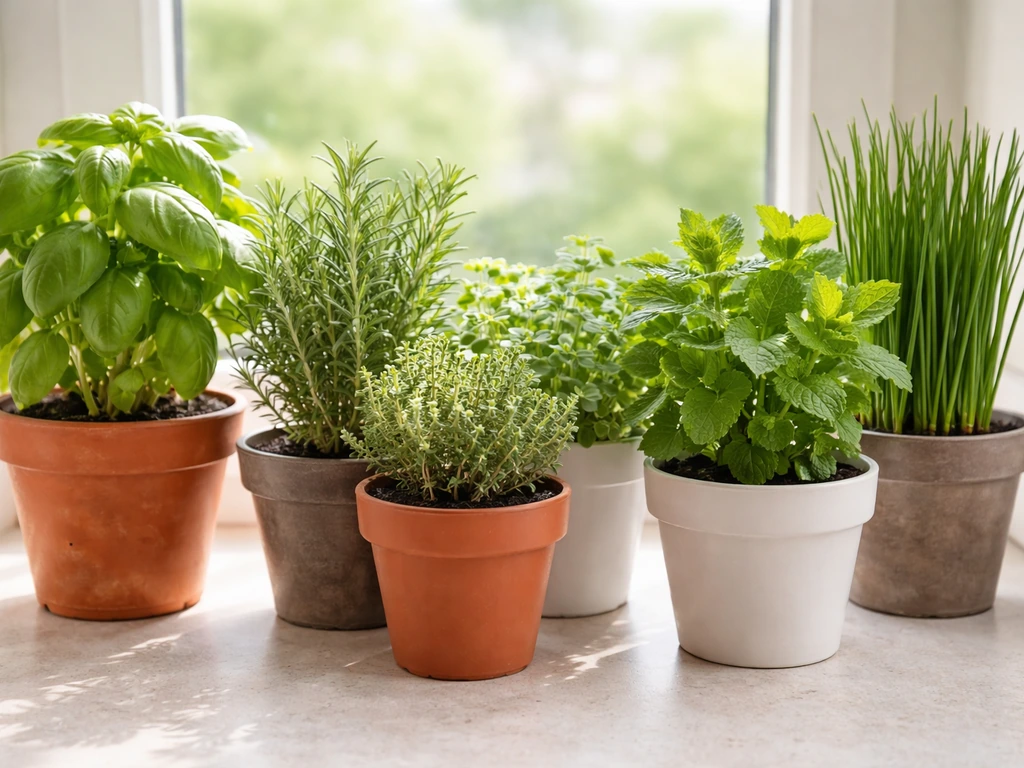
Herbs are the easiest entry point. Basil, rosemary, thyme, oregano, mint, and chives all started as outdoor or wild plants and do genuinely well inside given a bright enough spot. A south- or west-facing window is ideal. Rosemary and thyme want it drier between waterings. Basil wants consistent moisture and warmth. Mint is nearly indestructible indoors but will get leggy without strong light. The big win with herbs is that you harvest them regularly, which naturally keeps growth compact.
Flowering outdoor plants
Geraniums (Pelargoniums) are the classic example of an outdoor flowering plant that overwinters beautifully indoors. They don't need a ton of fuss, they just need a bright window and to be kept on the drier side in winter. Outdoor impatiens and begonias can also be brought in, though they'll likely drop some leaves during the adjustment period. If you're interested in growing outdoor flowers indoors more broadly, the success rate jumps dramatically when you focus on species that bloom with moderate light rather than full sun. If you want more options beyond herbs and zone-friendly classics, focus on flowers you can grow indoors and match them to the light you actually have. African violets, for instance, are practically designed for indoor life despite being flowering plants. If you also want to try a terrarium, can you grow African violets in a terrarium? The answer depends on light and humidity control.
Citrus and dwarf fruit trees
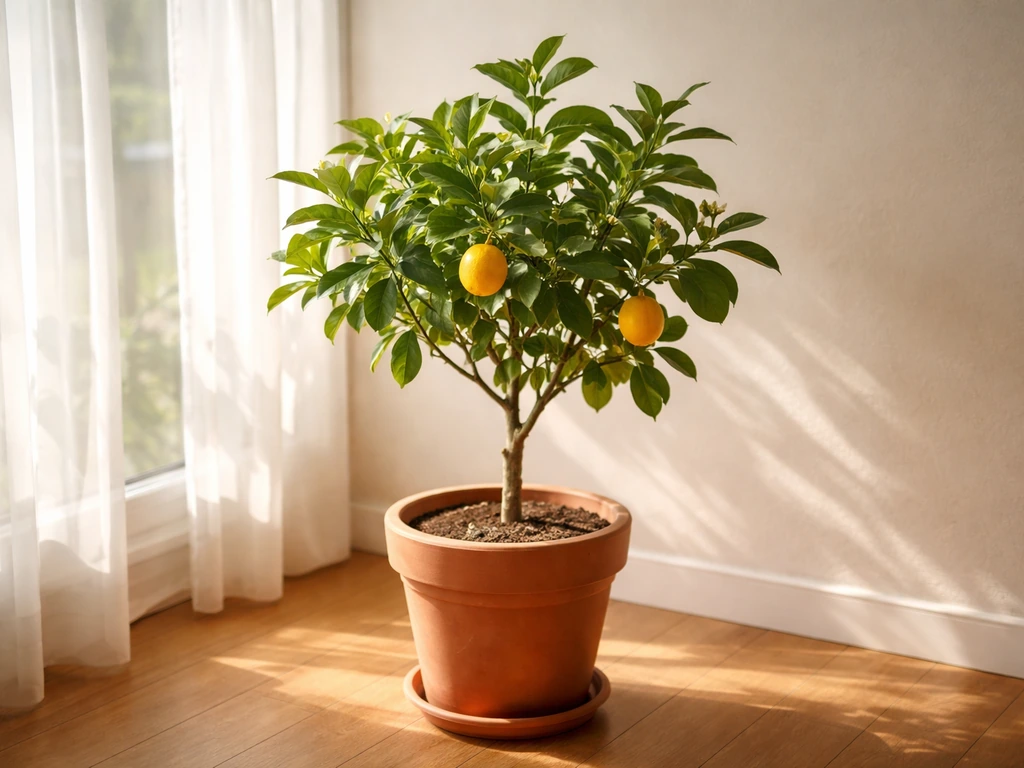
Dwarf citrus, especially Meyer lemon, is a fantastic indoor candidate. It needs the brightest spot you have, ideally a south-facing window or a grow light supplement, and it needs to be pot-bound enough that it doesn't sit in soggy soil. Fig trees (especially Ficus carica) can overwinter indoors in a cool, low-light spot because they go dormant, meaning they actually prefer less light for a few months. That dormancy requirement is an important concept: some outdoor plants don't just tolerate less light in winter, they expect it.
Tropical and subtropical plants
Many of the plants we grow as outdoor annuals in cooler climates are actually tropical perennials that thrive indoors because our homes mimic their native warmth. Hibiscus, bougainvillea, mandevilla, and elephant ears all fall into this group. They're used outdoors in summer but genuinely prefer not to freeze, so bringing them in is doing them a favor. The trade-off is that they're large, they want high light, and some, like bougainvillea, won't bloom much without near-full-sun conditions.
| Plant | Light Need Indoors | Watering Style | Key Indoor Challenge |
|---|---|---|---|
| Rosemary | Bright direct (south window) | Dry between waterings | Low humidity, poor airflow causes rot |
| Basil | Bright direct | Keep consistently moist | Gets leggy fast without strong light |
| Geranium (Pelargonium) | Bright indirect to direct | Dry out slightly between waterings | Overwatering in winter |
| Meyer Lemon | Brightest possible spot or grow light | Moderate, good drainage essential | Needs high light to fruit or even hold leaves |
| Mint | Medium to bright indirect | Keep moist | Leggy growth in low light |
| Hibiscus | Full sun or grow light | Regular, don't let dry out | Drops leaves adjusting to indoor light |
| Dwarf Fig | Low to medium (dormant period) | Reduce water in winter | Leaf drop during dormancy is normal |
| Thyme / Oregano | Bright direct | Dry between waterings | Root rot from overwatering |
Matching light, temperature, humidity, and airflow
This is where most people's indoor plant projects succeed or fail. It's not about having a green thumb. It's about honestly assessing what your space can offer and choosing plants that fit.
Light: the biggest factor by far
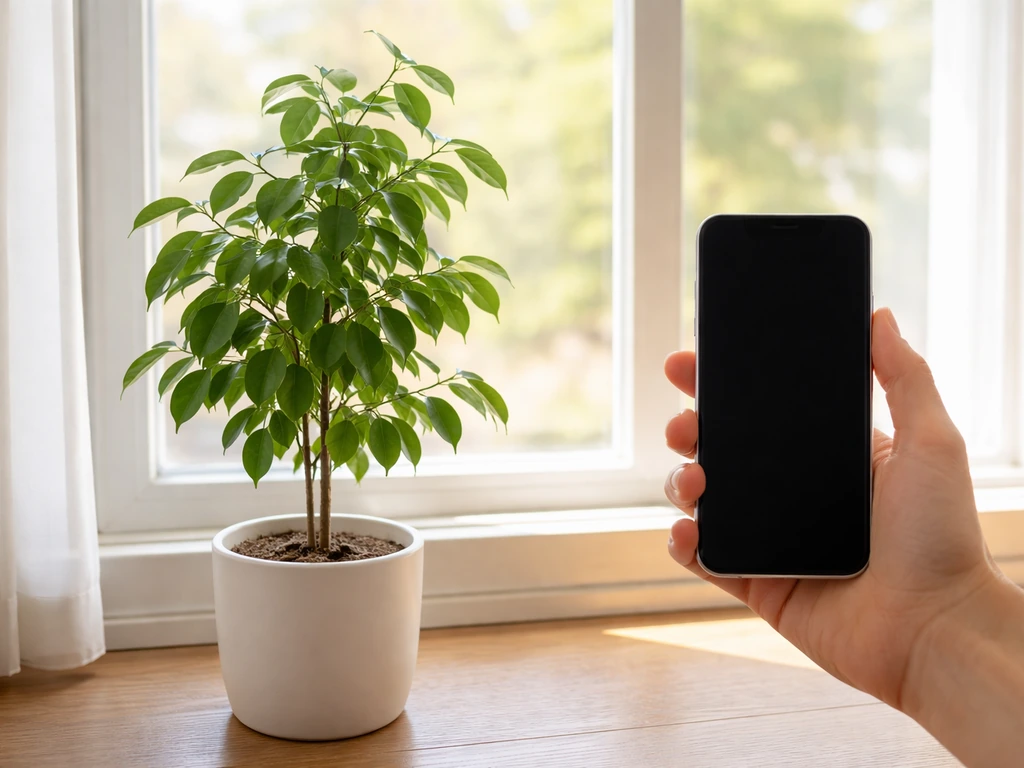
The light inside your home is dramatically weaker than it looks. Even a bright, sunny room delivers a fraction of the light intensity a plant gets sitting outside in full sun. The signs of insufficient light are unmistakable: pale or yellowing foliage, stems that stretch out thin and long toward the window (called leggy growth), wide gaps between leaf nodes, and flower buds that never quite form. If your plant looks like it's reaching desperately for something, it's reaching for light.
For high-light outdoor plants, a south-facing window in the northern hemisphere is your best unassisted option. East and west windows work for medium-light plants. North windows are really only suitable for plants that genuinely tolerate low light, and most outdoor sun-lovers are not in that category. If your windows can't deliver, a full-spectrum LED grow light placed 6 to 12 inches above the plant for 12 to 16 hours a day will genuinely solve the problem. I've used budget LED panels to overwinter rosemary and citrus in a north-facing apartment bedroom, and they did better under the light than they ever did stretching toward the window.
Temperature
Most homes sit between 65 and 75°F (18 to 24°C), which is comfortable for the majority of outdoor plants during their active growing season. The issue is winter: heating systems dry out the air, and some rooms drop into the 50s at night near windows. Cold drafts from single-pane windows can shock tropical plants sitting on the sill. Keep tropical plants away from cold window glass in winter, and don't put any plant directly over a heat vent, which blasts dry hot air and dessicates foliage fast.
Humidity
Outdoor air, even in dry climates, tends to have more ambient moisture than heated indoor air in winter. Mediterranean herbs like rosemary and thyme actually prefer drier air and handle indoor conditions well on that front. Tropical plants are the opposite: they want 50% relative humidity or higher, and your winter indoor air might be sitting at 20 to 30%. A small humidifier near your plant grouping, or placing pots on trays of pebbles filled with water (below the pot base, not touching the roots), adds meaningful humidity without overwatering. Grouping plants together also raises local humidity slightly as they transpire.
Airflow
This one gets overlooked constantly. Outdoor plants are used to wind and air movement, which keeps foliage dry, strengthens stems, and discourages fungal issues. Indoors, air is often still, especially in corners or tight windowsills. Poor airflow combined with high moisture is the exact recipe for mold, and mold thrives in the 50 to 90°F temperature range you're already providing. A small fan running on low near your plants for a few hours a day makes a real difference, both for plant health and for reducing the risk of mold developing in soil or on leaves.
How to bring outdoor plants indoors: step by step
Whether you're overwintering a patio plant or starting fresh with a garden-center purchase, the transition process matters. Penn State Extension recommends inspecting and treating plants for pests before bringing them indoors, including rinsing foliage and using insecticidal soap or horticultural oil if insects are present, following label directions The transition process matters.. Plants don't love sudden changes in environment, and skipping acclimation is the fastest way to trigger shock, leaf drop, or pest explosion.
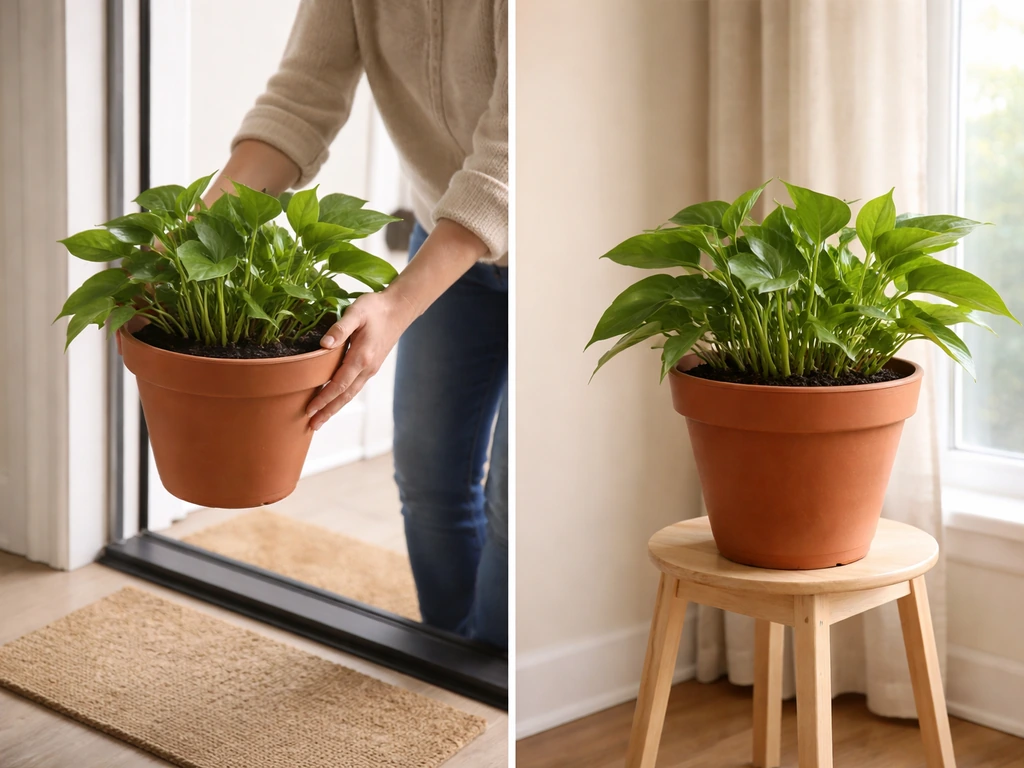
- Choose the right time. For overwintering outdoor plants, bring them in before nighttime temperatures drop below 50°F consistently. For most tender perennials and tropicals, that means early to mid-fall, not after the first frost.
- Inspect and treat before entry. Check every leaf, stem, and the soil surface for pests. Spider mites, aphids, and fungus gnats love hitching a ride indoors. Rinse foliage with a gentle spray, remove any dead or damaged leaves, and consider a preventative neem oil spray or insecticidal soap application a few days before bringing the plant inside.
- Pot into well-draining mix if needed. If the plant is still in garden soil, repot it into a quality potting mix before bringing it in. Garden soil compacts badly in containers indoors and holds too much moisture.
- Start in a bright transitional spot. Place the plant in your brightest window for the first two to four weeks. Resist the urge to put it in a dim corner. Even shade-tolerant plants need time to adjust, and light-hungry plants need to stabilize in the best spot you have.
- Reduce watering immediately. Plants use far less water indoors than out. The number one indoor plant killer is overwatering, and it gets worse when light drops. Water only when the top inch or two of soil is dry, not on a fixed schedule.
- Watch for adjustment symptoms. Some leaf drop is normal during the first two to four weeks. Yellowing lower leaves, a bit of droop, and slowed growth are all part of acclimation. Hold off on fertilizing until you see new growth, which signals the plant has settled in.
- Add light support if needed. If the plant starts stretching toward the window, going pale, or losing leaves beyond the initial adjustment drop, add a grow light. Don't wait months hoping it will adapt. Insufficient light is a slow death.
Keeping your indoor outdoor plants healthy long-term
Watering and feeding
Water less than you think you need to. Indoor plants in lower light with still air dry out much more slowly than outdoor plants do. The finger test works: push your finger an inch into the soil, and if it still feels moist, wait. For Mediterranean herbs (rosemary, thyme, oregano), wait until the pot feels noticeably lighter before watering. For moisture-lovers like basil and mint, keep the soil consistently damp but never waterlogged. Feeding should be light during fall and winter when growth slows, a half-strength balanced liquid fertilizer every four to six weeks is plenty. Resume regular feeding in spring when growth picks back up.
Handling leggy growth
Leggy, stretched growth almost always means one thing: not enough light. You can prune leggy stems back to a healthy node to encourage bushier regrowth, but if you don't fix the light situation, the plant will just get leggy again. Pruning is maintenance, light is the fix. Pinching back the growing tips on herbs like basil and mint every couple of weeks keeps them compact and bushy even in moderate indoor light.
Pests indoors
Weakened plants attract pests, and plants are weakened by exactly the conditions we've been talking about: too little light, wrong soil moisture, air that's too hot or too cold. A stressed plant can't mount much resistance, so the best pest prevention is actually getting the growing conditions right. That said, common indoor culprits include spider mites (look for fine webbing and stippled leaves, usually in dry conditions), fungus gnats (tiny flies hovering around soil, a sign of consistently wet topsoil), aphids (clusters on new growth), and scale (brown bumps on stems). For most of these, neem oil, insecticidal soap, or simply wiping leaves down with a damp cloth handles early infestations. Isolate any new plants for a week or two before putting them near your other plants.
Pruning and general tidying
Regular light pruning keeps outdoor plants manageable indoors. Remove dead or yellowing leaves promptly because they invite fungal issues, especially in low airflow. For flowering plants brought indoors, deadhead spent blooms to keep the plant tidy and encourage future flowering if light levels are adequate. Don't be afraid to cut back a plant that's gotten too large for your space: most herbs and many perennial outdoor plants respond well to hard pruning and rebound quickly.
Moving plants back outdoors: when and how to do it right
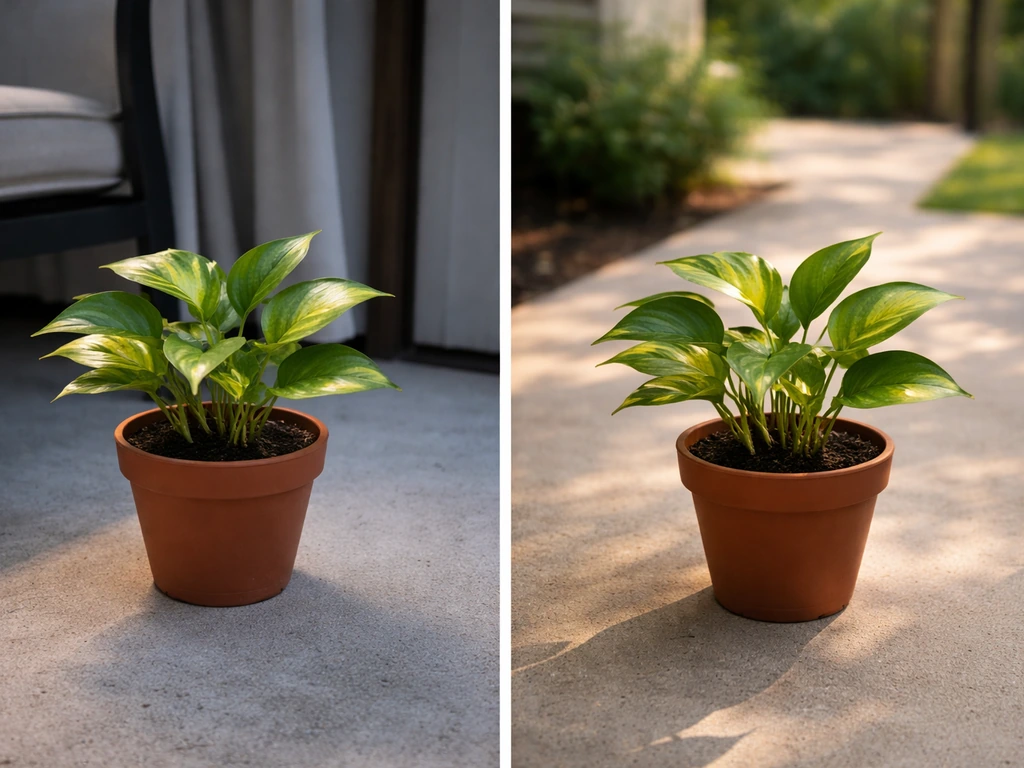
The reverse question, can you grow indoor plants outside, comes up every spring, and the answer is yes, but you have to harden them off first or they'll get sunburned. If you are wondering can flowers grow inside, the same light and acclimation principles apply can you grow indoor plants outside. Seriously. A plant that's been living under your grow light or in a window all winter is not prepared for direct outdoor sun, even if it was an outdoor plant to begin with. The process of hardening off takes about one to two weeks and protects the plant from leaf scorch and transplant shock.
- Wait until nighttime temperatures are reliably above 50°F (for most outdoor plants) or above 60°F (for tropicals like hibiscus and citrus). In most of the northern US, that's late May to early June.
- Start with one to two hours of outdoor shade per day. Place the plant in a spot with no direct sun at first, just outdoor ambient light and air.
- Increase outdoor time gradually over 7 to 14 days, slowly introducing morning sun before moving to a full-sun position.
- Watch the soil moisture closely. Outdoor air and wind dry out pots much faster than indoor air. You may need to water daily once fully outside, compared to weekly indoors.
- Watch for sunscald on the first few days of direct sun exposure. Pale, bleached patches on leaves mean too much sun too fast. Move back to shade and slow down the transition.
Some plants also need a heads-up about seasonal expectations. A geranium you overwintered indoors through a cold gray winter won't look impressive by February, it might be leggy, sparse, and tired. That's normal. Cut it back by half in late winter, give it the best light you have, and it will push vigorous new growth in spring before heading back outside. A dormant fig in your cool garage in January looks completely dead but is just resting. Don't throw it out. Check the stem with a gentle scratch: green underneath means it's alive.
The plants worth the indoor effort are the ones where you actually get something back, flavor from herbs, flowers through winter, or a tree that you've invested years in. If you want flowers that can grow indoors without sunlight, focus on varieties that tolerate low light and rely on a bright LED grow light when needed. Whether you're focused on herbs or flowering plants, a terrarium can be another way to control light and moisture. For quick-growing annuals that cost a few dollars, it's often easier to compost them in fall and start fresh in spring. Save the indoor real estate for the plants that genuinely earn it.
FAQ
If I bring an outdoor plant inside, how should I acclimate it to avoid shock?
You can, but aim for a “gradual” indoor placement. Start by moving the plant to a slightly brighter room (or farther from the window) for a week, then move it closer to the best window or into your grow light schedule. Sudden jumps in light intensity and temperature often cause leaf drop even if the plant is otherwise a good indoor candidate.
Can I rely on windows only, or do I need a grow light?
Yes, but select the right winter window. A south-facing window in the northern hemisphere is usually the best natural option for sun-loving plants, while north windows typically work only for low-light tolerant types. If your windows don’t hold steady light (for example, glare blocks in afternoons), a grow light run for 12 to 16 hours can be more reliable than trying to chase the sun.
How do I tell if my indoor “outdoor” plant needs more water or more light?
Watch for drought stress differently than indoor light stress. If leaves are pale and stems stretch toward the light, it is usually light-starvation. If leaves droop and soil stays dry, it is water-related. For a quick check, compare soil moisture at multiple depths (top inch versus deeper), then adjust only one factor at a time for a few days.
What pot and soil changes make the biggest difference when growing outdoor plants indoors?
For many outdoor plants, the biggest mistake is leaving them in outdoor-sized pots with heavy soil that holds water too long indoors. Choose pots with drainage holes, use a well-draining indoor potting mix, and consider sizing down or up depending on whether the plant was recently repotted outdoors. If water sits on the surface for more than a day or two, the potting setup is often the problem.
How do I protect tropical plants from winter window cold and drafts?
Avoid placing plants directly against cold glass or near drafts in winter. If a plant needs to sit by a window, use a small stand to increase separation from the window surface, and keep it out of airflow from exterior doors. For tropical plants, keep them farther from the coldest window zones than you would in summer.
Do I need a humidifier for outdoor plants indoors, and how should I use it?
Most outdoor plants can handle indoor air dryness when they are Mediterranean types (like rosemary and thyme), but tropical plants often struggle without humidity. A practical target is to raise local humidity around the plant, using a small humidifier near a group or a pebble tray below the pot base. Do not soak the pot or let water wick into the root zone.
Is indoor airflow really necessary for indoor-growing outdoor plants?
Yes, airflow is a “hidden” requirement indoors. A small fan on low for a few hours a day helps leaves dry faster and lowers mold risk. Just avoid blasting one plant constantly at high speed, since that can cause leaf-edge dryness in already-stressed plants.
How should I adjust fertilizer when overwintering outdoor plants indoors?
Don’t assume outdoor fertilizer schedules transfer directly. In fall and winter, reduce feeding and use a diluted, balanced liquid at longer intervals. If your plant is not actively growing (cooler rooms or dormancy), it can be better to pause feeding until spring rather than continuing at the outdoor rhythm.
Can I prune a leggy indoor outdoor plant, and will pruning fix the root cause?
Yes, pruning helps but it is not a substitute for light. If the plant is leggy, you can cut back to a healthy node to encourage branching, but the plant will keep stretching if light stays weak. Pinch herbs regularly to maintain compact growth, and remove dead or yellow leaves promptly to reduce fungal opportunities.
What is the best way to prevent pests when I bring new outdoor plants indoors?
Isolate new plants because pests often show up after conditions shift. A one to two week quarantine lets you catch spider mites, aphids, scale, or fungus gnats early. Keep the plant under observation even if it looks fine at first, because infestations can take time to become visible.
Can I move indoor-grown outdoor plants outside in spring without problems?
Usually yes for many plants, but it depends on the plant type and outdoor conditions. If you move from indoors to outdoor full sun quickly, sunburn and leaf scorch are common. Plan a hardening-off period of about one to two weeks, starting in partial shade and gradually increasing sun exposure.
My overwintered plant looks dead or tired, how can I tell if it is actually dying?
Yes, but expect a “rest phase.” A geranium may look sparse and tired after overwintering indoors, and a dormant fig may appear dead. Do a simple viability check (scratching the stem), and if there is green beneath, cut back by about half in late winter and then improve light to trigger new growth.