You can grow a lot of plants inside your house, but not just any plant. That's the honest answer. Some plants genuinely thrive indoors with minimal fuss, and others will slowly decline no matter how much care you throw at them. The difference almost always comes down to light, and after that, temperature, humidity, and whether the container setup gives roots a fighting chance. These choices mainly come down to matching a plant to indoor light, temperature, humidity, and the right container setup what characteristics allow for some plants to grow indoors. Once you understand those four factors, picking the right plants gets a lot easier.
Plants You Can Grow Inside: Easy Indoor Choices
James Hartwell
20 Apr 2026
Quick reality check: can you grow any plant indoors?
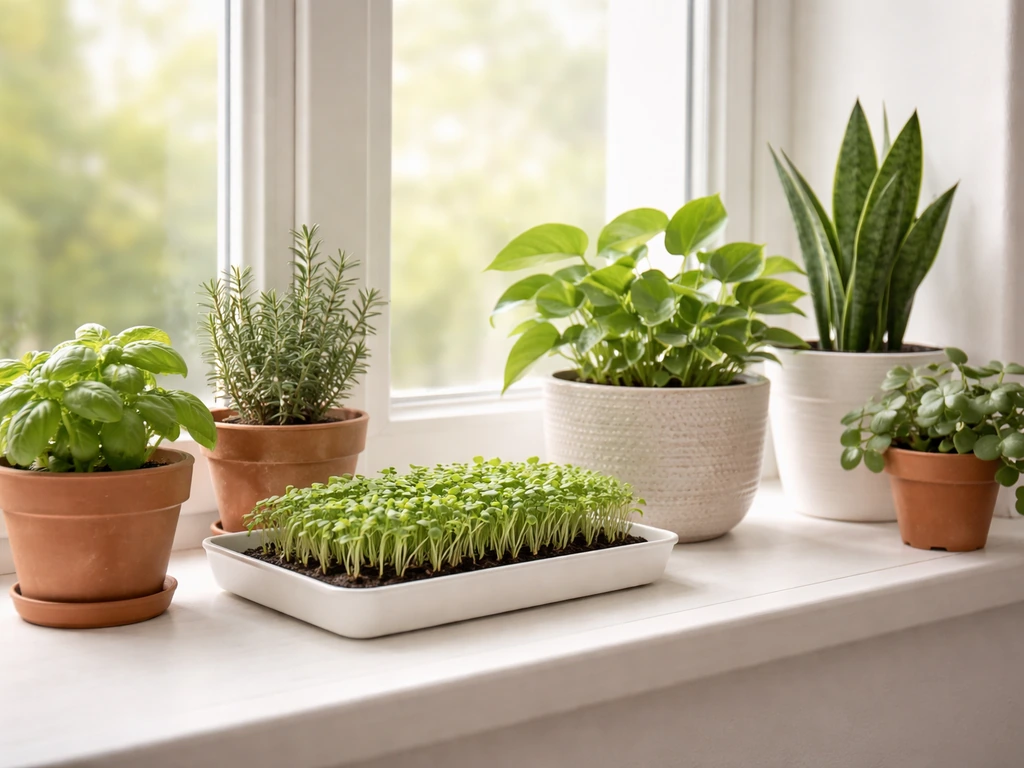
The short answer is no, and here's why. Plants evolved for specific conditions, and indoors is not a neutral environment. It's usually dimmer, drier, and less variable than outside. Even a bright, south-facing room gets far less light intensity than a backyard on a cloudy day. Penn State Extension identifies four limiting factors that determine whether a plant survives indoors: light intensity and duration, relative humidity, whether the plant is actively growing or dormant, and the container and potting mix setup. Miss one of those badly enough, and the plant fails, regardless of how well you water it.
Temperature matters too. Most houseplants grow best in a range of about 70 to 80°F during the day and 60 to 68°F at night, which is close to what most homes sit at naturally. That's a lucky coincidence. The problem is that indoor humidity is usually much lower than most tropical or subtropical plants prefer, and that dry air speeds up water loss from leaves faster than roots can replace it. Penn State Extension notes that relative humidity is a major indoor variable for houseplants and that winter indoor air (heating) can reduce humidity. Cold drafts near windows or heating vents blasting dry air can stop growth or cause sudden leaf drop. The plants that do well indoors are generally the ones that have evolved to handle lower light, lower humidity, or both.
So instead of asking whether you can grow any plant indoors, ask which plants are actually matched to indoor conditions. That framing will save you a lot of dead plants and frustration.
How to choose plants based on your light, space, and conditions
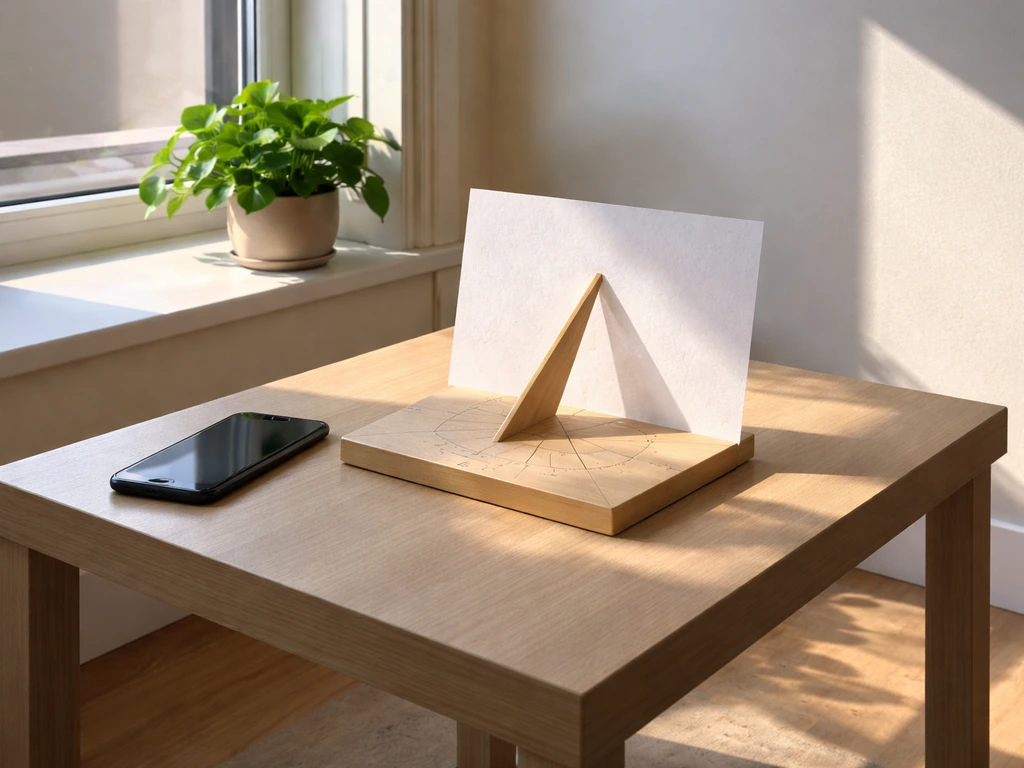
Before you buy anything, figure out what kind of light your space actually has. Walk around your home at different times of day and look at which windows get direct sun and for how long. Window direction is the simplest starting point. North-facing windows are generally only suitable for low-light plants. East and west windows work for a wide range of medium-light plants. South windows get the most light in winter and are your best option for anything that needs bright, direct sun.
East-facing windows are often the sweet spot for most indoor growing. Plants there get direct morning sun until roughly midday, and that morning light is cooler than afternoon sun from a south or west window, which means less heat stress and less drying out. If I could only pick one window for growing food or herbs indoors, I'd pick east.
If your space is light-limited, grow lights are genuinely useful, not just a gimmick. The metric that matters for plant growth is PPFD (photosynthetic photon flux density), measured at the foliage level, not just the brightness your eye perceives. Seedlings, for example, need around 14 to 16 hours of light per day to grow properly under indoor conditions, which is why a timer on a grow light is almost essential if you're starting seeds inside. For most setups, a basic LED grow light paired with a plug-in timer solves the light problem without overthinking it.
Space and container depth also shape what you can realistically grow. Shallow containers dry out faster and restrict root growth. For most food plants and herbs, you want containers at least 6 inches deep, and deeper for anything with a taproot or that gets large. Use a soilless potting mix rather than garden soil indoors. A good indoor mix typically includes peat moss or coir for water retention, perlite or vermiculite for aeration and drainage, and some slow-release fertilizer or compost. Perlite specifically is what keeps air pockets in the mix so roots don't suffocate, and it helps the mix drain fast enough to avoid rot.
Top easy food and vegetable plants to grow indoors first
If you want edible plants indoors, start with things that tolerate lower light, mature fast, or don't need a huge container. Here are the ones I'd actually recommend to a beginner today.
Microgreens
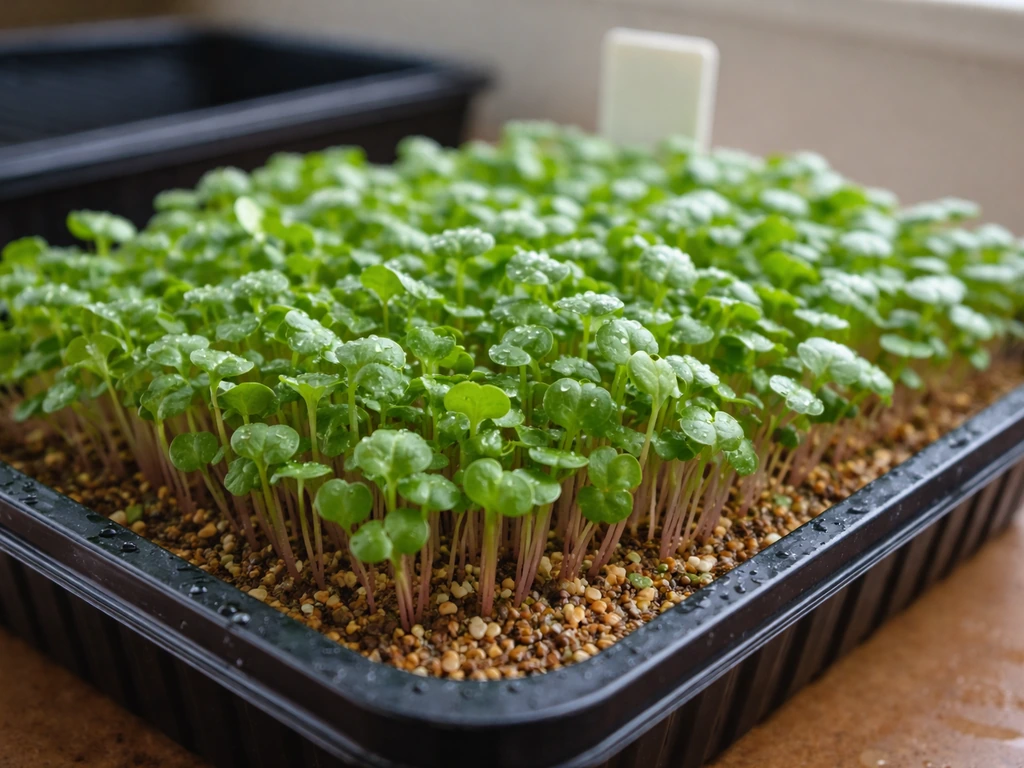
Microgreens are the easiest and fastest edible you can grow inside, full stop. You sow seeds densely in shallow trays, keep them moist, give them bright light, and harvest in about 7 to 12 days depending on the variety. Sunflower, radish, pea, and broccoli microgreens are all forgiving and productive. You don't need deep containers, you don't need to wait for plants to mature, and the turnover is fast enough that you can keep a continuous supply going on a single sunny windowsill or under a small grow light.
Radishes
Radishes are one of the fastest-maturing vegetables you can grow in a container indoors. They're a cool-season crop that does well when started in late winter inside. The catch is they need full sun, ideally at least 6 hours of direct light per day, with 8 to 10 hours being ideal. So they're not for a dim apartment without supplemental lighting, but if you have a south or west window or a grow light, they're fast and satisfying. Use a container at least 6 inches deep to give the roots room to develop properly.
Green onions and scallions
Green onions are genuinely easy indoors. They don't demand as much light as radishes, they grow in a 6-inch-deep container, and from seed or from the cut ends of grocery store scallions, you can be harvesting in around 60 days. They tolerate the temperature swings that happen near windows, and they don't need much horizontal space. This is one of the most practical windowsill vegetables I've grown.
Lettuce and leafy greens
Lettuce and other cut-and-come-again greens like spinach and arugula grow reasonably well indoors with medium to bright indirect light. They prefer cooler temperatures, which actually makes them well-suited to the slightly cooler spots near windows in late winter and early spring. Sow seeds shallowly in a wide container, thin them once they sprout, and harvest outer leaves to keep the plant producing. They bolt (go to seed and turn bitter) faster in heat, so keep them away from warm vents.
| Vegetable | Light Needed | Container Depth | Days to Harvest | Beginner Friendly? |
|---|---|---|---|---|
| Microgreens | Bright indirect to moderate direct | 2–3 inches | 7–12 days | Yes, very easy |
| Radishes | Full sun, 6–10 hrs direct | 6+ inches | 25–30 days | Yes, if you have sun |
| Green onions / Scallions | Medium to bright indirect | 6 inches | ~60 days | Yes |
| Lettuce / Leafy greens | Medium to bright indirect | 4–6 inches | 30–45 days | Yes |
Fruit plants indoors: what's realistic and what isn't
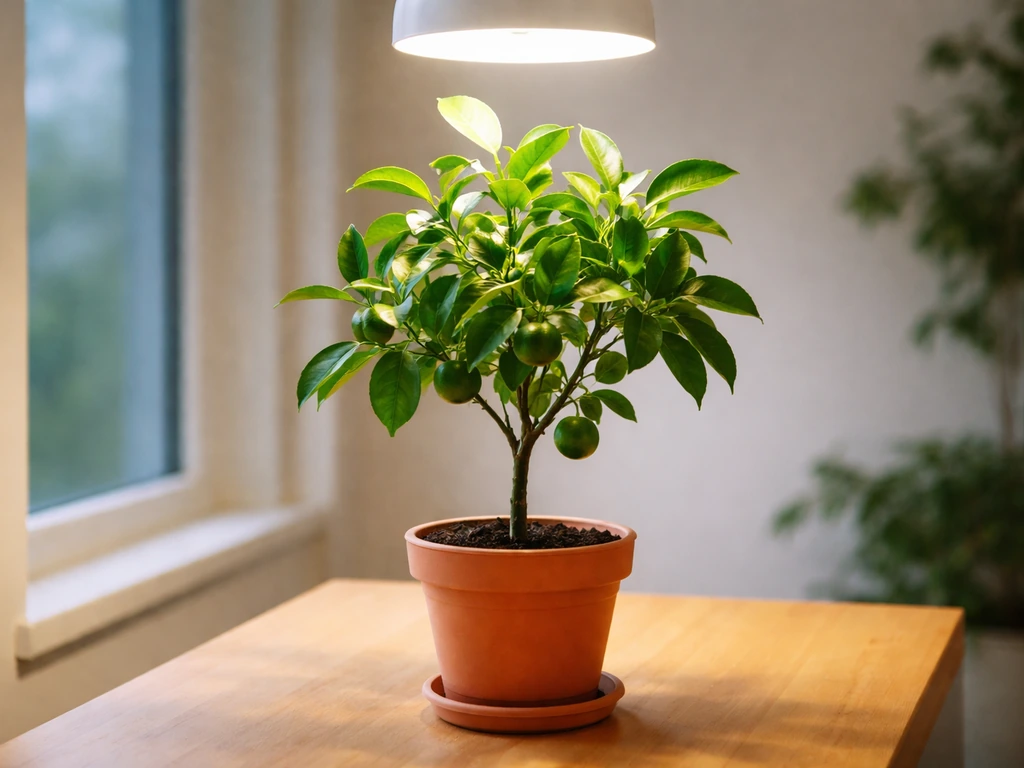
Fruiting plants indoors are possible, but you need realistic expectations going in. Most fruit plants need intense, sustained light to produce, and they often take years before you see actual fruit. That said, a few options are genuinely worthwhile for indoor growing.
Citrus
Citrus is one of the most popular indoor fruit plants, and with good reason: it's fragrant, beautiful, and the fruit is actually edible when it finally comes. But it demands a lot of light. University of Wisconsin Extension notes that citrus needs at least 6 hours of direct light daily for fruit production, and supplemental grow lights are often necessary indoors. Grafted citrus trees tend to perform far better than seed-grown plants. Even with a grafted tree, expect a wait of potentially several years before flowering and fruiting. Keep indoor citrus at around 65°F during the day, with nighttime temperatures about 5 to 10°F lower. If you're serious about indoor citrus, buy a grafted dwarf variety like a Calamondin orange or dwarf Meyer lemon, put it in your sunniest spot, and be patient.
Pineapple (bromeliad)
Pineapple plants are technically bromeliads, and they can be grown indoors from a grocery store top. They need 12 to 16 hours of fairly bright light daily to fruit, which usually means supplemental lighting in most homes. It's a long game (often 18 to 24 months before fruit), but it's a genuinely fun project if you have the light and patience. They do fine in standard well-draining potting mixes and prefer warm, humid conditions.
Strawberries
Day-neutral strawberry varieties can fruit indoors with bright light and a reasonably sized container. They're not as demanding as citrus, and smaller everbearing varieties work well in hanging baskets or window boxes on a sunny sill. Don't expect giant harvests, but a few fresh strawberries from a plant in your living room is completely achievable.
The honest summary for indoor fruiting: the more light you can provide (natural or supplemental), the better your results. Without adequate light, most fruiting plants will stay alive but won't produce, which can be frustrating if that's your goal.
Indoor herbs and container garden plants that actually work
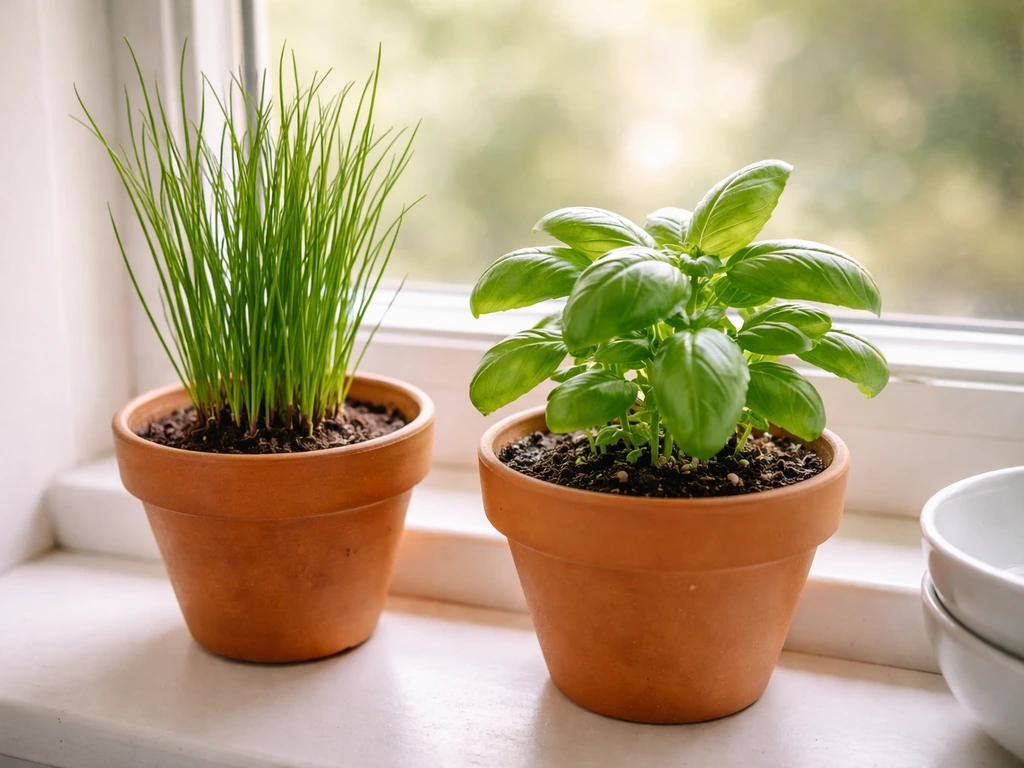
Herbs are where indoor food gardening really shines. They're compact, useful in the kitchen, and many tolerate the conditions most homes offer. Here's what I'd grow and what to watch for.
Chives
Chives are one of the best herbs for indoors. University of Minnesota Extension recommends a bright, sunny location for indoor chives, and they're honest about the fact that growth slows in winter when light is reduced. That's just the reality. In a good east or south window, chives will keep producing all year. Snip them regularly to encourage new growth, and don't let them flower unless you want seeds.
Basil
Basil loves warmth and bright light, which makes it well-suited to a south or west-facing window in summer. It hates cold, so keep it away from drafty windows in winter. It's a thirsty plant, but it hates sitting in soggy soil, so good drainage in the container is critical. The most common mistake with indoor basil is not giving it enough light, which causes it to get leggy and weak.
Cilantro
Cilantro is a cool-season herb that bolts (flowers and stops producing leaves) quickly once temperatures exceed about 75°F or day length increases. Indoors, this means it does best in cooler spots and in winter or early spring, not on a hot south windowsill in July. Sow seeds every few weeks for a continuous supply, and harvest leaves frequently to slow the bolt cycle. It's worth growing, but manage your expectations about how long a single planting lasts.
Mint
Mint is one of the most forgiving herbs you can grow indoors. It tolerates lower light than basil, stays moist longer, and bounces back quickly from neglect. Keep it in its own container because it spreads aggressively and will crowd out anything else you plant with it. A 6-inch pot on a medium-light windowsill will give you enough mint for tea and cooking all year.
Rosemary and thyme
Both of these Mediterranean herbs prefer bright light and drier soil, which actually matches the lower humidity of most indoor environments well. They're more drought-tolerant than basil or mint, so the biggest risk is overwatering, not underwatering. Let the soil dry out a bit between waterings and make sure drainage is excellent.
| Herb | Light Needed | Key Watch-Out | Best Window Direction |
|---|---|---|---|
| Chives | Bright to full sun | Growth slows in low winter light | South or East |
| Basil | Bright, full sun | Cold drafts and leggy growth from low light | South or West |
| Cilantro | Medium to bright | Bolts above 75°F or in long days | East or cool North |
| Mint | Medium indirect | Spreads aggressively, keep in own pot | East or West |
| Rosemary / Thyme | Bright, direct sun | Overwatering and root rot | South or West |
Plants that can live both indoors and outdoors
A lot of the plants mentioned here, especially herbs and citrus, do well moving between indoor and outdoor environments seasonally. Some outdoor plants can also grow indoors with the right light and a careful seasonal transition plants mentioned here. This is one of the most underused strategies for indoor gardening: grow plants outside in spring and summer when conditions are ideal, then bring them inside for winter protection or continued harvest.
The key to transitioning plants successfully is doing it gradually. Moving a plant from full outdoor sun directly into your dim living room shocks it. The leaves it grew outside are optimized for high light, and when that light disappears suddenly, they drop. Instead, move the plant to a shaded porch or sheltered spot outside for a week or two before bringing it fully indoors in fall. Reverse the process in spring: start with a shaded outdoor spot before putting the plant in full sun.
Citrus trees are a classic example of plants that spend summer outside and winter inside. They produce much better fruit when they get real outdoor sun, and bringing them in before first frost protects them. The same approach works well for rosemary, bay laurel, and even some fig varieties. Dwarf pepper plants and some tomato varieties can also be overwintered inside with a grow light, then moved back out when temperatures stay above 50°F consistently.
When bringing outdoor plants inside, check them carefully for pests first. Spider mites, aphids, and fungus gnats can hitchhike in on leaves or soil and spread to every other plant in your home. A quick rinse with water, a close inspection of leaf undersides, and a few days in a quarantine spot away from your other plants goes a long way toward avoiding that problem.
A few practical rules to keep your indoor plants alive
Watering is where most people go wrong indoors. Overwatering kills far more houseplants and container vegetables than underwatering. The general rule: water thoroughly when the top inch or two of soil is dry, and make sure water drains out of the container completely. Don't leave plants sitting in standing water. Penn State Extension recommends using room-temperature water to avoid root shock, and if a dense plant is hard to water from the top, setting the container in a pan of room-temperature water for about 30 minutes works well to let the soil absorb moisture from the bottom.
Your potting mix composition affects how often you need to water. A mix with more perlite or vermiculite drains faster and dries out sooner, meaning more frequent watering. A heavier, peat-rich mix holds moisture longer. Neither is wrong, but you need to adjust your watering schedule to match your specific mix and container size. Smaller, shallower containers dry out faster than large, deep ones.
For anyone just getting started, the practical next step is simple: assess your windows, pick one or two easy plants matched to that light, and get them in the right container with a decent potting mix. Microgreens or green onions on an east window, chives on a south window, or mint on a medium-light west window are all excellent first moves. Once you've kept something alive and productive for a few weeks, you'll have a much better feel for your specific conditions, and branching out to more demanding plants like fruiting citrus or tropical varieties becomes a lot more manageable. If you want to go a step beyond common houseplants, look for exotic plants you can grow indoors that match the light and humidity you already have tropical varieties. If you want to take the leap, focus on tropical plants you can grow indoors by choosing varieties that tolerate lower humidity and bright light. For more ideas, explore wild plants you can grow indoors and start with the easiest options that fit your light level.
FAQ
How do I tell if my plant is getting enough light indoors without guessing based on window direction?
Use a simple timing and location check first, then confirm at the foliage level. Watch your plant for 2 to 4 weeks, if it keeps stretching toward the window, drops lower leaves, or grows slowly, light is likely insufficient. For more certainty, measure PPFD at leaf height with a light meter, since brightness to your eyes can be misleading. If the number is low, move the plant closer to the window or switch to a timer-based grow light.
Can I grow plants you can grow inside in low-light rooms like a bedroom with a north window?
Yes, but you need to choose plants adapted to low light (often slow-growing and not ideal for fruiting). Focus on leafy, non-fruiting options, and avoid radishes, citrus, or pineapple in dim spots unless you plan to use a grow light. If you only have north light and no supplemental lighting, prioritize herbs like chives (in strong indirect light) or hardy houseplants, and accept slower growth.
What’s the biggest indoor container mistake that ruins otherwise good plant choices?
Lack of drainage or a container that holds excess water. Even if the plant likes regular watering, roots need oxygen, so always ensure runoff can escape. Pair a well-draining indoor mix with a pot that has drainage holes, use a saucer that you empty, and don’t let the plant sit in a water-filled cache pot.
Is room-temperature water really necessary for indoor plants?
It helps, especially for cold-sensitive plants near drafty windows or during winter. Sudden cold water can stress roots and slow recovery, so using water near room temperature reduces the shock. If you’re bottom-watering, the same idea applies, warm up stored water if it feels chilly compared to the room.
How often should I water indoor plants if I’m using potting mix with lots of perlite or peat?
Watering frequency depends on how fast your specific mix dries, not a calendar schedule. A mix with more perlite drains faster and dries sooner, so you’ll likely water more often than with a peat-rich mix. The reliable method is to check the top inch or two for dryness, then water thoroughly until it drains, and adjust as you learn how quickly your setup dries.
What should I do if I see leggy growth on my indoor herbs like basil?
Leggy, weak growth is usually a light problem, not a fertilizing problem. Move the plant closer to the brightest window, or increase grow light intensity and duration, and use a timer so plants get consistent day length. Once new growth starts under better light, pinch or trim to encourage branching rather than letting it keep stretching.
Do indoor fruiting plants need pollination, or will they fruit on their own?
Often they still need help indoors because airflow and pollinators are limited. Hand-pollinate flowering citrus or other indoor bloomers with a small brush, transferring pollen from one flower to another. If you rarely see flowers, the issue is usually insufficient light and temperature consistency, but once flowers appear, pollination can become the limiting step.
When transitioning plants indoors from outdoors, how long should the “shade porch” phase be?
Give it at least 1 to 2 weeks in partial shade before full indoor light, longer if your plant is in very intense sun or you see leaf drop starting. The goal is gradual acclimation, so the plant adjusts both to brightness and to indoor airflow and humidity. Move it back outdoors gradually in spring, starting shaded and stepping up sun over several days.
How can I prevent pests like spider mites or fungus gnats when bringing plants inside?
Quarantine is the practical step people miss. After you bring plants in, inspect leaf undersides and stems, then keep the plant away from others for several days. If fungus gnats are a past problem, let the top layer of potting mix dry more between waterings and consider sticky traps, since larvae live in consistently moist media.
Should I use garden soil for indoor plants to save money?
Usually not. Garden soil compacts in containers, drains unpredictably, and can bring in pests or diseases. For indoor use, use a soilless potting mix designed for containers so it stays aerated, drains properly, and supports consistent moisture. This also makes watering easier to manage across different pot sizes.
Are microgreens truly the easiest option if I’m a complete beginner?
They are, because they have fast turnover, small space needs, and predictable harvest windows. Still, success depends on consistent moisture and bright light, if they dry out early they become sparse. Start with a shallow tray, dense sowing, and harvest within the typical 7 to 12 day window for the variety to avoid leggy, bitter growth.
What’s the best first plant you can grow inside if I want something edible but low-maintenance?
If your goal is edible with minimal fuss, start with green onions or microgreens. Green onions are forgiving, tolerate window temperature swings, and can be grown from cut ends or seed. If you want the quickest results with a continuous supply, microgreens give you harvests in under two weeks and let you learn light and watering quickly.