
Yes, Rieger begonias (Begonia elatior/hybrida) can absolutely grow indoors, and they actually prefer being inside where you can control conditions. If you're wondering about can strelitzia nicolai grow indoors, the answer depends on getting enough light and space for its fast, upright growth. The honest caveat: they're not low-maintenance windowsill plants. If you are also wondering can wax begonias grow indoors, the same theme applies: get the light and watering right to prevent issues.
Can Rieger Begonias Grow Indoors? How to Thrive

James Hartwell
4 May 2026
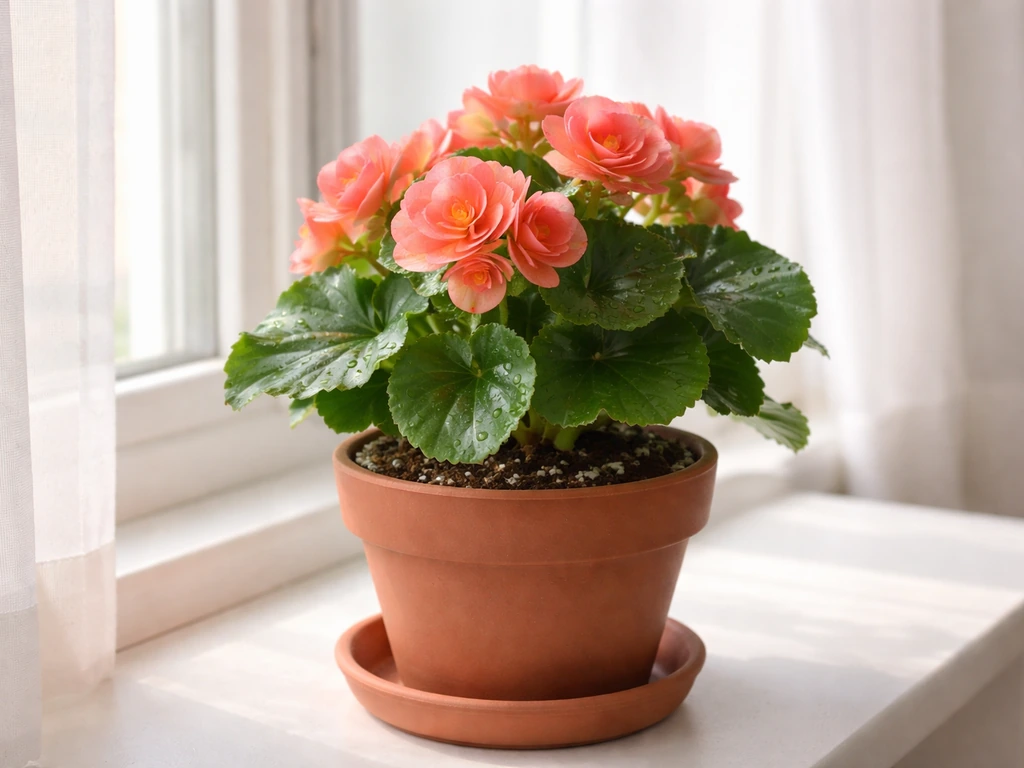
They want bright indirect light, cool temperatures around 62–65°F, careful watering, and decent airflow. Get those four things right and you'll have a spectacular bloomer for weeks. Ignore any one of them and you'll be dealing with dropped buds, rot, or a sad leggy plant within a month.
The best spot in your home for a Rieger begonia
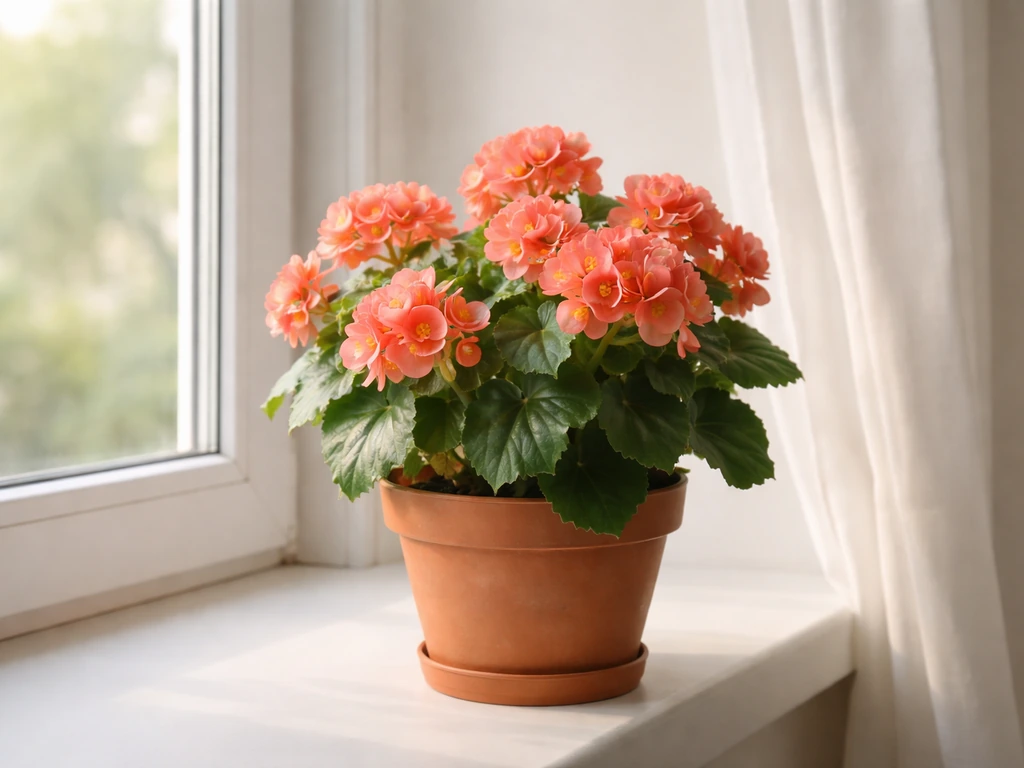
Light is where most people go wrong with Rieger begonias indoors. They need bright, indirect light for most of the day, ideally 4 to 6 hours. A north-facing window won't cut it; an east-facing window is usually the sweet spot because it delivers gentle morning sun without the harsh afternoon heat. West-facing windows work in winter when the sun is lower and weaker, but in spring and summer you'll want to step the plant back a foot or two from the glass to avoid leaf scorch.
South-facing windows can work if you use a sheer curtain to diffuse the light. The American Begonia Society puts it well: begonias like 'bright, shady areas out of direct midday sun.' Think dappled light, not shade and not full sun. If your apartment doesn't have a window that qualifies, a full-spectrum grow light placed 6 to 12 inches above the plant for 12 to 14 hours a day is a genuine solution, not a last resort. Rieger begonias are actually responsive to photoperiod manipulation, so consistent light schedules with a grow light can even encourage more consistent blooming indoors.
Keep the plant away from heating vents, air conditioning units, and drafty windowsills. Temperature swings and dry blasts of air are quick ways to trigger bud drop, which I'll cover more in the problems section.
Watering, soil, drainage, and picking the right pot
Rieger begonias are rot-prone, and the number one killer is consistently wet soil. The safest watering cue is to check the top 1 to 2 inches of soil with your finger. When that layer is dry, water thoroughly, then let it drain completely. Never let the pot sit in a saucer full of water for more than 30 minutes.
Soil choice matters more than most people realize. Begonias need a porous, fast-draining mix. A standard potting mix alone is usually too dense and will compact over time, especially if it's peat-heavy. Peat-based mixes become almost hydrophobic when they dry out completely, making it hard to rehydrate the root zone evenly. A better approach is to mix standard potting soil with perlite at roughly a 2:1 ratio, or use a coco coir-based mix, which holds moisture more consistently without waterlogging. If you want to go classic, the American Begonia Society's well-draining formula thinking applies here: the goal is fast drainage with enough moisture retention that roots don't dry to a crisp between waterings.
For pots, terra cotta is your friend. It breathes, which reduces the chance of root rot significantly. Make sure whatever pot you choose has at least one drainage hole. Plastic pots work but require more careful watering discipline since they hold moisture longer. Avoid repotting into a pot that's much larger than the root ball; Rieger begonias actually perform well slightly root-bound, and too much excess soil around the roots stays wet too long.
Temperature, humidity, and airflow
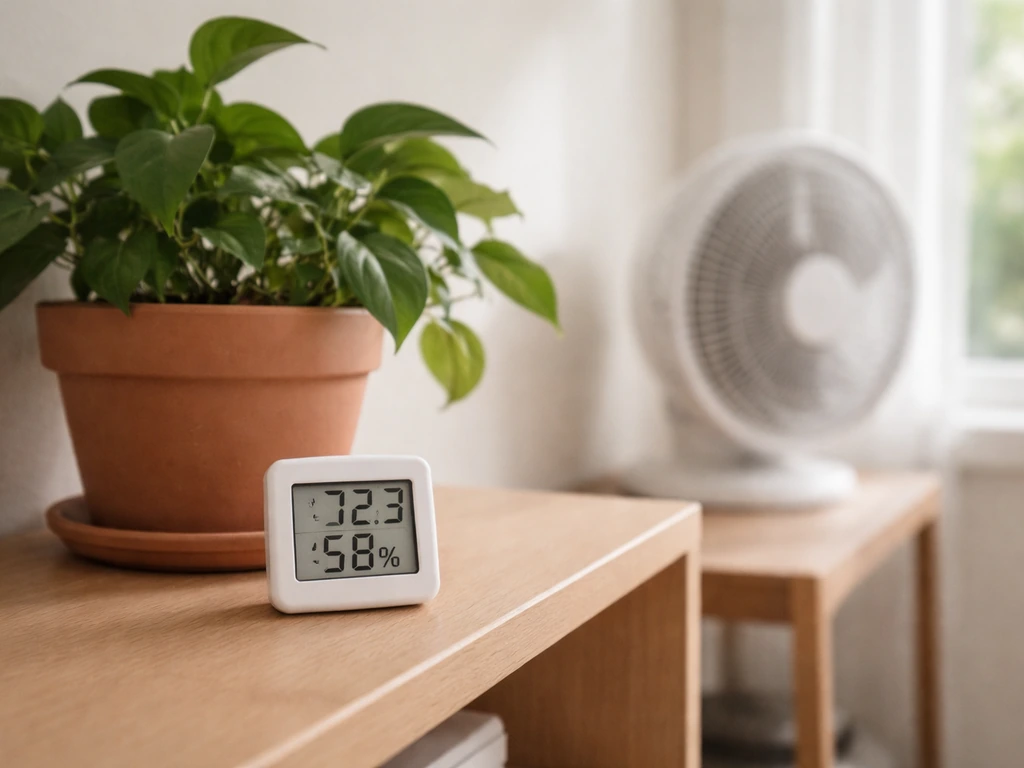
Rieger begonias are cool-temperature lovers, which makes them a bit unusual compared to most tropical houseplants. Beekenkamp's culture guidelines target 62 to 64°F consistently, day and night, after the plant is established. For home growers, keeping them in the range of 60 to 68°F is realistic and ideal.
American Begonia Society guidance for Rieger (Elatior) begonias also describes liking daytime temperatures around 60°F with nights in a similar recommended range keeping them in the range of 60 to 68°F is realistic and ideal.
Above 75°F, flower production slows, buds drop more easily, and the plant just looks tired. This actually makes Rieger begonias well-suited to rooms that feel a little cool in late fall through early spring, which is often when they're at their best.
Humidity-wise, aim for 40 to 60 percent relative humidity. Average home humidity is usually fine, but if your indoor air gets very dry in winter due to heating, a small humidifier nearby helps. Avoid misting directly onto the leaves; wet foliage invites fungal problems. Good airflow around the plant is important for the same reason. Don't cram it between other plants with no circulation, and don't place it in a closed corner. A gentle fan running nearby a few hours a day dramatically reduces fungal risk.
Feeding, deadheading, and keeping the blooms coming
To keep a Rieger begonia blooming indoors, fertilize about once a month during the active flowering period. Use a fertilizer with a higher phosphorus number than nitrogen, something like a 10-30-10 or bloom-booster formula. Phosphorus is what drives flower production, while too much nitrogen pushes leafy growth at the expense of blooms. During winter, if the plant is resting or in reduced-light conditions, skip fertilizing entirely since the plant isn't actively growing and unused fertilizer salts will just build up in the soil.
Deadheading (removing spent flowers) is genuinely worth the effort. Pinch off faded blooms right at their base as soon as you notice them. This redirects the plant's energy toward producing new buds rather than setting seed. It also keeps the plant looking tidy and reduces the chance of fungal issues from decaying plant material sitting on the soil. I make it a habit to check for spent blooms every couple of days when a Rieger is actively flowering.
If your plant is putting out long, stretchy stems with few flowers, that's a sign it's reaching for more light. University of New Hampshire Extension notes that low light indoors reduces flowering and leads to elongated growth, so indoor plants need full sunlight for flowering; it also recommends nighttime temperatures around 55, 60°F to help promote flower buds long, stretchy stems with few flowers. Pinching back stem tips encourages branching and a more compact, floriferous plant. Stop pinching about 8 weeks before you want peak bloom so new buds have time to develop.
What goes wrong indoors (and exactly how to fix it)
Leggy, weak growth
Long, spindly stems with small leaves almost always mean insufficient light. Move the plant closer to a bright window or add a grow light. If the stems have already gotten leggy, cut them back to encourage compact new growth from the base, then address the light situation so it doesn't repeat.
Bud drop
Dropping buds before they open is one of the most frustrating Rieger begonia problems. The usual culprits are temperature fluctuations (especially drafts from vents or windows), dry air, overwatering, or a sudden change in light when you bring the plant home from a store. Try to transition the plant gradually if it's moving from a bright display environment to your home. Keep it away from heat sources, maintain steady temperatures, and check soil moisture carefully.
Root rot and soggy soil
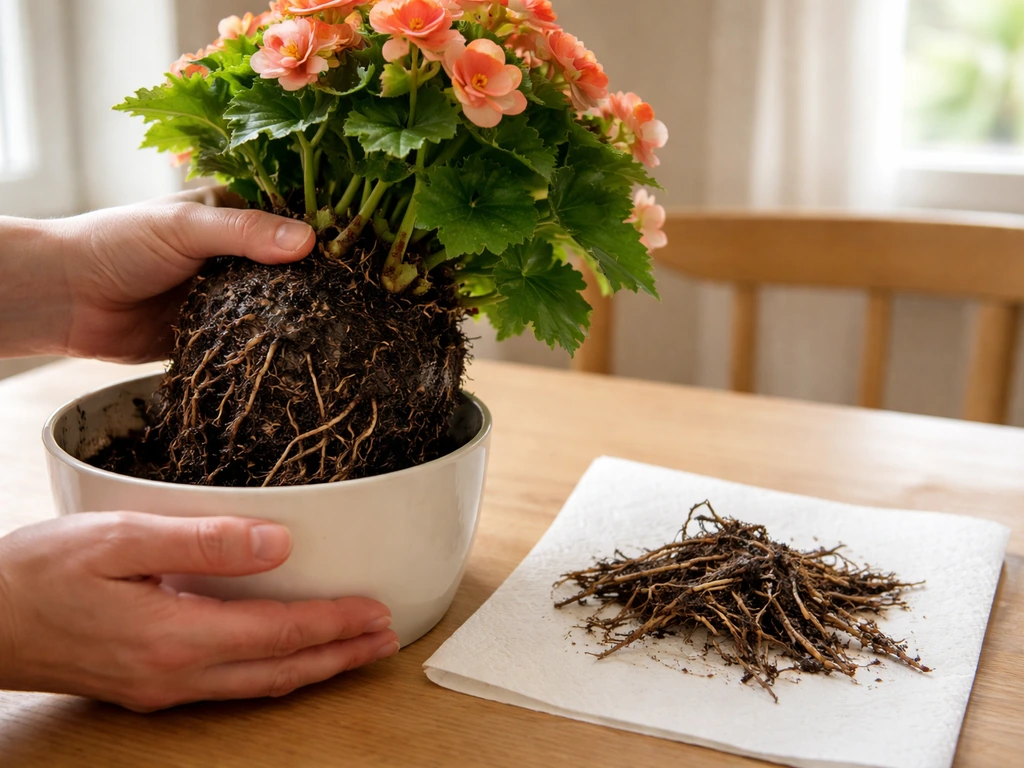
If the lower stems go mushy or the plant wilts even though the soil is wet, root rot is likely. Remove the plant from its pot, cut away any brown, mushy roots, let them air dry for an hour, then repot in fresh well-draining mix. Going forward, water only when the top inch or two of soil is dry and make sure the pot drains fully.
Pests
Rieger begonias can attract mealybugs, mites (including broad mites, which are nearly invisible), aphids, and whiteflies indoors. The American Begonia Society emphasizes hygiene as the first line of defense: inspect new plants before bringing them home, quarantine new additions for a week or two, and remove any dead or decaying leaves promptly. For mealybugs, dab with a cotton swab dipped in rubbing alcohol. For spider mites, increase humidity and use insecticidal soap. Broad mites are tricky because they're so small; if you see distorted, brittle new growth, that's a red flag. Treat with neem oil or a miticide, and repeat weekly for three to four weeks.
Fungal issues
Powdery mildew and botrytis (gray mold) are the most common fungal problems on indoor Rieger begonias. Both thrive in humid, stagnant air. Improve airflow immediately, remove affected leaves, and avoid getting water on foliage. For persistent fungal infections, a copper-based fungicidal spray can help. Prevention through good hygiene and airflow is far easier than treating an established fungal problem.
Seasonal bloomer or year-round houseplant?
Here's the honest truth: Rieger begonias are most commonly treated as seasonal bloomers rather than permanent houseplants. If you're wondering can New Guinea impatiens grow indoors, the key is giving them bright light and consistent moisture. Clemson's extension program puts it plainly: they are 'usually discarded after flowering.' That's not a knock on the plant; it's just realistic. A Rieger begonia bought in bloom will put on a show for 6 to 10 weeks, then start to look ragged as the current flush ends.
That said, you can absolutely try to keep one going. After the bloom period ends, cut the plant back to within about 3 inches of the crown. Reduce watering significantly and let it rest in a cool, bright spot. After a few weeks of rest, resume regular watering and feeding and you may get a new flush of growth. In late spring or early summer, if stems have gotten long and straggly, Clemson recommends cutting them back to encourage fresh growth from the base. It takes more effort and patience than simply buying a new plant, but it's very doable if you enjoy the process.
If you enjoy other begonias and want a longer-term indoor companion, wax begonias and angel wing begonias tend to be more forgiving year-round houseplants with less demanding temperature requirements, and they're worth looking into as alternatives or companions.
Your quick-start checklist
Use this checklist to assess where you are today and what to do next based on your current setup.
- Check your light: Does your brightest window get 4 to 6 hours of indirect light? If not, order a full-spectrum grow light before buying the plant.
- Check your temperatures: Is the room where you'll place it consistently between 60 and 68°F? Avoid rooms near heat registers or drafty windows.
- Check your pot: Does it have a drainage hole? Is it terra cotta or another breathable material? If not, repot before watering issues start.
- Check your soil: Is it a well-draining mix with perlite or coco coir? If you're using dense standard potting mix straight from the bag, cut it 50/50 with perlite.
- Set a watering reminder: Stick your finger in the soil every 2 to 3 days. Water only when the top 1 to 2 inches are dry.
- Pick up a bloom-booster fertilizer: Something with higher phosphorus than nitrogen. Plan to feed once a month during active blooming.
- Inspect for pests on arrival: Before placing a new Rieger begonia near other plants, check the undersides of leaves and stems carefully.
- Make a plan for after flowering: Decide now whether you'll cut it back and try to re-bloom it, or enjoy it as a seasonal display and replace it.
FAQ
How long can I realistically expect a Rieger begonia to live indoors before I have to replace it?
If your Rieger begonia is in bloom, expect a limited indoor lifespan without a rest period. Plan on cutting back and letting it rest cool and bright after the flush, rather than trying to force continuous flowering, since buds drop more easily when conditions fluctuate.
What should I do if I only have a north window for my Rieger begonia?
A north-facing window is often too dim even if you move the plant near the glass, because you need several hours of bright indirect light. If you do not have an east window or a reliably bright south spot with diffusion, use a grow light to keep the daily light schedule consistent.
My Rieger begonia dropped buds after I bought it. Is it fixable and what should I change first?
When buds drop right after bringing the plant home, the fastest fix is not more water, it is stability. Keep temperatures steady, avoid vents and drafts, and keep light level consistent (use a gradual transition or a grow light at the same height) so the plant does not swing between “too dry” and “too wet.”
Will misting help prevent bud drop or mildew on my indoor Rieger begonia?
Do not rely on misting to raise humidity for Rieger begonias, it increases the odds of mildew on wet leaves. Instead, use a small humidifier nearby or a pebble tray (without letting the pot sit in water) and keep airflow gentle.
My Rieger begonia is dropping buds. How can I tell whether the cause is watering, humidity, or light? What’s the quickest way to diagnose it?
If you see fallen buds but the plant otherwise looks firm, check the soil first, then the air. Overwatering can cause invisible root stress, while very dry air can also abort buds. Use the top 1 to 2 inches dry test and correct humidity and drafts before adjusting fertilizer or lighting.
What do I do if my Rieger begonia leaves turn yellow indoors?
If leaves yellow while the plant looks wet and slow, suspect drainage and root health before increasing feeding. Refresh the potting mix only if you find compacted, sour-smelling soil or mushy roots, otherwise adjust to a faster-draining mix and water only after the top layer dries.
Can I repot my Rieger begonia into a bigger pot to help it bloom more?
If you transplant into a pot that is much larger, the extra soil stays wet and increases rot risk, even if your watering schedule is careful. Choose a pot that fits the current root ball closely and always use a drainage hole.
My Rieger begonia is stretching and not flowering much. Should I prune or fix the light first?
If stems are reaching but blooms are still forming, it is usually light intensity and distance rather than a growth problem from age. Move it closer to bright indirect light or raise a grow light distance within 6 to 12 inches and maintain 12 to 14 hours daily so new buds develop on a more stable light regimen.
How often should I inspect my Rieger begonia for pests, and when should I start treatment?
Mealybugs and mites are easier to control when caught early, but treatment timing matters. Inspect weekly, wipe visible mealybugs promptly, and for mites continue repeat treatments at the interval needed until you stop seeing new distorted growth.
Should I fertilize during the resting phase after blooming, or only when it is actively flowering?
Because these begonias can rest after flowering, you should adjust care. After you cut back and reduce watering, avoid feeding and keep it cool and bright, then resume feeding only when you see new active growth restarting.
I cut my Rieger begonia back after flowering, but it is not growing again. What could be wrong?
If you cut back after the bloom ends but nothing regrows for several weeks, the most common reason is overly dry soil or insufficient light. Move it to a cool, bright location and resume regular watering gradually once you see the base pushing fresh growth.