Yes, creeping jenny (Lysimachia nummularia) can grow indoors, and it actually does quite well when you give it the right container setup and consistent moisture. It is not a fussy houseplant, but it is particular about two things: it blank" rel="noopener noreferrer">wants its soil to stay reliably moist, and it needs more light than most people expect. Get those two things right, and you will have a gorgeous trailing plant spilling out of a hanging basket or cascading off a shelf in a matter of weeks.
Can Creeping Jenny Grow Indoors? How to Succeed

James Hartwell
24 Apr 2026
Best indoor setup: containers, soil, and placement
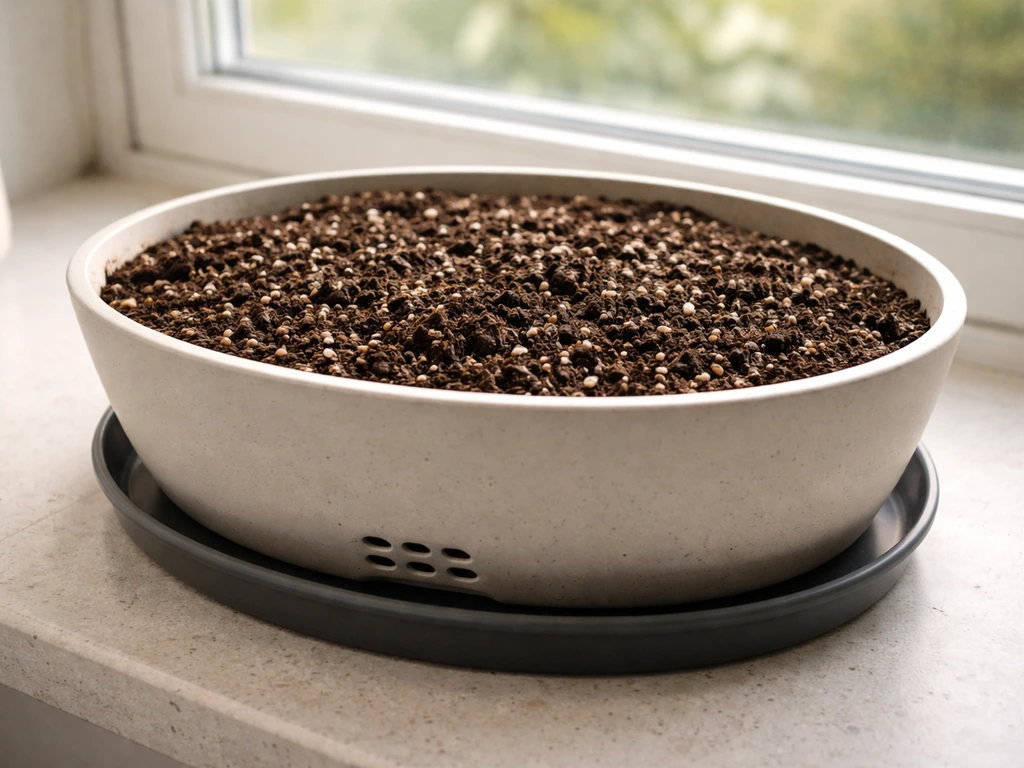
Creeping jenny is shallow-rooted, which is actually great news for indoor growing. You do not need a deep pot. A hanging basket, a wide shallow planter, or a 6-to-8-inch pot all work well. The goal is to give the trailing stems room to spill over the edge, which is where this plant looks its best and also keeps it from getting too unruly inside.
Drainage is non-negotiable. Use a pot with drainage holes, and do not skip a saucer. Creeping jenny likes moist soil, but waterlogged roots will rot. A good potting mix for this plant is a standard peat or coco-coir-based mix with some added perlite to keep it from compacting and suffocating the roots. Think humus-rich and well-draining at the same time. If your mix feels like it holds water for days after watering, add more perlite.
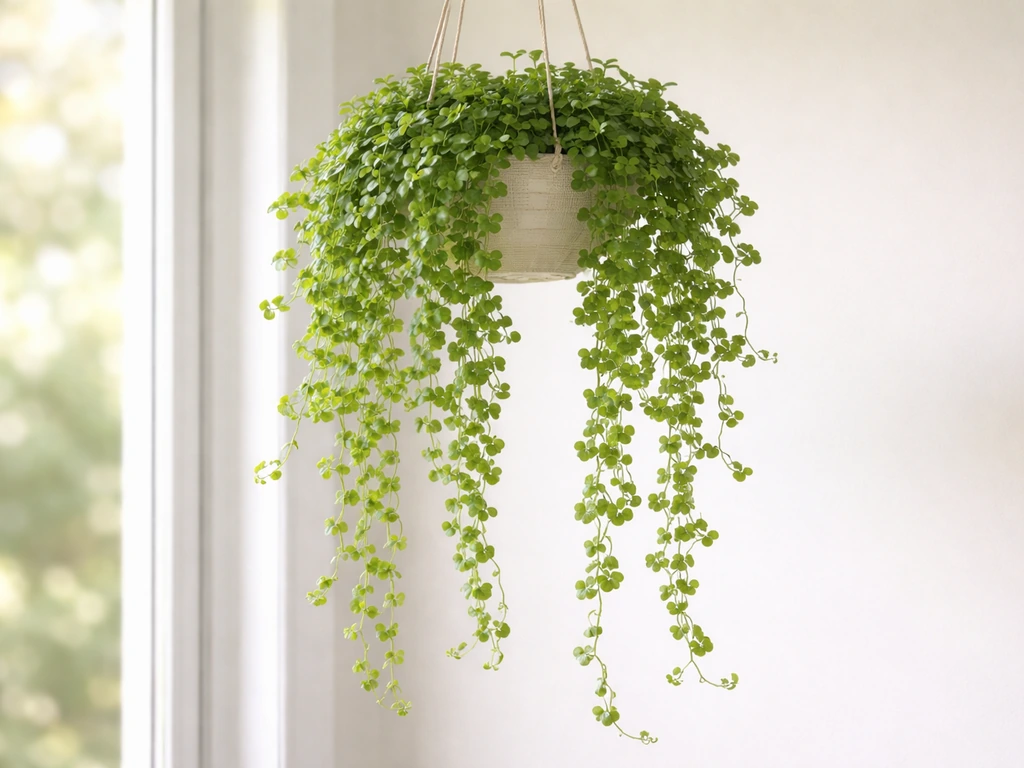
For placement, think of it as a hanging basket plant first and a shelf plant second. It looks especially striking in a macrame hanger near a bright window. If you are putting it in a mixed planter, it plays well with other moisture-loving trailing plants, but make sure you are not pairing it with drought-tolerant plants that hate the consistent watering creeping jenny demands.
Light requirements and the best windows to use
Creeping jenny tolerates partial shade outdoors, which leads a lot of people to think it will be fine in a dim corner inside. It will survive, but it will not thrive. Indoors, you want bright indirect light as a baseline, and if you can swing some direct morning sun, even better. An east-facing window is close to ideal. A south-facing window with a sheer curtain works great too. West-facing windows can work, but afternoon sun through glass can be harsh.
Here is a practical way to think about it: if you are growing the golden variety ('Aurea'), the leaf color actually tells you whether the light is right. In shadier conditions, the leaves trend toward lime green or chartreuse. In brighter morning light, they turn a richer golden yellow. If you notice your plant going more green than gold, move it closer to the window.
If your apartment does not have great natural light, a grow light set to run 12-14 hours a day at around 1,000-2,000 foot-candles will do the job. That is a moderate-output grow light, not a high-intensity rig. Avoid deep interior placements where the only light source is overhead artificial lighting at low levels. Leggy, stretched-out growth is the first sign you are not giving it enough.
Watering and indoor care
How often to water
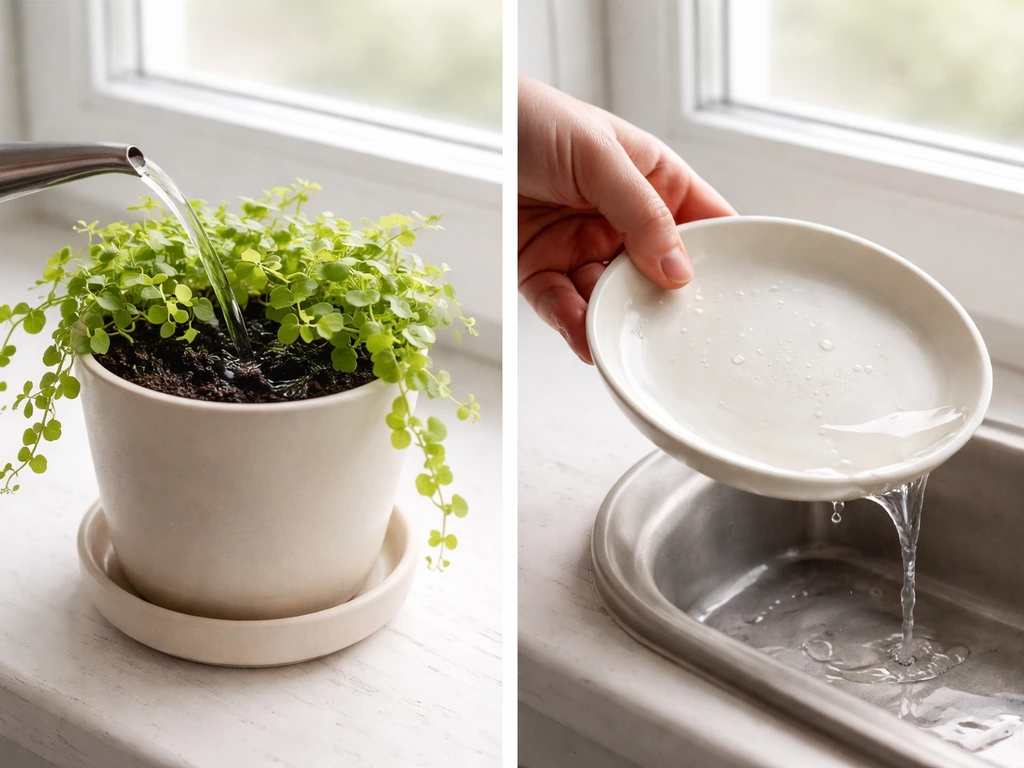
Creeping jenny wants consistently moist soil, but the watering frequency depends entirely on your pot size, your home's humidity, and the season. A reliable rule of thumb: water when the top 3 inches of soil feel dry to the touch. In most indoor environments during spring and summer, that means watering every 3-5 days. In winter when growth slows and indoor heating dries out the air, check every 4-6 days and adjust from there. Never let the soil completely dry out. That is the fastest way to stress this plant indoors.
Drainage and humidity
Always empty the saucer after watering so the roots are not sitting in standing water. For humidity, creeping jenny is fairly adaptable to average indoor humidity levels (40-50%), but it will look perkier and grow faster if you keep it a bit higher. A simple pebble tray with water under the pot, or grouping it with other plants, usually provides enough ambient humidity without any extra effort. If your home runs very dry in winter due to heating, a small humidifier nearby makes a real difference.
Temperature
Room temperature indoors (roughly 65-80°F / 18-27°C) is perfectly comfortable for creeping jenny. It is a cold-hardy plant outdoors, but indoors you are not dealing with frost, so just keep it away from cold drafts near windows in winter and away from heat vents that will dry it out. Stable temperatures are all it asks for.
How to propagate creeping jenny indoors
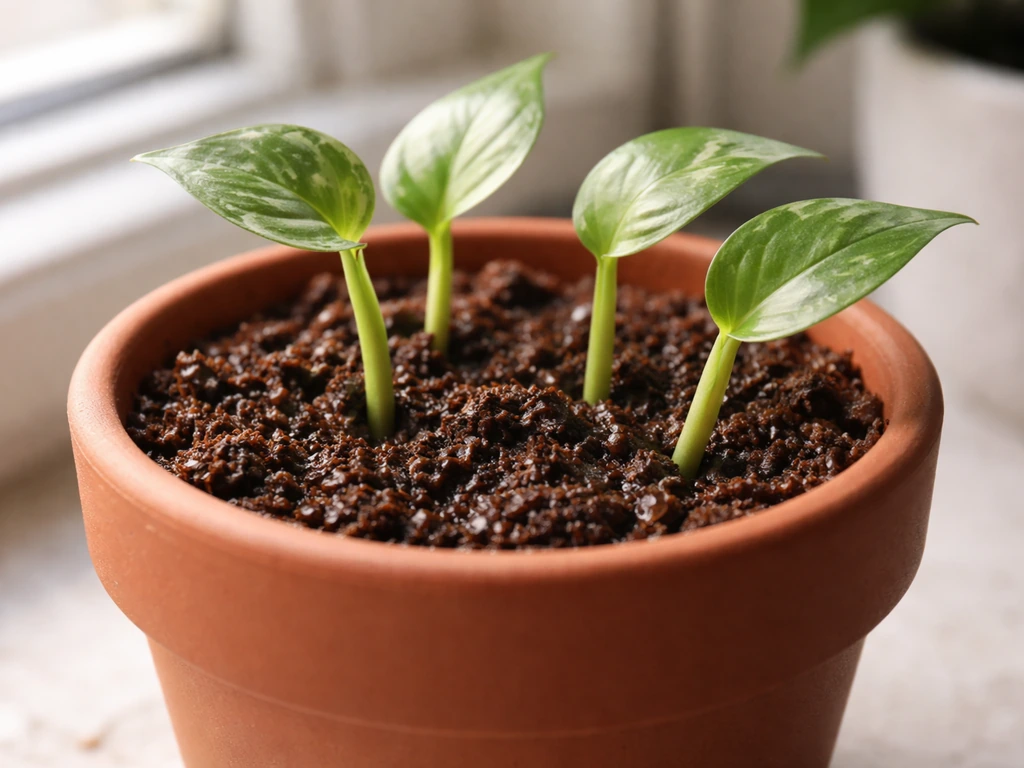
Propagating creeping jenny is one of the most satisfying parts of growing it indoors because it roots incredibly easily. You have two solid options: stem cuttings and division.
Stem tip cuttings
- Take a cutting about 2 inches long from a healthy stem tip, just below a leaf node.
- Remove the lower leaves so you have a bare stem section to insert into soil.
- Dip the cut end in rooting hormone powder (optional but speeds things up).
- Insert the cutting into moist potting mix, making sure at least one node is in good contact with the soil.
- Cover loosely with a clear plastic bag or a clear plastic dome to trap humidity around the cutting base. Aim for 75-90% relative humidity around the base if you can.
- Place in bright indirect light, around 500-1,000 foot-candles to start. A spot a few feet from a bright window works well.
- Keep the soil moist but not soaking. Once you see root initials forming, back off on the moisture slightly so the media begins to dry a little between checks.
- Expect callus formation in about 5-7 days, and visible rooting within 9-11 days under good conditions.
- Once the cutting is rooted and showing new growth, remove the plastic cover and treat it like a mature plant.
One thing to watch during rooting: do not let the medium stay waterlogged once roots start to develop. Overly wet soil at that stage can cause the new roots to rot before they ever get established.
Division
If you already have an established indoor plant that has gotten dense, you can simply divide the root ball. Pull the plant out of its pot, tease apart sections of the root mass by hand, and pot each section individually. This is best done in spring when the plant is actively growing. Division is faster than cuttings and gives you a head start because each division already has an established root system.
Troubleshooting common indoor problems
| Problem | Likely Cause | Fix |
|---|---|---|
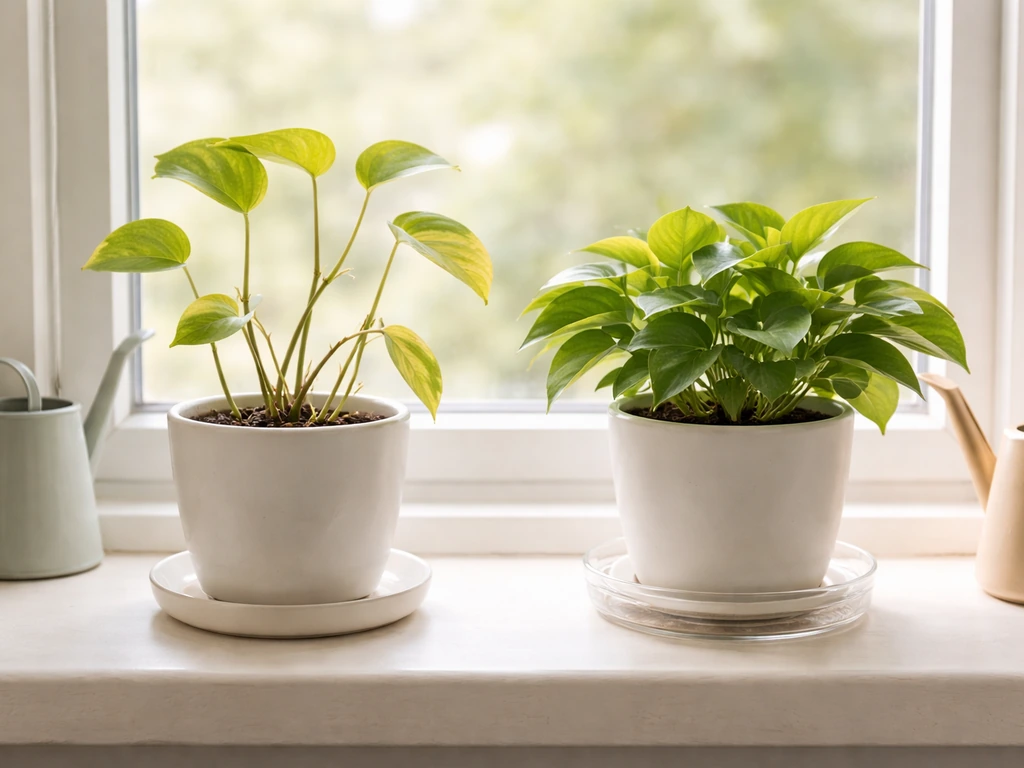
| Leggy, stretched-out stems | Not enough light | Move closer to a window or add a grow light |
| Yellowing leaves | Overwatering or poor drainage | Check drainage holes, let top 3 inches dry before watering again |
| Wilting or brown leaf edges | Soil too dry or low humidity | Water more consistently, add a pebble tray for humidity |
| Slow growth or no new leaves | Low light or cool temperatures | Improve light levels, keep away from cold drafts |
| Mushy stems at the base | Root rot from waterlogging | Remove affected sections, repot into fresh dry mix with better drainage |
| Cuttings not rooting | Low humidity or soil too wet/dry | Cover with plastic to boost humidity, keep soil just moist (not soggy) |
Compared to something like gardenia indoors, creeping jenny is much more forgiving. If you are also thinking about jade plants, you might be wondering can jade plant grow indoors; it is a different kind of plant, but the key is matching light and watering to its needs. If you are also thinking about more finicky options like can gardenia grow indoors, keep in mind its indoor needs are usually much stricter than creeping jenny.
If you are also considering a different indoor vine like can star jasmine grow indoors, remember the same theme applies: good light and careful moisture make the biggest difference. It does not throw a tantrum if your humidity is not perfect. It does not throw a tantrum if your humidity is not perfect, and if you are also curious can jasmine grow indoors, you will want to compare its light and watering needs side by side.
The most common indoor failure I see with this plant is root rot from well-intentioned overwatering, not neglect. If you are wondering can confederate jasmine grow indoors, the same baseline rules apply: bright light and careful watering, and you will get the best results when you match the plant’s specific needs. Can star jasmine grow indoors as well? With bright light and careful watering, it can be grown successfully in a container can confederate jasmine grow indoors. [Keep reading the soil before you water, not the calendar. ](https://extension.
umd. edu/iaa. umd. edu/sites/extension.
umd. edu/files/2022-03/MG%20Article-01-2022%20Uh-Oh%20What%27s%20Wrong%20With%20My%20Houseplant. pdf)
On pests: creeping jenny has few serious pest issues, especially indoors where the slug pressure that affects it outdoors is totally absent. If you notice any issues, check for fungus gnats (a sign the soil is staying too wet) or spider mites (a sign the air is too dry). Both are easy to address once you identify them.
Start today: your setup checklist and what to expect
If you want to bring creeping jenny indoors today, here is exactly what to do to get it established and growing well.
- Choose a pot with drainage holes. A shallow hanging basket or a 6-8 inch wide pot works best.
- Fill with a moisture-retentive but well-draining potting mix. Add perlite (about 20-25% of the mix) if your potting soil feels dense.
- Position the pot within 2-3 feet of your brightest window. East or south-facing is best. If light is limited, set up a basic grow light on a 12-14 hour timer.
- Water thoroughly at planting, then let the top 3 inches dry before watering again.
- Set a reminder to check soil moisture every 3 days until you learn how fast your specific setup dries out.
- If propagating, take cuttings now in spring (April is a great time) and follow the cutting steps above.
- Check for new growth after 2-3 weeks as your indicator that the plant is settling in.
Realistically, if you bring in a healthy nursery plant or an established cutting and give it good light and consistent moisture, you should see active new growth within 2-3 weeks. It is not the slowest-growing indoor plant by any means. Within a month or two, the trailing stems will start to cascade beautifully, which is when it really earns its place on a windowsill or in a hanging basket. If you are also wondering, can arabian jasmine grow indoors, the answer depends on providing the right light and care.
If you enjoy trailing indoor plants with an easy-going personality, creeping jenny is in good company alongside plants like wandering jew, which has a similarly vigorous trailing habit. Wandering jew can also do well indoors if you give it bright light and avoid letting the soil stay soggy can wandering jew grow indoors. If you are comparing other trailing options, you may also be wondering can creeping charlie grow indoors under similar light and moisture conditions can wandering jew grow indoors. The big difference is that creeping jenny demands far more consistent moisture, so it rewards attentive waterers more than hands-off ones. Nail the watering rhythm and the light, and this plant will genuinely impress you.
FAQ
Can creeping jenny grow indoors in a low-light room without a grow light?
Yes, but only if you keep it on the brighter side. Creeping jenny can handle partial shade outdoors, but indoors it typically stretches and fades if the window is too dim. Aim for an east window first, or use a grow light and keep it close enough that new growth stays compact.
How do I know when to water creeping jenny indoors if I do not want to follow a strict schedule?
Letting the surface dry slightly is fine, but never let the pot fully dry out for long periods. A practical cue is the top 3 inches dry, then water thoroughly until excess drains out, afterward empty the saucer. If it wilts or the stems look dull, it is usually drying too far.
What pot size and shape is best for creeping jenny indoors?
Use a wide shallow pot or hanging basket with drainage holes, because the roots are shallow and the stems spill over. A very tall pot holds water longer than the plant needs and increases the risk of rot, especially in winter when evaporation slows.
Should I fertilize creeping jenny indoors, and how often?
Fertilize lightly. If you want faster trailing indoors, use a balanced liquid fertilizer at half strength during spring and summer, about every 4 to 6 weeks. In winter, pause or reduce feeding because the plant slows down and salty buildup can worsen root issues.
Can I prune creeping jenny indoors to keep it from getting leggy?
Yes, it is common to prune indoors. If stems get long or sparse, trim them back to encourage branching, and you can root the cuttings to fill the container. Removing yellowing or dead trailing segments also improves airflow around the crown.
What can I do if I notice fungus gnats around my indoor creeping jenny?
To prevent fungus gnats, ensure the soil mix is not staying wet and let the top layer dry slightly between waterings. Sticky traps can catch adults, but the main fix is adjusting watering and checking that the potting mix drains quickly.
My golden creeping jenny is turning greener, what should I adjust?
If growth looks pale or more green than expected (for Aurea), it is usually a light problem rather than watering. Move it closer to the brightest window, rotate the pot weekly for even exposure, or increase grow light duration slightly while keeping the soil moisture routine steady.
Is direct sun okay for creeping jenny grown indoors?
In summer, direct sun can be too intense through glass and cause scorching. Use bright indirect light as the baseline, and if you try morning sun, start gradually so the leaves adjust over several days.
Can I grow creeping jenny in a hanging basket indoors, and how do I manage drainage?
It can, but the container must be secured and allowed to drain. Use a hanging basket liner or basket that does not hold water, and always empty any drips in the cachepot or saucer. For best results, hang it near a window where it gets consistent bright light.
What is the biggest mistake when propagating creeping jenny indoors?
Propagation is easiest from stem cuttings or division, and you should keep the rooting medium just lightly moist. Once you see roots forming, avoid keeping the medium waterlogged, because rot is the biggest failure point during indoor rooting.