
Yes, you can grow tiger lilies indoors, but only if you can give them a genuinely sunny spot and take drainage seriously. These are not low-light, set-it-and-forget-it houseplants. Tiger lily (Lilium lancifolium) wants at least 6 hours of direct or very bright filtered light per day, hates wet roots, and needs a cold dormancy period to reset for blooming. Get those three things right and you have a real shot at flowers. Miss them and you'll end up with either a rotted bulb or a leggy green stalk that never blooms.
Can You Grow Tiger Lilies Indoors? Yes How to Do It

James Hartwell
2 May 2026
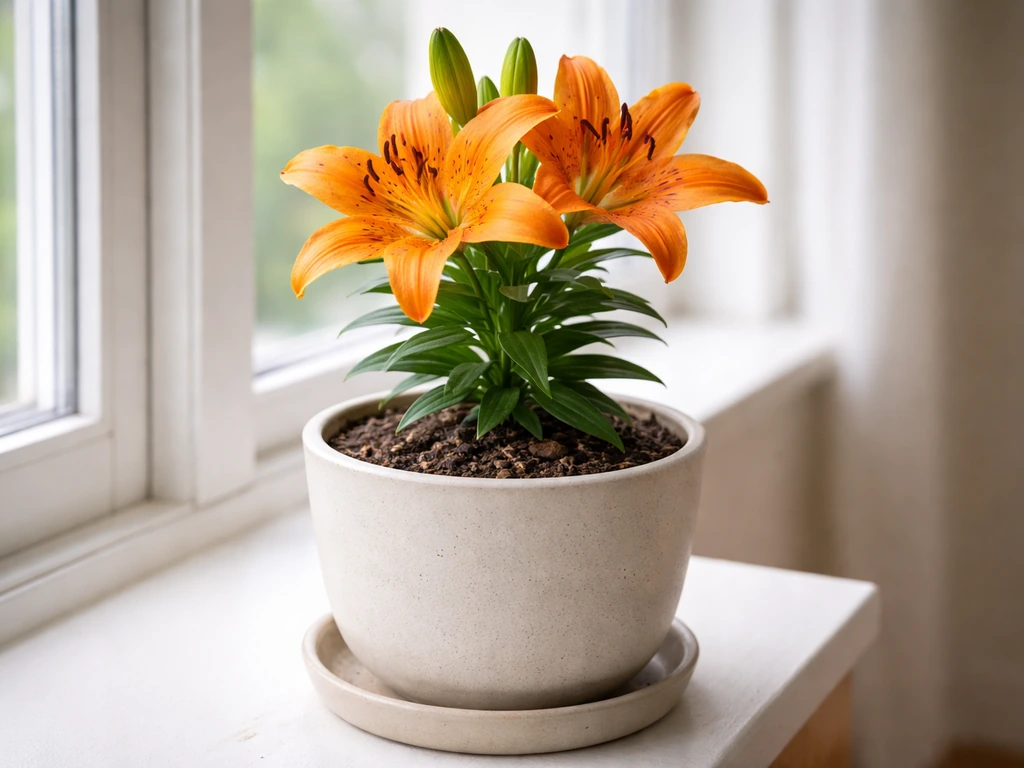
Indoor tiger lily feasibility: honest expectations
Tiger lilies are outdoor, full-sun plants by nature, so growing them inside is a workaround, not their preferred life. That said, they do grow in containers, which is the key to making indoor cultivation possible. The main constraints are light intensity, drainage, and cold dormancy. If you live in an apartment with a north-facing window, I'd honestly steer you toward an easier indoor flower.
But if you have a south- or west-facing window that gets strong direct sun for most of the day, or you're willing to supplement with a grow light, tiger lilies indoors are genuinely doable. Expect a timeline: newly planted bulbs or small offsets can take 1 to 3 years to reach flowering maturity, so patience is part of the deal.
Compared to other lilies, tiger lilies are actually among the more container-tolerant species, which works in your favor indoors. If you've looked into growing daylilies indoors, the light and drainage rules are similar, though tiger lilies have a stricter cold-dormancy requirement that daylilies sometimes skip. Can daylilies grow indoors too, and what do they need for light and drainage? If you meant Lamium specifically, the key is similar: enough light and a well-draining pot will determine whether it can grow indoors can lamium grow indoors.
Light and placement indoors
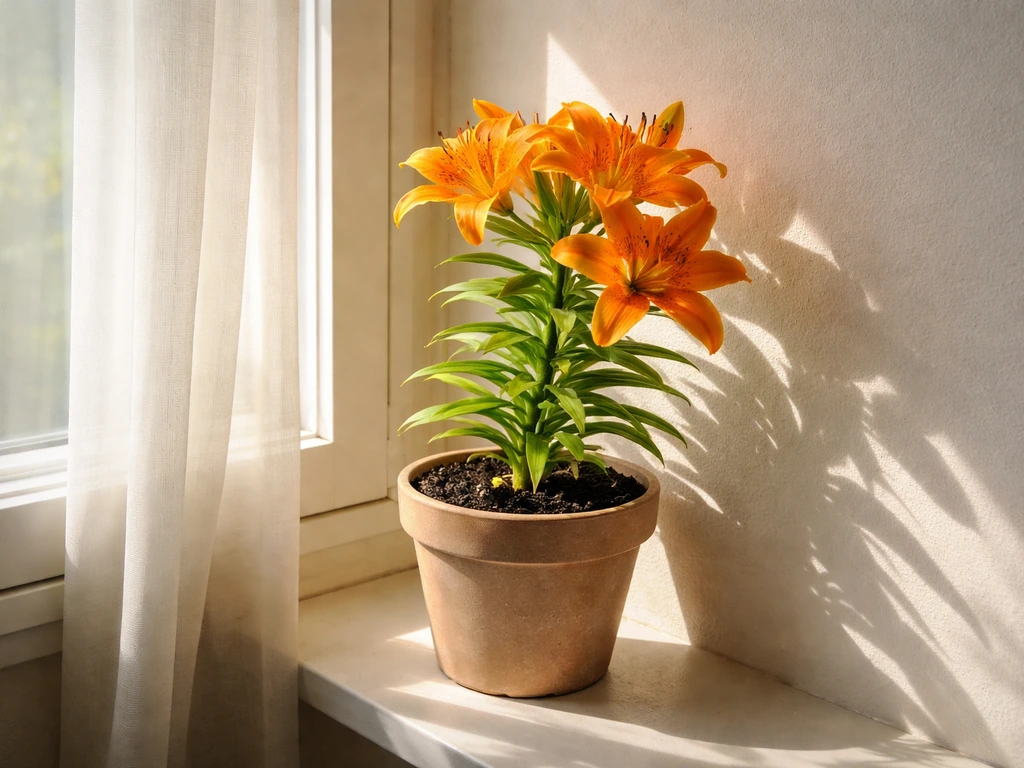
This is the single biggest make-or-break factor. Tiger lilies need full sun to high filtered light, which in indoor terms means your brightest window, full stop. A south-facing window is ideal. A west-facing window that gets strong afternoon sun can work. East-facing windows are marginal, and north-facing windows will not produce blooms. Place the pot as close to the glass as possible without letting leaves press against it.
If your natural light falls short of 6 hours of bright direct or high-intensity light per day, a grow light is not optional, it's necessary. For indoor bloom support, the metric that matters is PPFD (photosynthetic photon flux density) and the daily light integral (DLI) it produces. Use the relationship DLI = 0.0036 × PPFD × hours of light per day to plan your schedule. A full-sun plant like a tiger lily needs a high DLI, typically in the 20-plus range, so if you're supplementing, run a good broad-spectrum grow light for 14 to 16 hours on days when natural light is weak. Position the light so it covers the whole plant, not just the crown.
Rotate the pot a quarter turn every few days. Tiger lilies will lean hard toward the light source, and without rotation you'll end up with a lopsided plant that flops over when it tries to flower.
Pot, soil, drainage, and watering
Choosing the right pot
Go deep rather than wide. You need a pot that is at least 8 to 12 inches deep so the bulb has room below it and at least 4 inches of soil above it. That depth allows the stem roots (which tiger lilies develop above the bulb) to anchor and feed the plant properly. The pot must have multiple drainage holes. A decorative pot with no holes, even with gravel at the bottom, is a recipe for bulb rot.
Soil mix
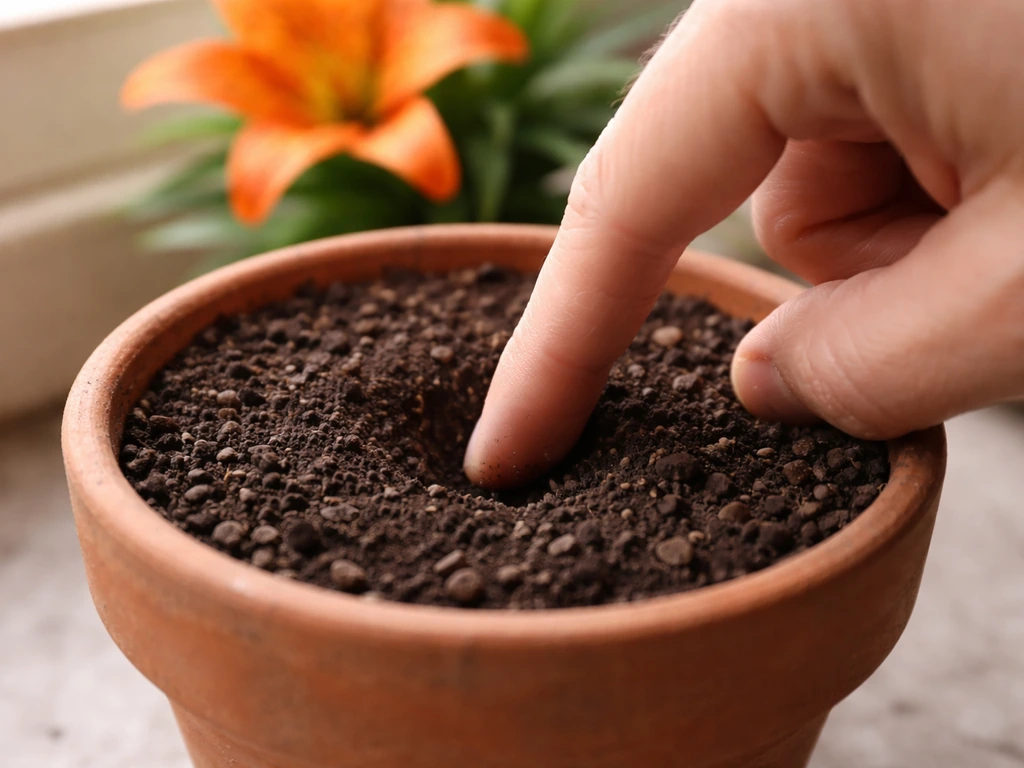
Use a well-draining mix. A good indoor formula is roughly two parts quality potting mix to one part perlite. You want something that holds just enough moisture for the roots to drink but dries out reasonably quickly between waterings. Heavy, dense potting soil that stays wet for days will kill your bulb. I've also had good results adding a small amount of coarse horticultural sand to the mix around the bulb itself.
Watering routine
The rule I live by for potted lilies: don't water again until the soil is dry about 2 inches below the surface. Stick your finger in. If it still feels moist at that depth, wait. Tiger lily bulbs do not swim well, and the biggest danger in any indoor lily setup is waterlogged soil. During active growth (spring through summer), you'll probably water once or twice a week depending on your pot size, light level, and indoor humidity. During dormancy in winter, pull back to barely any water at all, just enough to keep the bulb from completely desiccating.
Temperature, humidity, and seasonal care
During active growth, tiger lilies are comfortable in typical indoor temperatures between 60 and 75 degrees Fahrenheit. They don't need high humidity indoors, which is actually good news for apartment growers. Average indoor humidity is fine. Keep them away from heating vents and air conditioning units that create extreme temperature swings or direct dry blasts.
The seasonal piece is where a lot of indoor attempts fall apart. Tiger lilies are cold-hardy bulbs that need a cooling period to trigger blooming. Outdoors, winter soil temperatures handle this automatically. Indoors, you have to simulate it.
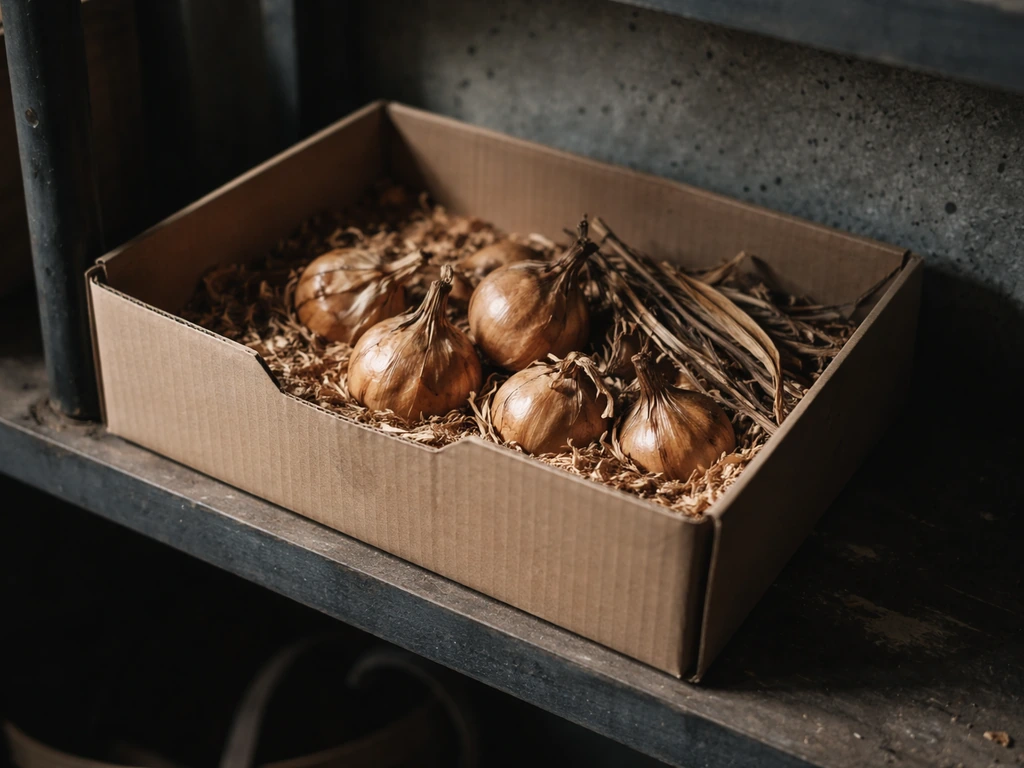
After the foliage dies back in fall, move the pot to a cool location: an unheated garage, a cold basement, or even your refrigerator (in a paper bag, away from fruit). The [target temperature is roughly 35 to 45 degrees Fahrenheit](https://extension. msstate. edu/sites/default/files/publications/publications/P2730_web.
pdf), and the bulb needs to stay there for approximately 12 to 18 weeks. Without this cold period, the bulb may sprout again in spring but will not reliably bloom. This is one of the trickier parts of indoor tiger lily care, and it's worth planning for before you even plant.
How to start: bulbs vs. offsets and what to expect
Tiger lilies produce small bulbils (the dark, pea-sized beads that form along the stems) as well as offset bulbs at the base. Both can be used to start new plants indoors, but they come with different timelines.
| Starting method | Time to first bloom | Ease of setup | Notes |
|---|---|---|---|
| Mature bulb (purchased) | 1 to 2 seasons with proper care | Easiest | Best choice for indoor growing; look for large, firm bulbs |
| Offset bulbs (from base) | 1 to 2 years typically | Moderate | Dig carefully in fall; plant immediately or store cool and dry |
| Bulbils (stem beads) | 2 to 3 years minimum | More effort | Grow bulbils in small pots first; treat like seedlings |
For indoor growing, I strongly recommend starting with the largest, firmest commercially available bulb you can find. Plant it in late winter or very early spring after its chilling period, setting it so there's at least 1 to 2 inches of soil beneath the base and at least 4 inches of soil above the nose of the bulb. Water it in well once, then hold off until you see the first green shoots pushing up. From planting to first bloom on a mature bulb, expect roughly 8 to 14 weeks of active growth before flowers appear, assuming light and dormancy requirements were met.
Ongoing care: feeding, deadheading, and keeping pests off
Fertilizing
Once active growth starts in spring, feed your tiger lily with a balanced, water-soluble fertilizer (something like a 10-10-10) every two to three weeks. As buds form, switch to a lower-nitrogen, higher-phosphorus formula to support flowering rather than leafy growth. Stop feeding entirely once the plant goes dormant in fall.
Deadheading and post-bloom care
Remove spent flowers as they fade to prevent seed set, which drains energy from the bulb. Leave the foliage completely intact until it dies back naturally, even when it looks messy. That dying foliage is feeding the bulb for next year's bloom. Cutting it early is one of the most common reasons indoor lilies fail to rebloom.
Pest prevention
Indoors, the pests to watch for are thrips and fungus gnats. Thrips feed on leaf and flower tissue and can devastate blooms quickly. Check the undersides of leaves regularly, especially when buds are forming. Fungus gnats are usually a sign you're overwatering, since their larvae thrive in consistently moist soil. Let the soil dry out more between waterings and the gnat problem usually resolves itself. If you're moving a tiger lily inside from a patio or outdoor space, inspect it thoroughly before bringing it in. It's easy to import a pest problem you didn't have before.
Getting blooms: why your indoor tiger lily isn't flowering
If your tiger lily is growing leaves but not producing flowers indoors, one of a handful of issues is almost always to blame. For the basics of whether can lobelia grow indoors is even possible, start with its light and watering needs. Work through this checklist:
- Insufficient light: This is the number one cause. If the plant isn't getting at least 6 hours of strong direct or very bright filtered light daily, it will grow but not bloom. Move it to a sunnier spot or add a grow light immediately.
- No cold dormancy: If the bulb never experienced 12 to 18 weeks of temperatures in the 35 to 45 degree Fahrenheit range, it won't have the trigger it needs to set flower buds. Plan the chilling period for next fall/winter.
- Bulb immaturity: Small offsets or bulbils can take 1 to 3 years to reach blooming size. If you started from tiny material, the plant may just need more time.
- Bulb rot from overwatering: If leaves are yellowing from the bottom up, growth stalls, or the plant looks generally sick despite adequate light, tip the pot out and check the bulb. Soft, mushy, foul-smelling tissue means rot has set in. Cut away infected scales with a clean knife, dust the cuts with sulfur powder or a fungicide, and repot in fresh dry mix. In severe cases, the bulb may be unsalvageable.
- Nutrient imbalance: Too much nitrogen feeds leafy growth at the expense of flowers. Shift to a bloom-boosting (lower nitrogen, higher phosphorus) fertilizer once the plant is actively growing.
- Root-bound pot or too-shallow container: A pot that's too small or too shallow restricts the stem root development that tiger lilies depend on. Upgrade to a deeper container if you haven't already.
Getting tiger lilies to bloom indoors takes more planning than most houseplants, but it's genuinely satisfying when it works. Can Lysimachia grow indoors as easily as tiger lilies, or will it need different light and care conditions Getting tiger lilies to bloom indoors. The effort is mostly front-loaded: choose the right spot, get the dormancy chilling right, and plant in a deep, well-draining pot. After that, it's mostly a matter of consistent watering discipline and good light.
If you're exploring other flowers that require similar indoor considerations, it's worth comparing notes with how other lily-family plants and sun-loving annuals behave under indoor conditions, because the light and drainage logic carries across most of them. Lantana can sometimes be grown indoors, but it needs strong light and careful watering to do well can lantana grow indoors. If you're exploring other flowers that require similar indoor considerations, it's worth comparing notes with how other lily-family plants and sun-loving annuals behave under indoor conditions, because the light and drainage logic carries across most of them can lantana grow indoors.
If you're also wondering can lobelia grow indoors, you'll need to match its light and airflow needs just as carefully as you do for lilies. If you are also wondering can alyssum grow indoors, the same focus on bright light, proper drainage, and consistent watering will matter most light and drainage logic carries across most of them.
FAQ
Can I keep tiger lilies in the house year-round and still get flowers?
Yes, but only if your “indoors” still includes a cold, dormancy period. A typical warm living room will not trigger reliable blooming, even if the plant grows leaves.
Do tiger lilies need a grow light, or will a sunny window be enough?
It depends on what you mean by “indoors.” A bright, south-facing window can work for daytime growth, but you may need a grow light plus a cool dormancy setup later to actually reach blooms.
How do I know I’m watering my tiger lily correctly indoors?
Overwatering is the most common failure mode. Make sure the pot has multiple drainage holes, use a mix that drains fast, and wait until the top 2 inches are dry before watering again.
Why does my tiger lily sprout but never bloom indoors?
Pick the correct bulb type and timing. Commercial bulbs are sold ready for planting after a cold period, but if you buy early or skip chilling, you can get sprouts without blooms. Plant after you’ve handled the chilling requirement for your specific bulb.
Can I start my tiger lily on a windowsill and then move it under stronger light later?
Move slowly, not suddenly. If the bulb was already indoors or has been in lower light, increase brightness over 1 to 2 weeks, otherwise leaves can scorch and growth can stall.
What pot size is best for indoor tiger lily bulbs?
Container depth matters more than pot width. Use a deep pot (at least 8 to 12 inches) so the bulb can sit with soil underneath and enough room for stem roots to anchor.
Is it safe to chill tiger lily bulbs in the refrigerator, and what should I avoid?
Don’t refrigerate it near ethylene sources like ripe fruit, and keep the bulb in a breathable paper bag or container. Also avoid freezing temperatures, aim for the recommended cold range.
Can I grow new tiger lilies indoors from bulbils or offsets?
Yes for propagation, but the timelines differ. Bulbils can take longer and are often less predictable than starting from a large, firm bulb, so expect more patience with bulbils.
What are the quickest signs I have thrips or fungus gnats indoors?
Monitor both leaves and soil. Thrips often show up on flower buds and leaf undersides, while fungus gnats usually mean the soil stays too wet, so adjust watering immediately if you see them.
What should I do if my tiger lily is tall and leaning, but it’s trying to flower?
Yes. If the plant is leaning, rotate it regularly (every few days) and consider increasing light first. If buds appear but stems still flop, staking can prevent damage while light levels catch up.