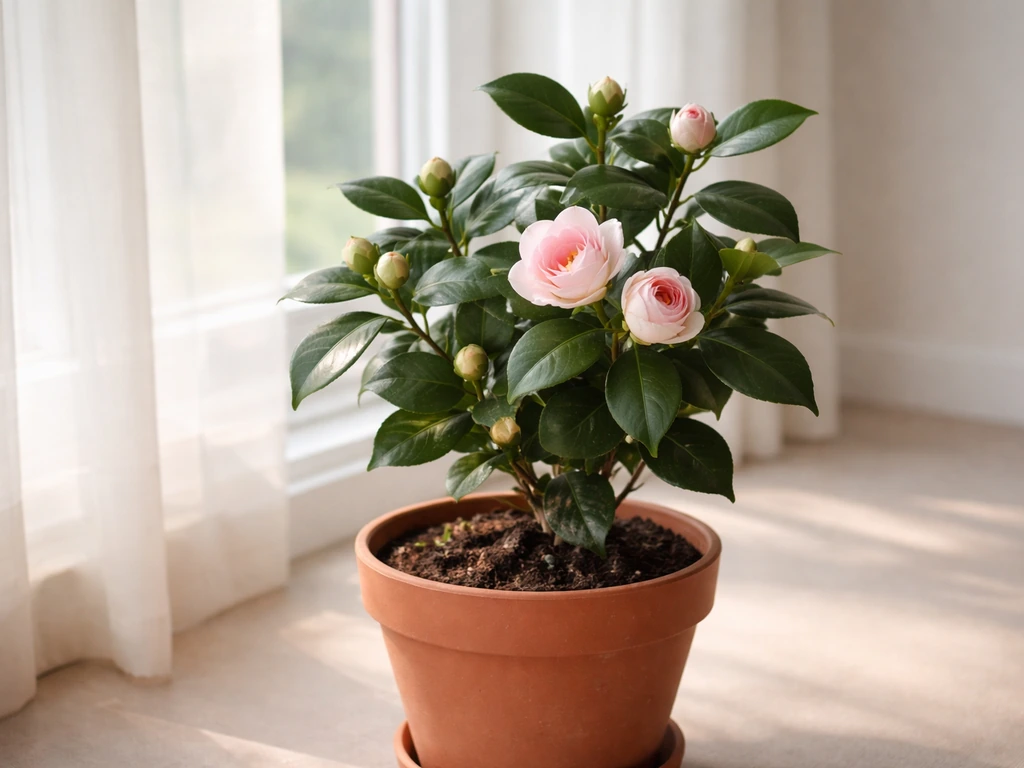
Camellias can grow indoors, but they are genuinely challenging compared to most houseplants. They need cool temperatures, high humidity, and very bright light to stay healthy and bloom, conditions most homes don't naturally provide. If you have a cool sunroom, an unheated porch, or a bright north-facing window in a temperate climate, you have a real shot. If your home stays warm year-round and you're relying on a south-facing window in a centrally heated apartment, expect a harder road. It's doable, but you need to go in with clear expectations and a willingness to manage the environment carefully.
Can Camellias Grow Indoors? Indoor Care Guide to Blooms
James Hartwell
30 Apr 2026
Are camellias actually suited to indoor growing?
Camellias are not typical houseplants. In the ground outdoors, they're tough, long-lived shrubs. Indoors, they're more like demanding guests. The core challenge is that camellias bloom in late winter and early spring precisely because they need a cool dormancy period to set buds. Without a stretch of genuinely cool temperatures, ideally around 40°F (around 5°C) for several weeks, they often won't flower. Once buds have set, they're easily dropped if the plant gets too warm or too dry.
That said, people do grow camellias indoors successfully, especially in containers that can be moved. The strategy that works best is treating the plant as a 'semi-indoor' resident: keep it outside or in an unheated space through autumn to let it go through its natural dormancy and bud set, then bring it inside to a cool, bright room to enjoy the flowers. Think of it less like a permanent houseplant and more like a seasonal indoor feature, similar to how you might manage a forced bulb or a holiday cactus.
Best camellia types for indoor growing
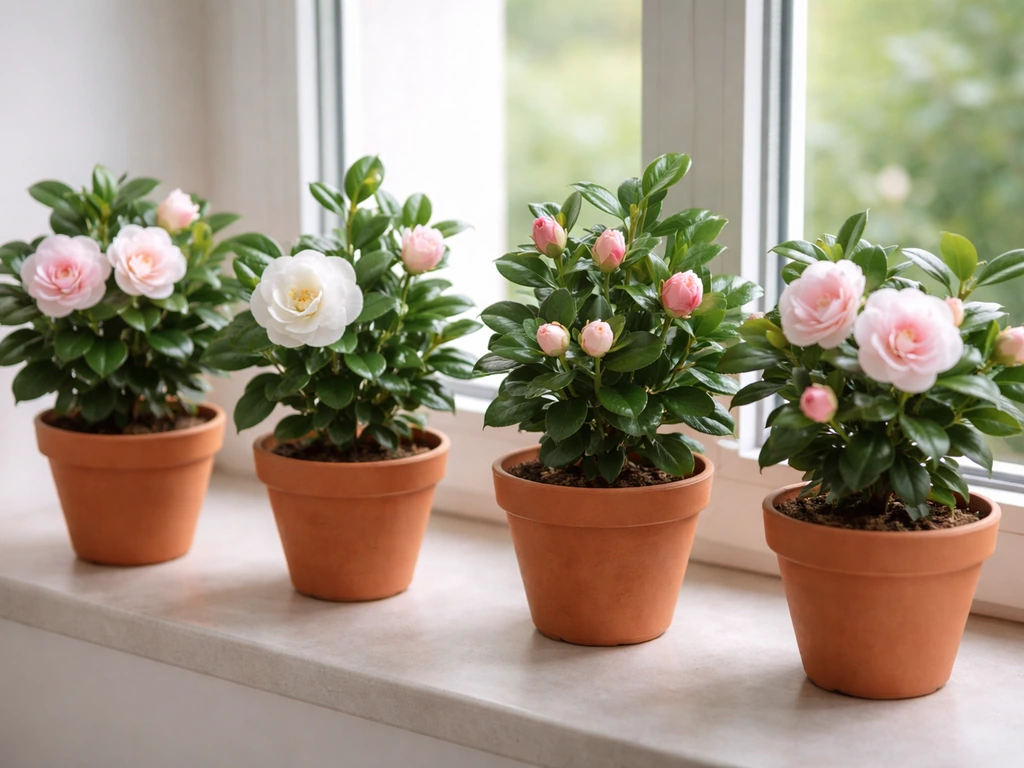
Not all camellias behave the same in containers or indoors. Choosing the right variety is probably the single biggest factor in whether you succeed.
- Camellia japonica: The classic choice. Dozens of compact cultivars exist. Look for varieties labeled 'dwarf' or 'miniature' — they top out around 3 to 4 feet in a container and are easier to manage indoors. Good performers include 'Nuccio's Gem,' 'Kramer's Supreme,' and 'Professor Charles S. Sargent.'
- Camellia sasanqua: Often easier for beginners because it's more heat-tolerant and less fussy about cold dormancy than japonica. It blooms in autumn rather than late winter, which actually makes the indoor timing more forgiving. 'Setsugekka' and 'Yuletide' are popular compact options.
- Camellia sinensis: This is the tea plant, and it's worth mentioning separately — it's actually better adapted to container life than the ornamentals, and some gardeners find it easier to keep as a long-term houseplant. If your main goal is a living plant rather than showy blooms, sinensis is worth considering.
- Miniature and dwarf hybrids: Hybrids bred specifically for container culture, often crosses between japonica and other species, tend to be more compact and somewhat more tolerant of indoor conditions.
Avoid large, vigorous cultivars unless you have a very large, cool space. A plant that wants to grow 10 feet tall will be perpetually stressed in a pot in a living room, and a stressed camellia is a bud-dropping camellia.
Light, temperature, and humidity, the three things that matter most
Light
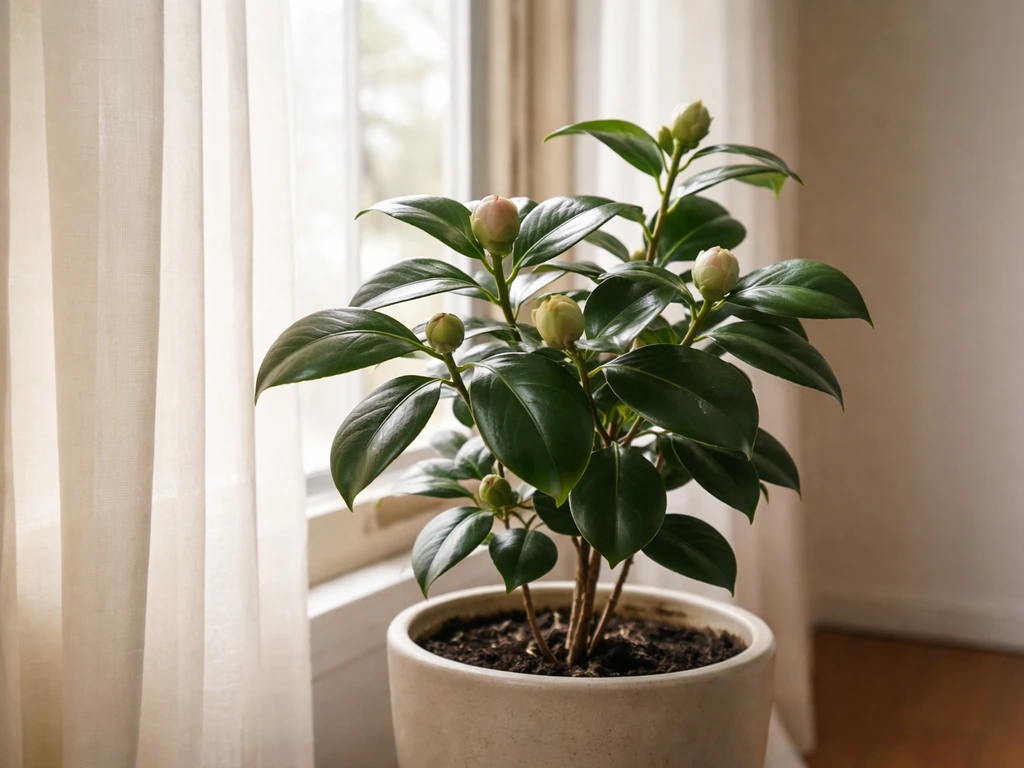
Camellias need bright, indirect light indoors. If you are wondering about something easier, the related question of can tradescantia grow indoors is also worth checking before you set up your space. A south- or east-facing window that gets at least 4 to 6 hours of bright light daily is a minimum. West-facing windows can work, but the harsh afternoon sun in summer can scorch leaves through glass. North-facing windows are usually not enough on their own. If your natural light is limited, a full-spectrum grow light placed 12 to 18 inches above the plant for 12 to 14 hours a day can make up the difference, this is genuinely worth the investment if you're serious about getting blooms.
Temperature
This is the make-or-break factor for flowering. Camellias need a cool period to set flower buds, roughly 40°F (4°C) or colder for several weeks during autumn. Once buds have formed, the ideal indoor temperature to hold those buds and bring them to flower is between 45°F and 60°F (7 to 15°C). The International Camellia Society is pretty direct about this: if you move a budded plant into a room that stays consistently above 60°F (15°C), buds will drop. If room temperatures are above 68°F (20°C) even after a proper cold treatment, expect bud drop. Most centrally heated homes in winter run between 68°F and 72°F, which is exactly the range that causes problems.
The practical solution is to find the coolest spot in your home during winter: an unheated mudroom, a cool enclosed porch, a spare bedroom with the radiator turned down, or even a bright garage window. Temperature swings are also damaging, keeping the plant near heating vents or drafty exterior doors creates the fluctuations that trigger bud drop.
Humidity
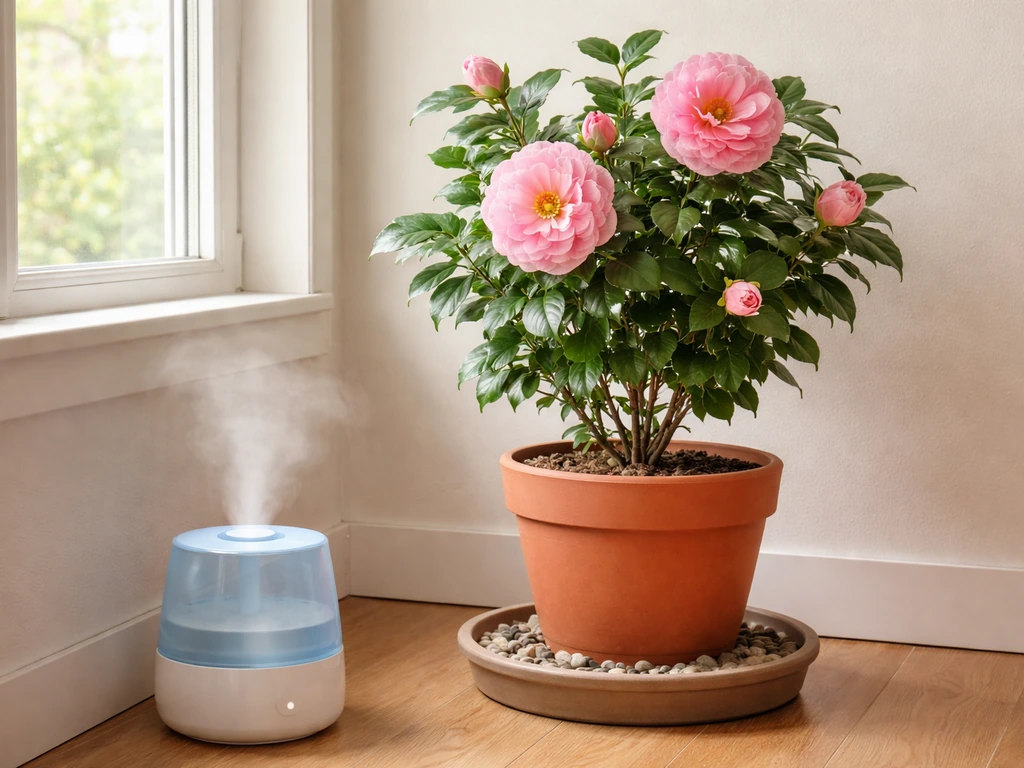
Camellias prefer humidity above 50%, and most heated homes in winter drop well below that. Low humidity stresses the foliage and can contribute to bud drop. The fixes are familiar: run a humidifier nearby, place the pot on a tray of pebbles filled with water (keeping the bottom of the pot above the water line), or group it with other plants to create a more humid microclimate. Misting is less effective and can encourage fungal issues, so skip it.
Potting, soil mix, and drainage
Camellias are acid-loving plants. They need a potting mix with a pH between 5.5 and 6.5. A mix formulated for azaleas and rhododendrons works well, or you can make your own by combining standard potting soil with perlite and pine bark fines in roughly equal thirds. The pine bark lowers pH and improves drainage; the perlite prevents compaction. Avoid any mix that contains limestone or dolomite, which will raise pH and cause yellowing leaves.
Drainage is critical. UC IPM guidance emphasizes that standing water and consistently wet conditions invite disease and root rot. Choose a pot with large drainage holes, at least two or three, and never let the plant sit in a saucer full of water for more than an hour or two. Terracotta pots help with aeration and drying between waterings, which is an advantage in indoor conditions where airflow is limited.
For pot size, start with a container just 2 inches wider than the root ball. Camellias actually bloom better when slightly root-bound, and an oversized pot holds excess moisture that leads to root problems. Repot every 2 to 3 years in spring, moving up one container size at a time. When repotting, handle the roots gently, camellias have fine, sensitive roots that don't appreciate rough treatment.
Watering and fertilizing schedule
Watering
Water thoroughly when the top inch of soil feels dry, then let the pot drain completely. Camellias don't like sitting in wet soil, but they also can't tolerate drying out completely, especially when in bud, as drought is one of the documented causes of bud drop. The UC Statewide IPM Program for camellias also covers water-related problems, including both water deficit and water excess, as part of care and troubleshooting water-related problems (including water deficit/excess). In winter indoors, you'll likely water less frequently than in summer; every 7 to 10 days is common, but always let the soil be your guide rather than a fixed schedule. Use room-temperature water, and if your tap water is heavily chlorinated or has a high mineral content, let it sit overnight or use filtered water.
Fertilizing
Feed with an acid-formulated fertilizer (look for ones designed for azaleas, camellias, and rhododendrons) from late spring through summer. A slow-release granular fertilizer applied once in spring and once in early summer is the simplest approach. Stop fertilizing by late summer, feeding too late pushes soft new growth that won't harden before autumn, and it can interfere with bud set. The CT Plant Pest Handbook specifically lists overfertilization as a cause of bud drop, so resist the urge to feed in autumn or winter when buds are forming or developing.
Getting blooms indoors (and what to do when buds drop)
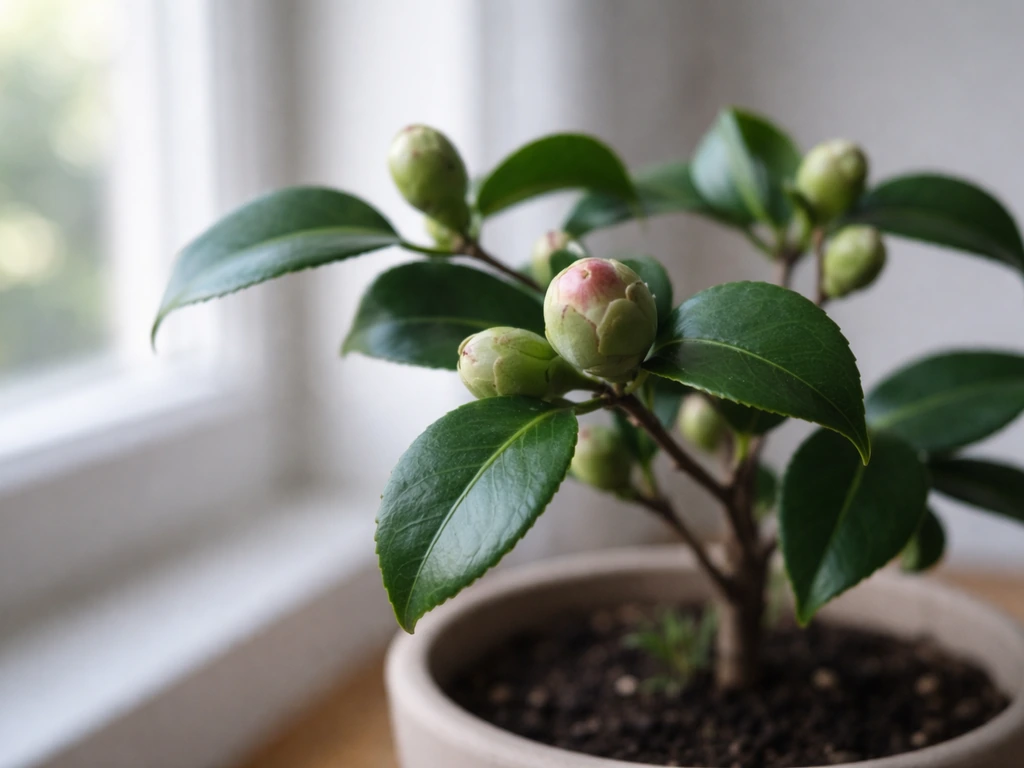
Getting a camellia to bloom indoors is really about managing two phases: bud set and bud retention. Bud set happens in late summer to autumn and requires adequate light and a cooling period. Bud retention, keeping those buds until they open, requires cool, stable temperatures and consistent moisture.
The most reliable indoor bloom strategy is to spend the summer with the plant outside (or in a very bright, cool space), allow it to experience the natural cooling of autumn, and then bring it into a cool indoor space, ideally between 45°F and 60°F, once buds have visibly formed. If you skip the outdoor phase or bring the plant into a warm room too early, you're fighting the plant's biology.
Bud drop: why it happens and how to fix it
Bud drop is the most frustrating indoor camellia problem, and it almost always comes down to one of a handful of causes. Here's how to diagnose it:
| Cause | Signs | Fix |
|---|---|---|
| Temperature too warm | Buds drop before showing color, especially after moving plant indoors | Move to coolest available spot; aim for below 60°F (15°C) |
| Temperature fluctuations | Buds drop erratically, not all at once | Keep away from heating vents, radiators, and drafty windows |
| Inconsistent watering | Dry soil at time of drop, or alternating wet/dry cycles | Water when top inch is dry; be consistent |
| Low humidity | Buds dry out and drop; leaf tips may brown | Use a humidifier or pebble tray |
| Insufficient light | Buds drop before opening; plant looks leggy | Move to brighter window or add grow light |
| Overfertilizing | Lots of soft new growth; buds drop | Stop feeding; don't fertilize after midsummer |
If buds are dropping and you're not sure why, start by ruling out temperature, it's the most common culprit by far. Get a simple min/max thermometer and put it near the plant for a few days to see what range it's actually experiencing.
Common problems and ongoing care
Yellowing leaves
Yellow leaves indoors are usually a pH or watering problem. If the yellowing is between the veins (the veins stay green but the leaf turns yellow), that's classic iron chlorosis caused by pH that's too high. Fix it with an acidifying fertilizer or a chelated iron supplement. If leaves are uniformly yellow and dropping, overwatering or root rot is the more likely cause, check the roots and repot into fresh, well-draining mix if they smell bad or look brown and mushy.
Pests
Spider mites are the most common indoor pest on camellias, encouraged by the low humidity and warm temperatures of most homes. Check the undersides of leaves for fine webbing and tiny mites. A strong spray of water to knock them off, followed by neem oil or insecticidal soap, usually handles mild infestations. Scale insects (look like small brown bumps on stems) can also appear, treat with horticultural oil. Inspect new plants carefully before bringing them inside, and quarantine any new camellia for a few weeks before placing it near other houseplants.
Disease
Flower blight causes brown spotting on petals that spreads quickly. It's favored by poor drainage and long wet periods, so a well-draining container and good air circulation are your best prevention. Remove and dispose of affected flowers promptly, don't compost them. Root rot from overwatering is the other major disease risk indoors; the prevention is exactly the same as for good general camellia culture: drain thoroughly and never let roots sit in standing water.
A simple ongoing care checklist
- Check soil moisture every 5 to 7 days in winter, more frequently in summer
- Keep plant in the coolest, brightest spot available during autumn and winter
- Monitor temperature with a min/max thermometer — target below 60°F when in bud
- Run a humidifier or use a pebble tray to maintain humidity above 50%
- Fertilize with acid-formula feed in spring and early summer only
- Inspect leaves monthly for spider mites and scale, especially in winter
- Remove spent flowers promptly to reduce disease risk
- Repot every 2 to 3 years in spring, moving up just one pot size
Where to start if you want to try this today
If you're ready to give it a go, here's the practical starting point. Look for a compact Camellia japonica or sasanqua at a local nursery, a plant already in a 1- or 2-gallon container is a good size to start with. Repot it into an acidic, well-draining mix in a terracotta pot with good drainage holes. Find the coolest, brightest spot in your home (or plan to keep it on a porch or outside through summer). Get a min/max thermometer so you actually know what temperatures the plant is experiencing. And manage your expectations for year one, many people get foliage establishment in year one and better blooms in year two once the plant has settled.
Camellias are not the easiest indoor plant, and if you want something reliably showy with less fuss, options like cyclamen or cymbidium orchids might be worth comparing. Cyclamen is a different type of flowering plant, and it has its own specific care needs for indoor growing. If you’re wondering whether a cymbidium can grow indoors, the same idea applies: you still need the right cool conditions and light cymbidium grow indoors. If you want to try can you grow camellia sinensis indoors, you will still need the same cool, bright conditions and a careful plan for dormancy. If you're considering other options, can cyclamen grow indoors is a common question worth checking before you commit. But if you've got the right cool spot and you're willing to pay attention to temperature and moisture consistency, a camellia indoors is genuinely rewarding, those big, waxy flowers in late winter are hard to beat.
FAQ
Can I keep a camellia indoors all year and still get flowers?
Most camellias need consistent cool conditions, but you do not need to keep them indoors year-round. A practical approach is to keep the plant outdoors (or in an unheated, bright area) through autumn so it can set buds, then move it to an indoor cool room only after buds are clearly formed. If you bring it inside too early, it may still survive but the timing and bud set are often off.
What should I do if my home is warm in winter?
If you do not have a naturally cool winter spot, use a temperature-controlled strategy. Put a min/max thermometer near the plant, then aim to keep budded camellias mostly between 45°F and 60°F (7 to 15°C). A spare bedroom with the radiator lowered, a bright insulated porch, or a cool garage window area often works better than a living room that regularly hits 68°F to 72°F (20 to 22°C).
How can I prevent camellia buds from dropping once they form?
When you see buds forming, the two biggest triggers for bud drop are heat spikes and drying. Avoid placing the pot directly by vents, radiators, fireplaces, or drafty doorways. Also keep the soil evenly moist but not wet, so buds are not exposed to swings from nearly dry to soggy.
Can I move my indoor camellia to a brighter window to improve blooming?
Yes, camellias can be moved into bright light gradually. Start with the current light level, then increase exposure over 1 to 2 weeks, especially before bringing a plant into a very sunny window. Sudden changes can stress buds and leaves, and glass can create intense afternoon heat that contributes to scorching and bud loss.
My camellia has yellow leaves and buds dropping, how do I tell the cause?
Overwatering and potting mix pH issues can look similar at first, so check roots and soil. If the plant is dropping buds plus leaves yellowing uniformly, suspect either high pH (iron chlorosis) or root problems. If the roots smell bad or look brown and mushy, repot into fresh acidic, well-draining mix. If roots look healthy but leaves are yellow between veins, correct pH with an acidifying fertilizer or chelated iron.
Should I fertilize in autumn or winter to boost bloom?
“More fertilizer” is not the solution. Overfeeding and feeding too late can lead to soft growth that does not harden before autumn, which can disrupt bud set and retention. Follow an acid-formulated fertilizer only from late spring through summer, then stop by late summer so the plant has time to shift naturally.
What are the most common indoor mistakes with camellias in pots?
For indoors, choose a potting mix that drains fast and stays acidic, and make sure the pot has at least several large drainage holes. Avoid saucers that keep water pooled, and never leave the pot sitting in excess water. If your indoor airflow is low, use a compact pot, keep watering controlled, and do not let the soil remain wet between checks.
What is the best way to handle spider mites or scale on indoor camellias?
If you notice spider mites or scale, isolate the plant right away. Rinse undersides of leaves first, then treat mild infestations with insecticidal soap or neem according to label directions. For scale on stems, horticultural oil is usually more effective than repeated water sprays. Quarantine any new camellia for a few weeks before it joins other plants.
Why did my indoor camellia not bloom in the first season?
Re-blooming can be slower than first-time expectations. Many growers get foliage establishment in the first year, and noticeably better flowering in year two once the plant has settled into the pot and your indoor temperature-light rhythm. If blooms are absent year one, it is often a timing and acclimation issue rather than a total failure.
How do I raise humidity for camellias indoors without causing mold or fungus?
In most homes, use a humidifier near the plant rather than relying on misting. Mist can briefly wet leaves but usually does not raise humidity enough long-term, and it can encourage fungal issues if leaves stay wet. For a non-electric option, a pebble tray works if the pot bottom stays above the water level.