Quick answer: yes, but with some honest caveats
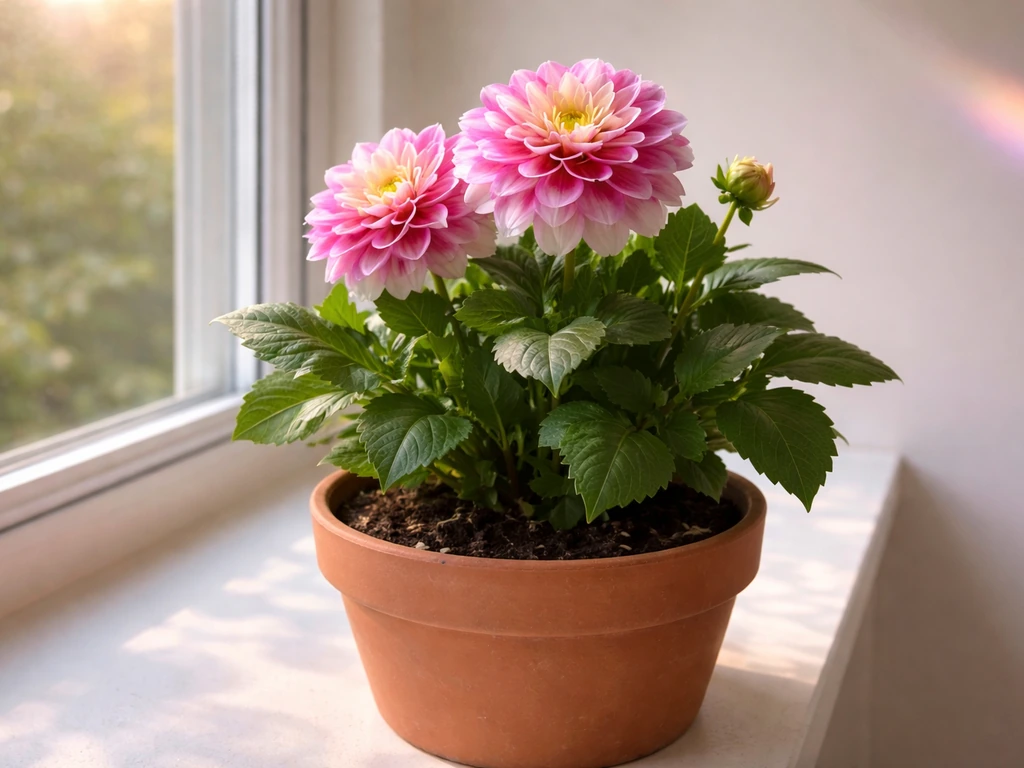
Dahlias can grow indoors, and with the right setup they will actually bloom. Marigolds are a different story, and you can check whether can marigolds grow indoors to see what conditions they need. If you're curious about other container-friendly choices, you can also read whether can morning glories grow indoors for a useful comparison point on indoor light needs. But I want to be straight with you: they are not easy-going houseplants like pothos or peace lilies. They need a serious amount of light, they want specific temperatures, they go dormant in winter, and some varieties will outgrow a normal room in a matter of weeks. If you can nail the light situation and give them a proper rest period over winter, you can absolutely enjoy dahlia blooms inside your home. If you're in an apartment with one small north-facing window, it's going to be an uphill battle. The good news is that grow lights fix most of the light problem, and I'll walk you through exactly what that looks like. You can use a similar indoors-light setup when asking can daffodils grow indoors, but the timing and dormancy needs are different.
Light is the make-or-break factor indoors
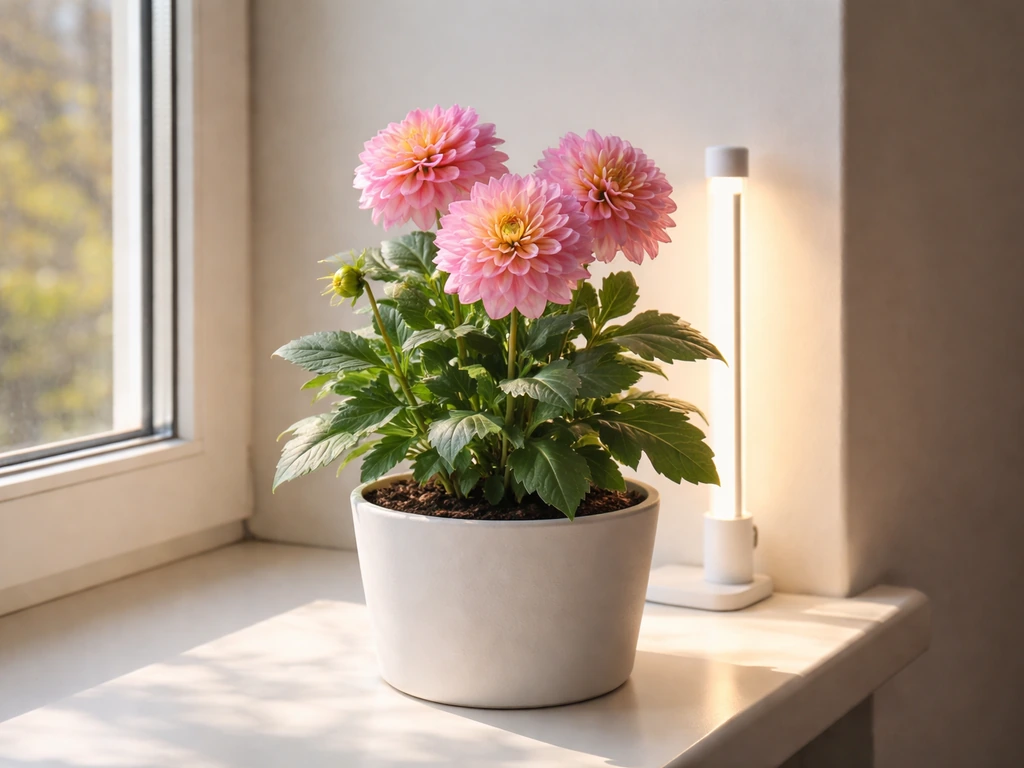
Dahlias want roughly 6 to 8 hours of bright light every day, and they are not forgiving when they don't get it. If the light falls short, they go leggy fast, producing long weak stems that flop over and rarely produce flowers. I've seen dahlia seedlings started on a dim windowsill turn into pale, spindly messes within two weeks. That's the number one reason indoor dahlias fail.
Your best window option is a south-facing one that gets unobstructed sun for most of the day. An east or west window can work in a pinch during summer, but a north-facing window is basically a non-starter unless you're adding supplemental lighting. For most indoor growers, LED grow lights are the practical solution. A full-spectrum LED panel positioned about 12 to 18 inches above the plants, running for 12 to 14 hours a day, gives dahlias what they need to build strong stems and set buds. That 12-to-14-hour window matters: dahlias are photoperiod-sensitive, and research from commercial greenhouse growers shows that maintaining roughly that day-length range helps balance vegetative growth with flower formation. Go much shorter and you may get tuber formation instead of flowers; go excessively long and you can actually delay blooming.
Picking the right type and timing before you start
You have two main options for starting dahlias indoors: bare tubers or potted starts (young plants already in soil). Both work, but they have different timelines and learning curves.
Tubers vs. potted starts
| Option | Lead Time to Bloom | Ease for Beginners | Best For |
|---|
| Bare tubers | 12–16 weeks from planting | Moderate (must not overwater early) | Experienced growers who want variety selection |
| Potted starts | 6–10 weeks from transplant | Easier (already rooted) | Beginners and apartment growers |
| Seeds | 16–20+ weeks | Harder (slow, variable results) | Patient growers comfortable with uncertainty |
For indoor growing specifically, I usually recommend potted starts if you can find them. They skip the nerve-wracking early phase where tubers sit in soil doing nothing and are prone to rotting if you water too much. If you do go with tubers, buy named compact or dwarf varieties, not the dinner-plate giants that grow 5 or 6 feet tall. Look for varieties labeled 'Gallery,' 'Figaro,' or 'Melody' series, which top out at 12 to 24 inches and are much more manageable in a container.
Timing matters too. The best time to start dahlias indoors is late February through April, giving them a long growing season before they naturally wind down in fall. Starting in mid-winter under grow lights works if you're committed, but getting good blooms before the plant wants to rest in late autumn is much easier with a spring start.
Pot, soil, and planting basics
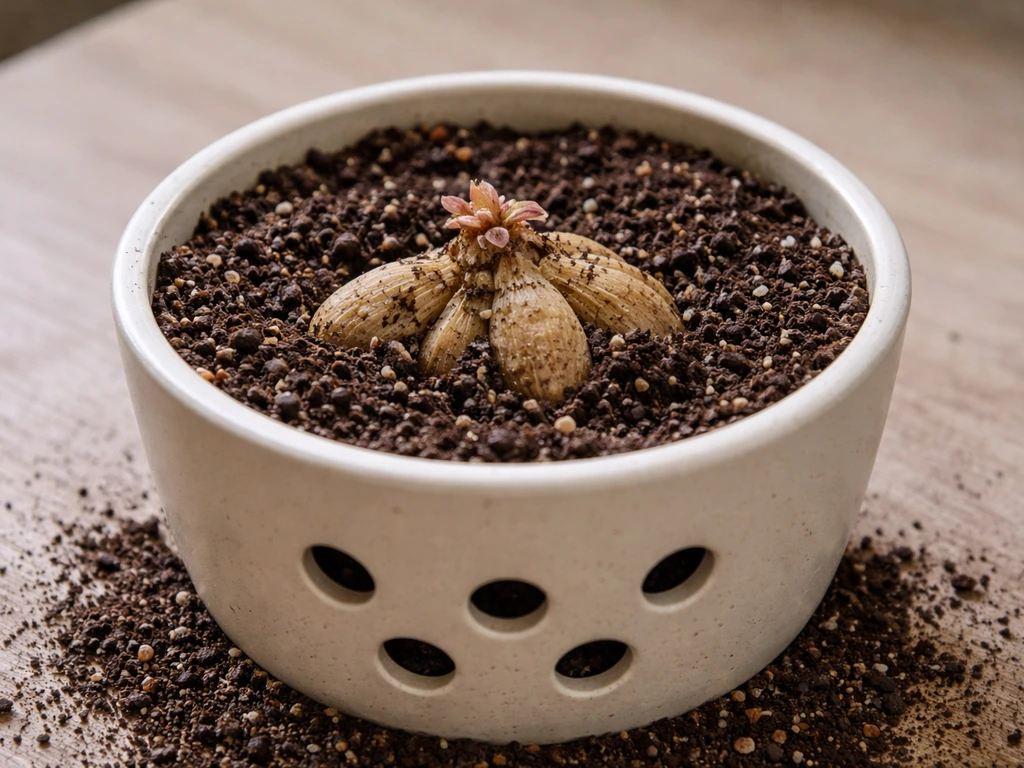
Drainage is non-negotiable with dahlias. A soggy pot will rot a tuber or drown an established plant faster than almost any other mistake you can make. Use a pot with at least one large drainage hole, and don't put a saucer under it unless you're disciplined about emptying it after every watering. For pot size, a compact dahlia variety needs a minimum of a 12-inch wide, 12-inch deep container. Larger dinner-plate types need at least a 15-inch or bigger pot, but again, those are tough to manage indoors.
Soil-wise, go with a well-draining potting mix rather than standard garden soil or dense mixes meant for moisture retention. A blend of quality potting mix with added perlite (roughly 3 parts mix to 1 part perlite) gives you the drainage and aeration dahlia roots need. Plant tubers horizontally about 2 to 3 inches deep with the eye (the little growth nub) facing up. Don't water much at all right after planting a bare tuber; wait until you see green shoots emerging before you begin regular watering.
Watering, feeding, and keeping temperatures right
Watering
Once your dahlia is actively growing, water when the top inch of soil feels dry. Always water at the base of the plant, never overhead. Wetting the leaves in an indoor environment with lower airflow is an invitation for fungal disease, and dahlias are already more susceptible to it than many plants. If your home is humid, a small fan running nearby for a few hours a day improves airflow significantly and helps prevent mold and mildew.
Feeding
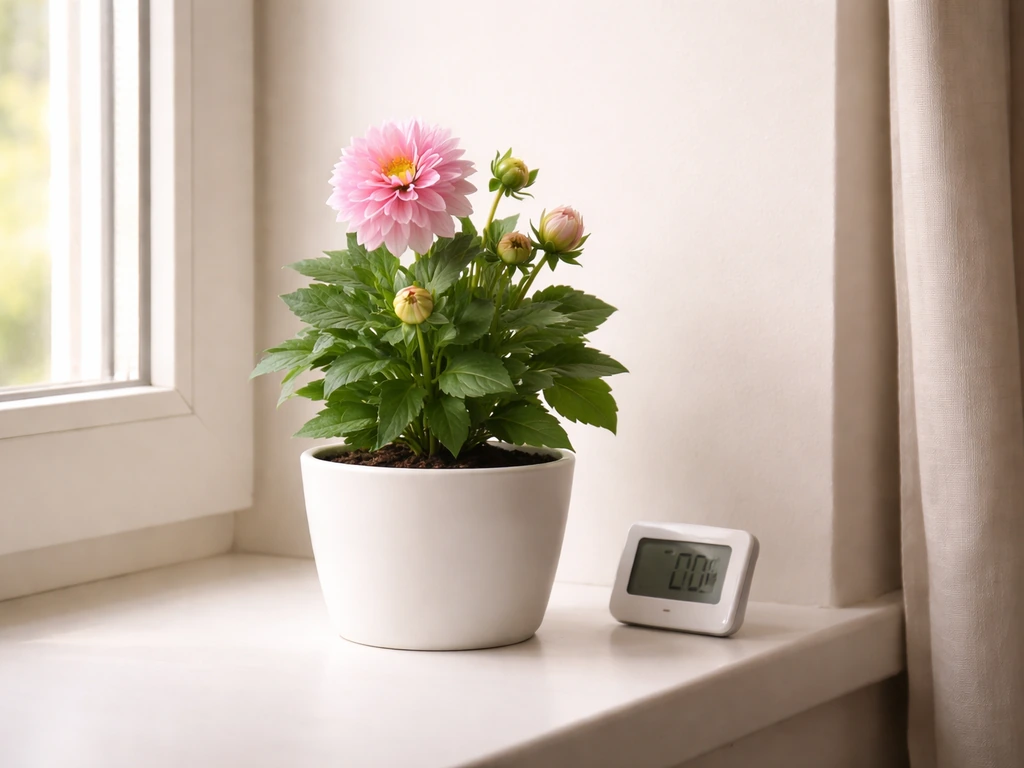
Feed your dahlias with a fertilizer that is low in nitrogen and higher in phosphorus and potassium. Nitrogen pushes leafy green growth, which is the last thing you want when your goal is flowers. University extension research recommends ratios in the range of 0-20-20 to 10-20-20 for encouraging blooms. In practice, a tomato fertilizer or a bloom-booster formula works well. Start feeding every two weeks once the plant has a few sets of true leaves, and keep that schedule through the blooming period.
Temperature
Dahlias prefer daytime temperatures between 65°F and 75°F with slightly cooler nights, which happens to align with a comfortable indoor home environment. Avoid placing them near heat vents, radiators, or air conditioning units that create temperature swings or very dry air. A windowsill that gets cold drafts in winter is also a problem, especially for young plants.
Getting your dahlias to actually bloom indoors
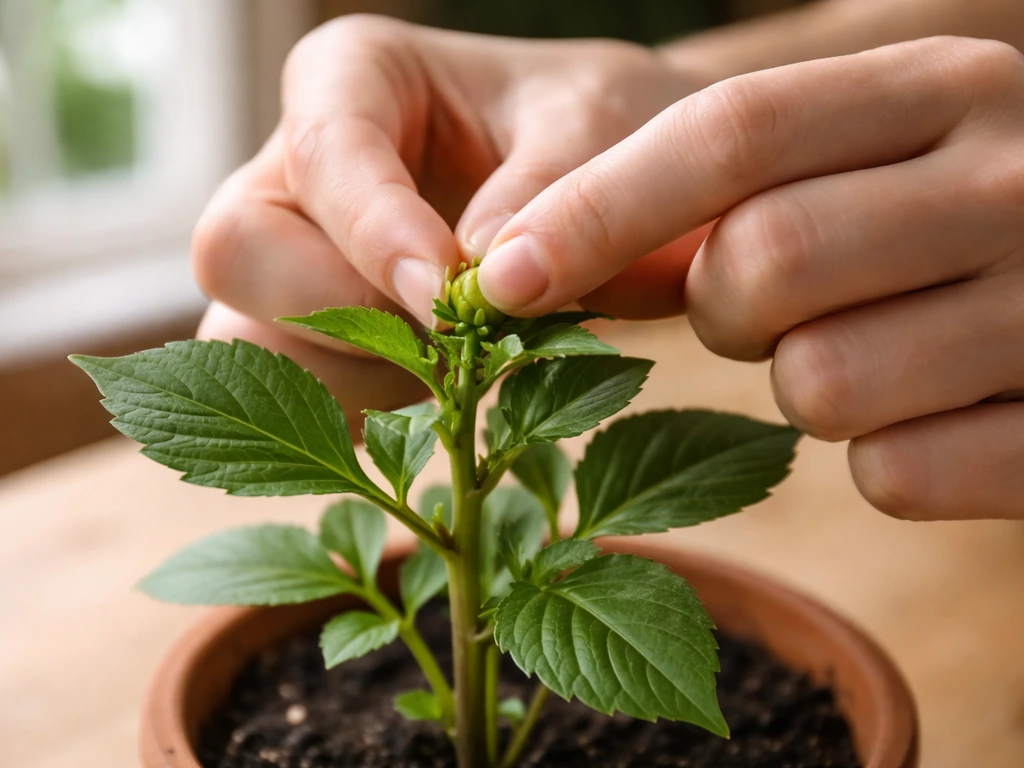
Getting green leaves is only half the battle. Getting flowers requires a few extra steps that a lot of indoor growers skip.
- Pinch the growing tip once your dahlia has three sets of leaves. Snipping the center shoot encourages branching, which gives you more stems and more flowers.
- Stake tall varieties early, before the stems get long enough to flop. A bamboo stake and soft plant ties work fine for most container dahlias.
- Deadhead spent blooms consistently. As soon as a flower fades, cut it off at the next set of leaves. This signals the plant to keep producing buds rather than going to seed.
- Maintain 12 to 14 hours of light per day under grow lights, or position the plant where it gets maximum natural light. Light is the biggest driver of flower production.
- Be patient. From a tuber, expect your first blooms in 12 to 16 weeks. From a potted start, it can be as fast as 6 to 10 weeks.
One thing I want to flag about seasonal expectations: dahlias are not true year-round bloomers indoors. They have a natural cycle, and even with supplemental lighting, they will eventually slow down and want to rest. Even if you use supplemental light, the bigger question is whether chrysanthemums can grow indoors in your conditions too can chrysanthemums grow indoors. Most indoor-grown dahlias bloom best from late spring through early autumn and then begin to wind down as natural day length shortens in fall. You can extend the season somewhat with grow lights, but fighting the dormancy cycle completely is an exhausting and usually losing battle.
Common indoor problems and how to fix them
Leggy, weak stems
This is almost always a light problem. If your dahlia is reaching toward the light, producing long gaps between leaf nodes, or just looks pale and floppy, it needs more light immediately. Move it closer to your grow light or a brighter window. If it's already on your best windowsill and still struggling, add a grow light. There's no fertilizer or watering trick that substitutes for adequate light.
Spider mites and aphids
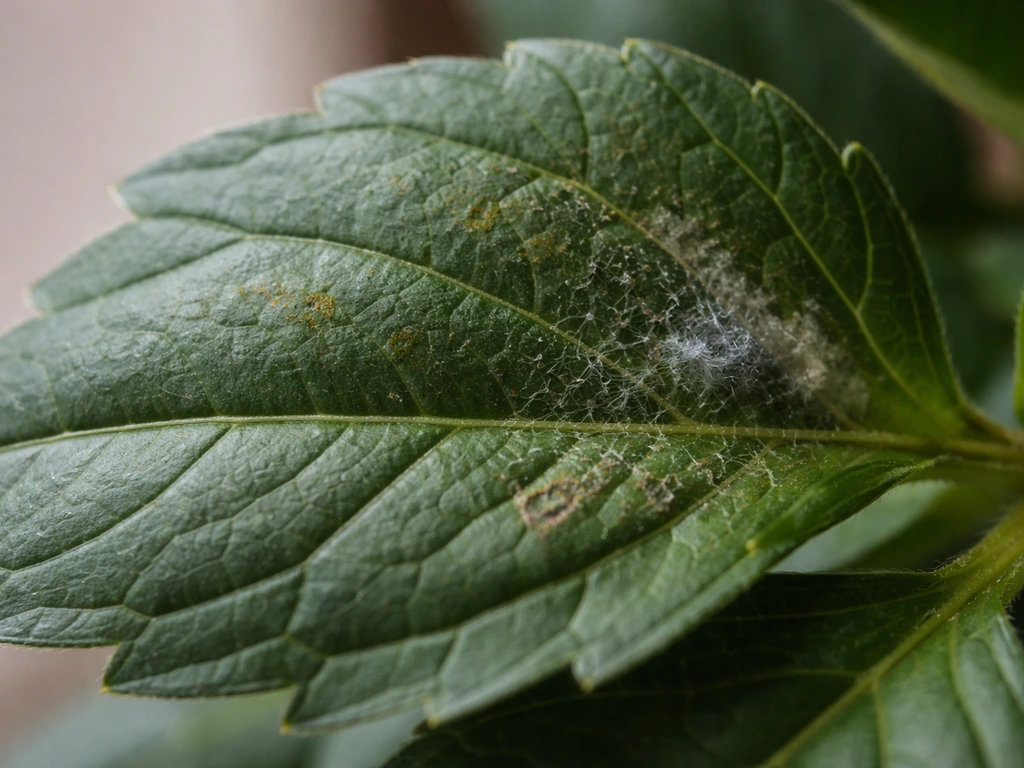
Indoors, spider mites and aphids are the most common pest problems you'll encounter with dahlias. Mites thrive in warm, dry indoor air and show up as fine webbing and bronzed or stippled leaves. Aphids cluster on new growth and the undersides of leaves. Both can be managed with plant oil sprays (neem oil or insecticidal soap), but spray in a well-ventilated area and make sure you coat the undersides of leaves where pests hide. Repeat treatments every five to seven days until the problem clears. Thrips are another indoor pest to watch for; they cause silvery scarring on petals and leaves and respond to the same oil-based treatments.
Fungal disease and rot
Powdery mildew and botrytis (gray mold) are the main fungal threats for indoor dahlias, both encouraged by poor airflow and leaf wetness. The fix is prevention: water only at the base, keep air moving, and don't crowd plants. If you do see mold or mildew spreading, remove affected leaves immediately and discard them (not in your compost). Tuber rot can happen fast in an overwatered pot, and unfortunately a badly rotted tuber rarely recovers. If you see the base of the stem going soft and dark, pull the plant, inspect the tuber, and cut away any rotten sections with a clean blade before trying to salvage it. Sanitation matters a lot in indoor settings where problems spread faster in a confined space.
When to move dahlias outside vs. keeping them in
If you have outdoor space and your last frost date has passed, moving your dahlias outside for summer is genuinely the best thing you can do for them. Real sunlight, natural airflow, and natural humidity levels produce bigger, better blooms than almost any indoor setup. In most of the US, that means moving plants outside from late April or May through October.
Don't just carry your plant straight from an indoor windowsill to full outdoor sun though. Harden it off first: set it outside in a sheltered, partly shaded spot for a few hours a day, gradually increasing sun exposure and time outdoors over one to two weeks. Skipping this step can cause leaf scorch and stress the plant significantly.
When temperatures drop toward 32°F in fall, bring dahlias back inside or prepare to store the tubers. University of Georgia Cooperative Extension notes that dahlia tubers store best at about 35°F to 50°F blank" rel="noopener noreferrer">prepare to store the tubers. The above-ground plant will die back after the first frost, and at that point you can dig the tubers, let them dry for a few days, and blank" rel="noopener noreferrer">store them somewhere cool but above freezing (the ideal storage range is just above 32°F up to about 50°F, kept cool and dry through winter). This winter storage phase is a normal part of the dahlia cycle, and the RHS confirms that most dahlias need this rest period rather than being kept actively growing year-round. Come late winter or early spring, you start again.
If you truly have no outdoor space and want to keep dahlias going indoors all year, it is possible with consistent grow light management, but expect the plant to go through a natural slowdown regardless. If you are wondering can marigolds grow indoors, the same idea applies: you need enough light and the right watering to keep them healthy. If you're wondering the same thing about bleeding hearts, they have different light and moisture needs than dahlias but can still be grown indoors with the right setup can bleeding hearts grow indoors. Give it a reduced watering period in late fall and winter, let it rest, and then ramp back up in late winter to restart the growing cycle. Some gardeners compare this to how daffodils work, where a rest period is part of what makes the next bloom cycle possible. The dahlia question of whether you can keep them going indoors completely year-round is a real one, and worth understanding before you commit to the setup.
Your next steps right now
If it's currently April 2026, you are in the perfect window to start dahlias indoors. Here's what I'd do today:
- Pick a compact or dwarf variety (Gallery, Figaro, or Melody series) and source either a potted start or bare tubers from a reputable supplier.
- Set up a 12-inch or larger container with well-draining potting mix and added perlite.
- Position your pot under a full-spectrum LED grow light running 13 to 14 hours a day, or on your sunniest south-facing windowsill.
- If using a tuber, plant 2 to 3 inches deep, water lightly once, and wait for shoots before regular watering begins.
- Start feeding with a low-nitrogen, high-phosphorus/potassium fertilizer once true leaves appear.
- Plan to harden off and move outdoors once your last frost date passes, typically mid to late May in most of the US.
Dahlias reward the growers who pay attention to light and drainage above everything else. Get those two things right and you'll have blooms in your home this summer. Ignore them and you'll have a frustrating tangle of weak stems going nowhere. The setup takes a little effort upfront, but it's genuinely worth it when those first flowers open.