
Yes, marigolds can grow indoors, but I want to be straight with you: they are not the easiest houseplant. They are sun-hungry, they need airflow, and they have a quirky relationship with day length that affects whether they actually bloom. Get those three things right, and you absolutely can grow marigolds inside year-round, including through winter. Skip them, and you will end up with leggy stems and zero flowers. If you are also wondering about chrysanthemums, the care needs are different, so it helps to check what they require to thrive indoors can chrysanthemums grow indoors.
Can Marigolds Grow Indoors? How to Grow Them Indoors

James Hartwell
19 Apr 2026
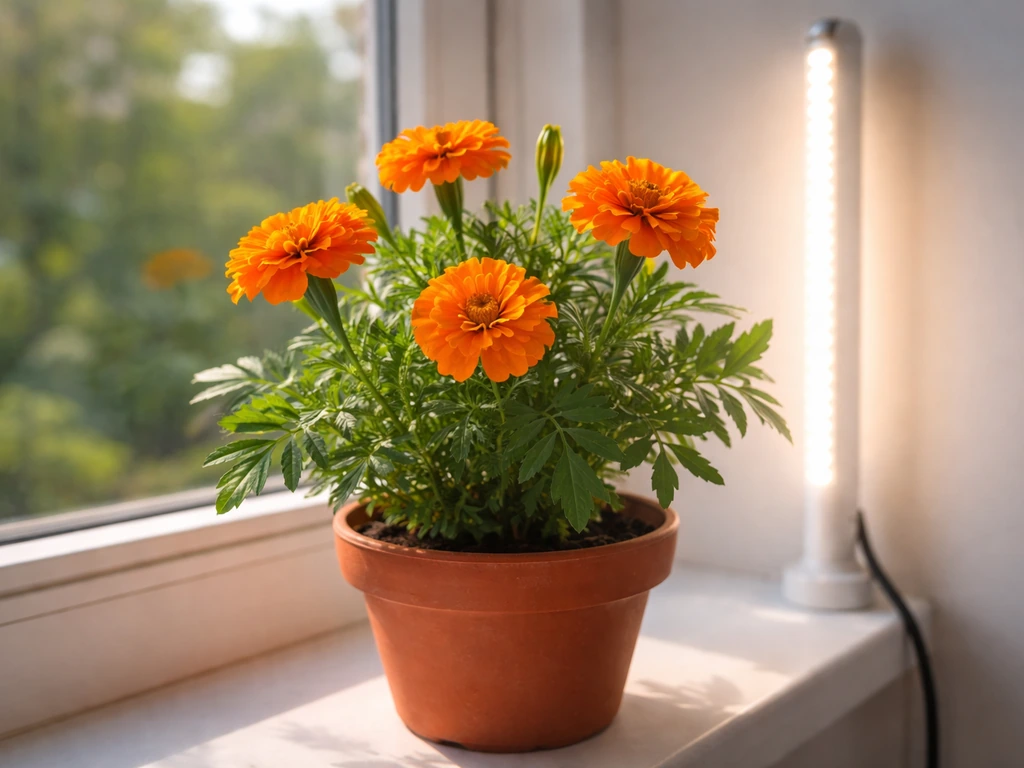
This guide covers everything you need to make it work. You can use the same indoor light and airflow checklist to figure out whether can morning glories grow indoors as well. If you are wondering can i grow dahlias indoors year round, the key is having strong grow lights and consistent conditions so the plants can bloom reliably.
The honest answer: can marigolds really grow indoors?
Marigolds will grow indoors, but they perform best when given conditions close to what they get outside: intense light, warm days, slightly cooler nights, and good air circulation. The main catch is light. Marigolds in commercial production are targeted at 800 to 1,200 µmol·m⁻²·s⁻¹ of light intensity, which is far beyond what a typical south-facing window provides. That does not mean you need a greenhouse, but it does mean a grow light is your best friend here. If you are willing to set one up, marigolds indoors are genuinely doable and rewarding. If you are hoping a bright windowsill alone will do the job, expect modest results at best.
One more thing worth knowing before you start: marigolds are short-day (or facultative short-day) plants. Some varieties, particularly blank" rel="noopener noreferrer">African marigolds (Tagetes erecta), bloom when day length drops below about 12 hours. French marigolds are a bit more forgiving, but even they can be delayed by long light periods. This matters a lot when you are setting up grow lights indoors, because more light hours does not always mean more flowers.
Best indoor conditions for marigolds
Light: the single biggest factor
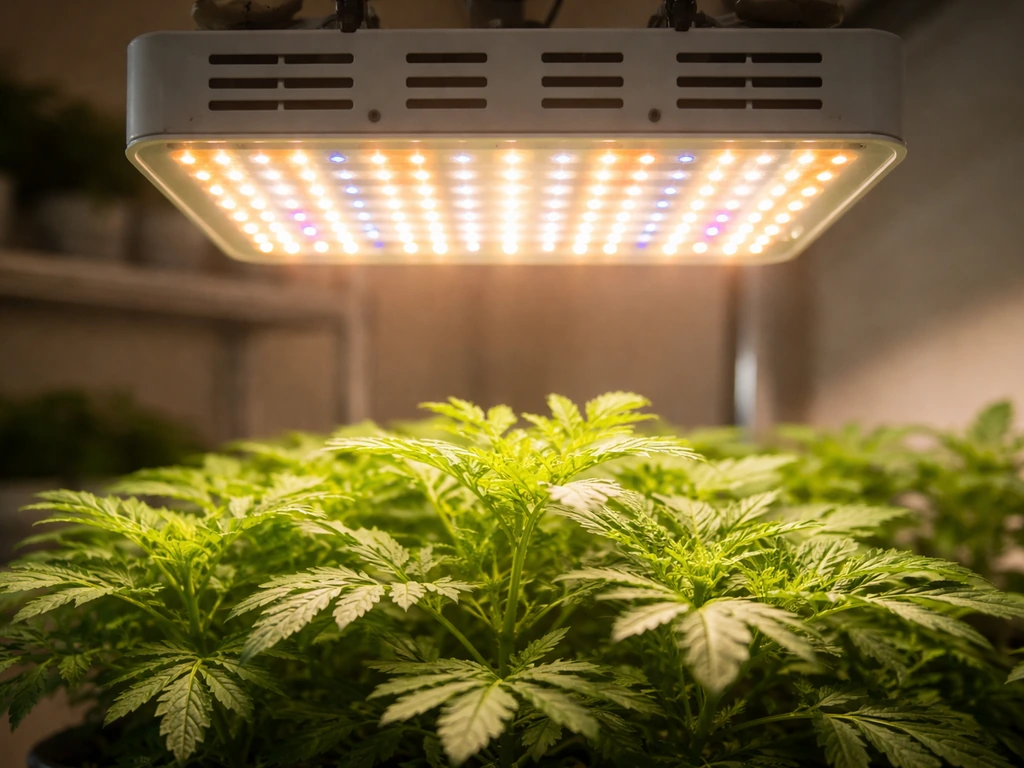
Marigolds want the most intense light you can give them. A south-facing window is your best natural option, but supplement it with a full-spectrum LED grow light placed 6 to 12 inches above the foliage if you want reliable blooms. For photoperiod, aim for 12 to 13 hours of light per day. Research on marigold flowering shows that day lengths much longer than 12 hours can delay blooming and push the plant to grow taller instead of setting buds.
Day-length extension beyond 15 hours is used in some commercial programs specifically to manage vegetative growth before triggering flower production, so resist the urge to leave your grow light on 16 to 18 hours. A 12-hour on, 12-hour off schedule is a practical sweet spot for home growers who want flowers.
Temperature
Marigolds prefer warm days and slightly cooler nights. For finishing and flowering, target daytime temperatures of 68 to 70°F (20 to 21°C) and nighttime temperatures of 58 to 60°F (14 to 16°C). Most homes fall naturally in this range, which is one thing indoor marigold growers have going for them. If your apartment runs warmer, closer to 75°F during the day, that is fine. What you want to avoid is cold drafts from windows in winter, which can shock the roots and stall growth.
Airflow
This one gets ignored more than it should. Stagnant air is a direct invitation for powdery mildew, which is one of the most common problems on indoor marigolds. A small oscillating fan running on low near your plants for a few hours a day makes a real difference. It strengthens stems, moves moisture away from leaves, and mimics the gentle outdoor breeze that marigolds are used to. Do not aim the fan directly at the plants at full blast, but do keep the air moving.
How to grow marigolds indoors: from seed or seedling?
Starting from seed
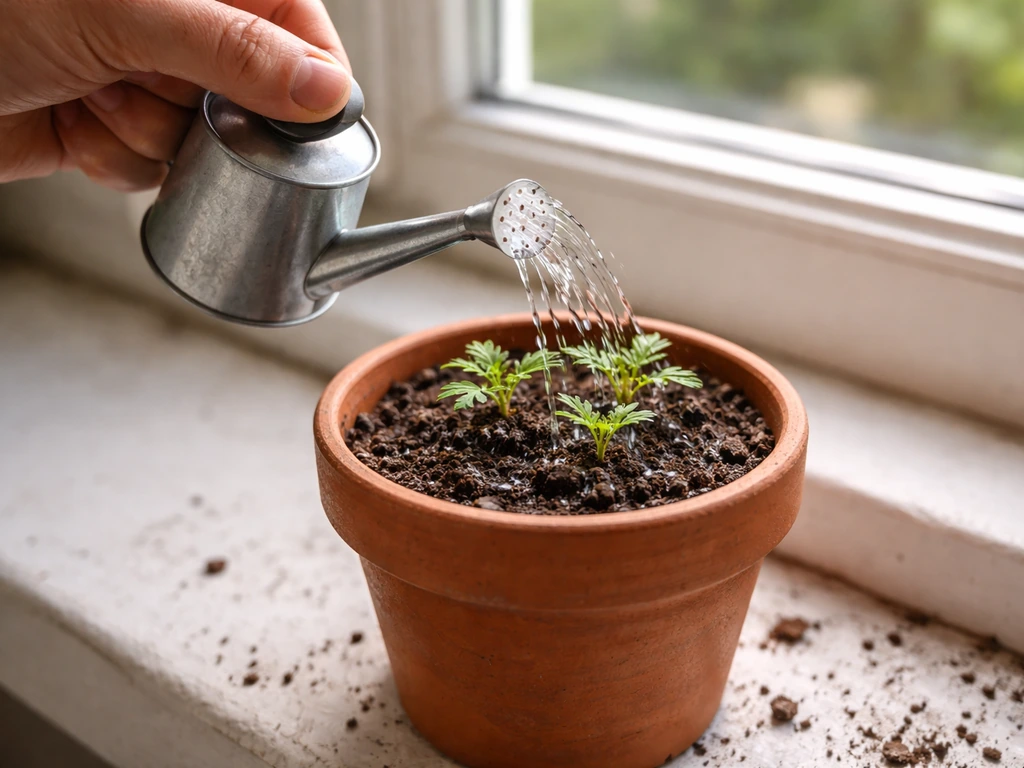
Starting from seed is easy and cheap. Marigold seeds germinate quickly when given the right conditions. Aim for a soil temperature of 70 to 75°F (21 to 25°C), which is typical of a warm indoor space. Sow seeds about a quarter inch deep and cover lightly with vermiculite rather than dense potting mix. Vermiculite holds just enough moisture without compacting around the seed. You should see sprouts within 5 to 7 days. Once seedlings emerge, get them under a grow light immediately or they will stretch toward the nearest window and become leggy within a week.
Using seedlings or transplants
If you want a head start, pick up small marigold starts from a nursery or garden center. This cuts weeks off the process and is a great option if you are starting in the middle of winter when seed starting feels like a slog. Just be aware that nursery starts may have been grown under greenhouse conditions with much higher light than your home provides. Give them a day or two near your brightest window before moving them fully under grow lights to reduce transplant stress.
Choosing the right pot and soil
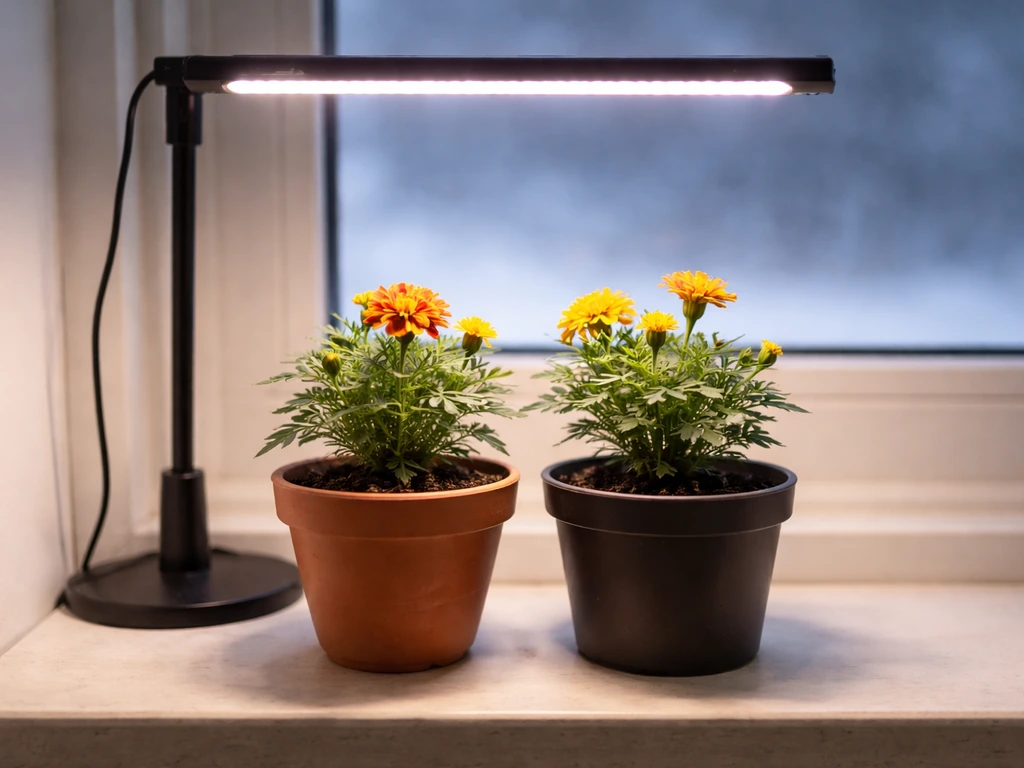
Pot size matters more than people realize. For a single marigold plant, a 6-inch pot is the minimum. African marigolds, which grow larger, do better in 8 to 10-inch pots. Whatever you choose, drainage holes are non-negotiable. Waterlogged roots are a fast way to kill a marigold. Use a quality potting mix and amend it with perlite or extra vermiculite to improve drainage, about 20 to 25% perlite by volume. Marigolds prefer a slightly acidic to neutral pH, roughly 6.0 to 7.0. A standard peat- or coco-coir-based potting mix usually falls in that range.
Watering and feeding your indoor marigolds
Watering
Marigolds like consistent moisture but hate sitting in wet soil. Water when the top inch of the potting mix feels dry to the touch. In a typical indoor environment with moderate light, this usually works out to watering every 3 to 5 days. In winter when growth slows, you may water even less. Always water at the base of the plant rather than over the foliage, which keeps leaves dry and reduces disease pressure. After watering, empty the saucer under the pot within 30 minutes so roots are not sitting in standing water.
Fertilizing
Feed your indoor marigolds with a balanced water-soluble fertilizer at a rate of 125 to 175 ppm nitrogen, which translates to a diluted application of a standard balanced fertilizer (like a 20-20-20) every one to two weeks during active growth. If your fertilizer label says to use one teaspoon per gallon for outdoor use, cut that to about half strength for indoor container plants. Ease back on feeding once buds appear and the plant shifts into flowering mode. Overfeeding with nitrogen at that point pushes leafy growth at the expense of blooms.
Ongoing care: deadheading, pruning, and pest watch
Deadheading and pruning
Remove spent flowers as soon as they fade. This is called deadheading, and it signals the plant to produce more buds instead of putting energy into seed production. For marigolds, it makes a noticeable difference in how long and how heavily they bloom. Use clean scissors or just pinch off the spent head down to the next set of leaves. If a stem gets leggy, cut it back by about a third to encourage bushier growth. Indoors, marigolds can stretch more than they would outside, so do not be shy about trimming.
Pests to watch for
Indoor marigolds are susceptible to spider mites, thrips, aphids, whiteflies, and leafminers. Spider mites are the most common indoor offender: they thrive in warm, dry indoor air and gather on the undersides of leaves, leaving a stippled, dusty look. Check the undersides of leaves weekly. Thrips are trickier to spot but show up on the first flowers. Tap a bloom over white paper and look for tiny moving specks. Aphids cluster on new growth and are visible to the naked eye. Catch any of these early and you can manage them with insecticidal soap or a strong spray of water. Weekly scouting is genuinely the best defense.
Powdery mildew and disease prevention
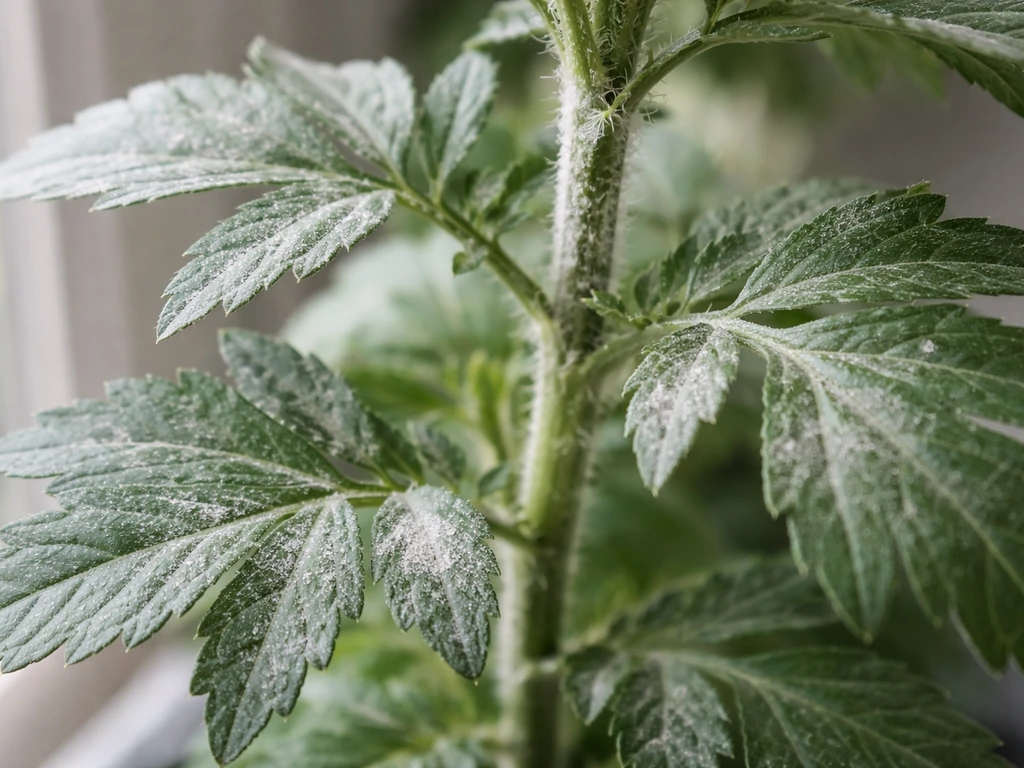
Powdery mildew is the disease you are most likely to encounter indoors. It shows up as a white, powdery coating on leaves and stems, and it does not need visibly wet leaves to take hold. It loves stagnant, humid air and crowded plants. Keep pots spaced out, run that fan I mentioned earlier, and avoid watering in the evening. If you spot early signs, remove affected leaves immediately and improve airflow. Alternaria leaf spot and Botrytis (gray mold) can also appear, especially if leaves stay wet. Botrytis typically shows up as fuzzy gray growth on spent flowers and stems in cool, damp conditions.
Growing marigolds indoors in winter
Winter is actually a great time to grow marigolds indoors if you have a grow light, because the naturally shorter days align with marigolds' flowering preferences. When outdoor day length drops below 12 hours, marigolds get the short-day signal they need to set buds. Indoors, you can replicate this by putting your grow lights on a 12-hour timer and letting the plants have a true 12-hour dark period. This is easier in winter because you are not fighting long summer days coming through windows.
The main challenge in winter is light intensity, not day length. Shorter days mean less ambient light coming through windows, and even a south-facing window in December delivers a fraction of the light it does in July. A full-spectrum LED grow light compensates for this directly. Position it close enough to deliver meaningful intensity, 6 to 12 inches above the plant canopy, and run it for the full 12 hours. Without supplemental lighting in winter, indoor marigolds will survive but will likely be leggy, pale, and reluctant to flower.
Also watch your winter temperatures near windows. Glass gets cold, and marigold pots sitting directly on a cold windowsill can experience root zone temperatures well below 58°F, which slows growth significantly. A simple fix is to place the pot on a folded towel or a small trivet to insulate it from the cold surface.
Which marigold variety works best indoors?
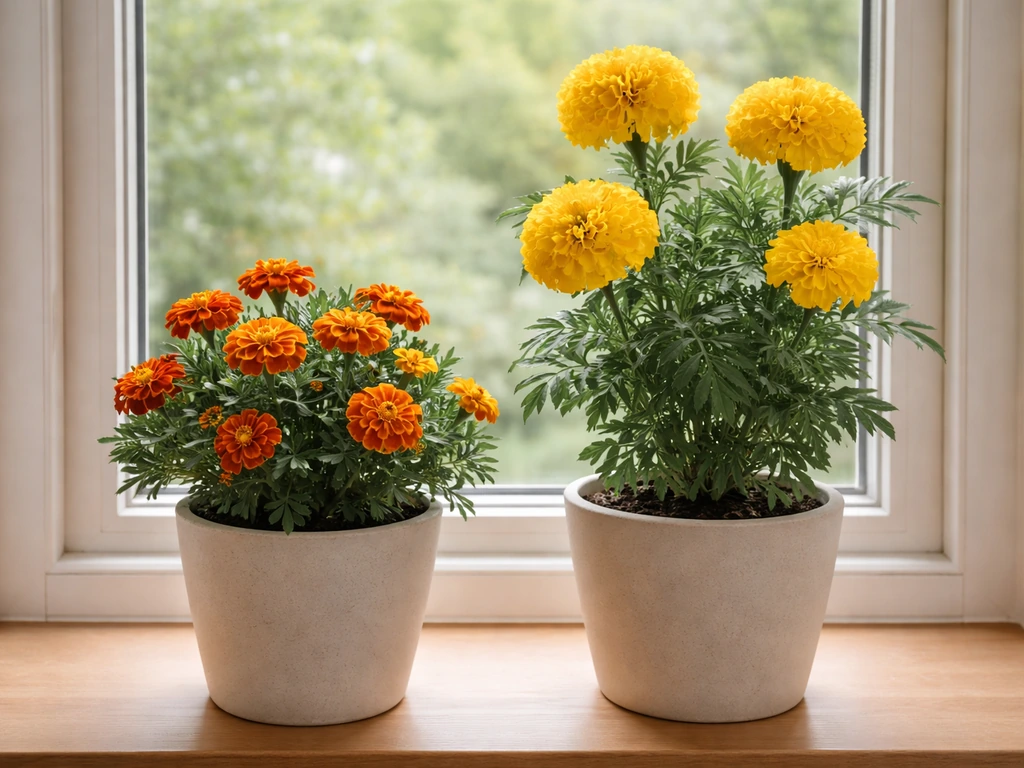
French marigolds (Tagetes patula) are the better choice for most indoor setups. They stay compact (usually 6 to 12 inches tall), flower more freely, and are somewhat more tolerant of less-than-ideal light compared to African marigolds. African marigolds (Tagetes erecta) get large, need more root space, and are stricter about short-day conditions for flowering. If you are working with limited space, go French. If you have a grow light setup and want the big, bold blooms, African varieties can work but require more attention to photoperiod and pot size.
| Feature | French Marigold (Tagetes patula) | African Marigold (Tagetes erecta) |
|---|---|---|
| Mature height | 6 to 12 inches | 12 to 36 inches |
| Pot size needed | 6-inch minimum | 8 to 10-inch minimum |
| Light demands | High but manageable | Very high |
| Photoperiod sensitivity | Facultative short-day (flexible) | Obligate short-day (stricter) |
| Best for indoors? | Yes, first choice | Yes, with proper grow light setup |
| Winter performance | Good with grow light | Needs careful photoperiod management |
Your indoor marigold setup at a glance
- Light: Full-spectrum LED grow light, 6 to 12 inches above the canopy, 12 hours on / 12 hours off daily
- Temperature: 68 to 70°F daytime, 58 to 60°F nighttime; avoid cold drafts from windows
- Pot: 6-inch minimum for French types, 8 to 10-inch for African types, always with drainage holes
- Soil: Quality potting mix with 20 to 25% perlite for drainage; pH 6.0 to 7.0
- Watering: When top inch of soil is dry; water at the base, never overhead
- Feeding: Balanced water-soluble fertilizer at half to diluted strength every 1 to 2 weeks during active growth
- Airflow: Small fan on low nearby; do not crowd pots together
- Deadheading: Remove spent flowers promptly to encourage continuous blooming
- Pest check: Inspect undersides of leaves weekly for spider mites, aphids, and thrips
If you enjoy growing flowering plants indoors, marigolds are worth the effort compared to more demanding options. You may also wonder can bleeding hearts grow indoors, and the answer depends on getting the right light and moisture balance. They are more adaptable than dahlias, which really struggle to bloom indoors without near-greenhouse conditions, and they handle the low-humidity indoor environment better than some other flowering annuals. With the right light setup, you can have a pot of marigolds flowering on your kitchen counter in January, which is a genuinely satisfying thing. Can chrysanthemums grow indoors? With the right light, cooler temperatures, and regular airflow, they can be grown successfully as a seasonal houseplant.
FAQ
Do marigolds need a true dark period indoors, or is a timer enough?
Yes, but plan around the fact that marigolds need a full dark period to bloom. Even with a timer, if your grow light spills into the room late at night or early in the morning, that stray light can reduce flowering. Use a fixture with a reflector and keep the plants in complete darkness for the off block (for example, 12 hours on, 12 hours off).
Why is my indoor marigold growing leaves but not blooming?
If buds never form, the most common cause is lighting that is too long or too weak. Make sure you are staying near 12 to 13 hours of light and that your light is intense enough, placed 6 to 12 inches above the canopy. If you still do not see buds after 3 to 4 weeks, slightly reduce light hours rather than increasing them, since long days can delay flowering.
What should I do if my indoor marigolds get tall and leggy?
Leggy growth usually means the plant is reaching toward insufficient light. The fix is to move the grow light closer and verify it runs long enough (about 12 hours/day), then trim back the longest stems by about a third to encourage branching. If you rely only on a window, expect that legging and poor bloom are common, especially in winter.
Can I use tap water for indoor marigolds, and what if my soil seems to go bad?
Tap water is usually fine, but if your water is very hard, mineral buildup can push the soil pH higher than marigolds prefer (roughly 6.0 to 7.0). If leaves yellow or growth stalls despite correct light, consider occasional use of filtered water and flush the pot by running water through it until excess drains out, then empty the saucer.
How do I know if my indoor marigold needs water, or if I am overwatering?
Overwatering is more harmful than occasional underwatering for potted marigolds. Follow the top-inch rule, water only at the base, and make sure the saucer is emptied within about 30 minutes. If you see persistent wilting with wet soil, that can be root stress, not thirst.
What is the best way to prevent spider mites and other pests indoors?
For pest prevention, the most effective move is weekly underside leaf checks early in the crop cycle, before issues spread. If you find mites or thrips, insecticidal soap works best when applied thoroughly and repeatedly, and you should avoid spraying during the hottest part of the day to prevent leaf burn.
How can I reduce powdery mildew without making things worse?
Treat powdery mildew as an airflow and timing problem first. Remove the worst leaves, increase spacing if you have multiple pots, and avoid watering late in the day. If you use a humidifier, keep it modest or run it so the plants have drier nighttime conditions.
Is it okay to keep indoor marigolds near a window in winter?
Yes, but choose placement carefully. A cold draft from a window can slow growth and stress roots, even if the room temperature looks acceptable. Keep pots off the direct window surface using a towel or trivet, and avoid placing the plants where HVAC air blows straight on them.
My plants are green and vigorous, but blooms are weak. Should I fertilize more?
Fertilize lightly and taper when buds appear, because high nitrogen pushes more foliage at the expense of flowers. If the plant looks lush but has few blooms, pause feeding for a couple of weeks and ensure light intensity and day length are correct before restarting at half strength.
Can I transplant or repot marigolds indoors without losing my blooms?
You can repot, but do it thoughtfully. If you are moving from a small nursery pot, gently tease out the outer roots, use a pot with good drainage, and keep the plant under steady light for a few days after transplant to reduce shock. Avoid repotting right when flowering is peaking, since that can temporarily slow bud production.