
Yes, purslane can grow indoors, but it has one firm requirement you cannot fake: serious light. If you're also curious about other purple options, see can purple queen grow indoors for a related comparison on indoor light needs. This is a full-sun plant, and if you put it on a dim windowsill and hope for the best, you'll get pale, leggy stems and not much else. Give it a south-facing window with several hours of direct sun, or run a grow light for 14 to 16 hours a day, and purslane becomes a surprisingly easy, productive indoor herb you can harvest repeatedly.
Can Purslane Grow Indoors? How to Grow It Step by Step
James Hartwell
26 Apr 2026
How well does purslane actually do indoors?
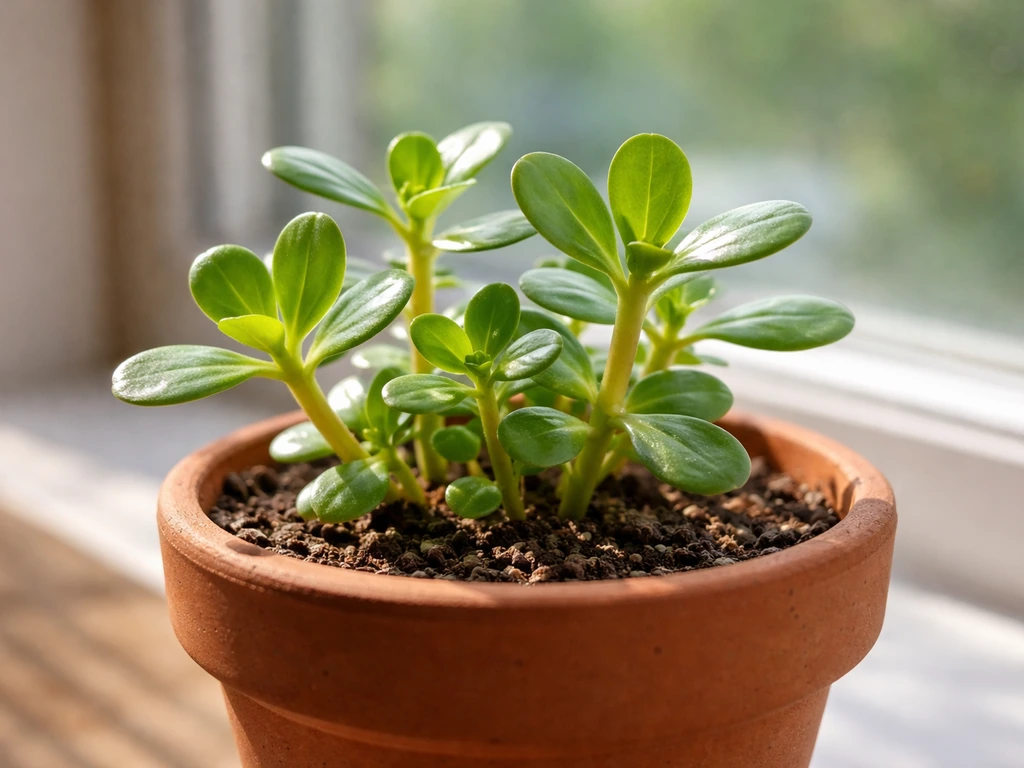
Purslane (Portulaca oleracea) is a succulent-like plant that thrives on heat, drought, and full sun outdoors. Indoors, it's genuinely doable, but you're working against its instincts a little. It wants blazing sun and warm soil. The good news is that it's compact, grows fast, tolerates neglect in the watering department, and keeps regrowing after you snip it. For apartment dwellers or anyone without outdoor garden space, it's a solid choice for a sunny windowsill herb garden, especially if you also want to eat what you grow. Purslane is nutritious, lemony-tart, and great in salads. The challenge is almost entirely about light. Get that right, and the rest is straightforward. If you're also wondering can primula grow indoors, the same idea applies: give it the right light and care so it has what it needs.
Light requirements and where to put it
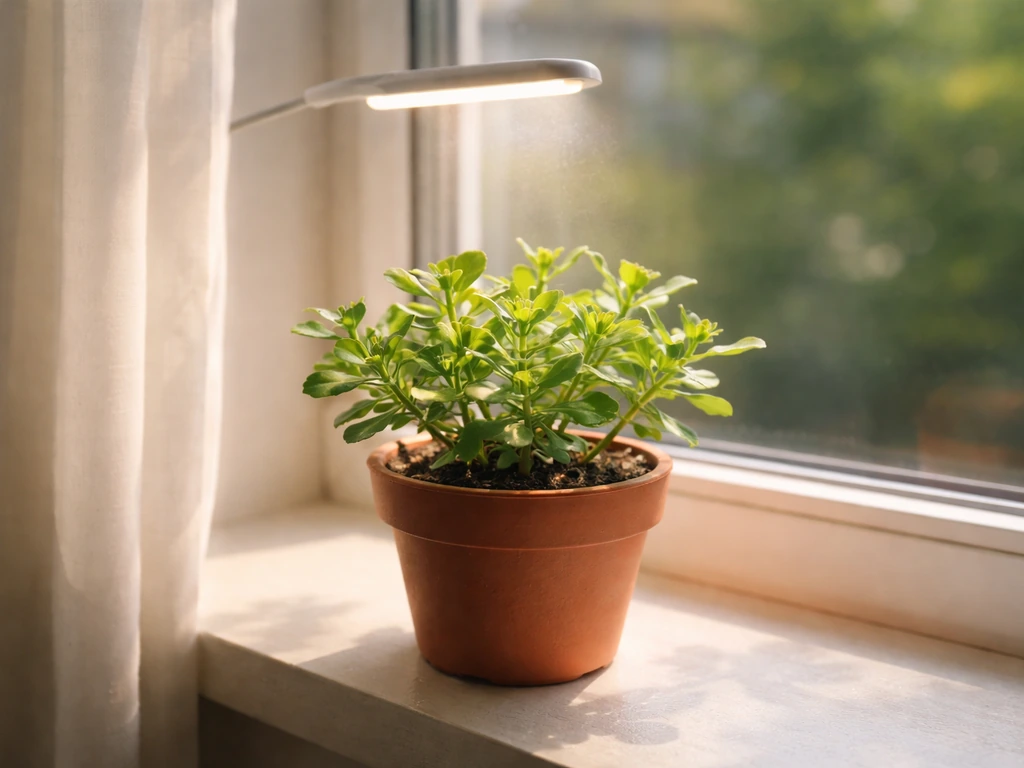
A south-facing window is your best option. Purslane needs as much direct sun as possible, ideally 6 or more hours per day. An east or west window can work as a fallback, but you'll likely see slower, stretchier growth and fewer leaves worth harvesting. North-facing windows won't cut it at all.
If your apartment doesn't get strong direct light, a grow light is not overkill here, it's actually the practical solution. You can also apply these same indoor light rules to check whether a can polka dot plant will grow indoors can polka dot plant grow indoors. If you're also wondering can mogra plant grow indoors, the key is giving it enough bright light and a suitable potting setup. You can grow Queen Anne's lace indoors if you provide plenty of light and conditions that mimic its outdoor sun can you grow queen anne's lace indoors. Purple heart plants, unlike purslane, can also be grown indoors if you give them bright light. Aim for a photoperiod of 14 to 16 hours per day under your grow light and position it close enough that the plant is getting meaningful intensity. Purslane's growth responds directly to photosynthetic photon flux density, meaning the more usable light it receives, the more biomass it puts out. A weak light set too far away won't move the needle. Think of it like trying to sunbathe under a 40-watt bulb. Keep your grow light within 6 to 12 inches of the plant canopy for best results.
Soil, containers, and watering setup
Container and soil
Purslane doesn't want to sit in wet soil. Ever. Use a pot with at least one good drainage hole, and choose a mix that drains fast. A standard cactus or succulent mix works great, or you can cut regular potting soil with perlite at roughly a 50/50 ratio. The goal is a medium that dries out relatively quickly between waterings. A terracotta pot helps even more because it wicks moisture away through the walls. Shallow containers work fine since purslane isn't a deep-rooted plant. A 6-inch pot is enough for a small harvest plant; go up to an 8 or 10-inch container if you want a fuller, more productive plant.
Watering
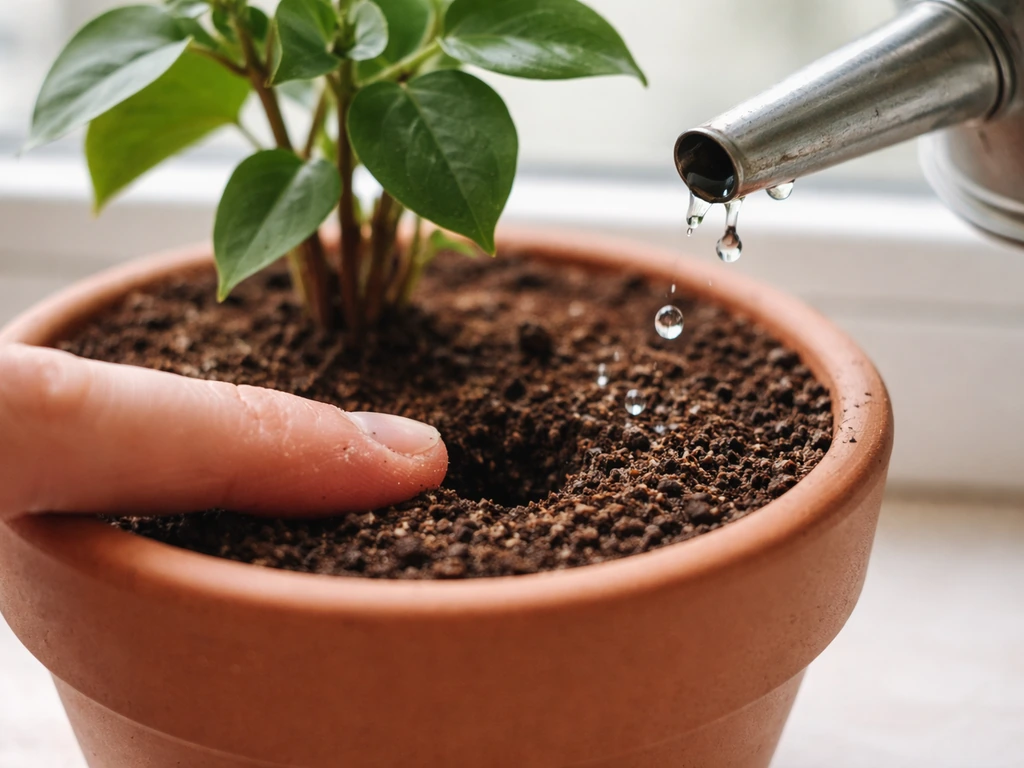
Water thoroughly, then let the soil dry out before watering again. Stick your finger an inch into the soil. If it still feels damp, wait. If it's dry, water. Overwatering is by far the most common way people kill purslane indoors. Because indoor plants get less light than outdoor ones, they also use water more slowly, which means the same watering schedule that works in the garden will drown an indoor container plant. Err heavily on the side of dry.
How to grow purslane indoors: seeds vs. cuttings
Starting from seed
- Fill your container with a well-draining mix (cactus mix or potting soil cut with perlite) and moisten it lightly before sowing.
- Scatter purslane seeds on the surface. Do not bury them. These seeds need light to germinate well. At most, press them gently into the surface or dust them with a thin layer of vermiculite, just barely covered.
- Place the pot in your sunniest window or directly under your grow light.
- Keep the surface consistently moist (not wet) until germination, which typically takes 7 to 14 days.
- Once seedlings emerge and have their first set of true leaves, ease back on watering and start treating them like adult plants: water deeply, then let them dry out.
- Thin to the strongest seedlings once they're about an inch tall, leaving 2 to 3 inches between plants in the container.
Starting from cuttings
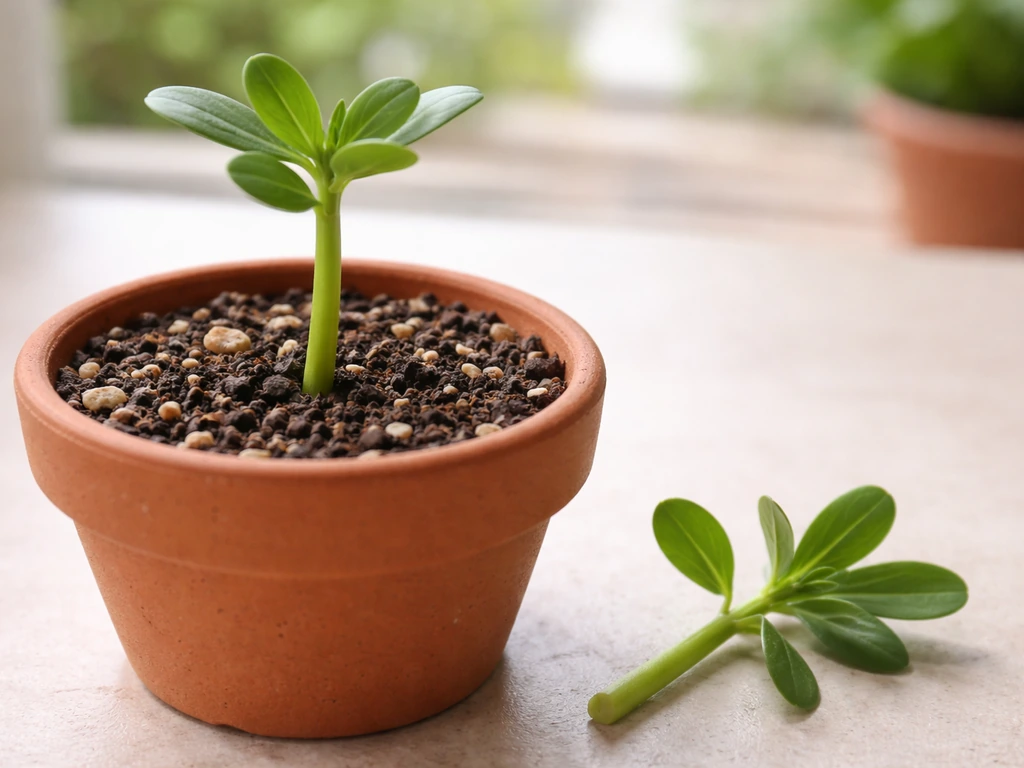
If you have access to an outdoor purslane plant or a friend's indoor one, cuttings are fast and reliable. The key detail here is that stem-node cuttings (cuttings that include a node, the little bump where leaves or branches attach) root successfully, with survival rates around 70% or better. CSU Extension describes purslane as establishing and reproducing through seed germination, making it a useful background reference when considering how purslane spreads in indoor growing contexts purslane seed germination. Internode cuttings, meaning sections of bare stem with no node, root at essentially zero percent. So take your cuttings just below a node, not mid-stem.
- Snip a 3 to 4-inch stem cutting just below a node.
- Remove leaves from the bottom inch or two.
- Let the cutting sit out for a few hours so the cut end calloues slightly, just like you would with a succulent.
- Insert the cutting into a sterile, porous, well-aerated mix (a perlite-heavy mix or straight perlite works well at this stage).
- Keep the medium just barely moist and place the cutting in bright light. Avoid full intense sun until roots form.
- Roots typically develop within 1 to 2 weeks. Once the cutting resists a gentle tug, it's rooted and can be moved to its final container.
Temperature, humidity, and airflow
Purslane likes warmth. It's a heat-loving plant outdoors and it behaves the same indoors. Keep it in a spot where temperatures stay between 65 and 85°F (18 to 29°C). It'll tolerate the cooler end of that range, but growth slows noticeably below 65°F. Keep it well away from cold drafts near windows in winter and away from air conditioning vents in summer.
Humidity is less of a concern for purslane than for many other indoor plants because it's naturally adapted to dry, hot conditions. Average household humidity is usually fine. What does matter is airflow. Stagnant air around a densely-growing pot creates conditions that invite fungal problems. If you're growing in a spot without natural air circulation, running a small fan nearby for a few hours a day helps a lot.
Common problems and how to fix them
Leggy, stretched-out growth
This is the most common complaint with indoor purslane, and it almost always comes down to insufficient light. If your stems are long, thin, and pale instead of compact and full, the plant is reaching for more light than it's getting. Move it to a brighter window or drop your grow light closer. There's no other fix. You can pinch back leggy stems to encourage branching, but if the light situation doesn't improve, the new growth will stretch right back out.
Root rot and stem rot
Mushy stems at the base or sudden plant collapse usually mean overwatering or poor drainage. If you catch it early, you might save the plant by pulling it out, trimming off any blackened roots, and repotting into fresh dry mix. Going forward, water only when the soil is genuinely dry. If the rot is extensive, take a stem cutting from any healthy-looking growth and start fresh.
Powdery mildew
Powdery mildew shows up as a white or gray powdery coating on leaves and stems. Indoors, it tends to develop when there's poor airflow, high humidity in the immediate environment, or the plant has been kept too shaded and damp. Improve air circulation (that small fan trick helps), avoid getting leaves wet when watering, and make sure the plant is getting enough light. Remove affected leaves and, if it's spreading, a diluted neem oil spray can help knock it back.
Pests
Purslane is not particularly pest-prone indoors, but aphids and fungus gnats can show up. Fungus gnats are almost always a sign of consistently wet soil near the surface, so letting the top inch or two dry between waterings usually resolves them on its own. Aphids can be knocked off with a strong stream of water or treated with insecticidal soap if the infestation is persistent.
Harvesting and keeping your plant going
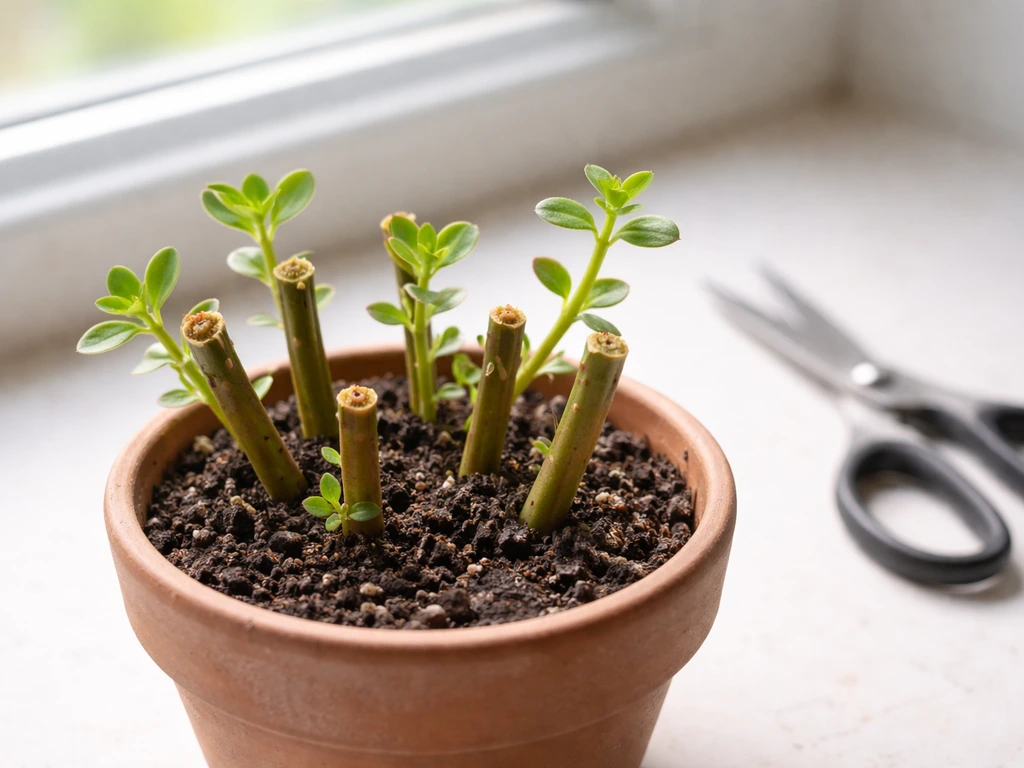
Purslane is ready to harvest once stems are a few inches long and the plant looks full and healthy. Common purslane is reported as ready for harvest in about 6 to 8 weeks from seed, which provides a credible seed-to-harvest timeline. Snip stems with clean scissors, but leave about 2 inches of growth above the soil. That remaining stem and its leaves will branch out and produce new growth for your next harvest. The plant essentially keeps regrowing from where you cut it, which makes it great for ongoing indoor harvests rather than a one-and-done situation.
The main condition for regrowth is warmth. If your indoor temperatures stay above 65°F and the plant is getting adequate light, it'll keep bouncing back. In winter near a cold window, growth may slow considerably between harvests. A grow light that runs 14 to 16 hours a day compensates nicely for both the reduced sunlight and, to some extent, the lower light intensity. Harvest every few weeks, feed occasionally with a diluted balanced liquid fertilizer, and your indoor purslane can keep producing for months.
Quick reference: indoor purslane at a glance
| Factor | What purslane needs indoors |
|---|---|
| Light | South-facing window or grow light at 14 to 16 hrs/day |
| Soil | Fast-draining: cactus mix or potting soil + perlite (50/50) |
| Container | Any size with drainage hole; terracotta preferred |
| Watering | Deep watering, then let soil dry completely before next watering |
| Temperature | 65 to 85°F (18 to 29°C); avoid cold drafts |
| Humidity | Average household humidity is fine |
| Airflow | Important; use a small fan if air is stagnant |
| Starting method | Seed (surface sow, no burial) or node cuttings |
| Germination time | 7 to 14 days |
| Harvest method | Snip stems, leave 2 inches above soil for regrowth |
If you're already exploring other compact, windowsill-friendly plants, it's worth knowing that portulaca (the ornamental cousin of purslane) has very similar light demands indoors. Queen Anne's lace is also possible indoors, but it needs very bright light and the right container and soil can you grow queen anne's lace indoors. Other low-fuss indoor plants in the succulent or semi-succulent category each come with their own quirks, so matching the plant to your actual light situation is always step one, whether you're growing purslane or something else entirely.
FAQ
How much direct sun does indoor purslane really need if I do not use a grow light?
Aim for at least 6 hours of real, unobstructed direct sun daily, and try for more if your window is partly shaded by buildings or trees. If you cannot reliably get that much, switching to a grow light is usually the difference between compact, harvestable growth and long, pale stretching.
What distance should I keep a grow light from purslane, and how do I know it is strong enough?
Keep the light close, about 6 to 12 inches above the canopy for best results, and run it 14 to 16 hours per day. If new growth stays thin and stretched, the light is likely too weak or too far, even if the timer is set correctly.
Can I start purslane indoors from seed, or is cutting a better approach?
Seed can work, but it is slower and more sensitive to light in the beginning. Cuttings are often faster and more reliable indoors because stem-node cuttings root well when taken just below a node, while internode pieces usually fail.
What pot size is best for growing indoors if I want repeated harvests?
For a small, tidy plant, a shallow 6-inch pot is enough. If you want a fuller plant that produces more between snips, move up to an 8 or 10-inch container, since purslane rewards space for additional branching.
How often should I water purslane indoors, and what mistake should I avoid?
Water thoroughly, then wait until the soil dries out before watering again. The common mistake is following a fixed schedule, because indoor conditions use water more slowly, which makes overwatering and root problems far more likely.
Is it okay if the top of the soil dries but the center is still damp?
Do not rely on just the surface. Check by feel, or with a finger test about an inch down, and only water once that depth is actually dry. If the center stays damp, the roots can still suffer even though the top looks dry.
Why is my indoor purslane leggy even though it is in a sunny window?
Legginess almost always means insufficient usable light, not a soil or watering issue. Move the plant to a brighter window, remove any blockages like blinds that leave gaps, or lower the grow light distance, then let it adjust for 1 to 2 weeks.
Can I rotate the plant for even growth, or will that stress it?
Yes, rotating helps prevent one-sided leaning, especially with windows. Rotate gradually every few days rather than moving it far around daily, which can temporarily slow growth as it reorients.
What should I do if the base of my purslane turns mushy?
Treat it as overwatering or drainage failure. Remove the plant from its pot, trim away blackened or rotted roots, and repot into fresh, fast-draining dry mix. If the rot is extensive, cut healthy stems and restart from healthy growth.
My purslane has tiny flying insects. How can I tell fungus gnats from other pests?
Fungus gnats typically appear when soil stays wet near the surface, and you will usually notice adults hovering around the pot. Let the top inch or two dry between waterings, and consider sticky traps to reduce the adults while you correct the watering.
How do I prevent powdery mildew indoors without over-treating?
Start with airflow, not just sprays, since stagnant air is a big trigger. Avoid wetting leaves while watering, remove heavily affected leaves early, and if it keeps spreading, use a diluted treatment like neem only as a targeted support after improving light and ventilation.
When is the best time to harvest indoors for continued regrowth?
Harvest once stems are a few inches long and the plant looks full and healthy, snipping with clean scissors and leaving about 2 inches above the soil. Regular snips every few weeks keep it branching, as long as warmth and strong light are maintained.
Will purslane survive indoors through winter on a window alone?
It often slows down near cold drafts or weaker winter sun, and harvests may pause between snips. If you want steady production, use a grow light on a 14 to 16 hour schedule and keep it away from cold window airflow.