
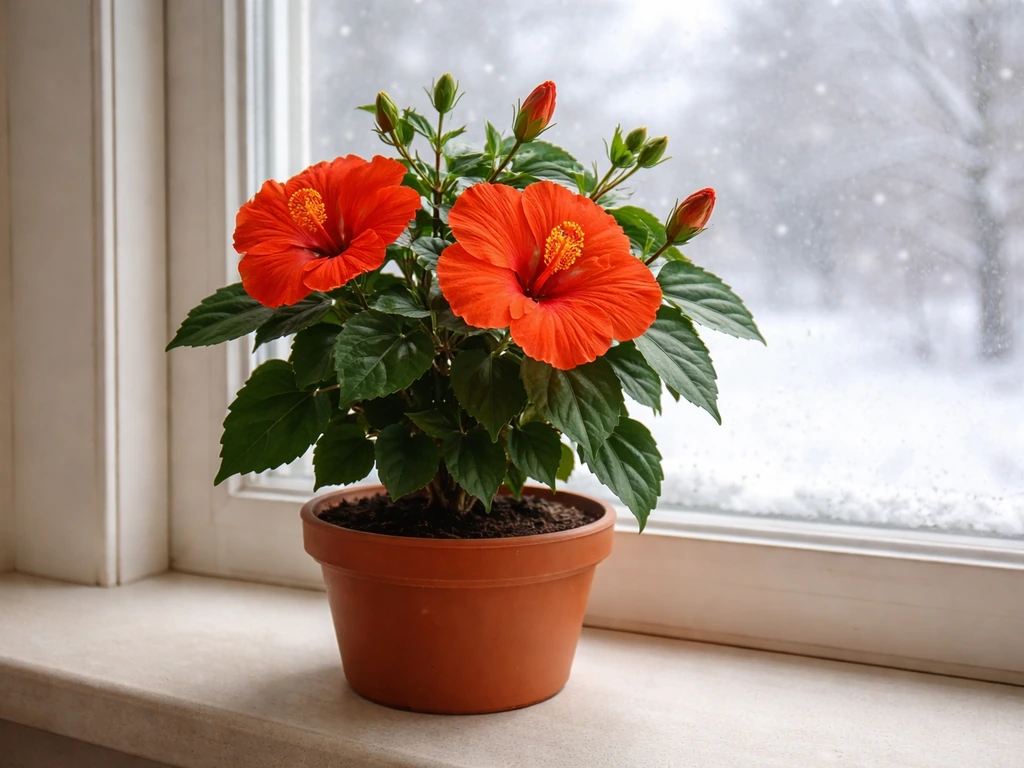
Yes, hibiscus can grow indoors in winter, but whether it actually thrives depends almost entirely on which type you have. Tropical hibiscus (Hibiscus rosa-sinensis) needs to come inside once temperatures drop below about 50°F and requires a bright, warm spot to stay healthy or at least semi-dormant. Hardy hibiscus, on the other hand, is a perennial that survives outdoors in zones 4 through 9 without any help from you. Getting clear on your type first saves a lot of frustration.
Can Hibiscus Grow Indoors in Winter? Care Guide

James Hartwell
18 May 2026
Tropical vs hardy hibiscus: cold tolerance matters a lot
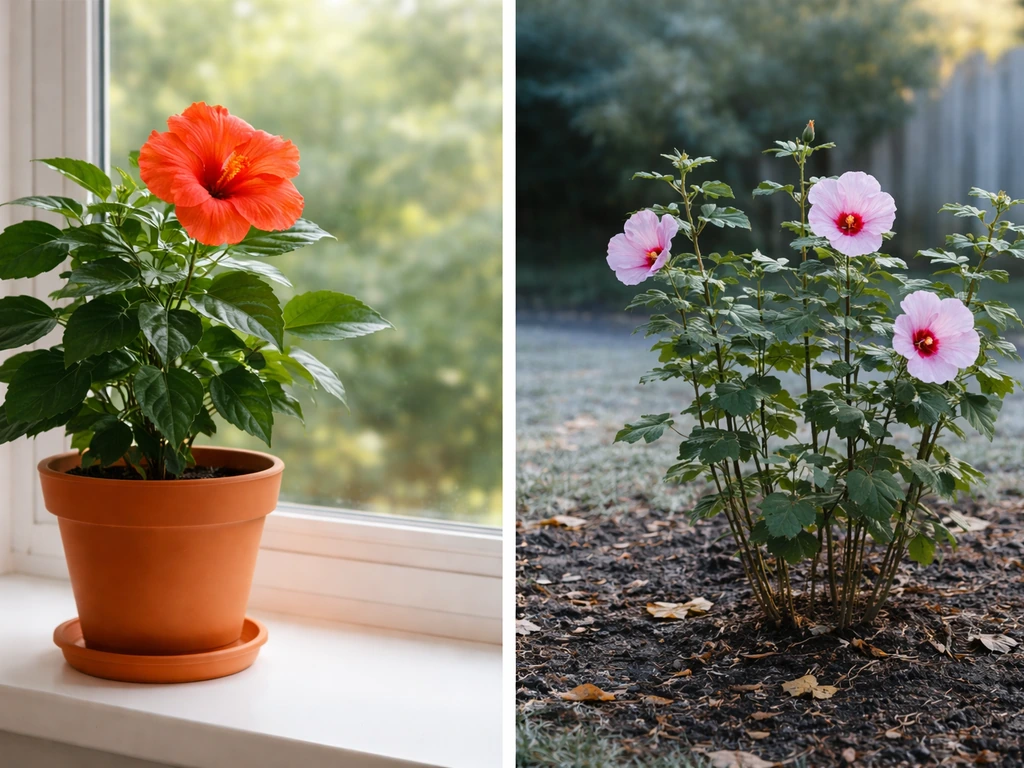
There are two main types most home gardeners deal with, and they behave completely differently in cold weather. Tropical hibiscus (Hibiscus rosa-sinensis) is what you typically see at garden centers with those giant, glossy blooms in red, orange, yellow, and pink. It's native to warm climates and has essentially no frost tolerance. The Royal Horticultural Society sets the minimum safe night temperature at 7°C (45°F), and even at that threshold the plant is just barely surviving rather than thriving. Drop below that and you're looking at leaf drop, root damage, and potentially a dead plant.
Hardy hibiscus (like Hibiscus moscheutos or Rose of Sharon, Hibiscus syriacus) is a different beast entirely. These are true perennials that go dormant in winter and come roaring back in spring. Rose of Sharon can handle temperatures as low as -20°F in the right conditions. If you have one of these in the ground, you don't need to worry about winter survival at all in most climates. This article is primarily useful if you're dealing with tropical hibiscus, though the outdoor section covers hardy types too.
| Feature | Tropical Hibiscus (H. rosa-sinensis) | Hardy Hibiscus (H. syriacus / H. moscheutos) |
|---|---|---|
| Minimum temperature | 45°F (7°C) night minimum | Down to -20°F for some varieties |
| Winter behavior | Semi-dormant or active indoors | Fully dormant outdoors |
| USDA zones outdoors | Zones 9-11 year-round | Zones 4-9 |
| Needs to come inside? | Yes, in most of the US | No, stays in ground |
| Blooms indoors in winter? | Possibly, with enough light | No, dormant |
Can hibiscus stay outdoors in winter?
For hardy hibiscus, the answer is almost certainly yes. The Chicago Botanic Garden confirms that perennial hibiscus survives winters across zones 4 to 9, which covers most of the continental US. Once they go dormant in fall, you can cut them back to about 6 inches, mulch the base heavily, and leave them alone. They look completely dead in winter, which panics a lot of gardeners, but new growth emerges in late spring. Rose of Sharon specifically handles extreme cold well, tolerating down to -20°F. If you're in zone 3 or colder, a thick layer of mulch and burlap protection gives your hardy hibiscus a fighting chance.
Tropical hibiscus outdoors in winter is only realistic if you're in USDA zones 9 through 11, think southern Florida, Hawaii, or coastal Southern California. Anywhere with regular frost, even a light one, will damage or kill a tropical hibiscus left outside. If you're in zone 8 and feeling lucky, you might get away with heavy mulching and frost cloth over a particularly mild winter, but I wouldn't count on it. The safer move is always to bring it in.
Can hibiscus grow indoors in winter?
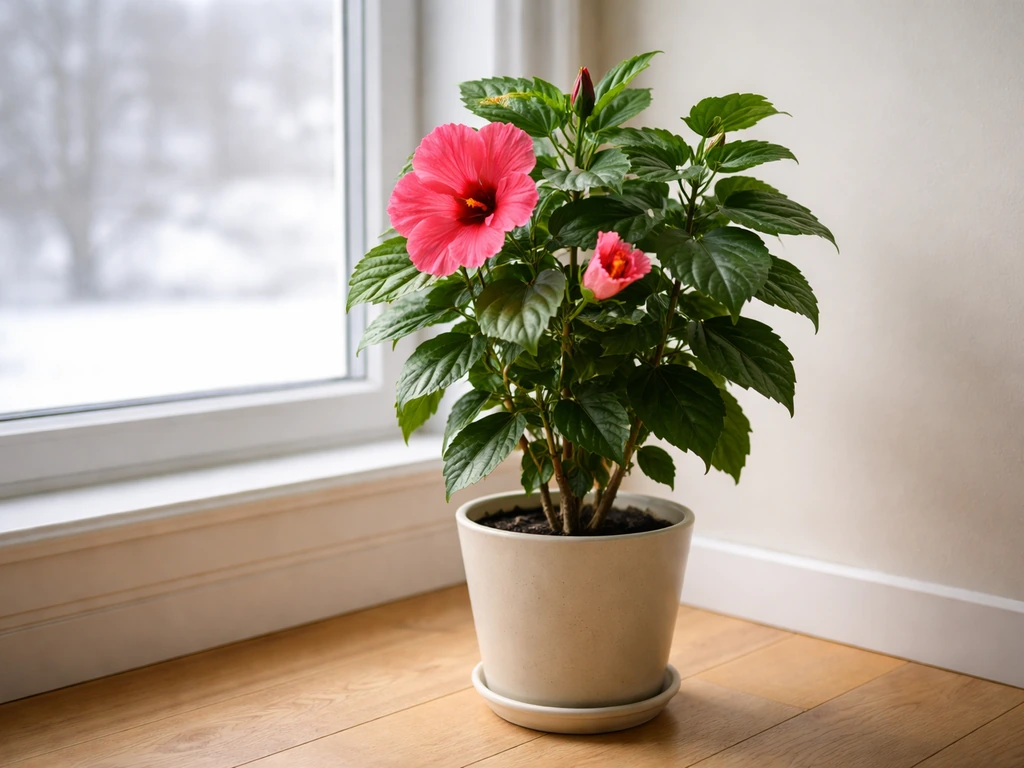
Tropical hibiscus can absolutely survive indoors in winter, and with the right conditions it will even keep blooming. The catch is that it needs more than most people's homes naturally offer. The three non-negotiables are warmth, bright light, and reasonable humidity. Nail those and you'll have a healthy plant come spring. Skimp on any of them and you'll be dealing with yellow leaves, dropped buds, and a sad-looking stick in a pot.
Temperature-wise, keep your hibiscus in a room that stays above 55°F at night, with daytime temperatures ideally in the 65 to 75°F range. Most heated homes are fine for daytime warmth, but be careful about cold drafts near windows in winter. A plant sitting right against a single-pane window in January can experience temperatures near the glass that are much colder than the rest of the room. Light is where most indoor setups fall short.
Hibiscus needs as much direct sun as you can give it, ideally a south-facing window with at least 4 to 6 hours of direct light. Without adequate light, the RHS notes that flower buds and leaves will yellow and drop. If your windows are limited, a grow light positioned close to the plant makes a genuine difference.
How to move your hibiscus indoors for winter
Timing is key. Don't wait until frost is forecast to scramble the plant inside. Start watching nighttime temperatures in late summer or early fall, and plan to bring it in when nights consistently fall to around 50 to 55°F. In most of the US, that means September to early October. Moving it before cold stress sets in means the plant transitions with less drama.
- Check for pests before anything goes inside. This is the step most people skip and then regret. Inspect the undersides of every leaf for spider mites, whiteflies, aphids, and scale. A thorough spray with insecticidal soap or neem oil a week before the move is good insurance.
- Trim back aggressively if needed. If your hibiscus has gotten leggy over summer, cut it back by about one-third. This reduces transplant stress and makes it easier to fit in a window.
- Acclimate gradually over one to two weeks if possible. Move the plant to a shaded outdoor spot for a few days, then a bright indoor spot. Sudden changes in light cause leaf drop even in healthy plants.
- Choose your indoor spot first. Your sunniest south or west-facing window is the target. Have it ready before the plant comes in so you're not shuffling it around multiple times.
- Water thoroughly once it's settled, then scale back. The plant will need less water inside than it did outdoors in summer.
Indoor care checklist for getting through winter
Light
This is the biggest variable you control indoors. Put the plant in your brightest window, full stop. A south-facing window is ideal. If you're in an apartment with limited sun exposure, a full-spectrum LED grow light running for 12 to 14 hours a day will keep your hibiscus from going into a miserable decline. I've kept a tropical hibiscus alive through three New England winters with nothing but a grow light and a south window combined, and it actually bloomed in February.
Watering
Water significantly less than you did in summer. The plant's growth slows indoors, the soil stays moist longer, and overwatering is the number one way to kill a hibiscus indoors. Let the top inch or two of soil dry out before watering again. If the plant is in a semi-dormant state, which is common when light is limited, you can cut back even further. Yellow leaves with soggy soil means you're overwatering. Yellow leaves with bone-dry soil means you've gone too far the other way.
Humidity
Heated indoor air in winter is notoriously dry, and hibiscus prefers humidity above 50 percent. Group it with other plants, set the pot on a tray of pebbles and water, or run a small humidifier nearby. Misting the leaves helps temporarily but it's not a substitute for ambient humidity. Low humidity also invites spider mites, which thrive in dry indoor air.
Temperature
Keep the plant away from cold drafts, heating vents, and exterior doors. Steady warmth is more important than peak warmth. A window that gets great sun but lets cold air seep through is a problem. If you can feel cold air around the window frame at night, move the plant a foot or two back from the glass.
Feeding
Ease off fertilizer dramatically through winter. If the plant is in a dormant or semi-dormant state, feeding it pushes weak, pale growth that's more susceptible to pests. If it's actively growing under good light and actively blooming, a half-strength balanced liquid fertilizer once a month is fine. Resume regular feeding in spring when you see strong new growth.
Solving the common problems that show up indoors
Leggy, stretched growth
Long, spindly stems reaching toward the light are a sure sign the plant isn't getting enough. Either move it closer to the window, supplement with a grow light, or accept that it's going semi-dormant and scale back your expectations until spring. Pruning leggy stems back by half encourages bushier regrowth once light improves.
Buds forming then dropping
Bud drop is one of the most frustrating things about growing hibiscus indoors. The most common culprit is low light combined with low humidity, but sudden temperature changes or moving the plant after buds form can also trigger it. Once buds appear, try not to rotate or relocate the plant. Keep humidity up and make sure it's in the warmest, brightest spot available.
Yellow leaves dropping
Some leaf drop when you first bring the plant inside is normal. It's adjusting to lower light and different humidity. But if yellowing and dropping continues more than a couple of weeks after acclimation, check watering (both over and under), check the soil for root rot, and look at light levels. The RHS specifically notes that low indoor light in winter triggers this response, and it's the most common cause I've seen.
Pests
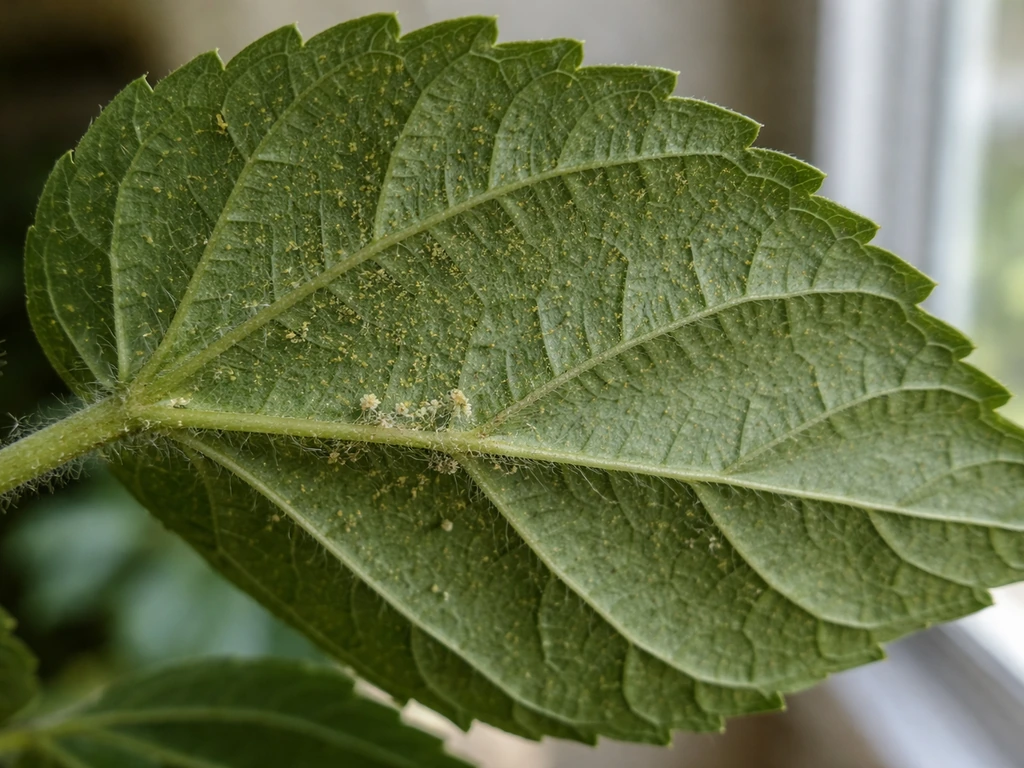
Spider mites and whiteflies are the two most common indoor hibiscus pests in winter, and they explode in dry, warm indoor air. Check the undersides of leaves weekly. At the first sign of fine webbing (spider mites) or tiny white insects flying up when you move leaves (whiteflies), treat immediately with insecticidal soap or neem oil. Repeat every five to seven days for three applications to break the life cycle. A sticky yellow trap near the plant catches whiteflies early before populations explode. Scale insects are slower to spread but harder to kill; dab them with rubbing alcohol on a cotton swab.
When to move it back outside
Don't rush it. The urge to get the plant back outside the moment spring feels warm is understandable, but a late frost or a cold snap after an early warm spell can undo all your winter work. Wait until nighttime temperatures are consistently above 50°F and the threat of frost has passed for your area. In most of the US, that's late April through May depending on your zone.
When you do move it out, acclimate it the same way you brought it in: start in a shaded spot for several days, then move it to brighter and brighter conditions over one to two weeks before putting it in full sun. Plants that have spent months under lower indoor light can actually get sunburned by direct outdoor sun if you put them straight out. Once it's settled outside and night temps are reliably warm, start ramping fertilizer back up to a regular feeding schedule and increase watering as the plant wakes up and puts on new growth. This is when hibiscus really shines, so the winter care is absolutely worth it.
If you're comparing hibiscus to other plants you might want to bring inside for winter, it's one of the more demanding options. If you're also wondering can heliconias grow indoors, they generally need similarly bright light, warm temperatures, and steady humidity to do well. Something like haworthia is far more forgiving of low light and dry air indoors, while a hoya can handle similar bright-window conditions with less fuss about humidity.
In many homes, can haworthia grow indoors is a good question because it is generally more forgiving of lower light and drier air. Hibiscus rewards you with those spectacular blooms, but it does ask more of you in return. If you're also wondering can we grow parrots at home, the answer depends on the species and whether you can meet their long-term care needs.
If you are curious whether other plants like hostas can also hostas grow indoors, it helps to start with their light and humidity needs can hostas grow indoors.
FAQ
How do I tell if my hibiscus is tropical or hardy before I move it indoors?
Look at the tag or plant labels first. If it is a rose of sharon type or hibiscus moscheutos type (often sold as outdoor perennials or landscape shrubs), it is likely hardy and goes dormant. Tropical hibiscus is usually sold as a container flowering plant year-round, and its leaves and stems do not naturally “die back” the same way in winter.
Can I keep my hardy hibiscus in a pot indoors instead of leaving it outside?
You can, but it often does worse than staying outdoors. Hardy types prefer a true winter dormancy cycle. If you pot it, keep it much cooler than tropical hibiscus (closer to near-freezing but frost-protected), water sparingly, and stop trying to force blooms indoors.
Should I prune my tropical hibiscus when I bring it indoors for winter?
Avoid heavy pruning right when you move it in. If stems are already leggy, you can trim back slightly to encourage branching after spring light improves. Major cuts can stress the plant and increase bud drop when it is also adjusting to indoor humidity and light.
Why do my buds turn yellow and fall off even though the plant looks green?
Most often it is bud loss from low light plus dry air, but sudden changes are another common trigger. If you keep the plant near a window that gets cold at night, or you rotate it after buds form, the buds can drop even when watering seems correct. Try keeping it in one spot and avoid turning the pot once you see buds.
How much should I water a hibiscus indoors in winter?
Use soil dryness, not the calendar. Water only after the top 1 to 2 inches dry out, and empty any saucer so the pot never sits in water. If you see yellowing with soggy soil, that is overwatering, even if the plant is in a “cool” room that feels comfortable to you.
Do hibiscus need fertilizer during winter indoors?
Usually no, or only lightly. If growth slows or the plant is semi-dormant, skip fertilizer until you see steady new growth in spring. If the plant is actively blooming under strong light, use half-strength fertilizer about once a month, not weekly.
What potting setup helps prevent root rot indoors?
Use a drainage-focused mix and a pot with a real drainage hole. If your hibiscus is in dense garden soil or a decorative cover pot without drainage, it is much easier to overwater. Adding perlite or using a quality indoor potting mix improves airflow around roots.
Can I place my hibiscus under an LED grow light instead of a south window?
Yes, but distance and duration matter. Keep the light close enough to prevent legginess (you should see minimal stretching), and run it 12 to 14 hours a day in winter. If the plant starts stretching toward the light or dropping buds, shorten the stretching by raising light intensity or moving it closer rather than just adding more watering.
Is leaf “adjustment” normal after bringing hibiscus indoors?
A little drop can happen, but persistent yellowing and continued leaf loss beyond about two weeks usually points to a problem like low light, ongoing cold drafts, or incorrect watering. Check the soil moisture and inspect for pests at the same time, because mites and whiteflies can worsen stress quickly.
How do I reduce spider mites if I do not want to use neem or insecticidal soap?
Start with humidity and inspection. Raise ambient humidity (humidifier or pebble tray with water), check leaf undersides weekly, and rinse the foliage gently to remove early mite populations. If you still see fine webbing or stippling, insecticidal soap is typically the least harsh next step and works best when repeated every several days.
When can I move tropical hibiscus back outdoors in spring without shocking it?
Wait until nights are reliably above 50°F and frost risk is over. Then harden it off gradually over 1 to 2 weeks, starting in shade and moving to brighter light. A common mistake is taking it straight from a dim indoor window into full outdoor sun, which can cause sunburned leaves.
What if my room stays warm but the window is cold, can I still grow hibiscus indoors?
It can fail even in a warm room if the plant is exposed to cold glass or drafty frames at night. Move the pot a foot or two back from the window and avoid placing it right against single-pane areas. A stable nighttime temperature matters as much as daytime warmth for bud retention.