
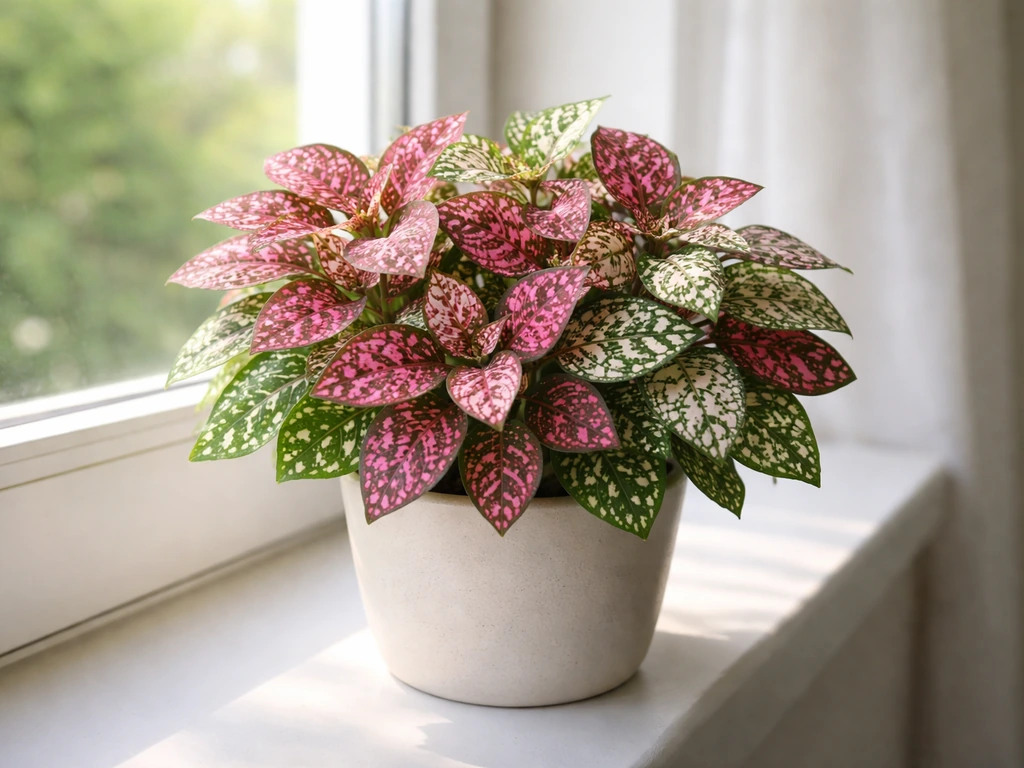
Yes, Hypoestes (polka dot plant) grows indoors very well, and honestly it's one of the better houseplants for adding a pop of color to a bright room. The key condition is light: it needs bright, filtered light to keep those pink, red, or white spots vivid. If you're wondering, can heather grow indoors, the answer is yes, as long as it gets bright, filtered light. Get that right and the plant is straightforward. Get it wrong and you end up with a leggy, mostly green plant that looks nothing like what you bought.
Can Hypoestes Grow Indoors? Light, Care, and Troubleshooting
James Hartwell
7 May 2026
Indoor viability: what Hypoestes actually needs to survive and stay colorful
Hypoestes phyllostachya is a tropical plant native to Madagascar, and indoors it behaves accordingly: it wants warmth, humidity, and good light. The good news is it does not want direct, harsh sun, so a bright windowsill with indirect light is genuinely ideal, not a compromise. The RHS is clear that strong, direct sunshine will damage the foliage, while deep shade strips the color and pushes the plant toward plain green. That sweet spot of bright, filtered light is where the plant lives its best life indoors.
The honest caveat: Hypoestes is not a low-light plant. If your home has north-facing windows only or genuinely dark rooms, you will struggle to keep the foliage colorful. In that case, a grow light is the practical fix, not a workaround. With the right setup, though, this plant is quite happy indoors year-round.
Indoor setup: light, window placement, and grow lights
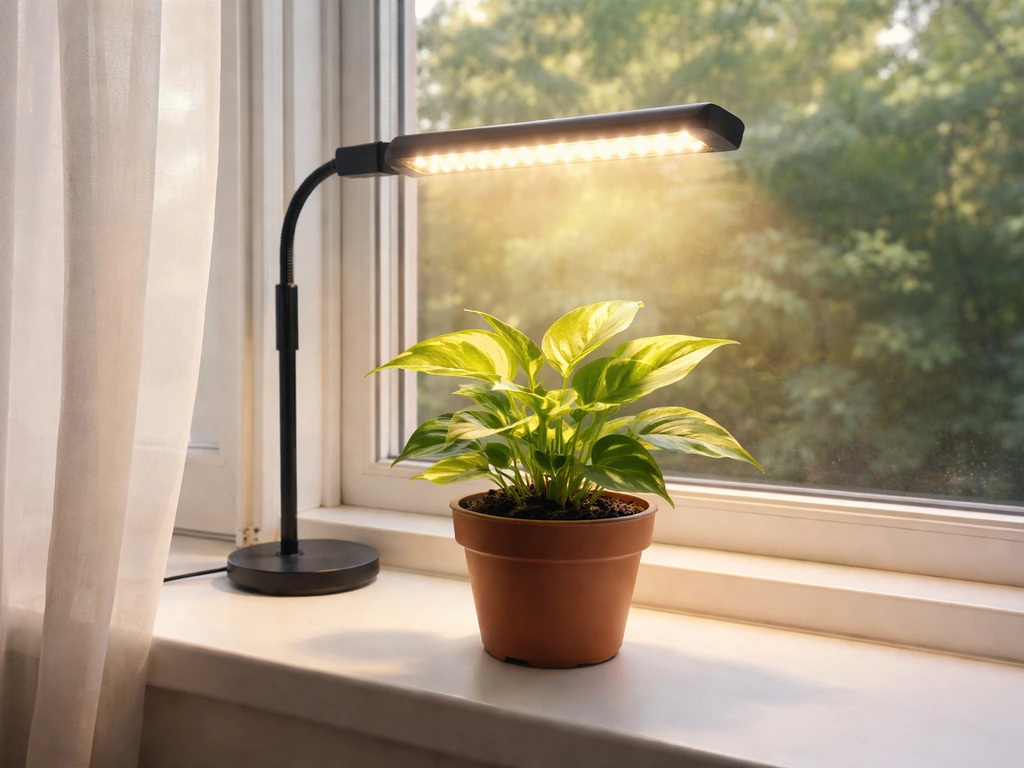
For window placement, an east or west-facing windowsill is ideal. An east window gives gentle morning sun without the scorching afternoon intensity, and that filtered, bright quality is exactly what Hypoestes wants. A south-facing window works if you pull the plant back a foot or two from the glass, or use a sheer curtain to diffuse the light. North-facing windows are a last resort and usually produce disappointing, washed-out color and leggy stems.
If you're working with a less-than-ideal window situation, a full-spectrum LED grow light placed 6 to 12 inches above the plant for 12 to 14 hours a day does a good job. I've kept Hypoestes under a grow light in a windowless office before and the color stayed vivid. The University of Wisconsin Extension notes specifically that lower-than-ideal light causes the plant to get leggy, so if your stems start stretching and flopping, inadequate light is almost always the culprit.
The University of Minnesota Extension explains that lower-than-ideal light commonly leads to “leggy” growth with long, thin stems reaching toward the light source lower-than-ideal light causes the plant to get leggy. Rotate the pot a quarter turn every week or two so all sides get even exposure.
Indoor care basics: watering, humidity, temperature, soil, and pot
Watering
Water Hypoestes thoroughly when the top inch of soil feels dry. It likes consistent moisture but hates sitting in waterlogged soil. During active growth (spring through summer), you'll likely water once or twice a week. In winter, back off and let the top inch or two dry out before watering again. The plant will dramatically droop when thirsty, which looks alarming but usually recovers quickly after a drink. Leaf drop, on the other hand, is often caused by either chronic overwatering (roots rotting) or a sudden cold draft, not just underwatering.
Humidity and temperature
Hypoestes prefers temperatures between 60°F and 80°F (16°C to 27°C). Keep it away from cold drafts, air conditioning vents, and heating vents. Below 55°F and the plant starts to struggle fast. Humidity is a real factor here: the plant wants at least 50% relative humidity. In a dry apartment in winter, that's often where things go wrong. A small humidifier nearby, a pebble tray filled with water placed under the pot, or grouping it with other plants all help raise local humidity without overcomplicating things.
Soil and pot
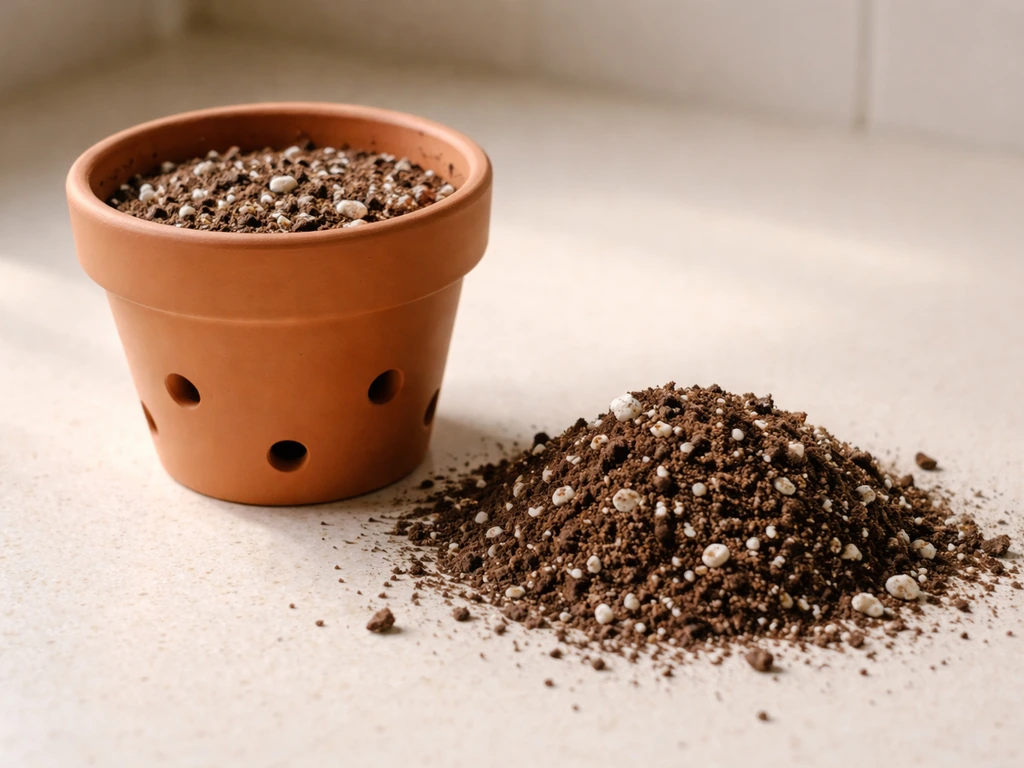
Use a rich but well-draining potting mix. A standard indoor potting soil mixed with a small amount of perlite (roughly 3 parts soil to 1 part perlite) gives good drainage without drying out too fast. For the pot, always go with one that has drainage holes. Hypoestes sitting in a decorative cachepot with no drainage is a recipe for root rot. Pot size matters too: don't overpot. A container just slightly larger than the root ball keeps moisture levels manageable.
Fertilizing
Feed monthly during spring and summer with a balanced liquid fertilizer diluted to half strength. Skip fertilizing in fall and winter when growth slows. Over-fertilizing pushes leafy green growth at the expense of the colorful spotting, so less is more here.
Outdoors vs. indoors: when moving it outside actually makes sense
Hypoestes grows outdoors in USDA zones 10 to 11 as a perennial, and in warmer months it genuinely thrives outside in most parts of the country as an annual or seasonal plant. Outdoors, it prefers partial shade: dappled light under a tree canopy or a spot that gets morning sun and afternoon shade is ideal. Full outdoor sun, especially in hot climates, bleaches and burns the leaves fast.
Moving your Hypoestes outside for summer (once nighttime temps stay reliably above 60°F) gives it a real boost. Outdoor humidity is usually higher, natural light quality is better, and the plant tends to fill out more. Just acclimate it gradually over a week or two, starting in a shaded spot, so it doesn't shock from the transition. Bring it back inside before the first hint of cold in fall, around when temperatures drop below 55°F at night.
If you live in a hot, dry climate or a place with harsh summer sun, keeping it strictly indoors year-round near a good window or under a grow light is actually the easier and more reliable approach. If you live in a hot, dry climate or a place with harsh summer sun, keeping it strictly indoors year-round near a good window or under a grow light is actually the easier and more reliable approach can dusty miller grow indoors. Outdoor care in intense heat requires more frequent watering (sometimes daily in containers) and more attention to afternoon shade.
| Factor | Indoors | Outdoors (seasonal) |
|---|---|---|
| Best light | Bright, indirect (east/west window or grow light) | Partial shade, dappled or morning sun |
| Temperature risk | Drafts and AC/heat vents | Cold snaps below 55°F |
| Humidity | Needs active management | Usually naturally higher |
| Watering frequency | Once or twice a week in summer | Daily in hot weather (containers) |
| Color vibrancy | Good with adequate light | Often excellent in filtered outdoor light |
| Year-round viability | Yes, everywhere | Only in zones 10-11 or as a summer annual |
Common problems and how to fix them
Leggy, stretched growth
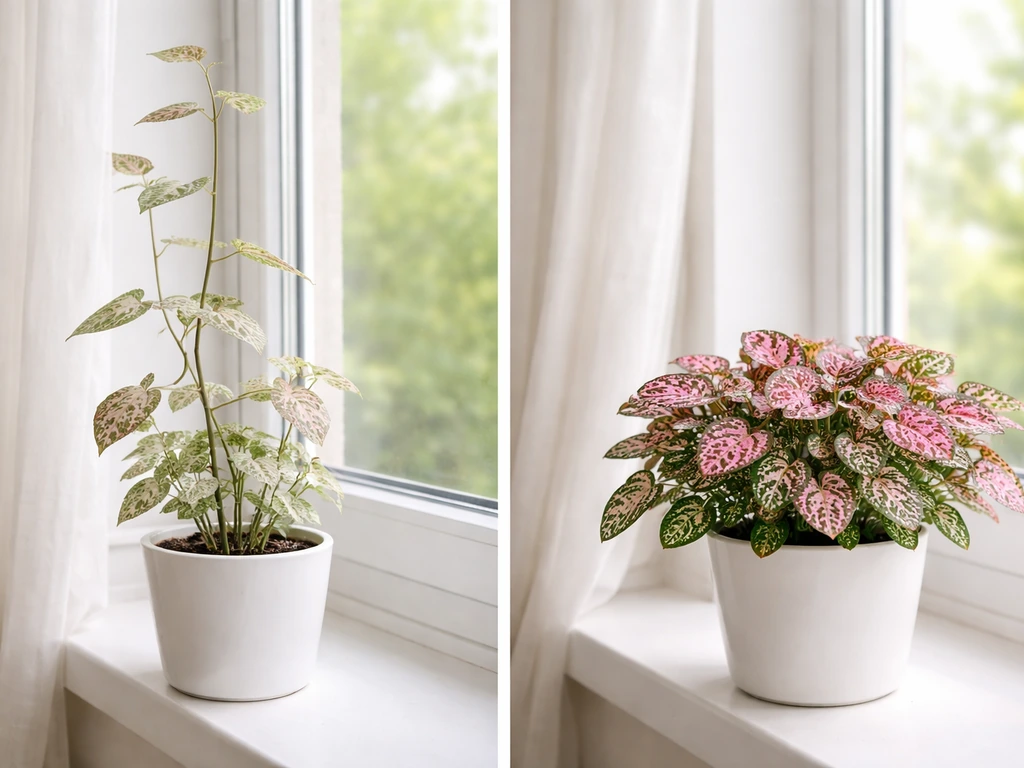
This is the number one indoor Hypoestes problem and it almost always comes down to not enough light. The stems stretch toward whatever light is available and the plant loses its compact shape. Fix: move it closer to a brighter window or add a grow light. You can also grow heuchera indoors, but it needs different light and soil conditions than Hypoestes. Pinch back the leggy stems to encourage bushier regrowth. This is also just a natural tendency of the plant as it matures, so regular pinching (every few weeks) keeps it full and attractive.
Fading color
If the spots are fading and the leaves are looking more green than pink or red, it's a light issue. NYBG notes that insufficient light is a common cause of fading leaf variegation or color in houseplants. Both UF/IFAS and the RHS point to bright, filtered light as essential for maintaining color. Move the plant to a brighter spot or supplement with a grow light. Over-fertilizing with nitrogen can also push too much green growth, so ease back on feeding.
Leaf drop
Sudden leaf drop is usually one of three things: a cold draft, drastic temperature change, or overwatering leading to root rot. Check that the plant isn't sitting near an air vent or a drafty window. Let the soil dry slightly between waterings and make sure the pot drains freely. If the plant has been sitting in wet soil for a while, unpot it and check the roots: brown, mushy roots mean rot and you'll need to trim them and repot into fresh, dry soil.
Crispy leaf edges
Brown, crispy edges on the leaves point to low humidity or, less often, direct sun scorching. If you're not already running a humidifier or using a pebble tray, start there. Also check that the plant isn't getting direct afternoon sun through a window. Moving it slightly back from the glass or adding a sheer curtain usually solves both issues.
Pests to watch for indoors
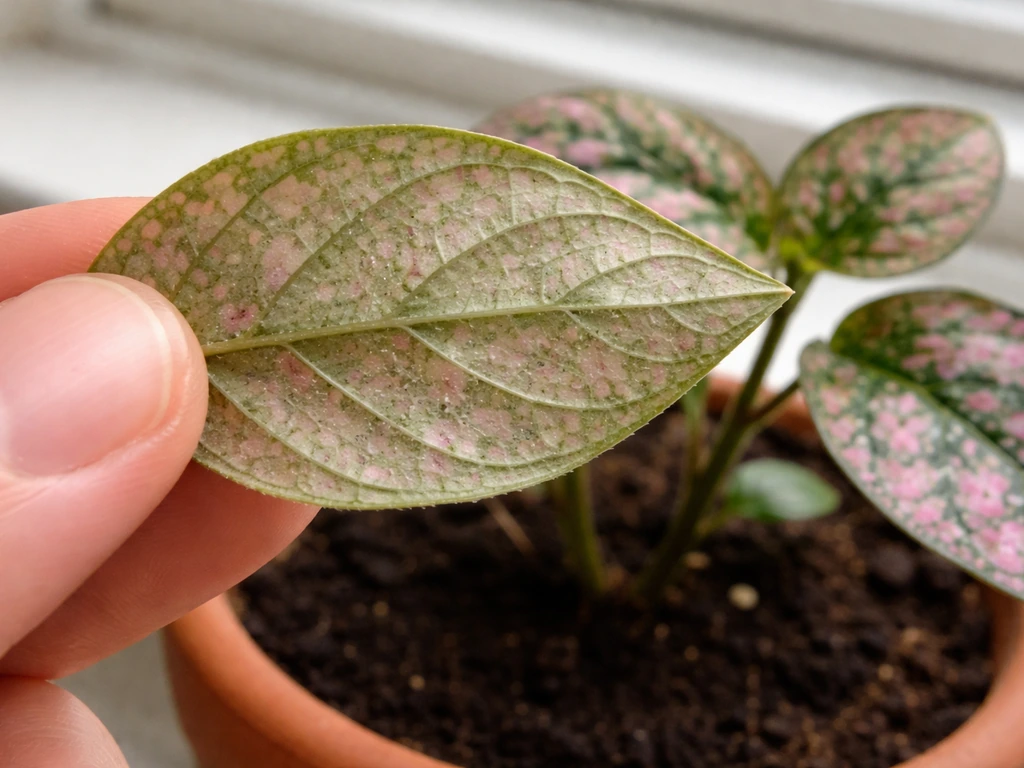
Hypoestes indoors can attract fungus gnats (from consistently moist soil), spider mites (in dry conditions), and occasionally whiteflies. Letting the top inch of soil dry between waterings discourages fungus gnats. Spider mites thrive in dry air, so improving humidity is your first defense. If you spot pests, treat with neem oil or insecticidal soap spray and isolate the plant from others until the problem is resolved.
Get your Hypoestes thriving indoors today: a checklist
- Check your light right now: stand at the window where you plan to put it and see how bright it is in the middle of the day. If you can read comfortably without turning on a lamp, it's probably bright enough. If not, plan for a grow light placed 6 to 12 inches above the plant.
- Choose your spot: east or west-facing window is your best first choice. South works with a sheer curtain or by pulling the plant back a foot from the glass.
- Check your soil and pot: make sure the pot has drainage holes and the soil isn't compacted or soggy. If it's been in the same pot for over a year, check whether it needs repotting.
- Assess humidity: if your home runs dry (especially in winter), set up a pebble tray with water under the pot or place a small humidifier nearby.
- Set a watering reminder: water when the top inch of soil is dry, and track it loosely so you're not guessing. Drain any water sitting in the saucer after 30 minutes.
- Pinch it back: if it's already leggy, pinch the stems just above a leaf node to encourage bushier growth. Do this regularly, every two to three weeks.
- Use this quick troubleshooting guide: if stems are stretching, add more light. If leaves are dropping, check for drafts and overwatering. If edges are crispy, raise humidity. If color is fading, move it to a brighter spot or adjust your grow light distance.
Hypoestes is genuinely one of the more rewarding colorful foliage plants you can grow indoors, and it doesn't ask for much beyond good light and consistent moisture. Nail those two things and the polka dots stay bold, the plant stays compact (with regular pinching), and it keeps going reliably.
If you're comparing it to other foliage plants that also push their luck indoors, Hypoestes is honestly one of the more forgiving options as long as you treat the light requirement seriously from the start. If you're wondering can mexican heather grow indoors, the same idea applies about matching light levels to keep the plant healthy. Can horsetail also grow indoors, or does it need outdoor conditions instead?
While it can, many people find that sedum grown indoors needs bright light and careful watering to stay healthy can sedum grow indoors.
FAQ
Can Hypoestes grow indoors in a dimmer room or only near a window?
Yes, but only if you can recreate bright, filtered light. If you have a north-facing window, or the room is dim for most of the day, the spots will usually fade and the plant will get leggy even if you water correctly. In that case, plan on adding a grow light.
What’s the best way to use a grow light indoors for Hypoestes?
A grow light should be close enough to deliver real intensity, about 6 to 12 inches above the leaves. Use a timer and aim for 12 to 14 hours daily, and rotate the pot occasionally so color stays even on all sides.
Is it okay to water Hypoestes and leave it in a saucer?
Avoid letting water sit in the saucer after watering. If you use a cachepot (decorative outer pot), empty it after 10 to 20 minutes and make sure excess water can run freely out of the nursery pot’s drainage holes.
My Hypoestes droops, how do I tell if it needs water or something else?
Most of the time, yes. Hypoestes droops quickly when thirsty and usually perks back up after a thorough watering, but sudden leaf drop is more often from temperature swings, drafts, or overwatering. Check soil moisture before assuming it is underwatering.
Will pinching keep Hypoestes from getting leggy long-term?
Pinching and regular trimming help keep it compact, but it will still naturally thin out as it matures. For a fuller look, pinch back leggy tips every few weeks during spring and summer, and keep light bright enough so new growth develops without stretching.
How do I choose the right potting mix and pot size for indoor Hypoestes?
Use a soil mix that drains well (for example, standard potting mix cut with perlite) and a pot with drainage holes. If you repot, avoid jumping to a much larger container, because extra wet soil increases the chance of root rot and fungus gnats.
How can I prevent fungus gnats if I tend to water often?
Yes, and it’s one of the easiest ways to prevent fungus gnats indoors. Water when the top inch of soil is dry, and avoid frequent “small sips” that keep the surface constantly damp.
Should I fertilize year-round, or only during certain months?
When growth slows, in fall and winter, reduce feeding rather than stopping completely forever. A common mistake is continuing full-strength fertilizer, which can reduce spotting by pushing greener growth, so stick to monthly half-strength during active growth only.
What should I do if the leaves get brown crispy edges indoors?
No. Hypoestes is not a low-humidity plant, especially in winter or in dry heated homes. If leaves develop brown crispy edges, it often means humidity is too low or direct window sun is scorching, so address both with a humidifier or pebble tray plus a slight shift back from the glass.
If I move Hypoestes outside for summer, how should I acclimate it and when should I bring it back?
Start acclimating gradually for one to two weeks, beginning in partial shade outdoors, then increase light slowly. Move it back indoors before night temperatures consistently drop below about 55°F, and protect it from harsh afternoon sun.