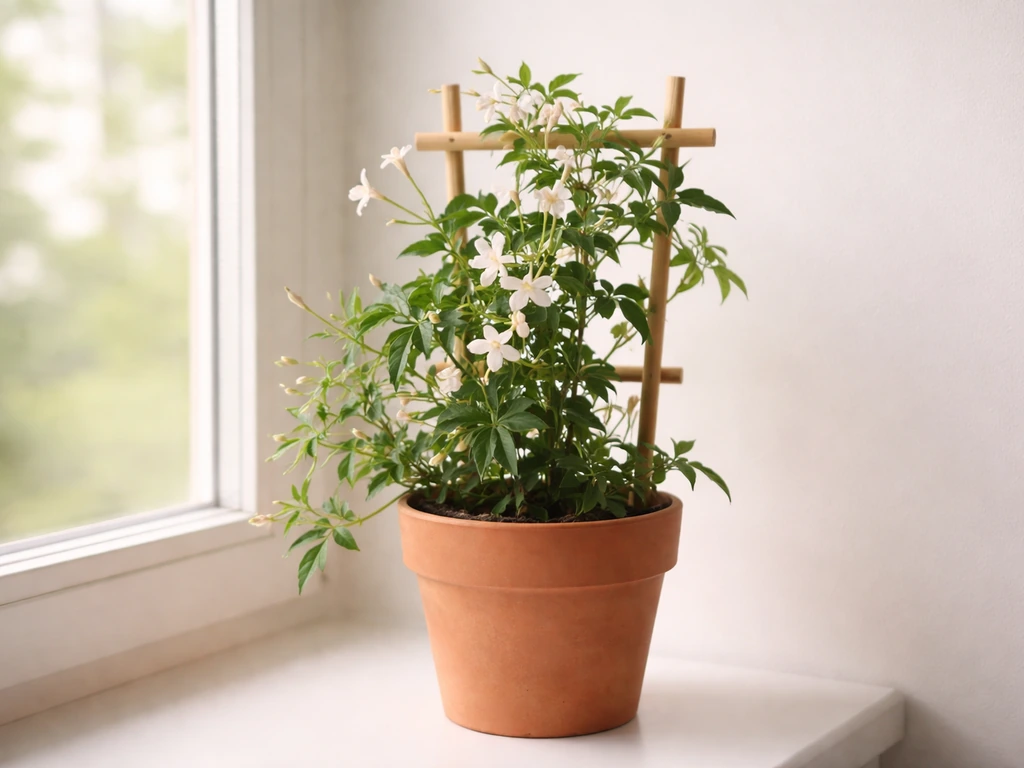
Yes, star jasmine (Jasminum polyanthum) can grow indoors, and it can actually bloom indoors too, which is something not every flowering vine pulls off. BBC Gardeners' World flat-out describes it as 'best grown as a houseplant,' so you're not fighting the plant's nature here. The catch is that getting it to flower requires a specific cool period in late fall and early winter. Skip that step and you'll have healthy green vines with zero blooms. Nail the cool period, give it a bright window, and you'll have one of the most intensely fragrant houseplants you've ever owned.
Can Star Jasmine Grow Indoors? Indoor Care Guide

James Hartwell
26 Apr 2026
Choose the right plant and container setup
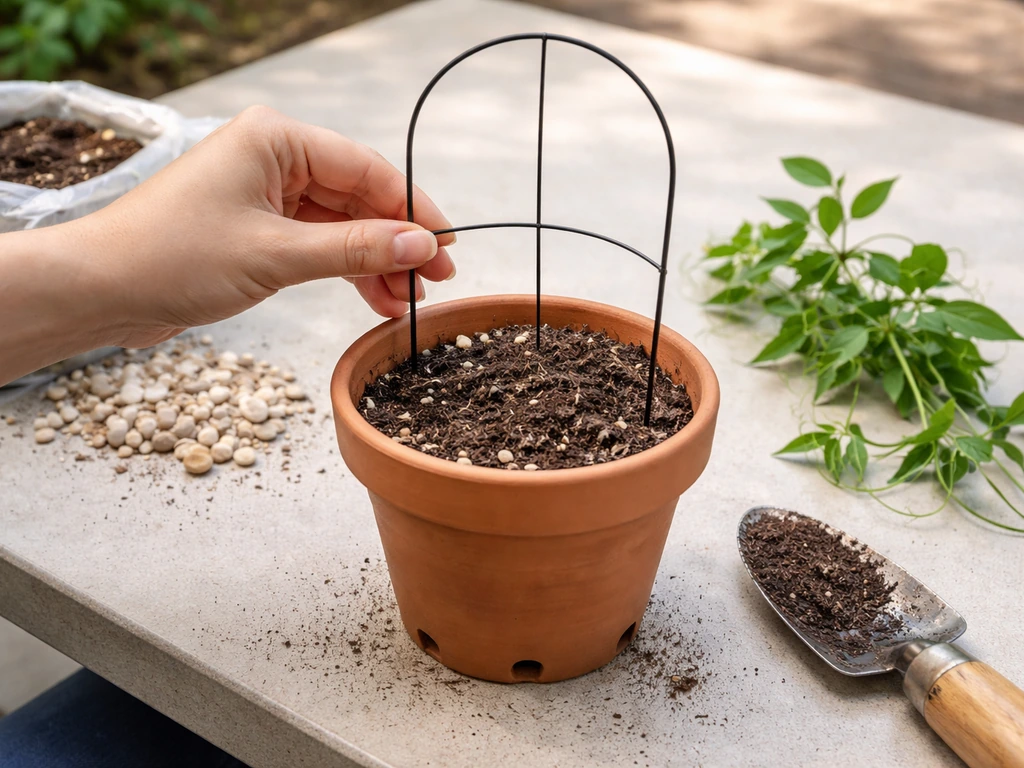
When you're shopping, look specifically for Jasminum polyanthum. This is the one you'll find sold in late winter at garden centers, often trained around a small wire hoop. It's the species that's genuinely suited to indoor growing. Other jasmine species sold outdoors, like confederate jasmine or Arabian jasmine, have different needs and tolerances, so make sure you know what you're buying before you get attached. Confederate jasmine can also be grown indoors, but it generally has different temperature and light needs than star jasmine.
For the container, choose a pot that's snug rather than oversized. Jasmine actually blooms better when slightly root-bound, so don't rush to upsize. A 6 to 8 inch pot is a good starting point for a young plant. Make sure it has solid drainage holes because sitting in waterlogged soil is one of the fastest ways to kill this plant. Terracotta works great because it breathes and dries out at a reasonable pace.
For soil, use a well-draining potting mix. A standard all-purpose mix works, but you can improve drainage by mixing in about 20 to 25 percent perlite. Avoid heavy mixes designed for moisture retention. Star jasmine wants consistent moisture but hates soggy roots, and a fast-draining mix gives you a much more forgiving watering window.
Indoor light requirements and best window placement
This plant needs as much light as you can give it indoors. A south-facing window is ideal, and an east or west-facing window can work if it gets several hours of direct or bright indirect light. A north-facing window is going to leave you frustrated: the vines will survive but they'll grow leggy and weak, and blooming becomes nearly impossible. If your apartment doesn't have a south or east window, a grow light placed close to the plant for 12 to 14 hours a day can fill the gap reasonably well.
In summer, star jasmine loves outdoor time on a balcony or patio. A few months outside in bright light builds up the energy reserves it needs to put on a flowering show the following winter. If you can move it out from late spring through early fall, do it. Just bring it back inside before temperatures drop below 50°F.
Watering, soil, and fertilizing schedule
Water when the top inch of soil feels dry. During active growth in spring and summer, that might mean watering every few days. In fall and winter, when the plant is resting or being kept cool for bloom induction, cut back significantly and let the soil dry a bit more between waterings. Always water thoroughly, let it drain completely, and never leave the pot sitting in a saucer of standing water.
For fertilizing, use a balanced liquid fertilizer (something like 10-10-10 or 20-20-20) every two weeks during the growing season from spring through summer. Once you move into the cool fall period to encourage blooms, stop feeding. Fertilizing during the cool rest period can push leafy growth at the expense of flower buds. Resume feeding in late spring after flowering is finished.
Temperature, humidity, and the cool period it needs to bloom
This is the make-or-break detail for indoor star jasmine. White Flower Farm is direct about it: if you keep the plant warmer than 65°F, it will grow but it will not flower. The plant needs 4 to 5 weeks of cool conditions, with temperatures staying below 65°F, to trigger flower bud formation. A cool bedroom, a minimally heated sunroom, or a spot near a drafty but bright window in late fall works well for this. If you want an easier option to try alongside this, consider whether a can jade plant grow indoors approach might fit your home conditions.
The RHS recommends keeping Jasminum polyanthum above 13°C (55°F) at all times, so you're aiming for that sweet spot between about 55°F and 65°F during the cool period. Think of it as a mild chill, not a cold snap. Once you see flower buds forming, you can move it back to a warmer spot and the buds will continue developing and opening.
On humidity, star jasmine is more forgiving than some finicky flowering houseplants like gardenia, but it does appreciate moisture in the air. Gardenia can be a bit trickier indoors, so this humidity section is a good reminder of what to aim for with flowering houseplants. Central heating dries indoor air significantly in winter, which is often when you're trying to get this plant to bloom. Misting the leaves every couple of days, grouping it near other plants, or placing a small humidifier nearby all help. Aim for humidity above 40 percent if you can manage it.
Training, pruning, and trellis support indoors
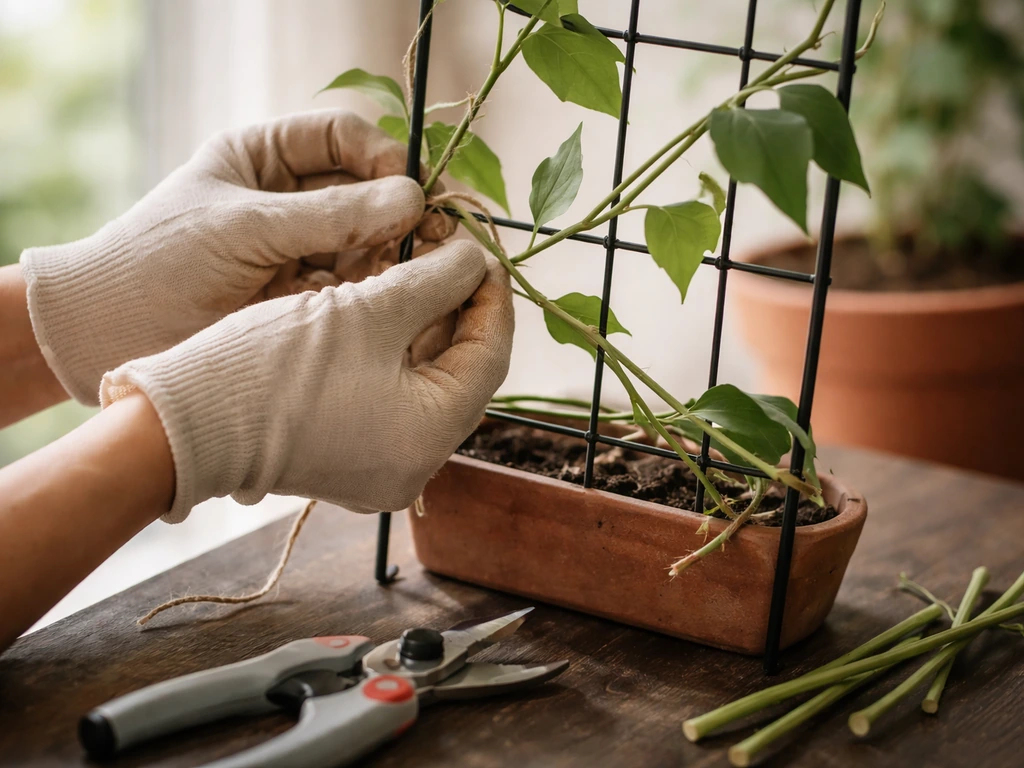
blank" rel="noopener noreferrer">Star jasmine is a vigorous twining vine, and indoors it needs something to climb. If you're also wondering can creeping charlie grow indoors, plan for similar light and watering attention, but expect different growth and spread than a twining vine like star jasmine. If you are wondering can creeping jenny grow indoors, the answer is similar: you will need the right light and a careful watering routine to keep it thriving. If you are trying to figure out can wandering jew grow indoors, the same general rule applies: you need the right light level and a watering routine that prevents soggy soil can creeping jenny grow indoors. The small wire hoop it often comes with from the garden center is a temporary solution at best. A compact bamboo trellis, a small fan-shaped support pressed into the pot, or even a simple arrangement of bamboo stakes works well. As new vines grow, gently wrap or tie them to the support. The plant will twine on its own once it finds something to grab.
Prune after blooming is finished, typically in late spring. This is the window Logee's recommends, and it makes sense: you're cutting back after the current season's flowers are spent, which encourages bushy new growth that will carry next year's flower buds. Cut back long, straggly stems by one-third to one-half. Don't be shy about it. Star jasmine comes back strong and a hard post-bloom prune keeps the plant compact and manageable indoors.
Avoid pruning in fall or early winter. Any cutting at that point removes the growth that's about to form flower buds, and you'll lose your bloom season entirely.
Troubleshooting common indoor problems
No blooms
This is the most common complaint, and the cause is almost always temperature. If your plant is kept in a consistently warm room year-round, it has no trigger to set flower buds. Move it somewhere cooler (55 to 65°F) for 4 to 5 weeks in late fall and keep it there until buds form. Also check light: a poorly lit plant won't have the energy to flower even with perfect temperatures.
Leggy, sparse vines
Long, weak stems with widely spaced leaves mean the plant isn't getting enough light. Move it to your brightest window or supplement with a grow light. You can prune back leggy stems after flowering to encourage a fuller shape, but fixing the light situation is the real solution.
Yellow leaves
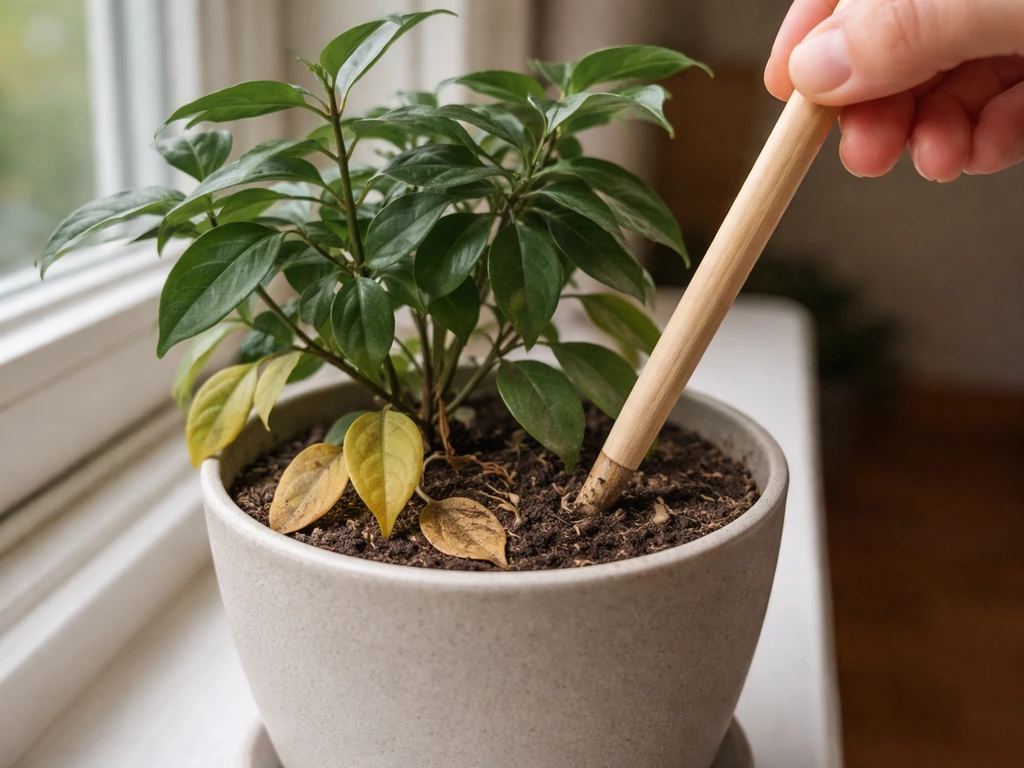
Yellow leaves usually point to one of two things: overwatering or low light. If the soil has been consistently damp and the lower leaves are yellowing and dropping, ease off watering and check that your drainage is working properly. If the plant is sitting in a dim spot and the leaves look pale and yellow overall, the light is the issue.
Pests
Spider mites are the most frequent pest on indoor star jasmine, especially in dry heated air during winter. You'll notice fine webbing on stems and undersides of leaves, and the foliage will start to look stippled or dusty. Wipe down leaves with a damp cloth regularly and mist the plant to keep humidity up. For an active infestation, insecticidal soap or neem oil applied every 5 to 7 days for a few rounds handles it. Aphids can also appear on new growth: a strong spray of water or insecticidal soap takes care of them quickly.
Your next steps today
If you're starting fresh, here's exactly what to do right now. If it's late winter or early spring, check local garden centers because star jasmine is commonly sold in bloom at this time of year, which makes it easy to find. If it's summer, you can still find it online from specialty growers. Buy a Jasminum polyanthum specifically, not a general 'jasmine' label without a species name.
- Pick up a Jasminum polyanthum from a garden center or order from a reputable online nursery.
- Pot it in a well-draining mix with perlite added, in a container with drainage holes.
- Place it in your brightest south or east-facing window immediately.
- In late fall (October to November), move it to a cool room where temps stay between 55°F and 65°F for 4 to 5 weeks.
- Once you see flower buds forming, move it back to a warm, bright spot to let the buds open.
- After flowering finishes in late spring, prune it back by one-third and resume regular feeding.
Star jasmine is one of those houseplants that genuinely rewards the small amount of extra attention it asks for. The fragrance when it blooms indoors is remarkable, filling a room in a way that few other houseplants can match. Get the cool period right, give it good light, and this plant will become one you look forward to every late winter.
FAQ
Can star jasmine grow indoors year-round and still flower?
Yes, but you must still recreate the flowering trigger. Keep the plant in bright light most of the year, then provide 4 to 5 weeks in the 55 to 65°F range during late fall or early winter. If you leave it in a typical warm living room through winter, it may grow well but usually won’t form buds.
What temperature should I maintain, and does it have to be cool all day?
Only if your indoor “cool period” is real. An open window or a drafty spot usually helps, but a radiator cycle or sun-heated window can bump temperatures above the flowering threshold. Use a thermometer at pot height and aim for sustained cool temps below about 65°F, not just a chilly night.
Should I fertilize while the plant is cooling to encourage blooms?
It depends on whether you’re already past the cool-rest window. If buds haven’t started, avoid feeding and focus on correct temperatures and light. If buds are forming or the plant has finished blooming, you can resume a balanced fertilizer later (after the flowering cycle) rather than adding fertilizer during the cool induction phase.
Why are my star jasmine leaves turning yellow indoors, even though I water on schedule?
A fan-shaped leaf and pest issues can increase, but the faster cause is usually overwatering, poor drainage, or too little light. Check whether the pot drains freely, then let the top inch dry before watering again. If the yellowing is uniform and leaves are pale, increase light; if it’s lower leaves with damp soil, dial back watering.
Will repotting help star jasmine, or will it stop it from blooming?
Repotting can delay blooms because it disturbs roots that may be helping the plant settle. If you need to move to a bigger pot, do it after flowering or in early spring, and keep the pot only slightly larger. Also verify the mix is well-draining with perlite so the new roots are not kept too wet.
My indoor plant is making buds but they drop. Why does that happen?
Most commonly, buds fail because temperatures stay too warm during the cool induction period, or because light is too weak. Star jasmine needs strong indoor brightness, and then it still must be cool long enough. Once buds appear, you can move it to a warmer spot to finish development, but avoid heavy drafts and sudden location changes right at bud set.
What’s the best way to support star jasmine indoors when it starts to vine?
For indoor trellising, the support needs to start early. A small hoop is fine temporarily, but for a fuller shape use a bamboo trellis or stakes placed in the pot before vines get long. Gently guide and tie new growth so it can grab onto the structure, otherwise it will sprawl and become harder to manage.
Can I move star jasmine outside in summer to improve blooming?
Yes, but you still need the cool trigger and strong light. Place it outdoors in bright shade or sun only after nighttime temps are safely above your indoor “cool period” needs. Bring it back inside before temperatures drop below about 50°F so you can control the timing for the cool flowering induction.
Is misting enough to keep star jasmine happy indoors during winter?
Misting helps with humidity but it’s not a guarantee for winter conditions. If indoor air is very dry, a small humidifier near the plant and grouping plants together are more consistent. Aim for humidity above roughly 40%, and avoid leaving water on leaves long-term in low light.
How can I tell whether my plant has a watering problem or spider mites?
Try the “leaf look” approach: brittle leaves and dusty stippling often point to spider mites, while soft drooping plus persistently damp soil points to watering problems. Check the undersides of leaves for webbing, then adjust the immediate issue (humidity and watering), and treat pests with insecticidal soap or neem in repeat rounds if needed.