
Yes, chilli plants can absolutely grow indoors, and they actually do better inside than most people expect. The catch is light. Get that right, and you can keep a chilli plant alive and productive through an entire winter, then carry it into a second or even third growing season with a much bigger harvest than you'd get from a seedling.
Can Chilli Plants Grow Indoors? Winter Success Checklist

James Hartwell
21 May 2026
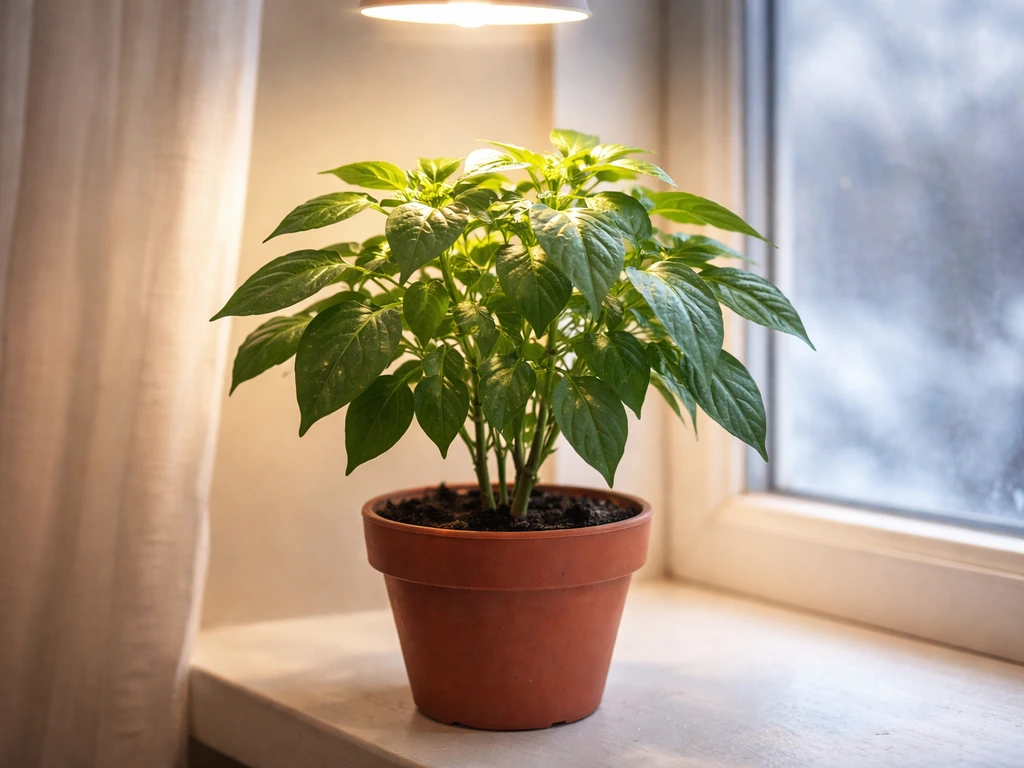
Are chilli plants actually suited to indoor growing?
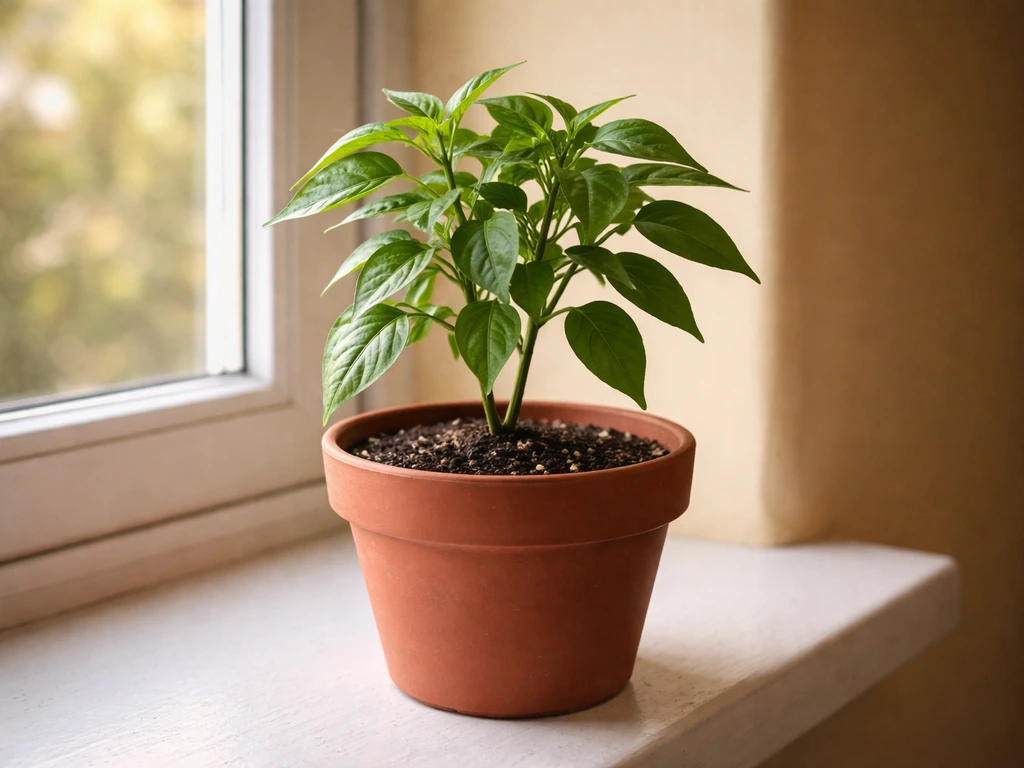
Chillies are tropical perennials, which means they don't die back in winter by design. They only die back because we let them freeze. Indoors, with stable warmth and decent light, they stay alive and can even keep producing fruit. For apartment dwellers or anyone without a greenhouse, growing chillies indoors is a genuinely practical option, not a compromise. If you’re wondering can you grow mums in the house, the key is matching the light and cool-but-not-freezing conditions to what mums need.
That said, chillies are more demanding than something like mint or peppermint, which are reasonably happy on a bright windowsill with minimal fuss. Chillies need more light, more warmth, and a bit more attention to humidity and airflow. If you can provide those things, the reward is a plant that fruits for years rather than one season.
The most realistic indoor scenario is overwintering: bringing your outdoor plant inside before the first frost, keeping it ticking over through winter, then either fruiting it indoors or moving it back out in spring. Some growers go further and run chillies as permanent indoor plants year-round, usually with grow lights. Both approaches work, but they have different requirements.
Overwintering chillies indoors: when to bring them in and how to prep them
In the UK, the window for bringing chillies indoors is roughly October to November, depending on your local weather. The trigger to watch for is night temperatures dropping toward 12 to 13°C (around 55°F). Below that, plants start to struggle, and one cold night near freezing will kill them. Don't wait until the leaves go yellow and limp. If overnight lows are consistently heading below 55°F, it's time to move them.
Before you bring them in, give the plant a decent prune. Cut back to the main structural branches, removing any weak, spindly, or browning stems. This sounds harsh but it does two things: it reduces the shock of the transition to lower light indoors, and it removes potential hiding spots for pests before they come inside your home. Wait until you see the leaves and stems starting to brown before pruning, as that's the plant naturally signalling it's winding down.
Check thoroughly for pests before the plant comes through the door. Spider mites, aphids, and whitefly love to hitch a ride indoors where they have no natural predators. Inspect under every leaf. A wash-down with a diluted neem solution or insecticidal soap before bringing the plant in can save you a lot of grief later.
Light: the single biggest factor for success
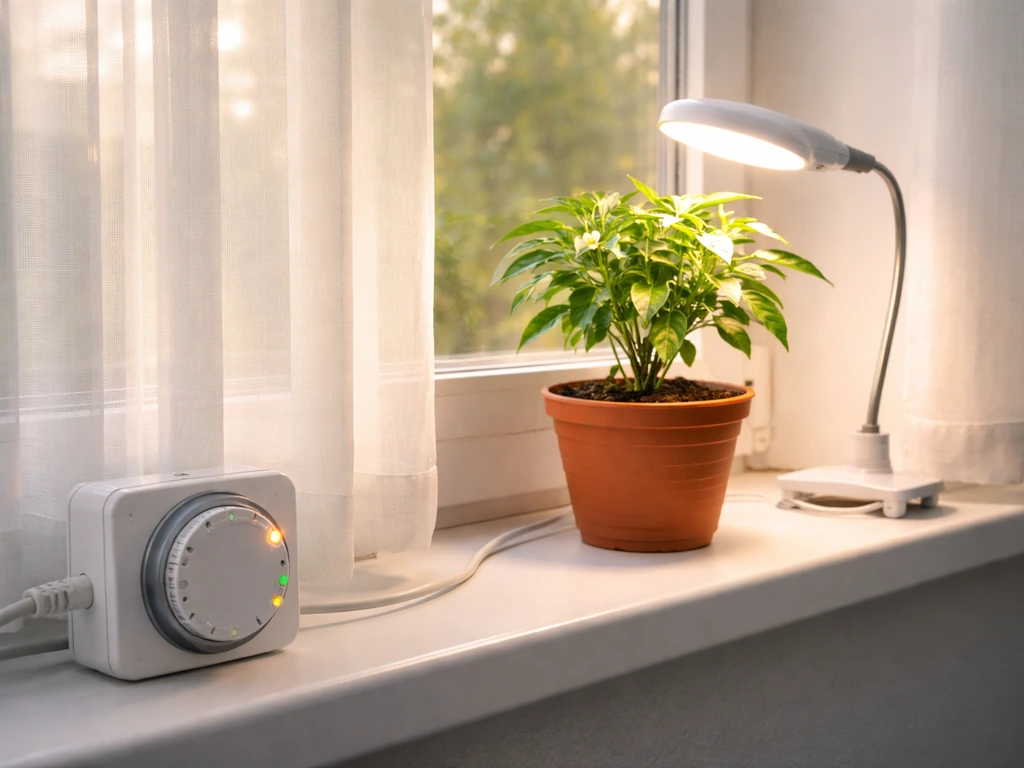
Here's where a lot of people run into trouble. Chillies need a lot of light, far more than a standard UK or northern-hemisphere winter windowsill can provide. A south-facing window is your best natural option, but even that may not be enough from November through February when days are short and sun is low in the sky. If your plant is getting under 6 hours of direct light, you'll see it getting leggy, losing leaves, and producing little to nothing.
For reliable fruiting indoors, the target is blank" rel="noopener noreferrer">14 to 16 hours of light per day. That's essentially impossible from a window alone in winter, which is why grow lights aren't a luxury for indoor chilli growing, they're often a necessity. For the best chilli plants to grow indoors in the UK, choose compact, naturally bushy varieties and match them with enough light indoor chilli growing.
Setting up grow lights for chillies
Full-spectrum LED grow lights are the practical choice for most home growers. They run cool, are energy efficient, and the better ones cover the wavelengths chillies need for both vegetative growth and fruiting. Set a timer for 14 to 16 hours on, 8 to 10 hours off. Chillies do need a dark period, so don't be tempted to run lights continuously thinking more is better.
Position the light so it's close enough to be effective without burning the leaves. Most LEDs intended for home growing work well at around 20 to 30cm from the canopy, but check your specific light's guidance. If your plant is right on a windowsill, a clip-on grow light angled over it is an easy setup that doesn't take over the room.
If you're only overwintering and not expecting much fruiting, you can get away with less, just enough light to keep the plant alive and healthy. But if you want flowers and chillies through winter, invest in even a basic grow light. The difference is dramatic.
Temperature, humidity, and airflow indoors
Chillies like it warm. The sweet spot for fruiting is daytime temperatures between 20 and 28°C, with night temperatures staying above 15 to 16°C. Consistently cool nights, below around 15°C, will noticeably reduce fruit set. Temperatures above 32°C cause blossom drop at the other extreme, so keep them away from radiators and heating vents that blast dry hot air directly at the plant.
Most living rooms sit comfortably in the right range through winter, which is one reason chillies do well as indoor plants in centrally heated homes. Just avoid cold windowsills where the temperature right at the glass can drop significantly on freezing nights.
Humidity matters more than most guides let on. Central heating dries out indoor air considerably, and chillies prefer moderate humidity. Low humidity stresses plants and makes them more vulnerable to spider mites, which thrive in dry conditions. A simple humidity tray (pebbles and water under the pot), occasional light misting, or a small room humidifier near your plants can help. Aim for around 40 to 60% relative humidity if you can.
Airflow is equally important and often overlooked. Still, stagnant air indoors encourages fungal problems including powdery mildew, which can affect peppers across a wide temperature range (roughly 18 to 33°C), so it can happen even in a warm indoor environment. Powdery mildew on chillies is caused by Leveillula taurica and is a known issue in greenhouse and indoor growing conditions. A small fan running on low for a few hours a day, or simply opening a window briefly on mild days, helps keep air moving around the plant. Airflow also has a bonus effect: it physically agitates the flowers, which helps with pollination indoors since there are no insects or wind to do the job.
Pots, potting mix, and watering indoors
Choosing the right pot
A pot that's too small will restrict roots and limit yield. For most chilli varieties, go for a minimum of 3 gallons (around 11 litres) or a pot at least 30cm (12 inches) in diameter. Good drainage is non-negotiable: indoor plants sitting in soggy soil will develop root rot quickly. Make sure your pot has drainage holes and don't let it sit in a saucer full of standing water.
The right potting mix
Use a quality peat-free multipurpose compost and mix in around 20 to 30% perlite to improve drainage and prevent the mix from compacting. Chillies don't like waterlogged roots, and perlite is the simplest way to ensure the mix stays open and airy. Avoid heavy garden soil in pots, it compacts badly and drains poorly.
Watering in winter vs. the growing season
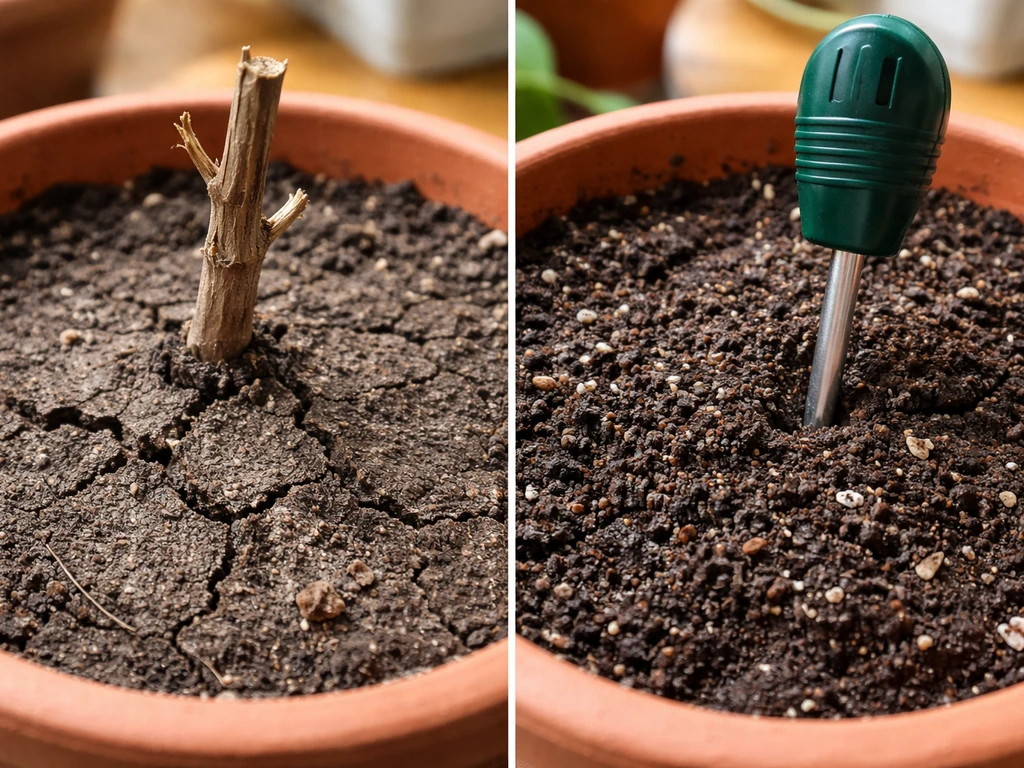
This is where most people over-water and kill their plants. During winter, an overwintering chilli that's been pruned back and is resting needs very little water. The soil should dry out quite a bit between waterings. Check by pushing your finger an inch or two into the compost: if it still feels moist, leave it. Overwatering in low light leads to root rot faster than almost any other mistake.
Once the plant comes back into active growth, usually as days get longer in late winter or early spring, or if you're running grow lights year-round, increase watering to match. The key is consistency once flowering begins. Allowing the compost to dry out completely once buds form will cause them to drop, so once you see flower buds, keep moisture more consistent without ever letting the pot sit waterlogged.
Feeding, flowering, and actually getting fruit indoors
Don't feed a dormant or semi-dormant overwintering plant. It doesn't need it, and excess fertiliser when growth is slow can build up as salts in the compost and cause more harm than good. Hold off until you see active new growth returning.
Once flowering begins, switch to a high-potassium liquid fertiliser and apply it weekly. Tomato feed works well for this purpose and is widely available. The potassium supports flower production and fruit development. If your plant is in a rich, well-prepared compost it might need less, but container plants in general run through nutrients faster, so a weekly liquid feed once flowers appear is the right approach.
One thing worth knowing: if you let early fruits ripen and stay on the plant, it can signal to the plant to stop producing new flowers. Picking fruit regularly, or harvesting before fully ripe, encourages the plant to keep flowering and fruiting. This matters more when growing conditions are already limiting, as they are indoors in winter.
Pollination indoors requires a bit of help since there are no bees. Chilli flowers are self-fertile, meaning each flower has both male and female parts, but the pollen still needs to be transferred or shaken loose. A small fan running near the plant does this naturally. You can also gently flick the flower stems or use a soft paintbrush to transfer pollen between flowers. It takes about 30 seconds and meaningfully improves fruit set.
What to realistically expect through winter
If you're simply overwintering a pruned-back plant without grow lights, expect reduced or no fruiting until longer days return. That's fine. The goal is keeping the plant alive and healthy so it can hit the ground running in spring, far ahead of a new seedling. If you add grow lights and maintain warmth, you can genuinely expect flowers and some fruit through winter, though production will be lighter than peak summer.
Troubleshooting common indoor chilli problems
| Problem | Likely Cause | Fix |
|---|---|---|
| Leggy, stretched growth | Insufficient light | Move closer to window or add a grow light; increase to 14-16 hrs light/day |
| Flower or bud drop | Temperature fluctuations, dry compost, or overwatering | Keep nights above 15°C, water consistently once buds form, avoid cold drafts |
| Yellowing leaves | Overwatering or nutrient deficiency | Check soil moisture; if soggy, let it dry. If dry, start weekly high-K feed |
| White powdery coating on leaves | Powdery mildew (Leveillula taurica) | Improve airflow immediately; remove affected leaves; treat with diluted milk spray or potassium bicarbonate |
| Tiny webs on leaves, stippled foliage | Spider mites | Increase humidity; treat with neem oil or insecticidal soap; repeat weekly |
| Sticky residue or tiny insects on new growth | Aphids or whitefly | Blast off with water; treat with insecticidal soap; introduce yellow sticky traps |
| No fruit despite flowers | Poor pollination indoors | Run a small fan near the plant or hand-pollinate with a soft brush daily |
Leggy plants: the most common complaint
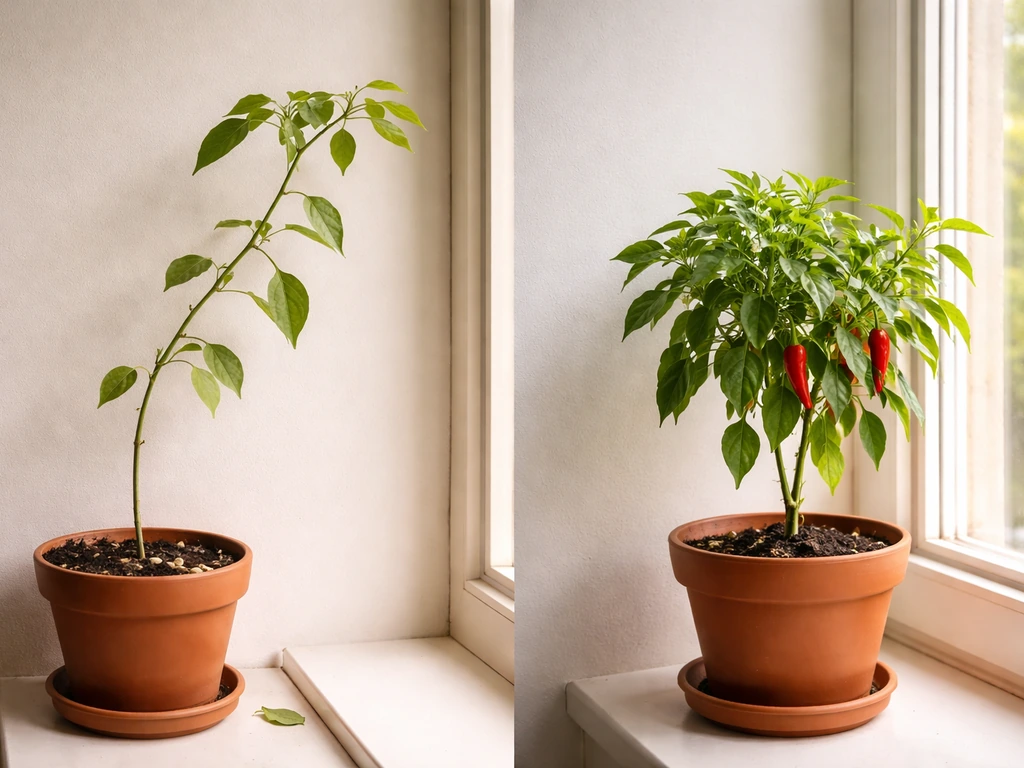
If your chilli is stretching toward the window with long, weak internodes and dropping lower leaves, it is asking for more light. This is the number one reason indoor chilli plants fail. The fix is almost always to add artificial light rather than trying to find a brighter windowsill spot. Once leggy growth starts, you can cut the plant back a little to encourage bushier regrowth, but the underlying problem is still light, and it won't improve on its own without addressing that.
Variety makes a difference: which chillies work best indoors
Compact varieties naturally suit indoor growing better than large, sprawling plants. Small-fruited types like Thai chillies, Numex Twilight, or Prairie Fire tend to do well indoors because they're naturally bushy and prolific on smaller plants. If you're specifically looking to match varieties to your indoor setup, it's worth exploring which types are recommended for indoor UK growing in more detail. Yes, some mums can grow indoors too, and the key is matching the setup to the plant’s light and temperature needs can mums grow indoors. Larger varieties like Anaheim or Poblano can be grown indoors but will need bigger pots and more light to perform well.
The short version: your indoor chilli success checklist
- Bring plants indoors when night temperatures drop below 12 to 13°C, typically October/November in the UK
- Prune back and check for pests before bringing the plant inside
- Use a pot at least 30cm (12 inches) wide with good drainage and a perlite-enriched compost
- Place in your brightest south-facing window, and add a grow light for 14 to 16 hours per day if you want fruiting
- Keep daytime temps between 20 and 28°C; nights above 15°C
- Run a small fan for airflow to prevent fungal issues and assist pollination
- Water sparingly in winter when growth is slow; increase consistency once buds appear
- Start weekly high-potassium liquid feeds when flowering begins
- Pick fruit regularly to encourage continued flower production
- Hand-pollinate by gently vibrating flowers or using a soft brush
FAQ
What is the lowest temperature my indoor chilli can tolerate before I should worry?
Indoors, try to keep night temperatures above about 15°C if you want reliable fruit set. If nights dip into the low teens (or lower), the plant can stay alive but flowering will slow and buds are more likely to drop.
Should I bring the plant indoors before frost even if it still looks healthy outside?
Yes, for overwintering, move it when nights consistently approach the low-to-mid 10s °C, roughly before freezing becomes a pattern. Waiting until you see damage (yellowing, limp leaves) can force a stress response that makes the plant harder to restart in spring.
Do chilli plants need full darkness at night, or can grow lights run 24/7?
They need a dark period. Continuous lighting can reduce flowering performance over time, so use a timer for the 14 to 16 hours on, 8 to 10 hours off schedule (or similar) rather than running lights all day and night.
How do I know if my light is strong enough when growing indoors?
Look for compact growth and steady flowering. If stems stretch, internodes lengthen, and lower leaves yellow or drop, your light is too weak or too far away, even if the plant still looks green at first.
What exact distance should I set my LED grow light from the plant?
Start with the manufacturer’s guidance, then adjust based on leaf response. If leaves bleach or curl upward, the light is too intense or too close. If the plant keeps stretching, the light is likely too far or not powerful enough.
Can I overwinter chillies without a grow light and still get fruit?
You might get little or no fruit without supplemental light, and production will usually wait for longer days. The practical goal without grow lights is survival, reduced growth, then strong spring restart.
Is it okay to prune aggressively before moving indoors?
Yes, but prune to structure, not stubs. Cutting back to main branches helps reduce shock and can remove pest hiding spots. Don’t wait for heavy cold damage first, and avoid cutting into healthy green stems multiple times during the transition.
What should I do if I find spider mites after the plant is already indoors?
Quarantine the plant immediately and treat early. Use insecticidal soap or a neem-based approach, then repeat as directed to catch newly hatched pests. Pair treatment with better humidity and airflow, since spider mites increase in dry, stagnant conditions.
How often should I water an indoor chilli during winter dormancy or slow growth?
Water less than you think. Check moisture by pushing a finger into the compost, if it still feels moist 2 to 3 cm down, wait. Overwatering in low light is one of the fastest ways to cause root rot indoors.
How do I water after flowering starts so I don’t drop buds?
Once you see flower buds, aim for consistent moisture. Letting the compost dry out completely when buds are forming can cause bud and flower drop. Also, never let the pot sit in a saucer of standing water.
Should I fertilise an overwintering chilli while it is not actively growing?
No. Skip feeding during dormancy or semi-dormancy because extra fertiliser can build up as salts in the compost. Wait until you see clear new growth before starting a regular routine.
What fertiliser mix is best once flowers appear, and how much should I use?
Use a high-potassium liquid fertiliser once flowering begins, typically on a weekly basis. Follow the product label for dilution, and if your compost is very rich, start at half strength and adjust based on plant response.
Do chilli flowers need hand pollination every day indoors?
Not every day. A small fan near the plant often helps enough for good set. If you hand-pollinate, do it when flowers are open, a gentle flick or brush transfer takes seconds and is usually enough to noticeably improve results.
Why are my chillies flowering but no fruit forms?
Common causes indoors are insufficient light, cool nights, and poor flower movement. Check that your temperatures stay above the mid-teens at night, and ensure the plant is getting long light hours with a fan or gentle agitation during flowering.
Can I grow multiple chilli plants in one pot indoors to save space?
It’s usually better not to. Multiple plants in one container compete for light and nutrients, and that can worsen stretching and fruiting. If you must, use a substantially larger pot than normal and separate them if one starts to outgrow the others.
What pot size is safest for container chillies kept indoors for years?
Aim for at least about 11 litres (around 3 gallons) for most varieties, or roughly 30 cm in diameter. Too-small pots restrict roots, reduce yield, and increase how quickly the compost dries and needs feeding.
How can I prevent fungal issues like powdery mildew indoors?
Use airflow and avoid wet foliage. Run a small fan on low for a few hours daily, and if possible, briefly ventilate on mild days. Also, don’t crowd plants, since stagnant, humid pockets make mildew more likely.
Should I rotate or move the plant during winter to help it grow evenly?
Yes, rotate it periodically so all sides get similar light, especially if using a single grow light or a sun-facing window. Uneven light can cause one-sided stretching and leaves to drop on the dimmer side.