Yes, polka dot plant (Hypoestes phyllostachya) grows very well indoors, it's genuinely one of the better foliage plants for home growing, as long as you give it enough light. University of Illinois Extension has a Hort Answers plant profile page for Hypoestes (Hypoestes phyllostachya) Hypoestes (Hypoestes phyllostachya) plant profile page. That's the one condition that makes or breaks it inside. Get the light right, keep the air humid, and water carefully, and you'll have a compact, colorful plant that looks good on a shelf or windowsill for months.
Can Polka Dot Plant Grow Indoors? Care Guide and Tips

James Hartwell
6 May 2026
How well does polka dot plant actually do indoors?
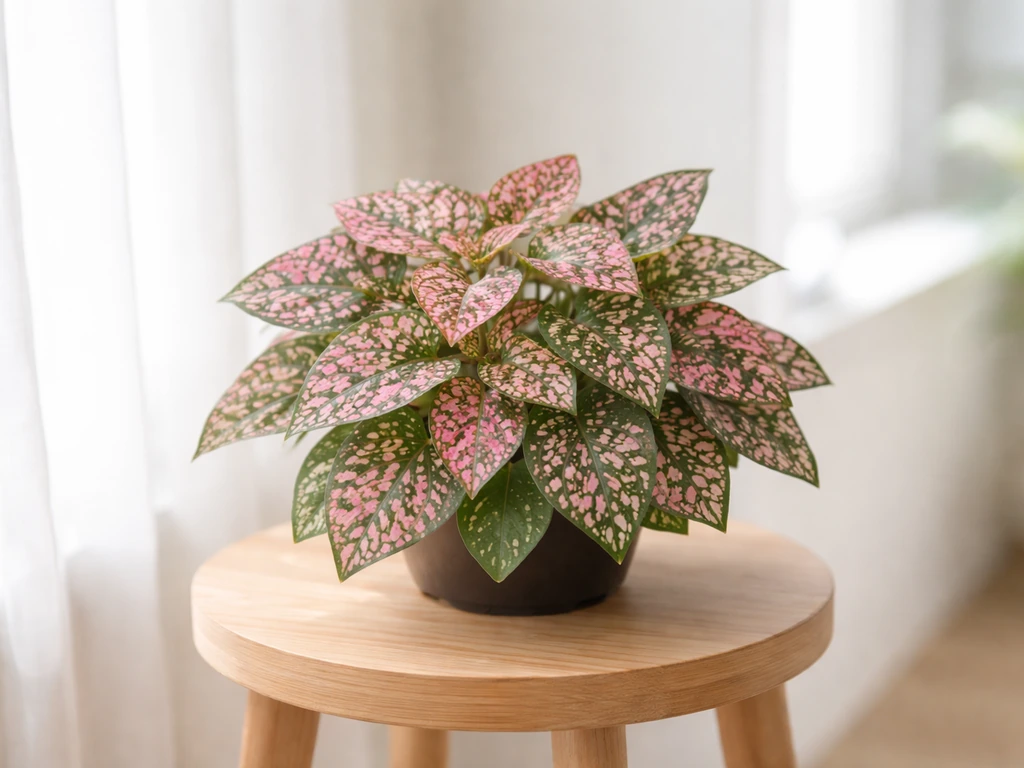
Polka dot plant is sold specifically as a houseplant in most nurseries, so indoor growing is genuinely its home turf. It's not a case of coaxing an outdoor plant to survive inside, this one adapts well. The spotted leaves (pink, red, white, or purple depending on the variety) keep their color as long as light is adequate, and the plant stays a manageable size, usually 12 to 24 inches tall indoors. It's a good pick for apartment dwellers who have a bright windowsill but not a garden. The main caveat: it does not tolerate neglect around light and humidity the way a pothos or snake plant would. It's medium-maintenance, not low-maintenance.
Light: the single biggest factor for color and compact growth
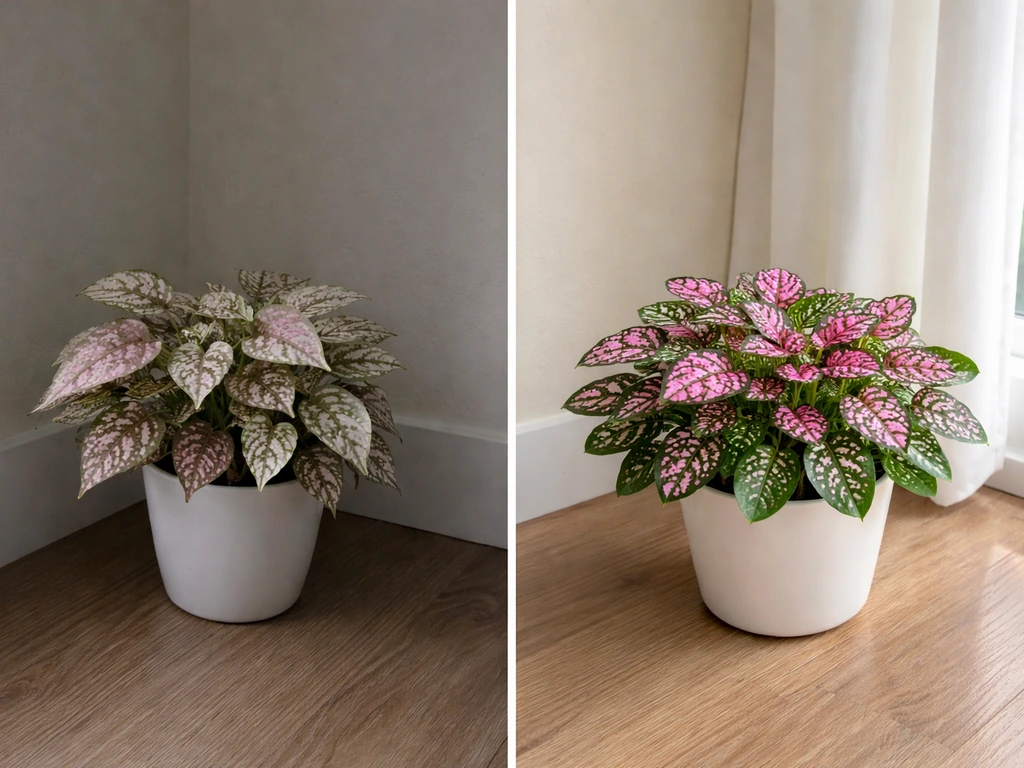
Polka dot plant needs bright, indirect light indoors. That means a spot near a window where light is strong but the sun's rays aren't hitting the leaves directly for hours. An east-facing windowsill works well because it gets gentle morning sun. A north-facing spot is usually too dim. A south or west-facing window is fine if you can step the plant back a foot or two from the glass, or use a sheer curtain to filter the midday and afternoon sun.
Here's why light matters so much: too little light causes the stems to stretch toward the source, getting long, floppy, and sparse, that's the classic leggy look. The leaf spots also fade and lose their vibrancy. Too much direct sun scorches the leaves and washes out the colors just as badly. Bright, filtered light is what brings out those bold markings. If your only window faces north or the room is genuinely dim, a grow light placed 6 to 12 inches above the plant for 12 to 14 hours a day will fill the gap effectively.
- Best position: east-facing windowsill or 1–2 feet back from a south or west-facing window with a sheer curtain
- Tolerated: some direct morning sun (east window)
- Avoid: full afternoon sun through unfiltered glass, or dark corners and north-facing rooms without supplemental lighting
- Grow light fix: a simple LED grow light set to 12–14 hours daily works well if natural light is insufficient
Temperature, humidity, airflow, and draft placement
Polka dot plant likes it warm. Keep it at 60°F (15°C) or above, that's the lower threshold for healthy growth. Most homes in spring and summer are fine, but watch for cold windowsills in winter, especially if the glass gets frosty. The plant will tell you it's cold-stressed by wilting and dropping leaves, sometimes quite suddenly.
Humidity is where a lot of indoor growers run into trouble. This plant wants 50 to 60 percent relative humidity, which is higher than the average heated or air-conditioned room. Low humidity shows up as crispy leaf edges, brown tips, leaves curling, and eventually leaf drop.
A few practical ways to raise humidity around the plant: set the pot on a tray of pebbles filled with water (keep the pot above the waterline), run a small humidifier nearby, or group it with other moisture-loving houseplants. The RHS also recommends growing it in a [terrarium or bottle garden](https://www. rhs. org.
uk/plants/hypoestes) if your home air is particularly dry, it's a genuinely good option if you want low-maintenance humidity control. Purple heart plant faces similar humidity demands indoors, so both do well when grouped together. Purple queen also tends to do best when you match these same indoor humidity and care conditions. Purple heart plant can also grow indoors, but it still needs the right light and humidity to stay healthy.
Airflow matters too, but drafts are the enemy. Good, gentle air circulation helps prevent fungal issues, but cold drafts from open windows, air conditioning vents, or exterior doors cause rapid stress. Keep your polka dot plant away from direct AC airflow and cold drafts, even a few hours of cold moving air can trigger leaf drop.
Soil, pot choice, and watering routine
Soil and pot
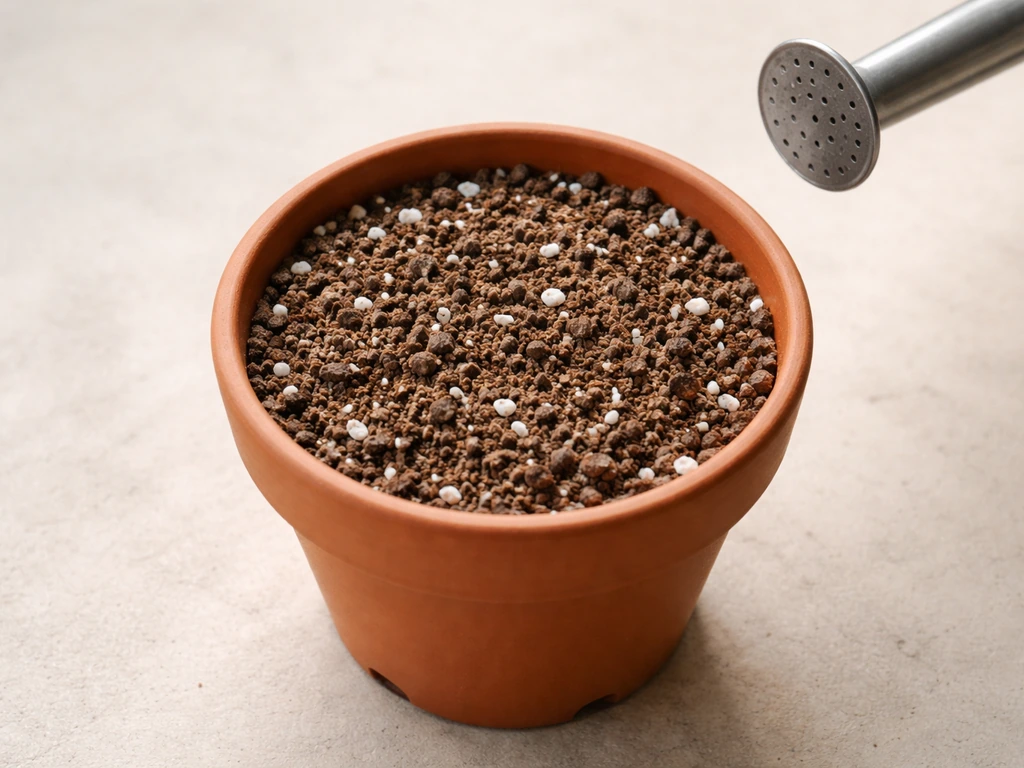
Use a peat-free, loam-based potting compost mixed with perlite for good drainage. A light, airy mix is what you're after, something that holds moisture without becoming waterlogged. Choose a pot that's only slightly larger than the root ball. An oversized pot holds excess moisture in the parts of the soil the roots haven't reached yet, which dramatically increases the chance of root rot. For a small plug plant, an 8 to 10 cm pot is plenty. Make sure the pot has drainage holes, no exceptions. Never leave the pot sitting in a saucer of standing water.
Watering
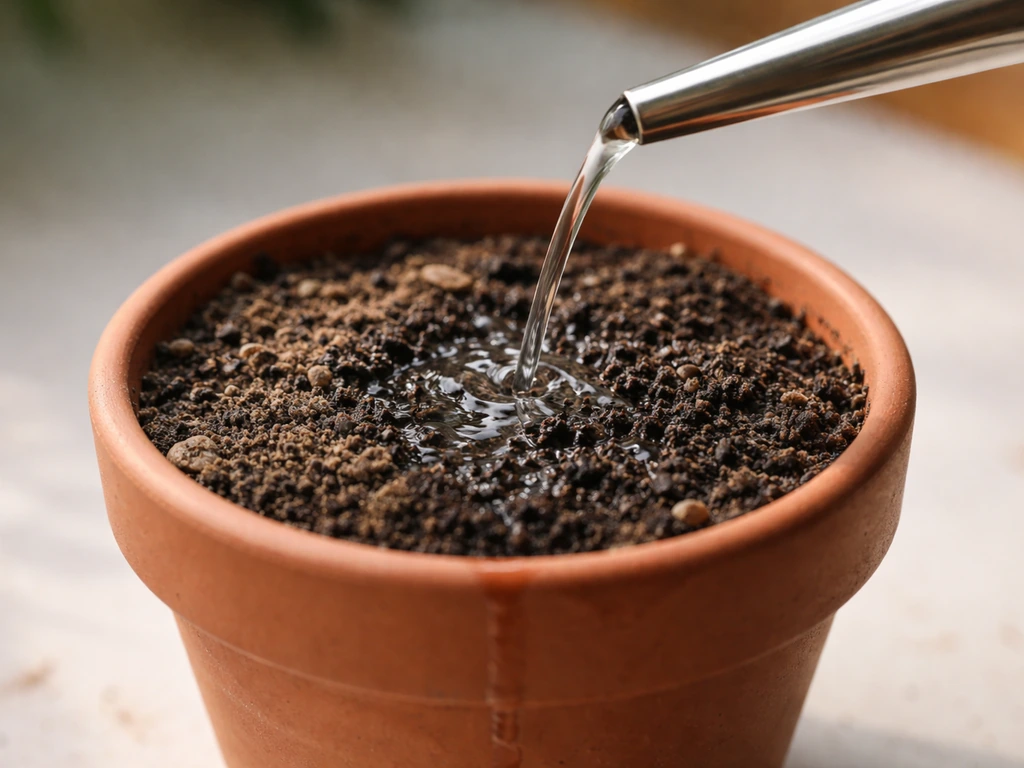
The watering approach that works consistently is this: let the top half-inch to the top 3 to 4 cm of soil dry out between waterings, then water thoroughly until it drains from the bottom. Polka dot plant likes consistently moist compost, but it does not want to sit in wet soil. In a warm, bright spot during spring and summer, you may be watering every 5 to 7 days. In winter, or in a cooler, dimmer spot, that stretches to every 10 to 14 days. Check with your finger rather than going by a fixed schedule, since conditions vary a lot between homes.
| Condition | Watering frequency (approximate) |
|---|---|
| Warm room, bright light, spring/summer | Every 5–7 days |
| Average room, moderate light | Every 7–10 days |
| Cooler room, lower light, winter | Every 10–14 days |
Common indoor problems and how to fix them
Leggy, stretched growth
This is the most common indoor complaint with polka dot plant, and it's almost always a light problem. If the stems are long and flopping with widely spaced leaves, the plant is reaching for more light. Move it closer to a brighter window, or add a grow light. Then pinch out the leggy tips, literally pinch off the top inch or two of each stem with your fingers. This forces the plant to branch out lower down and become bushy again. Pinch flower stems off too, since once the plant blooms it tends to go downhill fast. Regular pinching every few weeks during the growing season keeps it compact and full.
Leaf drop and drooping
Leaves dropping or the whole plant suddenly wilting can have a few causes. If the soil is soggy or the pot has been sitting in water, overwatering and root rot are the likely culprits, let it dry out more between waterings and check the roots. If the soil is bone dry, it's underwatering, give it a thorough drink. If neither applies, check for cold drafts or a sudden temperature drop, both of which trigger rapid leaf loss. Moving the plant to a warmer, draft-free spot usually stops further drop within a few days.
Crispy edges and brown tips
Brown, crispy leaf margins are almost always a humidity issue. The air in the room is too dry. Increase humidity using a pebble tray, humidifier, or by moving the plant to a naturally more humid room like a bathroom with a window. Grouping it with other foliage plants helps too. If you're dealing with persistent dry-air problems, a terrarium setup genuinely solves the issue and the plant does very well in one.
Faded leaf color
If those spots and patterns are fading or the whole plant looks washed out, it's usually one of two things: too little light (increase brightness) or too much direct sun (move back or add a sheer curtain). The vivid leaf color is directly tied to getting that bright, filtered light balance right.
Propagation and repotting
Taking stem cuttings
Polka dot plant propagates easily from stem cuttings, which is useful because the plants tend to get leggy or decline after a year or two, rooting fresh cuttings is the easiest way to keep a continuous supply going. Take a tip cutting about 1 to 2 inches long, with a couple of leaf nodes. Remove the lower leaves, then press the cut end into moist peat-based compost or a perlite-compost mix.
You can dip the end in rooting hormone powder first, though it's not essential. Cover the pot with a clear plastic bag to hold humidity and place it in a bright, warm spot (not direct sun). Roots typically form within 2 to 4 weeks. Once you see new growth, remove the bag and treat it as a normal plant.
Growing from seed
You can also grow polka dot plant from seed. Sow in spring on the surface of moist compost and press the seeds in gently without covering them, light helps trigger germination. Keep the compost warm and moist until seedlings appear.
When and how to repot
Repot when roots start filling the container and emerging from drainage holes, usually every one to two years. Spring is the best time. Go up only one pot size, an 8 cm pot moves to a 10 or 12 cm pot, not a large planter. Use fresh potting mix with perlite. If you use the same pot, shake off old compost and refresh with new mix. Avoid the temptation to pot up into a much larger container, because extra unused soil stays wet and roots will suffer for it.
Your indoor care checklist
Use this as a quick reference once your polka dot plant is set up indoors. It covers the main things to check on a regular basis. You may also be wondering can purslane grow indoors, and it can be done with the right light and watering routine.
- Place in bright, indirect light — east window or filtered south/west window; supplement with a grow light if the room is dim
- Keep temperature at 60°F (15°C) or above at all times; move away from cold glass in winter
- Aim for 50–60% humidity — use a pebble tray, humidifier, or consider a terrarium setup in very dry homes
- Keep away from cold drafts, air conditioning vents, and exterior doors
- Water when the top half-inch to top 3–4 cm of soil is dry; water thoroughly and let it drain fully
- Never leave the pot sitting in a saucer of standing water
- Pinch out leggy tips and any flower stems every 2–3 weeks during the growing season to keep the plant compact and bushy
- Check for fading color or stretched stems as early signs of insufficient light — act before the plant gets too leggy
- Propagate stem cuttings in spring or summer to replace older, declining plants
- Repot every 1–2 years in spring, going up only one pot size with fresh, well-draining compost
Polka dot plant is genuinely rewarding indoors when you nail the light and humidity. If you're also wondering can primula grow indoors, check the light and temperature needs before you buy. If you're wondering can you grow queen anne's lace indoors, the same idea applies: you need the right light and consistent care for it to thrive indoors.
It's more demanding than something like a pothos or a purple heart plant, but far from difficult once you understand what it needs. Most problems trace back to two things: not enough light and air that's too dry. Solve those, keep up the pinching, and you'll have a healthy, colorful plant that earns its spot on the windowsill.
If you are wondering about your exact setup, use the tips in this guide to judge whether it will portulaca grow indoors in your home.
FAQ
Can a polka dot plant tolerate low light indoors, or will it definitely fade?
It can, but it depends on your starting light. If your home window is bright enough to keep the leaves vividly speckled, it should adapt. If color fades quickly after moving it, reduce the shock by acclimating over 7 to 14 days, moving it a little farther from direct sun each day while you monitor for leaf scorch or leggy growth.
Will a terrarium or bottle garden help, and does it change the care needs?
Yes, but expect a different look. In a terrarium, bottle garden, or humid cabinet, you can often keep humidity high without a pebble tray. Still provide bright light, and avoid placing it too close to intense grow lights, which can cause leaf-edge browning even when humidity is perfect.
What should I do if I accidentally overwatered and now leaves are dropping?
Quickly remove the plant from the saucer, then check soil moisture 1 to 2 cm down. If it is wet, hold off on watering for several days and improve drainage by using a lighter, perlite-mixed compost. If the stem base feels soft or roots smell sour, take stem cuttings for propagation and discard the original plant.
My plant is getting leggy, how do I tell whether it is a light or watering problem?
Legginess is not always just light. If stems are stretching but leaf spots remain fairly bright, airflow or irregular watering can also contribute to weak, open growth. Check that the top half-inch to top 3 to 4 cm of soil truly dries before the next watering, and keep gentle air circulation without cold drafts.
Does tap water matter for polka dot plant indoors?
Yes. Use chlorine-free or filtered water if your tap water is very hard, because mineral buildup can make leaf edges look dry and dull over time. Also empty the saucer after watering so salts do not accumulate continuously at the soil surface.
How cold is too cold for a polka dot plant on a windowsill in winter?
Aim to keep it consistently above 60°F (15°C), especially at night. A warm room with a cold windowsill can still trigger sudden leaf drop, so insulate the pot from the glass and avoid placing it where the temperature swings quickly.
Is misting an effective way to raise humidity for indoor polka dot plants?
Misting alone usually is not enough because droplets evaporate fast, and humidity spikes then drops. If you mist, do it as a minor boost in the morning only, and rely on a humidifier, pebble tray, or group planting for steadier 50 to 60 percent humidity.
When and how should I pinch or prune to keep my plant compact?
For indoor pruning, pinch the top 1 to 2 inches when you see long, floppy tips, and remove flower stems right away if you do not want a decline. Avoid heavy pruning during winter, do it in spring and summer when growth is active.
What indoor problems should I watch for, especially leaf spots or mushy leaves?
If you see black spots, smudgy patches, or the leaves feel mushy, that points to excess moisture and poor airflow. Cut off affected leaves with clean scissors, let the top layers dry more between waterings, and increase spacing from other plants so air can move gently around foliage.
How do I choose the right pot size indoors, and what is the biggest repotting mistake?
Most plants do fine with a modest pot, but the key is drainage plus not oversized soil. If you are unsure, keep the next pot only one size up and refresh compost at repot time rather than keeping old, compacted mix that holds too much water.