
Yes, you can grow night-scented stock indoors, and you can get its famous evening fragrance too. But let's be honest: it's not the easiest indoor plant, and it performs best with a south- or west-facing window, cool temperatures, and good airflow. If you have a bright, sunny spot that doesn't overheat in summer, you're in a solid position. If you're working with a dim apartment or a warm, stuffy room, expect to compromise on flowering and scent. That said, plenty of people grow it successfully on a bright windowsill or under grow lights, especially in spring and autumn when indoor conditions are cooler.
Can You Grow Night Scented Stock Indoors? How To Do It

James Hartwell
20 May 2026
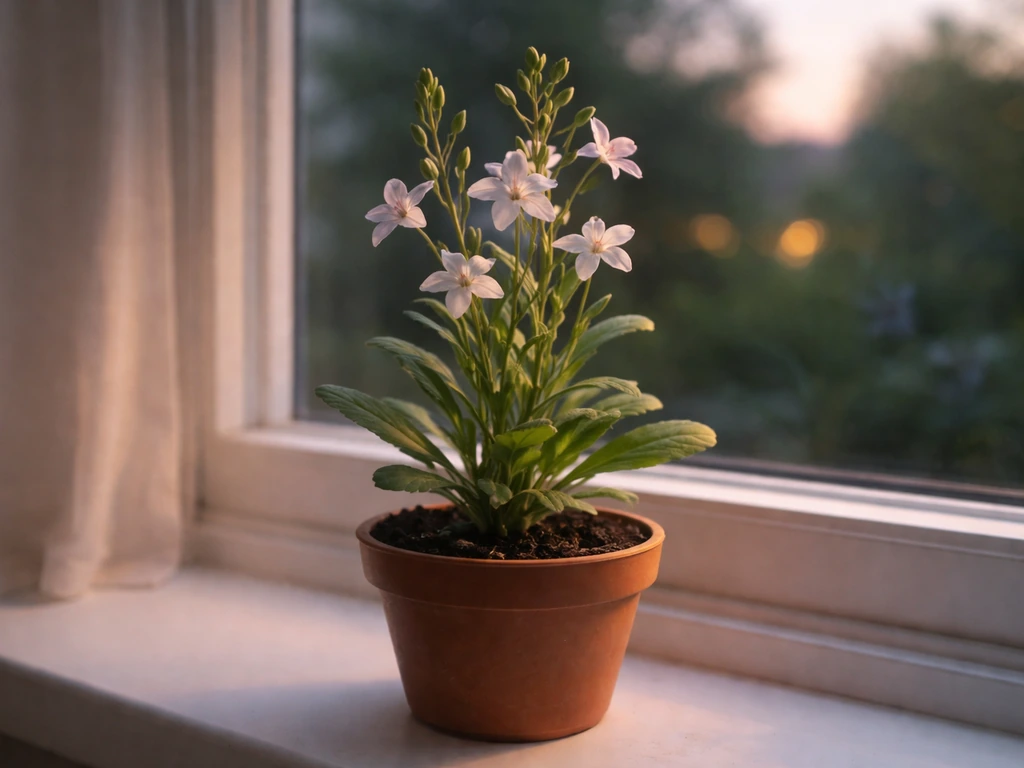
Can night-scented stock actually thrive indoors?
Night-scented stock (Matthiola longipetala) is a hardy annual. Night-scented stock (Matthiola longipetala) is described as a hardy annual that releases a strong sweet perfume in late evening and is recommended for full sun outdoors, with germination taking between 10 days and three weeks. It's bred for outdoor beds and containers in full sun, which means indoors you're always working slightly against its nature. The good news is that it's not fussy about soil, germinates reliably (usually within 10 to 21 days), and doesn't need a complex care routine. The bad news is that it genuinely needs a lot of light to flower well, and it prefers cooler conditions than most heated homes provide. Think of it like this: if you're the kind of person who keeps your thermostat low and has a window that gets direct sun for most of the day, you'll probably get great results. If your apartment runs warm and your windows face north, it's going to struggle.
The realistic verdict is that night-scented stock is doable indoors for fragrance, particularly as a seasonal plant in spring or early summer. It's not a year-round houseplant in the traditional sense. Treat it more like a short-lived seasonal project rather than a permanent resident, and you'll set yourself up for success.
Ideal indoor conditions: light, temperature, and humidity
Light
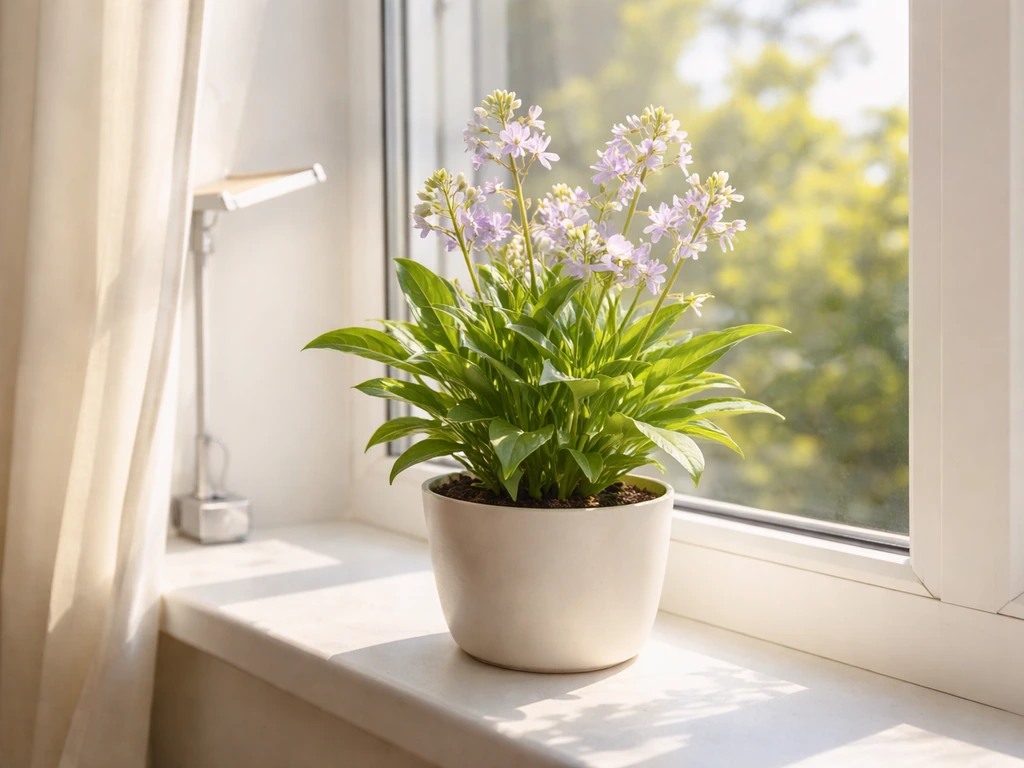
Light is the single biggest factor. Night-scented stock needs at least 6 hours of direct or very bright indirect sunlight per day. A south-facing windowsill is your best bet indoors. West-facing works too, especially in summer. East-facing is borderline: you'll get flowers but fewer of them, and the fragrance may be weaker. If you don't have a naturally bright window, a full-spectrum LED grow light positioned 15 to 30 cm (6 to 12 inches) above the plant for 14 to 16 hours a day is a legitimate fix. I've seen people grow it successfully under grow lights in a basement setup, and the fragrance still comes through in the evenings.
Temperature
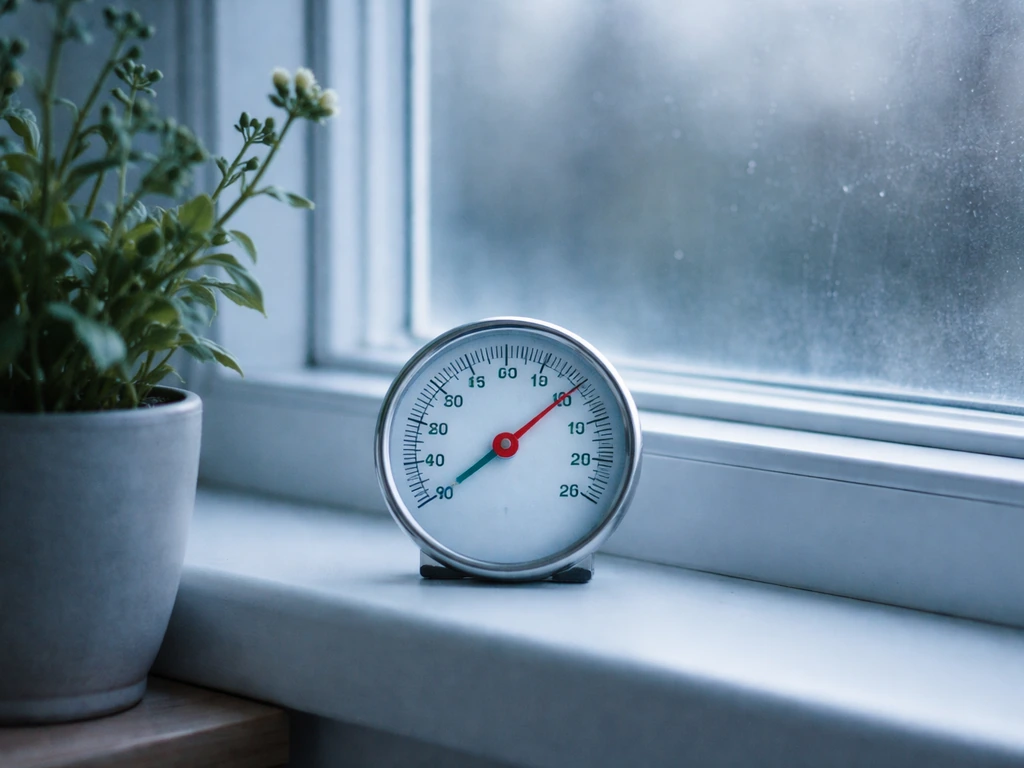
Cool is key. Night-scented stock does best between 10 and 18°C (50 to 65°F). It can handle a light frost outdoors, which tells you it prefers cooler air than the average heated home. Indoors, aim to keep it away from radiators, heat vents, and direct draughts from hot appliances. A cool bedroom windowsill, an unheated porch, or a conservatory in spring are all good spots. If your home runs at 22°C (72°F) or above, flowering and fragrance will both suffer. This is where a lot of indoor attempts fall flat.
Humidity
Night-scented stock isn't particularly demanding about humidity compared to tropical houseplants, but it dislikes stagnant, dry air. Average indoor humidity of 40 to 60% is fine. What matters more is airflow: good ventilation helps prevent fungal issues like grey mould, which is a common indoor problem. Cracking a window near the plant on mild days, or using a small fan on low nearby, makes a real difference.
Choosing the right container and potting mix
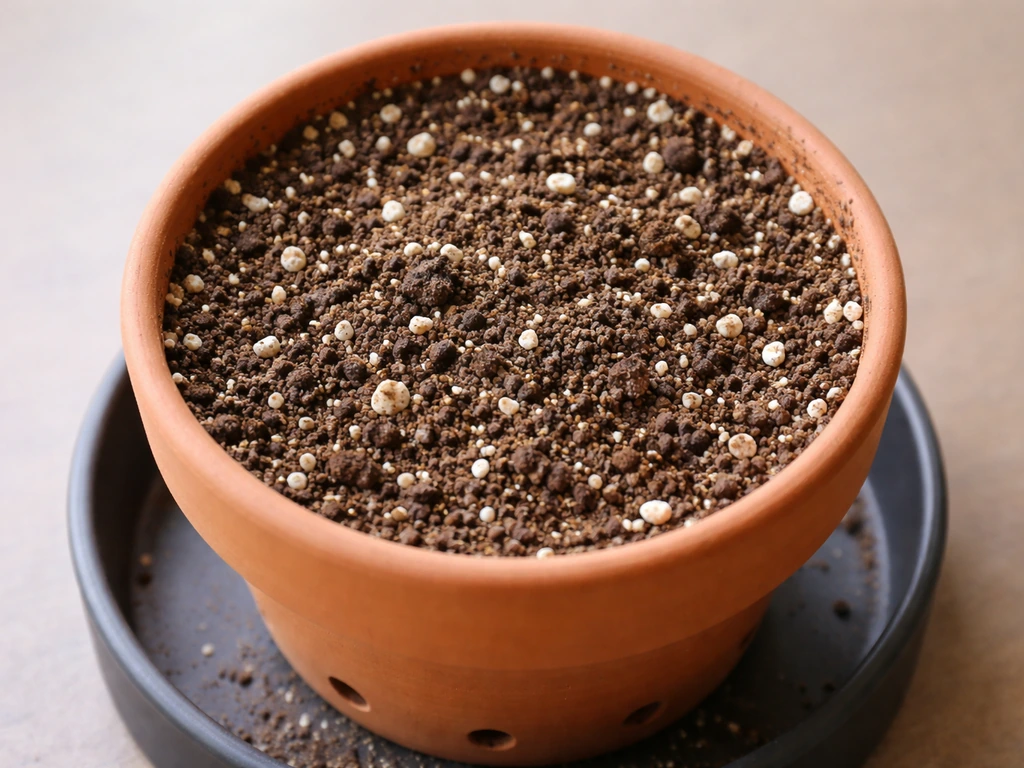
Container choice matters more indoors than people expect, mostly because drainage becomes critical when you can't rely on rain and natural soil drainage. Go with a pot that has at least one large drainage hole, ideally 15 to 20 cm (6 to 8 inches) deep. Terracotta is a great choice because it's breathable and helps prevent waterlogging. Plastic pots work, but you need to be more disciplined about not overwatering. Don't go too large: a pot that's much bigger than the root system holds excess moisture and leads to root rot.
For potting mix, night-scented stock likes something well-draining and reasonably fertile. A good all-purpose compost mixed with about 20 to 30% perlite or coarse horticultural grit works well. This keeps the mix from compacting and ensures water moves through quickly. Avoid heavy, peat-free composts that retain a lot of moisture on their own without amendments. If you're sowing directly into the container, a seed compost for germination and then a top-dressing or repot into richer mix once seedlings are established is a tidy approach.
How to plant and get reliable germination indoors
- Fill your container with moistened seed compost to within 2 cm (around an inch) of the rim.
- Scatter seeds thinly on the surface. Night-scented stock seeds are small, so don't bury them deep: press them lightly into the surface and cover with no more than 3 to 5 mm (about a quarter inch) of fine compost or vermiculite.
- Water gently with a mister or fine rose watering can to avoid disturbing the seeds.
- Place the pot in a bright spot at around 15 to 18°C (59 to 65°F). Do not cover with a propagator lid: night-scented stock actually germinates better without heat and doesn't need high humidity at this stage.
- Keep the compost consistently moist but never waterlogged. Check daily.
- Expect germination in 10 to 21 days. Thin seedlings to about 15 cm (6 inches) apart once they reach 5 cm (2 inches) tall. Crowding reduces airflow and increases disease risk indoors.
- Once established, move to your sunniest, coolest window or position under grow lights.
The best time to start night-scented stock indoors is late winter to early spring (February to April in the Northern Hemisphere), or again in early autumn for a cool-season indoor display. Avoid starting in midsummer unless you have air conditioning, because the heat will stall growth and reduce flowering.
Watering, feeding, and day-to-day care
Water when the top centimetre of compost feels dry. That might be every 2 to 3 days in a warm, sunny spot, or every 4 to 5 days in a cooler, shadier one. The key rule: never let it sit in a saucer of water. Empty saucers after watering. Consistently wet roots lead to root rot quickly in container growing indoors, and by the time you notice the plant wilting, it's often too late.
Feeding is light-touch. Night-scented stock doesn't need heavy fertilising. A balanced, all-purpose liquid feed (something like a 10-10-10 or similar NPK) at half strength once every two to three weeks once flowering starts is plenty. Avoid high-nitrogen feeds, which push leafy growth at the expense of flowers and fragrance. If you started in good compost, you can skip feeding entirely for the first four to six weeks.
Deadhead spent flowers regularly to extend the blooming period. The plant's natural inclination is to set seed and die back, so removing old flowers keeps it focused on producing new ones for longer.
Getting the strongest evening fragrance indoors
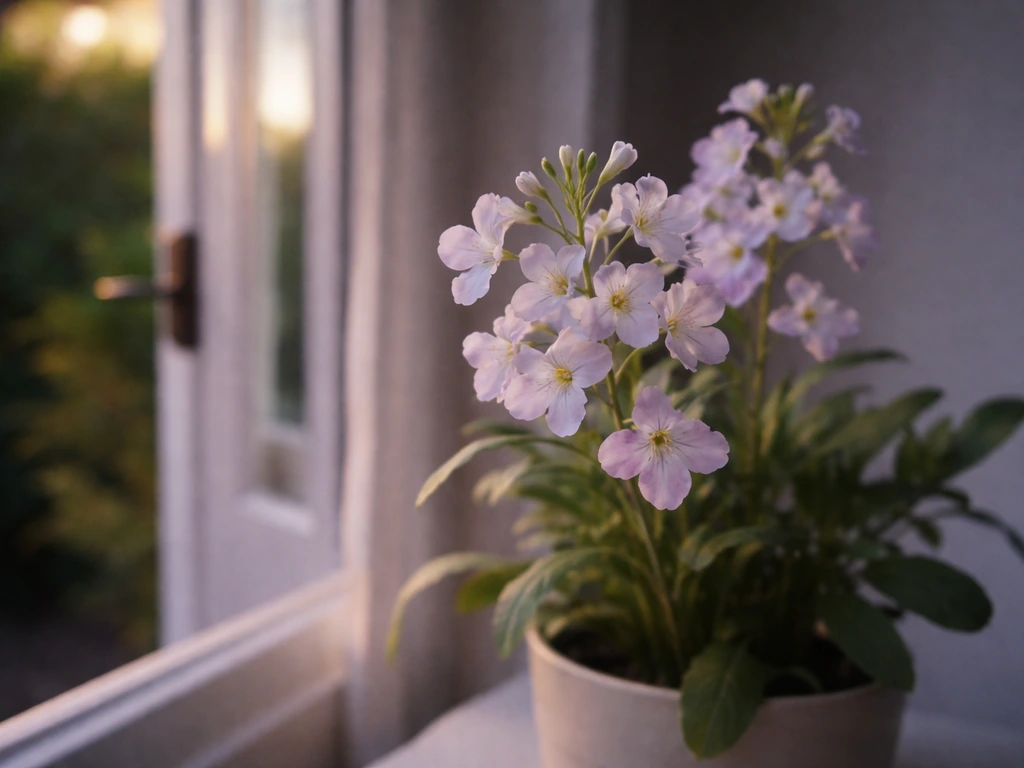
The whole point of growing night-scented stock is that extraordinary sweet scent that drifts through the evening air. Indoors, you can absolutely experience this, but a few things determine how strong it is.
- Maximise light during the day: plants that receive more light during daylight hours produce more fragrance compounds in the evening. This is why a dimly lit room often yields disappointing scent even when the plant is flowering.
- Keep temperatures cooler in the evening: scent release is most pronounced when temperatures drop slightly after sunset. If you can open a window in the evening to let the room cool a little, the fragrance will intensify noticeably.
- Place the pot where air circulates around it: a pot sitting in a still corner won't distribute scent as well as one near an open window or in a room with gentle air movement.
- Let the plant rest overnight: avoid watering late in the evening, which can temporarily dampen scent release.
- Grow multiple plants: a single plant produces some fragrance, but a cluster of 3 to 5 plants in a large trough or window box creates a much stronger effect.
If you're not getting any scent at all, the most common culprits are insufficient light during the day, temperatures that are too high, or a plant that hasn't started flowering properly yet. Give it time and more light before assuming something is wrong.
Common problems when growing it indoors (and how to fix them)
| Problem | Likely cause | Fix |
|---|---|---|
| Leggy, stretched stems | Not enough light | Move to a brighter spot or add a grow light 15 to 30 cm above the plant for 14+ hours a day |
| Poor or no flowering | Too warm, too dark, or over-fertilised with nitrogen | Lower temperature if possible, increase light, switch to a low-nitrogen feed |
| Little or no evening scent | Insufficient daytime light or high indoor temperatures | Maximise sun exposure during the day; cool the room in the evening |
| Yellowing lower leaves | Overwatering or poor drainage | Check roots for rot, improve drainage, reduce watering frequency |
| Grey fuzzy mould on stems or leaves | Botrytis (grey mould) from stagnant, humid air | Improve ventilation, remove affected parts, avoid wetting foliage |
| Aphids on stems and buds | Common indoor pest, especially in warm conditions | Wipe off with a damp cloth or use diluted neem oil or insecticidal soap spray |
| Plant dies back suddenly after flowering | Normal end-of-life for an annual | This is normal: sow fresh seeds for the next flush or season |
Should you keep it indoors or move it outside?
Honestly, night-scented stock is best outdoors. In a garden bed, on a patio, or in an outdoor container next to a seating area, it will flower more prolifically and the fragrance will fill the air in a way that's hard to replicate inside. If you have any outdoor space at all, even a balcony or a doorstep, starting it indoors and moving it out once the risk of hard frost has passed is the smartest approach.
That said, growing it indoors is genuinely worth doing if you live in an apartment without outdoor access, or if you want to extend the season by starting early under lights. Can you grow damiana indoors? Yes, you can, but it needs warm, bright light and careful watering to avoid stress. GrowVeg notes that night-scented stock is grown specifically for fragrance and can be a blank" rel="noopener noreferrer">good plant for containers or outdoor sitting areas, so indoor container success is plausible with the right conditions. As for deadly nightshade, the answer is different, and it is not a safe indoor plant can you grow deadly nightshade indoors. It's also a great option for bringing fragrance into a specific room: a bedroom windowsill in spring is a lovely thing. Just go in knowing it's a seasonal commitment, not a permanent houseplant. If you're also wondering, can you grow st John's wort indoors, the answer depends on whether you can provide enough bright light and cooler conditions. Think of it the way you'd think about growing sweet peas or other fragrant annuals on a windowsill: rewarding but temporary.
If you enjoy growing fragrant or unusual plants indoors, night-scented stock fits nicely alongside other indoor flower experiments. Other plants in a similar spirit (fragrant, seasonal, somewhat challenging but doable indoors) include black-eyed Susan grown as a trailing container plant on a bright sill. Each has its own set of light and temperature requirements, so matching them to your specific indoor conditions is always the first decision to make.
Quick-start checklist
- Choose a south- or west-facing window, or set up a full-spectrum LED grow light
- Use a well-draining pot (15 to 20 cm deep) with at least one drainage hole
- Mix all-purpose compost with 20 to 30% perlite for good drainage
- Sow seeds on the surface, cover with 3 to 5 mm of compost, keep at 15 to 18°C
- Expect germination in 10 to 21 days; thin to 15 cm apart
- Water when the top centimetre of compost is dry; never let roots sit in water
- Feed with balanced liquid fertiliser at half strength every 2 to 3 weeks once flowering
- Keep the room cooler in the evening and ensure some airflow for best fragrance
- Deadhead regularly to extend flowering
- Move outdoors after frost risk if you have any outdoor space available
FAQ
How long will night-scented stock last indoors, and can I keep it going year-round?
Indoors, treat it as a seasonal annual. Even with good care, it usually declines once it finishes flowering and sets seed. For a continuous scent experience, start fresh batches every few weeks during the cool seasons (late winter through early summer, and sometimes early autumn).
Why did my night-scented stock grow leaves but not flower (or flowers are scarce)?
The most common cause is not enough light. Make sure you are getting at least 6 hours of direct sun or very bright light, and if using grow lights, keep them close (about 15 to 30 cm) and run them long enough (14 to 16 hours). Also check temperature, since persistent warmth can stall bud formation.
Can I get strong evening fragrance indoors if my window is bright but not cool?
You can get some scent, but fragrance strength usually drops when temperatures stay above about 18 to 20°C (around 65 to 68°F). If your home runs warm, place the pot on the coolest available windowsill and avoid heat sources like radiators. Using airflow, like a gentle fan on low, can also help overall plant performance.
What’s the best way to prevent mold or fungal problems indoors?
Focus on airflow and avoid keeping foliage wet. Use a fan on low if your room is still, and don’t crowd plants. If you see grey mold or patches, improve ventilation immediately and remove affected growth before it spreads.
How do I water night-scented stock when I’m not sure how dry the soil is?
Use a finger test 1 to 2 cm down, not just the surface. If the top centimetre is dry, water thoroughly until it drains out, then empty any saucer. In warmer sun, expect more frequent watering, and in cooler or shaded spots, stretch the interval.
Should I start seeds in the same container I’ll keep them in?
You can, but germination and early roots benefit from lighter seed-starting mix and good drainage. Many growers sow in a smaller container or seed tray, then transplant once seedlings are established to avoid overwatering in a large pot before the roots fill it.
Does night-scented stock attract pests indoors?
It can, especially if conditions are stressed by heat or low light. Watch for aphids and fungus gnats, which often show up when soil stays too wet. Let the top layer dry slightly between waterings and remove any sticky residues from pests early.
How do I know my grow light setup is actually working for flowering?
Look for sturdy growth and buds. If plants are tall and leggy or flowering is weak, raise the light less and increase light duration within the 14 to 16 hour range. Keep the light aimed so it covers the whole plant, not just the top.
Is it better to deadhead indoors the same way as outdoors?
Yes, deadheading still matters indoors. Remove spent blooms regularly to slow seed-setting and encourage additional flowering. If your plant is starting to fade, check that it still has enough light before assuming deadheading alone will fix it.
When should I move the plant outdoors, and can it handle outdoor weather changes?
Move it out after the risk of hard frost has passed. Harden it gradually over about a week by increasing outdoor time and protecting it from harsh wind at first. This transition often boosts flowering and scent compared with staying indoors all season.