
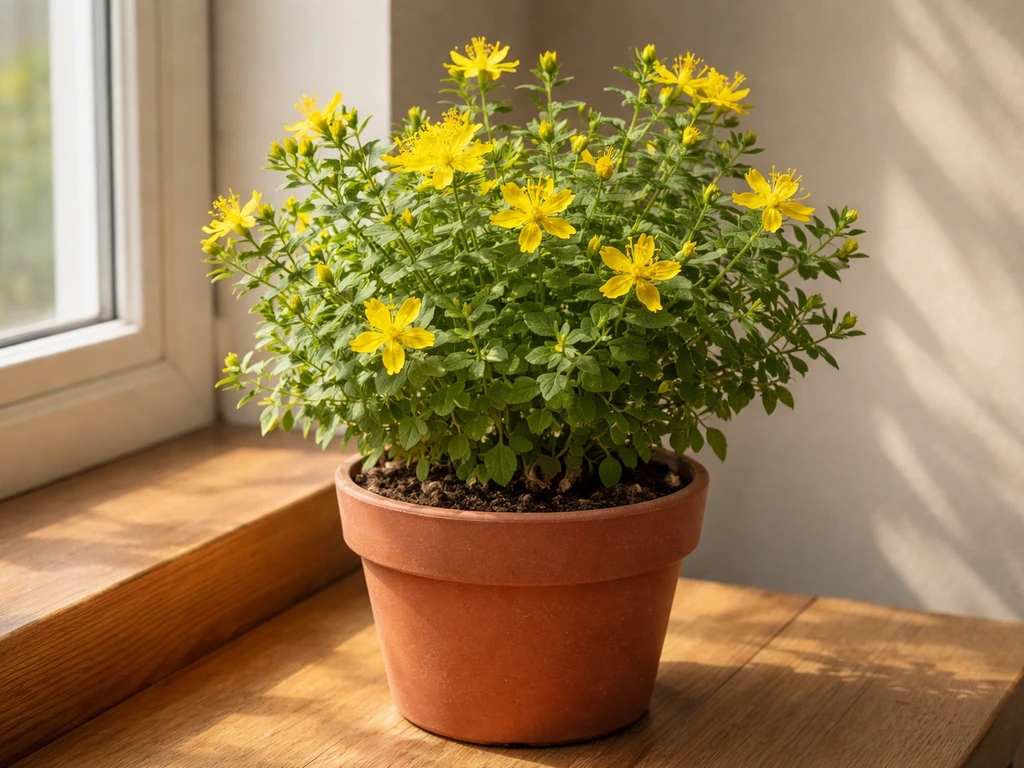
Yes, you can grow St. John's wort (Hypericum perforatum) indoors, but it needs more light than most windowsills can deliver. If you have a south-facing window that gets at least 6 hours of direct sun, or you're willing to add a grow light, it will grow and may even flower. Without that, you'll get a scraggly, stressed plant that limps along but never really thrives. The University of Florida IFAS Assessment notes that Hypericum perforatum’s performance depends heavily on establishment conditions, which is why indoor results can vary so much. Go in with realistic expectations and the right setup, and it's genuinely rewarding to grow.
Can You Grow St John’s Wort Indoors Successfully? How To

James Hartwell
23 May 2026
What it actually takes indoors: the honest version
St. John's wort is a full-sun plant in the wild. North Carolina State University Extension is clear that it needs full sun for maximum blooms, and can only tolerate semi-shade at a push. That means indoors, you're fighting against its natural preference from day one. It won't die in a moderately bright room, but it won't flower well either, and flowering is the whole point if you're growing it for the hypericin-rich buds and blooms. Think of it like trying to grow a tomato on a north-facing windowsill: technically possible, practically disappointing. The plants that do best indoors are ones getting either a south or west window with direct sun for most of the day, or supplemental grow-light coverage.
Light and location requirements
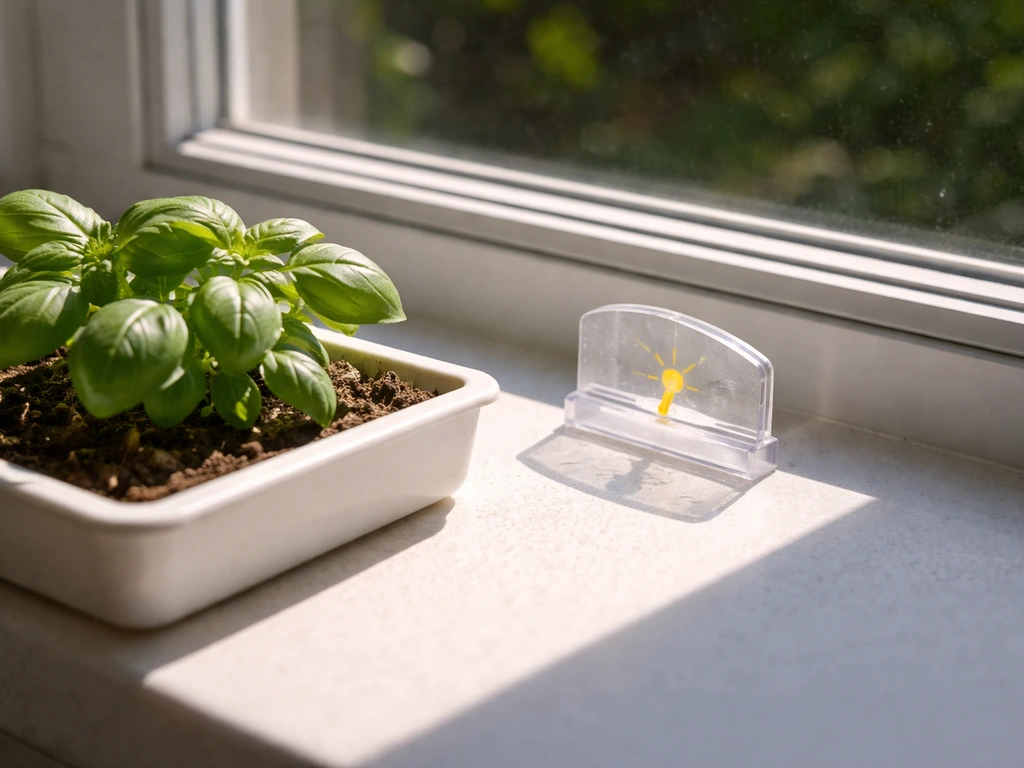
This is the non-negotiable part. St. John's wort is also a long-day plant, meaning it uses day length as a cue for flowering. Research on Hypericum perforatum has used photoperiod extensions up to 19 hours of light to trigger flowering responses in controlled studies. You don't need to go that far at home, but it does tell you something important: this plant wants a lot of light, and shorter winter days will push it into a semi-dormant, low-growth state.
- Best window: south-facing, unobstructed, at least 6 hours of direct sun daily
- Second choice: west-facing window with afternoon sun, supplemented with a grow light in the morning
- Grow light option: a full-spectrum LED or fluorescent grow light running 14 to 16 hours per day works well, especially in winter
- Avoid: north-facing windows entirely, and east-facing windows as a sole light source
- Distance from grow light: keep the plant 6 to 12 inches below a standard grow light panel for adequate intensity
If you're an apartment dweller with limited window options, a grow light is genuinely your best friend here. I've had much better results supplementing a decent west window than relying on a south window alone in a building where nearby structures block part of the sky.
Potting, soil, and drainage setup
St. John's wort is not a fussy plant when it comes to soil richness, but it absolutely cannot sit in waterlogged soil. In its natural habitat it tends to colonize disturbed, well-drained ground. Replicate that indoors and you're set. Use a pot with drainage holes, full stop. No drainage holes means root rot is eventually coming.
- Pot size: start in a 6 to 8 inch pot for a young plant; move up to a 10 to 12 inch container once established
- Material: terracotta is ideal because it lets the soil dry out faster, which suits this plant; plastic works but requires more careful watering
- Soil mix: a standard potting mix cut with 20 to 30 percent perlite or coarse sand for drainage
- Avoid peat-heavy mixes that retain too much moisture
- A thin layer of gravel at the base of the pot is not necessary if you have proper drainage holes and a well-draining mix
You don't need to fertilize heavily. St. John's wort naturally grows in poor to moderately fertile soils, and over-fertilizing with nitrogen will push lots of leafy growth at the expense of flowers. A diluted balanced liquid feed (something like 5-5-5) once a month during the growing season is plenty.
Watering, temperature, and indoor seasonal care
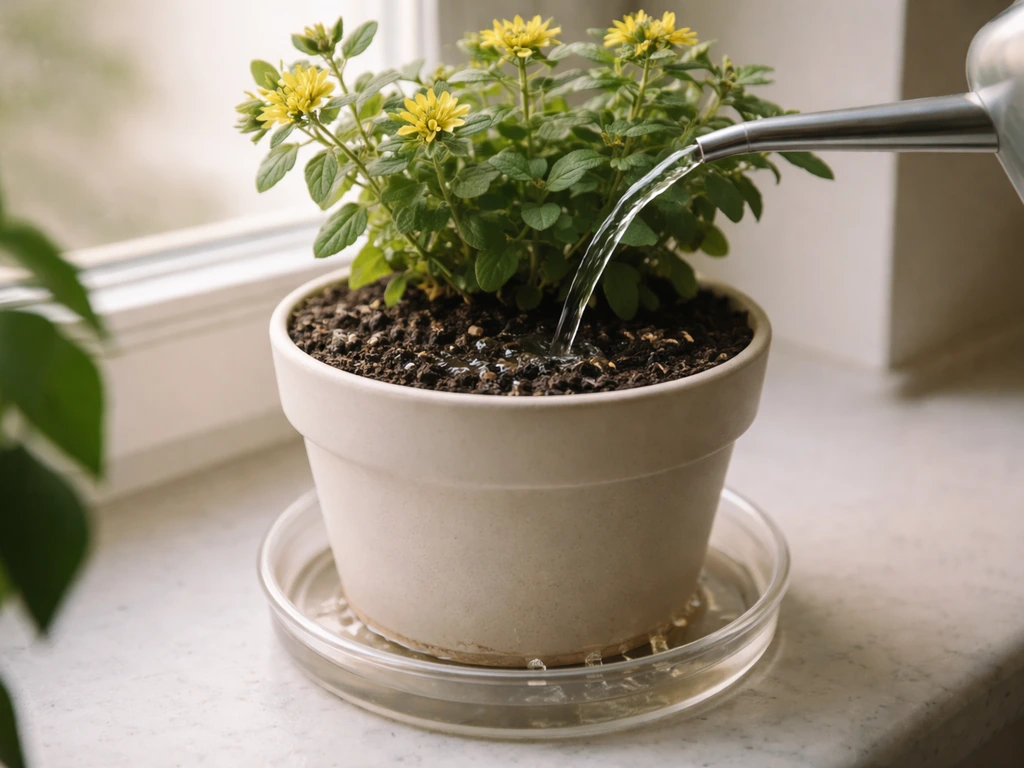
Overwatering is the most common way people lose this plant indoors. Water when the top inch or so of soil is dry, then water thoroughly and let it drain completely. Don't let the pot sit in a saucer of water. In summer, that might mean watering every 5 to 7 days. In winter, the plant slows down and you might stretch to 10 to 14 days between waterings. When in doubt, wait another day.
Temperature-wise, St. John's wort is a tough outdoor perennial that handles frost in the ground, but in a container indoors you don't need to worry about cold hardiness much. It prefers 60 to 75 degrees Fahrenheit (15 to 24 Celsius) and does fine in normal house temperatures. Keep it away from cold drafts near single-pane windows in winter, and away from heating vents that will dry it out. The plant does go through a natural slowdown in winter even indoors, especially if it's getting natural light and the days are short. Don't fight it: reduce watering, hold off on fertilizer, and let it rest from around November through February.
| Season | Watering frequency | Fertilizing | Light hours needed | Notes |
|---|---|---|---|---|
| Spring | Every 5-7 days | Monthly | 14-16 hours | Growth resumes, repot if rootbound |
| Summer | Every 5-7 days | Monthly | 14-16 hours | Peak growth and flowering window |
| Fall | Every 7-10 days | Stop by September | 12-14 hours | Slow down fertilizing as days shorten |
| Winter | Every 10-14 days | None | Supplement with grow light | Rest period; minimal intervention |
How to start it indoors: seed vs cuttings
Starting from seed sounds simple but is actually the harder route. H. perforatum seeds have complex dormancy and germination requirements influenced by moisture, temperature, light exposure, and even nutrient conditions. The US Forest Service's species review on Hypericum highlights just how variable germination can be depending on these interacting factors. You can get seeds to sprout, but it takes patience, consistent moisture management, and sometimes a cold stratification period of 4 to 6 weeks in the fridge before sowing.
- Cold stratify seeds: mix them with slightly damp sand in a zip-lock bag, refrigerate for 4 to 6 weeks before sowing
- Sow on the surface of a fine seed-starting mix, barely pressing in (seeds need light to germinate)
- Keep at around 65 to 70 degrees Fahrenheit with consistent moisture using a humidity dome or plastic wrap
- Germination is slow and uneven, often 3 to 6 weeks
- Thin seedlings to one per small cell and pot up once they have 2 to 3 sets of true leaves
The easier and faster route is cuttings or buying a young plant from a herb nursery. Softwood stem cuttings taken in late spring or early summer root readily in a mix of perlite and potting soil with a little bottom heat (a seedling heat mat set to around 70 degrees Fahrenheit helps a lot). Take a 3 to 4 inch cutting just below a node, strip the lower leaves, dip in rooting hormone powder, and stick it in the mix. Keep it humid and out of direct sun while it roots, which usually takes 3 to 5 weeks. This is genuinely the method I'd recommend if you want a plant flowering in its first season indoors.
Keeping it looking good: pruning, legginess, and common problems
Legginess is the number one aesthetic problem with indoor St. John's wort, and it's almost always a light issue. If you are also wondering can you grow black eyed susan indoors, the big takeaway is similar: give it enough light and you will avoid a stretched, disappointing plant. When the plant isn't getting enough light, it stretches toward the source, producing long weak stems with sparse leaves and few flowers. The fix is more light first, then pruning. Cutting back a leggy plant without fixing the light just produces a shorter leggy plant.
Prune in early spring before new growth really kicks in, cutting stems back by about a third to a half. This encourages bushy growth and more flowering stems. Pinching out the growing tips during the season also helps keep the plant compact. After flowering, deadhead spent blooms to encourage a second flush rather than letting the plant put energy into seed production.
Common indoor problems and what to do
| Problem | Likely cause | Fix |
|---|---|---|
| Leggy, stretched stems | Insufficient light | Move closer to window or add grow light |
| Yellowing lower leaves | Overwatering or poor drainage | Check drainage, let soil dry more between waterings |
| No flowers | Not enough light or day length too short | Extend light to 14-16 hours with grow light |
| Root rot / wilting despite moist soil | Waterlogged roots | Repot into fresh mix with more perlite, trim dead roots |
| Spider mites or aphids | Low humidity, stressed plant | Wipe leaves with damp cloth, use insecticidal soap if needed |
| Slow or no growth in winter | Natural dormancy response | Normal; reduce water and wait for spring |
Harvesting from your indoor plant, and what you need to know about safety
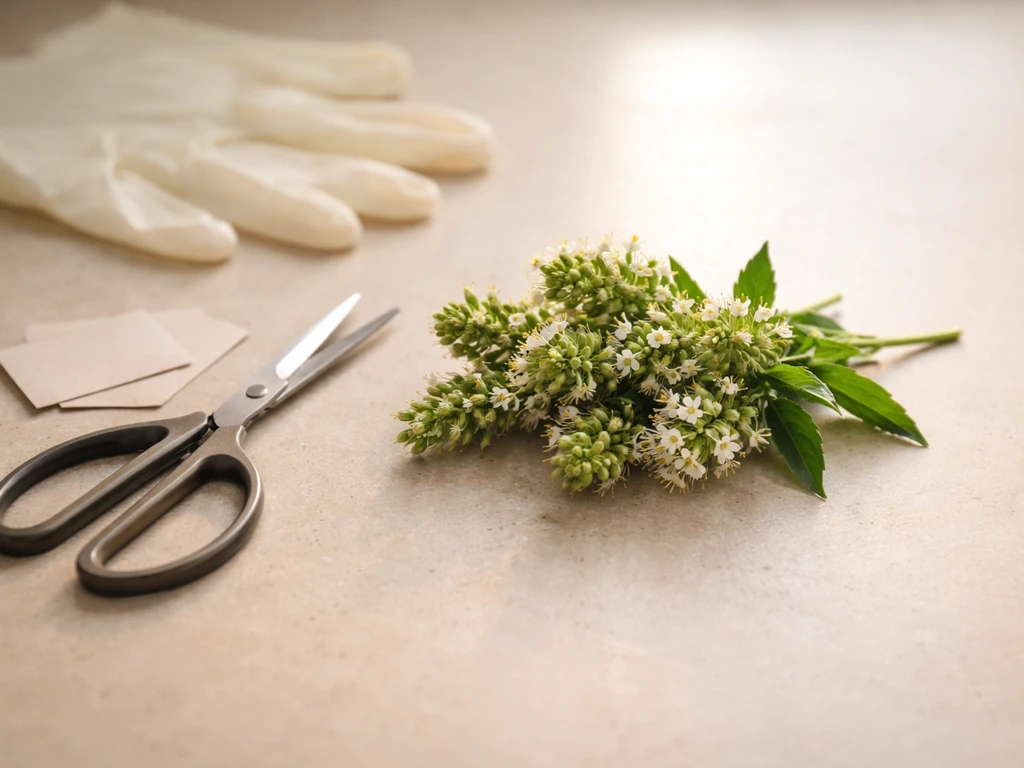
If your indoor plant is flowering well, you can harvest the flowering tops (the buds and newly opened flowers with some leaf) for making teas or tinctures. The best time is when flowers are just opening, which is when hypericin and hyperforin content tends to be highest. Harvest in the morning once any surface moisture has dried, use scissors to snip the top few inches of flowering stems, and dry them in a single layer in a warm, well-ventilated spot out of direct sun.
Here's the part you shouldn't skip: growing St. John's wort indoors doesn't change anything about its pharmacological profile or its well-documented interactions. It is a biologically active plant. If you are also considering deadly nightshade indoors, be aware it is highly toxic and needs careful, expert handling. St. John's wort is a significant inducer of cytochrome P450 enzymes in the liver, which means it can reduce the effectiveness of a wide range of medications including oral contraceptives, anticoagulants like warfarin, antiretrovirals, cyclosporine, and certain antidepressants. It can also cause photosensitivity, particularly in fair-skinned people, making sun exposure more likely to cause burns or rashes.
- Do not use St. John's wort if you take prescription medications without first checking with a pharmacist or doctor
- Pregnant or breastfeeding people should avoid internal use entirely
- Photosensitivity is a real risk, especially with high doses or light-skinned individuals
- Growing it as a plant is legal and generally safe; using it medicinally is a separate decision with real considerations
- Home-grown material has variable potency compared to standardized commercial extracts
Treat it with the same respect you'd give any medicinally active plant. It's genuinely useful and has a long history of use, but that usefulness comes with responsibility. Grow it, enjoy the cheerful yellow flowers, and do your homework before you put any of it into a tea or tincture.
Is it worth growing indoors compared to other herbs?
St. John's wort is more light-demanding than many popular indoor herbs, which puts it in a middle tier for indoor suitability. It's not as forgiving as mint or lemon balm, but it's also not as challenging as something like vanilla, which needs very specific conditions and years before it produces anything useful. If you have a great sunny window or you're already running grow lights, it's absolutely worth adding to your indoor herb setup. If you have a great sunny window or you're already running grow lights, it may also be worth checking how to grow night scented stock indoors for a similar indoor-flowering option. { and you're already running grow lights. If your light situation is mediocre, you'll spend more time managing a stressed plant than enjoying it. For herb gardeners drawn to medicinal plants, it pairs nicely with other sun-loving species and makes a genuinely attractive container plant when it's happy and in flower.
FAQ
Can you grow St. John’s wort indoors and still get flowers in winter?
Yes, but only if you can give it the same high-light conditions year-round. In a partially sunny room it may survive, but it usually will not bloom well because it is a long-day, full-sun plant. If you want winter flowering, plan on grow lights that provide many hours of usable light and keep watering lighter during the natural winter slowdown.
What’s the best watering schedule for St. John’s wort indoors to prevent root rot?
Avoid letting it dry out completely, then re-wet heavily. A better approach is to water thoroughly only after the top inch feels dry, then empty the drainage tray. If the soil stays wet for days, root stress can show up as leaf drop and fewer buds, so consistency matters more than “a lot” of water.
My indoor St. John’s wort is getting leggy, what should I do first?
Start by checking the light before you blame soil or fertilizer. Leggy growth indoors is usually from insufficient light, not poor feeding. If stems stretch and leaves thin out, move the plant closer to the light source or increase grow-light intensity, then prune back in early spring and pinch tips during the season.
How can I prevent common indoor disease issues like mildew or leaf spots?
Powdery mildew and leaf spotting can occur indoors if humidity is high and air movement is low. Improve airflow with gentle fan circulation, water at soil level, and don’t crowd plants. If you see a lot of spotting or spreading growth, remove affected leaves early so it does not keep moving through the canopy.
What type of indoor potting mix works best for St. John’s wort?
Use a neutral, well-draining potting mix, then rely on drainage and watering technique instead of heavy amendments. Because it does not like waterlogged soil, you can improve drainage with perlite and choose a pot with plenty of holes. Too much rich compost can also encourage leafy growth at the expense of blooms.
Is it realistic to start St. John’s wort indoors from seed, and what makes it fail?
Seeds usually require special handling because dormancy can block sprouting, and success rates vary widely. If you try seeds indoors, expect a cold stratification step (often 4 to 6 weeks) and careful moisture and temperature control, and plan for a longer timeline. For faster results, cuttings or a nursery-start plant are more reliable.
Can I move my indoor St. John’s wort outside for the summer?
You can, but be careful with timing and sun exposure. If the plant was grown under a window or grow lights, transition it gradually over 7 to 14 days to stronger outdoor sun to reduce stress and leaf burn. Keep in mind it still needs good drainage outdoors, and container soil will dry faster than ground.
My plant grows leaves but won’t flower, what are the most likely reasons?
If it is not flowering despite good-looking growth, the two most common causes are insufficient light hours and winter-like conditions that trigger slowdown. Confirm you are getting direct sun for many hours or supplement with grow lights, and avoid high-nitrogen feeding. Deadhead spent blooms to support a second flush instead of seed production.
If I grow it at home, what safety steps should I follow when harvesting or making tea?
Keep it away from pets and children, and handle harvested material like a medicinal product. St. John’s wort can cause photosensitivity and it interacts with many medications, so do not turn a homegrown plant into self-treatment without checking with a qualified clinician. Also, store dried herb away from light and use dedicated tools to avoid accidental contamination.