
Yes, you can grow silvervine (Actinidia polygama) indoors, but let's be honest about what that actually means. The New Zealand Plant Protection Society lists several insect pest groups, including thrips, leafrollers, and scale insects or mealybugs, as part of the Actinidia pest complex in production, which supports the idea that protected cultivation can still face sap-sucking pests and related indoor problems blank" rel="noopener noreferrer">pest groups (e.g., thrips, leafrollers, scale insects/mealybugs). It's not a casual windowsill plant. Silvervine is a vigorous climbing vine that wants at least 6 hours of direct sun daily, good airflow, and fast-draining soil. Pull those off inside your home and you'll have a healthy plant. Fall short, and you'll be staring at a leggy, yellowing disappointment within a few months. It's doable, especially in a south- or west-facing bright room with supplemental grow lighting, but it takes real commitment.
Can You Grow Silvervine Indoors? Indoor Success Guide
Is growing silvervine indoors actually realistic?
Silvervine is a hardy outdoor vine rated for USDA zones 4 through 9. In the wild and in gardens, it climbs trellises and fences in full sun to partial shade. The Chicago Botanic Garden describes it as a plant that blooms and fruits best with a full-sun position and a companion male plant nearby. That's not a plant whispering 'take me inside.' That said, realistic doesn't mean impossible. If you live in an apartment without outdoor space, or you're starting plants from cuttings before the growing season, keeping silvervine indoors for a season or even long-term is achievable with the right setup.
Think of it less as a traditional houseplant and more as an outdoor plant you're temporarily hosting inside. The best candidates for indoor success are compact young plants in large containers near a very bright window, or plants supplemented with grow lights. If you are also wondering can you grow Carolina reapers indoors, the main challenge will be giving enough light and consistent heat to support fruiting indoor success. If your only available spot is a dim north-facing corner, save yourself the trouble. Silvervine will survive, but barely, and it won't be pretty.
What silvervine actually needs: light, temperature, and humidity
Light
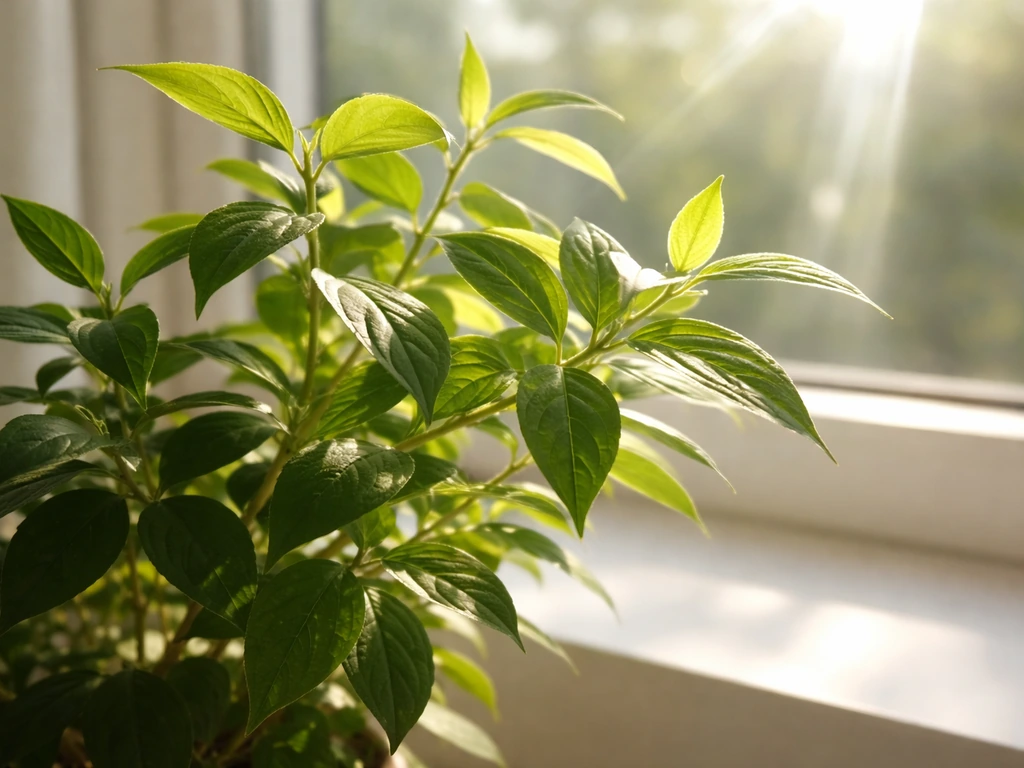
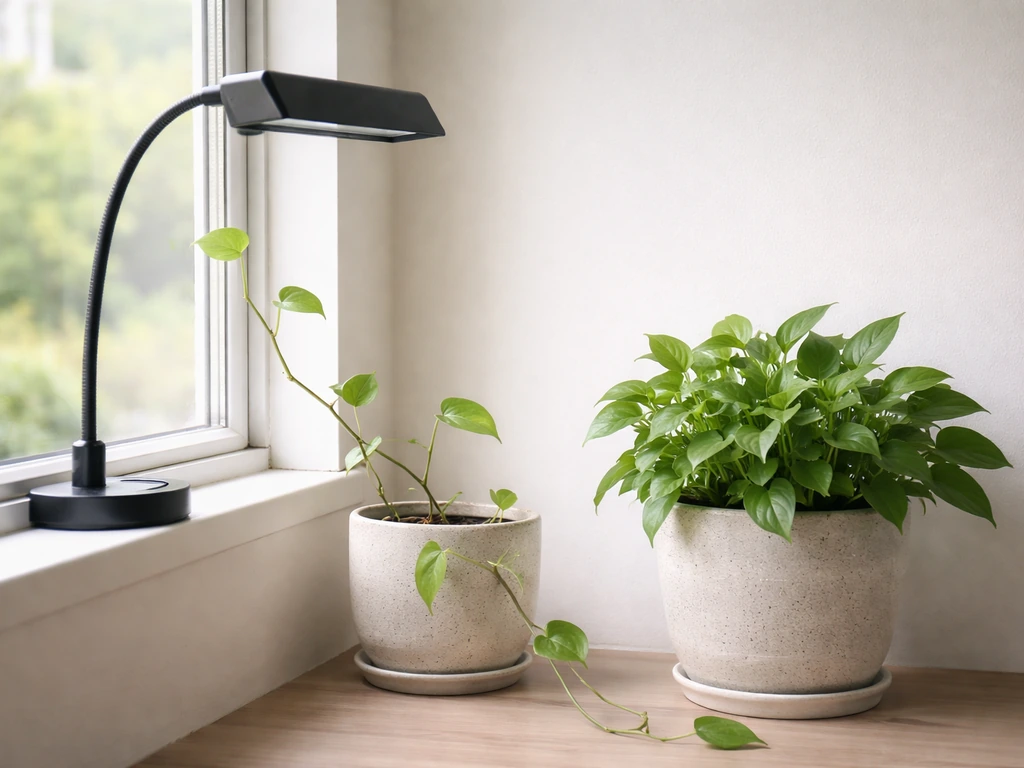
This is the make-or-break factor indoors. Silvervine needs a minimum of 6 hours of direct sunlight per day to grow properly. The Morton Arboretum defines full sun as exactly that: 6 hours of direct light daily. Indoors, that realistically means a large, unobstructed south-facing window in the Northern Hemisphere, or a west-facing window that gets strong afternoon light. Even then, most indoor windows filter or reduce light intensity compared to being outside. Gardenia notes that full sun is needed to bring out foliage color, especially in cooler seasons. If your space can't hit that 6-hour direct light target naturally, a full-spectrum LED grow light positioned 6 to 12 inches above the plant for 14 to 16 hours per day can fill the gap.
Temperature
Silvervine is genuinely cold-hardy, surviving dormant temperatures down to around -30°C. Most indoor environments are actually on the warm side for it in winter. Ideal growing temperatures are roughly 60 to 75°F (15 to 24°C), which is standard room temperature. One caveat: if you move your plant outdoors in spring, protect it from late frosts. Young new growth is much more frost-sensitive than the established woody stems and can be damaged easily.
Humidity and airflow
Silvervine doesn't need tropical humidity, but it does need decent airflow around its leaves. Stagnant indoor air is a setup for fungal problems. If your plant is tucked in a corner with no air circulation, open a window nearby periodically or run a small fan on low a few hours a day. Average home humidity of 40 to 60% is fine. You won't need a humidifier for this one.
Choosing the right pot, soil, and drainage setup
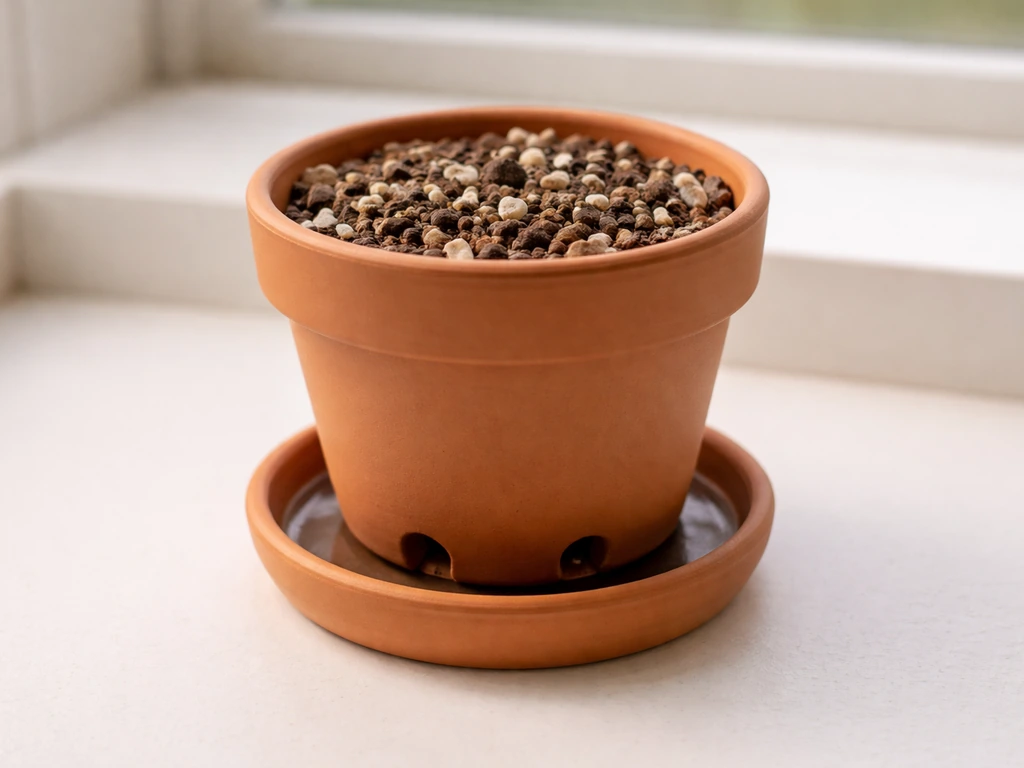
Get the pot and soil right and you eliminate the single most common cause of indoor failure: root rot from waterlogging. Silvervine wants moist but well-drained soil, and in a container that balance is entirely in your hands. Para Actinidia en contenedores, Gardenia en Opción recomienda usar un sustrato para plantas amantes de los suelos ácidos, con un objetivo de pH aproximado de 5.5 a 6.5 sustrato para plantas amantes de los suelos ácidos con un pH aproximado de 5.5 a 6.5.
- Pot size: Start with a pot that's at least 12 to 14 inches in diameter. Silvervine grows fast and a cramped root system will stress the plant quickly.
- Drainage holes: Non-negotiable. Use a pot with at least one large drainage hole, and don't use a saucer that traps standing water beneath the pot.
- Potting mix: Use a well-draining mix. A blend of quality potting soil, perlite (about 20 to 30% by volume), and coarse sand works well. Avoid heavy, moisture-retaining mixes designed for tropical plants.
- Soil pH: Aim for a slightly acidic to neutral pH in the range of 5.5 to 6.5. Standard potting mixes often land in this range, but if you're using a heavily composted mix, check the label or grab a cheap pH meter.
- Top layer: A thin layer of coarse gravel or bark chips at the top can help keep the soil surface from compacting and improve surface drainage.
One thing I'd add from personal experience: elevate your pot slightly on feet or a plant stand. Even with drainage holes, setting a container directly on a flat surface can slow drainage and let water pool. Small pot feet cost almost nothing and make a real difference.
Planting and propagation: seeds vs. cuttings
Starting from cuttings (the practical route)
Cuttings are the faster and more reliable way to start silvervine indoors. Take semi-hardwood cuttings in late spring or early summer. Choose stems that are not currently flowering, around 4 to 6 inches long, with at least two leaf nodes. Sterilize your cutting tool with rubbing alcohol before each cut to reduce disease risk. Remove lower leaves, dip the cut end in rooting hormone powder, and stick the cutting into a small pot filled with a mix of perlite and moist potting soil. Cover with a clear plastic bag or a humidity dome to keep moisture up during rooting. Check in about 4 to 6 weeks: gentle resistance when you tug the cutting means roots have formed.
Starting from seed (the patient route)
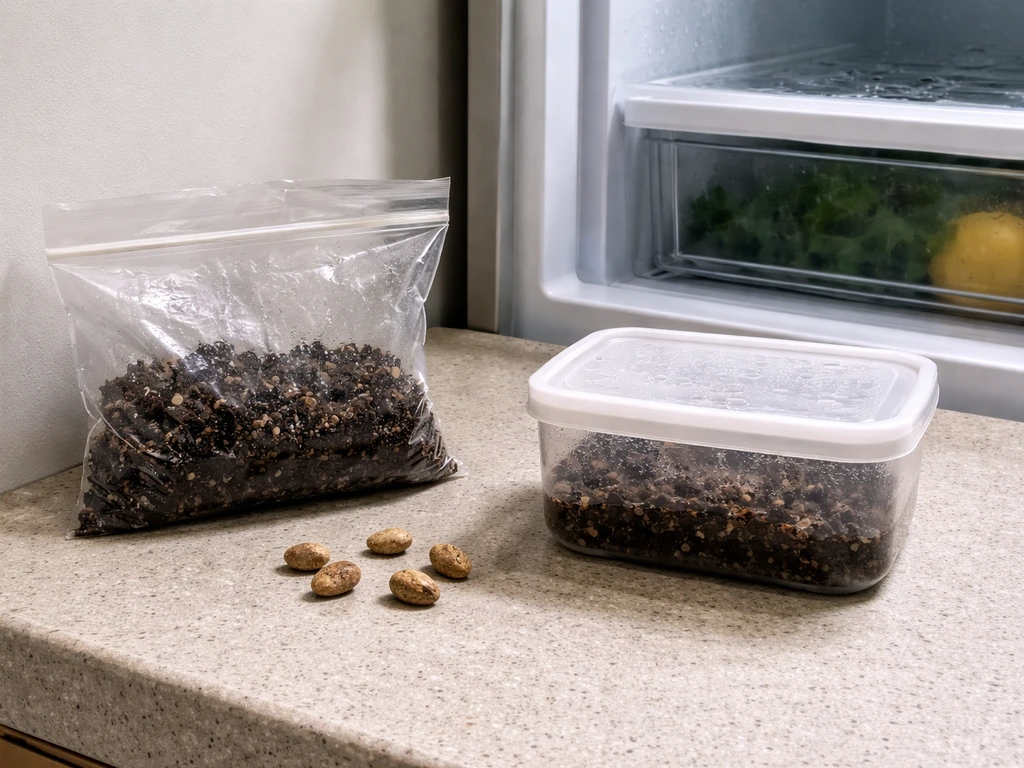
Silvervine seeds need cold stratification before they'll germinate reliably. This means mimicking winter: mix seeds with slightly moist peat or vermiculite, seal in a plastic bag, and put them in the refrigerator for about 3 months. After stratification, sow seeds in a seed-starting mix at about a quarter-inch depth and keep them at 65 to 70°F. Germination is slow and uneven. This is not a quick-win indoor project, and if you're eager to see results, start with cuttings instead. Seeds are worth pursuing if you're interested in growing from scratch or can't source cuttings locally.
Step-by-step indoor care routine
Watering
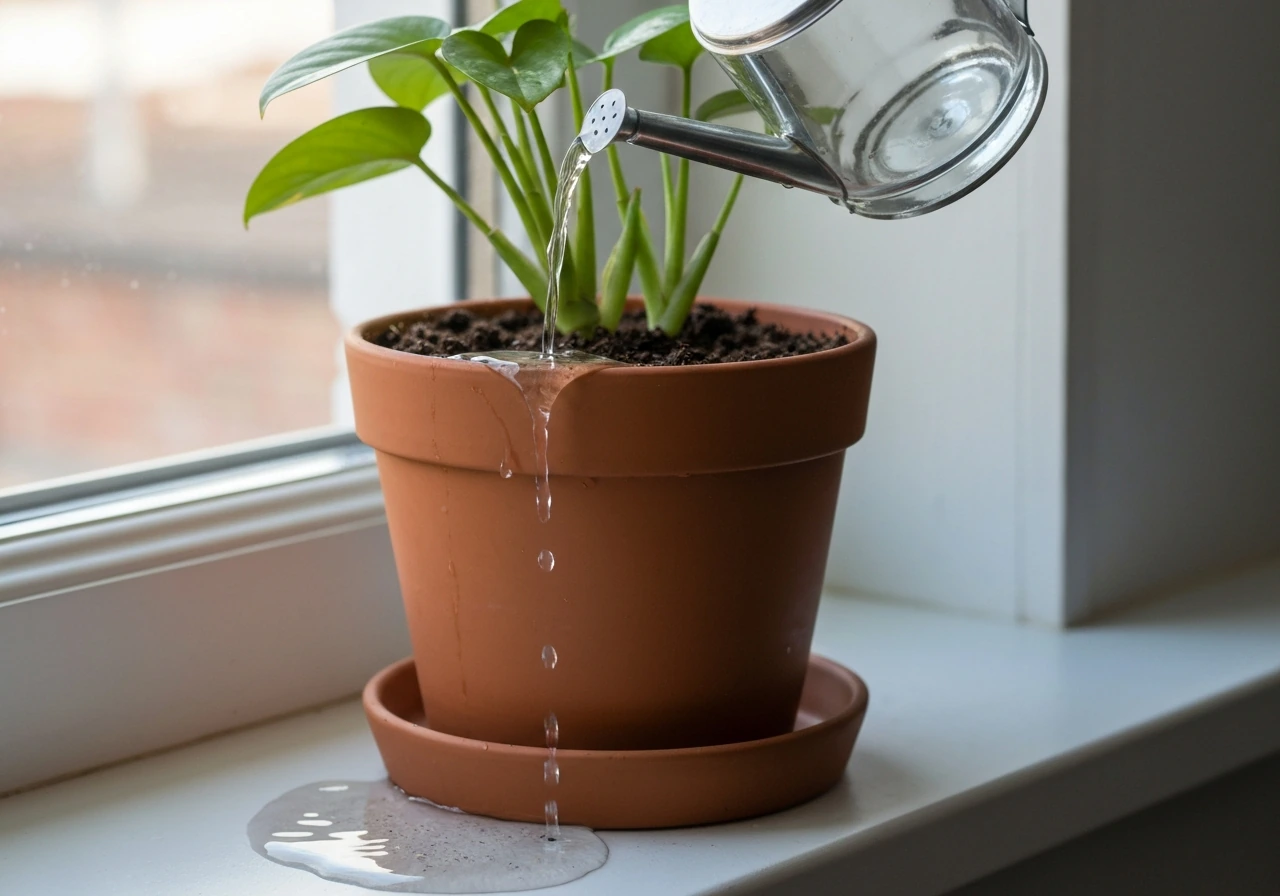
Water thoroughly when the top inch of soil feels dry. Pour until water runs freely out of the drainage holes, then stop. Don't let the pot sit in pooled water. In a warm, bright room during the growing season you might water every 5 to 7 days. In lower-light winter conditions, stretch that to every 10 to 14 days. The single biggest indoor killer for silvervine is overwatering, so when in doubt, wait a day or two more before watering.
Feeding
Feed with a balanced liquid fertilizer (10-10-10 or similar) once a month during the active growing season, roughly April through September. Dilute to half the recommended strength for container plants to avoid salt buildup in the soil. Skip fertilizing entirely during winter when growth slows. If you notice leaf edges browning, flush the soil with plain water to clear any accumulated salts before the next feed.
Pruning
Prune in late winter while the plant is still dormant, before new growth pushes out in spring. This is when silvervine is most forgiving of hard cuts. Remove any dead, crossing, or overcrowded stems. Keep in mind that fruiting (if you're growing for that reason) happens on second-year wood and older, so avoid cutting everything back to the base each year. For an indoor plant that you want to keep manageable, pinch back long new shoots throughout the growing season to keep the size in check and encourage bushier growth.
Support and training
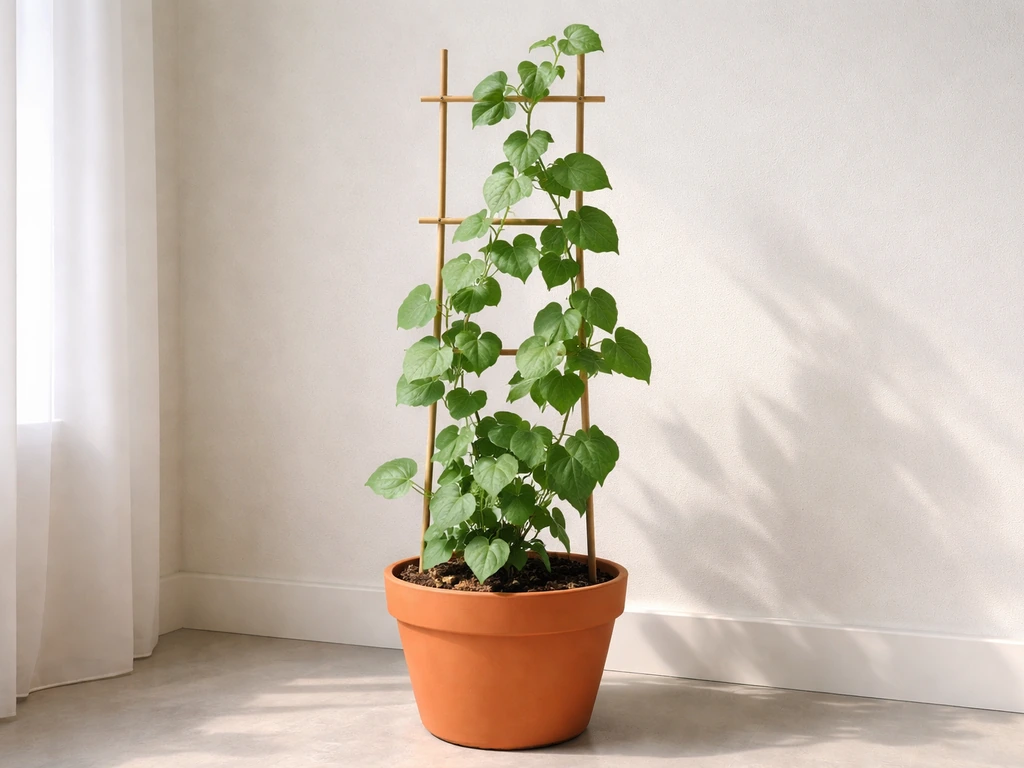
Silvervine climbs. Indoors, give it a small trellis, a bamboo frame, or even a few stakes and some twine. Without support, stems will flop and the plant will look messy. Training new growth onto the support regularly (every couple of weeks during the growing season) keeps things tidy and helps light reach all parts of the plant.
Common problems and how to fix them fast
| Problem | Likely Cause | Fix |
|---|---|---|
| Leggy, stretched growth | Not enough light | Move to a brighter window or add a grow light within 6–12 inches of the plant |
| Yellowing leaves | Overwatering or root rot | Check drainage holes, let soil dry out more between waterings, inspect roots for rot and trim if needed |
| Drooping / wilting | Either underwatering or root rot from overwatering | Check soil moisture: if dry, water thoroughly; if soggy, improve drainage and reduce watering |
| Slow or no growth | Insufficient light or wrong season | Increase light hours with grow light, check temperature, and avoid fertilizing in winter |
| Brown leaf tips | Salt buildup in soil or low humidity | Flush soil with plain water, reduce fertilizer concentration |
| White cottony patches or sticky residue | Mealybugs or scale insects | Wipe off with a cotton swab dipped in rubbing alcohol, spray with neem oil solution weekly for 3–4 weeks |
| Fine webbing on leaves | Spider mites | Increase airflow, mist foliage, apply neem oil or insecticidal soap spray |
Improving your chances: grow lights and seasonal adjustments
If your indoor light situation is borderline, grow lights are genuinely worth the investment for silvervine. A full-spectrum LED grow light (look for ones in the 3000K to 6500K range) placed 6 to 12 inches above the plant and run for 14 to 16 hours per day will reliably supplement or replace natural window light. This makes indoor growing viable even in north-facing rooms or during short winter days. Grow light setups that run on a timer mean you barely have to think about it after the initial setup.
Seasonal transitions can dramatically improve your plant's health. If you have any outdoor space at all, a balcony, a patio, or even a spot near an open door, moving your silvervine container outside for the warmer months (after the last frost, typically late April to early May in most temperate zones) will supercharge its growth. The combination of real sun, natural airflow, and temperature fluctuation gives the plant a reset that's hard to replicate inside. Just bring it back indoors before the first fall frost and let it go semi-dormant in a cool, bright spot for winter.
If you're keeping silvervine fully indoors year-round, simulate a mild dormancy period in winter by reducing watering, stopping fertilizer, and keeping the plant in a cooler spot (around 50 to 60°F if possible). This isn't strictly required in a warm apartment, but it aligns with the plant's natural rhythm and tends to produce stronger growth in spring.
A quick checklist before you commit
- Can you provide 6+ hours of direct or strong indirect light daily (south/west window or grow light)?
- Do you have a pot at least 12 inches wide with solid drainage holes?
- Can you mix a fast-draining potting mix with added perlite?
- Are you prepared to check soil moisture before every watering rather than watering on a fixed schedule?
- Do you have space for a small trellis or support frame?
- Can you move the plant outdoors in summer if indoor conditions prove limiting?
If you answered yes to at least four of those, silvervine indoors is a realistic project for you. It's not as easygoing as a pothos or a snake plant, and it demands more light than most vines you'd find at a garden center. If you're wondering whether can purple sweet potato vine grow indoors, the same idea applies: it will need bright light, warmth, and consistent care to really thrive indoors. If you're wondering can potato vine grow indoors, the key idea is the same as with silvervine: you need enough light to avoid a leggy, disappointing vine. If you’re specifically trying to grow Virginia creeper indoors, the same themes apply: you’ll need strong light and support, plus consistent watering so it doesn’t develop stress or rot can you grow Virginia creeper indoors indoors. But for anyone who wants something a bit unusual, with that distinctive silvery variegated foliage and a compelling backstory (it's famously attractive to cats, much like catnip), it's a rewarding plant to grow. Just go in with honest expectations and the right setup, and it'll do well. You can also use this indoor routine to answer whether can turtle vine grow indoors, since the light and water requirements are the main limiting factors grow it indoors.
FAQ
Can I get silvervine to flower and fruit indoors, or will it just grow leaves?
Yes, but only if you have a male companion plant or you add a pollination workaround. Indoor-grown silvervine often won’t fruit because flowers need compatible pollen, and indoor conditions usually limit insect pollinators. Expect to focus on foliage first, and if fruit is your goal, plan for two plants (male and female) and hand-pollinate when flowers open.
What happens if my home can’t reach the 6 hours of direct sun requirement?
It can survive, but “barely” is common. If your room cannot reach 6 hours of direct light, it may become leggy and slow, even with average warmth. If you must use a dim location, a grow light is the practical solution, otherwise treat it as a long-term survival project rather than a healthy growth plan.
Should I start silvervine from cuttings or seeds if I’m growing indoors?
Cuttings are usually better for indoor success because they root faster and avoid the uneven germination of stratified seed. Seeds require about 3 months of cold treatment, then slow, inconsistent sprouting. If you want a plant that looks good sooner, start with semi-hardwood cuttings taken in late spring or early summer.
How do I create a winter dormancy for silvervine indoors without risking root rot?
Yes, but use a “cool but bright” corner, not a dark room. If you drop temperatures too low in a dim space, growth can stall and soil can stay wet longer, raising rot risk. A practical indoor approach is to keep it near a bright window or under grow lights, while reducing watering and skipping fertilizer.
Is it okay to water silvervine on a schedule indoors?
Don’t water on a fixed calendar. Even if your schedule says 5 to 7 days, in cooler months or low-light conditions the soil dries slower. Check the top inch first, water only after it dries, and always empty any tray or saucer holding runoff.
What’s the best pot size and soil mix to prevent overwatering indoors?
Use the fastest-draining setup you can manage: a container with plenty of drainage holes, a light potting mix that includes perlite, and a pot size that matches the plant rather than dwarfing it in a huge tub. Overly large pots hold moisture too long, which is one of the biggest reasons indoor vines fail.
Can I move my indoor silvervine outside for the summer, and what’s the safest way to transition?
You can, but keep the plant gradually acclimated to avoid shock. Bring it outside only after nights are consistently warm, protect it if frost threatens, and keep the first week in partial shade before increasing light. When moving back indoors, reduce light gradually, or keep it under a window or grow light until it adjusts.
Do I really need to train silvervine on a trellis indoors, and how do I do it without tangles?
A small trellis is important, but also keep the vine from matting itself near the soil. For indoor airflow, train stems upward and remove any leaves that touch the pot rim. Regular light grooming, every couple of weeks during active growth, prevents dense, damp areas where fungal issues start.
My silvervine leaf tips are browning indoors, what should I check first?
Brown leaf edges can be a sign of mineral or fertilizer buildup, but it can also happen from dry, stale air. Flush the soil with plain water to reset salts, then adjust feeding to half-strength monthly during active growth. If the edges keep browning, increase airflow slightly (gentle fan) and confirm you are not underwatering.