
Yes, grape hyacinth (Muscari) can absolutely grow and flower indoors, but there's a catch: you need to "force" the bulbs, which means giving them a cold chilling period before they'll bloom. Can German ivy grow indoors? It can, but it needs the right light and humidity to stay healthy indoors. If you’re wondering about ivy, the key is whether you can provide enough light and consistent indoor conditions for it to keep growing Yes, grape hyacinth (Muscari) can absolutely grow and flower indoors. Skip that step and you'll get limp leaves at best, nothing at worst. Get it right, and you'll have those classic cobalt-blue flower spikes blooming in a pot on your windowsill in late winter, weeks before anything is happening outside.
Can Grape Hyacinth Grow Indoors? How to Grow It

James Hartwell
21 May 2026
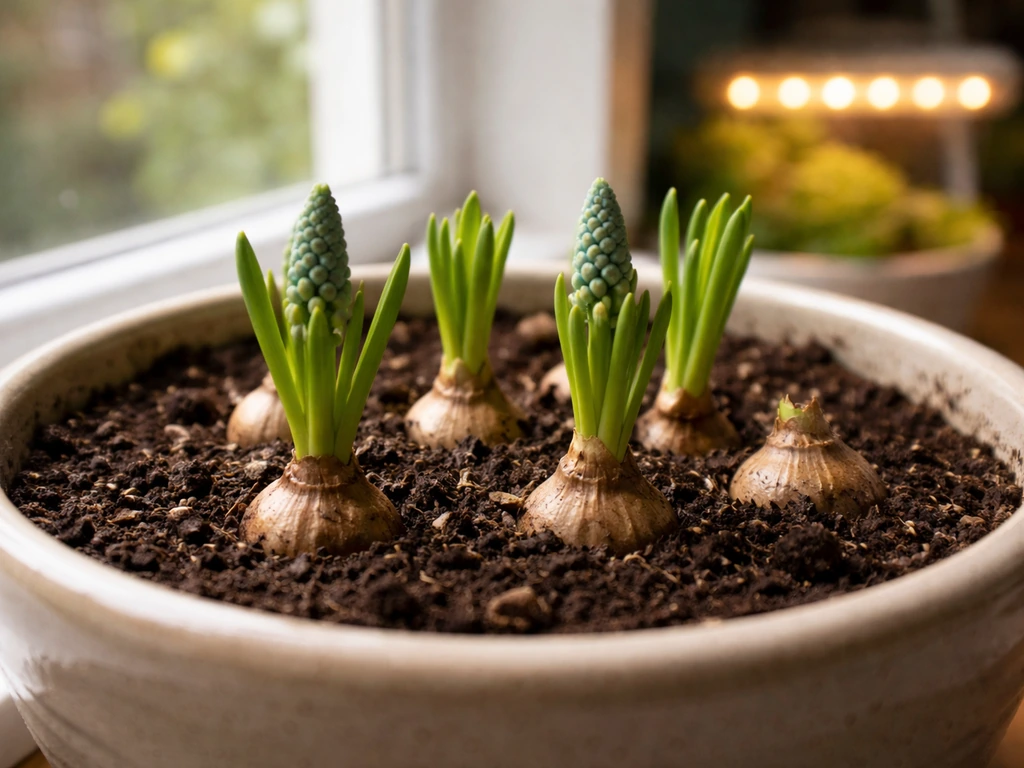
What forcing actually means (and why it works)
Grape hyacinth bulbs are programmed to flower after a cold winter. In the ground, nature handles that automatically. Indoors, you have to fake it. The process is called forcing: you plant the bulbs in a pot, give them a cold dark period in a refrigerator or cold space to mimic winter, and then bring them into warmth and light to trigger blooming. It sounds fiddly, but once you've done it once it becomes second nature. Muscari is actually one of the easier bulbs to force, and cultivars like Muscari armeniacum 'Blue Spike' are particularly well-suited to it.
The right container, soil, and planting depth
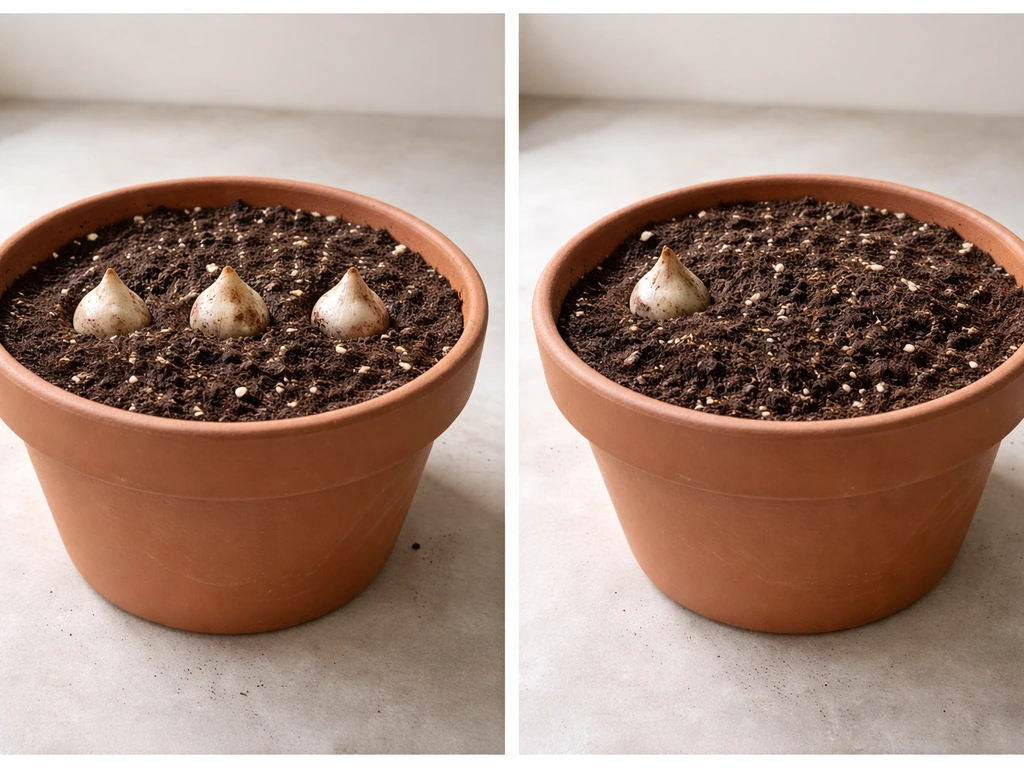
Start with a pot that has drainage holes, full stop. A shallow pot 4 to 12 inches wide works well for a cluster of bulbs. Drainage is non-negotiable here because sitting moisture is the number one killer of bulbs in containers. Fill it with a fresh indoor potting mix (avoid mixes heavy in pine bark, which can impede drainage and create air pockets around small bulbs).
For planting depth, add enough potting mix to the bottom so there's at least 1 to 2 inches of soil beneath each bulb. Place the bulbs snugly together, tips pointing up, and cover them completely with potting mix. Unlike larger bulbs where you sometimes let the tip peek through, grape hyacinth bulbs should be fully covered. After planting, water thoroughly until water drips freely from the drainage hole, then you're ready to start chilling.
Light and temperature once they're growing
After the chilling period is done and you bring the pot out, placement matters a lot. First, give the sprouting bulbs a transitional week or two somewhere cool (around 50°F / 10°C) with low light, which lets the shoots adjust without shock. Then move the pot to a bright spot with direct sunlight and a temperature around 60°F to trigger proper leaf and flower development. A south- or west-facing window is ideal. Once you actually see flowers opening, pull the pot back from direct sun into bright indirect light and keep the room on the cooler side (50 to 60°F) to make the blooms last as long as possible. Warmer rooms shorten bloom time noticeably.
If you don't have a sunny window, a grow light placed a few inches above the pot can fill in, but you'll need it running for 12 to 14 hours a day to compensate. Bright indirect light alone (like a north-facing window) during the active growth phase tends to produce weak, leggy stems that flop over before the flowers fully open.
Timing and chilling: the most important part
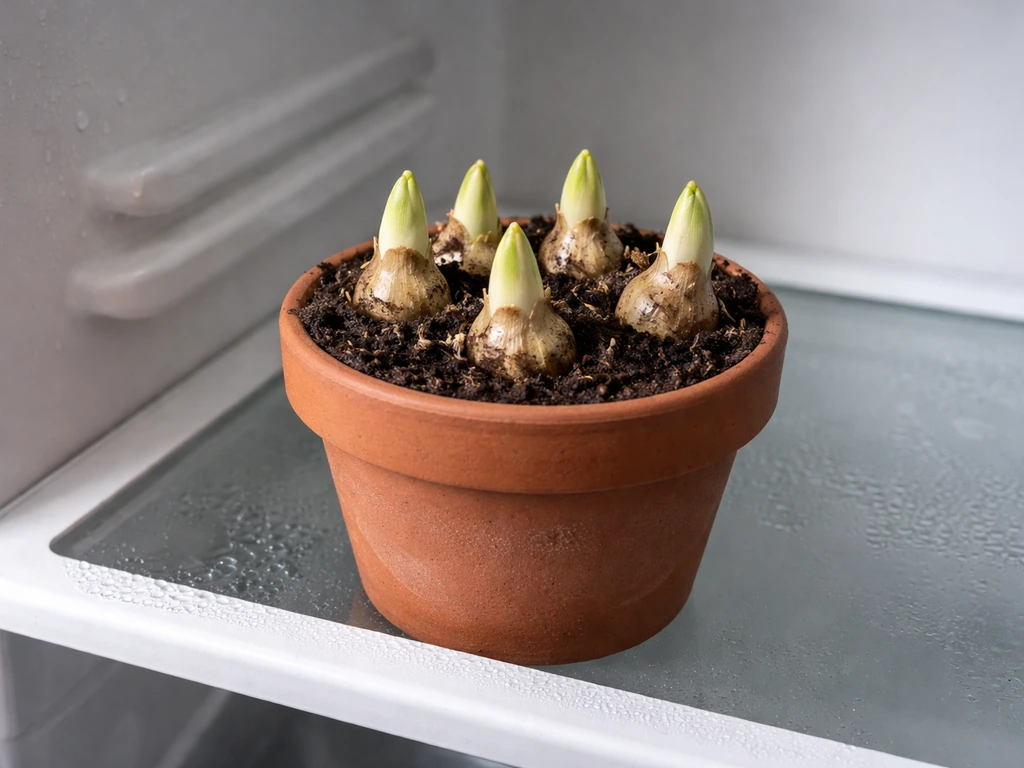
Chill time is the single biggest factor in whether your grape hyacinths actually bloom. Muscari needs 12 to 15 weeks of cold (35 to 45°F) before it's ready to flower, and after you pull it from the cold it takes another 2 to 3 weeks to actually bloom. That means you're looking at roughly 14 to 18 weeks from potting to flowers. To hit a target bloom date, count backward: if you want flowers in late February, you need to pot and start chilling in late October or early November.
Your refrigerator is genuinely the most reliable chilling location for most people. Set it between 35 and 45°F, which is what most fridges run at anyway. One important warning: keep the bulbs away from fruit, especially apples. Fruit gives off ethylene gas as it ripens, and ethylene will damage the flower buds inside the bulbs before they ever get a chance to open. Either use a separate mini fridge or keep the pot sealed in a bag and as far from the fruit drawer as possible.
If you've pre-chilled your bulbs dry in the refrigerator for 2 to 3 weeks before potting, you can subtract that time from the total chilling requirement. So pre-chilled bulbs planted in mid-November might only need 10 to 12 more weeks in cold storage before they're ready. And if you want a continuous run of blooms, make successive plantings about two weeks apart starting in mid-October, which can give you flowers from late November all the way through March.
| Stage | Temperature | Duration | Light |
|---|---|---|---|
| Cold storage (chilling) | 35–45°F (2–7°C) | 12–15 weeks | Dark |
| Transitional warm-up | ~50°F (10°C) | 1–2 weeks | Low light |
| Active growth / pre-bloom | ~60°F (15°C) | Until buds appear | Direct sun |
| In bloom | 50–60°F (10–15°C) | 2–3 weeks | Bright indirect light |
Watering and day-to-day care
Water thoroughly right after planting, then back off significantly during the cold storage phase. The soil should stay just slightly moist, not wet, while the bulbs are chilling. Check every couple of weeks and add a small amount of water if the mix has dried out completely. Overwatering during the cold period is a fast track to rot.
Once the pot is out of cold storage and shoots are actively growing, water more regularly, but always let the top inch of soil dry out slightly between waterings and never let the pot sit in a saucer of standing water. Grape hyacinth doesn't need fertilizer during forcing. If you're keeping the foliage going after bloom (more on that below), a diluted balanced liquid fertilizer every couple of weeks can help the bulb rebuild some energy.
What to expect when it blooms, and what to do after
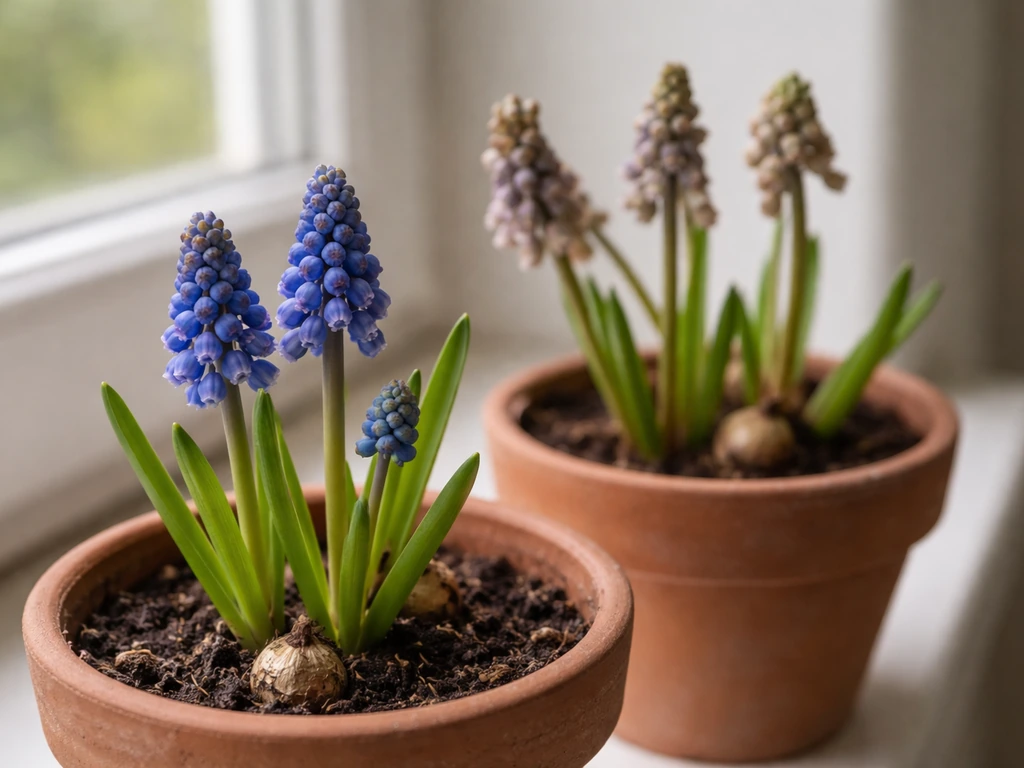
Once you bring the pot into warmth, expect to see flower buds on the tiny stalks within about 2 to 3 weeks of the shoots sprouting. The blooms themselves last 2 to 3 weeks if you keep things cool and out of harsh direct sun. Enjoy them on a windowsill or tabletop, because this is the whole payoff.
After the flowers fade, here's the honest truth: forced grape hyacinth bulbs are pretty well spent. Most sources, including Breck's, are straightforward that once muscari has been forced indoors, the bulbs typically won't bloom reliably again, whether forced again or planted outside. The forcing process is demanding on the bulb. The practical advice is to cut off the spent flower stalks, let the foliage die back naturally (the leaves are still photosynthesizing and doing something for the bulb), and then compost the bulbs rather than trying to bank on them for next year. Buy fresh bulbs each fall for the best results. If you want to try transplanting them outside after the foliage dies back, you can, but go in with realistic expectations rather than counting on a repeat bloom.
When things go wrong: common problems and fixes
No flowers appearing
This is almost always a chilling problem. Either the cold period was too short, the temperature crept above 50°F during storage, or the bulbs were exposed to ethylene from fruit in the fridge. If you're getting leaves but no flower stems, the bulb wasn't fully triggered. There's not much you can do mid-cycle except make sure the room is cool and bright, and wait a bit longer. For next time, commit to the full 12 to 15 weeks of proper cold.
Leggy, floppy stems
Weak, stretchy stems that can't hold themselves up mean not enough light. This usually happens when pots are moved from storage into a dim room or north-facing window. Move the pot to the brightest window you have, or supplement with a grow light. Once the stems are already flopped, you can stake them gently, but prevention is the real fix.
Mold on soil or bulb rot
Surface mold on the potting mix during cold storage is common and usually harmless. Improve air circulation around the pot if you can. Actual bulb rot, where the bulb itself turns soft and mushy, means overwatering or poor drainage. Always use a pot with drainage holes, never let the pot sit in water, and hold back on watering during the chilling phase. If a bulb has rotted, remove it immediately so it doesn't spread to neighbors.
Timing issues and slow growth
If your bulbs come out of storage looking fine but then grow very slowly, they may need more time at the transitional temperature (around 50°F) before moving to full warmth. Don't rush the transition from cold storage to warm room. A week or two at an intermediate temperature makes a real difference. Also check that your cold storage was actually cold enough: if a garage or basement runs warmer than 50°F in fall, it won't do the job and the chilling clock doesn't really start until temperatures drop below that threshold.
Pests
Grape hyacinth grown indoors is generally pretty pest-resistant, especially during the cold phase. Once in a warm room, watch for fungus gnats if the soil stays too wet (let it dry more between waterings and consider a thin layer of sand on top). Aphids occasionally show up on the tender new growth, especially near other houseplants. A quick rinse with water or a diluted neem spray handles them fast. Will geraniums grow indoors? Yes, but they need plenty of bright light and consistent watering to thrive. If you are also wondering about other indoor plants, can ivy geraniums grow indoors is a good question to research next houseplants. Yes, grape hyacinth (muscari) can be grown indoors with the right cold-chilling and light setup.
How grape hyacinth compares to regular hyacinth indoors
If you've looked into forcing regular hyacinth indoors, the process is very similar but grape hyacinth is generally more forgiving. Muscari bulbs are smaller, cheaper, and easier to pack into a single pot for a lush display. The chilling requirements overlap significantly (regular hyacinth needs around 12 to 15 weeks as well), so the workflows are nearly identical. Water hyacinth is a completely different plant altogether and not suitable for indoor containers the same way. Water hyacinth can sometimes be grown indoors, but it requires very different setup than typical forced bulbs. Grape hyacinth is the practical, apartment-friendly choice if you want that spring bulb experience without a lot of fuss.
FAQ
Can I grow grape hyacinth indoors without refrigerating or chilling the bulbs first?
In most cases, no. Muscari needs a true cold period (about 12 to 15 weeks near 35 to 45°F) to trigger flowering. If you skip chilling, you may only get leaves, or buds may fail to form.
What if my fridge runs warmer than 45°F, like 50°F?
That can reduce or prevent blooming. The chilling requirement effectively starts only when temperatures drop below the mid 40s. If your fridge runs warm, try using a cooler dedicated spot (mini fridge, insulated cooler with a thermometer), and confirm the actual bulb-zone temperature.
How can I tell if I’m giving enough cold chilling time before I see anything?
Don’t judge by leaf growth during storage. Instead, track calendar weeks and confirm the bulbs actually stayed in the cold range for the target duration. If you see active growth too early or at warmer temperatures, shorten the “warm-up” wait, but expect that flower buds may be weaker.
Is it okay to chill grape hyacinth bulbs near fruits, like bananas or citrus?
Avoid fruit altogether. Ethylene can damage flower buds, with apples being a known worst offender, but other ripening fruits can also release enough gas to cause poor or missing blooms.
Can I reuse the same forced bulbs indoors for another bloom cycle next year?
Usually, no reliable repeat bloom indoors. Forcing uses up a lot of the bulb’s stored energy, so bulbs are typically “spent.” You may get occasional foliage rebound if you transplant outside after leaves die back, but indoor repeat forcing is rarely dependable.
Can I plant one pot of grape hyacinth and get flowers continuously over time?
Yes, by staggering planting dates. The simplest approach is successive pots or replanting, about two weeks apart starting mid-October, so each pot reaches the “bring out of cold” stage on a different schedule.
How deep should the pot be for grape hyacinth, and does pot depth matter?
Depth matters mainly for having enough soil beneath the bulbs. A shallow container can work if you can maintain roughly 1 to 2 inches of soil under each bulb and still cover them completely. The non-negotiable part is drainage holes to prevent rot.
My leaves are growing but no flowers appear. What’s the most common cause?
The bulb likely did not fully meet chilling needs, temperatures warmed too high during storage, or ethylene exposure from fruit disrupted bud development. If this happens mid-cycle, the realistic move is to keep conditions cool and bright and wait longer, but for next time commit to the full cold window.
My flower stems flop over. Is it a watering problem or light problem?
It’s usually light. Weak, stretchy stems most often come from insufficient brightness after chilling, like a dim room or a north-facing window without supplemental light. Move to the brightest window you have or run a grow light for about 12 to 14 hours daily.
Should I fertilize grape hyacinth while they are in cold storage?
No, fertilizer isn’t needed during forcing. If you want to support the bulb only after shoots are growing or after flowering, use a diluted balanced liquid every couple of weeks, and avoid overfeeding stressed or cooling bulbs.
What’s the right watering approach during the cold chilling phase?
Keep the mix slightly moist, not wet. Water thoroughly once at planting, then pause and only add small amounts if the mix dries out completely. If the pot stays saturated, the risk of rot increases quickly.
Can I grow grape hyacinth indoors if I don’t have a south or west window?
Yes, but plan for light. If you can’t provide direct sun during active growth, use a grow light placed a few inches above the pot and keep it on around 12 to 14 hours per day. Relying on bright indirect light alone can lead to weaker growth.
How do I prevent fungus gnats when growing grape hyacinth indoors?
They usually show up when the soil stays too wet. Let the top layer dry slightly between waterings, and if needed add a thin sand layer on the surface. The goal is to keep the soil from remaining constantly damp.
After the flowers fade, should I cut the leaves off immediately?
No. Remove only the spent flower stalk. Let the foliage die back naturally because leaves keep working to rebuild energy in the bulb, even though the display is over.
Can I stake flopped stems, or will that ruin the bloom?
You can stake gently once stems are already flopping. It won’t “fix” the cause, so expect a shorter or less impressive display if light was the main issue, but staking can keep flowers from breaking and improve appearance until they finish.