
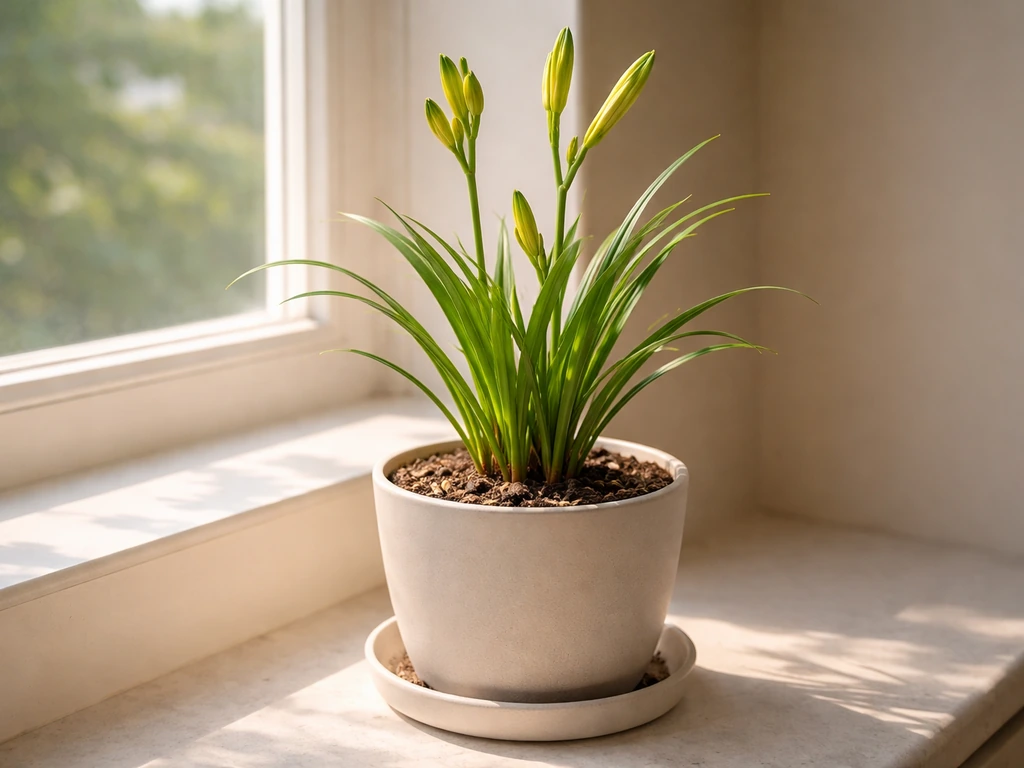
Yes, daylilies (Hemerocallis) can grow indoors, but getting them to actually bloom is a real challenge. They'll survive in a pot on your windowsill, but to flower they need at least 6 to 8 hours of strong direct light every day, and most home windows simply don't deliver that. If you have a very bright south-facing window or you're willing to run a grow light for 12 to 14 hours a day, you can pull it off. Without that, you'll get healthy-looking foliage and zero flowers.
Can Daylilies Grow Indoors? Indoor Care and Troubleshooting
James Hartwell
15 May 2026
What kind of light do indoor daylilies actually need?
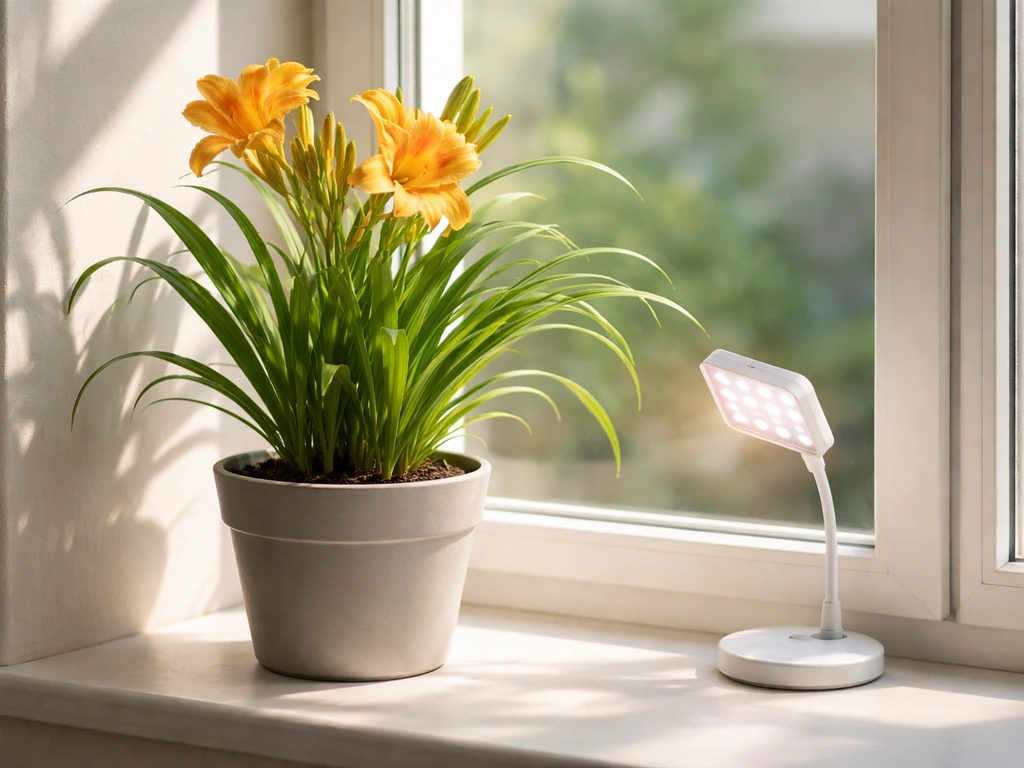
Missouri Botanical Garden is pretty clear on this: daylilies bloom best with full sun, at least 6 to 8 hours per day. That's a lot to ask indoors. A south-facing window is your best shot, especially in late spring and summer when the sun angle is high. East or west windows might sustain the plant but probably won't push it into bloom. North-facing windows are a hard no for flowering daylilies.
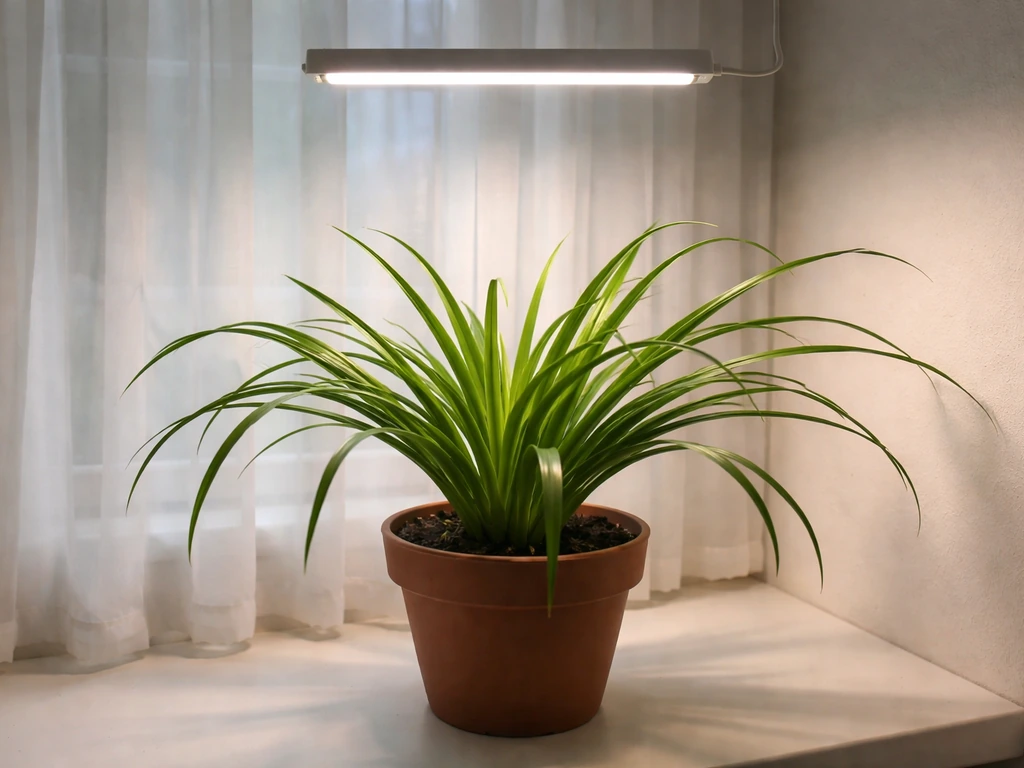
If your window situation is less than ideal, a full-spectrum LED grow light is the practical fix. Iowa State Extension recommends running supplemental grow lights for roughly 12 to 14 hours a day to meet the needs of light-hungry plants indoors. Place the light about 6 to 12 inches above the foliage and run it on a timer. I've had much better results combining a south window with a supplemental light than relying on either one alone, especially through winter months when natural light is weak.
One honest note: even with great light, daylilies indoors are more work than truly low-light-tolerant houseplants. If you're comparing options, plants like tiger lilies and other Hemerocallis relatives face the same light hurdles indoors. Tiger lilies have similar light needs indoors, so make sure you give them strong light and a consistent care routine. The light requirement is the single biggest make-or-break factor, so get that right before worrying about anything else.
How to pot daylilies for indoor growing
Container size matters more than most people think with daylilies. A published Hemerocallis growing guide recommends a pot around 17 to 19 cm in diameter (roughly 7 inches) for a single bare-root division. Go too small and the roots get cramped fast; go too large and you risk waterlogged soil that the roots haven't grown into yet. A pot with at least one solid drainage hole is non-negotiable. Daylilies hate sitting in water.
Plant the crown about 1 inch below the soil surface. Walters Gardens specifies this depth for container-grown daylilies, and it matters because burying the crown too deep can rot it, while planting too shallow leaves the roots exposed and dries them out fast. After planting, water thoroughly until it runs out of the drainage holes.
One thing to skip: don't put a layer of gravel or rocks in the bottom of your pot to 'improve drainage.' NC State Extension is clear that this actually creates a perched water table and makes drainage worse, not better. Just use a good mix and a pot that drains freely.
The right potting mix
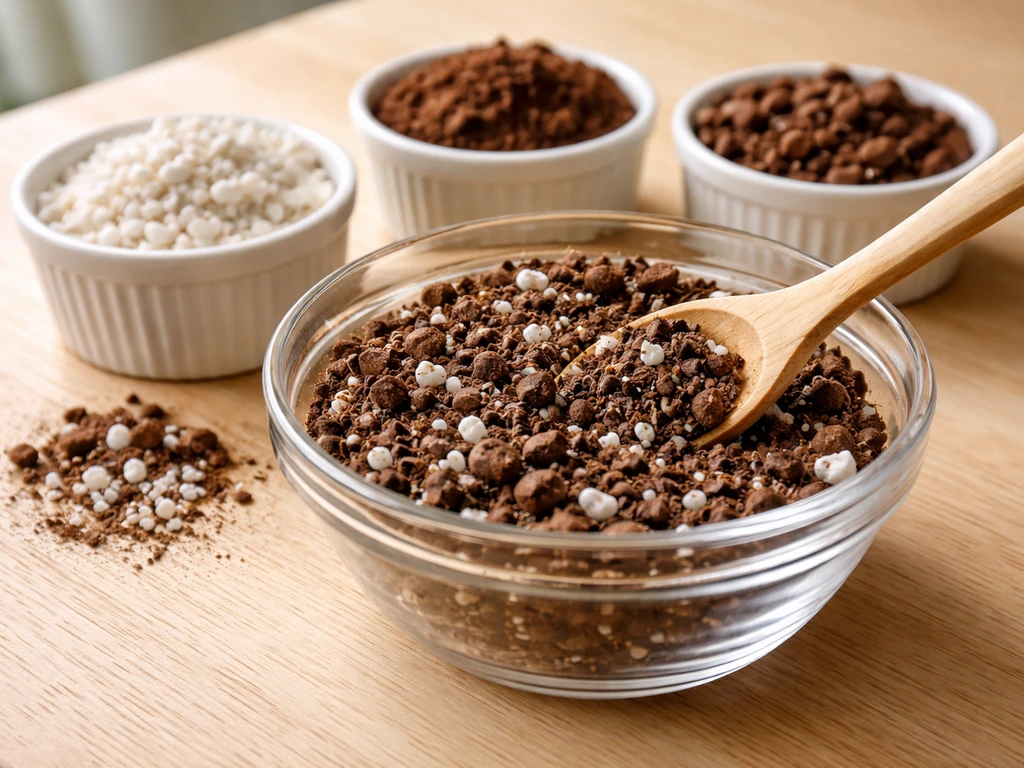
Use a soilless potting mix rather than garden soil. A blend of peat moss (or coco coir), composted bark, and perlite is ideal. Walters Gardens also recommends a soilless blend that includes peat moss (or coco coir), composted bark, and perlite for daylilies in containers. Perlite is the key ingredient here because it keeps the mix from compacting and ensures oxygen gets to the roots. You can buy a standard quality potting mix and add extra perlite at a ratio of about 1 part perlite to 3 parts mix if it feels too dense. Avoid mixes with a lot of moisture-retaining crystals or heavy topsoil, which stay soggy too long for daylilies in a pot.
Watering, feeding, and keeping the soil happy
In garden beds, daylilies prefer about 1 inch of water per week. Indoors in a container, the translation is: water thoroughly when the top inch of soil feels dry, and water until it runs out of the drainage holes. Virginia Tech Extension emphasizes this deep watering approach for container plants. Don't just splash the surface. The American Daylily Society recommends watering deeply enough to reach 8 to 10 inches into the root zone, which in a pot means saturating the whole root ball, not just the top layer.
In winter or during a rest period, cut back watering significantly. The soil should almost dry out between waterings. In active growth and when flower buds are forming, you can water more consistently, but always let the top inch dry before going again. Overwatering is the most common way to kill a container daylily indoors.
Feeding without overdoing it
This is where a lot of indoor growers go wrong. Both the American Daylily Society and Missouri Botanical Garden flag over-fertilizing as a direct cause of reduced flower production. Too much nitrogen produces lush, leafy growth at the expense of blooms. For indoor daylilies, I'd use a balanced slow-release granular fertilizer (something like 10-10-10) worked into the top of the soil at the start of the growing season, then follow up with a diluted liquid fertilizer at half the recommended dose once a month during active growth. Stop feeding entirely during dormancy.
Temperature, humidity, and drafts
Daylilies are tough plants outdoors, but indoors the environment needs a bit more thought. They grow well at typical home temperatures, roughly 60 to 75°F (15 to 24°C). What they don't like is sudden temperature swings, which is exactly what happens near an air conditioning vent, a drafty window, or a heating radiator. If your south-facing window is also the drafty one in winter, consider moving the pot a foot or two away from the glass on very cold nights.
On humidity: daylilies aren't as demanding here as tropical plants. Standard indoor humidity levels (around 40 to 50%) are fine. You don't need a humidifier or pebble tray unless your home is unusually dry in winter, in which case a light misting or a nearby humidifier won't hurt. Dry air is more of an issue for pest prevention (spider mites love dry conditions) than for the plant's basic health.
Getting daylilies to actually bloom indoors
Here's the honest part. Getting blooms indoors is possible but not guaranteed, and it depends heavily on the cultivar you choose and how well you manage a seasonal rest period. For comparison, if you want to try another flowering plant indoors, can lantana grow indoors too? The American Daylily Society defines dormancy as the suspension of visible growth when temperatures drop cold enough, and all daylilies will do this under sufficiently cold conditions. Evergreen and semi-evergreen cultivars are generally more forgiving indoors because they don't require as hard a cold period to reset and bloom again.
Interestingly, one commercial cultural notes document for Hemerocallis states that the plant doesn't strictly require a cold period to bloom, which is good news for indoor growers. In practice though, many gardeners find that giving dormant and semi-dormant varieties a cool rest period of 4 to 8 weeks (around 35 to 50°F) improves rebloom reliability. If your cultivar is dormant-type, moving the pot to an unheated garage or cool basement for 6 to 8 weeks in late fall mimics what would happen outdoors.
For evergreen types, you can skip the cold treatment and simply maintain consistent light and care year-round. Expect the first indoor bloom cycle to take longer than you'd expect outdoors. A well-established pot with maximum light and proper care might bloom in its first summer, but don't be surprised if it takes a full year to settle in and flower.
Troubleshooting the most common indoor daylily problems
No flowers
This is the most common complaint and almost always comes down to insufficient light. If you still wonder whether daylilies can thrive inside at all, start with this guide on can lily grow indoors and how to make indoor blooming possible. If your plant looks healthy but just won't bloom, move it to your brightest window immediately or add a grow light. Also check whether you've been overfeeding with nitrogen-heavy fertilizer, which pushes leafy growth over flowers. Scale back feeding and switch to a fertilizer with lower nitrogen and higher phosphorus to encourage blooming.
Leggy, floppy foliage
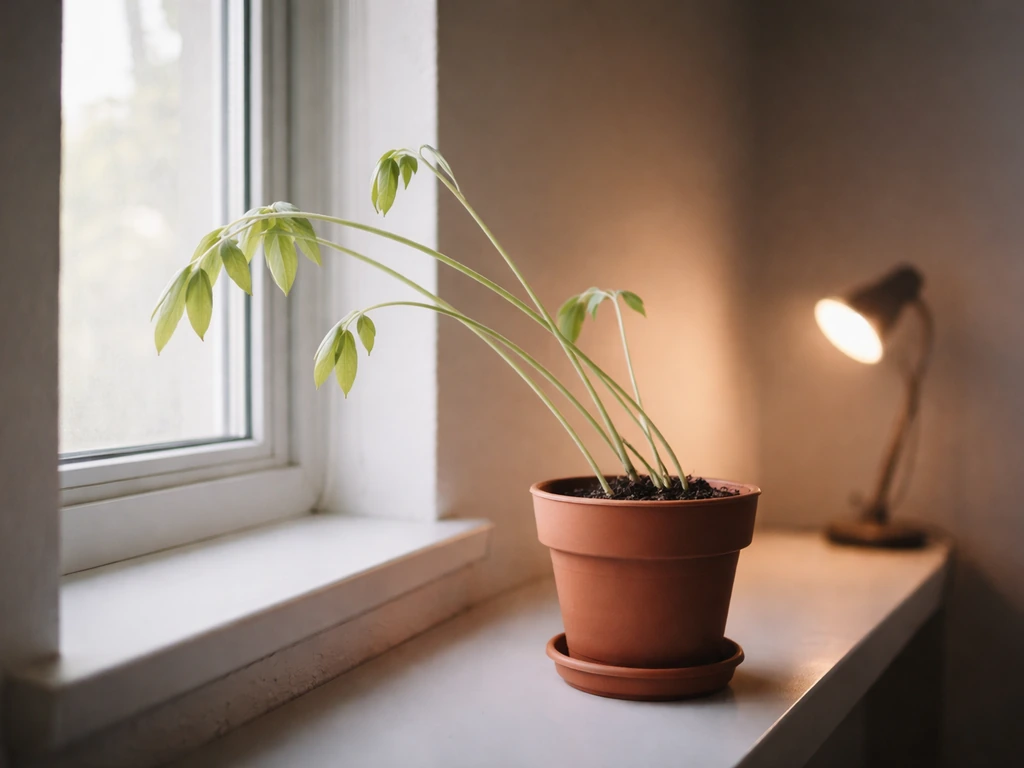
Long, pale, floppy leaves that reach toward the light are a classic sign of insufficient light. The plant is stretching. The fix is more light, full stop. Add a grow light if you can't move to a brighter window. Once you boost the light, the new growth that comes in will be more compact and upright.
Yellowing leaves
Yellow leaves can mean a few things: overwatering (the most likely culprit indoors), natural senescence of older outer leaves (totally normal), or nutrient deficiency after a long time in the same pot. Check the soil moisture first. If it's consistently wet or the pot has poor drainage, let it dry out and adjust your watering habits. If the soil moisture seems fine and older leaves are yellowing gradually from the outside in, that's just normal leaf turnover. If it's widespread yellowing on new leaves, a diluted balanced fertilizer dose often helps.
Pests
- Spider mites: tiny dots on leaves and fine webbing, usually in dry air. Fix: increase humidity slightly, wipe leaves with a damp cloth, and use insecticidal soap spray.
- Aphids: clusters of small insects on new growth and buds. Fix: blast them off with water, then use neem oil or insecticidal soap.
- Fungus gnats: small flies around the soil surface, larvae damage roots. Fix: let the soil dry out more between waterings and use a sticky trap. Bottom-watering helps prevent them.
- Scale: brown bumps on stems that don't brush off easily. Fix: remove by hand with a cotton swab dipped in rubbing alcohol, then follow with neem oil.
A quick comparison: indoor daylilies vs. similar indoor flower options
| Plant | Light Needed Indoors | Blooms Reliably Indoors? | Difficulty |
|---|---|---|---|
| Daylily (Hemerocallis) | 6-8+ hours direct sun or 12-14 hrs grow light | Yes, with effort and right cultivar | Moderate to hard |
| True lily (Lilium) | Bright indirect to direct sun | Yes, especially forced bulbs | Moderate |
| Tiger lily (Lilium lancifolium) | Bright direct light | Possible but challenging | Hard |
| Lantana | Full sun, 6+ hours | Yes, if light is strong | Moderate |
| Lobelia | Bright indirect light tolerated | Yes, more reliably than daylilies | Moderate |
Daylilies are not the easiest flower to bloom indoors compared to something like lobelia or even a forced true lily bulb, but they are absolutely doable if you prioritize light above everything else. If you're wondering, can lobelia grow indoors too, and what conditions it needs? Pick an evergreen cultivar, give it your sunniest spot plus a grow light if needed, water carefully, and go easy on the fertilizer. Can alyssum grow indoors? Yes, alyssum can also grow indoors alyssum grow indoors. Yes, but it needs cool temperatures and bright light to do well sunniest spot. Do those four things and you have a genuine shot at flowers.
FAQ
How can I tell if my window is bright enough to get indoor daylilies to bloom?
For indoor blooming, the easiest way to judge your setup is to treat “hours of strong direct light” as a target, then measure it. If you cannot reliably provide 6 to 8 hours of sun or equivalent intensity with a grow light, expect foliage only. A grow light on a timer (12 to 14 hours total) is usually the most predictable path when windows are inconsistent.
Will an indoor daylily bloom right away after potting or division?
Yes, many indoor growers can get an initial flush, but the first bloom cycle often takes longer than outdoors because daylilies are light-demanding and may need a seasonal rest to reset. If your plant is newly potted, newly divided, or moved from outdoors, give it time to establish before you judge the bloom potential.
What should I do if my indoor daylily looks healthy but the leaves are yellowing?
Overwatering shows up quickly indoors because pots dry slower than beds. If you see yellowing plus consistently damp soil, pause watering and wait until the top inch dries, then resume with deeper watering only when the soil is clearly dry. Also confirm you have a drainage hole and that the pot is not sitting in a saucer of runoff.
Are temperature swings near windows or HVAC vents a real problem for daylilies indoors?
Daylilies generally prefer steady, average indoor temperatures, but abrupt swings can stress them and reduce flowering. Move the pot away from drafts, vents, and radiators, and keep it off cold window ledges at night during winter.
Does the type of daylily cultivar (evergreen, semi-evergreen, dormant) affect how you should grow it indoors?
Choose your cultivar with dormancy in mind. Evergreen or semi-evergreen types are often more forgiving indoors because they do not rely as heavily on a strong cold reset, while dormant types usually benefit from a cool rest period. If you do not want to manage a rest cycle, prioritize evergreen/semi-evergreen cultivars.
Can I move my indoor daylily outside in summer to help it bloom?
You can, but do it for the right reason and with continuity. If you bring the plant outside to “improve blooms,” make the transition gradually over 7 to 10 days to avoid leaf scorch from stronger sun and cooler nights. Bring it back before nights drop below your comfort zone, especially if you are trying to control a rest period.
What if my daylily is growing long, pale, floppy leaves but still not blooming?
If your plant stretches or leans toward the light, it is a classic light problem, not a fertilizer problem. Reposition it to the brightest spot immediately, then consider a grow light. Only after light is corrected should you adjust feeding, because high nitrogen during low light will worsen the foliage-only effect.
How do I avoid fertilizer mistakes that reduce flowering indoors?
Yes, but timing matters. Feed lightly during active growth, stop during dormancy or near-dormant periods, and avoid “feeding schedules” that keep nitrogen going year-round. If buds are failing, the fastest fix is often to reduce or pause fertilizer rather than increasing it.
How do I mimic outdoor dormancy for dormant daylily types indoors?
For dormancy mimics, many indoor growers use a cool, dark-ish area like an unheated garage or cool basement for a defined window. Aim for a 4 to 8 week cool rest for dormant and semi-dormant types (often around the mid to high 30s to low 50s F range depending on your goal and cultivar). Keep the soil only slightly moist, do not fully dry it out like a succulent.
How often should I repot an indoor daylily, and will it stop flowering after repotting?
Repotting can affect bloom because it may temporarily delay flowering while the plant re-establishes roots. If you must repot, do it when you can also maintain maximum light, then expect fewer blooms for a cycle. Also avoid oversized pots, since excess wet soil that stays in contact with roots is a common indoor failure point.
My daylily makes flower buds, but they stall or fail to open. Why?
Daylily buds not opening is usually stress related, most often inconsistent watering or low light, sometimes temperature fluctuation. Check the top inch dryness, confirm the drainage is working, ensure you are meeting the light target, and avoid moving the pot frequently once buds form.
What pests are most likely on indoor daylilies, and how do I catch them early?
Spider mites can become an issue in dry indoor conditions, even when the plant itself is fine. If you notice stippling, webbing, or dust-like specks, increase attention to humidity around the plant and rinse leaves, then consider an appropriate indoor-safe treatment. Preventive steps work best because infestations can spread to other houseplants quickly.