
Yes, canna plants can grow indoors, but they demand more light than most homes naturally offer, and flowering indoors is genuinely difficult without a grow light setup. If you are also growing other houseplants, you may be wondering can colocasia grow indoors and what light and moisture it needs to do well. If you have a bright south-facing window or are willing to add supplemental lighting, you can absolutely keep cannas alive and growing year-round inside. If you're working with a dim apartment or a north-facing window, though, you'll get leggy, non-blooming plants that frustrate more than they reward.
Can Canna Plants Grow Indoors? Full Step-by-Step Guide
James Hartwell
7 Jun 2026
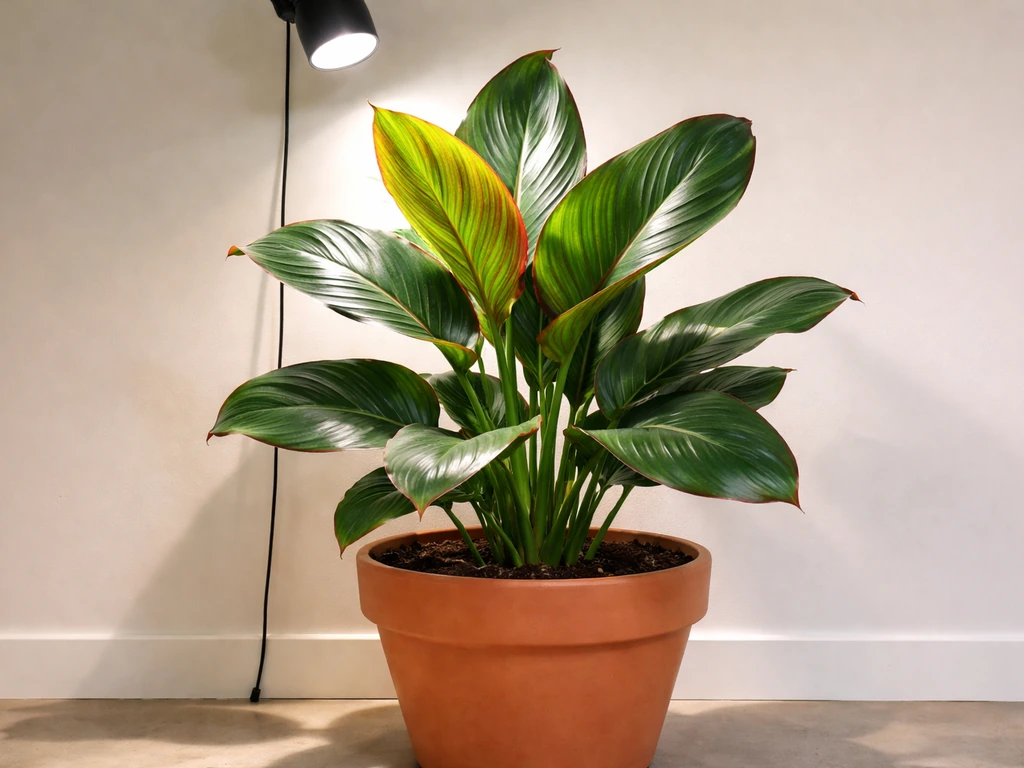
How well do cannas actually grow indoors?
Cannas are classified as full-sun plants, meaning they ideally want 6 to 8 or more hours of direct sun daily. That's a lot to replicate indoors. In a greenhouse setting they thrive, and that's no coincidence: greenhouse conditions are essentially engineered to mimic what cannas get outside. In a typical home, you're working against that from the start. That said, "growing indoors" and "thriving indoors" are two different things, and with the right setup cannas can do both.
There's also an important distinction worth getting clear on before you start: growing cannas indoors year-round is completely different from overwintering them indoors as dormant rhizomes. Many people bring cannas inside for the winter not to grow them, but just to keep the rhizomes alive until spring. Both approaches are valid, and this article covers both, but the care requirements are almost opposite. Active growing needs warmth, light, water, and food. Dormant storage needs cool, dark, slightly humid conditions, and almost no water at all.
For year-round indoor growing, compact or dwarf canna varieties (generally topping out around 2 to 3 feet) are your best bet. Standard garden cannas can hit 4 to 6 feet or taller, which is genuinely unwieldy inside a home. Look for variety names marketed as "dwarf" or "container" cannas when you're sourcing rhizomes or plants.
Pick the right setup: pot, soil, drainage, and how to start
Container size and drainage
Go big on the pot. Cannas have vigorous root systems and large rhizomes, and cramping them leads to slow growth and reduced flowering. A minimum of 5 gallons (roughly 20 liters) per plant is the standard recommendation for container growing. If you're planting a single rhizome with 2 to 3 eyes, that 5-gallon mark is your floor, not your target. A 7 to 10 gallon pot gives the plant real room to establish and gives you a longer window before you need to repot or divide.
Drainage holes are non-negotiable. Without them, salts accumulate in the potting mix and roots sit in waterlogged conditions, which is a fast track to rhizome rot. A pot with proper drainage holes lets you water thoroughly and flush the media regularly. If you love a decorative outer pot without holes, use it as a cachepot and keep the actual plant in a nursery pot with drainage sitting inside it, just remember to empty the saucer after watering.
Soil mix
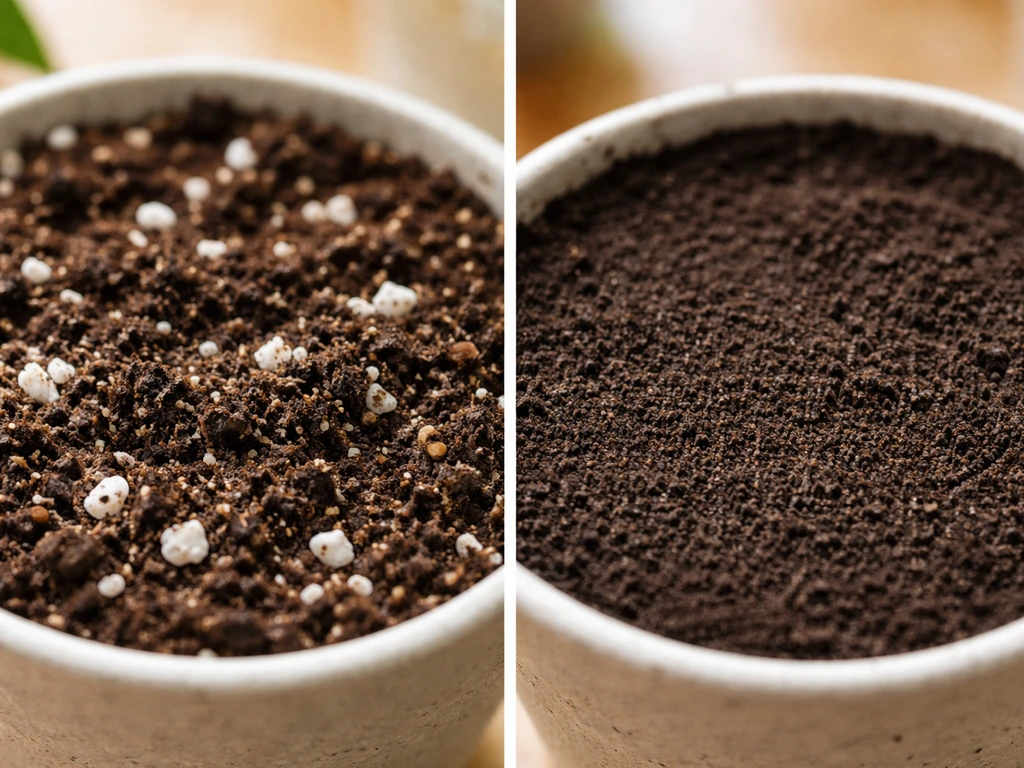
A well-draining potting mix is essential. Straight garden soil compacts badly in containers and holds too much moisture. Use a quality potting mix and, if it's heavy or peat-heavy, cut it with 20 to 30 percent perlite to improve drainage and aeration. Media that's high in peat moss dries more slowly, which can increase rot risk with a plant like canna that doesn't love sitting wet. The goal is a mix that holds some moisture between waterings but drains quickly when you do water.
Starting from rhizomes
Cannas have no dormancy-breaking requirements, meaning you don't need to chill or pre-treat rhizomes before planting. When you're ready to start, plant the rhizome about 3 to 4 inches deep in your potting mix and make sure the growing eyes are facing upward. The soil temperature should be at or above 10°C (50°F) for roots to establish well, so if you're starting in winter, keep the pot somewhere warm rather than a cold basement. A heat mat under the pot during germination speeds things up noticeably. For commercial-style indoor starts, American Daylily & Perennials recommends starting cannas in a greenhouse about one month before moving them outside and potting one rhizome with 2, 3 eyes per gallon in well-drained potting mix one rhizome (2–3 eye) per gallon in well-drained potting mix. Don't start rhizomes more than about 10 weeks before you'd want the plant to be at its full size, because cannas can outgrow their pots quickly and become leggy if they're stuck indoors in low light for too long before you have your lighting situation dialed in.
Light: the make-or-break factor indoors
The single most common reason indoor cannas never flower is not enough light. I've seen this happen repeatedly: beautiful foliage, tall stems, but zero blooms. That's almost always a light problem. Cannas need 6 to 8 hours of bright, direct or near-direct light daily, and most windows, even south-facing ones in winter or in homes with trees or overhangs outside, don't fully deliver that.
Windows
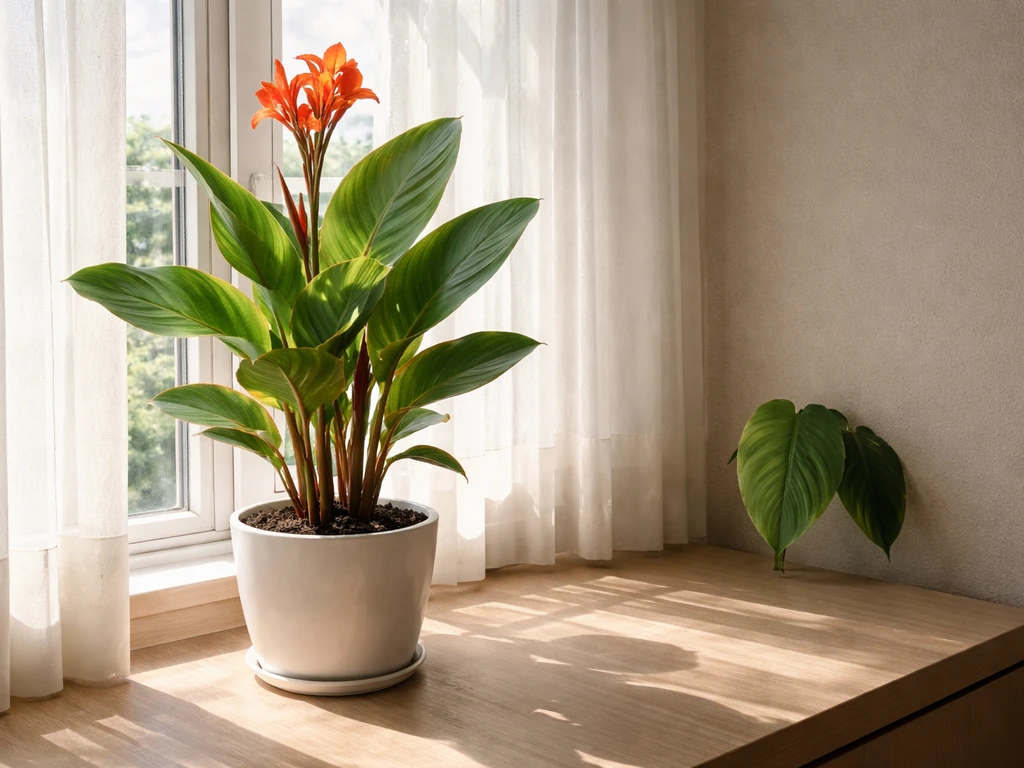
A south-facing window is your best natural light option in the northern hemisphere, and in summer it can work reasonably well for cannas. An east or west-facing window will likely keep the plant alive but not blooming. North-facing windows are not sufficient for cannas period. Even with an ideal south window, light intensity drops dramatically in fall and winter. If you're growing year-round, natural light alone often isn't enough.
Grow lights
A full-spectrum LED grow light is the most practical solution for keeping cannas genuinely thriving indoors. Aim for a light that can deliver high-intensity output (check the PPFD ratings if you want to get technical, or just look for lights marketed for fruiting/flowering plants rather than seedlings). Position the light close enough to be effective, typically 12 to 24 inches above the foliage depending on the fixture's output, and run it for 14 to 16 hours per day to compensate for indoor intensity limitations. A simple plug-in timer makes this effortless.
| Light source | Suitability for cannas | Blooming potential |
|---|---|---|
| South-facing window (summer) | Good | Possible with large, unobstructed window |
| South-facing window (winter) | Fair to poor | Unlikely without supplemental light |
| East or west window | Fair | Unlikely to flower consistently |
| North-facing window | Poor | Not recommended |
| Full-spectrum LED grow light | Excellent | Best chance of indoor blooming |
Watering and feeding your indoor canna
Watering
Watering is not about a fixed schedule. Container-grown cannas in active growth can dry out quickly, especially in summer or under grow lights, and need to be checked frequently. The practical approach is to check the top inch or two of soil daily when the plant is actively growing. Water thoroughly when the top inch feels dry, letting water drain fully out the bottom. What you're trying to avoid is both extremes: bone-dry soil that stresses the rhizome and constantly saturated soil that causes root and rhizome rot. Even watering combined with reliable drainage is the sweet spot.
In winter, if your canna is going semi-dormant due to reduced light and cooler temperatures, back off watering significantly. The plant needs far less moisture when it's not actively growing. Overwatering a slow-growing or dormant canna in a cool room is one of the most reliable ways to lose it.
Feeding
During active growing periods (spring through summer for most indoor setups), feed your canna every two to three weeks with a balanced liquid fertilizer, or switch to a bloom-boosting formula (higher middle and last numbers, like 5-10-10) once the plant is established and you're pushing for flowers. Cannas are heavy feeders and reward regular fertilization with faster growth and better blooms. Stop feeding in fall and winter if the plant is resting or growing slowly. Feeding a dormant or near-dormant plant leads to salt buildup in the potting mix without the plant being able to use the nutrients.
Temperature, humidity, and handling dormancy
Growing conditions
Cannas love warmth. For active indoor growth, aim to keep temperatures between 65 and 95°F (18 to 35°C). They're comfortable in most heated homes during the growing season, but they do not handle cold well at all. Keep them away from drafty windows, air conditioning vents, and exterior doors in winter. A cold snap near the roots can set the plant back significantly.
Humidity isn't a major concern indoors the way it is for some tropical plants, but cannas do appreciate moderate humidity. Typical home humidity levels of 40 to 60 percent are fine. In very dry heated homes in winter, a pebble tray with water near the plant or a small humidifier nearby can help, especially if you're also battling spider mite problems (dry conditions favor mites).
Dormancy and overwintering: what's the difference?
This is where a lot of people get confused. If you're growing cannas indoors year-round under grow lights with consistent warmth, the plant may not go dormant at all. It will just keep growing. That's the goal for true year-round indoor growing.
But if you're overwintering cannas indoors as dormant rhizomes (digging them up from the garden in fall and storing them until spring), that's an entirely different process. For storage, the target temperature is 40 to 55°F (about 4 to 13°C), the space should be cool, dark, and slightly humid (around 50% humidity), and the rhizomes need to stay dry to the touch on the outside but not completely desiccated. Don't store them in a refrigerator: typical fridge temps can drop too low, and ethylene gas from stored fruits can interfere with dormancy. Don't freeze them either as freezing ruptures the rhizome cells and they'll fail once thawed. A cool basement, unheated garage (in mild climates), or insulated space works well. Check on them every few weeks and mist lightly if they're shriveling.
Cannas have no formal dormancy-breaking requirements before replanting, so when you're ready to start them up again in spring (or any time indoors), just pot them up in warm conditions and they'll get going.
Common indoor problems and how to fix them
Leggy, stretched growth
If your canna is growing tall and spindly with long gaps between leaves and flopping stems, that's a classic light deficiency response. The plant is reaching for more light than it's getting. Move it to a brighter location, add a grow light, or increase the hours your existing grow light runs. This is the most fixable problem and the most common.
Yellow leaves
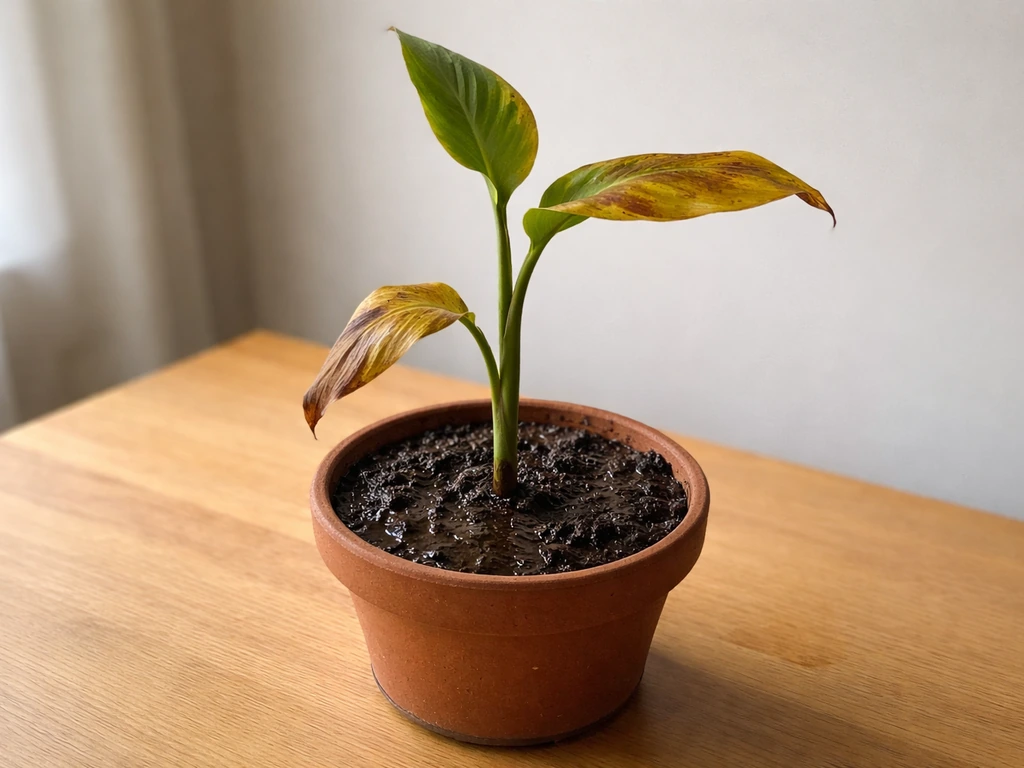
Yellowing leaves usually signal overwatering or poor drainage. If the soil stays wet for days after watering, you either need more perlite in the mix, a pot with better drainage, or you're simply watering too often. Check the roots: mushy or dark-colored roots confirm rot. If caught early, you can unpot, trim the damaged roots and any mushy parts of the rhizome, let the cut surfaces dry for a day, and repot in fresh, well-draining mix. Lower leaves yellowing and dropping on an otherwise healthy plant can also be normal aging, but widespread yellowing is a drainage or watering issue until proven otherwise.
Spider mites and aphids
In controlled indoor environments, spider mites and aphids are the pests most likely to show up on cannas. Spider mites can appear year-round indoors, while aphids are more common in early spring. Both can discolor leaves and stunt growth if left unchecked. Check the undersides of leaves regularly, where both pests congregate. For spider mites, a spray of water to knock them off followed by insecticidal soap or neem oil works well, and increasing humidity helps deter them. For aphids, the same insecticidal soap treatment is effective. Catch infestations early before they get heavy and spread to other plants nearby.
No flowers
A canna that grows well but never blooms is almost certainly not getting enough light. This is the most frequently reported frustration with indoor cannas. If you're relying on natural light, add a grow light. If you already have one, increase the intensity or the daily hours. Seeds-started cannas take 90 to 120 days to flower from sowing, so time also matters if you're starting from seed rather than rhizomes.
Slow or stalled growth
If the plant just sits there not doing much, check temperature first. Cannas slow down dramatically below about 60°F and essentially stop growing in cooler conditions. Move the pot to a warmer spot, away from cold windows or floors. Also check if it's time to fertilize: a nutrient-depleted potting mix will limit growth noticeably.
Your indoor canna success checklist
Use this before you start and again once your canna is established to make sure you've covered the main bases:
- Choose a compact or dwarf canna variety for indoor use, not a standard 5 to 6 foot garden type.
- Use a pot of at least 5 gallons with drainage holes, and fill it with a well-draining potting mix amended with perlite.
- Plant the rhizome 3 to 4 inches deep with eyes facing up, in a warm spot (soil temperature above 50°F).
- Place in your brightest south-facing window, or set up a full-spectrum LED grow light running 14 to 16 hours per day.
- Keep indoor temperatures between 65 and 95°F during active growth and away from cold drafts.
- Water thoroughly when the top inch of soil is dry, and always let excess drain out fully.
- Feed every 2 to 3 weeks with a balanced or bloom-boosting liquid fertilizer during active growth; stop feeding in winter.
- Check the undersides of leaves every week or two for spider mites and aphids.
- If storing rhizomes over winter (not actively growing), keep them at 40 to 55°F in a cool, dark, slightly humid spot, and never let them freeze.
- If the plant is leggy, not blooming, or stalling: suspect light first, then temperature, then watering issues, in that order.
Cannas are not as easy indoors as something like a philodendron or calathea, which are naturally adapted to lower-light environments. Can calibrachoa also grow indoors, or does it need full sun outdoors to bloom reliably canna plants. But they're also not impossible. The growers who succeed with indoor cannas are almost always the ones who take the light requirement seriously from day one rather than hoping a windowsill will be enough. Get that part right, match it with a well-draining pot and warm temperatures, and you've solved the hardest parts of the puzzle.
FAQ
Can canna plants grow indoors without a grow light if I have only one bright window?
Sometimes, but expect alive-only results rather than reliable flowering. If you do not get truly intense, hours-long direct light, your plant will likely become leggy and may never bloom. A practical compromise is to run supplemental lighting during late fall through winter, even if the summer window is strong enough.
What grow light type should I buy for indoor cannas, and how do I know it is strong enough?
Choose a full-spectrum LED designed for flowering or fruiting, not a weak “starter” light. If the fixture lists PPFD or DLI, use those numbers to size the light for your canopy area. As a rule of thumb, keep the light close enough to avoid dim output, then adjust height so leaves stay firm and growth is compact.
How many hours per day should indoor cannas receive light?
Plan on 14 to 16 hours daily under grow lights for active growth. If you are mixing window light with a lamp, extend the total hours to stay consistent, especially in winter when natural intensity drops even if daylight hours increase.
Should I rotate my indoor canna pot to prevent it from leaning?
Yes, rotate it every 1 to 2 weeks. Indoor light typically comes from one direction, so rotation helps keep stems from bending toward the brightest side and supports more even leaf spacing.
Can I grow cannas indoors from store-bought rhizomes, and how deep should I plant them?
Yes, rhizomes will work indoors. Plant them about 3 to 4 inches deep with the growing eyes up. Start in warm conditions, since cold root zones slow establishment and increase the chance of rot in overly wet mix.
Do indoor cannas need a dormancy period, or will they keep growing year-round?
They can keep growing year-round if you provide steady warmth and strong light. If you reduce light and allow cooler temperatures, the plant may slow or partially rest, and you should reduce watering and feeding to match the slower metabolism.
If I want blooms indoors, should I use dwarf varieties even with a grow light?
Dwarf or container types are strongly recommended for easier indoor management, but blooms depend more on light than size. Standard cannas can bloom indoors with enough intense light, yet taller varieties often demand larger pots and better vertical space.
What is the smallest pot size that still works indoors, and should I expect to repot quickly?
A 5-gallon pot is a workable minimum, but many indoor setups benefit from 7 to 10 gallons to reduce how often you repot. Indoor growth can be fast under strong light and heat, so check root fill and slow drainage after 3 to 6 months, not just at the end of the season.
How do I water indoor cannas correctly if the soil dries at different speeds?
Check the top inch or two daily during active growth, then water thoroughly until excess drains out. Do not rely on a fixed schedule, because grow lights, pot size, and air temperature can change drying speed by the day. Always empty standing water from the saucer to prevent chronic sogginess.
Why are my indoor canna leaves yellowing, and how can I tell if it is rot?
Yellowing often points to overly wet conditions or poor drainage, especially if soil stays damp for days. If you remove the plant and see mushy, dark, or foul-smelling roots, treat it as rot: trim affected tissue, let cuts dry briefly, then repot into fresh, well-draining mix.
What temperature should I keep indoors so my canna actually grows?
Aim for at least about 60°F (15 to 16°C) for meaningful growth, and avoid cold drafts near windows or floors. If your room dips overnight or the pot sits on a cold surface, growth can stall even when daytime temperature seems fine.
How often should I fertilize indoor cannas, and what if I see leaf burn?
During active growth, fertilize every 2 to 3 weeks with a balanced liquid fertilizer, and use a bloom-leaning formula once established. If you see scorched leaf edges or rapid browning, flush the pot with water to remove excess salts and reduce fertilizer strength next time.
Are spider mites and aphids the only indoor pests I should watch for?
They are the most common, but also monitor for fungus gnats (from consistently wet soil) and mealybugs (often hidden in leaf axils). If you see tiny flying gnats, let the top layer dry more between waterings and consider sticky traps to break the breeding cycle.
My canna grows spindly and drops leaves, what should I change first?
Treat it as a light problem first. Increase light intensity or daily light hours, move the plant closer to the grow light, and correct any light direction imbalance by rotating the pot. Only after light is corrected should you adjust fertilizer, since excess nitrogen can worsen lanky growth.
Can I keep a decorative outer pot, and will it still work for drainage?
Yes, as long as the plant sits in a nursery pot with drainage holes. The decorative container can be used as a cachepot, but you must remove or empty the saucer so water does not remain trapped at the roots after watering.
Can cannas be grown indoors from seed, and does that change care?
Yes, but it significantly changes the timeline. Seed-grown plants take much longer to flower, commonly several months, and they still require strong light and warmth once established. Start seedlings under appropriate lighting so they do not become leggy before transplanting.