Yes, colocasia can grow indoors, and it can look absolutely spectacular doing it. But it needs more than a bright windowsill and good intentions. To keep one thriving year-round inside, you need strong indirect light, consistently warm temperatures above 60°F, high humidity, a well-draining mix, and a watering routine that avoids both soggy soil and full dry-out. Get those conditions right, and you'll have big, dramatic foliage that stops people in their tracks. If you're also curious about other tropicals, you may be wondering: can calathea grow indoors? Miss a few of them, and you'll be troubleshooting yellowing leaves and rot within weeks.
Can Colocasia Grow Indoors? Setup, Care, and Troubleshooting
James Hartwell
29 May 2026
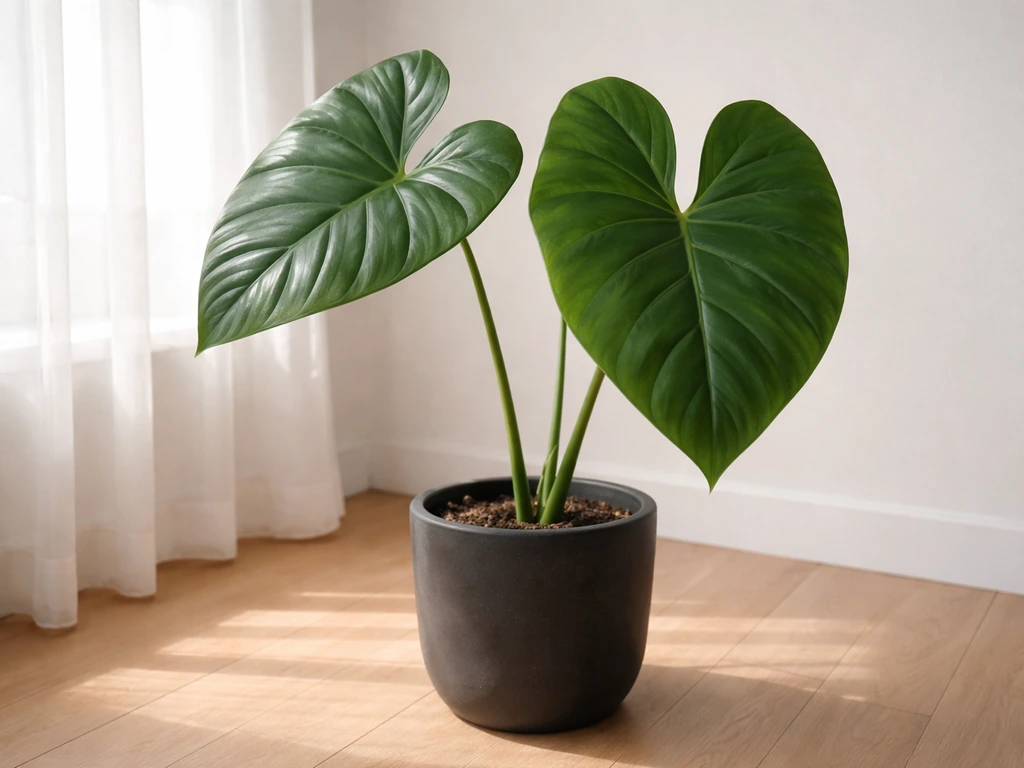
What you're actually growing: colocasia as a houseplant
Colocasia esculenta, sold as taro, elephant ear, dasheen, or coco yam, is a tropical plant that grows from a corm and pushes out oversized, heart-shaped leaves on thick stalks. Popular indoor cultivars include 'Black Magic' (near-black foliage), 'Illustris' (dark leaves with green veining), 'Coffee Cups' (cupped leaves that collect water), and 'Mojito' (speckled in green and black).
KINCHO园芸 also lists common houseplant “elephant ear” Colocasia cultivars such as ‘Black Magic’, ‘Illustris’, ‘Coffee Cups’, and ‘Mojito’ Popular indoor cultivars include 'Black Magic'.
These are all the same species with different leaf looks, and they share identical care needs indoors. The plant is genuinely tropical, which is the core fact that shapes everything else about keeping it inside. Can calibrachoa grow indoors? With the right light and care, it can be a great indoor plant too.
Light and placement: more than you might expect
Colocasia wants a lot of light for an indoor plant. Production guides put it at 1,500 to 3,500 foot-candles for established plants, and some growers push it to 5,500 to 7,500 foot-candles in ideal commercial conditions. For a home setup, that translates to your brightest spot, ideally within a few feet of a large south- or east-facing window. Bright, overhead indirect light is the sweet spot.
Direct sun is tolerable but has a ceiling: aim for no more than about four hours of direct sun per day, and if you're moving a plant from a low-light spot to a sunny one, do it gradually over a couple of weeks to avoid bleaching or scorch on the leaves. One thing to watch for is dramatic phototropism. If the plant is too far from its light source, it will lean aggressively toward the window, sometimes tilting the whole pot. That's the plant telling you it needs to move closer, not that you should rotate it endlessly.
If natural light is limited, especially in winter or in a north-facing apartment, a full-spectrum grow light positioned close overhead can genuinely save the plant. Colocasia will slow down and sulk in dim conditions rather than crash immediately, but consistent low light leads to weak, small leaves and eventually real decline.
Pot, soil, and drainage: the setup that prevents rot
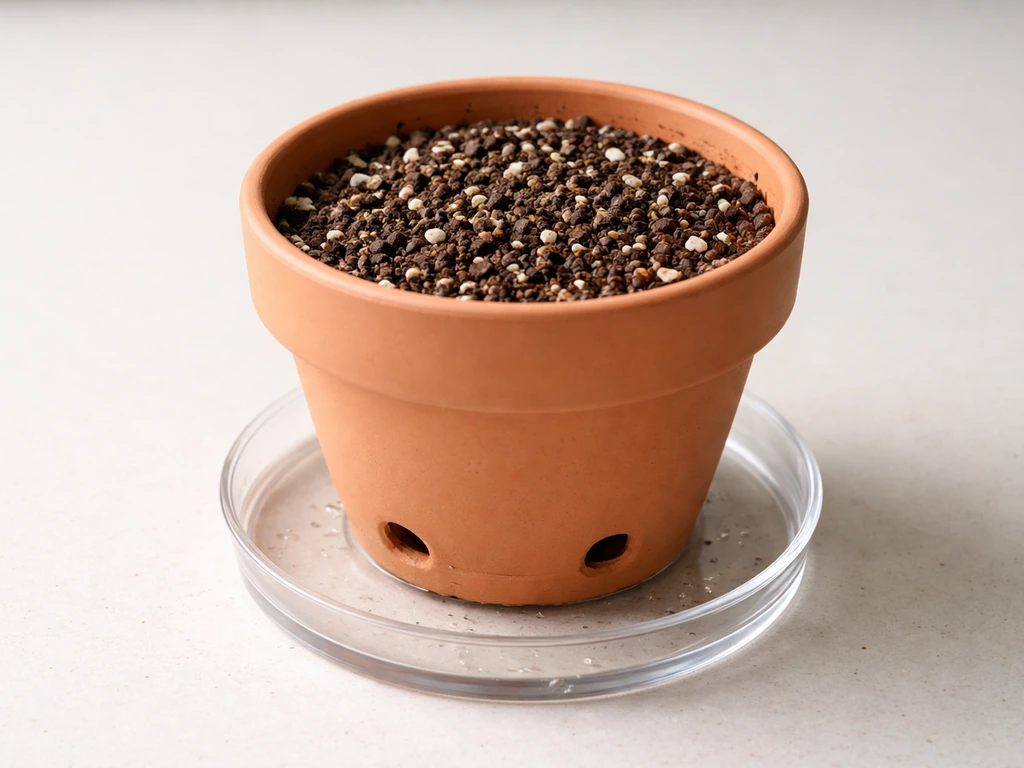
Pot size matters more than people expect with colocasia. Recommended sizes run from 5 inches for smaller plants up to 14 inches for large established specimens. The goal is a pot that fits the root mass without leaving too much empty, waterlogged soil around it. Go too big and the excess wet soil around the roots becomes a rot risk. Go too small and the plant will dry out too fast and become root-bound.
Always use a pot with drainage holes. Non-negotiable. Colocasia can grow as a bog or water garden plant outdoors, so you might think waterlogging indoors is fine, but in an enclosed pot with no oxygen movement through the soil, standing water breeds root rot fast. A saucer is fine for catching drips, but don't let it sit in pooled water.
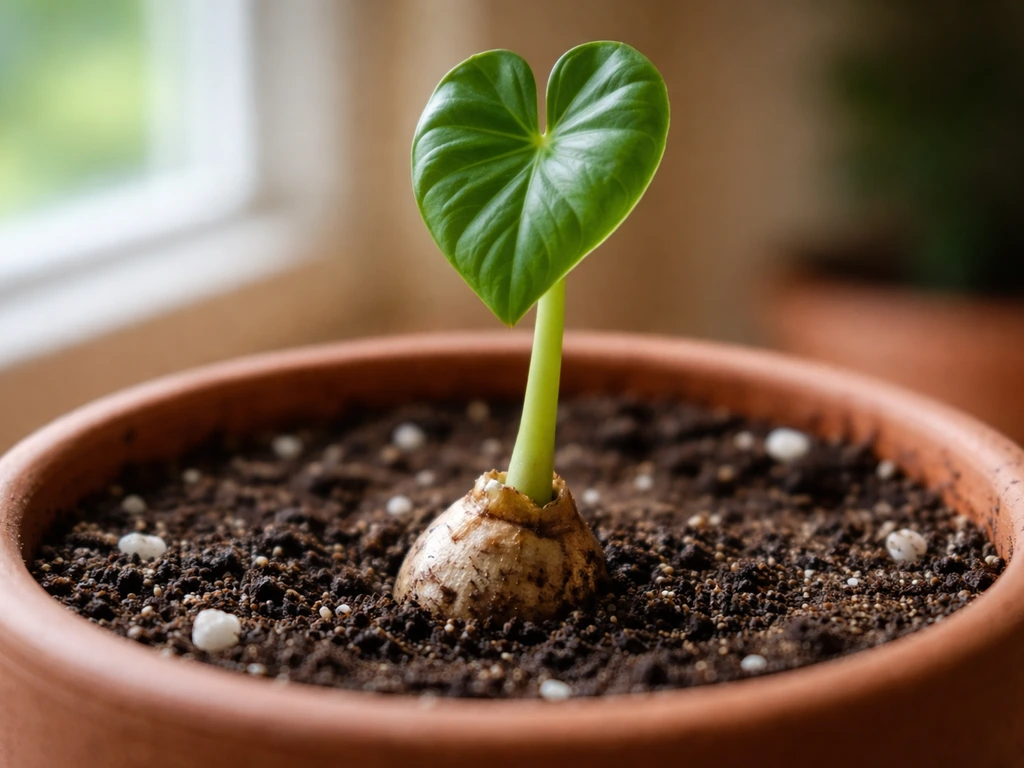
For the mix itself, a peat-based or coconut coir-based potting mix that drains well is the standard approach used by commercial growers. At home, I use a good houseplant potting mix or multipurpose compost and mix in a healthy amount of perlite, maybe 20 to 30% by volume, to keep things airy. For larger specimens, adding horticultural grit improves drainage further. The mix should feel loose and open, not dense and heavy. If you're planting a corm, bury it about 4 cm (roughly 2 inches) deep and water thoroughly to settle the soil around it.
Watering and humidity: the balance that keeps growth vigorous
Over-watering is the single most common way to kill a colocasia indoors. The practical rule is to let the top third of the soil dry out between waterings during active growth. In a 6-inch pot, that's roughly the top 2 inches. In a larger pot, that's more. A simpler check: stick your finger into the top 2 to 3 cm of soil, and if it still feels moist, wait. When you do water, water thoroughly until it runs from the drainage holes, then let it dry down again.
In autumn and winter, reduce watering further. The plant slows down, the soil takes longer to dry, and that's exactly when rot tends to sneak in. The corm is vulnerable to sitting in cold, wet soil for weeks. Colocasia is somewhat tolerant of brief dryness, which is a bit reassuring, but it definitely doesn't want to stay bone dry for long either. Even moisture with proper dry-down intervals is the target.
Humidity is genuinely important here. Commercial production targets 60 to 70% relative humidity. Most homes sit at 40 to 50%, which is low enough to cause crispy leaf edges and increase spider mite risk. If you notice browning tips, low humidity is usually the first thing to check. A humidifier nearby is the most effective fix. Grouping plants together, sitting the pot on a pebble tray with water, or placing it in a naturally humid room like a bathroom with good light are also options. Misting the leaves gives a very brief, superficial boost and isn't reliable on its own.
Temperature, drafts, and what to expect through the seasons
Colocasia is cold-sensitive. The absolute minimum to keep it alive is around 50°F (10°C), but to keep it in active growth indoors through winter, you want temperatures consistently above 60°F (about 16°C). Most homes stay in that range easily, which is one reason it can work as a year-round indoor plant when light is adequate.
What catches people off guard is drafts. An air conditioning vent blowing directly on the plant, a cold window draft in winter, or a spot near a frequently opened exterior door can stress the plant even if the ambient room temperature seems fine. Cold drafts cause the same kind of browning and wilting you'd expect from actual cold damage. Keep it away from vents, open windows in cold weather, and exterior doors.
If you maintain temperatures above 59 to 61°F, colocasia tends to stay more or less evergreen indoors, with some natural foliage die-back and slowed growth in autumn and winter, then a noticeable push of new leaves in spring as light improves. If temperatures drop below that range (say, in a cool sunroom or basement), the plant may go dormant: foliage dies back, growth stops, and the corm essentially rests. This is survivable and even expected. Logee's recommends wintering colocasia in a basement until spring works if some roots and a little foliage remain. Think of it as the plant pressing pause, not dying.
Feeding schedule and what growth to expect
Colocasia is a vigorous feeder when conditions are right. During spring and summer, feed with a balanced liquid houseplant fertilizer every four waterings. Pre-water the soil lightly before applying fertilizer to reduce the risk of root burn from salt buildup, which colocasia is notably sensitive to. During colder months, reduce feeding to every six waterings or stop entirely if the plant is dormant or barely growing. Pushing fertilizer onto a slow or dormant plant just salts the soil with no benefit.
A slow-release balanced fertilizer applied at the start of the growing season (around early spring) works well as a base, with liquid top-ups every two weeks during peak summer growth. Commercial targets run around 150 to 200 ppm nitrogen for production, but at home, a standard balanced houseplant fertilizer at the label rate or slightly below keeps things simple and safe.
Indoors, a well-grown colocasia will produce large, dramatic leaves on thick petioles, though leaves will typically be somewhat smaller than those on an outdoor plant in full tropical conditions. A healthy indoor plant in a 10- to 12-inch pot with good light can push leaves 12 to 24 inches wide. Growth slows considerably in winter and accelerates noticeably from late spring onward.
Troubleshooting common indoor problems
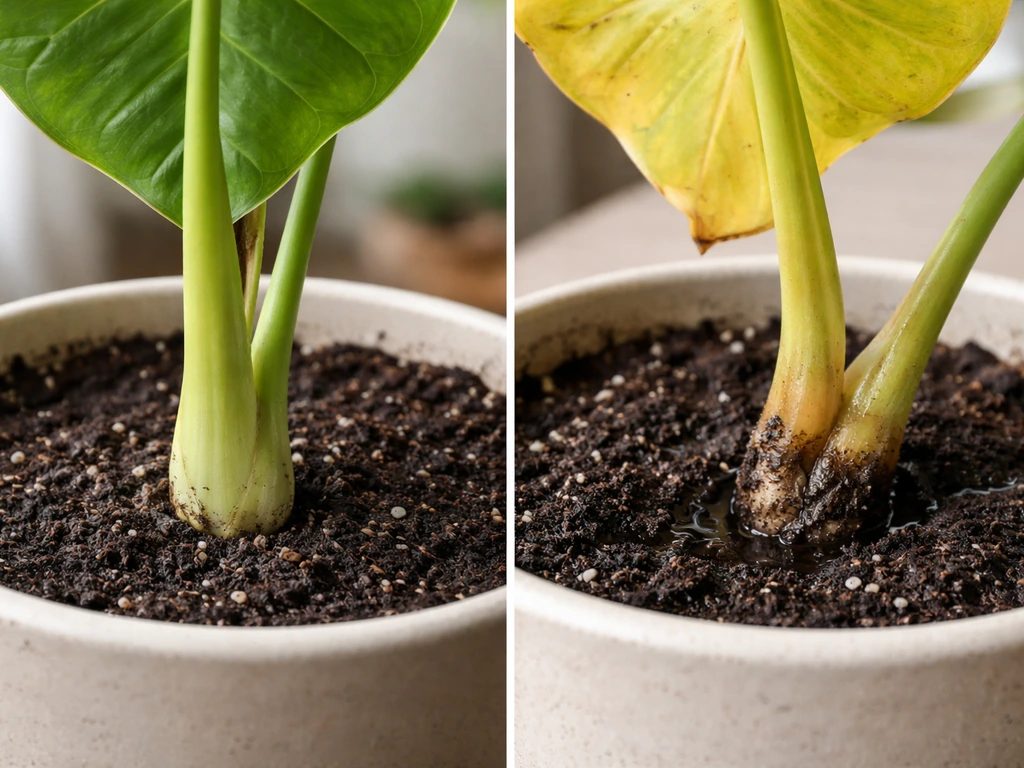
Most problems with indoor colocasia trace back to a handful of root causes. Here's how to diagnose and fix the most common ones:
| Symptom | Most Likely Cause | Fix |
|---|---|---|
| Yellow older/lower leaves with mushy base | Over-watering / root rot | Let soil dry more between waterings; check for rot and repot with fresh mix if needed |
| Yellow leaves all over, no mushy base | Under-watering, pot-bound, or too much direct sun | Check soil moisture, pot size, and light exposure |
| Brown, crispy leaf edges or tips | Low humidity or cold drafts | Add a humidifier; move away from vents and cold windows |
| Leaves wilting or drooping | Under-watering or root rot (check soil to distinguish) | Water if dry; reduce watering and check roots if soil is wet |
| Slow growth, small pale leaves | Insufficient light or low temperature | Move to brighter spot or add grow light; ensure temps above 60°F |
| Plant leaning dramatically toward window | Not enough light from above; phototropism | Move plant closer to light source |
| White cottony clusters or sticky residue on leaves | Mealybugs or scale | Wipe off manually, apply insecticidal soap or neem oil, repeat weekly |
| Fine webbing under leaves, stippled foliage | Spider mites (common in dry indoor air) | Increase humidity, rinse leaves with water, treat with neem oil or miticide |
| Mouldy soil surface or foul-smelling mix | Overwatering, poor drainage, fungal rot (Fusarium or leaf spot) | Improve drainage, reduce watering, remove affected soil, treat with fungicide if needed |
Spider mites deserve a specific callout because colocasia is highly susceptible to them when indoor air is dry. If you're keeping humidity up, you're also actively preventing your biggest pest problem. It's one of those cases where fixing one issue prevents another.
Long-term care: dormancy, repotting, and going back outside
Repot colocasia roughly every three years, or sooner if roots are circling the bottom of the pot or pushing out of drainage holes. Use fresh houseplant potting mix or multipurpose compost with perlite, adding grit for large containers. Spring is the best time to repot, right as new growth is beginning. Move up one pot size at a time rather than jumping to a much larger container.
If your plant goes dormant in winter because temperatures dropped or light got too low, don't panic and don't overwater a dormant corm. Reduce watering significantly, keep it somewhere cool but frost-free (above 50°F), and wait for spring. Once temperatures and light levels improve, new growth will emerge. You can also keep the corm stored dry in a breathable bag or box of barely-moist peat if you want to take it fully out of the pot over winter.
If you have outdoor space, moving colocasia outside for the warmer months is genuinely worth doing. A sheltered, partly shaded patio or deck spot after the last frost date transforms the plant's growth rate. Leaves get dramatically bigger, and the plant builds a stronger corm for the following year. Just acclimate it gradually to outdoor conditions (especially sun) over one to two weeks to avoid scorching, and bring it back inside well before overnight temperatures drop below 50°F in autumn.
If you enjoy big-leafed tropical plants indoors, it's worth knowing that colocasia shares some care overlap with plants like calathea and philodendron in terms of the warmth and humidity they need, though colocasia tends to be more light-hungry than either. Getting comfortable with one tropical plant's needs makes managing the next one a lot easier.
FAQ
Can colocasia stay evergreen indoors year-round?
Yes, but winter is the risky window. If your indoor temps stay above about 60°F and you keep strong light (or a grow light), it can remain evergreen, with slower growth. If nights cool down or light drops for weeks, it will more likely go dormant, and you should reduce watering accordingly rather than trying to force continuous leaf growth.
How do I tell if my indoor colocasia needs water or is getting root rot?
The fastest way to check is to feel the soil. Wait until the top third is dry during active growth, then water thoroughly until it drains. If you see wilting plus wet soil, that usually points to rot or root stress, not thirst, and you should stop watering and improve drainage immediately.
What pot size should I choose when my colocasia outgrows its current container?
A 2 to 4 inch pot jump is safer than going very large. Too much extra wet mix around the corm increases rot risk because the plant cannot use the water quickly. If you are between pot sizes, pick the smaller one and refresh the mix rather than oversizing.
How deep should I plant the colocasia corm indoors?
With corm planting, burying too shallow or letting it sit exposed can dry it out and stunt growth, while burying too deep slows emergence and can keep the corm cold and wet. Aim for about 2 inches (4 cm) deep, then water thoroughly to settle the mix.
Should I rotate my indoor colocasia to keep it from leaning toward the window?
Rotate occasionally if you notice the plant leaning, but use the light instead of constant turning. Colocasia shows phototropism, so the best fix is moving it closer to the light source. Rotating daily can cause repeated stress, especially with drafts.
Will misting my colocasia leaves solve the humidity problem?
Misting rarely fixes humidity because the effect fades quickly. For meaningful improvement, use a humidifier nearby (not blowing air at the leaves), or place the plant in a naturally humid spot like a bright bathroom. If you do use a pebble tray, keep the pot above the water line so the soil does not stay wet.
What indoor conditions besides temperature can cause leaf browning in colocasia?
Aim to keep it away from AC vents, cold window glass, and door drafts. Even if the room thermostat reads warm, localized cold airflow can cause leaf browning and droop that looks like under-watering.
Can I grow colocasia indoors using only grow lights?
Yes, but growth will slow or fail if the light is weak. A full-spectrum grow light works best when positioned close overhead, giving consistent brightness. Expect smaller leaves at first, but if the new leaves continue to emerge over a few months, you are on track.
What should I do with watering if my colocasia goes dormant indoors?
If it goes dormant, watering should become infrequent because the corm is not actively using water. Keep it frost-free above 50°F, reduce to just enough to prevent the mix from staying wet, and wait for spring conditions to improve before resuming the normal dry-down cycle.
How should I adjust fertilizer indoors during winter?
Start feeding in spring once you see active growth, and pause or reduce significantly during slow winter conditions. Also pre-water before fertilizer to avoid root burn from salts, and do not increase fertilizer frequency to compensate for low light.
When is the best time to repot indoor colocasia, and how often is too often?
Repotting too often can stress the plant, but delaying too long can lead to rot because the potting mix breaks down and stays wet longer. A practical schedule is repotting around every three years, or sooner if roots circle, lift the plant, or push out of drainage holes.
What’s the best way to prevent spider mites on indoor colocasia?
Spider mites are a common indoor issue when air is dry. Your first step is to increase humidity and inspect leaf undersides, especially on stressed plants. If you wait until leaves are heavily damaged, you will usually need a more intensive treatment than just correcting humidity.