
Dawn redwood can survive indoors short-term, but it cannot truly thrive there long-term without a very deliberate setup. This is a tree that wants full sun outdoors, hits 70-plus feet at maturity, and needs a genuine cold dormancy every winter. You can keep a young one in a pot and manage it like an oversized bonsai, but you need to be honest with yourself: without at least 6 hours of strong direct light, a cool rest period in winter, and some time outside during the growing season, it will slowly decline. That said, if you have the right conditions or are willing to build them, here is exactly how to do it.
Can Dawn Redwood Grow Indoors? Indoor Care Plan and Steps
James Hartwell
21 May 2026
Survival vs. actually thriving: what "success" looks like
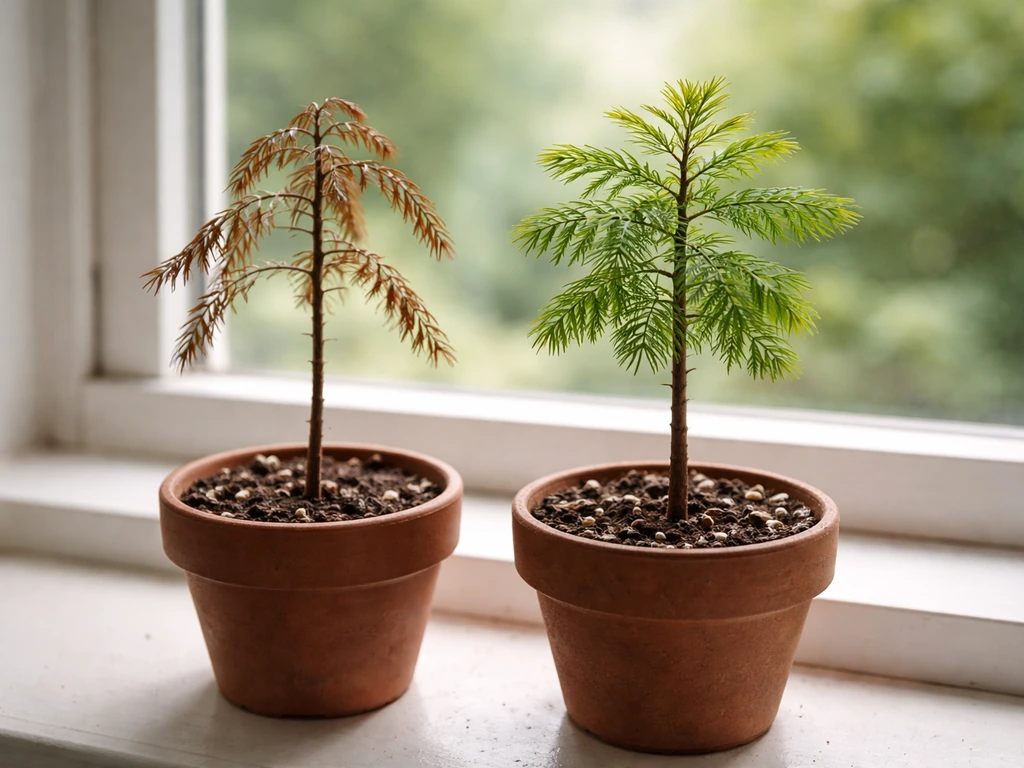
There is a real difference between a dawn redwood that is clinging to life on a windowsill and one that is genuinely putting on healthy growth. A small or young tree can survive indoors for a season or two if you nail the light and dormancy. But "thriving" indoors, the way you would see it thrive in a yard, is not realistic. Expect slower growth, smaller needles, and a tree that looks more like a managed bonsai than a vigorous young conifer. That is not failure, it is just the honest ceiling of indoor culture for this species. If your goal is to experience dawn redwood up close in a limited space, a potted indoor-to-outdoor approach can be genuinely rewarding. If you want a fast-growing impressive conifer, it belongs outside.
Light requirements and the grow-light setup you will need
Dawn redwood is a full-sun tree, full stop. Virginia Tech, UF/IFAS, and OSU Extension all classify it as requiring full sun, which means at least 6 hours of direct sunlight on most days. That is a lot to replicate indoors. Most windows, even south-facing ones, give you maybe 2 to 4 hours of true direct sun in winter, and the intensity drops dramatically compared to outdoor conditions. If you are relying on a windowsill alone, the tree will almost certainly become leggy, lose density, and start looking stressed within a few months.
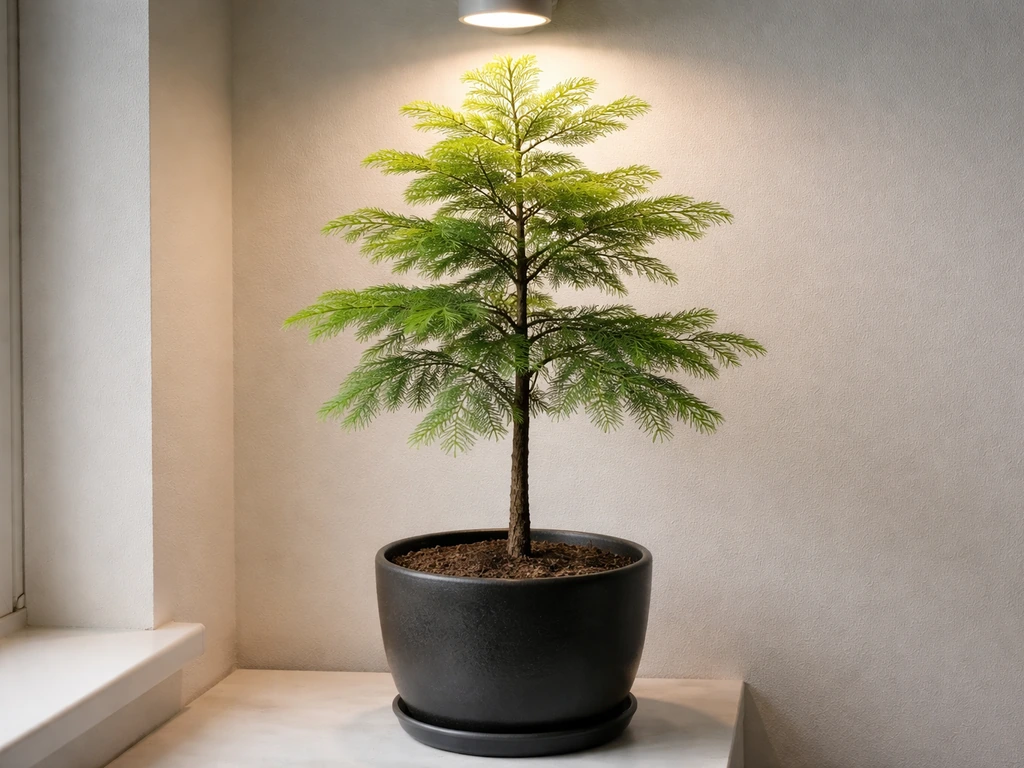
If you are serious about growing this tree indoors during the active season, you need a supplemental grow light. Go with a full-spectrum LED panel rated at 2000 to 4000 lumens or higher, positioned about 12 to 18 inches above the foliage. Run it for 14 to 16 hours per day during spring and summer to simulate long outdoor days. Combine that with whatever natural light you can give it, ideally a south or west-facing window with unobstructed glass. Even with a good grow light, match that with actual outdoor time on a balcony or patio whenever temperatures allow, because real sunlight is still the gold standard for this species.
Temperature, humidity, and the dormancy problem you cannot skip
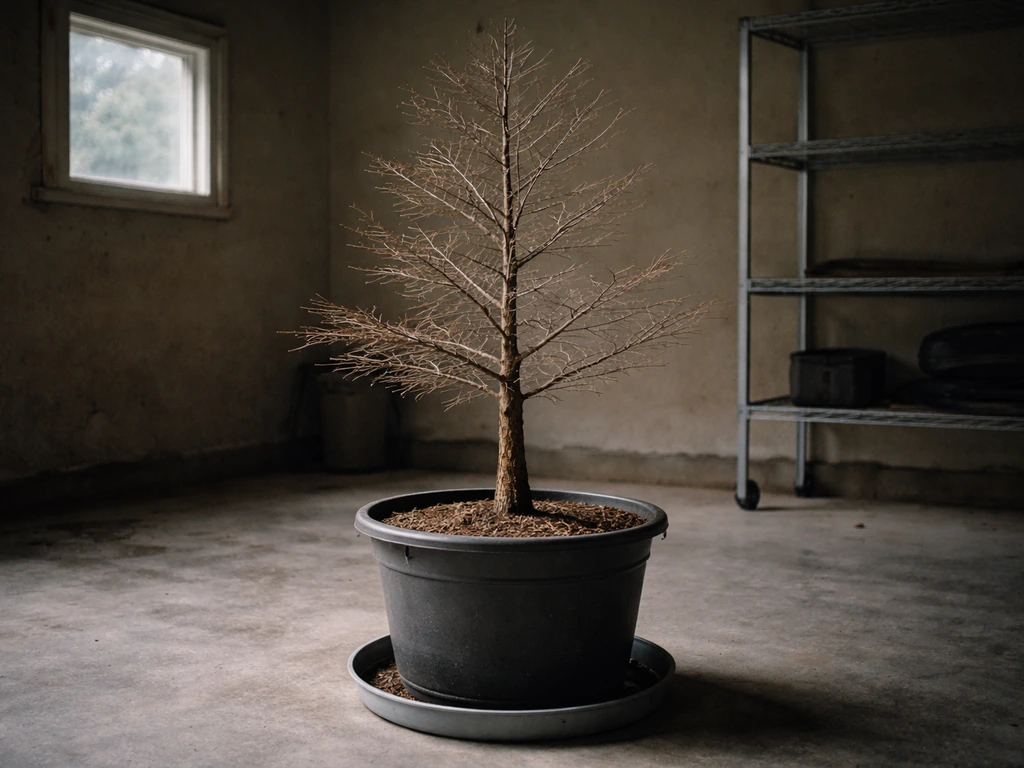
This is the make-or-break issue for indoor dawn redwood. The tree is deciduous, which surprises people who think of it as a conifer, and it genuinely needs a dormancy period in late fall and winter. That means cool temperatures, reduced light, and a rest from active growth. If you keep it in a warm, well-lit living room year-round, you are essentially forcing it to stay awake when its biology is telling it to sleep. Over time, this weakens the tree and shortens its life in the pot.
The practical solution is to move the tree to an unheated garage, cold porch, or unheated greenhouse from roughly November through February, where temperatures stay between 25 and 45 degrees Fahrenheit. It will drop its needles (this is normal and not a sign of death) and go dormant. Reduce watering significantly during this period but do not let the root ball dry out completely. An unheated garage that stays above hard-freezing is the easiest solution for most apartment dwellers or people without outdoor space. Bring it back inside or to a bright outdoor spot once nighttime temps reliably stay above freezing in late winter or early spring.
For humidity, dawn redwood prefers moderate to higher levels, somewhere in the 50 to 60 percent range during active growth. Indoor heating in winter typically pushes humidity down to 20 to 30 percent, which stresses the tree even when it is dormant. If you are running it indoors during the growing season, a small humidifier nearby or a pebble tray with water under the pot helps. Good airflow matters too. Stagnant air encourages fungal issues, so position a small fan nearby if the room tends to be still.
Container, soil, watering, and feeding in a pot
Picking the right container
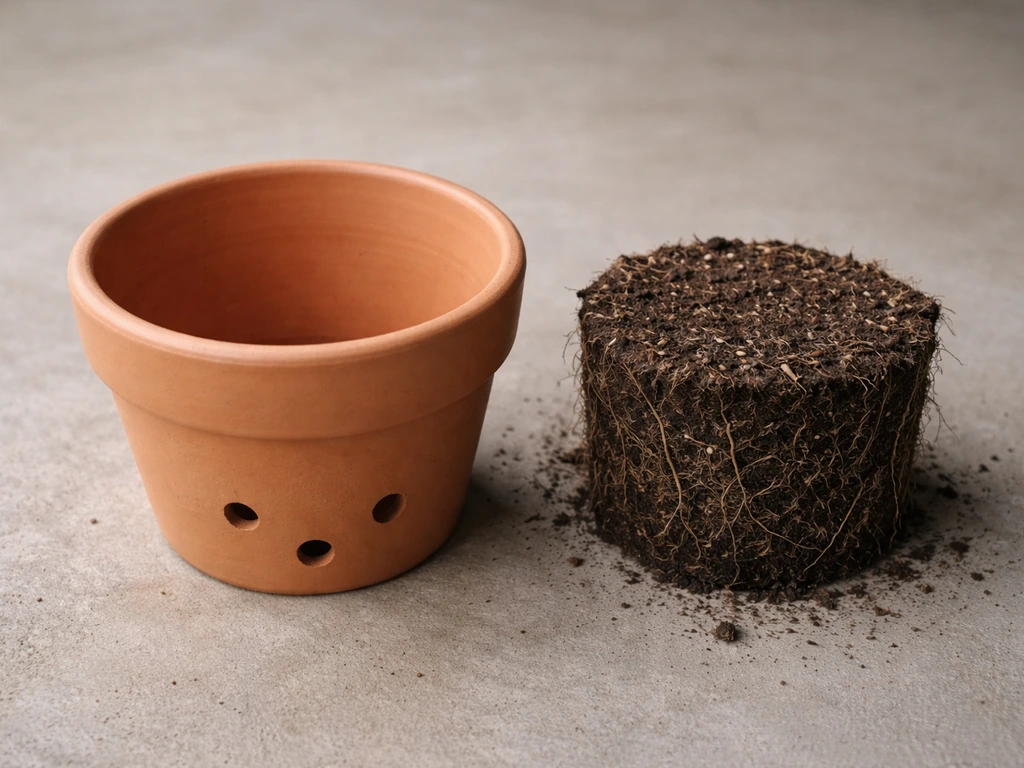
Start with a container that is a bit larger than the root ball but not enormous. A 5- to 10-gallon pot works well for a small tree in its first few indoor years. Go with unglazed terra cotta or a fabric grow bag if you can. Both allow some air pruning of roots and prevent waterlogging better than solid plastic. Drainage holes are non-negotiable. Dawn redwood likes moist soil but hates sitting in water, and root rot in a pot is one of the fastest ways to kill it.
Soil mix
Dawn redwood wants moist, humus-rich, well-drained soil with a slightly acidic pH. A pH of 5.0 to 6.0 is the target. For a potting mix, blend about 60 percent good quality potting soil with 20 percent perlite and 20 percent fine bark or coir. This gives you the moisture retention it likes while preventing the waterlogged, compacted conditions that kill roots in pots. Avoid heavy clay-based mixes or generic garden soil, which compact badly in containers.
Watering
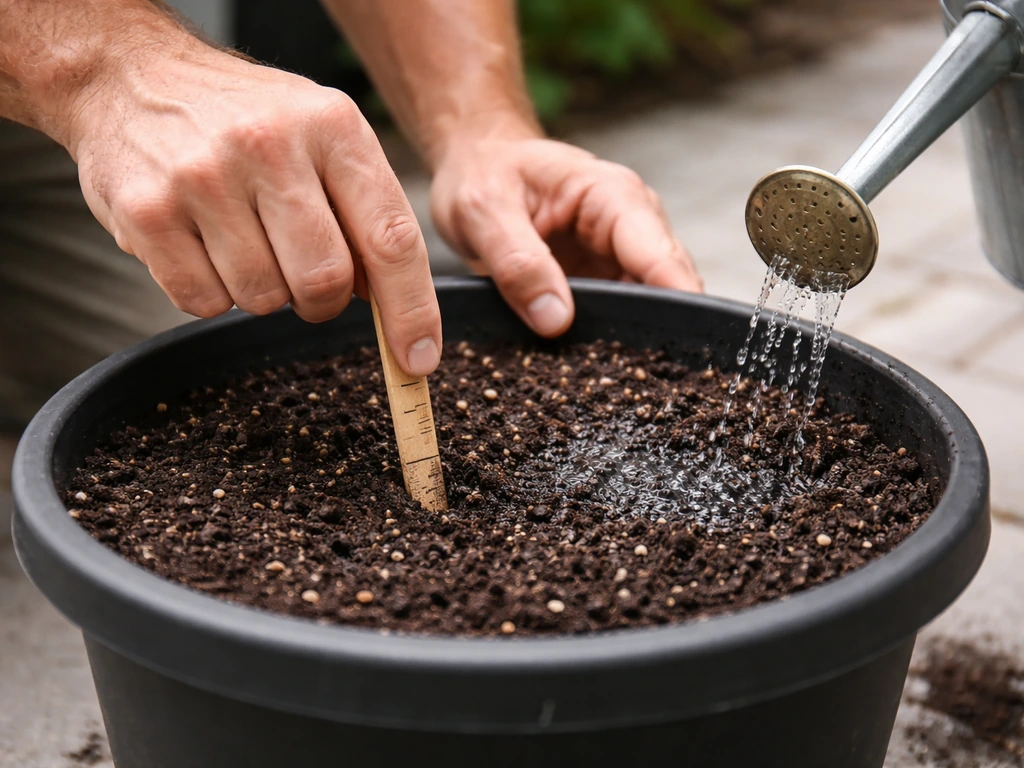
During active growth (spring through early fall), keep the soil consistently moist but not soggy. Water when the top inch of soil feels dry. For a tree in a 10-gallon pot in a bright location, that might be every 3 to 5 days depending on temperature and airflow. During dormancy, cut back significantly. Check the soil every 10 to 14 days and water just enough to keep the root ball from fully drying out. Misting the trunk occasionally during the dormant period also helps if you are storing it somewhere dry.
Fertilizing
Feed with a balanced, slow-release granular fertilizer (something like 10-10-10 or a formula designed for conifers or bonsai) in early spring when growth resumes. One application in spring and a second in midsummer is usually enough. Do not fertilize after late summer or during dormancy. Overfeeding an indoor tree that is already stressed from low light leads to weak, spindly growth that is more susceptible to pests and disease.
Pruning, repotting, and keeping the size manageable
Outdoors, dawn redwood is a fast grower that can add 3 to 5 feet per year. In a pot indoors with limited light, growth slows considerably, which actually works in your favor. Still, you will need to prune regularly if you want to keep it compact and bushy rather than a single tall stem reaching for your ceiling. Prune in early spring before new growth starts, and again lightly in midsummer if needed. Cut back new extension growth by about one-third to encourage branching. Think of it like bonsai maintenance: you are managing shape and size deliberately.
Repot every 2 to 3 years, or when roots start circling the bottom of the pot or emerging from drainage holes. Spring, just before the growing season begins, is the best time. When repotting, trim back overly long or circling roots by up to one-third, refresh the soil mix, and move up one pot size. Do not jump to a dramatically larger pot in one go, that encourages root problems rather than healthy growth. After repotting, keep the tree in lower light for a week or two while it adjusts.
When things go wrong: troubleshooting common indoor problems
| Problem | Likely Cause | Fix |
|---|---|---|
| Leggy, sparse growth | Insufficient light | Add or upgrade grow light; move to brighter window or outdoors |
| Needle drop in fall/early winter | Normal deciduous dormancy | Reduce water, provide cool rest period, do not panic |
| Needle drop in spring/summer | Stress from overwatering, low light, or heat | Check soil moisture, improve light, improve airflow |
| Yellowing needles mid-season | Overwatering or poor drainage | Check roots for rot, adjust watering frequency, improve drainage |
| White webbing or sticky residue on needles | Spider mites or scale insects | Treat with neem oil or insecticidal soap, improve humidity and airflow |
| Soft, dark roots at repotting | Root rot from waterlogging | Trim affected roots, repot in fresh well-draining mix, reduce watering |
| No new growth in spring | Insufficient dormancy or root-bound | Verify it got a proper cold rest; check if repotting is needed |
Spider mites are the pest I see most often on indoor conifers, including dawn redwood. They thrive in warm, dry indoor conditions, which is unfortunately exactly what most homes are in winter. Check the undersides of needles regularly. At the first sign of fine webbing or stippled discoloration, spray with diluted neem oil every 5 to 7 days for three cycles. Increasing humidity around the tree also helps prevent them from establishing in the first place.
The smarter approach: indoor-to-outdoor seasonal cycle (and when to skip indoor growing entirely)
Honestly, the most successful way to grow a dawn redwood in a limited space is not purely indoors. It is a seasonal cycle: outside in a container from late spring through early fall when temperatures are warm and light is abundant, then moved to an unheated garage or cold space for dormancy in winter, and brought back out in spring. This gives the tree what it actually needs biologically while still keeping it in a portable container that you can enjoy up close on a patio or balcony.
If you truly cannot provide any outdoor time, a cool dormancy space, or strong supplemental lighting, then this is one of those cases where the honest answer is to keep the tree outside in the ground or a large outdoor container and enjoy it there. Not every plant is suited to indoor culture, and forcing a full-sun, fast-growing tree like dawn redwood into a dim apartment without a real dormancy period does the tree no favors. Compare that to something like desert rose or dipladenia, which tolerate indoor conditions much more readily because they do not require cold dormancy the way a deciduous conifer does.
What to do starting today, based on your setup
- If it is currently spring or summer (like right now in May 2026): put the tree outside on a patio or balcony in full sun. Let it grow actively outdoors through summer.
- Set up a care routine now: moist, well-draining acidic soil, regular watering, and a single slow-release fertilizer application this spring.
- Plan your dormancy strategy for November: identify your unheated garage, cold porch, or covered outdoor spot where the tree can rest at 25 to 45 degrees Fahrenheit.
- If you must keep it indoors year-round, invest in a 2000-plus lumen full-spectrum LED grow light and position it within 12 to 18 inches of the foliage.
- Prune lightly in spring to encourage branching and keep the height manageable for your space.
- Monitor for spider mites monthly, especially if indoor air is dry and warm.
Dawn redwood is a genuinely remarkable tree with prehistoric roots (it was thought extinct until 1944) and stunning feathery foliage that turns copper-orange in fall. Growing it in a container is absolutely doable, and the indoor-to-outdoor approach can let you enjoy it in a way most people never do. If you are wondering can dipladenia grow indoors, the key is matching light, temperature, and routine care to what it needs Growing it in a container is absolutely doable. Just go in with realistic expectations about light, dormancy, and size management, and you will have a far better experience than if you try to treat it like a houseplant. If you can’t provide a true winter dormancy or enough direct light, consider using the indoor-to-outdoor seasonal cycle described above rather than trying to keep the tree indoors year-round indoor-to-outdoor approach. African daisies generally prefer outdoor conditions, but if you give them strong light indoors and mimic their natural cycle, you can sometimes keep them as a sunny potted plant.
FAQ
What happens if I do not have a truly cold dormancy space for my dawn redwood?
Without a cool rest period, the tree often stays physiologically “awake,” which leads to weak, sparse growth and a gradual decline in a pot. If you cannot keep it cool (roughly 25 to 45°F) from late fall through winter, the best workaround is to keep it outdoors in a container year-round and protect the pot with insulation when nights dip, rather than forcing it to live warm indoors.
Can a south-facing window alone be enough for year-round indoor growth?
Usually not. Even good windows typically provide far less intense direct light than outdoors for most of the winter. If you do not run a supplemental grow light during the dark months, expect leggy growth, smaller needles, and earlier needle drop.
How close should the grow light be, and how do I know it is strong enough?
Place the LED panel about 12 to 18 inches above the foliage, then adjust based on plant response. Signs the light is insufficient include stretching toward the glass, increased spacing between needle clusters, and persistent needle drop. If you see those, move the light closer within safe limits or extend photoperiod, for example toward 16 hours during spring and summer.
Should I water the tree differently during dormancy than during active growth?
Yes. During dormancy, water less often and only enough to prevent the root ball from fully drying out, then check moisture every 10 to 14 days. A common mistake is treating dormancy like “lower light, same watering,” which can trigger root rot when growth is naturally paused.
Is it normal for dawn redwood to drop needles indoors in winter?
Needle drop during the cool rest period is normal because it is deciduous. However, complete collapse is not. If branches are brittle and the soil stays wet for long periods, that points to rot or severe stress, not normal dormancy.
What humidity level is actually helpful, and do I need a humidifier?
Around 50 to 60% during the growing season is a helpful target, especially if your home is dry. You do not always need a humidifier, but a pebble tray can be too localized, so aim for consistent humidity near the tree and pair it with airflow to avoid fungal issues.
How much airflow is “enough” for an indoor dawn redwood?
Use gentle, consistent airflow, not blasts of hot or cold air. A small fan in the room can reduce stagnant conditions, but avoid placing the fan so close that it dries needle tips quickly, which can increase spider mite pressure.
What pot size is best, and can I use a large pot to reduce watering frequency?
Stick to a container only slightly larger than the root ball, for example about 5 to 10 gallons for a young tree. Jumping to a much larger pot keeps soil wet longer and increases the risk of root problems, even if you water less often.
What soil ingredients matter most for potted dawn redwood?
Drainage and pH consistency matter most. A mix with about 60% quality potting soil plus perlite and fine bark or coir helps maintain moisture without compaction. Heavy clay or straight garden soil can turn anaerobic in containers, which is a fast path to root rot.
When should I repot, and how do I prevent transplant shock indoors?
Repot every 2 to 3 years, in spring just before active growth resumes, and do not choose a dramatically larger container. After repotting, keep it in relatively lower light for a week or two so it can re-establish roots before you ramp up light and fertilizer.
How do I prune indoors without making the tree weak?
Prune in early spring before strong new growth, then do only light shaping later if needed. Avoid aggressive cutting during low-light periods, because indoors you already have limited energy for regrowth. If you are training as a bonsai-style specimen, prioritize reducing height and encouraging back-budding rather than repeated heavy cuts.
What spider mite signs should I look for, and is neem oil the best first step?
Check undersides of needles for fine webbing and stippled or “speckled” discoloration. Neem oil can work early, but you must repeat applications on a consistent schedule. Also increase humidity and improve airflow, because mites often rebound if conditions stay warm and dry.
If I can only do some outdoor time, what is the best schedule?
For best results, move the container outdoors when temperatures allow and light is strongest, typically late spring through early fall, then bring it back to a cool, unheated space for dormancy. Even limited outdoor time during the active season can significantly improve density and reduce needle drop compared with indoor-only light.