
You can grow alpine plants indoors, but only if you're willing to replicate the specific conditions they evolved in: intense light, cool temperatures (especially at night), excellent airflow, low humidity, and fast-draining gritty soil. Get those five things right and you'll have a thriving little alpine garden on your windowsill or under grow lights. Get even one of them badly wrong and you'll be fighting rot, collapse, or slow decline within weeks. It's doable for a home gardener, but it asks more of you than most typical houseplants. If you’re specifically wondering can you grow fireweed indoors, focus on matching alpine-style conditions for light, cool nights, airflow, and fast-draining soil.
Can You Grow Alpine Plants Indoors? Conditions and Care
James Hartwell
4 Jun 2026
Which alpine plants can actually handle life indoors
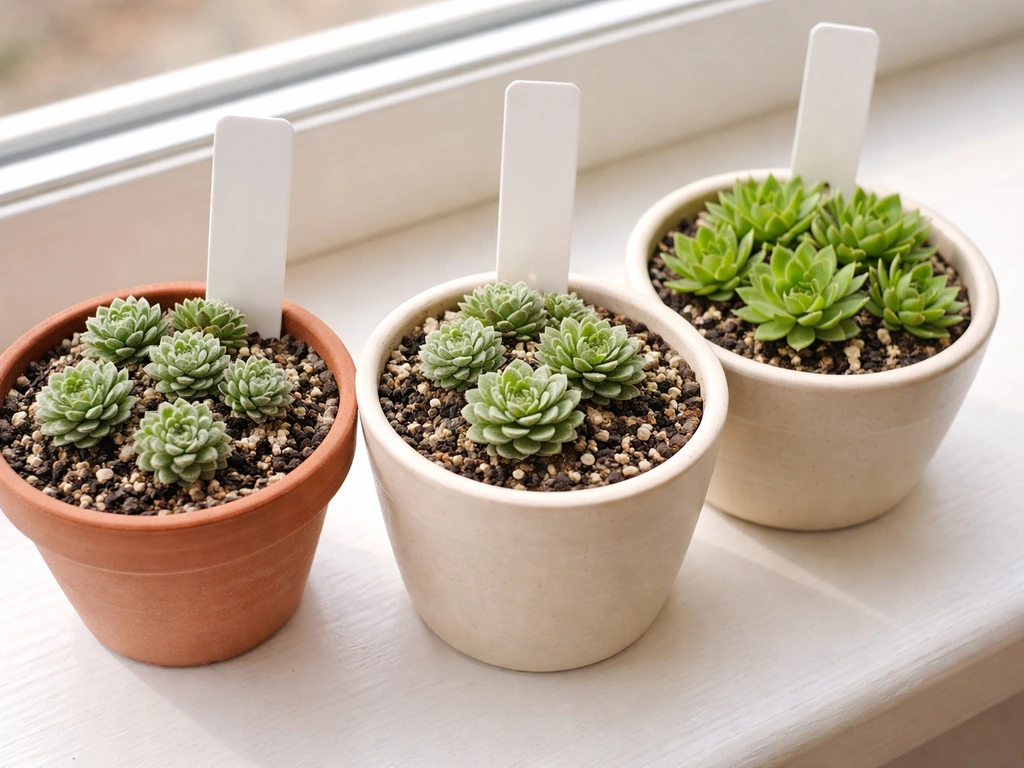
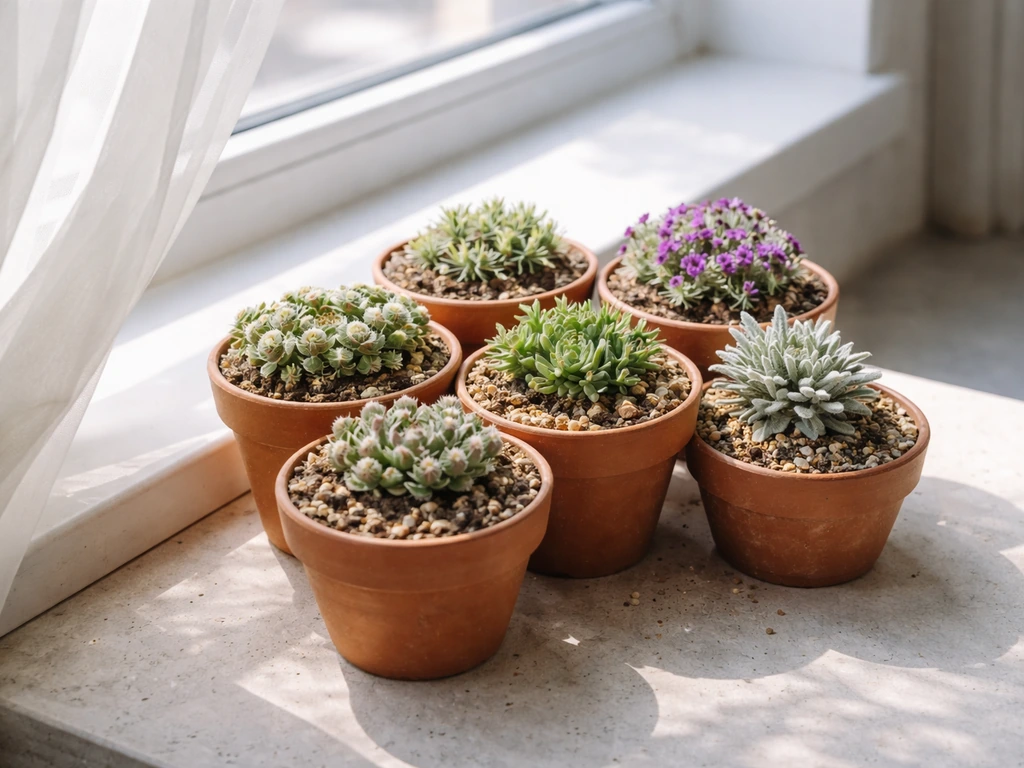
Not every alpine species is equally forgiving in an indoor setup, so it pays to start with ones that give you a little more margin for error. Saxifraga (alpine saxifrage) is genuinely one of the best entry points. It tolerates container life, accepts a gritty mix, and rewards careful watering with compact, attractive growth. Sempervivums and alpine sedums handle the bright, dry indoor conditions well because they're adapted to low rainfall and rocky substrates.
Androsace and dwarf Dianthus species are also strong candidates: compact, light-hungry, and tolerant of cool rooms. On the harder end, Gentiana (gentian) needs very precise cold stratification to germinate (typically 60 to 90 days at near-freezing temperatures) and demands more discipline once established. Lewisia is gorgeous but punishes overwatering without mercy. If you're just starting out, lead with Saxifraga or Sempervivum, get your setup dialed in, and graduate to Gentiana or Lewisia once you've built some confidence.
| Plant | Indoor Difficulty | Key Need | Main Risk |
|---|---|---|---|
| Saxifraga (alpine saxifrage) | Easy-Moderate | Gritty soil, cool nights | Root rot if overwatered |
| Sempervivum | Easy | Intense light, dry soil | Etiolation in low light |
| Alpine Sedum | Easy | Bright light, good drainage | Etiolation, overwatering |
| Dwarf Dianthus | Moderate | Airflow, cool temps | Humidity and fungal issues |
| Androsace | Moderate | Intense light, lean soil | Root rot, poor airflow |
| Lewisia | Moderate-Hard | Perfect drainage, cool roots | Crown rot from any moisture |
| Gentiana | Hard | Cold stratification, precise care | Germination failure, rot |
Light requirements and how to mimic alpine sun indoors
This is where most indoor alpine attempts fall apart. In the wild, alpine plants sit at elevation with thin atmosphere above them, meaning they get brutally intense, unfiltered sunlight for most of the day. A typical north or east-facing windowsill simply cannot replicate that. If you have a south-facing window (or west-facing in a pinch) and you're in the Northern Hemisphere, that's your best natural option. Place plants as close to the glass as possible without letting leaves actually touch it in summer heat.
Honestly though, grow lights are the more reliable solution for most home setups. A full-spectrum LED grow light running 14 to 16 hours a day gives alpine plants far more of what they need than a window alone. Position the light 6 to 12 inches above the plants. If you notice plants stretching toward the light or becoming leggy, the light is too far away or the duration too short. I run mine on a timer: 15 hours on, 9 hours off. That mirrors a long mountain summer day and keeps compact growth.
One thing worth keeping in mind: stronger light means the soil dries faster, so you'll need to water a bit more frequently in a bright, well-lit setup than you would in a dim corner. That relationship between light intensity and water use is something you need to track consciously with alpines, because the soil should dry quickly but not stay bone dry for days on end.
Temperature, ventilation, and humidity targets
Alpine plants want cool days and genuinely cold nights. Most typical houseplant guidance suggests keeping rooms around 70 to 80°F during the day and 60 to 68°F at night. Alpines prefer the lower end of those ranges during the day and want nights even cooler, ideally 45 to 55°F if you can manage it. A spare bedroom that you keep cooler than the rest of the house, an enclosed porch, or a cool basement with grow lights can all work well. The worst place is directly near a heating vent or radiator, which will bake roots and dry the air in all the wrong ways.
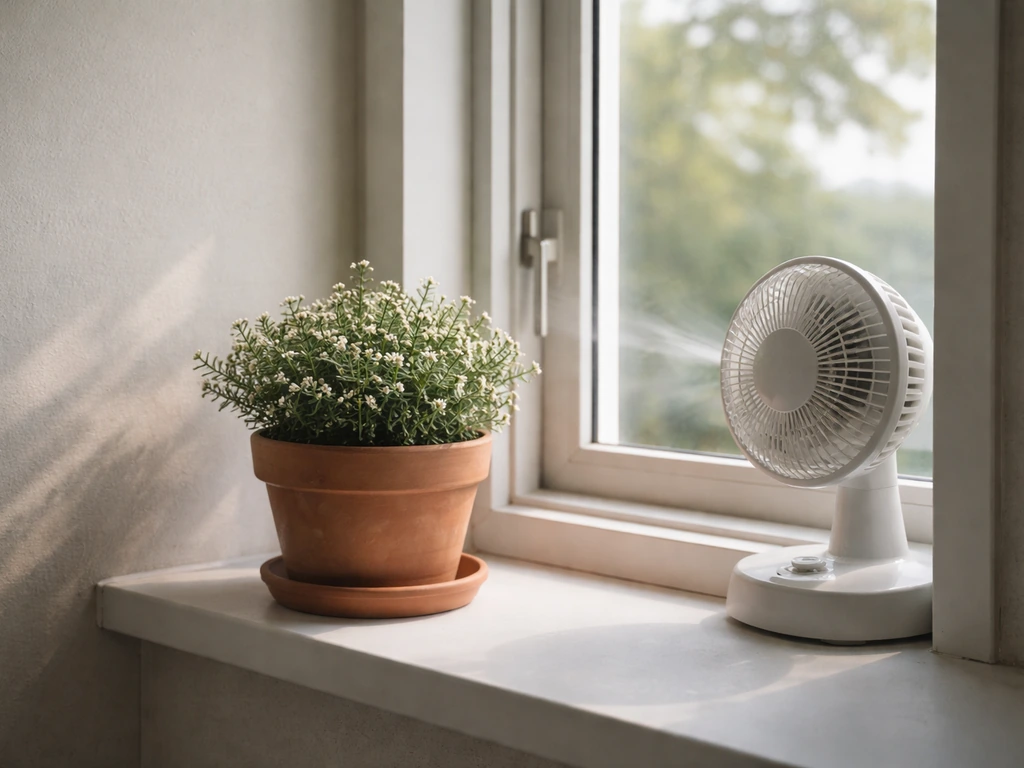
Ventilation is non-negotiable. Stagnant air indoors is one of the fastest ways to invite fungal problems on alpine plants, which are adapted to constant breezy mountain conditions. A small fan running on low nearby for a few hours a day makes a real difference. It also helps the soil surface dry between waterings, which prevents the crown rot issues that plague plants like Lewisia and saxifrage in still, humid indoor air.
Keep humidity on the lower side. Alpines are not tropical plants and do not want mist or pebble trays of water nearby. Average indoor humidity of 30 to 50% is fine. Avoid bathrooms or kitchens where steam regularly builds up. If you're in a particularly humid climate, that small fan does double duty in keeping moisture from settling around the foliage.
Soil, drainage, and pot choice for alpine roots
Standard potting mix is the wrong choice for alpine plants. It holds too much moisture, compacts over time, and suffocates the roots that alpine species need to breathe. What you want is a gritty mix where you can actually see and feel the coarse particles: think roughly one-third horticultural grit or perlite, one-third coarse sand or fine gravel, and one-third a lean compost or loam. The visible granular texture isn't just aesthetic. Those particle sizes create large air spaces between them, meaning water drains through quickly and air gets back to the roots fast.
Every pot you use must have drainage holes. There's no workaround here. Water sitting in the bottom of a pot, even if you add a drainage layer of gravel (which doesn't actually work the way people think), will cause roots to rot within days in a warm indoor environment. Terracotta pots are ideal for alpines because they're porous and allow some moisture to evaporate through the sides. Plastic pots retain moisture longer, so if you use them, lean toward the smaller end of what the plant needs and water even more conservatively.
Keep pots relatively small and shallow. Most alpine species have compact root systems adapted to thin mountain soils. A wide, shallow terracotta pan or alpine trough style container works better than a deep pot, which just holds excess moisture below the root zone.
Watering and feeding: the routine that keeps alpines alive
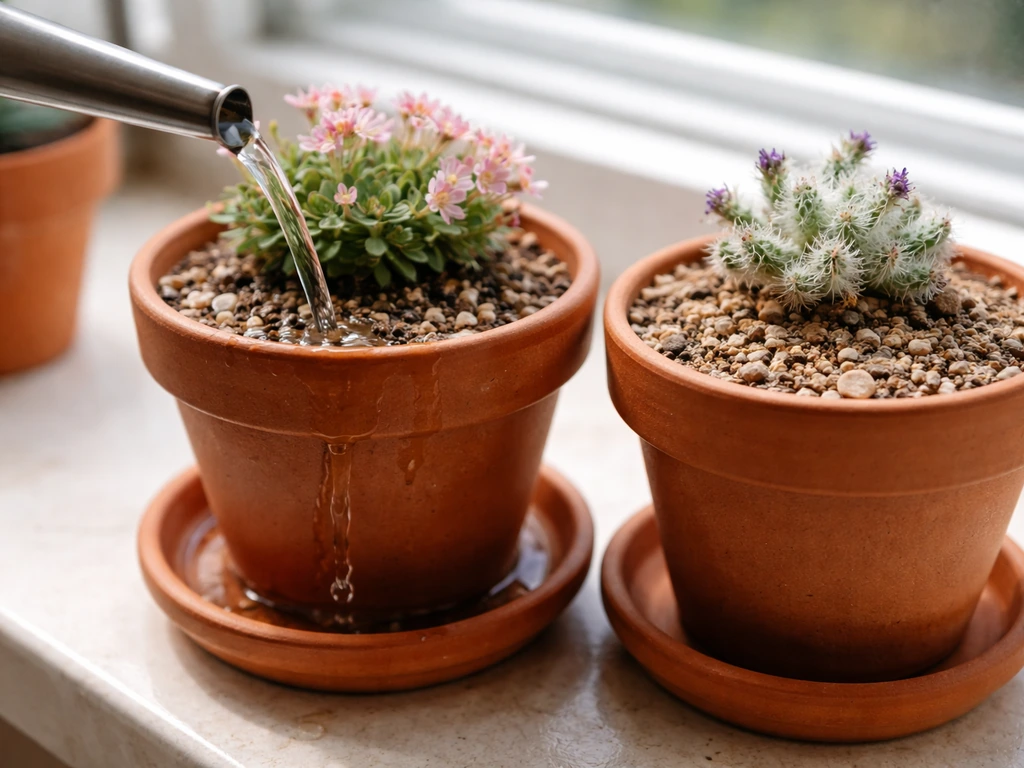
Water less than your instinct tells you to. That's the single most important rule for alpine plants indoors. The gritty mix and terracotta pot will dry out relatively quickly, and you should let the top inch or two of soil dry completely before watering again. When you do water, water thoroughly so it runs out the drainage holes, then leave it alone. Never let plants sit in a saucer of standing water.
If the soil has gotten extremely dry and has pulled away from the pot edges, it can become hydrophobic and water will just run down the sides without actually wetting the root zone. If this happens, try the double-watering method: water once, wait 30 minutes, and water again. That gives the dry mix time to start absorbing moisture properly before you add more.
Avoid using softened water on alpines. Softened water contains sodium and chloride that can accumulate in the soil and cause real damage over time. Use rainwater, filtered water, or standard tap water that has been left to sit overnight.
Feeding should be minimal and infrequent. Alpine plants are adapted to nutrient-poor mountain soils and will actually struggle with heavy feeding, producing weak, lush growth that's prone to pests and disease. A diluted liquid fertilizer, something like a quarter to half teaspoon per gallon of a balanced grow formula, applied every 3 to 4 weeks during the active growing season is plenty. You can follow a routine similar to what liquid products like Espoma Indoor or Dyna-Gro Grow suggest: every 2 to 4 weeks, but at a lean dilution. Stop feeding entirely in winter or when the plant is resting.
Common mistakes that kill alpine plants indoors
- Watering on a fixed schedule instead of checking soil moisture first
- Using standard potting mix without adding grit or perlite
- Placing plants in pots without drainage holes
- Keeping plants near heating vents, radiators, or in high-humidity rooms
- Over-fertilizing, which causes soft, weak growth prone to rot and pests
- Allowing salt and nutrient buildup from repeated fertilizing without occasional deep flushing
- Ignoring ventilation, which leads to crown rot and fungal disease
- Providing insufficient light and wondering why plants go leggy or collapse
Best container setups: windowsill vs grow lights vs cold frames
Your best setup really depends on what space you have. Each option has genuine strengths and trade-offs, so here's an honest breakdown.
| Setup | Best For | Main Advantage | Main Limitation |
|---|---|---|---|
| South-facing windowsill | Easy-care alpines like Sempervivum, alpine Sedum | Free, natural light and temperature swings | Light intensity rarely enough for demanding species; summer heat risk |
| Full-spectrum grow light shelf | Most alpine species, seed germination, winter growing | Consistent 14-16 hr days, adjustable intensity | Electricity cost, setup effort; still need cool temps |
| Cool room or unheated porch with light | Cold-preferring alpines, winter/spring growing | Natural cool nights, better temperature range | Light may still need supplementing; frost risk in harsh winters |
| Cold frame (outdoor/semi-outdoor) | Overwintering rooted plants, hardening seedlings | Genuine alpine temperature conditions | Not truly 'indoors'; requires outdoor access |
My personal recommendation for most home gardeners: combine a south-facing window with a supplemental grow light on a timer. This gives you natural light during the day, a boost of spectrum in the morning and evening, and a genuinely cool room at night if you turn down the heat. It's the closest you'll get to real alpine conditions without moving your living room outside.
Cold frames are worth mentioning even if they're technically outdoors. If you're growing alpine seedlings indoors from late winter and want to transition them outdoors by spring, a cold frame is an excellent intermediate step. It protects plants from hard frost while exposing them to real outdoor light and natural temperature fluctuations, which alpines genuinely love.
Troubleshooting problems and knowing when to move plants outside
Common indoor problems and fixes
- Leggy, stretched growth: Light is too weak or too far away. Move closer to window or lower grow light to 6 inches above the canopy.
- Soft, mushy stem base or crown: Root or crown rot from overwatering or poor drainage. Remove from pot, cut away rotten tissue, let dry for 24 hours, repot in fresh gritty mix, and hold off watering for a week.
- Yellowing lower leaves with wet soil: Classic overwatering. Let soil dry completely before watering again. Check that drainage holes are clear.
- Crispy leaf tips or edges with dry soil: Underwatering, salt buildup, or softened water damage. Flush the pot thoroughly with clean water to clear salt accumulation, then establish a consistent watering routine.
- Wilting despite moist soil: Root rot or compacted soil suffocating roots. Repot into fresh gritty mix immediately.
- Mold or white fuzz on soil surface: Humidity too high, airflow too low. Introduce a fan and reduce watering frequency.
- No germination from seeds: Most alpine seeds need cold stratification first. Saxifraga needs 4 to 6 weeks at cold temperatures; Gentiana needs 60 to 90 days at 38 to 41°F before germination will occur.
When to move alpine plants outdoors
If your alpine plants have been indoors through winter or were started from seed under lights, they will need hardening off before going outside. Brunnera can also be grown indoors, but it needs cool temperatures and enough light to stay compact and healthy can you grow brunnera indoors. This means blank" rel="noopener noreferrer">a gradual transition over 7 to 14 days: start by putting them outside in a sheltered, semi-shaded spot for just a couple of hours, then increase outdoor time and sun exposure a little each day. Skipping this step leads to leaf scorch and wind damage, even on plants that look tough. After 10 to 14 days of progressive outdoor exposure, they're ready for their permanent outdoor spot.
The ideal time to move alpine plants outdoors in most of the Northern Hemisphere is late spring, once nighttime temperatures are reliably above freezing. For overwintering plants that you've kept barely alive indoors in cool, low-light conditions, getting them back outside into real mountain-quality sun and fresh air is the best thing you can do for their long-term health. Many alpine species genuinely prefer to be outdoors and are only brought inside for propagation, germination, or protection during the harshest winter months.
If you're exploring other plants that sit somewhere between alpine and typical garden perennials, it's worth comparing notes with how species like phlox or prairie smoke handle indoor conditions. If you specifically want to try prairie smoke indoors, focus on strong light, fast drainage, and careful temperature and airflow control. If you’re wondering can you grow phlox indoors, the key is matching its light intensity and not letting the roots stay wet. They have their own quirks around light and moisture, and understanding those trade-offs helps you build a clearer picture of what the cool-climate, outdoor-adapted plant category generally needs when brought inside.
FAQ
Can you grow alpine plants indoors from seed, or is it better to start with plants?
Yes, but seed is the hardest part. Most alpine seeds need a cold period to trigger germination, and the timing varies by genus. If you cannot reliably provide near-freezing conditions for the required weeks, start with plug plants or purchased rooted divisions instead of seed.
How often should you water indoor alpine plants under grow lights?
Expect more frequent drying and more careful watering when you use grow lights. As a rule, only water after the top inch or two of the gritty mix is fully dry, and make sure your watering thoroughly saturates the pot until it drains out, not just a light surface mist.
What’s the fastest way to tell if my indoor alpine mix is staying too wet?
If the roots stay wet, alpines suffer fast. One useful check is to lift the pot, because lightweight pots usually mean the mix has dried. Also avoid “fixing” slow drainage by watering more often, instead repot into a coarser, airier grit-and-sand style mix.
My alpine plant is declining quickly indoors, what are the usual causes and first things to adjust?
Most common indoor failures look like rot (mushy crown, blackening at the soil line) or fungal issues (spreading lesions, fuzzy growth). Those usually trace back to stagnant air, humidity that is too high, or a mix that holds water. Increase airflow first, then reassess the drainage mix and whether you’re letting the soil dry fully between waterings.
Do I need gravel in the bottom of the pot to prevent root rot?
Not really. A drainage layer like gravel at the bottom does not replace the need for a truly fast-draining gritty mix and drainage holes, because water still collects in the bottom if conditions are wet. Prioritize the pot holes and the coarse substrate, then only use a minimal gravel layer if you must for stability.
Are plastic pots okay for indoor alpine plants, or should I use terracotta?
Terracotta is best for alpines because it helps the mix dry faster through evaporation. If you must use plastic, be extra conservative with watering and choose smaller pots so the mix does not remain wet for long periods after each watering.
What if I only have a north or east window for my indoor alpine plants?
If your windowsill is too warm, you can still succeed by controlling night temps and light. Place plants very close to the glass in summer (without leaf contact), run a grow light for consistent intensity, and keep the night environment cool, since night warmth increases the risk of rot.
How much ventilation is enough, and should I run a fan continuously?
Use air movement for drying, not extra moisture. A fan should run on low enough to create gentle, moving air across the plants for a few hours, and you should not aim a hot or direct airflow that dries leaves excessively or causes stress.
Is it ever acceptable to use softened water for alpine plants indoors?
Softened water is more likely to accumulate salts in the gritty mix, which can burn or weaken alpines over time. If only softened water is available, flush the soil occasionally with the cleanest water you can get and monitor for crusty buildup on the soil surface or browning tips.
When and how should you fertilize indoor alpine plants without overdoing it?
Feeding should be minimal and tied to growth, not calendar time. If you see weak, stretchy growth or yellowing that worsens after fertilizing, scale back immediately. Stop feeding during winter rest, and resume only when the plant is actively producing new growth under sufficient light.
Can I move indoor alpine plants outdoors in summer, and how do I prevent sun shock?
Yes, but the timing matters. If you bring plants outside, start with a sheltered, semi-shaded spot for a short window, then increase sun exposure gradually over 1 to 2 weeks. The main risk you’re preventing is sun and wind shock that can cause leaf scorch even in hardy-looking alpines.
What should you do differently for indoor alpine plants during winter?
Alpines can go into a harsher indoor state during winter, especially if light is low. If night temps are cool enough and the mix is allowed to dry, reduce watering substantially and skip fertilizer. If you keep the plants warm and dim, you may need stronger lighting to avoid slow, weak growth that is more prone to disease.