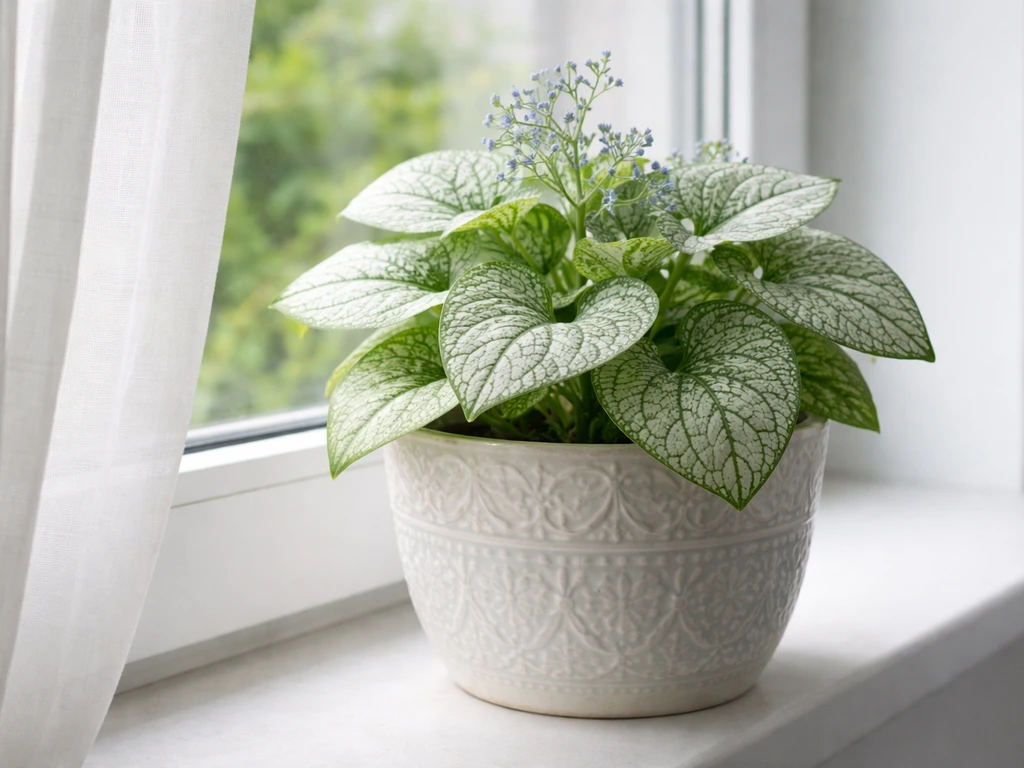
You can grow brunnera indoors, but go in with honest expectations: it's more of a seasonal houseguest than a permanent resident. Brunnera is a woodland perennial that genuinely prefers cool, shaded garden conditions, and a warm, dry living room is about as far from that as you can get. That said, with the right setup, a cool bright spot, consistently moist soil, and respect for its natural dormancy, you can keep it alive and even get it to flower indoors. The key word is 'try.' University of Maine Extension frames indoor brunnera as experimentation, not a sure thing, and that's honest advice worth taking seriously before you invest too much effort.
Can You Grow Brunnera Indoors? Yes, Here’s How
James Hartwell
4 Jun 2026
Which brunnera varieties actually work indoors
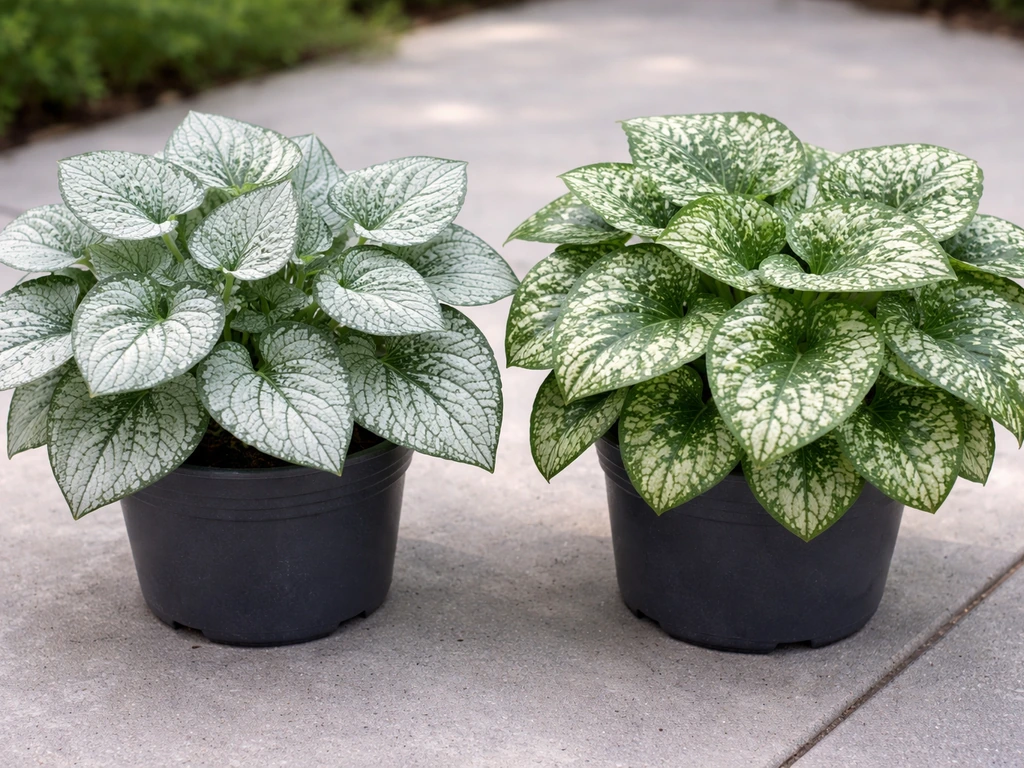
There are a handful of brunnera macrophylla cultivars available, and the variegated ones like 'Jack Frost' and 'Looking Glass' are the most popular, and they're the ones you'll most likely find at a garden center. 'Jack Frost' is stunning with its silver-splashed leaves, but it comes with a catch for indoor growing: it has an obligate cold requirement for flowering.
Greenhouse research shows 'Jack Frost' needs at least nine weeks of vernalization at temperatures below 40°F before it will bloom reliably. That's a real challenge indoors unless you have an unheated garage or basement you can use in winter. If your priority is foliage rather than flowers, 'Jack Frost' and 'Looking Glass' are still worth trying indoors for their dramatic silvery leaves alone.
For the best shot at blooms, the straight species (brunnera macrophylla, the plain green-leaved version) is a little less fussy, though it still appreciates a cold rest period.
Light and temperature needs indoors
Brunnera is a shade lover in the garden, but 'shade' outdoors doesn't translate to 'dark corner' indoors. Indoors, it needs bright indirect light, think a north- or east-facing window where it gets a few hours of gentle morning light without any harsh afternoon sun hitting those papery leaves. A south-facing window with a sheer curtain between the plant and the glass can work too. Direct sun indoors will scorch the leaves fast, especially the thin-leaved variegated types.
Temperature is where indoor growing gets tricky. Brunnera is happiest between 50°F and 65°F (10°C to 18°C). Most heated homes sit at 68°F to 72°F, which is too warm for this plant to thrive long-term. If you have a cool room, an enclosed porch that stays above freezing, or a basement with a bright window, those are your best options. Kitchens and living rooms near heating vents are the worst spots. In winter, brunnera naturally dies back, the leaves brown off and the plant goes dormant. BBC Gardeners' World notes this die-back as a normal seasonal pattern, so don't panic when it happens and don't try to force it to stay green through winter with extra heat and water.
Winter dormancy: work with it, not against it
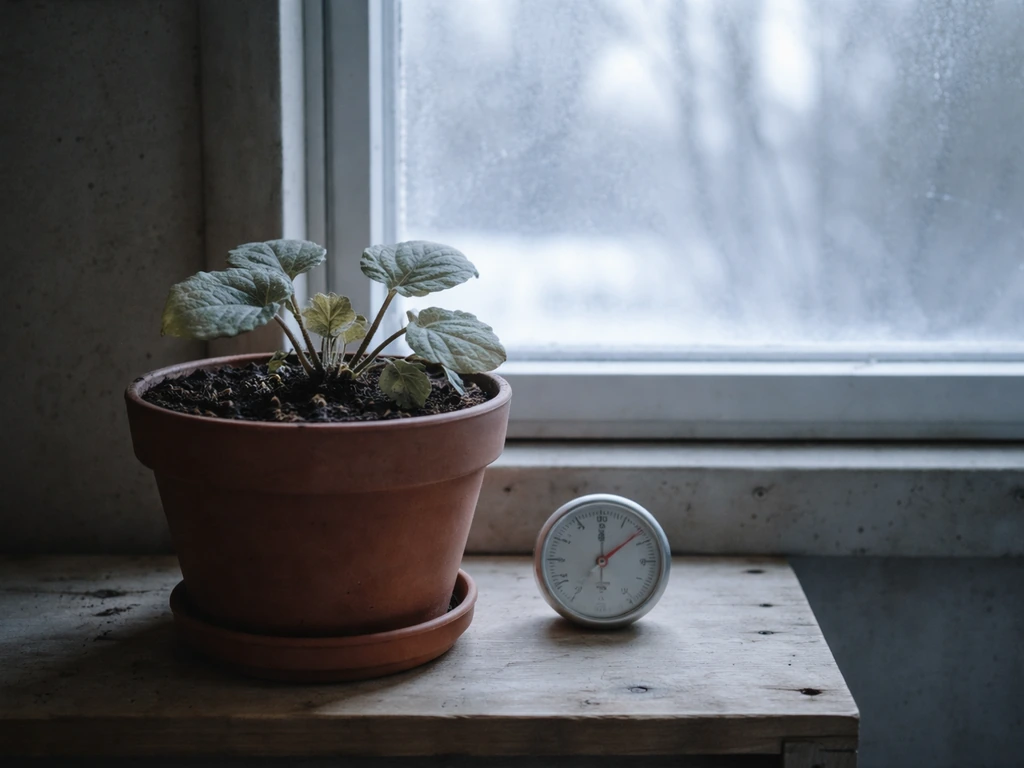
The dormancy period is actually your friend. Rather than fighting to keep brunnera growing through winter indoors, let it rest. Move it somewhere cool (40°F to 50°F is ideal, an unheated garage, shed, or cold room), reduce watering dramatically, and just keep the roots from completely drying out. This cool rest is also what triggers proper flowering in spring, especially for 'Jack Frost' which needs those cold weeks to set buds. If you're in an apartment with no access to a cold space, this is the biggest hurdle to growing brunnera indoors successfully.
Soil, potting, drainage, and watering
University of Maine Extension specifically recommends a high-quality soilless mix without added fertilizer for indoor brunnera. A peat-based or coir-based potting mix works well, something light and moisture-retentive without being dense or compacted. Do not use regular garden soil in a pot; it compacts, drains poorly, and invites root rot. I usually mix a standard potting mix with about 20% perlite to improve drainage while keeping enough moisture retention that the roots don't dry out between waterings.
Pot size matters more than people think with brunnera. Start with a container that gives roots a couple inches of space around the root ball, a 6- to 8-inch pot is right for a single division or a small plant. Going too large means excess soil stays wet for too long, which leads to root rot. Make sure your pot has at least one good drainage hole, and use a saucer underneath to catch drips rather than letting the pot sit in standing water.
Watering is where most indoor brunnera attempts go wrong in one of two directions: too dry (those papery leaves wilt and crisp up fast) or too wet (roots rot in a warm room). The goal is consistently moist soil, not soggy. Check the top inch of soil with your finger, if it's dry, water thoroughly until it drains from the bottom, then let it approach dryness before watering again. In a warm room, that might mean watering every 4 to 5 days in active growth. During dormancy, stretch that to every 2 to 3 weeks, just enough to stop the root ball from completely desiccating.
The best ways to start brunnera indoors
You have three realistic options for getting brunnera going inside, and they're not all equal.
- Container-grown nursery plants: The easiest starting point. Buy a nursery-grown brunnera in spring, pot it up into a container with a soilless mix, and place it immediately in your coolest bright spot. You skip the establishment stress of dividing a garden plant and get a head start on the growing season.
- Divisions from a garden plant: If you already have brunnera in your garden, dig and divide a clump in early spring (March to April) just as new growth is emerging. Plant the division into a prepared container right away and keep it consistently moist while it settles in. Divisions are tough but need a few weeks to recover before they're ready to cope with any additional stress.
- Starting from seed: Technically possible but not practical for most people. Brunnera seed needs cold stratification and takes a full season to reach a usable size. Buy a plant instead.
Whichever route you take, the early placement decision sets the tone for the whole growing season. Put the pot in the coolest, brightest indirect-light spot you have from day one, and resist the temptation to move it around as you figure out where it's happiest, brunnera doesn't love being shuffled.
Humidity, airflow, and the problems you'll actually run into
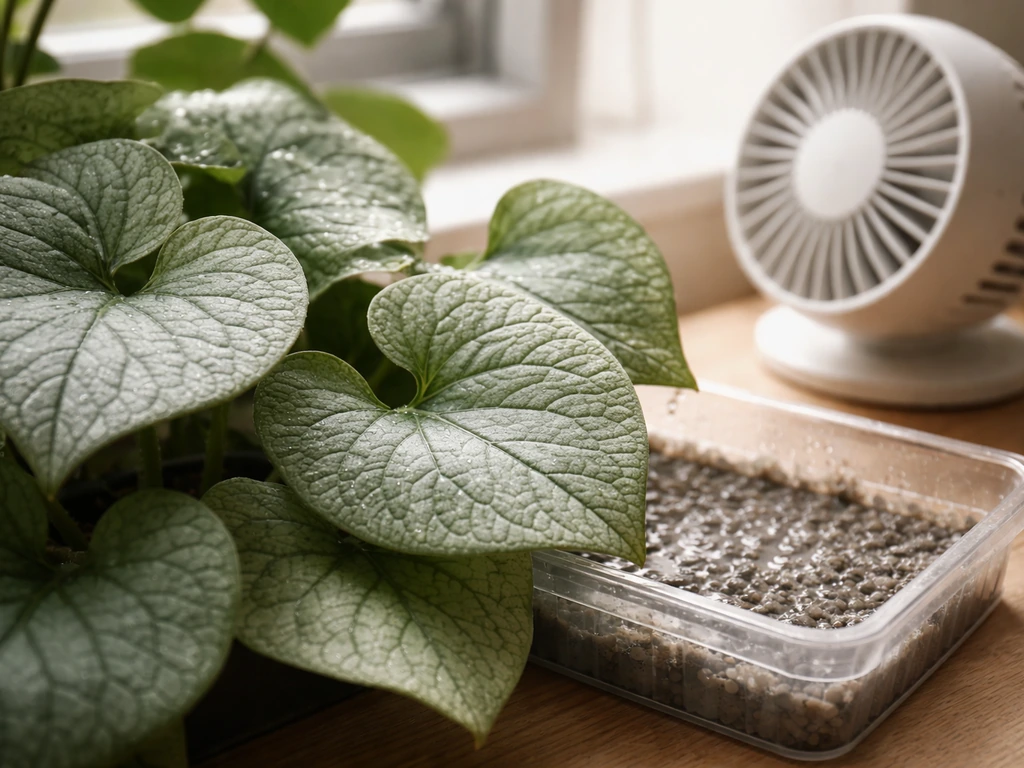
Brunnera's thin, papery leaves are its biggest weakness indoors. Central heating drops indoor humidity to 20 to 30 percent in winter, and brunnera wants something closer to 50 to 60 percent. That dry air causes leaf edges to brown and crisp, and the whole plant can look miserable by February. Running a small humidifier nearby is the most effective fix. Grouping it with other plants helps a little. A pebble tray with water underneath the pot adds minimal humidity but is better than nothing. Misting directly onto the leaves is tempting but actually counterproductive, it can promote fungal spots on those same fragile leaves.
Airflow matters too. Stagnant air in a warm room is an invitation for powdery mildew, which is one of brunnera's most common problems even in garden conditions. Keep air moving with a ceiling fan on low or occasional fresh air from a window (not a cold draft blasting directly on the plant). Avoid placing brunnera near heating vents, radiators, or anywhere air is particularly dry or turbulent.
Common indoor problems and what to do about them
| Problem | Likely Cause | Fix |
|---|---|---|
| Leaf edges browning and crispy | Low humidity or inconsistent watering | Increase humidity, check watering frequency |
| Leaves drooping and wilting | Underwatering or heat stress | Water thoroughly, move to cooler spot |
| White powdery coating on leaves | Powdery mildew from poor airflow | Improve air circulation, remove affected leaves |
| Brown spots on leaves | Overwatering, root rot starting, or fungal issue | Check drainage, reduce watering, inspect roots |
| Yellowing leaves in late fall | Normal dormancy onset | Reduce water, let the plant rest — this is fine |
| No new growth in spring | Insufficient cold rest period or root rot | Check roots, ensure cool rest was adequate |
| Fungus gnats in soil | Soil staying too wet too long | Allow top inch to dry before watering |
Fertilizing, how fast it grows, and getting it to bloom
University of Maine Extension recommends starting with a soilless mix without fertilizer, and that's wise advice because brunnera is sensitive to nutrient overload. During the active growing season (spring through early summer), feed lightly with a balanced liquid fertilizer like a 10-10-10 diluted to half strength, once every four to six weeks. That's it. More fertilizer does not mean more growth or more flowers, it means burned roots, excessive leafy growth with no flowers, and a weaker plant overall. Stop feeding entirely from late summer onward as the plant heads into dormancy.
Brunnera is not a fast grower. Indoors, expect slow, steady leaf production in spring, a pleasant flush of those small forget-me-not-style blue flowers in April to May if conditions are right, and then mostly foliage display through summer. If yours won't bloom, the most likely culprit is that it didn't get a sufficient cold rest the previous winter. The fix is practical: give it a genuine cold period next winter, 40°F or below for at least nine weeks, and you should see flowers the following spring. If your indoor setup physically can't provide that cold period, focus on the foliage display and set realistic expectations about flowering.
Overwintering indoors and when to move it back outside
If you started brunnera indoors with the intention of moving it outside for summer, that's actually the smartest long-term strategy. Brunnera grown in a container can spend spring and fall indoors in a cool bright spot, move outside to a shaded patio or balcony position for summer, and then get the cold garage or porch treatment through winter. This way it gets the cold vernalization it needs, the humidity it craves from natural outdoor conditions, and some respite from your heated living room.
Timing the move outdoors is simple: wait until nighttime temperatures are reliably above 40°F and there's no frost in the forecast. In most of the US, that's mid-April to early May depending on your zone. Harden it off for a week by setting it outside in a sheltered shady spot for a few hours each day before leaving it out permanently, the transition from indoor air to outdoor conditions can cause temporary wilting if rushed. When bringing it back inside in fall, do so before your first frost date and before you turn the heat up for the season. That cool transition period between outdoor and full indoor living is actually beneficial.
If you're committed to full-time indoor growing without outdoor access, say you're in an apartment with no balcony, brunnera can survive, but it's honest to say it won't thrive the way it would with some outdoor time.
In that case, focus on the coolest room you have, run a humidifier from October through April, and find a way to give it a cold rest even if that means putting the pot in a cool closet or near a cold exterior wall for a couple of months.
It's worth comparing this challenge to growing other cool-preferring perennials indoors: plants like phlox and prairie smoke face very similar limitations in warm homes, where the gap between what the plant wants and what a typical indoor environment offers is significant. Plants like phlox and prairie smoke face very similar limitations in warm homes, where the gap between what the plant wants and what a typical indoor environment offers is significant prairie smoke indoors.
Phlox follows the same idea of needing the right light and a cool down period to do well indoors.
Bottom line: brunnera indoors is doable, rewarding for its beautiful foliage, and genuinely satisfying when it flowers. For alpine plants, you can also grow them indoors, but they usually need very bright light and cooler conditions to stay healthy can you grow alpine plants indoors. But it rewards gardeners who work with its natural rhythms rather than against them. Give it cool temperatures, consistent moisture, bright indirect light, and a real winter rest, and it will hold its own as an indoor plant, at least for a season or two. If you want to try fireweed indoors, you’ll face similar challenges with light and temperature as you do with other cool-liking perennials can you grow fireweed indoors.
FAQ
Can I keep brunnera indoors year-round without putting it in a cold place?
Yes, but you need to replicate the cold spell in some form. For indoor setups, plan on placing the pot in the coolest available space you can control (unheated garage, basement with a window, or a cold room) for at least the vernalization window, rather than trying to keep the plant warm “through winter.” If you cannot get a sustained cold period, you can still grow it for foliage, but reliable flowering is unlikely.
Why do my brunnera leaves get brown edges even though I’m misting them?
Avoid misting the leaves. If the air is dry, use a small humidifier near the plant or group it with other pots. Direct leaf misting can encourage fungal spots on brunnera’s thin, papery foliage, especially if airflow is limited.
How do I tell if I’m overwatering versus underwatering brunnera indoors?
In brunnera’s case, “consistently moist” means evenly damp potting mix, not waterlogged. If you regularly see water sitting in the saucer, or the potting mix stays wet more than a day or two, you’re likely overwatering. Use a potting mix that drains well, empty the saucer after watering, and let the top inch dry slightly before the next drink.
Is garden soil okay for brunnera in a pot?
If you use a regular garden soil, you risk compaction and poor oxygen around the roots, which increases rot problems in warm, dim indoor conditions. Stick with a soilless mix and consider adding perlite (about 20% as a starting point) so moisture stays available but the mix still breathes.
Is it normal for my indoor brunnera to lose leaves in winter?
Typically, you will see the biggest signs during the seasonal shift. When dormancy begins, expect die-back (leaves yellowing, browning, and fading) as normal. What is not normal is continual green growth all winter, which usually means it is too warm and often leads to weaker plants and disease pressure later.
Will a bigger pot help brunnera stay moist longer indoors?
Not always. A larger pot can hold extra moisture for too long, which can cause root rot in a cool-but-not-cold indoor environment. Use a pot only slightly larger than the root ball, and ensure at least one good drainage hole so excess water can leave quickly.
When is the best time to move indoor brunnera outdoors for summer?
Yes, but do it carefully. If you want to take it outside for summer, wait until nights are reliably above 40°F and there is no frost risk, then harden it off for about a week in shade. Move it back indoors before your first frost and before you crank up indoor heat.
If my brunnera never flowers indoors, what should I change first?
If your goal is flowers, vernalization is the limiting factor, especially for cultivars like 'Jack Frost.' For foliage-first success, prioritize bright indirect light and a cool temperature band, and accept that blooms may be minimal or inconsistent indoors without the proper cold rest.
How often should I water brunnera during its indoor dormancy?
During dormancy, you want to reduce watering enough that the root ball does not fully dry out, but you should not keep it wet. A simple approach is to water infrequently (often every couple of weeks depending on room and mix), and only when the mix is dry at the surface.
What fertilizer should I use for indoor brunnera, and how much is too much?
Up to a point, feeding is optional and overfeeding is a common mistake. Use a diluted balanced liquid fertilizer at half strength about once every 4 to 6 weeks during spring and early summer, then stop in late summer. If you see rapid, soft growth but weak stems, that can be a sign of too much nutrients.