
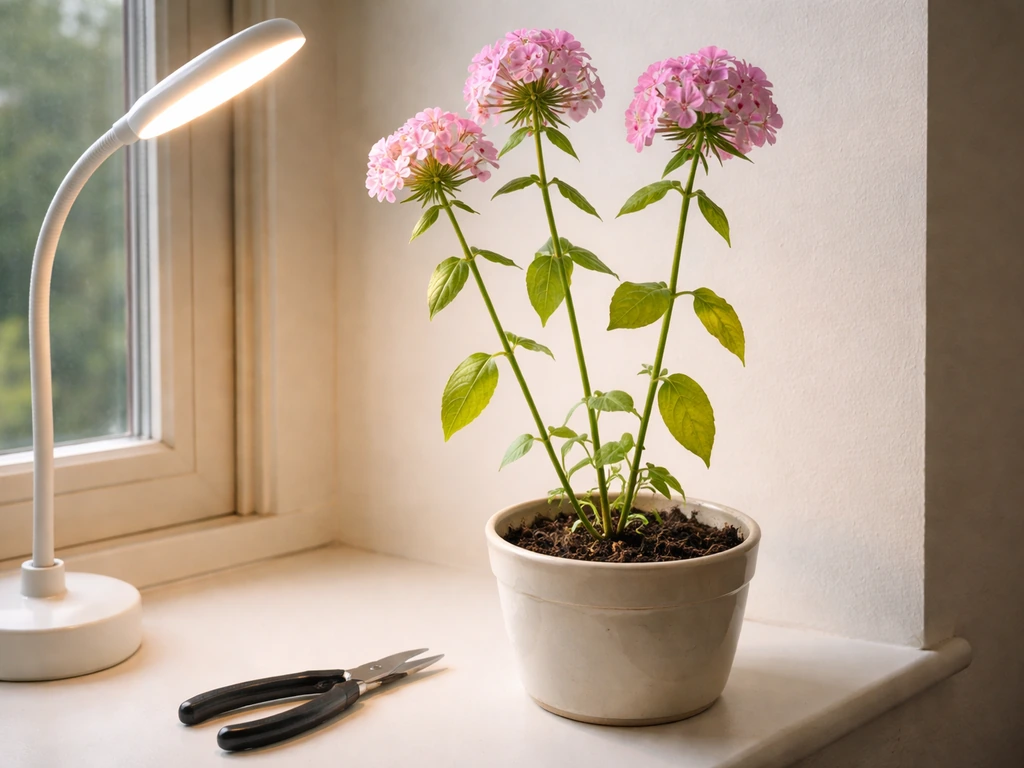
You can grow phlox indoors, but it takes real commitment to light, airflow, and choosing the right type. Tall garden phlox (Phlox paniculata) is possible but honestly challenging in most homes because it craves full sun and hates stagnant air. Creeping phlox (Phlox subulata) is the more manageable option for indoor containers because of its compact, mat-forming habit. If you have a very bright south-facing window or a solid grow-light setup, you can pull this off. If you're working with a dim north-facing apartment window, phlox will disappoint you indoors.
Can You Grow Phlox Indoors? Yes, Here’s How

James Hartwell
28 May 2026
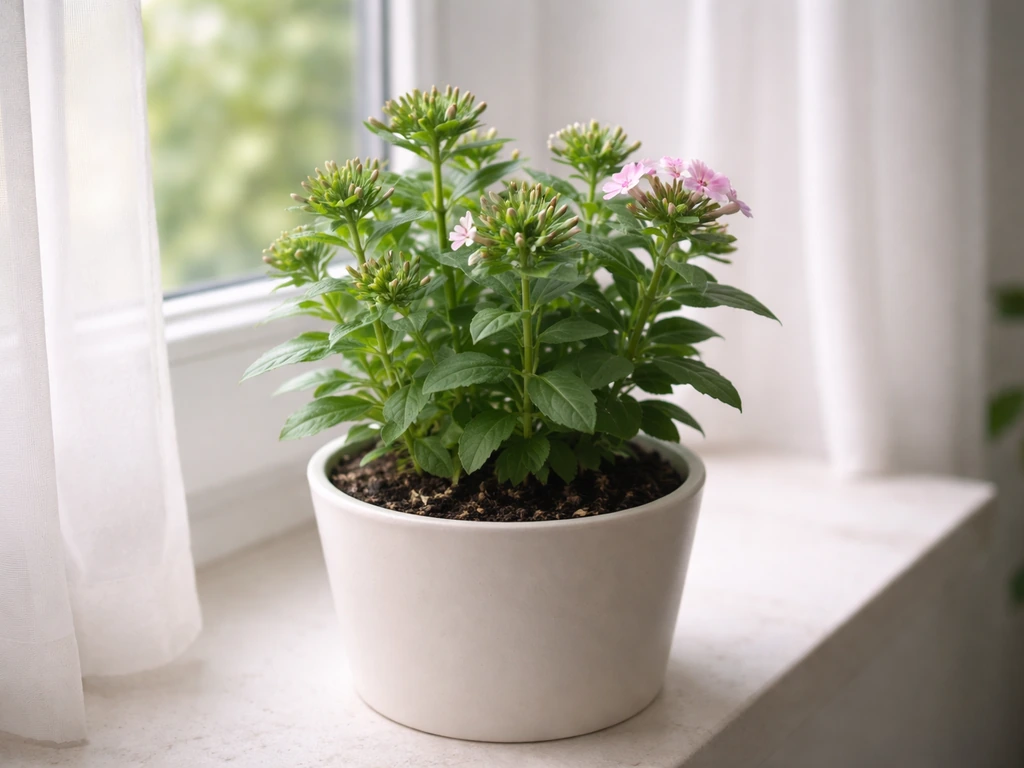
Which phlox actually works indoors
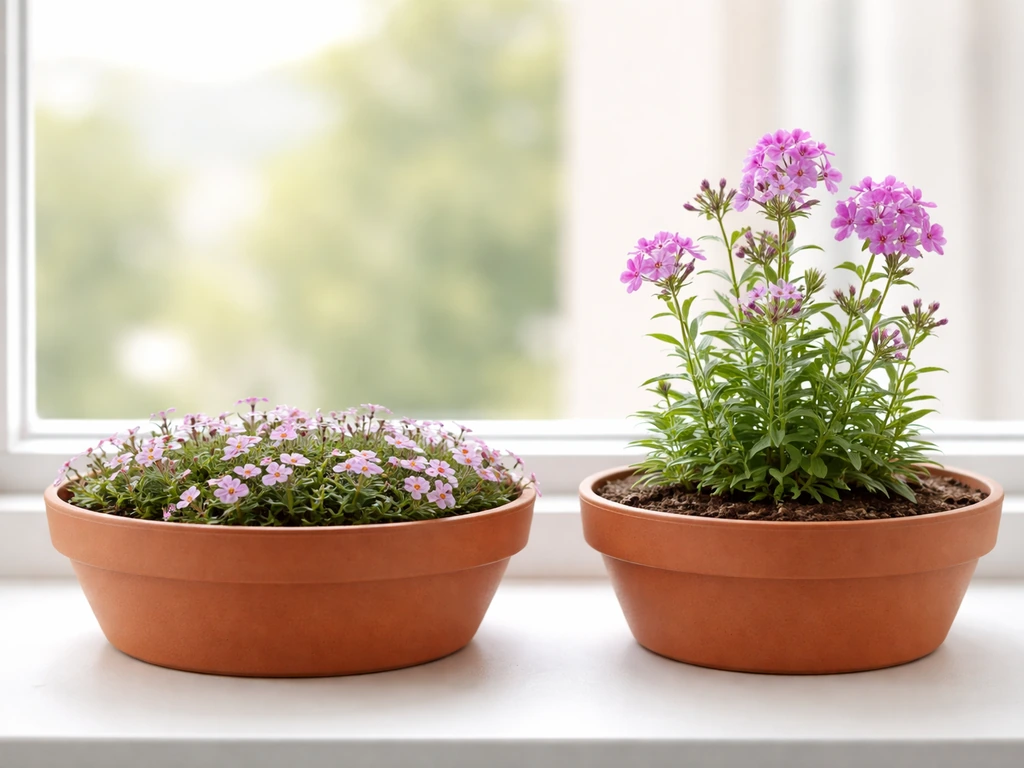
Not all phlox is created equal when it comes to indoor growing. The genus covers a wide range of species with very different habits, and picking the right one is the single most important decision you'll make before you even buy a pot.
| Phlox Type | Indoor Suitability | Growth Habit | Key Challenge |
|---|---|---|---|
| Phlox subulata (creeping/moss phlox) | Best option | Low, mat-forming, evergreen | Needs vernalization (cold period) to bloom |
| Phlox paniculata (tall garden phlox) | Possible but difficult | Upright, 2–4 ft tall | Powdery mildew risk, needs full sun |
| Phlox drummondii (annual phlox) | Good seasonal option | Compact, 6–18 inches | Shorter-lived, but no dormancy needed |
Creeping phlox is the go-to for indoor containers. It stays low and compact, it's evergreen, and it fits comfortably on a wide windowsill or under a grow light without taking over the space. Annual phlox (Phlox drummondii) is honestly underrated for indoor growing because it skips the vernalization requirement that perennial types need to flower properly. If you want blooms without a cold stratification period, annual phlox is your easiest path. Tall garden phlox can work if you have the space, light, and airflow to support it, but I'd only attempt it if you already have a greenhouse-style setup or a genuinely sunny conservatory.
Light: the make-or-break factor for indoor phlox
Phlox is a full-sun plant outdoors, and that's not a suggestion. It genuinely needs intense light to grow well and bloom. Missouri Botanical Garden classifies Phlox paniculata as a full-sun to light-shade plant, and that 'light shade' upper limit is about as dim as you want to go. Indoors, that means a south-facing window is your best friend. East or west-facing windows can work for creeping phlox but probably won't give you flowers on tall garden phlox without supplemental light.
Natural light guidelines
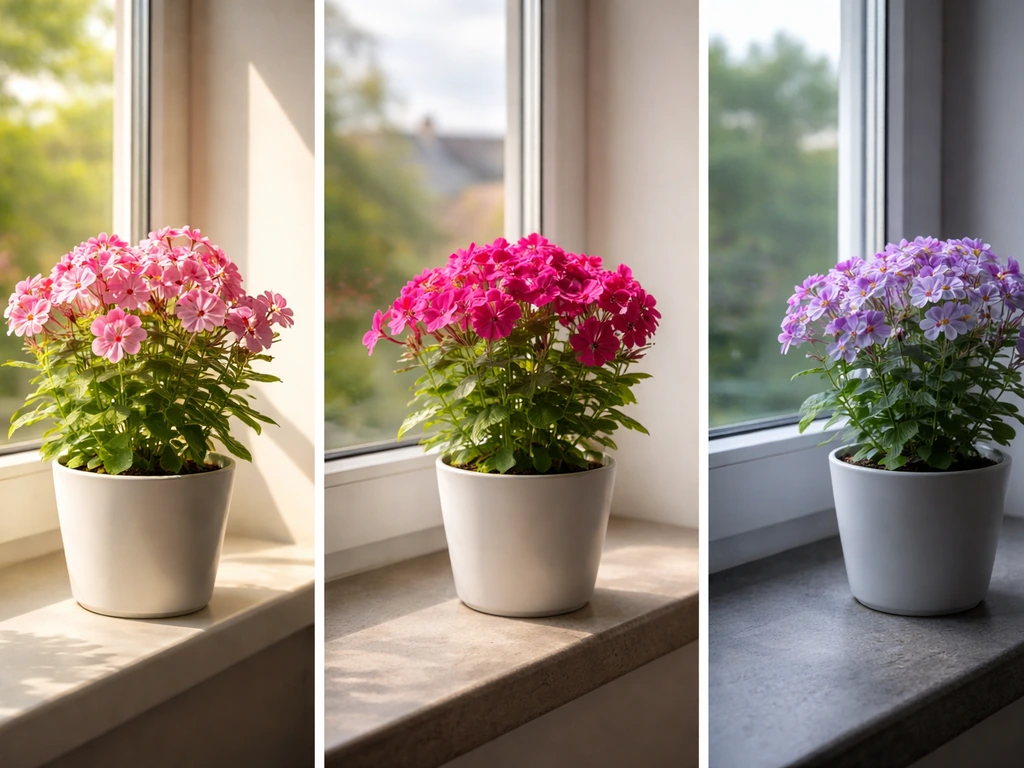
- South-facing window: best natural light option, suitable for all phlox types
- East or west-facing window: acceptable for Phlox subulata, marginal for Phlox paniculata
- North-facing window: not enough light for any phlox to bloom reliably
- Keep the plant within 12 inches of the glass to maximize intensity
Grow lights: what you actually need
If your windows are inadequate, a grow light is non-negotiable. Syngenta's culture guidance for Phlox subulata production targets 1,000 to 1,200 foot-candles (roughly 200 to 250 micromoles per square meter per second, or μmol/m²/s) during early production phases, which gives you a real benchmark. For flowering, aim for at least 350 μmol/m²/s at the leaf surface. Day length matters just as much as intensity: phlox needs more than 14 hours of light per day to trigger proper flowering. Set your grow light on a timer for 14 to 16 hours daily. A quality full-spectrum LED panel positioned 6 to 12 inches above the foliage will do the job. Don't rely on basic white LED bulbs from the hardware store and expect blooms.
Potting, soil, watering, and drainage
Container and soil setup
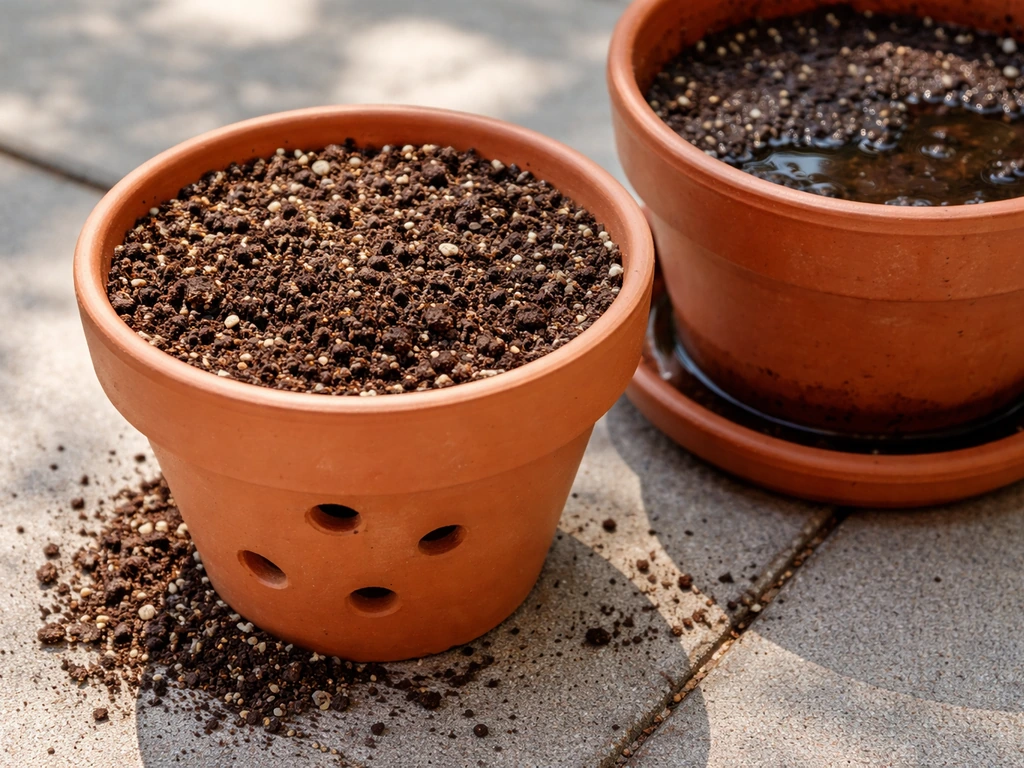
Use a container with at least one large drainage hole, no exceptions. Phlox does not tolerate waterlogged roots. A terracotta or clay pot is actually a better choice than plastic here because it breathes slightly and helps prevent the media from staying soggy. For creeping phlox, a wide shallow container works well given its mat-forming habit. For tall garden phlox, use a pot that's at least 12 inches deep and 12 inches wide to give the root system room to establish.
For soil, use a well-draining potting mix rather than garden soil, which compacts badly in containers. A mix of standard all-purpose potting mix with about 20 to 25 percent perlite added gives you the drainage phlox prefers while retaining enough moisture to stay 'medium moist,' the sweet spot described by both Missouri Botanical Garden and NC State Extension. Avoid mixes with a lot of added moisture-retaining crystals or heavy bark.
Watering indoors
Phlox wants consistent moisture, not wet feet. The target is lightly moist soil, similar to what you'd get from roughly 1 inch of rain per week outdoors. Indoors, check the top inch of soil: if it feels dry, water thoroughly until water drains freely from the bottom of the pot, then stop. Pour the water directly onto the soil at the base of the plant, never over the foliage. Wet leaves are an open invitation to powdery mildew, which is already phlox's biggest enemy. Empty the saucer after about 30 minutes so the pot isn't sitting in standing water.
Temperature, humidity, and airflow indoors
Phlox prefers cool to moderate temperatures. For indoor cultivation, a range of 60 to 70°F (15 to 21°C) is ideal, which aligns with Syngenta's recommended growing temperature of 64 to 68°F for Phlox subulata. Avoid placing pots near heating vents or radiators because the dry warmth does two bad things at once: it stresses the plant and creates exactly the hot, dry conditions that spider mites love. SDSU Extension specifically flags warm and dry indoor environments as a trigger for mite problems on phlox.
Humidity is a balancing act. Phlox doesn't want super-dry air, but it also doesn't want high, stagnant humidity because that fuels powdery mildew. Aim for 40 to 50 percent relative humidity. If your home is very dry in winter due to heating, a small pebble tray with water near the plant can help, but keep it a few inches away from the pot base to avoid creating a moisture trap.
Airflow is genuinely critical and gets overlooked by most indoor growers. UMN Extension is firm about this: good air circulation is one of the primary tools for preventing powdery mildew on phlox. Indoors, that means positioning your phlox where it gets some ambient air movement, ideally near a window you open occasionally or near a gentle fan set on low. Don't crowd it against other plants. UMN Extension also recommends not crowding phlox so air can circulate, which helps prevent powdery mildew Don’t crowd it against other plants. Stagnant, humid air with no movement is how a beautiful pot of phlox turns into a mildew disaster within two weeks.
Ongoing care: fertilizing, pruning, and pest prevention
Fertilizing schedule
Feed your indoor phlox lightly but consistently during the active growing season. A balanced slow-release fertilizer (something like 10-10-10) applied at the start of spring growth works well as a foundation. Then supplement with a diluted liquid fertilizer (half-strength) every three to four weeks from spring through summer. Ease off completely in fall and winter when the plant is resting. Plant Addicts suggests a second light feeding just before flowers open to support bloom quality, and a post-bloom application can support any late-season reblooming push. Don't over-fertilize: excess nitrogen produces lush, soft foliage that's actually more susceptible to fungal problems.
Deadheading and pruning
Remove spent flower heads promptly. On tall garden phlox, deadheading encourages additional lateral blooms and keeps the plant looking tidy. On creeping phlox, a light shear after the main flush of bloom helps maintain the compact mat form and can trigger a secondary flush of flowers. Don't let dead flower material sit on the plant or in the pot because it creates a humid microclimate against the leaves and stems that mold and mildew love.
Pest and disease prevention
Spider mites and powdery mildew are the two problems you'll fight most often with indoor phlox. Spider mites thrive in hot, dry conditions, so if your plant is near a heat source or in a particularly dry room, check the undersides of leaves weekly. Look for fine webbing and tiny moving dots. At the first sign, spray with insecticidal soap or a strong jet of water to knock them off, then improve the humidity slightly and move the plant away from the heat source.
Powdery mildew shows up as white, powdery blotches on leaves, stems, and sometimes buds. The best prevention is choosing mildew-resistant cultivars from the start. For Phlox paniculata, look for cultivars bred specifically for resistance: the 'Volcano' series and many newer hybrids have improved resistance. blank" rel="noopener noreferrer">Combined with good airflow and soil-level watering, resistant cultivars cut your mildew risk dramatically. If mildew does appear, treat with a diluted neem oil spray or a baking soda solution, and immediately improve air circulation around the plant. Aphids occasionally show up on new growth as well: a strong water rinse or insecticidal soap handles them quickly.
Troubleshooting common indoor phlox problems
| Problem | Likely Cause | Fix |
|---|---|---|
| Leggy, stretched stems | Insufficient light | Move to brighter window or add/upgrade grow light; target 14+ hours at 350+ μmol/m²/s |
| No buds or flowers | Too little light or missing vernalization | Increase light duration to 14–16 hours; perennial types need a cold period (8–10 weeks below 45°F) |
| Yellowing lower leaves | Overwatering or poor drainage | Check drainage holes, reduce watering frequency, let top inch dry before re-watering |
| Wilting despite moist soil | Root rot from waterlogging | Unpot, trim rotted roots, repot in fresh well-draining mix with extra perlite |
| White powdery coating on leaves | Powdery mildew | Improve airflow immediately, apply neem oil, consider replacing with a mildew-resistant cultivar |
| Fine webbing on undersides of leaves | Spider mites | Rinse with water, apply insecticidal soap, lower temperature and raise humidity slightly |
| Pale, washed-out leaf color | Too much direct sun or nutrient deficiency | Move slightly away from intense midday sun or feed with balanced liquid fertilizer |
When to move phlox outdoors instead
Be honest with yourself here. If your phlox has had persistent mildew despite airflow improvements and cultivar selection, if it's been leggy and flowerless through two or more seasons of grow-light adjustments, or if it's just clearly unhappy despite your best efforts, it belongs outside. Tall garden phlox in particular is fundamentally an outdoor plant. Many gardeners have the most success treating it as a patio container plant that spends spring through fall outdoors on a balcony or deck, then comes inside briefly for protection from hard frost. That hybrid approach is often more realistic than a pure indoor setup, especially in apartments where the light and airflow simply can't replicate what this plant evolved to need.
If you enjoy the challenge of growing unusual plants indoors, phlox sits in a similar category to some other outdoor-adapted perennials: it can be done, but it requires more active management than a true houseplant. If you are also wondering, can you grow alpine plants indoors, the key is the same: very strong light, careful moisture control, and good airflow. Plants like brunnera and prairie smoke face similar light and environmental challenges indoors, and the same principles around light intensity, airflow, and realistic expectation-setting apply across the board. The short version: give phlox your best south window or a dedicated grow light setup, pick a compact or disease-resistant variety, keep the air moving, water at the base, and you have a genuine shot at indoor success. Prairie smoke is a different kind of outdoor plant, but if you want to try it indoors, you’ll need to match its light, airflow, and watering needs carefully. Fireweed can also be grown indoors, but it needs similarly strong light and careful airflow to stay healthy.
FAQ
If I grow phlox indoors, will it actually flower or is it mostly foliage?
Yes, but only if you can supply intense light. Plan on using either a strong south-facing window or (more reliably) a grow light, and start timing in sync with your light schedule, not your calendar. If your light hours fall under about 14 hours per day, you may get lots of leaves with few or no blooms.
What’s the biggest watering mistake people make with indoor phlox?
Avoid letting water collect in the saucer. After you water until it drains freely, dump any runoff after about 30 minutes, and use a pot with at least one big drainage hole. Waterlogged roots can lead to decline even when you have good light.
Which type of phlox is most realistic for an indoor setup?
Use the cultivar and species to set expectations. Creeping phlox is usually the best choice indoors, while tall garden phlox (paniculata) often needs more light and stronger air movement than typical apartments can provide, even with a grow light.
How do I prevent spider mites on indoor phlox?
Yes, but treat it like a pest management routine, not a one-time spray. Inspect the underside of leaves weekly, rinse with a strong jet or use insecticidal soap at first detection, and reduce heat and dry air near the plant. If mites keep returning, you likely have an ongoing hot, dry spot or inconsistent humidity.
Is it okay to mist indoor phlox to boost humidity?
Don’t. Water the soil at the base, not the leaves, and remove spent blooms promptly so plant debris does not sit and create a humid pocket. If powdery mildew appears, increase airflow immediately before you rely on any spray.
Should I fertilize indoor phlox year-round?
Winter rest matters. When days shorten or growth slows, stop regular feeding and keep moisture slightly more conservative, letting the top inch dry a bit before watering. Continue the 14 to 16 hour light schedule only if you are actively trying to keep it growing, otherwise mild dormancy is normal.
What container size works best for creeping phlox indoors?
Start creeping phlox with a wide, shallow pot, but still use a well-draining potting mix and ensure drainage. Overcrowding is common with mat-formers, so leave space for air movement around the crown and don’t pack other plants against it.
What humidity and airflow setup reduces powdery mildew the most?
Humidity targets matter, but airflow matters more for mildew prevention. Aim around 40 to 50% relative humidity, use a fan on low for gentle circulation, and avoid placing the pot where warm moist air collects (for example, in corners or tight windowsill clusters).
My potting mix stays wet too long, should I change anything for indoor phlox?
Soil amendments that hold water too long can backfire. Skip heavy moisture-retaining ingredients, and instead use standard potting mix with about 20 to 25% perlite for drainage. If the soil stays wet for many days, adjust the mix before troubleshooting everything else.
Can I propagate indoor phlox to improve my chances next season?
Yes, propagation is often easier than re-blooming tall phlox indoors. For indoor success, consider starting new plants from cuttings or division when you have stable light and airflow, then select the best performers for your setup.
When should I give up on keeping phlox indoors and move it outside?
If you see repeated leggy growth, persistent mildew despite improved airflow, or no flowering after multiple cycles with consistent light, it is usually a sign the environment is not matching what the plant needs. For tall garden phlox, a patio or balcony period (spring through fall) before bringing it in briefly for frost protection often works better than keeping it indoors permanently.