Yes, begonias can absolutely grow indoors, and many types will thrive year-round if you get the light situation right. That is the single biggest factor. Nail the light, keep the roots from sitting in wet soil, and most begonias will reward you with lush foliage and flowers even through a grey winter. Get those two things wrong and you will be dealing with rot, leaf drop, and a sad-looking plant by February. Here is exactly how to make it work.
Can Begonias Grow Indoors Yes And How To Do It
James Hartwell
24 Mar 2026
Short answer: yes, begonias grow indoors, but here is the honest version
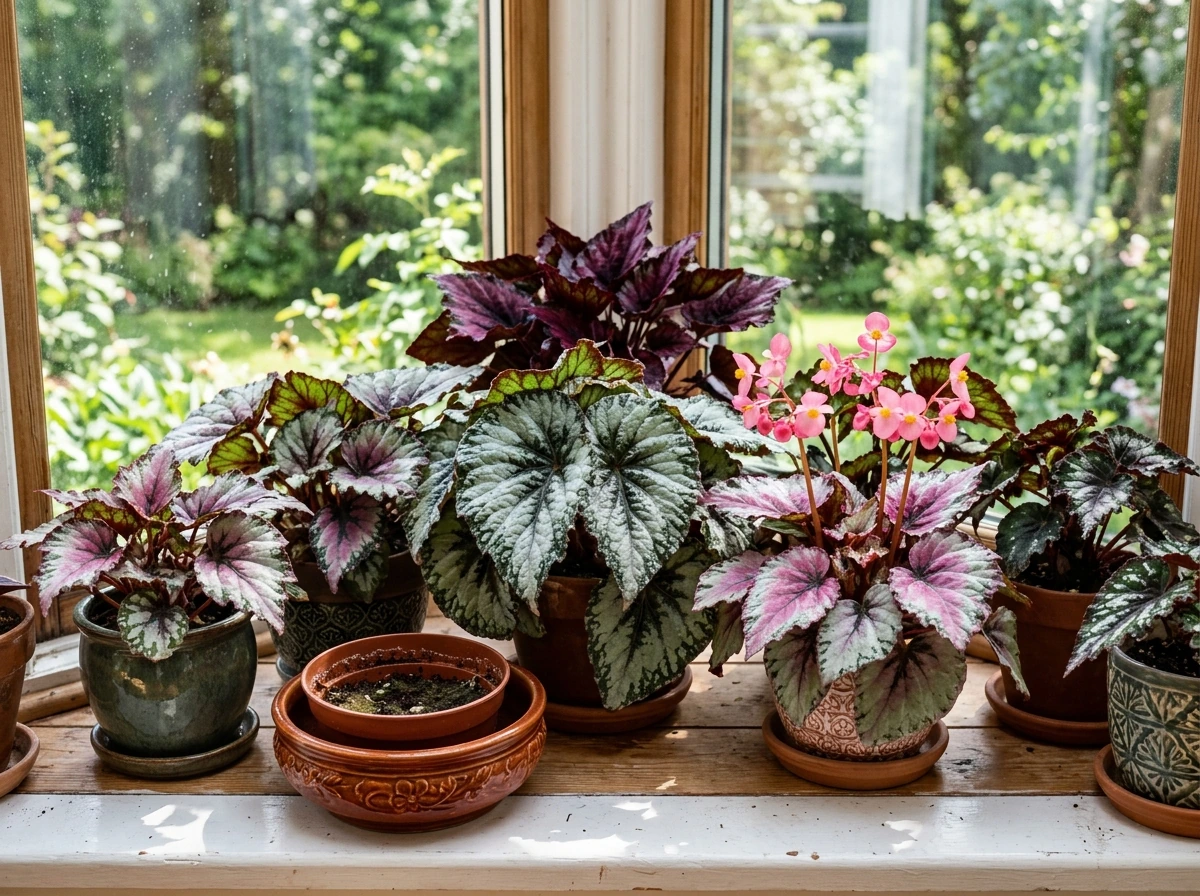
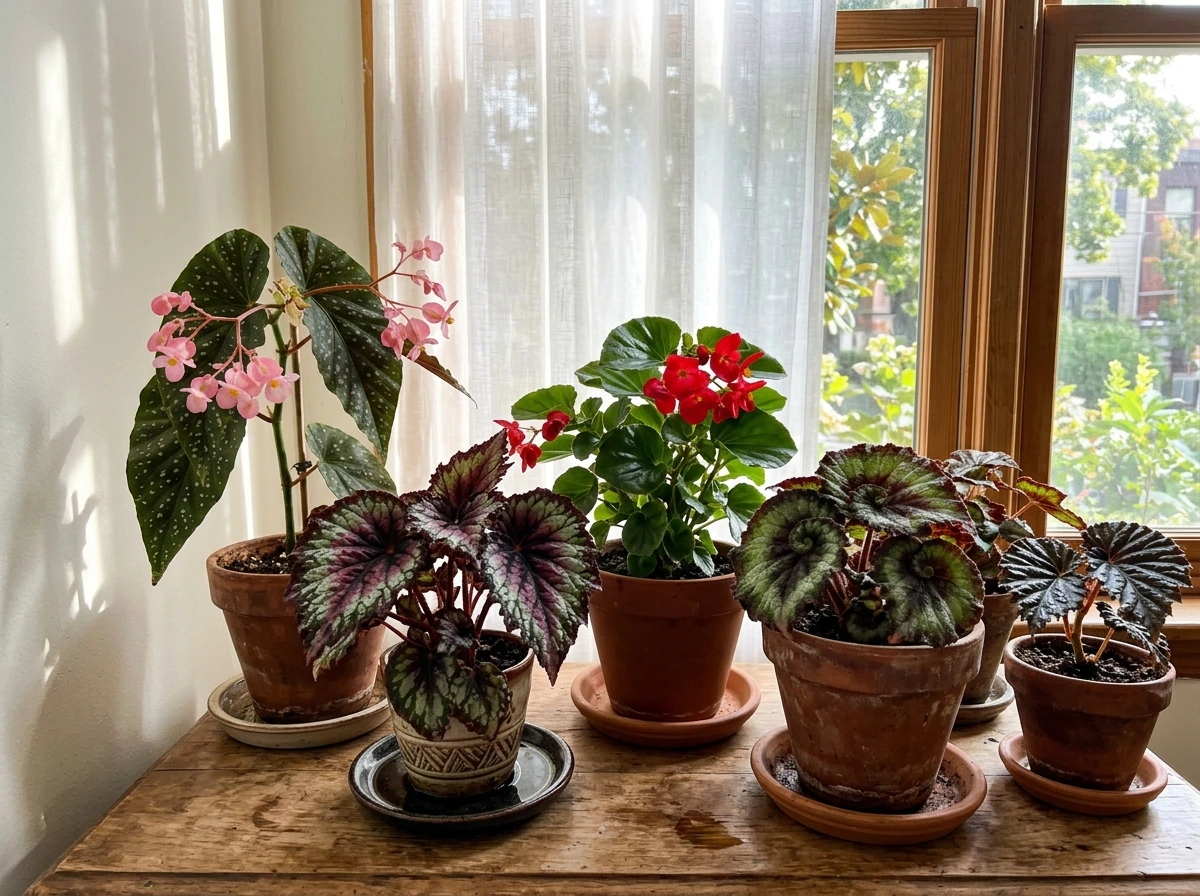
Begonias are genuinely good indoor plants, not just technically possible ones. Wax begonias, rex begonias, angel wing begonias, and rhizomatous types all adapt well to indoor life when conditions are reasonable. Tuberous begonias are the one group that needs more honest managing of expectations: they naturally want to go dormant in fall and winter, so you are not going to get year-round growth from them the way you will from a rex or a wax type.
The reason begonias succeed indoors where something like a bougainvillea struggles is that begonias do not demand full, blazing sun to stay healthy. They want bright light, not direct outdoor intensity, which maps nicely onto what a decent window actually provides. That said, they are not low-light plants. Place one in a dark corner and it will stretch, fade, and eventually give up. Give it a good bright spot, water it properly, and it will grow just fine inside your home through any season.
Getting the light right for indoor begonias
Light is the make-or-break factor for begonias indoors, so let me be specific. Begonias need bright light to flower well, but intense direct sun, especially afternoon sun through a south- or west-facing window, can burn the leaves. The sweet spot for most types is bright indirect light or gentle morning sun.
Which window works best
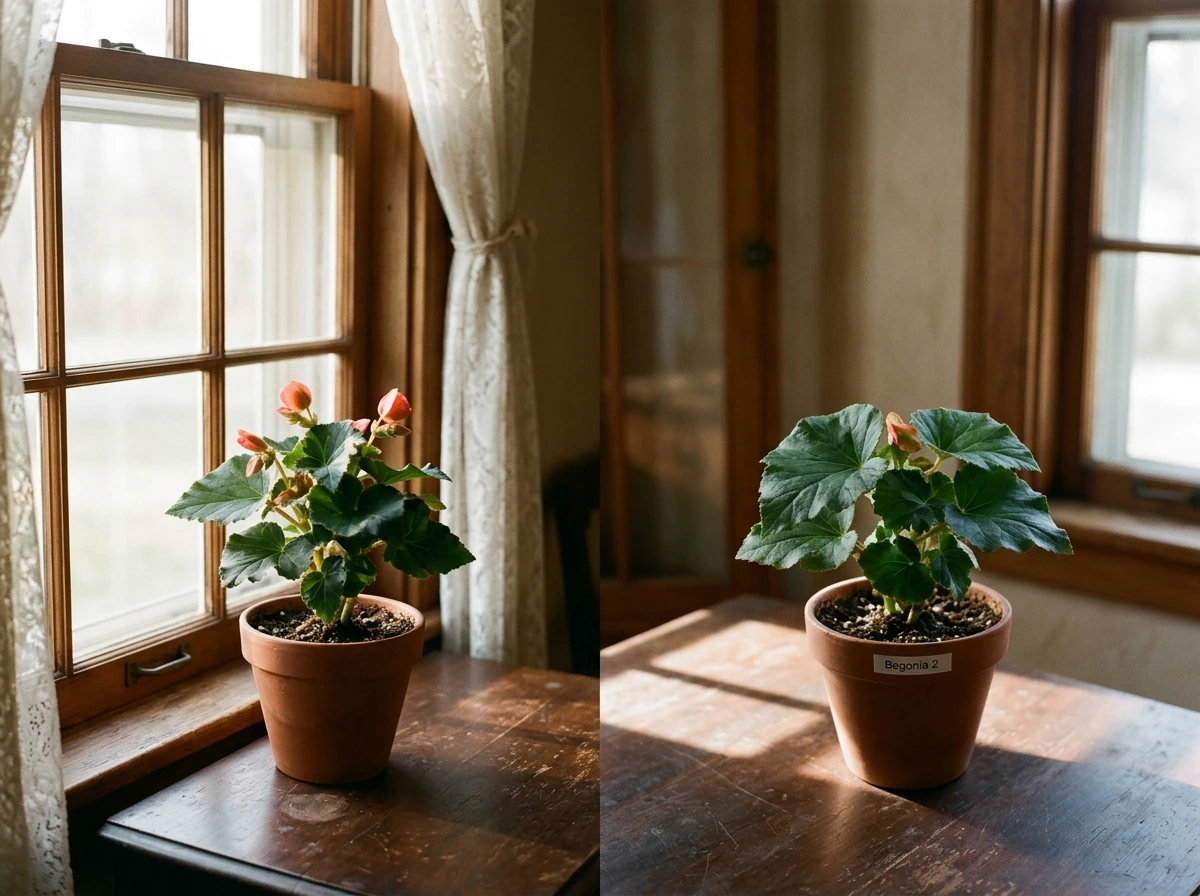
- East-facing window: ideal for most begonias. You get soft morning sun and bright indirect light the rest of the day. This is the placement I reach for first.
- North-facing window: marginal. Rex begonias and rhizomatous types can survive here but will grow slowly and rarely flower. Supplement with a grow light if this is your only option.
- South or west-facing window: potentially too intense in spring and summer. Use a sheer curtain to diffuse the light. In winter, when sun angles are low and days are short, a south-facing window becomes much more useful without the burn risk.
- Grow lights: a practical solution, especially in winter. LED plant grow lights can fully replace or supplement window light, and the American Begonia Society recommends them specifically for indoor setups. Aim for around 1,000 foot-candles of light intensity and keep the light on for 12 to 14 hours a day.
Adjusting for the seasons
This is where a lot of people get tripped up. In summer, a window that seemed perfect can turn harsh as the sun angle rises and days get longer. Move the pot back a foot or add a sheer curtain. In fall and winter, the opposite problem kicks in: light drops significantly, especially if you are north of roughly the 40th parallel. Rex begonias in particular may slow down, stop pushing new leaves, or even drop older foliage in response to lower light and shorter days. That is normal semi-dormancy behavior, not a sign your plant is dying. Adding a grow light in October and running it through March makes a dramatic difference in keeping plants actively growing through winter.
Potting and watering: the two things that kill indoor begonias fastest
More indoor begonias die from overwatering than anything else. The roots suffocate, rot sets in, and by the time you notice the plant looks off, the damage is already done. The fix is straightforward once you understand it.
Choosing the right pot
Clay or terracotta pots are genuinely better for begonias than plastic. The walls allow moisture to evaporate through the sides, which means the root zone dries out more evenly and faster. Logee's, which has been growing begonias commercially for over a century, specifically recommends clay pots for this reason. Whatever pot you use, drainage holes are non-negotiable. No drainage hole means no begonia, at least not for long.
Soil and potting mix
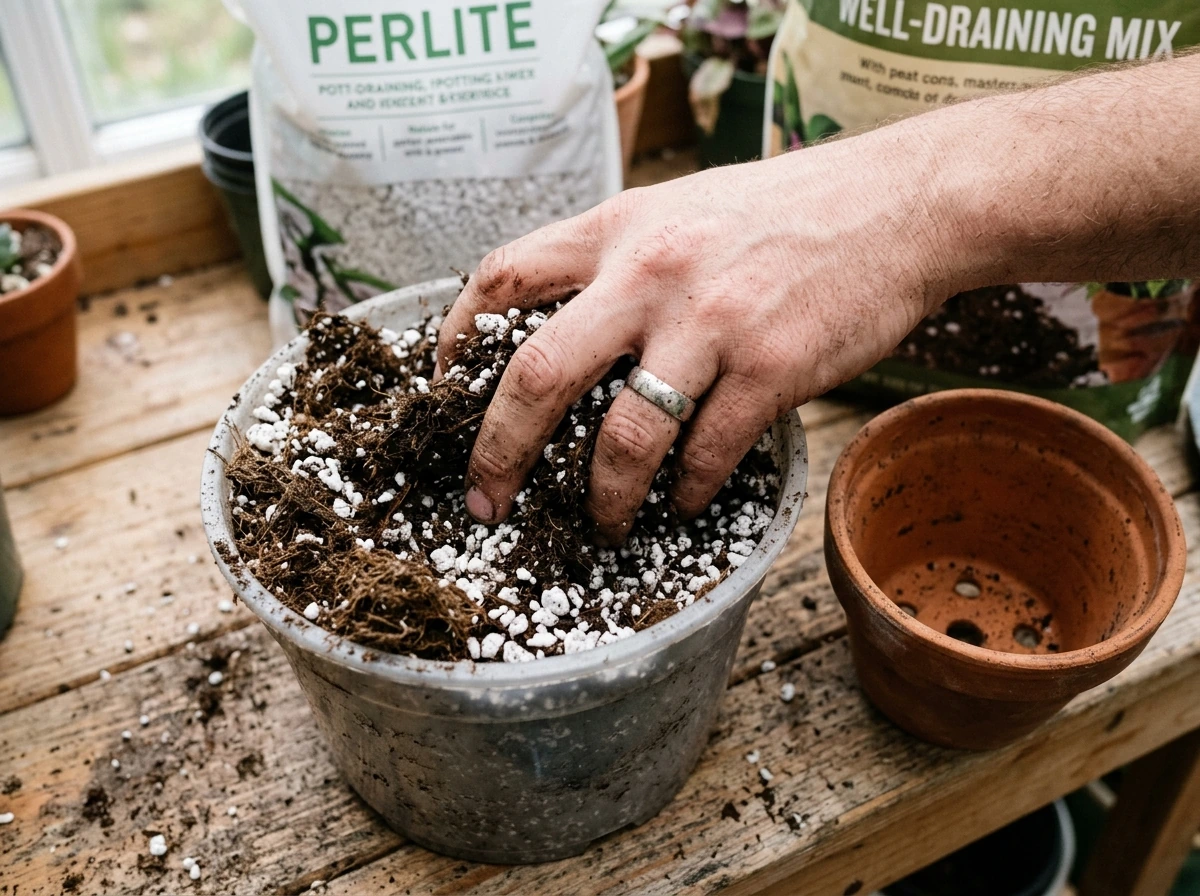
Use a well-draining potting mix. Begonia potting mix should be slightly acid, loose, and well-draining, and it should not be allowed to stay sopping wet, according to the American Begonia Society. A standard indoor potting mix with a handful of perlite mixed in works well. You want the mix to hold some moisture but drain freely and not compact into a soggy mass. Avoid garden soil entirely indoors.
How to water begonias indoors
- Check the soil before you water. Stick your finger about an inch into the mix. If it feels dry at that depth, water thoroughly. If it still feels slightly moist, wait another day or two.
- Water at the base of the plant, not over the leaves. Wet foliage invites powdery mildew and botrytis (gray mold), both of which are common indoor begonia problems.
- Water until it drains freely from the bottom, then empty the saucer. Never let the pot sit in standing water.
- In winter, pull back on frequency. Plants are growing more slowly, light levels are lower, and the soil stays moist longer. Letting it dry slightly more between waterings in winter is one of the simplest things you can do to prevent root rot.
Temperature, humidity, and where to actually put the plant
Begonias are comfortable in the same temperature range most people keep their homes: 60 to 75 degrees Fahrenheit works well for most types. They do not like cold drafts, so keep them away from exterior doors, leaky window frames, and air conditioning vents. A windowsill that gets cold at night in January can stress a begonia even if the room itself stays warm.
Humidity is where apartments and heated homes can be a real challenge. Central heating drops indoor humidity significantly, and dry air stresses begonias, sometimes triggering leaf edge browning or making the plant more vulnerable to spider mites. The American Begonia Society recommends actively managing humidity for indoor growers, especially those growing under lights. A few practical options:
- Group plants together. Plants collectively raise the ambient humidity around them through transpiration.
- Set pots on a tray filled with pebbles and water. The water evaporates around the pot without the roots sitting in it.
- Use a small room humidifier near your plant area during winter months.
- If you are growing under lights, partially enclosing the light stand with clear plastic sheeting (sometimes called tenting) creates a more humid microclimate.
Airflow matters too, and it is easy to overlook. Stagnant, still air around begonias encourages fungal problems like powdery mildew. A small fan running on low nearby, or just making sure the room gets some air circulation, goes a long way. Just do not blast the plant with cold air from an AC vent.
Common indoor begonia problems and how to fix them
Leggy, stretched growth
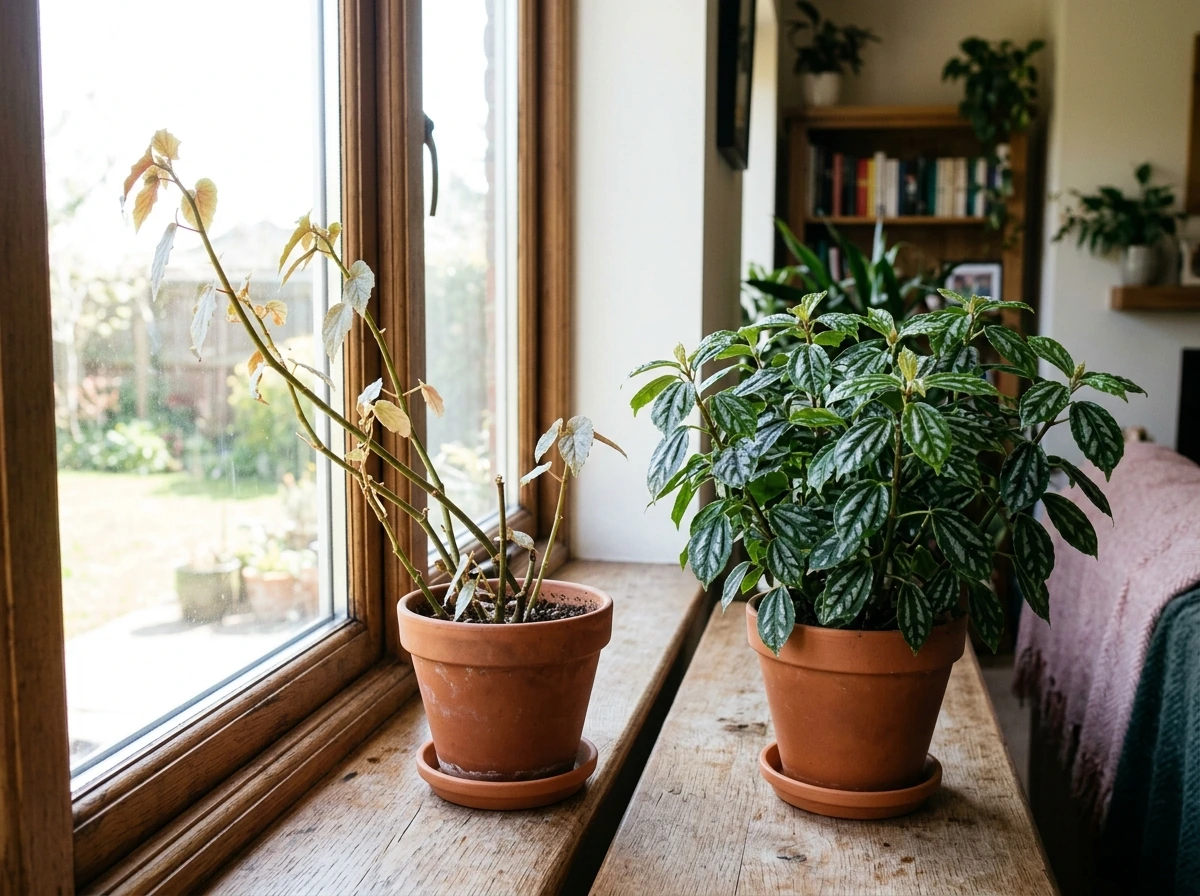
If your begonia is reaching toward the window and the stems are getting long and weak, it is not getting enough light. Move it closer to the light source or add a grow light. Pinch back leggy stems to encourage bushier growth at the same time.
Leaf drop
Some leaf drop in fall and winter is normal, especially for rex begonias entering a semi-dormant phase. If it is happening in spring or summer, suspect low light, cold drafts, or inconsistent watering. Sudden environmental changes, like moving the plant from outdoors to indoors abruptly, also trigger leaf drop.
Root rot and crown rot
These are caused by Pythium and Rhizoctonia fungi respectively, and both thrive in consistently wet soil. If the plant looks wilted even though the soil is wet, or if the base of the stem is soft and mushy, you are dealing with rot. Remove the plant from the pot, cut away any black or mushy roots, let the roots air dry briefly, and repot into fresh dry mix. Reduce watering going forward. Prevention is far easier than recovery.
Powdery mildew
Powdery mildew shows up as a white, dusty coating on leaves, and begonias are specifically prone to it, both in greenhouse conditions and indoors. It gets worse when airflow is poor and humidity is high but leaves stay wet. The fix: improve air circulation, water only at the base, and remove affected leaves. A diluted neem oil spray can help manage active outbreaks.
Pests
The most common indoor begonia pests are spider mites, mealybugs, scale, and whiteflies. Mites tend to show up in dry, warm conditions, so keeping humidity up helps prevent them. Check the undersides of leaves regularly, because most pests hide there. Mealybugs look like small cottony clusters, usually in leaf axils. Treat with insecticidal soap, neem oil, or in the case of mealybugs, a cotton swab dipped in rubbing alcohol applied directly to the pests.
Winter indoor care checklist
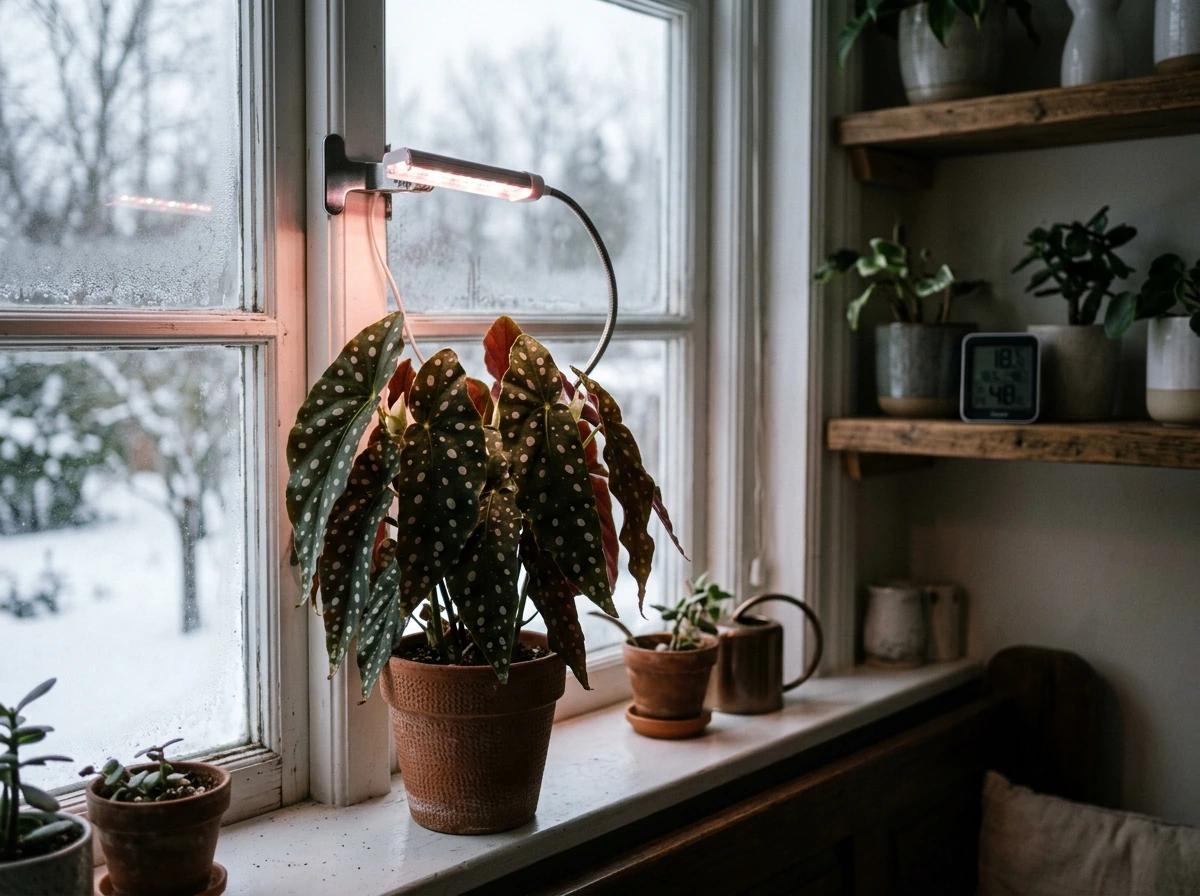
Winter is when indoor begonias are most likely to struggle, mostly because of lower light and the temptation to keep watering on a summer schedule. As tuberous begonias approach dormancy, the American Begonia Society recommends stopping fertilizing and watering less frequently, such as when leaves yellow and growth slows stop fertilizing and water less frequently when dormancy approaches. Here is a practical checklist to work through each fall and keep through winter:
- Add a grow light or move to your brightest south-facing window by October to compensate for shorter days.
- Reduce watering frequency. Let the top inch of soil dry out before watering again, and check it more often rather than watering on a fixed schedule.
- If you are growing tuberous begonias, stop watering in fall, let the foliage die back naturally, and store the tubers in a cool, dry spot. Do not expect year-round growth from tuberous types.
- Keep the plant away from cold windowsills and drafty exterior walls at night.
- Run a humidifier or use a pebble tray to counteract dry heating air.
- Ensure some air circulation to prevent powdery mildew and botrytis, both of which thrive in stale indoor air during closed-up winter months.
- Hold off on fertilizing through the darkest months (roughly November through January). Resume light feeding when you see new growth picking up in late winter.
- Do not panic if a rex begonia drops some leaves or stops putting out new growth. Check for rot, adjust watering, and give it time. Many cultivars slow dramatically in winter and bounce back in spring.
How begonias compare to similar indoor flower candidates
If you are deciding between begonias and other flowering plants for indoors, here is a quick honest comparison to help you choose.
| Plant | Indoor Light Needs | Year-Round Growth Indoors | Rot Risk | Overall Difficulty |
|---|---|---|---|---|
| Begonia (wax, rex, angel wing) | Bright indirect; no blazing sun | Yes, for most non-tuberous types | Moderate if overwatered | Easy to moderate |
| Tuberous Begonia | Bright indirect | No; goes dormant in winter | High if kept wet | Moderate |
| Impatiens | Bright indirect to low light | Possible but challenging | Low | Moderate |
| Mandevilla | Full sun or very bright | Difficult; needs intense light | Low | Difficult indoors |
| Bougainvillea | Full direct sun | Very difficult indoors | Low | Very difficult indoors |
Begonias, especially wax and rex types, come out ahead of most flowering plants when it comes to realistic indoor success.. Begonias, especially wax and rex types, come out ahead of most flowering plants when it comes to realistic indoor success.. They do not demand the kind of blazing sun that makes plants like m?ndevilla or bougainvillea so frustrating in a typical home. If you want color and foliage indoors without needing a greenhouse, begonias are one of the most dependable options you can choose.
FAQ
Can begonia grow indoors without a grow light year-round?
Yes, if you can give consistent bright light, ideally near an east or bright south window with some protection from harsh afternoon sun. If your winters are dim, many plants will still keep going but may slow or shed older leaves, especially rex types, even with good watering habits.
What window direction is best for indoor begonias?
Morning sun through an east window is usually the safest, because it is bright but less likely to scorch leaves. South and west windows can work, but you often need a sheer curtain or to move the pot back during summer when the sun angle intensifies.
How do I tell if my begonia is getting too much light or too little light?
Too much light often shows as leaf burn or crispy patches, usually after strong afternoon exposure. Too little light causes stretching, weak leggy stems, smaller or fewer flowers, and faded color, with the plant leaning toward the window.
How often should I water indoor begonias?
Use a “dry down” approach, water only when the top portion of the mix has dried and the pot feels lighter. Frequency changes with season and light, so instead of a calendar schedule, check moisture by feel, then water thoroughly until excess drains out.
Is it okay to mist begonias to increase humidity?
Misting can raise humidity briefly, but it often leaves foliage damp, which can worsen powdery mildew. If you want more reliable humidity, use a humidifier or a pebble tray, and keep watering directed at the base of the plant.
Do begonias like to be root-bound in their pots?
Many begonias tolerate being snug, but they still need breathable, well-draining conditions. If roots are circling tightly and the mix dries out in just a day or two, repot one size up into fresh mix to reduce stress and improve water balance.
What pot size should I choose for a new indoor begonia?
Pick a pot that is only slightly larger than the root ball, typically about 1 to 2 inches wider. Oversized pots hold excess moisture and increase the odds of rot, especially for succulent-prone rex and rhizomatous varieties.
Can I use cactus/succulent mix for begonias?
Usually not. Begonias need a mix that drains well but still holds some moisture, so a typical indoor potting mix amended with perlite is a better baseline. If you use a very gritty mix, you may need more frequent watering, which can be harder to manage indoors.
Why does my begonia wilt even when the soil looks wet?
That pattern often points to root or crown rot, not thirst. Soft, mushy stems at the soil line and blackened roots are common tells, and the fix usually involves removing affected roots, letting remaining roots air dry briefly, and repotting into fresh dry mix.
Should I remove fallen leaves indoors?
Yes, especially if they are wet or decaying. Removing dead leaves reduces fungal buildup risk and also helps you spot problems like pests or early mildew. Check leaf litter in the pot and around the base during winter when airflow is lower.
How do I prevent powdery mildew on indoor begonias?
Improve airflow, keep leaves as dry as possible, and water at the soil line rather than overhead. Remove heavily affected leaves early, and consider a targeted treatment like diluted neem only on the affected areas, since broad sprays can stress plants.
What is the safest way to treat spider mites or mealybugs indoors?
Start by isolating the plant, then treat the pests on the underside of leaves. Insecticidal soap works well for many soft-bodied pests, and for mealybugs you can dab individual clusters with rubbing alcohol on a cotton swab, repeating as needed to catch new hatchlings.
Why do rex begonias drop leaves in winter?
Leaf drop can happen when light decreases and plants enter a semi-dormant rhythm. If it occurs mainly in winter and the plant still looks firm at the crown, that is often normal. If it happens in spring or the plant declines quickly, suspect cold drafts, inconsistent watering, or insufficient light.
Can tuberous begonias be kept indoors successfully, and will they flower year-round?
They can be grown indoors, but they typically do better when you accept their natural dormancy. Expect reduced growth in fall, then resume watering and light as new shoots appear in the next growth cycle, rather than forcing year-round flowering.