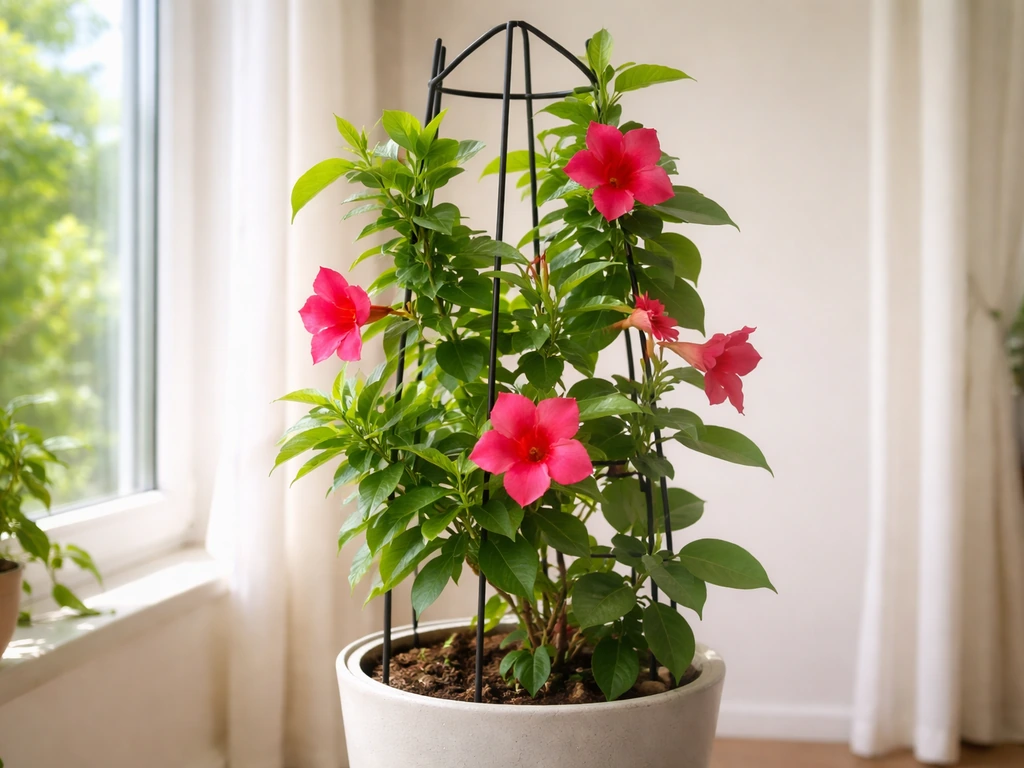
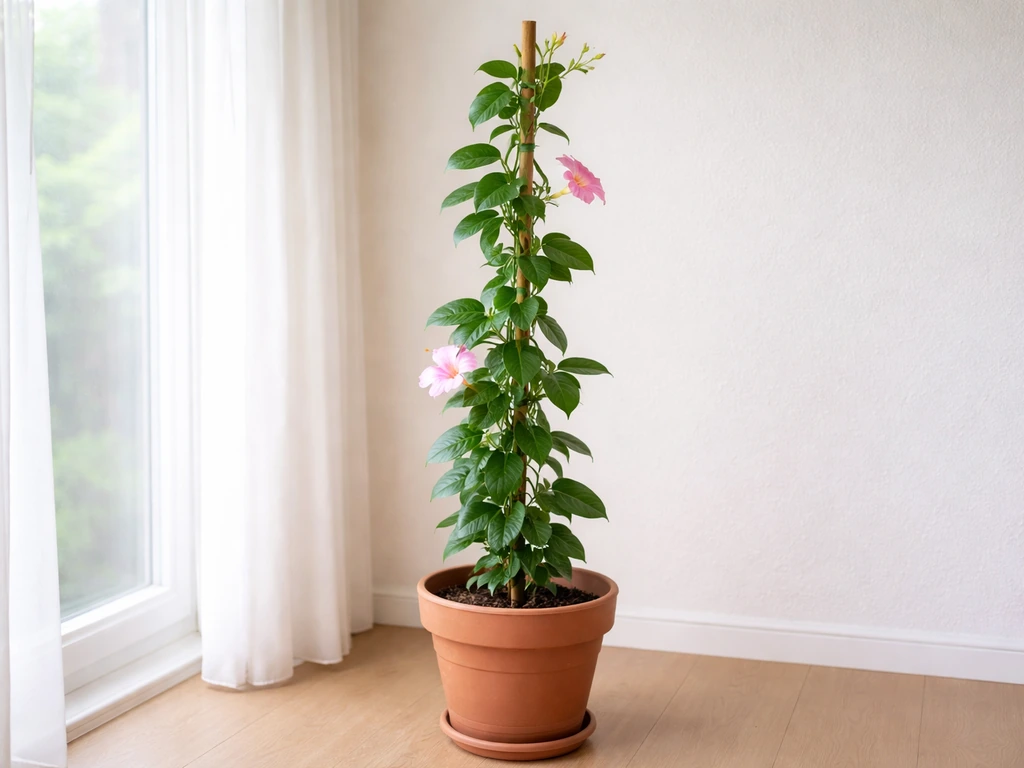
Miss any of those and you'll end up with a leggy, sulking vine that refuses to flower and slowly drops its leaves. So the short answer is yes, with conditions. If you also grow other flowering plants, you may be wondering can impatiens grow inside and what light they need. If your home has a large, sunny south- or west-facing window and you're willing to manage watering carefully, mandevilla indoors is absolutely doable. If your best option is a dim north window or a shaded apartment, I'd point you toward something more forgiving.
The most common use case I see is overwintering: people bring their patio mandevilla inside before the first frost and want to keep it alive until they can put it back outside. That's actually the perfect scenario for indoor mandevilla, because the expectations shift from 'lush tropical showpiece' to 'healthy, resting plant that comes back strong in spring.' Whether you want to grow it indoors full-time or just carry it through winter, the core requirements are the same, and this guide covers both.
What indoor conditions it needs to thrive
Mandevilla is a tropical vine native to warm, sunny climates, so it brings those expectations inside with it. Think of it as a plant that grew up somewhere like Brazil and has never once considered tolerating a drafty corner. To actually thrive indoors, rather than just survive, it needs a specific combination of conditions working together.
- Bright, direct or near-direct light for most of the day (a south- or west-facing window is ideal)
- Daytime temperatures between 70 and 75°F (21 to 24°C) and nighttime temps staying at 60 to 70°F (16 to 21°C)
- Humidity above the typical dry indoor air level, especially in heated homes during winter
- Well-draining potting mix with a pH between 5.6 and 6.2
- A pot with excellent drainage holes — no sitting in water
- Consistent watering that slows down in cooler, lower-light periods
- Regular feeding during active growth, paused during rest phases
None of these requirements are impossible to meet, but they do all need to be in place at the same time. One weak link, like low light paired with overwatering, and you'll run into root rot or a plant that just stalls. The good news is that once you dial in the setup, mandevilla is relatively straightforward to maintain.
Light setup and best window choices
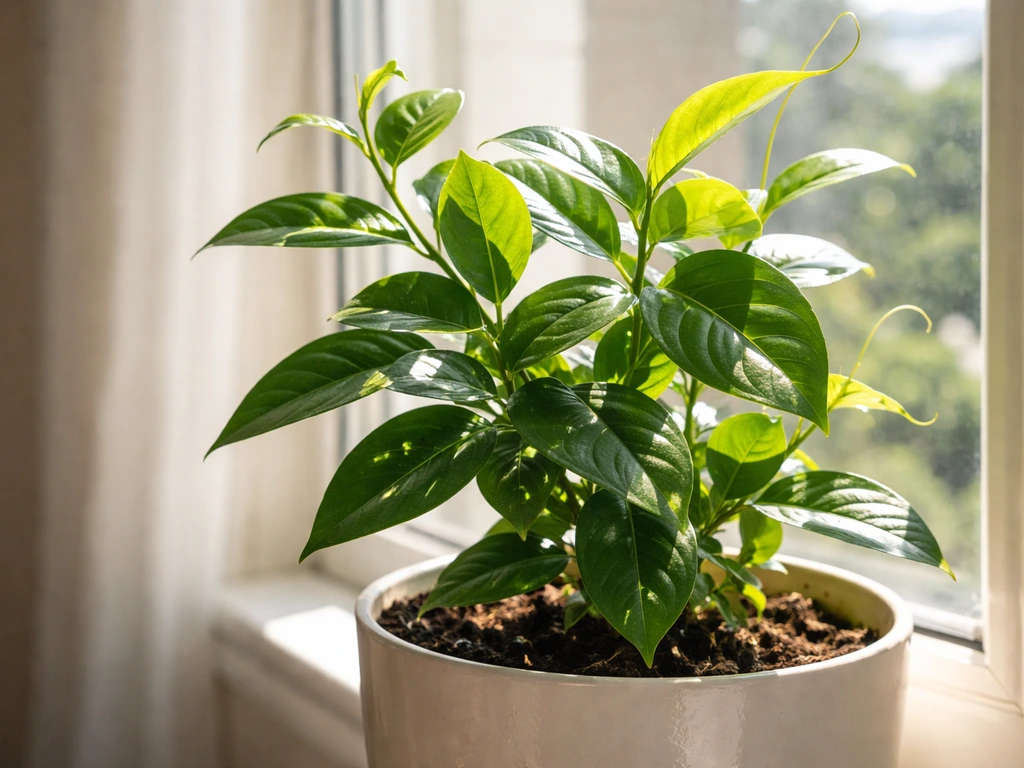
Light is the single biggest factor for indoor mandevilla success. This plant wants a lot of it. In professional greenhouse production, mandevilla (sold under names like dipladenia or Madinia) is grown at 5,000 to 7,000 foot-candles, which works out to roughly 54,000 to 75,000 lux. That's the kind of intensity you'd find in bright outdoor shade or a sun-drenched patio. Indoors, you're almost certainly working with less, which is why placement matters so much.
A south-facing window is your best bet in the Northern Hemisphere. Place the plant right at the glass, not a few feet back, because light drops off quickly as you move away from the window. A west-facing window can also work if it gets strong afternoon sun for four or more hours. East-facing windows provide gentler morning light, which is borderline. North-facing windows are not suitable for mandevilla, full stop.
If you're serious about getting blooms indoors, a grow light is worth considering. Full-spectrum LED grow lights positioned 6 to 12 inches above the plant can supplement or replace window light effectively. The daily light integral target for this plant is 15 to 30 mols per day, which is on the higher end for indoor setups. Running a quality grow light for 14 to 16 hours can bridge the gap in winter when natural light is weak. I've seen people in apartments with no great window pull off a blooming mandevilla this way, so don't rule it out.
Soil, pot, and drainage for indoor mandevilla
Mandevilla roots need to breathe. A dense, heavy potting mix that retains moisture is one of the faster ways to kill this plant indoors. Go with a well-draining mix that has good structure and permeability: a standard peat-based potting mix blended with perlite (roughly 70/30) works well. The target pH is 5.6 to 6.2, which is slightly acidic. Most quality commercial potting mixes land in this range, but if you're mixing your own or reusing old soil, it's worth checking with an inexpensive pH meter.
For the pot itself, terracotta is a solid choice indoors because it allows the growing medium to dry out more evenly between waterings, which matches what mandevilla prefers. Plastic pots retain moisture longer, so if you use one, err on the side of less frequent watering. Whatever material you choose, drainage holes are non-negotiable. No drainage holes means water pools at the bottom, roots sit wet, and you get root rot, which this plant is genuinely susceptible to. If the pot has a saucer, empty it after watering rather than letting the plant stand in collected water.
Pot size matters too. Mandevilla doesn't need to be in a huge container. A pot that's slightly snug encourages root health and makes it easier to avoid overwatering, because there's less excess wet soil around the roots. If you're bringing in a plant that spent the summer in a large outdoor planter, consider downsizing it slightly when you move it indoors.
Watering, fertilizing, and general care routine
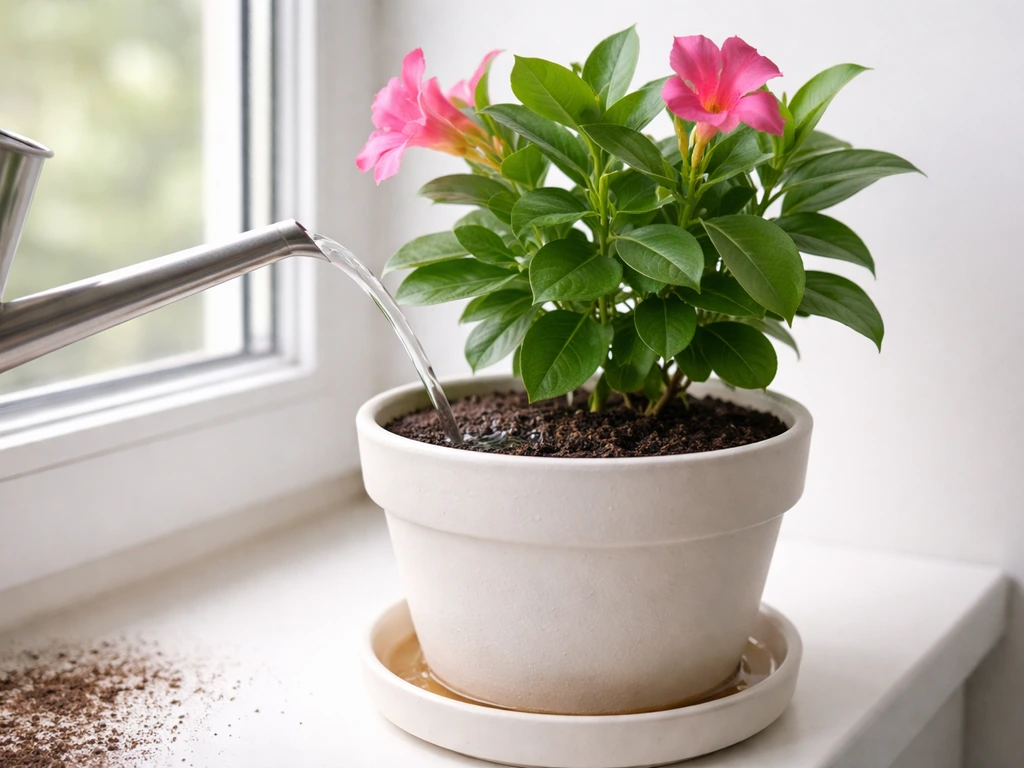
The watering rule for indoor mandevilla is simple: water thoroughly, then let the top inch or two of soil dry out before watering again. During active growth in warmer months, this might mean watering every five to seven days. During cooler winter rest periods with lower light, that interval stretches out considerably. Clemson University's extension program specifically recommends reducing watering frequency during rest periods triggered by cooler temperatures and reduced light, and this is one of the most common mistakes indoor gardeners skip over.
One specific tip worth highlighting: always use room-temperature water. Commercial growers explicitly advise against misting mandevilla with cold water, and the same applies to watering the root zone. Cold water can stress the plant and contribute to root problems. Let tap water sit out for an hour before using it, or use water from a room-temperature source.
For fertilizing, feed mandevilla every two weeks during the growing season (spring through early fall) with a balanced liquid fertilizer or one slightly higher in phosphorus to encourage blooming. Once the plant enters its winter rest, stop fertilizing entirely or reduce to once a month at most. Feeding a resting plant in low light just pushes weak, leggy growth that's more susceptible to pests and disease. Resume regular feeding in late winter or early spring as you start ramping up light and temperatures again.
Pruning is worth mentioning here too. If your mandevilla gets leggy indoors, which it often does in lower light conditions, don't be afraid to trim it back. Cutting stems back by a third to a half encourages bushier regrowth and reduces the plant's energy demand during low-light periods. Do this in late winter before the active growing season kicks in.
Temperature, humidity, and seasonal indoor adjustments
Mandevilla needs warmth to perform well. The sweet spot is daytime temperatures of 70 to 75°F (21 to 24°C) and nighttime temperatures between 60 and 70°F (16 to 21°C). The absolute minimum it can tolerate before real damage sets in is around 45 to 50°F. If your home drops below 50°F at night near windows or in drafty spots, that's a problem. Keep the plant away from cold drafts, air conditioning vents, and exterior doors that open frequently in winter.
Humidity is where most heated homes fall short. Central heating dries out indoor air considerably, and mandevilla, being a tropical plant, really wants more moisture in the air than most living rooms provide in winter. You have a few practical options: run a humidifier near the plant, place the pot on a tray filled with pebbles and water (keeping the pot itself above the waterline), or group it with other plants to create a slightly more humid microclimate. Avoid misting the foliage directly as a humidity fix, especially with cool water, since that can encourage fungal issues.
Seasonally, think of indoor mandevilla care in two phases. From roughly October through February, the plant naturally wants to rest. Reduce watering, stop fertilizing, keep it warm and bright but don't stress about blooms. From March onward, gradually increase watering, resume feeding, boost light if possible, and the plant should reward you with fresh growth. If you're planning to move it back outside for summer, wait until nighttime temps are reliably above 50°F and acclimate it to outdoor conditions gradually over one to two weeks rather than plunging it from dim indoor light into full sun.
How indoor mandevilla compares to similar flowering plants
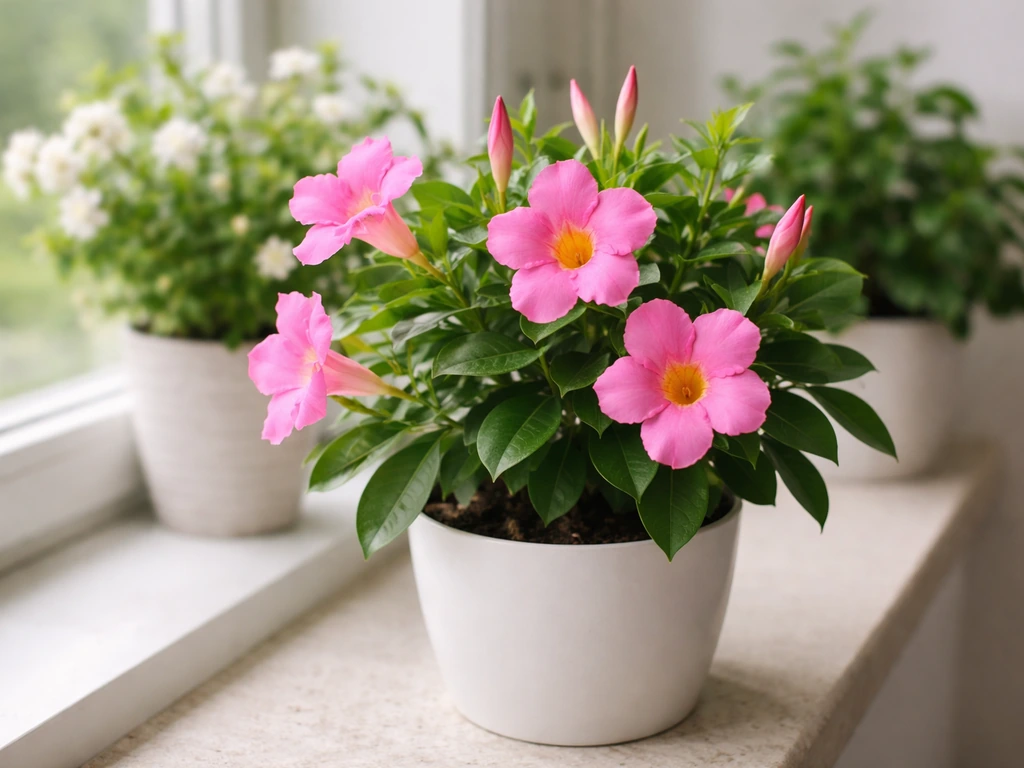
If you're weighing mandevilla against other flowering plants for indoor growing, it's worth being honest about where it falls on the difficulty scale. Plants like begonias are generally more forgiving of lower light and inconsistent humidity indoors. If you are deciding which plant is easiest for indoors, begonias can also grow indoors with less demanding light and care can begonia grow indoors. <a data-article-id="51FEAFB4-63BE-40FD-94AE-5BE0FD33C33F">Impatiens can do reasonably well in a bright indoor spot without the strict temperature demands.
Petunias are frankly poor candidates for long-term indoor growing in most homes. Petunias can sometimes grow indoors temporarily under bright light, but they generally struggle to thrive long-term compared with more indoor-friendly plants can petunias grow indoors. Bougainvillea is a closer comparison to mandevilla: both are tropical, both need intense light, and both can be overwintered indoors but require effort to bloom reliably without supplemental lighting.
Bougainvillea can also grow indoors, but it needs similarly intense light and careful care to bloom reliably can bougainvillea grow indoors.
| Plant | Indoor Light Needs | Humidity Demand | Blooms Indoors? | Difficulty |
|---|
| Mandevilla | Very high (south/west window or grow light) | Moderate to high | Yes, with strong light | Moderate to high |
| Begonia | Medium (bright indirect) | Moderate | Yes, more reliably | Low to moderate |
| Impatiens | Medium (bright indirect to some direct) | Moderate | Yes, fairly easily | Low to moderate |
| Petunias | Very high | Low to moderate | Rarely | High |
| Bougainvillea | Very high (direct sun) | Low to moderate | Possible but challenging | High |
Troubleshooting: why it won't grow or bloom indoors
If your mandevilla is sitting indoors and doing nothing, or worse, declining, here are the most common culprits and how to fix them.
No blooms
The number one reason mandevilla won't bloom indoors is insufficient light. If it's not getting four or more hours of direct sun or the equivalent from a grow light, blooming is unlikely. Move it to your brightest window or add supplemental lighting. Also check that you resumed fertilizing in spring, because a plant that hasn't been fed won't have the energy to flower.
Leggy, weak growth
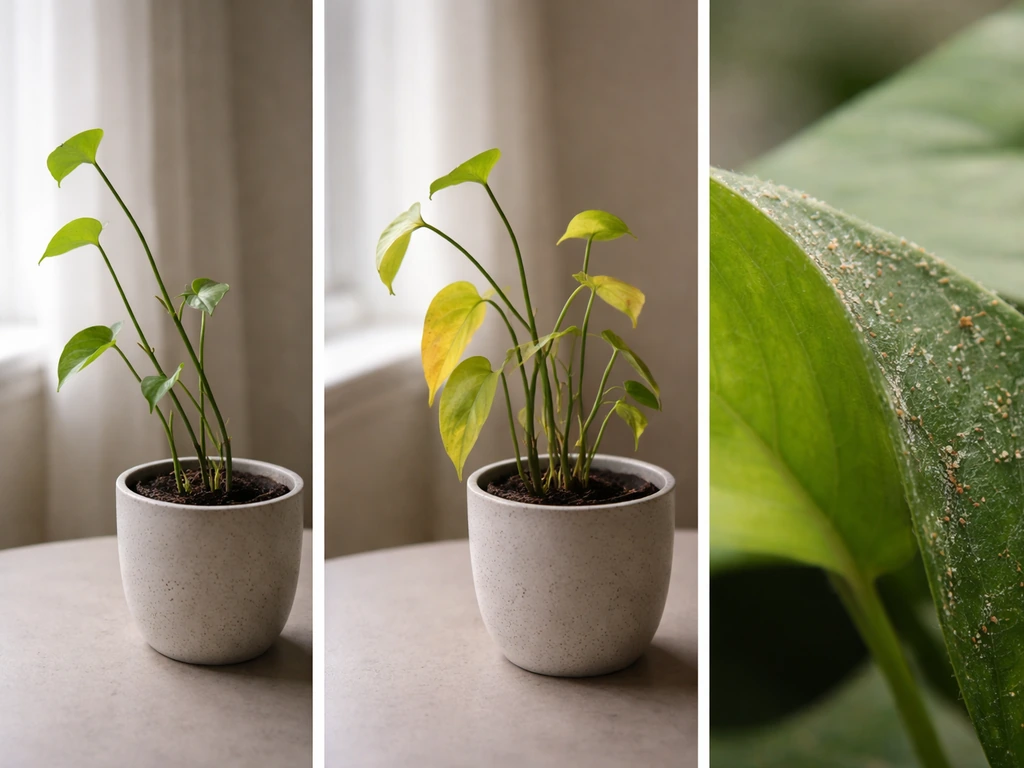
Long, spindly stems with small leaves widely spaced apart is a classic low-light response. The plant is stretching toward whatever light it can find. Improve light levels first, then trim back the leggy growth to encourage denser branching. Feeding a leggy plant without fixing the light just makes the problem worse.
Yellowing leaves
Yellow leaves can mean overwatering (especially in winter when you haven't adjusted the watering schedule), poor drainage leading to root rot, or occasionally nutrient deficiency. Check the soil moisture first. If the mix is staying wet for more than a week or two between waterings during the low-light season, you're watering too frequently. Let it dry out more between sessions and make sure water is moving freely through the drainage holes.
Pests
Spider mites are the most common indoor pest on mandevilla, and they thrive in the exact conditions your home probably has in winter: warm, dry air. The first sign is usually fine webbing on the undersides of leaves or a dusty, stippled look to the foliage. Start by wiping leaves down with a damp cloth to remove dust and dislodge mites, then follow up with insecticidal soap spray, making sure to coat leaf undersides.
For heavier infestations, a forceful spray of water over the sink to wash off mites before applying soap can improve results. Mealybugs and scale are less common but possible. Treat them with insecticidal soap or neem oil and check new plants carefully before placing them near your mandevilla.
Root rot
If the plant looks wilted even when the soil is wet, or if you pull it from the pot and find brown, mushy roots, root rot is the diagnosis. This is almost always caused by overwatering combined with poor drainage. Trim off any rotted roots, repot into fresh, well-draining mix, and adjust your watering habits going forward. High light and warm temperatures help reduce conditions that favor root disease, which is another reason the light setup matters so much beyond just bloom production.
Your next steps to get started today
If you're ready to bring a mandevilla indoors or set one up right now, here's the practical sequence to follow:
- Pick your spot: identify your brightest south- or west-facing window, or plan where you'll set up a grow light
- Check your pot and soil: make sure there are drainage holes and repot into a well-draining mix (potting mix plus perlite) if needed
- Adjust pot size: aim for a container that's snug rather than oversized to avoid excess wet soil around roots
- Set baseline temperature: confirm the location stays between 60 and 75°F, away from drafts and cold windows at night
- Address humidity: set up a pebble tray with water or position a small humidifier nearby
- Start a watering log: water thoroughly, note the date, check soil moisture every few days, and water again only when the top inch or two feels dry
- Hold fertilizer until spring: if it's fall or winter, skip feeding and let the plant rest; resume in March with a balanced liquid fertilizer every two weeks
- Inspect for pests at the door: before bringing any outdoor mandevilla inside, check leaves (especially undersides) for spider mites, scale, or mealybugs and treat if needed before placing it near other plants
Mandevilla indoors is genuinely rewarding when the setup is right. It's not a set-it-and-forget-it plant, but if you can give it the light and warmth it wants, you'll have a healthy vine ready to explode back into bloom the moment you move it outside in spring, or even right there on your windowsill if the conditions are good enough.