Yes, Arabian jasmine (Jasminum sambac) can grow and even bloom indoors, but it needs more light than most houseplants and won't forgive a dark corner. If you are also curious about other trailing plants, can creeping jenny grow indoors, too, is a common question many people ask before buying Arabian jasmine (Jasminum sambac) can grow and even bloom indoors. If you can put it in front of a south- or west-facing window that gets at least four to six hours of direct sun, keep temps between 65 and 80°F during the day, and bump up the humidity a bit, you have a genuinely good shot at healthy growth and fragrant flowers inside your home. A wandering jew can also be grown indoors, as long as it gets bright light and a bit of watering discipline can wandering jew grow indoors.
Can Arabian Jasmine Grow Indoors? Indoor Care Guide

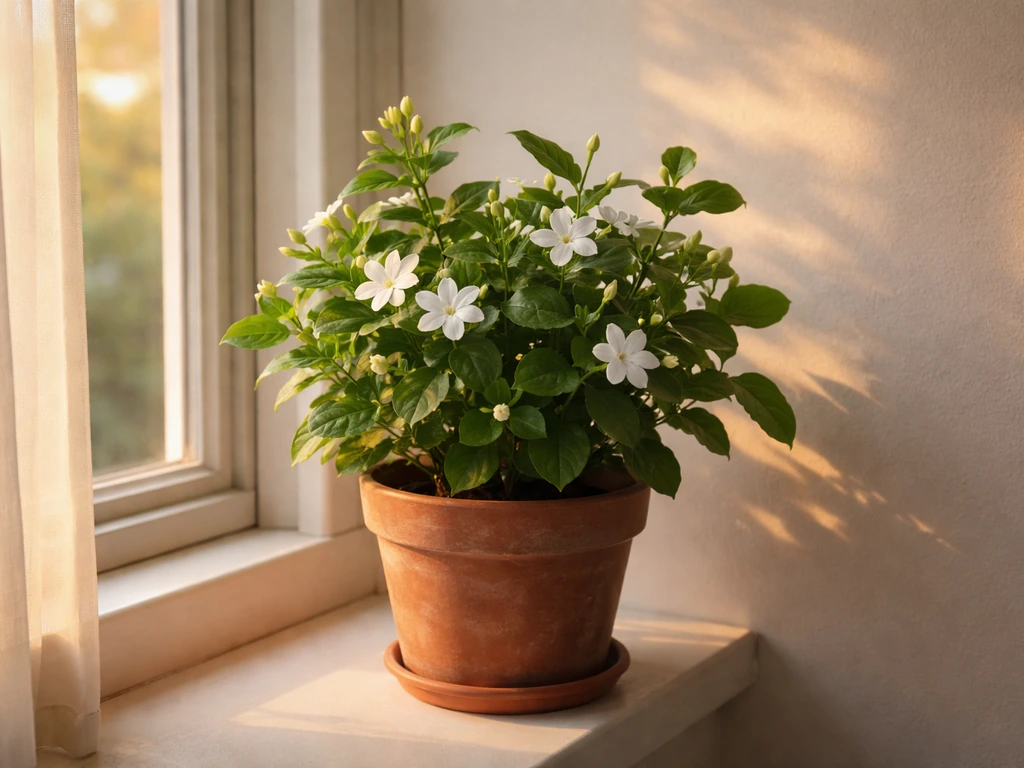
The honest verdict on Arabian jasmine indoors
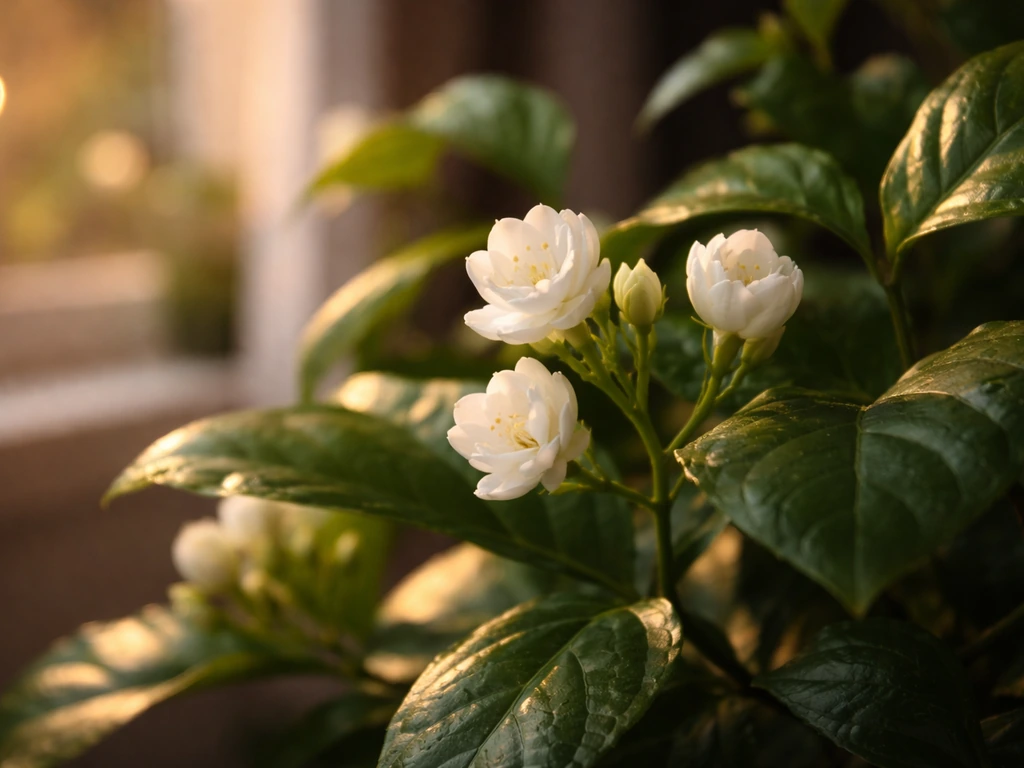
Arabian jasmine is one of the more rewarding jasmines to grow indoors precisely because it blooms nearly year-round under the right conditions, and the flowers open in the evening, filling a room with that unmistakable sweet scent. It's not a low-maintenance, set-it-and-forget-it plant, though. It's a subtropical shrub that wants bright light, consistent warmth, and regular feeding. Give it those things and it rewards you. Skip them and it sulks, drops leaves, and refuses to flower. So the verdict is: yes, it can thrive inside, but you need to meet it halfway. If you're specifically wondering whether gardenia can grow indoors, the key is matching its light and humidity needs, which are different from jasmine can thrive inside.
It's also worth knowing that Arabian jasmine behaves differently from other jasmine species. Star jasmine and confederate jasmine are vigorous vines that can be harder to manage in a pot. If you find the pot growth challenge of confederate jasmine appealing, you can compare strategies with how this vine manages indoors versus Arabian jasmine. Star jasmine can also be grown indoors, but it typically needs bright light, warmth, and regular care to set flowers. Sambac is naturally an upright shrub, which means it's actually better suited to container life indoors. It stays more compact, especially if you trim it periodically, and it doesn't try to take over your whole windowsill.
Light, temperature, and humidity: the conditions that matter most
Light
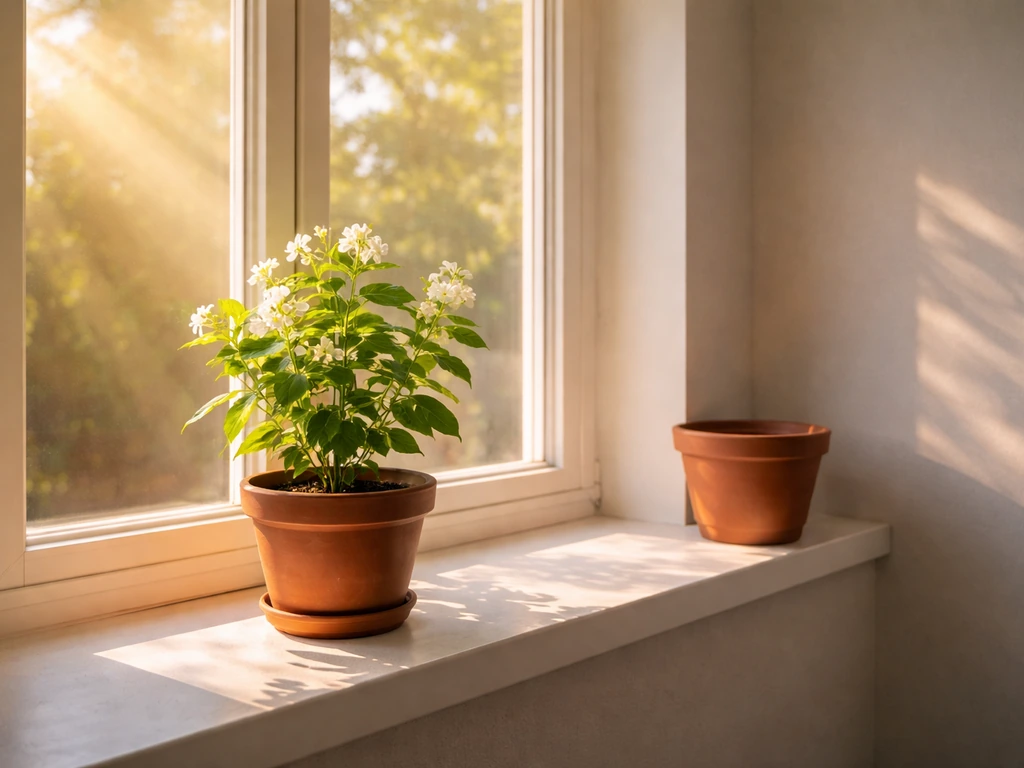
Light is the number-one factor that separates a thriving indoor sambac from a struggling one. Arabian jasmine can technically tolerate shade, but "tolerates shade" means it won't immediately die, not that it'll flower or grow vigorously in low light. For real success, give it as much direct sunlight as possible indoors. Jade plants can also grow indoors, as long as they get bright light and a well-draining setup.
A south-facing window is ideal. West-facing works well too. East-facing is marginal and may get you healthy leaves but few or no blooms. If you're in an apartment with north-facing windows only, a grow light placed 6 to 12 inches above the plant for 12 to 14 hours a day can genuinely substitute.
Temperature
Arabian jasmine likes warmth. Aim for 65 to 80°F (18 to 27°C) during the day and never let it drop below 60°F (15°C) at night. Most homes stay in this range naturally, which is one reason sambac does reasonably well indoors. The main traps are cold windowsills in winter (the glass can radiate cold even when the room is warm), air conditioning vents blowing directly on the plant in summer, and drafty spots near exterior doors. Keep it away from all three.
Humidity
Arabian jasmine prefers humidity in the 50 to 80% range. The good news is that it will tolerate lower levels without dying, so if your home runs at 40% humidity, your plant will likely survive. But if you want consistent blooms and lush foliage, it's worth running a small humidifier nearby, grouping it with other plants, or setting it on a pebble tray with water. Dry indoor air in winter is one of the most common reasons indoor jasmines look scraggly, and it also invites spider mites, which love dry conditions.
How to grow Arabian jasmine indoors: step by step
- Choose the right spot first. Pick your sunniest window before you even buy the pot. Everything else follows from the light situation.
- Select a pot with drainage holes. A 6- to 8-inch pot is a good starting size for a young plant. Clay or terracotta is ideal because it dries out faster and reduces overwatering risk, but plastic works if you're careful with watering.
- Use a rich, free-draining potting mix. A standard indoor potting mix works if you add perlite at roughly a 1:4 ratio to improve drainage. Slightly acidic to neutral pH (around 6.0 to 7.0) is the sweet spot.
- Place the plant at your sunniest window. If using a grow light, position it 6 to 12 inches above the foliage on a 12 to 14 hour daily timer.
- Water deeply, then let it drain completely. After watering, wait 30 to 40 minutes and dump any water sitting in the saucer. This one habit prevents the majority of root rot issues.
- Start fertilizing once the plant is settled (about two weeks after potting). Feed weekly with a balanced, water-soluble fertilizer at one-quarter teaspoon per gallon of water.
- Prune lightly to keep it compact and encourage new growth, which is where flowers form. More on this below.
- Monitor for pests every time you water. Catching spider mites or scale early makes a huge difference.
Potting, soil, and watering in practice
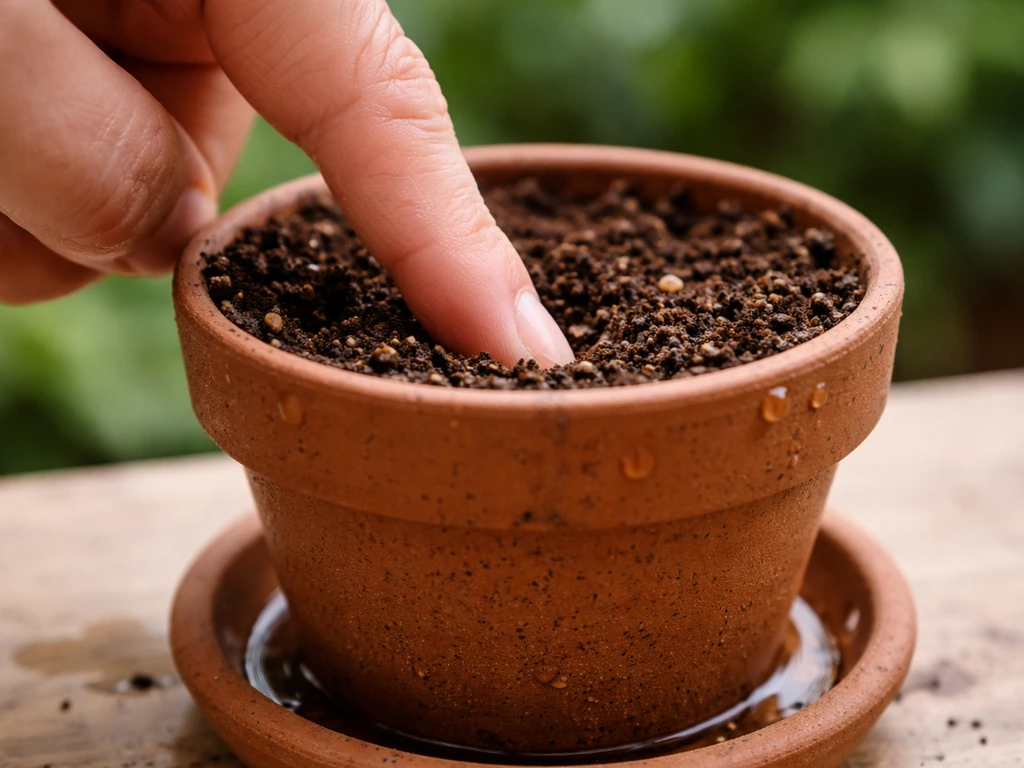
The soil mix is more important than most people realize. Arabian jasmine roots need oxygen, and a dense, soggy mix cuts off that supply fast. Use a rich but free-draining potting mix, and make sure the pot has excellent drainage. Root rot is the most common way indoor sambac plants die, and it almost always comes from poor drainage or chronic overwatering combined.
For watering, the knuckle test is your best tool. Push your finger into the soil about an inch deep. If it feels dry and close to room temperature, it's time to water. If it feels moist and cool, leave it alone for another day or two. When you do water, water thoroughly until it runs out the drainage holes, then discard what collects in the saucer after 30 to 40 minutes. Never let the plant sit in standing water. In winter when growth slows, you'll water significantly less than in the active growing season.
Feeding, pruning, and training for a compact indoor plant
Arabian jasmine is a hungry plant when it's actively growing. Feed it once a week with a balanced, water-soluble fertilizer diluted to one-quarter teaspoon per gallon of water. This sounds like a lot of feeding but the diluted dose keeps you from burning the roots while still giving the plant what it needs for steady growth and flowering. Back off fertilizing in winter if the plant is resting, or reduce to once every three to four weeks.
Pruning is what keeps an indoor sambac from turning into a leggy mess. Because it's an upright shrub rather than a vine, it responds very well to trimming. Cut back thicker, older stems periodically to encourage fresh growth, because new stems are where flower buds form. Timing matters: research on sambac flower yield found that plants pruned in late summer or early fall produced the best flower output. A light shaping trim after a flush of blooms, plus a more significant cutback in late summer, is a solid indoor approach. Don't be afraid to cut it back by a third.
If you want to train it as a small trellis or hoop plant, you can. Use soft garden ties and a small bamboo hoop or trellis in the pot. Tie new stems loosely as they grow. This keeps the plant tidy and maximizes the number of flowering tips facing the light.
Getting your Arabian jasmine to bloom indoors
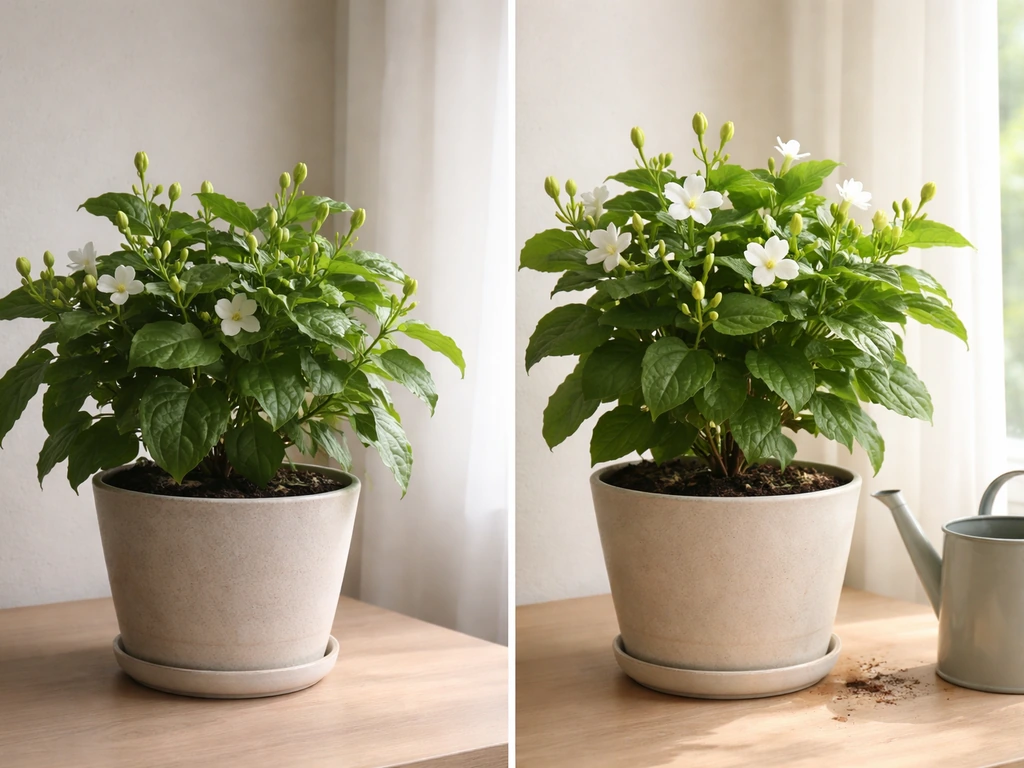
When conditions are right, Arabian jasmine can bloom most of the year indoors, which is genuinely remarkable for a houseplant. The flowers open at night, typically around 6 to 8 in the evening, and close in the morning. If you've ever wondered why your jasmine smells amazing in the evening and seems scentless during the day, that's why. It's not underperforming, it's just doing what it naturally does.
If your plant isn't blooming, the cause is almost always one of three things: not enough light, not enough fertilizer, or not enough warmth. Work through that checklist before anything else. Move the plant to a brighter spot first, that's the fix in probably 70% of non-blooming cases. Then check that you're feeding regularly. Finally, make sure the plant isn't sitting in a cold draft or near an air conditioning vent. Once those boxes are checked, buds usually appear within a few weeks.
Common indoor problems and how to fix them fast
| Problem | Likely Cause | Fix |
|---|---|---|
| Yellow leaves | Overwatering or poor drainage | Check soil moisture; dump saucer water; improve drainage |
| Dropping leaves | Cold drafts, temperature shock, or root rot | Move away from cold windows/vents; check roots; reduce watering |
| No blooms | Insufficient light or irregular feeding | Move to brightest window; start weekly fertilizing |
| Leggy, sparse growth | Low light or needs pruning | Increase light; trim back older stems to stimulate new growth |
| Fine webbing on stems/leaves | Spider mites (especially in dry air) | Spray two applications of diluted pure neem oil, one week apart; increase humidity |
| Sticky residue or bumps on stems | Scale insects | Remove manually; treat with neem oil spray; isolate plant from others |
| Wilting despite moist soil | Root rot from overwatering | Unpot, trim rotted roots, repot in fresh dry mix, reduce watering |
Spider mites are the indoor pest you'll encounter most often with Arabian jasmine, especially in winter when indoor air is dry. They thrive in low humidity, which is another reason to keep humidity above 40% if you can. Spider mites thrive in hot, dry conditions, with ideal temperatures in the 80s°F and low humidity below 50% They thrive in low humidity. At the first sign of fine webbing or stippled, pale leaf surfaces, treat immediately with two neem oil applications a week apart, and boost humidity around the plant. Catching them early makes the difference between a quick fix and a months-long battle.
One quick note on propagating your own plants
If you want to grow more Arabian jasmine or share it with someone, stem cuttings are the way to go. Take a cutting with two to three nodes, dip the cut end in rooting hormone if you have it (optional but speeds things up), and stick it in a moist, sandy medium. Expect roots to develop over six to twelve weeks. Hardwood cuttings with five to six buds root particularly reliably. It's a satisfying and inexpensive way to multiply a plant you're already enjoying indoors. If you are also wondering whether creeping charlie can grow indoors, the key is providing bright light and keeping the soil from staying soggy can creeping charlie grow indoors.
FAQ
My Arabian jasmine gets bright light but not direct sun, will it still bloom indoors?
If your home has a bright window but not much direct sun, Arabian jasmine may survive but usually struggles to bloom. For consistent flowers, aim for several hours of direct sun daily, and in marginal windows use a grow light positioned 6 to 12 inches above the plant and run it for about 12 to 14 hours a day.
Can I move my indoor Arabian jasmine from a low-light spot to a sunny window without shocking it?
Yes, but you should acclimate it gradually. Move it closer to the window over 7 to 10 days, then maintain the same light level year-round. Sudden exposure to stronger sun or cold drafts can trigger leaf drop and delay bud formation.
How do I prevent root rot when growing Arabian jasmine indoors?
Use a pot with drainage holes and a free-draining mix, then check for waterlogging. A common mistake is keeping a decorative cachepot without draining, or letting the saucer retain water. If the soil stays wet longer than a few days, lighten the mix and reduce watering frequency.
Should I water Arabian jasmine less in winter, and how can I tell when it’s truly time to water?
Water less in winter, and make the decision based on soil temperature and dryness. If the soil feels moist and cool, wait. Also consider shifting the plant slightly away from the coldest window glass, since cold slows drying and increases the risk of overwatering.
What should I do if my plant is dropping leaves or not growing after I fertilize?
Do not fertilize a stressed or recently repotted plant. If leaves are dropping due to cold, low light, or dry air, fix those first, then resume feeding at reduced frequency. Overfeeding with poor light often leads to soft growth with fewer buds.
Why does my Arabian jasmine look healthy but refuses to bloom, even indoors?
If blooms are scarce, check the big three first: direct light hours, daytime warmth, and feeding consistency. Also remember the flower schedule is evening opening, morning closing, so missing blooms often comes from checking at the wrong time.
Will lower humidity stop my Arabian jasmine from flowering, or can it still bloom?
Yes, but the plant may become less fragrant and may delay or reduce flowering. Arabian jasmine naturally opens its flowers at night, so with lower humidity or cooler temperatures you may still see occasional buds, just not the same performance.
What’s the best way to handle spider mites on Arabian jasmine indoors?
If you see stippling or tiny webbing, treat immediately and repeat as needed. Neem works best when you thoroughly cover undersides of leaves, and you should also increase humidity around the plant. Neglecting the undersides is a common reason spider mite treatments fail.
After I improve light and temperature, how long until my Arabian jasmine forms buds?
Most indoor jasmine issues show up quickly, but bud failure usually reflects slow changes in conditions. After moving to a brighter spot, allow a few weeks for bud set, then verify you are maintaining warmth and a consistent feeding routine.
When is the best time to prune indoor Arabian jasmine for more flowers?
You can trim it more than people think, but avoid heavy pruning right before or during its coolest, darkest stretch if possible. Late summer or early fall is typically best for indoor flowering, and after a bloom flush, a light shaping trim helps keep flowering tips facing the light.