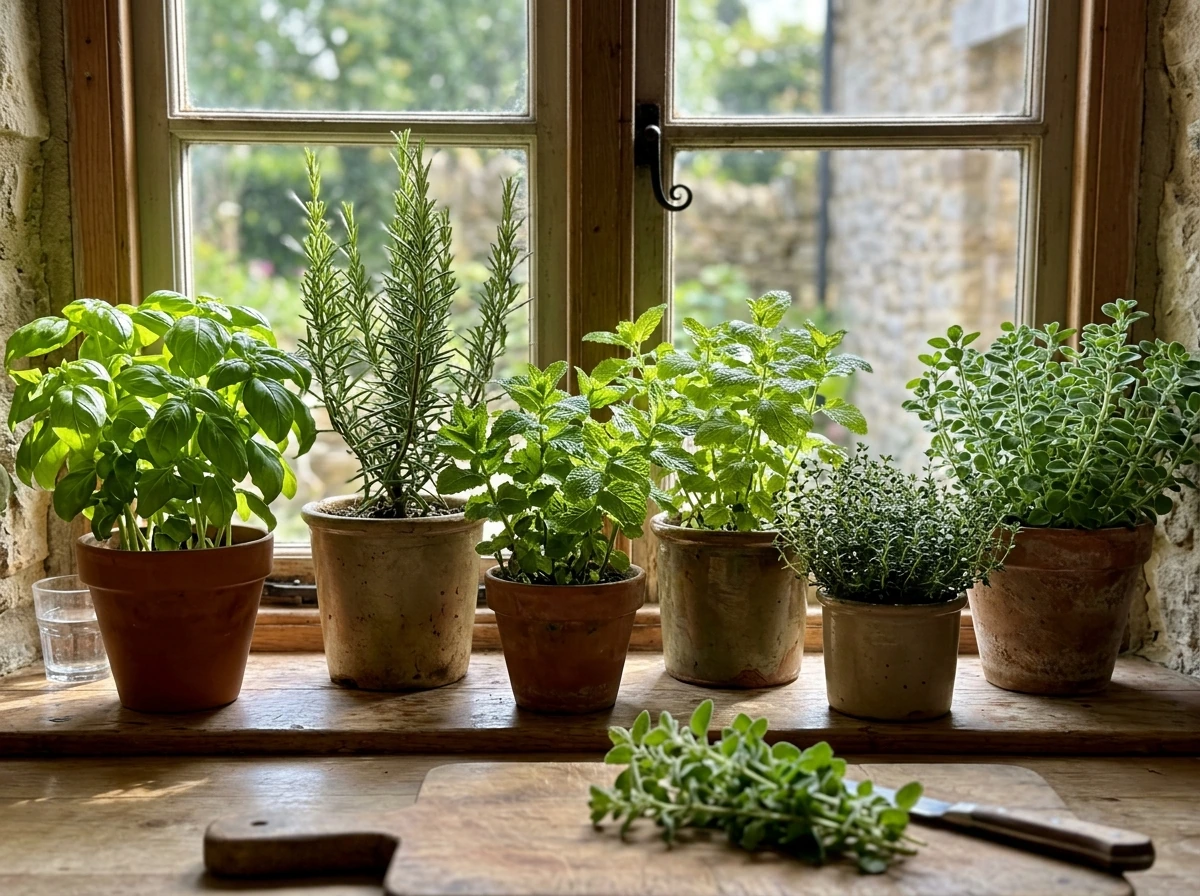
The best-smelling herbs you can realistically grow indoors are basil, rosemary, mint, lemon balm, thyme, and oregano. Those six will give you a genuinely fragrant windowsill, even in an apartment. A few others (like lavender) smell amazing but fight you harder indoors, so I'll be honest about which are worth the trouble and which aren't. The goal here is simple: tell you exactly what each herb smells like, what it needs, and how to keep the fragrance strong once you've got it growing.
Best Smelling Herbs to Grow Indoors: Top Fragrant Picks
James Hartwell
24 Mar 2026
How to choose herbs for maximum indoor fragrance
Not every fragrant herb translates well from a garden bed to a kitchen windowsill. The herbs that smell strongest indoors share a few traits: they produce abundant essential oils even under reduced light, they grow well in containers with limited root space, and they bounce back quickly when you harvest them (which, as you'll see, is actually the main way you release fragrance day-to-day).
When choosing, think about three things: your light situation, how much space you have, and whether you want to harvest frequently or just enjoy passive scent. Basil and mint reward frequent cutting and give off the most scent when you handle the leaves. Rosemary and thyme are more self-sufficient and release fragrance just by existing near a sunny window. Lemon balm sits somewhere in the middle. If you're in a low-light space, mint and lemon balm are your best bets (they tolerate shade better than most). If you have a strong south-facing window, rosemary and basil will absolutely thrive.
Cultivar matters more than most people expect. Rosemary has dozens of varieties, and some (like 'Tuscan Blue' or 'Spice Islands') are notably more aromatic than plain nursery stock. With basil, cinnamon basil has a complex aroma described as mint, camphor, and licorice, while sweet basil leans more toward the classic Italian-kitchen scent. The aroma compounds driving that scent (mainly linalool and eugenol) vary by genotype, so if scent is your priority, look for named cultivars rather than just grabbing whatever's at the grocery store.
Top best-smelling herbs for indoor growing
Here's a plant-by-plant breakdown of what each herb actually smells like and why it made this list. These aren't just 'nice' herbs. Each one is genuinely capable of making a room smell good when grown in a container.
Basil
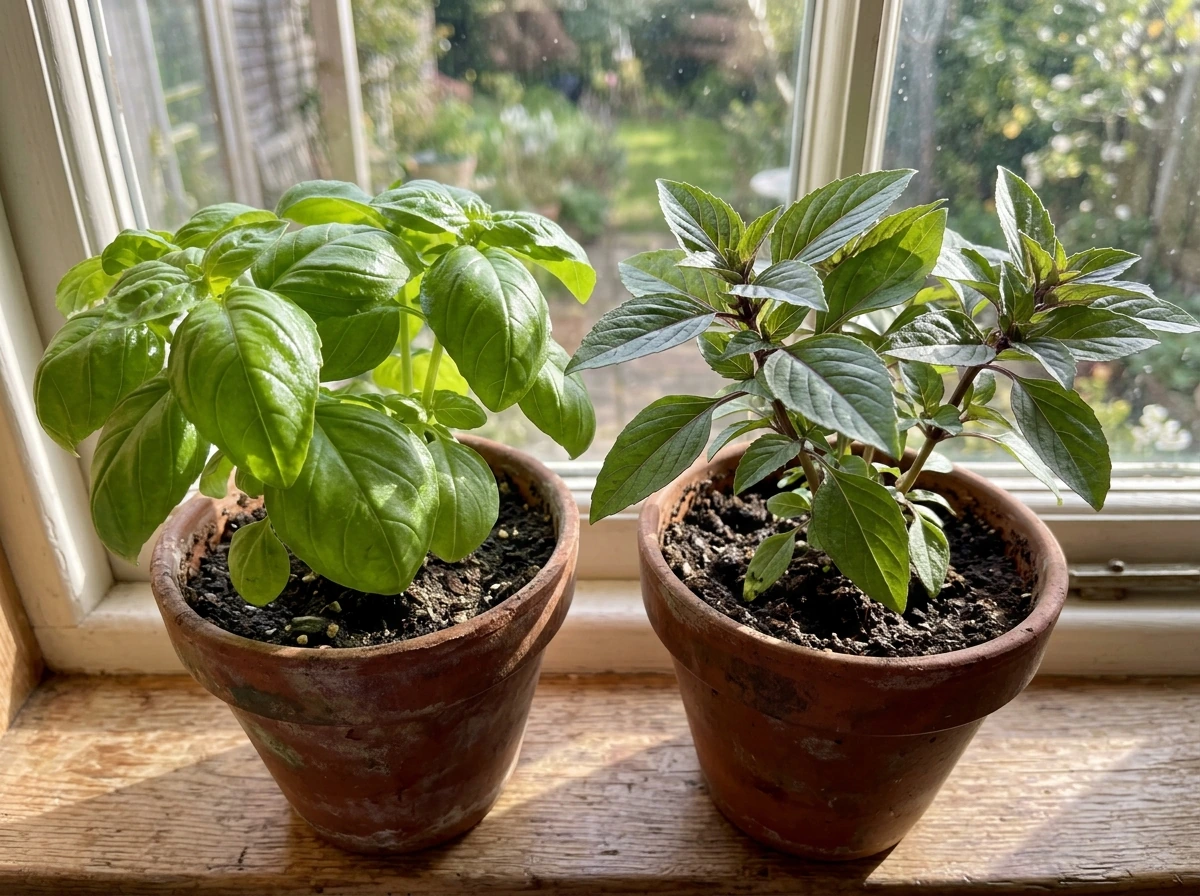
Sweet basil is warm, clove-like, and slightly peppery. Cinnamon basil is more complex, closer to a spiced herbal tea. Both are among the most actively fragrant herbs you can grow indoors because the scent releases the moment you brush or cut a leaf. It's a fast grower that rewards frequent harvesting, and it fits comfortably in a 4 to 6 inch pot to start. The trade-off: basil is the most light-hungry herb on this list. It won't perform in a dim corner windowsill. If you're already curious about basil's specific indoor quirks, that's a topic worth its own deep dive. Basil is one of the best herbs for indoor fragrance, but its care needs depend on your light conditions.
Rosemary
Rosemary has that deep, resinous, piney fragrance that immediately smells like roasting chicken or a Mediterranean hillside depending on your mood. It's one of those herbs that perfumes a room just by sitting in a sunny window. Indoors it grows more slowly than basil, but it's also more forgiving once established. Named aromatic cultivars like 'Tuscan Blue', 'Gorizia', and 'Spice Islands' are worth seeking out for maximum scent. Just be aware that rosemary is the fussiest about proper drainage indoors. Get that right and it's genuinely one of the best long-term fragrant container plants you can own.
Mint
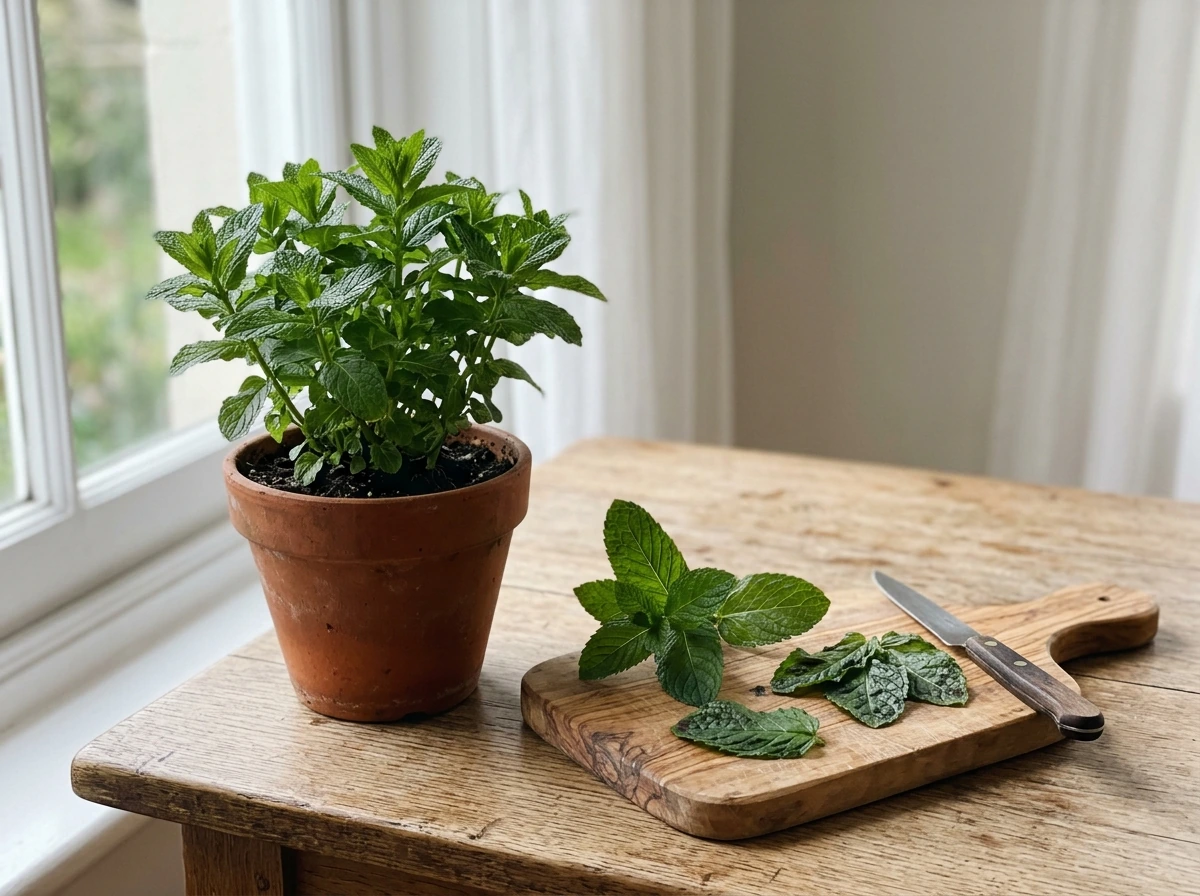
Mint is the most instantly recognizable fragrance on this list, that sharp, cool, unmistakable menthol hit. It's also the most beginner-friendly because it tolerates lower light than basil or rosemary, stays consistently fragrant, and grows aggressively (which means you'll have plenty to harvest). Peppermint is the most intensely scented; spearmint is sweeter and milder. Grow mint in its own container because it will absolutely take over shared space. A 6 to 8 inch pot works well to start.
Lemon balm
Lemon balm smells like fresh lemon with a soft herbal undercurrent. It's surprisingly underrated as an indoor fragrant herb. Like mint it handles lower light better than most, and it grows quickly enough that you can harvest regularly without worrying about the plant. The scent is pleasant but not aggressive, which makes it great for a bedroom or home office where you want something calming rather than kitchen-bold. It prefers a soil pH around 6.0 to 7.0 and is very sensitive to overwatering, so watch for yellowing leaves or soft stems near the soil line as early warning signs.
Thyme
Thyme has a warm, earthy, slightly woodsy fragrance with an herbal sharpness underneath. It's compact enough for even the smallest windowsill and is one of the most reliably fragrant herbs when given enough light. Lemon thyme adds a citrus dimension that makes it particularly pleasant in an indoor space. Thyme is drought-tolerant once established and actually prefers to dry out a bit between waterings, which makes it slightly more forgiving for gardeners who sometimes forget to water.
Oregano
Oregano has a warm, peppery, slightly bitter herbal scent that's more subtle than basil or mint at rest, but quite bold when you rub or cut the leaves. Greek oregano tends to be the most aromatic variety. It grows well in containers indoors and handles a pH range of roughly 6.0 to 8.0, which makes it adaptable. Like thyme, it prefers well-drained, even sandy or rocky soil. It's a solid choice if you want a lower-maintenance fragrant herb that also doubles as a kitchen workhorse.
Light and placement requirements for fragrant indoor herbs
Light is the single biggest factor in whether your indoor herbs smell like anything at all. Essential oil production is directly tied to photosynthesis. Less light means fewer essential oils, which means weaker fragrance. No amount of watering or fertilizing makes up for a dark windowsill.
| Herb | Minimum daily light | Best window direction | Grow light option |
|---|---|---|---|
| Basil | 6+ hours | South-facing | Full-spectrum LED, PPFD ~220–500 μmol·m⁻²·s⁻¹ |
| Rosemary | 6 hours (ideally more) | South-facing | High-output LED; needs strong intensity |
| Mint | 4–6 hours | East or west-facing | Moderate LED works well |
| Lemon balm | 4–6 hours | East or west-facing | Moderate LED works well |
| Thyme | 6–8 hours | South or west-facing | Full-spectrum LED; avoid low-output fixtures |
| Oregano | 6+ hours | South or west-facing | Full-spectrum LED at moderate intensity |
A south-facing window is the gold standard for basil, rosemary, and thyme. If you only have east or west-facing windows, mint and lemon balm are your most reliable fragrant choices. North-facing windows are genuinely tough for almost every herb on this list. If that's what you're working with, a grow light isn't optional. A decent full-spectrum LED positioned 6 to 12 inches above the plants for 14 to 16 hours a day can substitute for a south window fairly well.
Temperature matters too. Most fragrant herbs do best between 60 and 75°F (15 to 24°C). Keep them away from cold drafts near windows in winter (especially rosemary, which can drop leaves if temperatures dip too suddenly) and away from heating vents, which dry out the air and the soil too fast.
Care basics that boost scent
Watering
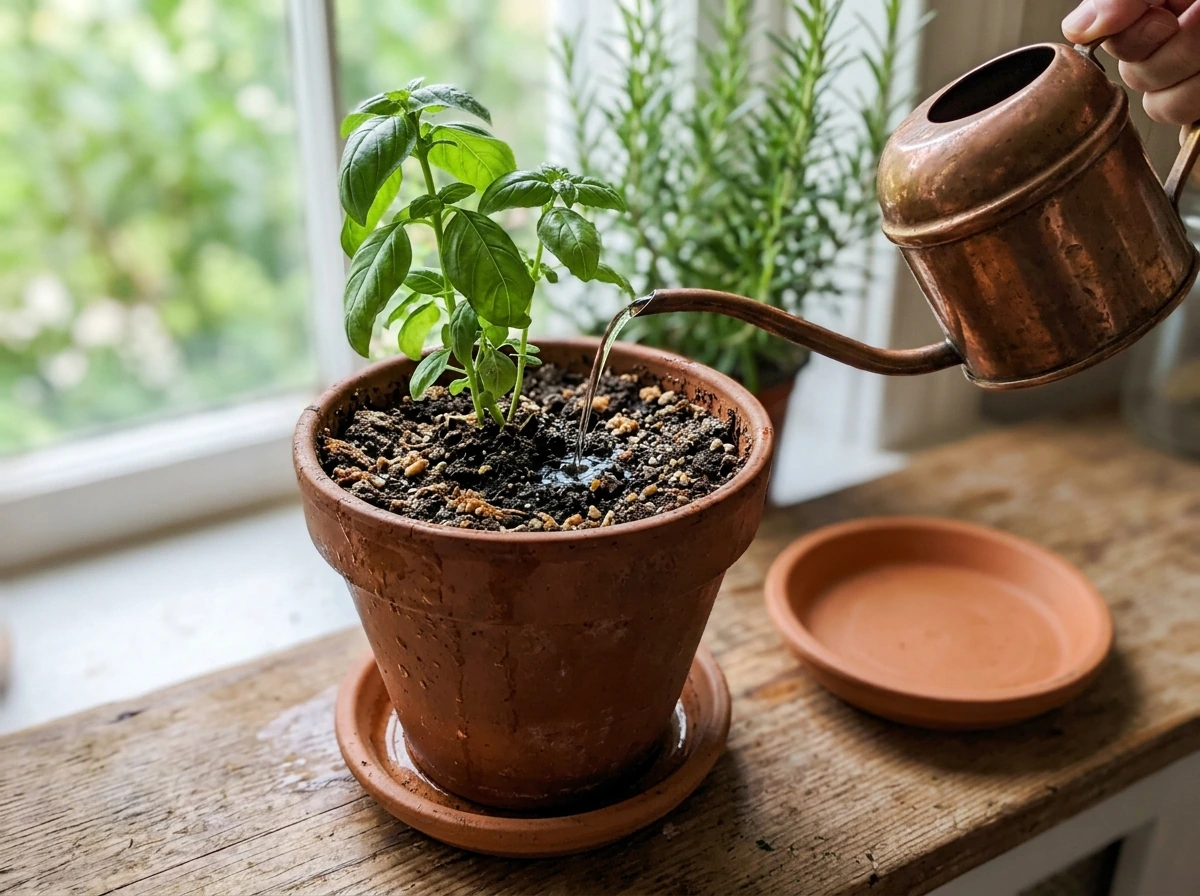
Overwatering is the most common way to kill fragrant herbs indoors and it also weakens scent before it kills the plant. Rosemary is drought-tolerant and does best when the soil dries out partially between waterings. Thyme and oregano are similar. Basil and mint prefer more consistent moisture but still need containers with drainage holes and should never sit in standing water. Lemon balm gives you clear distress signals when it's been overwatered: yellowing leaves and soft, mushy stems near the soil line. Trust those signals early.
Soil and containers
All fragrant herbs need well-draining soil. For rosemary and thyme, a mix that leans sandy or gritty works best. Rosemary prefers a soil pH between 6.0 and 7.0. Basil and lemon balm do well in richer potting mix at a pH around 6.0 to 6.5. Oregano is the most adaptable, tolerating pH anywhere from 6.0 to 8.0. For containers, make sure there are drainage holes. Mint does well in a 6 to 8 inch pot; oregano benefits from a 10 to 12 inch container as it fills out. Terracotta pots are a good choice for rosemary and thyme because they dry out faster than plastic.
Pruning and pinching
Regular pinching and harvesting directly increases fragrance. When you remove the shoot tip and the first set of leaves (what Penn State Extension describes as terminal bud removal), you redirect the plant's energy into branching rather than vertical growth. A bushier plant has more leaves, more surface area, and more aromatic oils available. For basil, pinch back flower buds the moment you see them: once basil flowers, it redirects energy to seed production and the leaves lose significant fragrance. Penn State Extension notes that basil leaves have peak flavor anytime before flowering, but develop off flavors after flowering blank" rel="noopener noreferrer">leaves lose significant fragrance. For thyme and oregano, the peak flavor and scent window is just before the plant flowers, when essential oil concentration is highest. University of Nevada, Reno Extension also recommends blank" rel="noopener noreferrer">harvesting culinary herbs when their oils are at maximum flavor, noting that leaves are typically best before flowers open for leaf-use.
Harvesting for maximum scent
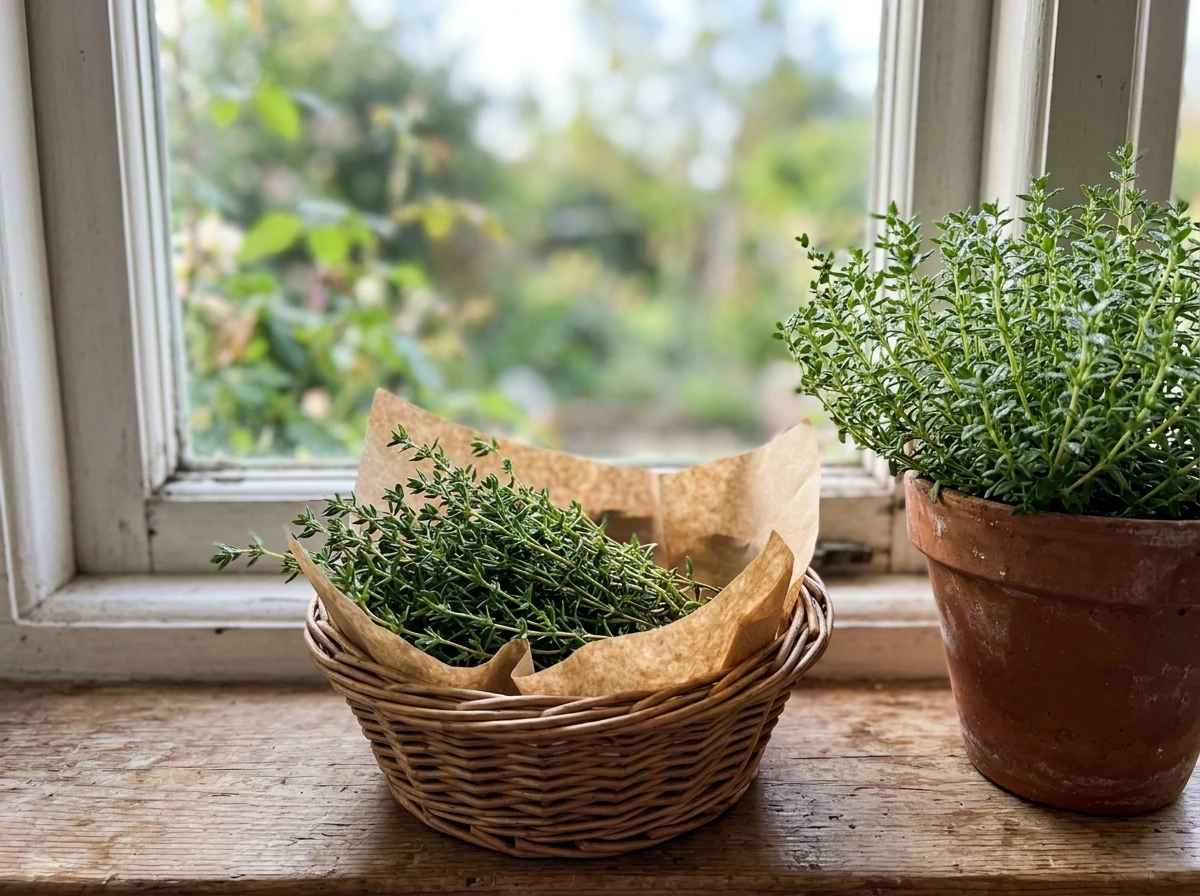
Harvest in the morning, after dew dries and before the heat of the day. That timing captures the highest concentration of volatile oils in the leaves. For basil, harvesting every 2 to 3 days keeps the plant actively producing fragrant new growth. Cut just above a leaf node with sharp, clean shears to encourage regrowth rather than leaving a raw stub. For thyme and oregano, cut stems just above a leaf node and avoid removing more than one-third of the plant at once. Regular harvesting isn't just good for your kitchen. It's the most reliable way to keep indoor herbs actively fragrant rather than going woody and dull.
Why your indoor herbs don't smell as strong as they should
If your herbs look healthy but don't smell like much, one of these is almost always the cause:
- Not enough light: This is the most common culprit. Without adequate light, plants reduce essential oil production. If your herbs are growing slowly, look pale, or are reaching toward the window, they need more light.
- Overwatering: Waterlogged soil stresses roots and dilutes essential oil concentration. Let rosemary, thyme, and oregano dry out more than you think they need to.
- Wrong cultivar: A generic 'rosemary' or 'basil' from a supermarket pot might be bred for appearance or shelf-life rather than fragrance. Seek out named aromatic varieties.
- Plant has gone leggy: Long, weak stems with widely spaced leaves mean the plant isn't getting enough light or hasn't been pruned. Pinch it back hard and move it somewhere brighter.
- Low humidity: Dry indoor air (especially in winter with heating running) can reduce volatile oil evaporation. A light misting of the air around your herbs (not soaking the leaves) or a nearby pebble tray with water can help.
- Flowering or going to seed: Once a plant flowers, it shifts resources away from leaf oil production. Pinch off flower buds on basil as soon as you spot them. Harvest thyme and oregano just before flowering for peak scent.
- Pot is too large: Oversized containers hold too much moisture and can lead to root issues. Start herbs in appropriately sized pots and only repot when roots are clearly crowded.
Outdoors vs. indoors: which herbs translate best and what changes
Growing herbs indoors is genuinely different from growing them outside, and it's worth being honest about where the trade-offs land. Outdoors, herbs get full sun, natural air circulation, a larger root zone, and seasonal temperature swings that actually intensify essential oil production. Indoors, you're managing all of that artificially, and the results are usually a bit milder.
That said, some herbs adapt to indoor conditions with barely a noticeable drop in fragrance, while others struggle significantly. Here's how the main contenders compare:
| Herb | Outdoor scent performance | Indoor scent performance | What changes indoors |
|---|---|---|---|
| Basil | Excellent | Excellent with strong light | Needs bright window or grow light; bolts faster in warm rooms |
| Rosemary | Excellent | Very good in south window | Grows more slowly; needs careful watering; cultivar choice matters more |
| Mint | Excellent | Very good | Spreads less aggressively; scent stays strong even in lower light |
| Lemon balm | Good | Good | Tolerates lower light well; scent slightly milder than outdoors |
| Thyme | Excellent | Good with enough light | Goes leggy fast without 6–8 hours of light; loses flavor quickly in low light |
| Oregano | Excellent | Good with enough light | Prefers container life; scent holds well if light is adequate |
| Lavender | Excellent | Difficult indoors | Struggles with indoor humidity and light levels; not recommended for beginners |
Mint and lemon balm make the smoothest transition indoors because they don't need intense light to stay fragrant. Basil and rosemary can match their outdoor performance closely if you have a strong south-facing window or a good grow light. Thyme and oregano sit in the middle: they'll do well indoors if you're serious about light, but they're the first to go bland and leggy if you cut corners.
Lavender is worth a specific mention because it comes up whenever fragrant herbs are discussed. It smells extraordinary outdoors. Indoors, it almost always underperforms because it needs intense light (more than most windowsills provide), good airflow, and very dry conditions. If you're set on lavender, give it your absolute best window, treat it like a Mediterranean plant that hates moisture, and keep expectations realistic. For most people, especially in apartments, the other herbs on this list will reward you far more reliably.
Your practical starting point
If I had to tell someone starting from zero what to buy today, it would be this: grab a pot of mint and a pot of basil if you have a decent south or west window. They're fast, fragrant, and rewarding almost immediately. Add rosemary if you're confident in your light situation and want something longer-term. Start lemon balm if you're in a lower-light space and want something easygoing. Those four cover the full range of indoor-fragrance needs from 'I just want something that smells nice' to 'I want to cook with it too.' From there, thyme and oregano are excellent additions once you've got the basics dialed in.
The most important thing you can do after you bring herbs home is put them in the best light you have, check the soil before you water (stick your finger an inch in and only water if it's dry), and harvest or pinch regularly. Those three habits alone will keep your herbs fragrant, healthy, and worth having around.
FAQ
Can I mix multiple herbs in one pot and still get strong fragrance?
Usually no. Aromatic herbs often have different watering and light needs (mint and lemon balm want steadier moisture than rosemary and thyme). Mint also spreads aggressively through runners, so it should go in its own container. If you want mixed pots anyway, keep herbs with similar needs together (for example, basil with oregano, or thyme with oregano) and use separate pots inside a larger planter so drainage and roots stay controlled.
Why do my herbs smell weaker even though I water and fertilize?
Weak scent indoors is most often a light issue or overwatering. If the plants are pale, leggy, or growing slowly, essential oil production drops. Also, consistent wet soil reduces oil concentration and can damage roots even if leaves look okay. Let the soil dry slightly between waterings, confirm drainage holes work, and only fertilize lightly after the plant is established.
Do I need fertilizer to keep indoor herbs fragrant?
Not at first. Fresh potting mix often carries enough nutrients for several weeks, and too much nitrogen can push leafy growth at the expense of aroma. If you fertilize, do it sparingly (for example, diluted liquid fertilizer once every few weeks during active growth) and avoid right before you expect frequent harvesting boosts.
What’s the best way to water to avoid killing herbs with kindness?
Water thoroughly until excess drains, then wait until the top inch is dry (or the pot feels lighter). Never let containers sit in a saucer of water. If you consistently see yellowing or soft stems near the soil line, that’s an overwatering pattern, especially with lemon balm, and you should adjust watering frequency and improve the soil mix.
How much light do I actually need if my windows are not south-facing?
A north window is usually not enough without supplemental light. If you use a full-spectrum LED, run it about 14 to 16 hours per day and keep it close enough that plants stay compact, typically around 6 to 12 inches above the leaves. Watch for stretching, larger gaps between leaves, and dull color, those are signs the light is still too weak or too far.
Can I grow these herbs indoors year-round, or should I expect seasonal drop-off?
You can, but fragrance often dips in winter because daylight hours shrink and windows get colder. Keep herbs away from cold drafts, maintain a steadier room temperature (roughly 60 to 75°F), and increase reliance on grow lights when daylight drops to keep essential oil production consistent.
What pot size is ideal for the best-smelling herbs to grow indoors?
A 4 to 6 inch pot suits basil starters, mint generally prefers 6 to 8 inches because it grows fast, and oregano often benefits from 10 to 12 inches as it fills out. Rosemary and thyme do well in slightly smaller containers if drainage is excellent, since tighter roots can keep growth manageable indoors. Always prioritize drainage holes over decorative pots without drainage.
How do I keep rosemary from getting finicky indoors?
Focus on drainage and drying cycles. Rosemary dislikes staying wet, so use a gritty, sandy-leaning mix, water only after the soil dries partially, and ensure the pot drains freely. Sudden cold near the window can also trigger leaf drop, so avoid letting the plant touch icy glass and protect it from drafts.
Why does my basil flower and my leaves lose some smell?
Flowering shifts the plant from leaf production to reproduction, and that typically reduces aromatic leaf quality. If you want maximum fragrance for eating and rubbing leaves, pinch off flower buds as soon as you see them and keep harvesting regularly so the plant continues producing new, aromatic growth.
Is morning harvesting always better, or can I harvest at other times?
Morning is best because volatile oils peak after dew dries but before midday heat accelerates evaporation. If you harvest later, you may still get usable flavor, but the room scent often feels weaker and the plant may recover more slowly. The practical rule is to harvest when leaves look fully dry and the plant is not stressed.
How can I tell if my herb is healthy but just not producing scent?
Check for compact growth and rich color, and then evaluate your light and watering pattern. Healthy herbs that are still bland often have one of these issues: too little light (slow, stretchy growth), consistently wet soil (even if leaves stay green), or insufficient harvesting (the plant becomes woody or stops putting energy into tender new leaves).
What’s the safest way to increase fragrance without damaging the plant?
Use frequent, light harvesting rather than a big cut. For thyme and oregano, limit removals to about one-third at a time and cut just above a leaf node to encourage branching. For basil, trimming every couple of days works well, but always leave enough leaf area so regrowth is fast rather than stressed.
Can I propagate these herbs indoors to get more fragrant plants?
Yes, and cuttings are often a quicker path to fragrance than seed. Basil, mint, and lemon balm usually root readily from stem cuttings in water or a light medium. When you transplant, keep the new plants in good light right away and avoid overwatering during the first week, otherwise roots can rot before scent-building growth starts.