
Cannas can absolutely grow indoors, but let's be honest about what that means. If you have a south-facing window that gets genuine, direct sun for six or more hours a day, a warm room that stays above 60°F, and a large pot with good drainage, you can keep a canna growing and even get it to flower inside. A quick indoor care overview like this will help you understand whether you can grow canna indoors and what to prioritize.
Can Cannas Grow Indoors? Setup, Care, and Troubleshooting

James Hartwell
14 May 2026
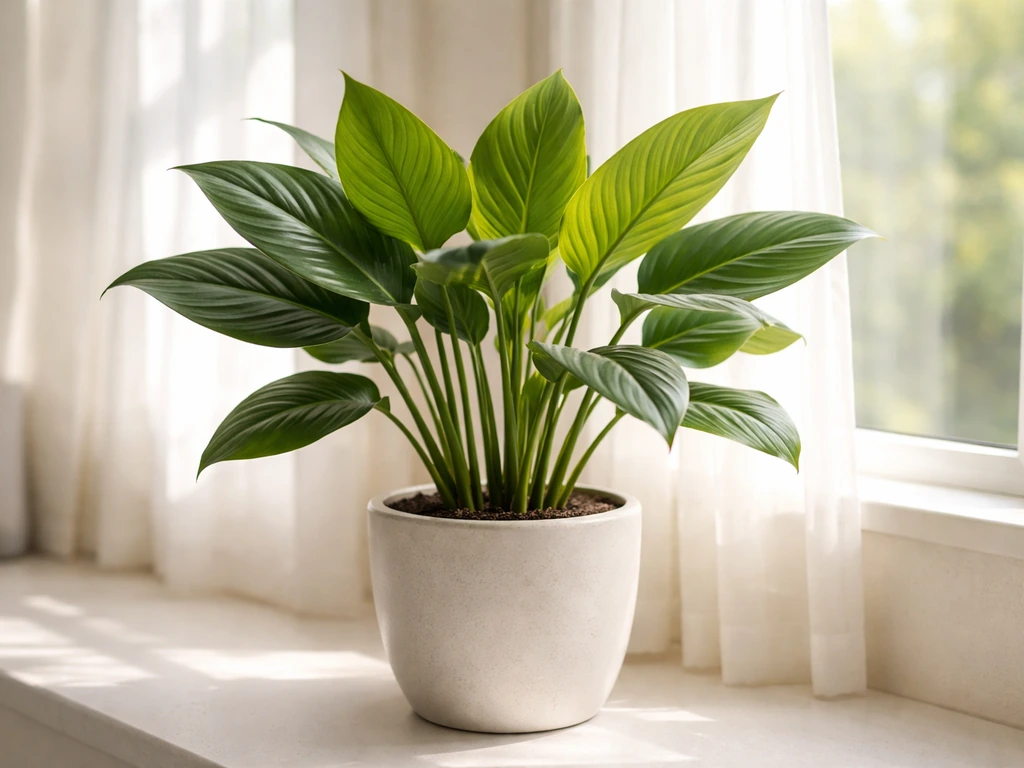
If you're short on sun, you can fill the gap with a grow light. What you cannot do is stick a canna rhizome in a dim corner and expect tropical fireworks. These are hungry, sun-loving plants that come from subtropical regions, and they'll make that clear fast if your setup doesn't meet their needs.
What "success" actually looks like with indoor cannas
There are really two ways people grow cannas indoors, and understanding which one you're doing changes everything about how you approach it. The first is year-round indoor growing, where you're treating a canna as a permanent houseplant that lives inside through all seasons. The second is seasonal overwintering, where you're bringing rhizomes or potted cannas inside during cold months, keeping them dormant or barely growing, then returning them outside once it's warm again. Both work. They just require different setups and expectations.
For year-round indoor growing, success means a plant with upright, healthy foliage, steady new growth, and ideally some flowering. Cannas can flower indoors in their first year from a rhizome if conditions are good, but flowering requires serious light. Without it, you'll get lush leaves but no blooms, and that's still a reasonable outcome if bold tropical foliage is your goal. For overwintering, success just means keeping the rhizomes alive through winter so they're ready to explode into growth in spring. That's a much lower bar, and it's achievable in almost any cool, dark space above freezing.
Light, temperature, and where to put them
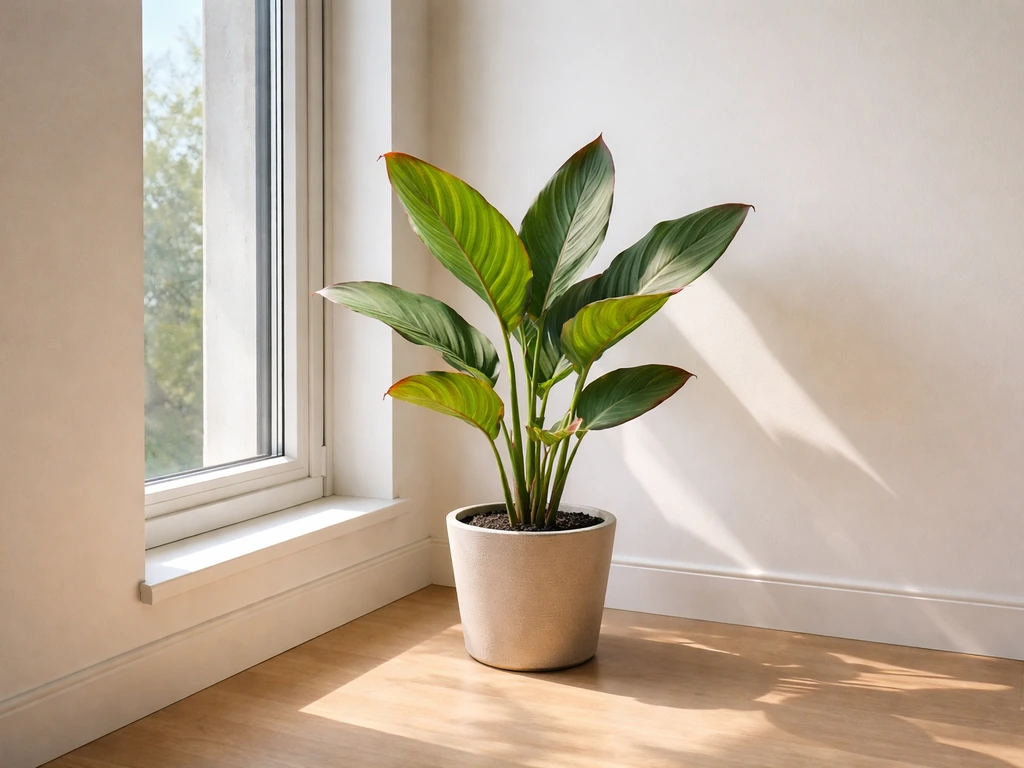
Cannas want six to eight hours of direct sunlight daily to fuel the energy needed for flowering. Indoors, that realistically means a south-facing window, or a west-facing window that gets strong afternoon sun. East-facing windows usually don't cut it for flowering, though they'll sustain foliage growth. North-facing windows are a non-starter without supplemental lighting. If you're in an apartment with limited window exposure, plan on adding a grow light from day one rather than hoping for the best.
Temperature matters just as much as light. As tropical plants, cannas want warmth consistently above 60°F during active growth. They're happiest in the 65°F to 85°F range. Keep them away from cold drafts near windows in winter, and away from air conditioning vents in summer. If you're overwintering dormant rhizomes rather than actively growing plants, you want the opposite: a cool space around 40°F to 55°F, above freezing but cool enough to keep them dormant. A garage, basement, or unheated spare room works well for this. The University of Minnesota Extension recommends digging rhizomes in fall specifically because they cannot tolerate freezing, so that minimum temperature is a hard floor.
Containers, soil, and how to start (rhizome vs potted plant)
Container size is one place where people consistently underestimate what cannas need. These are big plants with big root systems. For a single rhizome, you need at minimum a 10 to 12 inch container, but an 18-inch pot gives you noticeably better results with more root space and moisture retention. One rhizome per pot is the rule: crowding them reduces performance and makes flowering less likely. Whatever pot you choose, it must have drainage holes. Cannas sitting in waterlogged soil develop rhizome rot caused by fungi like Sclerotium rolfsii and Fusarium, and once that starts, it's very hard to reverse.
For soil, use a well-draining potting mix rather than garden soil, which compacts badly in containers. You can mix in perlite or coarse sand (roughly 20 to 30 percent by volume) to improve drainage further. Avoid mixes with heavy moisture-retention amendments like coconut coir as the dominant ingredient, especially if your space is cool.
If you're starting from a bare rhizome, plant it horizontally at about 3 to 4 inches deep in the potting mix, following Longfield Gardens' indoor starter guidance. Some growers go a bit deeper (up to 5 to 6 inches) in larger containers, which is fine. The growing tip (the knobby, pointed end) should face upward or at least sideways. Water lightly after planting and keep the pot in a warm spot (ideally 65°F or warmer) to encourage sprouting. Growth typically appears within two to four weeks. If you're starting from an already-potted nursery canna, you're ahead of the game: just repot it into a larger container if the current one looks crowded and get it into your sunniest spot.
Rhizome vs potted plant: a quick comparison
| Factor | Starting from Rhizome | Starting from Potted Plant |
|---|---|---|
| Cost | Lower, often $3–10 each | Higher, but instant visual result |
| Time to growth | 2–4 weeks to first sprout | Already growing |
| Time to flower | 8–12 weeks from planting (conditions-dependent) | Faster, may already be budding |
| Risk | Rot if kept too cold or wet early | Root disturbance during repotting |
| Best for | Starting fresh in spring or indoors before season | Anyone wanting immediate results |
Watering, fertilizing, and humidity
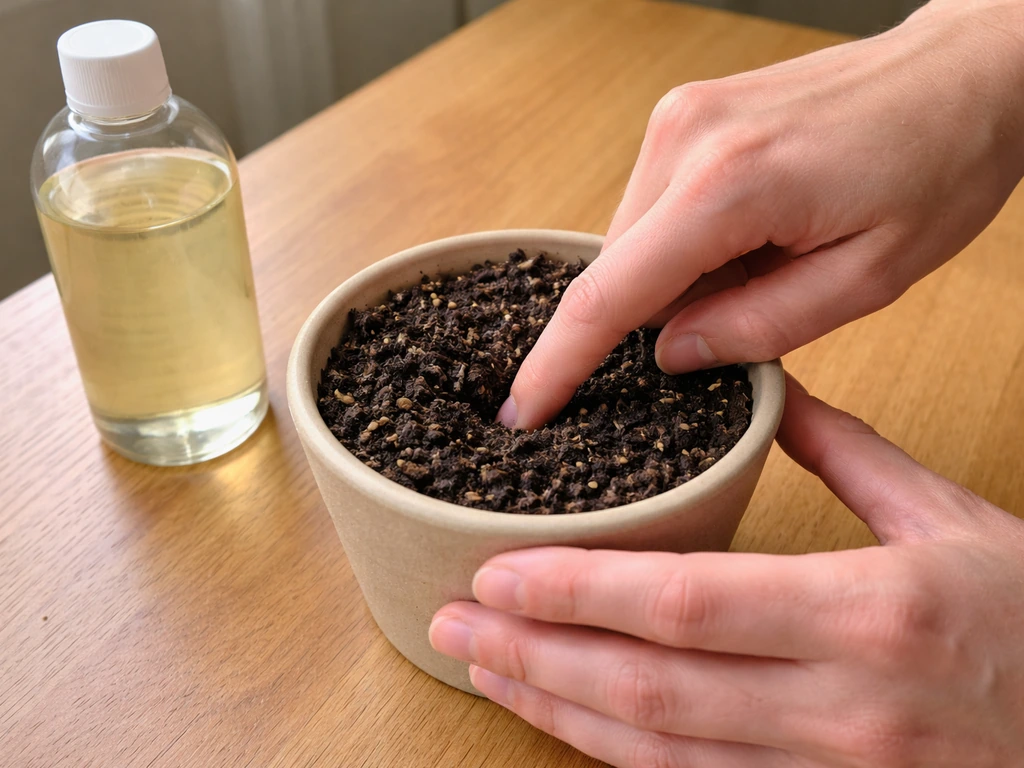
The most reliable watering method for indoor cannas is checking the top 1 to 2 inches of soil and watering only when that layer has dried out. Push your finger into the mix up to the second knuckle: if it feels dry, water thoroughly until it drains from the bottom. If it still feels damp, wait. This approach prevents both underwatering (which stalls growth) and overwatering (which causes rot). During winter dormancy or slow-growth periods, cut back watering dramatically. A dormant rhizome in storage barely needs any moisture at all.
Cannas are heavy feeders during active growth. A balanced liquid fertilizer (something like 10-10-10 or a general-purpose bloom fertilizer) applied every two weeks from spring through late summer keeps them growing strong. When they're putting up new leaves and moving toward flowering, you can switch to a fertilizer slightly higher in phosphorus to encourage blooms. In fall and winter, stop feeding entirely if the plant is resting. Fertilizing a dormant plant just builds up salts in the soil without benefiting the plant.
Humidity is worth thinking about, especially in heated homes in winter where indoor air gets very dry. Cannas prefer moderate to high humidity. A simple fix is a pebble tray filled with water placed under the pot (keeping the pot above the waterline), or running a small humidifier nearby. Grouping your canna with other tropical plants, like caladiums or coleus, naturally raises local humidity through transpiration and makes management easier. Caladiums can also be kept indoors, as long as you provide bright, indirect light and consistent moisture. Coleus can also grow indoors as long as you give it bright, indirect light and consistent care can coleus grow indoors.
Using grow lights when you don't have enough sun
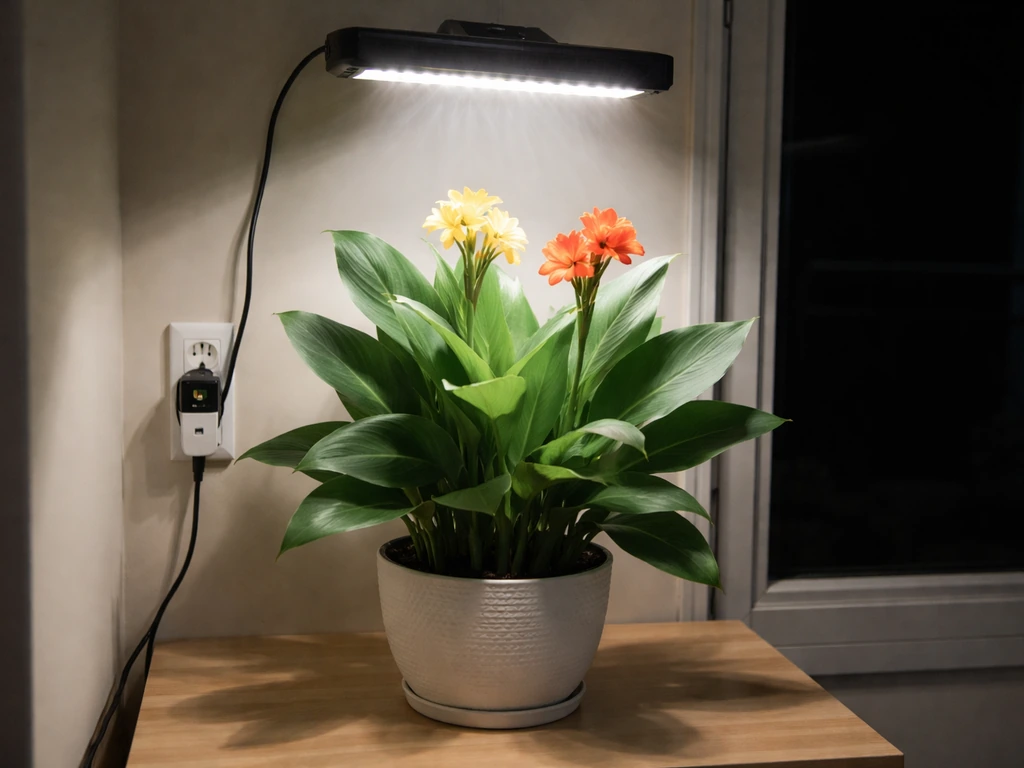
If your home doesn't have a window that delivers six-plus hours of direct sun, a grow light isn't optional: it's necessary for anything beyond basic survival. The good news is that full-spectrum LED grow lights have become affordable and genuinely effective. For cannas, you want a light that covers the full visible spectrum (look for 3000K to 6500K range LEDs, or lights marketed as "full spectrum"). Position the light 12 to 24 inches above the plant's canopy and run it for 14 to 16 hours per day to compensate for the lower intensity compared to direct sunlight.
A simple plug-in timer takes the guesswork out of this completely. Set it and forget it. One thing to watch: cannas grown under lights in warm rooms can get leggy if the light is too far away or too weak. If you notice the stems stretching toward the light with wide gaps between leaves, move the light closer or upgrade to a higher-output fixture. Compact or dwarf canna varieties handle indoor grow-light setups better than the tall cultivars that can hit 6 feet or more.
Troubleshooting common indoor problems
Weak, leggy growth
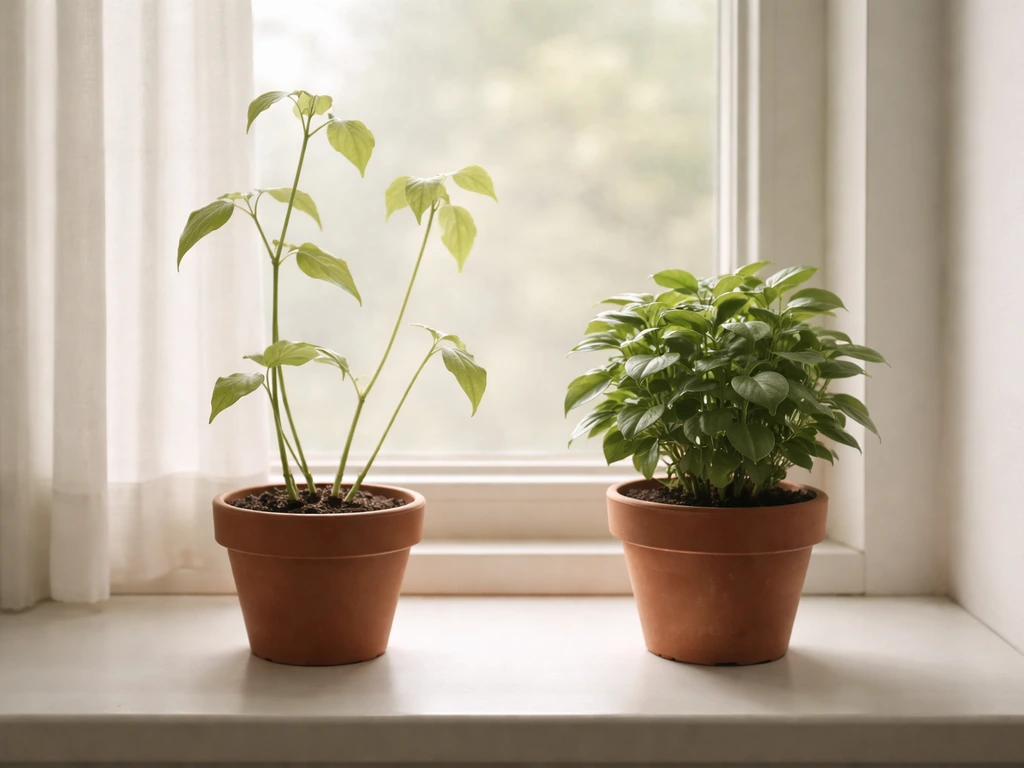
This is almost always a light problem. If the stems are tall and floppy and the leaves look pale or small, the plant isn't getting enough light. Move it to a brighter window or add a grow light. Don't be tempted to fix this with more fertilizer: feeding a light-starved plant just makes the problem worse.
Yellowing leaves
Yellow leaves have several possible causes: overwatering, underwatering, low light, or nutrient deficiency. Check the soil moisture first. If the soil is soggy, ease up on water and make sure drainage is working. If the soil is bone dry and the plant looks stressed, water it thoroughly. If moisture isn't the issue, check when you last fertilized and whether the plant is getting enough light.
Rhizome rot
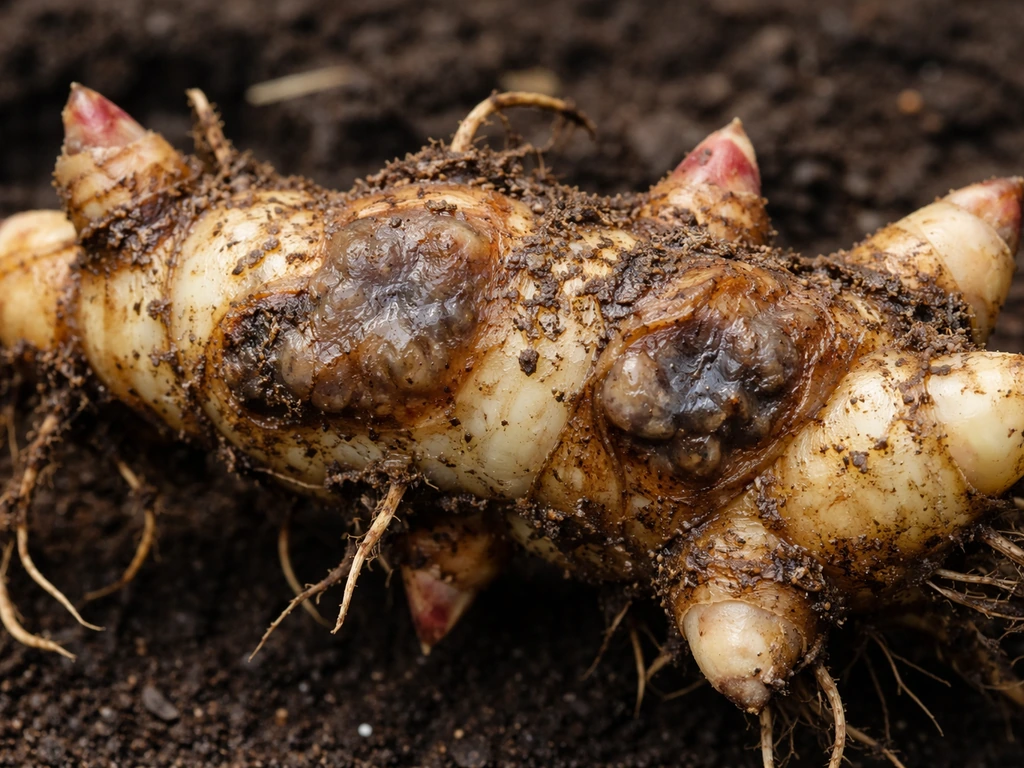
If you dig up a rhizome and find soft, mushy, discolored sections, that's rot, typically caused by Fusarium or Sclerotium fungi. It happens when rhizomes stay too cold and wet for too long. Cut away any rotted sections with a clean knife, dust the cut surfaces with sulfur powder or a fungicide, and let the rhizome cure in a warm, dry spot for a day or two before replanting. Improve drainage in the new setup to prevent recurrence.
Pests: spider mites, aphids, and more
Oklahoma State University's research on cannas in controlled environments specifically names spider mites and aphids as the most common pests, and both are problems you'll encounter indoors. Spider mites thrive in warm, dry indoor air and can build up fast on the undersides of leaves.
Look for fine webbing and tiny dots on leaves. Aphids cluster on new growth and leave a sticky residue. Caterpillar and grasshopper damage is less of an indoor issue, but scale insects and fungus gnats can appear, especially in overwatered soil. The OSU guidance recommends an integrated pest management approach: catch problems early through regular inspection, start with the least invasive treatment (like wiping leaves with insecticidal soap or neem oil spray), and escalate only if needed.
Oklahoma State University’s controlled-environment research publication also describes an integrated pest management approach for cannas intended for production in indoor-like conditions. Because canna foliage is lush and dense, pests can hide easily, so get in the habit of checking the undersides of leaves weekly.
Indoor growing timeline and seasonal overwintering
If you're starting fresh indoors with a rhizome right now in May, here's what a realistic timeline looks like: plant the rhizome in a warm, bright spot (or under a grow light), and expect the first shoots in two to four weeks. By weeks six to eight, you should have a decent plant with several leaves. Flowering, if it's going to happen, usually comes around weeks ten to twelve or later depending on light quality and the cultivar. Dwarf types tend to bloom faster and are better suited to indoor containers.
If you're planning for seasonal overwintering rather than year-round growing, the fall timing is what matters most. Before your first frost, dig the rhizomes, let them cure for one to three days in a warm dry spot (the UMN Extension recommendation), then store them in a breathable container like a paper bag or cardboard box with peat moss or vermiculite. Keep storage temperature between 40°F and 55°F with around 50 percent humidity and some ventilation. A basement corner or attached garage works for many people. Check on them every few weeks through winter and discard any that show rot.
To get a head start the following season, you can bring those stored rhizomes out in late winter (about four to six weeks before your last expected frost date) and pot them up indoors with light and warmth. This is exactly what Longfield Gardens and Tropical Plants of Florida recommend: start them inside early, let them get established, then move them outdoors once temperatures are reliably above 50°F. It's a great way to squeeze extra blooming time from a plant that otherwise takes a while to get going.
Whether you're growing cannas as a bold indoor statement plant year-round or just using your home as a seasonal shelter for rhizomes, the fundamentals stay the same: warmth, light, good drainage, and a watchful eye for pests. If you want a similar indoor-growing setup for columbine, you will need bright light, cool-to-moderate temperatures, and careful soil moisture to avoid stress can you grow columbine indoors. Get those right and cannas reward you generously.
FAQ
Can cannas survive indoors if they only get indirect light?
They may stay alive for a while, but they will usually become slow-growing and unlikely to flower. If your window is mostly indirect, plan on a grow light that delivers strong intensity (not just ambient light) and keep the light on for 14 to 16 hours daily to replace the missing direct sun.
What’s the biggest reason indoor cannas fail, over pests or fertilizer?
Insufficient light and incorrect watering are the most common failure points. A light-starved canna often turns pale and leggy, while too much moisture leads to rot because containers drain differently than garden soil. Fix light first, then calibrate watering by checking the top 1 to 2 inches of mix.
Do I need to rotate my canna pot indoors?
Yes, rotating every week or two helps keep growth upright and prevents the plant from leaning toward the strongest light source. This is especially noticeable when using a grow light positioned in one direction or a window that is bright on one side.
How do I prevent spider mites if my home is dry?
Maintain moderate humidity and inspect the underside of leaves weekly. If you spot tiny dots or fine webbing, treat early with insecticidal soap or neem oil, and repeat as needed according to label directions. Isolating the plant from other foliage plants can slow spread.
Can I keep my canna in the same pot year after year indoors?
Usually not for long. Cannas become root-bound and lose performance over time, even with good feeding. Expect to repot every 1 to 2 years into a larger pot with fresh, well-draining mix, and keep one rhizome per pot to maintain airflow and flowering potential.
Is it better to keep a canna constantly warm indoors, or should I force dormancy?
It depends on your setup and goals. Year-round warmth can work if light is strong enough, but if you cannot provide bright light all winter, dormancy is often easier and healthier. For dormancy, cool to above-freezing conditions (around 40 to 55°F) and reduce watering dramatically.
What humidity level is “good enough” for indoor cannas?
Moderate to high humidity helps, but you do not need a rainforest environment. Aim for a noticeable improvement over very dry winter indoor air (often below 30 to 40% relative humidity). A pebble tray or humidifier placed nearby typically improves leaf condition, but avoid letting the pot sit directly in water.
Can I start cannas from tubers or seeds indoors instead of rhizomes?
Seeds are possible but take much longer and often produce variable plants, so most indoor growers use rhizomes. Tubers or corm-like pieces are not typical for cannas, and what you can plant depends on the exact propagation form you have. If your planting material isn’t labeled as a canna rhizome, confirm the type before potting.
My canna has leaves but no flowers, what should I check first?
First verify light quality and duration, then assess whether the temperature stays consistently warm during active growth. If the plant is pale, small, or stretched, more fertilizer usually won’t help. Once light is adequate, a slight shift toward phosphorus-rich fertilizer during the push toward blooming can improve the odds.
How can I tell if indoor canna water is too much or too little?
Too much shows up as persistent sogginess and can progress to soft, rotten rhizome tissue. Too little often results in slowed growth, drooping, or dry edges, especially after the top layer dries out. Use the finger test every time, water thoroughly only when the top 1 to 2 inches are dry, then empty any drainage saucer.
If a rhizome rots indoors, can I save it?
Sometimes. Cut out all soft, mushy, discolored tissue with a clean knife, then dust the cuts with a suitable fungicide or sulfur and let the rhizome cure in a warm, dry place for a short period before replanting. Replant in a better-draining mix and ensure warmth and airflow to prevent recurrence.