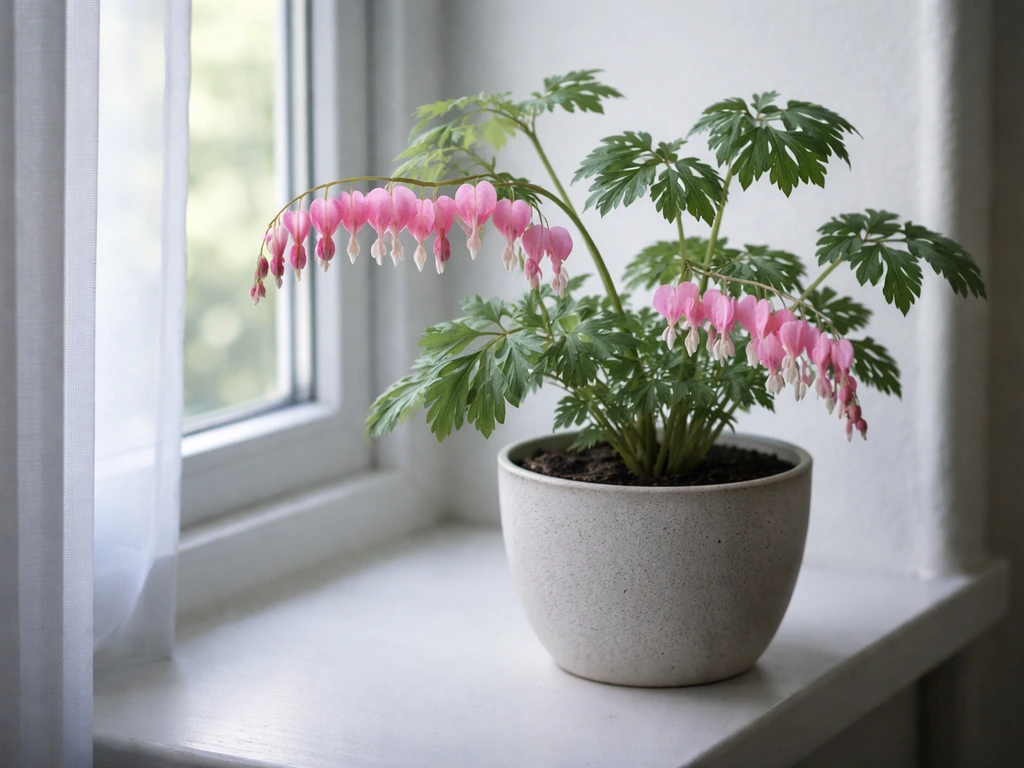
Yes, bleeding hearts can grow indoors, but let's be honest: it's not as simple as plopping one on your windowsill. Getting a bleeding heart (Dicentra spectabilis, now officially Lamprocapnos spectabilis) to actually flower inside requires you to mimic its outdoor life cycle, including a cold dormancy period followed by a cool forcing phase. Skip that and you'll end up with a pot of foliage at best, or a declining plant at worst. Do it right, and you can have those gorgeous arching stems of heart-shaped blooms inside your home in late winter or early spring, which is genuinely rewarding.
Can Bleeding Hearts Grow Indoors? Indoor Care Guide
James Hartwell
28 Apr 2026
What you're actually signing up for
Bleeding hearts are cool-season, shade-tolerant perennials that go dormant in summer heat and need a cold period every year to bloom again. That biology doesn't disappear when you bring one indoors. Most houseplants you can just plunk in a pot and water. If you are wondering can marigolds grow indoors instead, their light and watering needs are quite a bit simpler than bleeding hearts.
Just like other flowering plants, you can also check can chrysanthemums grow indoors to see whether they will thrive in your home conditions can marigolds grow indoors. Can morning glories grow indoors as well, or is that typically a better outdoor choice? Bleeding hearts need you to work with their natural rhythm: cold dormancy in fall, a chilling period through winter, then a gradual warming into bloom.
Commercial greenhouse growers force them to flower for Valentine's Day using exactly this method. You can replicate it at home, but it takes planning. If you want a low-maintenance plant, this might not be your first choice. If you're up for the process, the payoff is worth it.
Ideal indoor conditions
Light
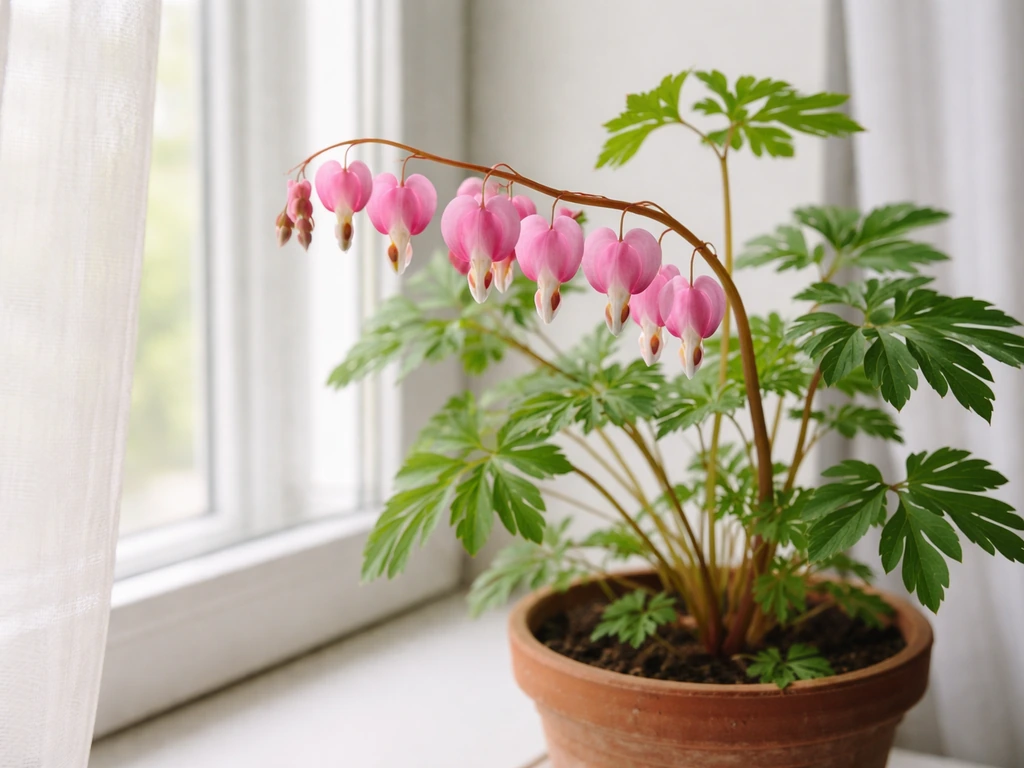
Bleeding hearts naturally grow in light shade, which actually works in your favor indoors. A north or east-facing window is a reasonable starting point. Bright, indirect light from a south or west-facing window works too, as long as the plant isn't sitting in direct afternoon sun, which will scorch leaves and stress the plant. If your home is genuinely dim, a full-spectrum grow light on a 12-hour cycle can substitute. That said, light is less critical during the forcing and blooming phase than temperature is. Where people go wrong is thinking more light equals more flowers with this plant. It doesn't. Temperature and the cold cycle are the real drivers of bloom.
Temperature
This is the make-or-break factor. During active growth and flowering, bleeding hearts want cool temperatures: 50 to 55°F (about 10 to 13°C) is the sweet spot for forcing blooms. Walters Gardens also notes that forcing dormant Dicentra spectabilis to flower takes about 4, 7 weeks at 50, 55°F, with 52°F ideal 50 to 55°F (about 10 to 13°C). A cool basement, a garage that doesn't freeze, or an unheated spare room in winter can all work. Standard living room temperatures of 68 to 72°F are honestly too warm for optimal flowering and will cause the plant to go downhill faster. If you can get a spot in the low-to-mid 50s°F during the forcing window, you're in business.
Humidity
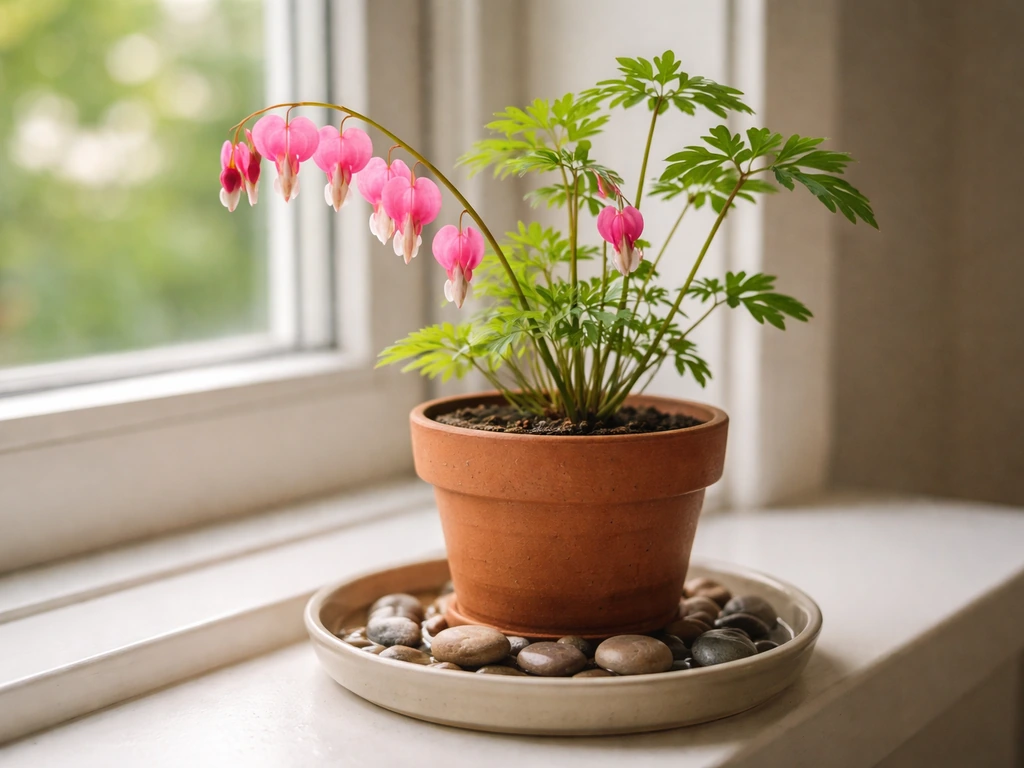
Moderate humidity around 40 to 50% suits bleeding hearts well indoors. Dry indoor air, especially in winter with heating running, can cause leaf tips to brown. A pebble tray with water beneath the pot (not touching the drainage holes) or a nearby humidifier helps. Misting the foliage directly is not ideal because it can encourage fungal issues. Keep the plant away from heat vents and radiators.
Getting started: pot, soil, and placement
Start with a dormant rhizome in fall, which is when most nurseries and online suppliers sell them. You can also dig up a plant from an outdoor garden bed after it goes dormant in late summer.
- Choose a pot at least 10 to 12 inches wide and 8 to 10 inches deep. Bleeding hearts have fleshy rhizomes that need room to spread, and the extra depth helps with drainage.
- Use a well-draining potting mix. A blend of standard potting soil with about 25% perlite works well. You want moisture retention without waterlogging. Avoid heavy, dense mixes.
- Make sure the pot has drainage holes. No exceptions. Sitting in water is one of the fastest ways to kill these plants.
- Set the rhizome about 1 to 2 inches below the surface of the soil. Don't bury it too deep.
- Place the potted plant in a cool, dark spot (like an unheated garage or basement) at around 35 to 45°F for the dormancy and chilling phase. This is not optional if you want flowers.
Year-round care
Watering
During dormancy (fall through early winter), water very sparingly, just enough to keep the rhizome from drying out completely. Think a light drink once every two to three weeks. Once you move the plant into its forcing environment and growth begins, increase watering gradually, keeping the soil consistently moist but never soggy. During active growth and blooming, check the top inch of soil and water when it feels dry. After flowering stops and the plant begins to go dormant again in summer, taper watering back down.
Feeding
A diluted balanced liquid fertilizer (something like 10-10-10 at half strength) applied every two to three weeks during active growth is sufficient. Start feeding once you see shoots emerging. Don't fertilize during dormancy. Over-fertilizing pushes leafy growth at the expense of flowers, so less is more here.
Pruning and cleanup
After flowering, the plant will naturally start to yellow and die back. Don't panic, this is completely normal. Let the foliage die back on its own rather than cutting it prematurely, because the leaves are still feeding the rhizome for next year. Once the foliage has fully yellowed and collapsed, you can cut it down to soil level. Then the plant goes back into its dormancy storage phase until fall.
Getting blooms indoors: the forcing method that actually works
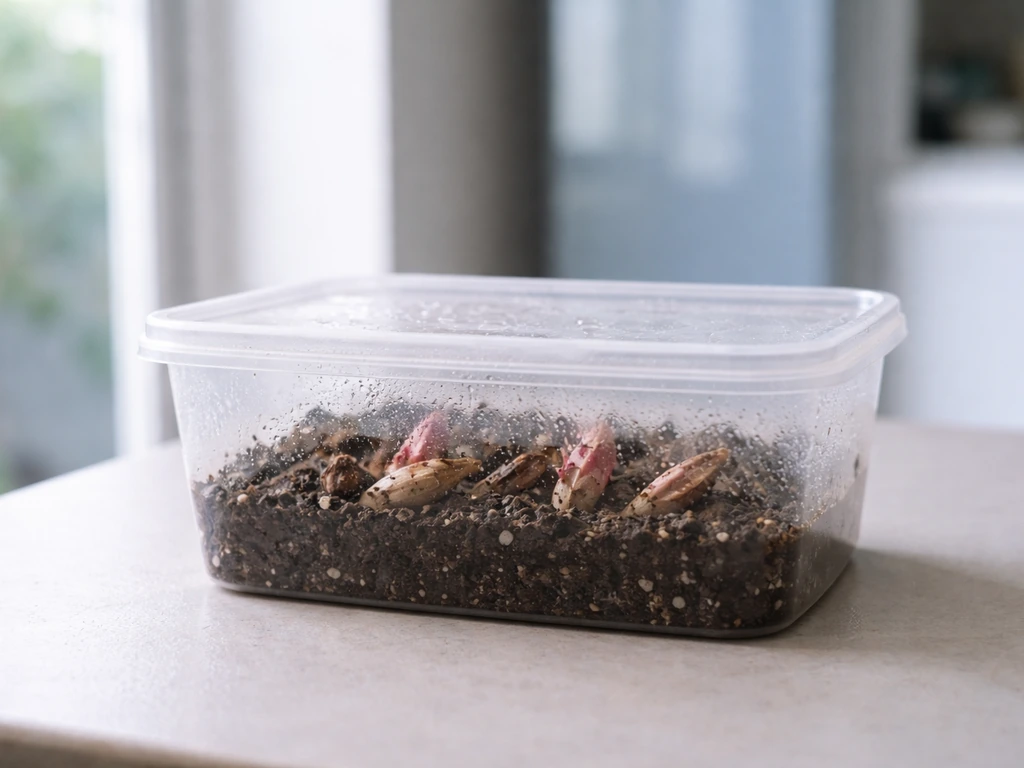
The honest truth is that if you just keep a bleeding heart in your living room year-round and hope it blooms, it won't. The plant needs a cold dormancy period to reset its flowering clock. Walters Gardens' cultural sheet for Dicentra reports a cold period of about 8 to 10 weeks, listed as below 40°F, as part of the forcing schedule blank" rel="noopener noreferrer">cold dormancy period. Here's the process that works, based on how commercial growers force them for late-winter sales.
- After the plant goes dormant in late summer or early fall, store the pot in a cool, dark location at 35 to 45°F. A refrigerator (without fruit, which gives off ethylene gas) works if you have no other cold space.
- Keep it there for 8 to 10 weeks. This chilling period satisfies the plant's vernalization requirement. Don't rush it.
- After chilling, move the pot to a cool, bright location at 50 to 55°F. A cool basement with a south-facing window or supplemental grow lights is ideal.
- Water lightly and watch for shoots. Once growth starts, increase watering and begin feeding.
- At 52°F, expect flowers in roughly 6 to 7 weeks. At 50 to 55°F generally, the forcing window is 4 to 7 weeks depending on conditions.
- If your space is warmer, the plant will grow faster but the blooms will be smaller and the show shorter. Cooler is better for quality blooms.
This is exactly the schedule commercial growers use to have bleeding hearts in flower for Valentine's Day, and you can replicate it at home with a bit of planning. The key insight is that temperature controls the timeline, not light or fertilizer.
Common problems and how to fix them
| Problem | Likely Cause | Fix |
|---|---|---|
| No flowers at all | Skipped or shortened cold period, or temperatures too warm during forcing | Ensure 8–10 weeks of chilling at 35–45°F before forcing; keep forcing temps at 50–55°F |
| Leggy, weak stems reaching for light | Insufficient light during active growth | Move to a brighter spot or add a full-spectrum grow light 12 hours per day |
| Yellowing leaves during growth (not dormancy) | Overwatering or poor drainage | Check drainage holes; let soil dry out slightly between waterings; repot if roots are soggy |
| Wilting despite moist soil | Root rot from waterlogged conditions | Reduce watering immediately; remove plant from pot, trim any mushy roots, repot in fresh well-draining mix |
| Powdery or fuzzy patches on leaves | Fungal infection, often from poor air circulation or wet foliage | Improve airflow; avoid wetting leaves when watering; remove affected leaves; use a diluted neem oil spray |
| Aphids or spider mites | Common indoor pests, especially in dry conditions | Wipe leaves with a damp cloth; treat with insecticidal soap spray; increase humidity to deter mites |
A realistic seasonal plan
Here's how to think about the year as a bleeding heart grower working indoors. I find it helps to map it out season by season rather than trying to manage it day by day.
- Late summer to early fall: Plant or repot dormant rhizomes. Reduce watering and let the plant wind down if it's been growing.
- Fall through early winter (8–10 weeks): Move to cold storage at 35–45°F. Minimal watering. This is the non-negotiable chilling phase.
- Midwinter (late December through January): Move to cool forcing conditions at 50–55°F with bright indirect light or a grow light. Begin light watering.
- Late winter to early spring: Flowers appear in 4–7 weeks. Enjoy the blooms. Continue consistent moisture and half-strength fertilizer.
- Spring: Foliage continues to grow after bloom. If outdoor temperatures are mild (below 75°F), this is a great time to move the pot outside to a shaded spot to let the plant build energy.
- Summer: The plant naturally dies back in heat. Let it go dormant. Reduce watering. Store in a cool spot. The cycle repeats.
If you can move the pot outdoors in spring and early summer to a shaded garden spot, the plant will be significantly happier and build stronger rhizomes for next year's bloom. Bleeding hearts really are outdoor plants at heart, and giving them some outdoor time whenever possible improves long-term success indoors. Think of the indoor forcing as a seasonal performance, not a permanent living room fixture.
Other cool-season bloomers like daffodils follow a similar indoor forcing logic, so if you've had success forcing bulbs, you'll find the bleeding heart process familiar. Other cool-season bloomers like daffodils follow a similar indoor forcing logic, and that same approach is why can dahlia grow indoors is possible too. Daffodils can daffodils grow indoors too, as long as you give them the right cool period and light for blooming.
Dahlias can also be grown indoors, but they need plenty of light and the right watering rhythm to thrive can dahlia grow indoors. Dahlias can also be grown indoors, but they need plenty of light and the right watering rhythm to thrive can dahlia grow indoors.
Is it worth growing bleeding hearts indoors?
If you're in an apartment with no outdoor space, bleeding hearts are doable but demanding. You'll need a cold space for chilling and a cool space for forcing, which rules out a lot of small apartments where the whole unit stays 65°F or warmer all winter. If you have an unheated garage, a cool basement, or even a cold spare room, you're in a much better position. For gardeners with outdoor space who just want to bring some blooms in during late winter, the seasonal forcing approach is genuinely satisfying and not that complicated once you've done it once. Just don't expect it to behave like a low-maintenance tropical houseplant, because it won't. If you're comparing other options for windowsill blooms, you might also wonder can morning glories grow indoors, since they have a very different indoor setup than bleeding hearts.
FAQ
If my apartment is always warm, can I still get bleeding hearts to bloom indoors?
Yes, but only if you can recreate the cold dormancy and cool forcing stages. If your home stays around 65 to 75°F (18 to 24°C) all winter, most plants will refuse to bloom and may only grow foliage or decline over time.
Can I keep an indoor bleeding heart in the same spot all year and have it bloom again next season?
Expect a smaller, faster decline if you keep it indoors year-round. Even with good light, the plant still needs a chilling period and a later rest period, so treat the indoor bloom as a seasonal event, then return the plant to dormancy conditions.
Should I buy a dormant rhizome, or can I buy a flowering pot and expect it to rebloom indoors?
Start with a dormant rhizome or a plant that has already completed dormancy. Buying a flowering pot in winter does not guarantee it will rebloom indoors, because it may have been forced and not actually rested for the next cycle.
My bleeding heart is yellowing during the forcing phase, what went wrong?
If the leaves yellow while temperatures are still cool, it is usually normal, but if it happens soon after you start forcing, the most common cause is overheating or letting the soil stay soggy. Remove excess water, confirm you are in the low-to-mid 50s°F range, and let the top inch dry slightly between waterings.
How do I water bleeding hearts during dormancy without rotting the rhizome?
During dormancy, reduce water enough that the rhizome does not dry out completely, but do not keep the pot constantly wet. A good rule is to water lightly every couple of weeks, only when the pot feels very close to dry.
What light mistakes most often prevent bleeding heart flowers indoors?
Direct afternoon sun is the biggest lighting mistake indoors, it can scorch leaves and make the plant wilt. Use a north or east window first, and if you add a grow light, keep it on a timed 12-hour cycle rather than trying to “boost” bloom by running lights longer.
Will a humidifier substitute for the cold dormancy requirement?
Yes, but only if you keep the plant cool. A humidifier can help when indoor air drops below the ideal range, but it will not replace the cold period needed for blooming.
Is misting the leaves a good way to increase humidity for indoor bleeding hearts?
Misting foliage is usually not ideal indoors because it can increase fungal risk, especially with cooler temperatures. Instead, use a pebble tray under the pot (water not touching drainage holes) or rely on room humidity from a humidifier.
How much fertilizer should I use, and when should I stop fertilizing?
Do not fertilize during dormancy, and during active growth use half-strength balanced fertilizer every two to three weeks. If you see lots of soft leafy growth with few or no flowers, you likely fed too early or too heavily.
Where is the best place to force bleeding hearts indoors, and what temperatures should I target?
A garage, cool basement, or spare room that can reliably stay in the low-to-mid 50s°F during forcing is ideal. Avoid spots that fluctuate widely with drafts or heat cycling, because temperature swings can disrupt the timeline.
My bleeding heart won’t flower indoors, how can I tell if it is a temperature problem or a light problem?
If you already have a plant that is not blooming, the quickest diagnosis is whether it experienced a real cold period and then a cool forcing period. If it never got those temperature windows, the plant cannot “make up for it” with more fertilizer or more sun.
Should I cut off yellowing leaves immediately after indoor flowering?
If you cut foliage too early, you may reduce next year’s bloom quality because the leaves help refill the rhizome. Wait until the foliage fully yellows and collapses, then cut back to soil level once it is clearly finished.