
You can grow mums in the house, but with one important caveat: most potted mums you bring indoors will bloom beautifully for a few weeks, then struggle to rebloom without some serious effort on your part. If your goal is a short-term flowering display on a windowsill or shelf, absolutely yes. If you want them to keep going season after season like a houseplant, you're signing up for a more demanding project that involves controlling light cycles, cool temperatures, and precise care timing.
Can You Grow Mums in the House? Indoor Care Guide

James Hartwell
1 Jun 2026
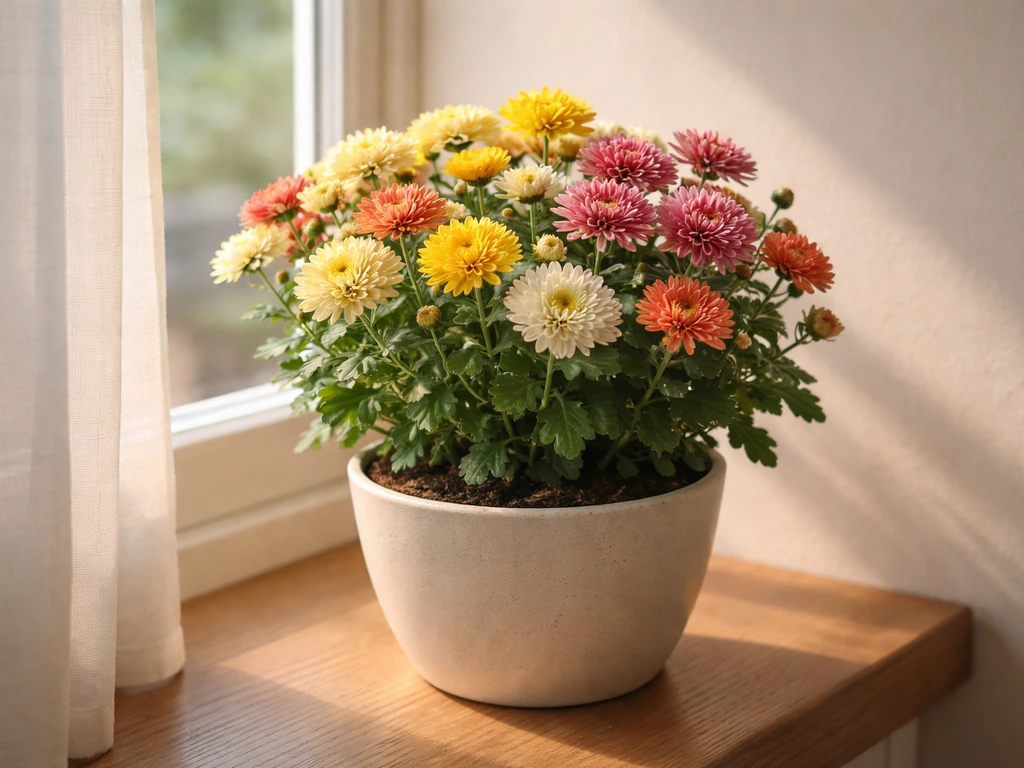
Can indoor mums actually work, and which type do you have?
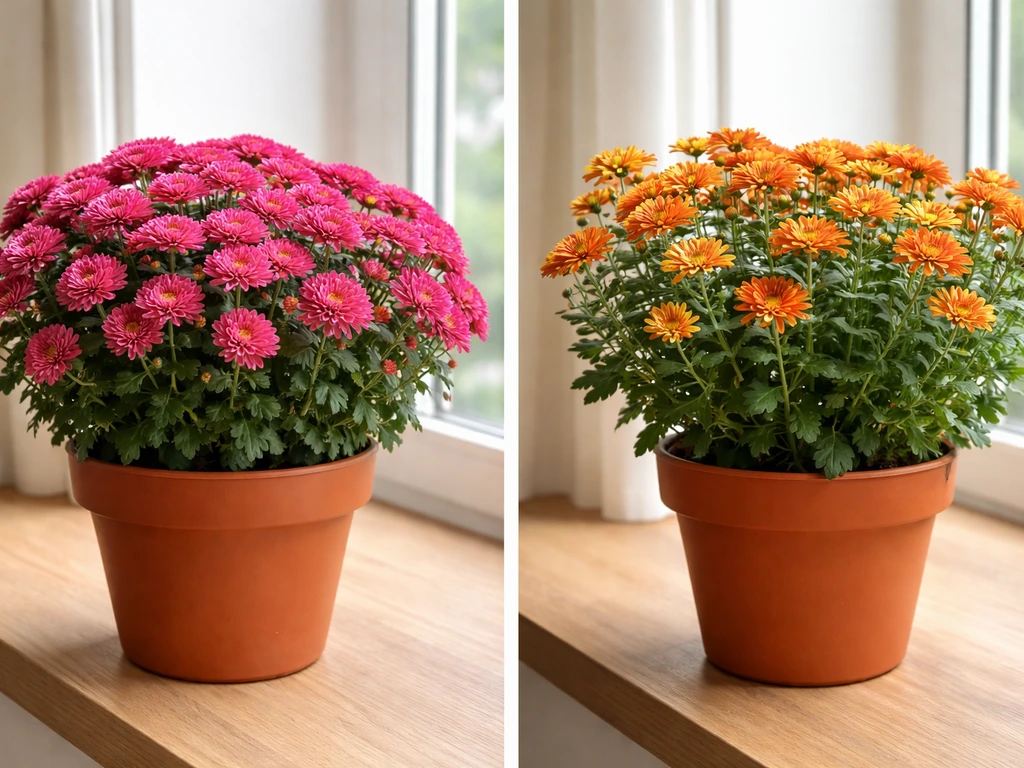
The first thing to sort out is what kind of mum you're dealing with, because it changes everything about your expectations. There are two main types most people encounter: florist mums (the potted ones sold at grocery stores, florists, and garden centers, especially in autumn) and garden mums (the bushy outdoor types grown as landscape perennials). These aren't the same plant for your purposes.
Florist mums are greenhouse-forced varieties. They've been grown under controlled light and temperature conditions to produce those tight, abundant blooms you see in the pot. Most of them are actually tender greenhouse varieties that don't do well outdoors at all, so the house is genuinely their best environment. The catch is that they were manipulated to bloom on a commercial schedule, and your living room isn't a commercial greenhouse.
Garden mums, on the other hand, are bred for outdoor life. They're tougher, but they're also more dependent on seasonal cues, short autumn days, cool nights, the whole outdoor experience. Trying to grow a garden mum long-term in a pot indoors is an uphill battle. You can do it, but honestly, they want to be outside. For the rest of this guide, the focus is primarily on florist/potted mums, since those are what most people are actually trying to grow indoors.
Both types are short-day plants, meaning they bloom in response to long nights and short days, roughly when days drop below 12 hours of light. This is why mums are so strongly associated with autumn. Any artificial light hitting them during the night period can delay or prevent flowering entirely. Keep that in mind as you choose where to place them in your home.
Light requirements and the best spot in your home
Mums need bright, indirect light while they're growing and blooming. The Aldershot indoor chrysanthemum care guide from A.G.L. Canada advises giving mums bright, indirect sunlight and suggests using a grow light when natural light is limited blank" rel="noopener noreferrer">bright, indirect light. A south or east-facing window is ideal. If you're trying to keep a plant alive and growing rather than just displaying an already-blooming pot, aim for the brightest spot you have that doesn't blast them with direct midday sun, which can bleach and stress the flowers.
Interestingly, if you want the flowers to last as long as possible once they've opened, cooler and slightly lower light actually helps. A north or east-facing window with temperatures around 50 to 60°F will slow the bloom and keep the flowers looking fresh longer than a warm, sunny south window will. So there's a trade-off: more light supports healthy plant growth, but slightly less light combined with cool temperatures extends how long the flowers stay open.
If your home doesn't get much natural light, a common problem in apartments or north-facing rooms, a grow light is a genuinely useful solution. Position it close enough to provide bright light during daytime hours only, and make sure to turn it off at night. If you're trying to encourage a mum to bloom (not just sustain an already-blooming plant), you'd actually need to ensure 12-plus hours of uninterrupted darkness each night. Running a grow light at night is exactly the wrong thing to do if you want buds to set.
Temperature, humidity, and airflow
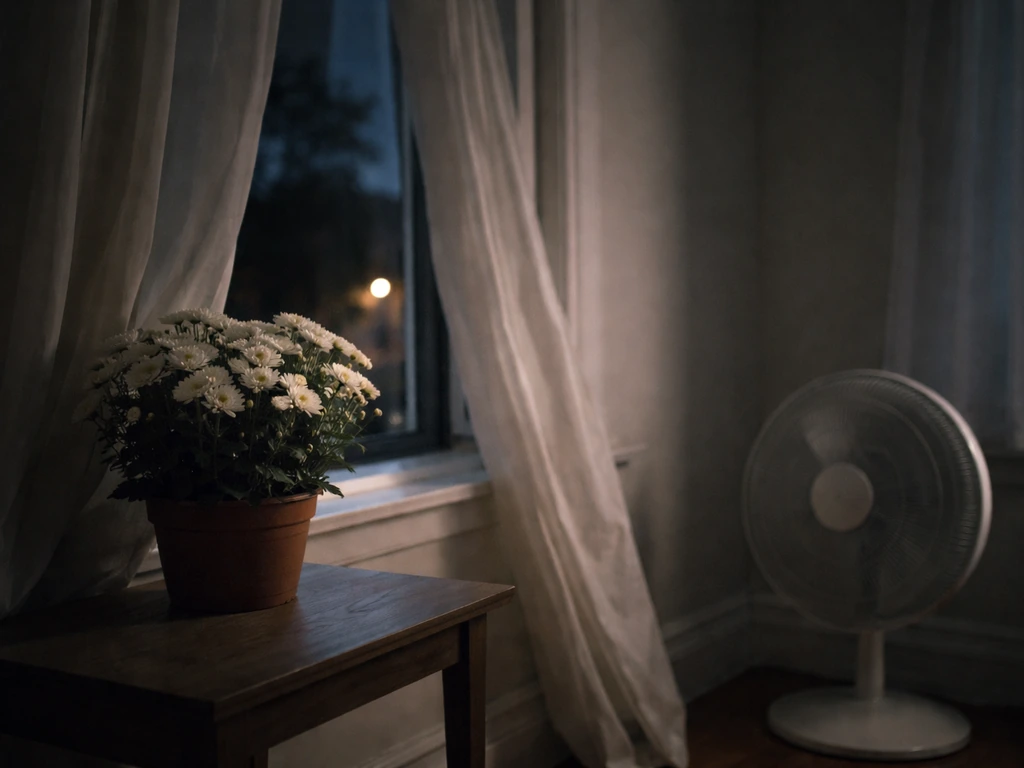
Temperature is one of the biggest factors in how long your indoor mums will bloom and how healthy they stay. The sweet spot for developing good color and prolonging flowering is around 50°F at night and 60°F during the day. A range of 60 to 70°F during the day is also fine for most indoor situations. The problem in most homes is that we keep things comfortable for ourselves, around 68 to 72°F year-round, which is warmer than mums prefer. Warmth speeds up the bloom cycle, meaning flowers open fast and fade fast.
If you can move your mums to a cooler room at night, an unheated spare room, a cool hallway, or near a drafty window (not in a frost-prone spot, just cool), you'll noticeably extend how long they stay in bloom. Nighttime temperatures around 50 to 55°F make a real difference.
Humidity matters too, but mainly as a disease risk factor. Mums are susceptible to Botrytis blight (gray mold) and powdery mildew when humidity is high and airflow is poor. Cornell’s Greenhouse Horticulture also lists Botrytis among chrysanthemum diseases, noting petal spotting and botrytis-related issues [Botrytis blight (gray mold)](https://greenhouse. cornell.
edu/pests-diseases/diseases-of-specific-crops/chrysanthemum-chrysanthemum-grandiflorum/). Free moisture sitting on leaves for 8 to 12 hours, combined with humidity above 93% in the canopy, is exactly what Botrytis needs to get started. In a practical home setting, keep relative humidity below 70% around your plants and make sure there's some airflow, even just not crowding them against a wall or other plants. Don't mist the foliage.
A small fan running nearby on low can help if your space tends to get stuffy.
Potting, soil, and watering correctly
If you bought a potted florist mum, the first thing to do is remove the decorative foil or plastic sleeve from around the pot. Those coverings trap water and prevent drainage, which is a fast route to root rot. Mums need drainage holes in their pot, no exceptions.
Use a well-draining potting mix. A standard quality potting soil works fine; you can mix in a little perlite if your mix seems dense or slow-draining. Mums don't like sitting in wet soil, but they also shouldn't be allowed to dry out completely. The target is evenly moist soil. Check by sticking your finger about an inch into the soil, if it feels dry at that depth, water thoroughly and let the excess drain away. If it still feels damp, wait another day. During active blooming, mums can be surprisingly thirsty, so check every day or two rather than on a fixed schedule.
Signs of overwatering include yellowing lower leaves, soft mushy stems near the base, and soil that smells sour. Signs of underwatering include drooping leaves, dry and pulling-away-from-the-pot soil, and buds that fail to open or brown at the edges. Both problems are common indoors, and both are easy to fix once you recognize them early.
Feeding your mums from growth to bloom
If you've just brought home a blooming potted mum, feeding it is actually less of a priority than keeping it comfortable. For a plant that's actively forming buds or in early bud stage, a balanced liquid fertilizer (something like 10-10-10 or a bloom-focused formula) applied when the plant is ready to bloom makes sense. But once the flower buds are clearly formed and opening, stop fertilizing. Extra nutrients at that point push the plant toward more leaf and stem growth rather than supporting the flowers you already have, and can actually shorten bloom time.
If you're growing a mum from a younger vegetative plant (not a fully budded florist pot) and trying to get it to bloom indoors, you'll want to fertilize more actively during the growth phase, roughly every two weeks with a balanced fertilizer, then back off once buds set. Think of it as fueling the engine during the drive, then easing off as you pull into the destination.
Common problems indoors and how to fix them
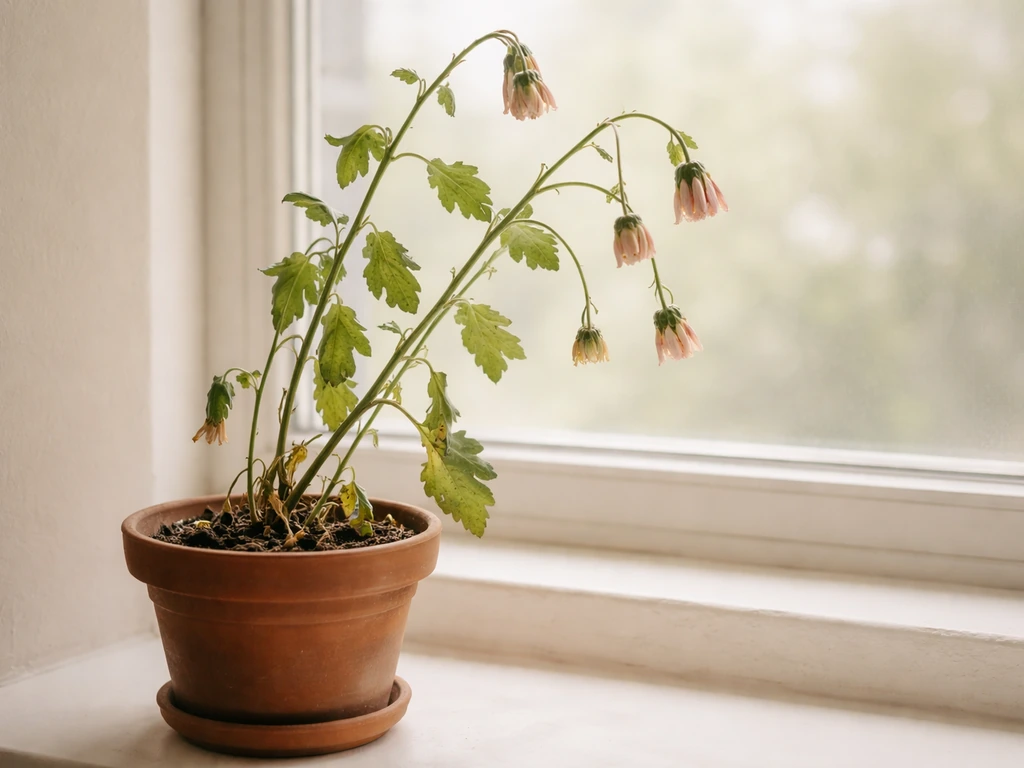
Leggy, stretched growth is one of the most common issues when mums are grown in low light. The stems reach toward the nearest light source and the plant becomes sparse and floppy. The fix is better light, move the plant to a brighter window or add a grow light. Pinching back the tips of young stems (before bud set) also encourages bushier growth, but don't pinch once buds have formed.
Bud drop, where buds form but fall off before opening, is usually caused by sudden temperature fluctuations, very dry air, or the plant being moved around too much. Once buds start to form, try to keep the plant in a stable spot with consistent temperature and avoid drafts from heating vents or air conditioners.
Aphids and spider mites are the most likely pest problems indoors. Aphids cluster on new growth and under leaves; a forceful spray of water knocks most of them off, and insecticidal soap handles the rest. Spider mites are tiny, often only noticed when you see fine webbing on the plant. They thrive in warm, dry indoor conditions. Treat with insecticidal soap or horticultural oil (around 1 to 1.5% concentration), applied in the evening for best results, and increase humidity slightly around the plant.
- Botrytis (gray mold): brownish-gray fuzzy patches on leaves or petals; caused by high humidity and poor airflow. Remove affected material immediately, improve ventilation, and avoid wetting the foliage.
- Powdery mildew: white or grayish powdery coating on leaves; more likely in warm, humid, stagnant air. Improve airflow and reduce humidity around the plant.
- Yellow lower leaves: usually overwatering, poor drainage, or natural leaf drop as the plant ages through bloom.
- No blooms forming: almost always a light-cycle issue — too much light during nighttime hours disrupting the required dark period.
After the flowers fade, what to do next
Once a potted mum has finished blooming, you have a couple of realistic options. The honest truth is that many people, and plenty of experienced gardeners, simply compost the plant after bloom and start fresh next season. Getting a potted florist mum to rebloom indoors is genuinely difficult because it requires replicating the precise light-cycle manipulation that greenhouse growers use.
Your living room lighting, especially at night, is likely disrupting the long dark periods the plant needs to initiate new flower buds. Similar to mums, chilli plants can also be grown indoors if you provide the right light, warmth, and growing conditions can chilli plants grow indoors. Peppermint also can grow indoors, as long as you give it bright light, consistently moist soil, and enough room for it to spread grow peppermint indoors.
If you want to try keeping it, cut back the spent stems to a few inches above soil level after blooming ends, stop fertilizing, and move the plant somewhere cool, around 40 to 50°F is ideal for a rest period, like an unheated garage or basement. Water it minimally during this dormancy, just enough to keep the roots from completely drying out. Bring it back into a bright spot in late winter or early spring and resume regular watering and feeding.
To get it to rebloom, you'll need to engineer short-day conditions: starting in late summer, give the plant 14 to 16 hours of complete, uninterrupted darkness each night for about six to eight weeks. Even a nearby streetlight, lamp, or phone screen coming through the window can disrupt this cycle and prevent bud formation. It's manageable if you're committed, a dark closet or a cardboard box over the plant each evening works, but it does require consistency. Many indoor gardeners find it easier to move garden-type mums outside for the summer and let natural autumn day lengths trigger blooming naturally.
If re-blooming indoors sounds like more effort than it's worth for your situation, you're not alone. Mums are genuinely easier to manage as seasonal plants, enjoy the autumn bloom, then decide whether to compost, overwinter in a cool spot, or move them outside when temperatures allow. They're rewarding for what they are: brilliant, long-lasting autumn flowering plants that bring real color indoors when other flowers are winding down.
If you are looking for the best chilli plants to grow indoors in the UK, you can follow similar ideas for light, warmth, and consistent care to keep them producing autumn flowering plants. Can mint plant grow indoors depends on whether you can provide consistently bright light, cool airflow, and regular watering so the soil stays slightly moist.
FAQ
How long can I expect a potted mum to bloom indoors?
Most florist mums will look best for a few weeks once they are fully flowering. If you keep the plant cool at night and avoid direct midday sun, you can often stretch the display noticeably longer than in a warm living room.
Can I keep my mum blooming by leaving lights on at night?
No. Mums need uninterrupted darkness to set buds, any light during the night cycle can delay or stop bud formation. For display only, day lighting is fine, but for reblooming, lights must be off overnight.
Do I need to cover the mum in a dark closet, or will “less light” be enough?
For reblooming, it must be complete, uninterrupted darkness for 14 to 16 hours. “Indirect” darkness is not enough because even a streetlight, hallway glow, or a lit phone can interrupt the short-day signal.
Where should I place a mum if I only have north-facing windows?
North light often supports keeping the plant alive, but it can be insufficient to prevent leggy growth. Use a grow light for daytime hours, and place it close enough to provide bright light without running it at night.
Is it better to water on a schedule or only when the soil dries?
Check the soil by feel, water only when the top inch starts to dry. A fixed schedule is a common mistake indoors because pots dry at different rates depending on temperature, light, and pot size.
What does “evenly moist” mean in practice for potted mums?
Water thoroughly until excess drains out, then let the potting mix approach slightly dry at the top before watering again. Avoid letting the pot sit in runoff water, and never keep the decorative sleeve or foil on the pot.
My mum has yellow lower leaves, is that always overwatering?
Yellowing lower leaves can indicate overwatering, but it can also happen from cold drafts or stress after moving it home. If the soil is wet and leaves are soft, suspect excess moisture first. If the soil is dry and the plant is wilting, suspect underwatering or heat stress.
Why do my buds turn brown or fail to open?
This often happens when conditions swing, such as a warm room by day and a cold draft at night, or when air is too dry. Keep the plant in a stable spot, avoid heating vents and air conditioners, and maintain consistent watering.
Can I mist the plant to prevent spider mites or help humidity?
Avoid misting the foliage. Free moisture on leaves increases the risk of Botrytis and mildew. Instead, improve airflow with a small fan and keep overall humidity below about 70% around the plants.
Should I trim dead flowers while it is still blooming?
You can remove spent blooms to keep the plant looking tidy, but focus mainly on keeping light, temperature, and watering consistent. Heavy pruning during active flowering can add stress, especially indoors where conditions already fluctuate.
Is it safe to repot a florist mum after I buy it?
Usually it is better to leave it alone until after the flowering period. If drainage is compromised, the minimum fix is removing any sleeve and confirming the pot has drainage holes, but repotting while buds are forming can increase bud drop.
My mum got leggy and floppy, should I pinch or fertilize more?
Legginess is usually a light problem. Pinching helps only before bud set, while fertilizing more during bloom can shorten flower time. The priority is brighter light, then pinch during early growth if you are still before buds form.
Can I bring a garden mum indoors to overwinter and have it bloom later?
It is possible to overwinter a garden-type mum indoors, but blooming indoors is harder because it still depends on seasonal cues. Many people get better results by moving it outdoors during the growing season and protecting it in a cool place before natural autumn day lengths trigger flowers.