
You can grow foxglove (Digitalis) indoors, but it's genuinely challenging and you need to go in with realistic expectations. It won't thrive on a dim windowsill, it almost certainly won't bloom in its first year indoors, and it's seriously toxic to people and pets. If you have a bright south-facing window or a decent grow light setup, some patience, and a pet-free space, it's absolutely doable. But for most apartment gardeners, foxglove is more of an 'indoor start, outdoor finish' plant than a true houseplant.
Can You Grow Foxglove Indoors? Light, Care, and Safety Guide
James Hartwell
12 May 2026
Can foxglove actually live indoors?
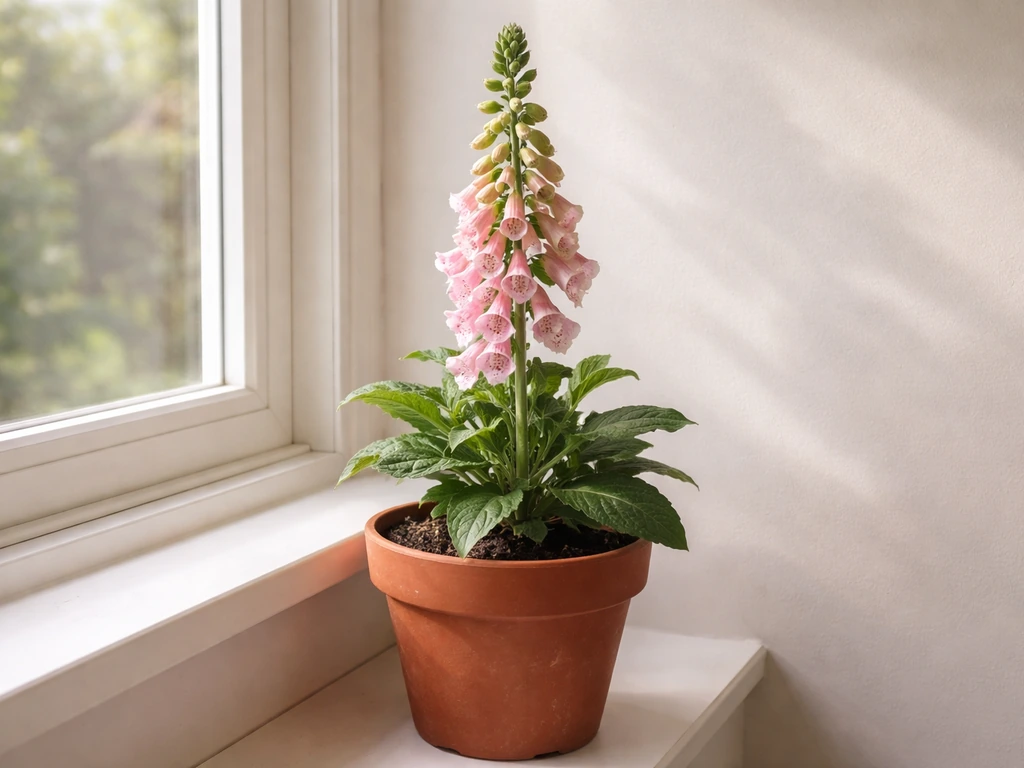
Yes, foxglove can survive indoors, but it's not a plant that naturally settles into life as a houseplant. Digitalis purpurea is a biennial in most climates, meaning it spends its first year building a leafy rosette and its second year sending up those dramatic flower spikes. Grown indoors, that timeline gets extended and complicated. You're unlikely to see flowers until the plant has experienced a cold period (called vernalization) and then returned to warmer growing conditions. Without that cold trigger, many foxglove plants just sit there, looking leafy and perfectly healthy but never blooming.
That said, people do successfully grow foxglove indoors as temporary plants, starting seeds inside for later transplanting, overwintering young plants in a cool room, or keeping a container plant near a very bright window. I'd describe it as a 'can you, yes; should you, maybe' situation. If your goal is flowers indoors, manage your expectations. If your goal is strong healthy seedlings you'll eventually move outside, indoor growing makes a lot of sense.
Light and placement: this is where most people go wrong
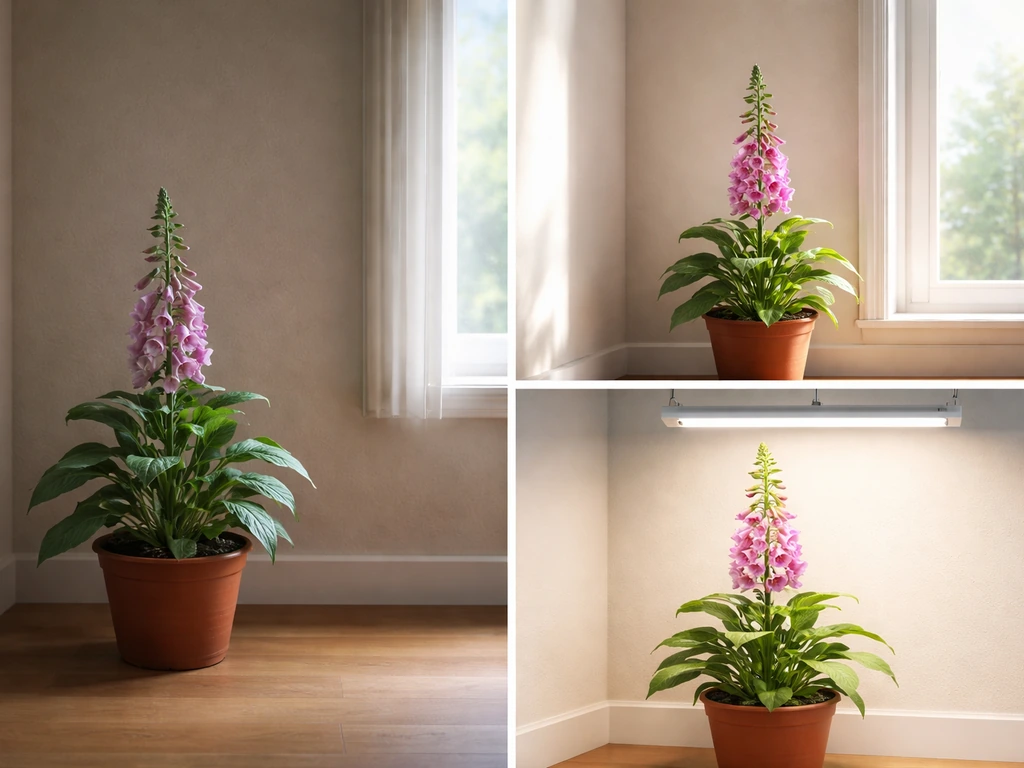
Foxglove needs far more light indoors than most people assume. It's a full-sun to part-shade plant outside, and indoors that translates to your brightest possible window, ideally south-facing, with direct sun for at least 6 hours a day. An east or west window can work for keeping a young plant alive but probably won't give you enough light intensity to push it toward flowering.
Grow lights are honestly the more reliable option for serious indoor attempts. Burpee's guidance says to run fluorescent or LED plant lights just 3 to 4 inches above seedlings for 16 hours a day, giving 8 hours of darkness. Commercial growers target a light intensity of 800 to 1,200 µmol per square meter per second, which is substantially brighter than what most windowsills deliver. You don't need to obsess over those exact numbers at home, but it's worth knowing that a weak LED strip sitting 2 feet above your plants isn't going to cut it. Get a decent full-spectrum LED panel and position it close.
Foxglove is also described as a facultative long-day plant, meaning longer day lengths encourage flowering. Running your grow light for 14 to 16 hours in late winter and spring, mimicking the longer days of the season when foxglove naturally blooms, gives you the best shot at triggering a flower spike indoors.
Pot, soil, drainage, and watering
Foxglove has a deep taproot and can get quite tall, so the pot size matters more than with a lot of herbs or compact flowers. For a mature plant, use a pot at least 12 inches deep and 10 to 12 inches wide. Terracotta is a great choice because it breathes and dries out more evenly than plastic, which helps prevent root rot.
Drainage is non-negotiable. Foxglove despises waterlogged roots. Use a well-draining potting mix, something like a standard all-purpose potting soil mixed with 20 to 30 percent perlite. Make sure your pot has drainage holes and a saucer underneath. I'd also suggest elevating the pot slightly so it's not sitting in pooled water after you've watered.
For watering, the approach is 'water thoroughly, then let it mostly dry out before watering again.' Stick your finger about an inch into the soil. If it still feels damp, wait. Foxglove outdoors gets by on moderate rainfall and tolerates some dryness, so indoor plants don't need constant moisture. Overwatering is by far the most common reason indoor foxgloves fail.
Temperature and timing: the trickiest part of growing foxglove indoors
Here's the real hurdle with foxglove indoors: to get flowers, the plant typically needs to go through a cold period (vernalization) of around 40 to 50°F for several weeks. In nature, this happens automatically over winter. Indoors, your home is probably kept at 65 to 70°F year-round, so the plant never gets that cold signal.
There are a few ways to work around this. You can move the plant to a cool but frost-free space, like an unheated garage, a cool basement, or even a cold windowsill in a room you don't heat much, for 6 to 8 weeks during winter. Aim for temperatures in the 40 to 50°F range. After that cold period, bring it back into warmth and good light and it's much more likely to push a flower spike. Alternatively, some gardeners just accept they're growing foxglove as a foliage plant indoors and move it outside in spring to bloom in its second year.
For seedlings and young plants in their first few months, regular indoor temperatures of 60 to 70°F are fine. Once the plant has built a strong rosette of leaves, that's when you think about giving it a cold period if flowering is the goal.
Starting foxglove indoors: seed or seedling?
Starting from seed
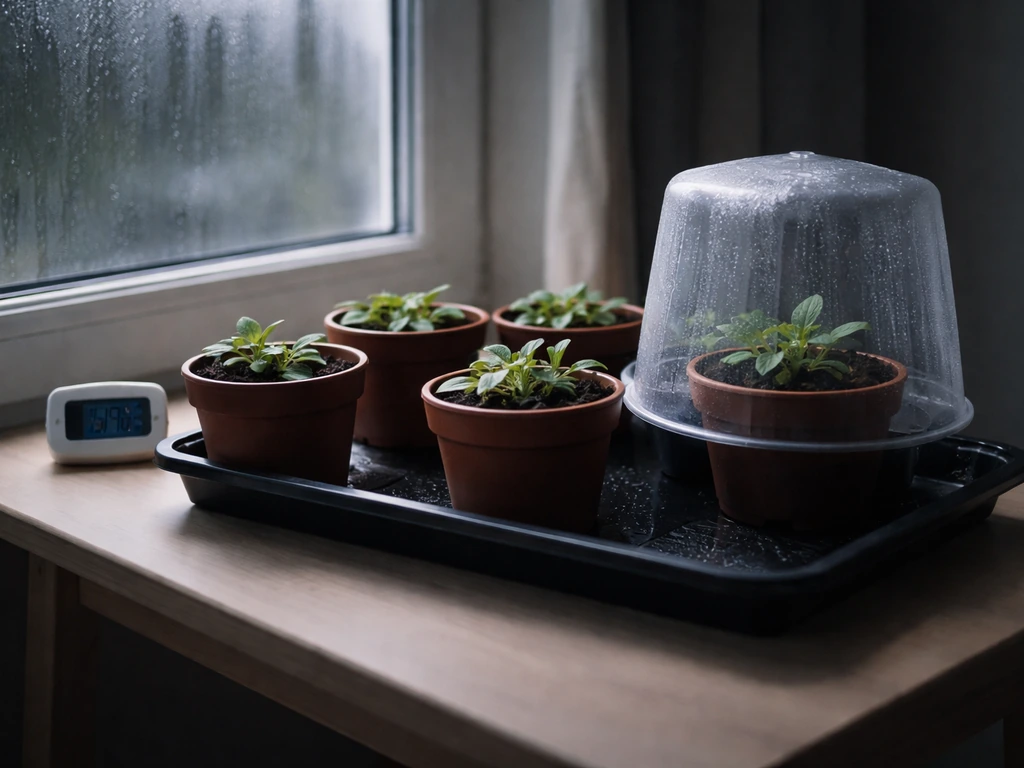
Foxglove seed is very fine and needs light to germinate, so do not bury it. Scatter seeds on the surface of moistened seed-starting mix, press them in very lightly, or blank" rel="noopener noreferrer">dust just a tiny bit of fine vermiculite over them to hold them in place without blocking light. Keep the tray or pot in a warm spot (around 65 to 75°F) with plenty of indirect light or under a grow light. UVM (University of Vermont) extension material notes seedlings grow best with about 16 to 18 hours of light per day at 65 to 75 °F blank" rel="noopener noreferrer">around 65 to 75°F. Germination usually takes 2 to 3 weeks.
The moment seedlings emerge, they need strong light right away. This is where I've seen people lose the plot indoors: the seedlings sprout, they get left on a dim windowsill, and within two weeks they're spindly, toppling over, and basically useless. Get them under a grow light at 3 to 4 inches, running 16 hours a day, as soon as you see green. Thin seedlings to one per cell or give them about 3 to 4 inches of space once they have their first true leaves.
Starting from transplants or nursery seedlings
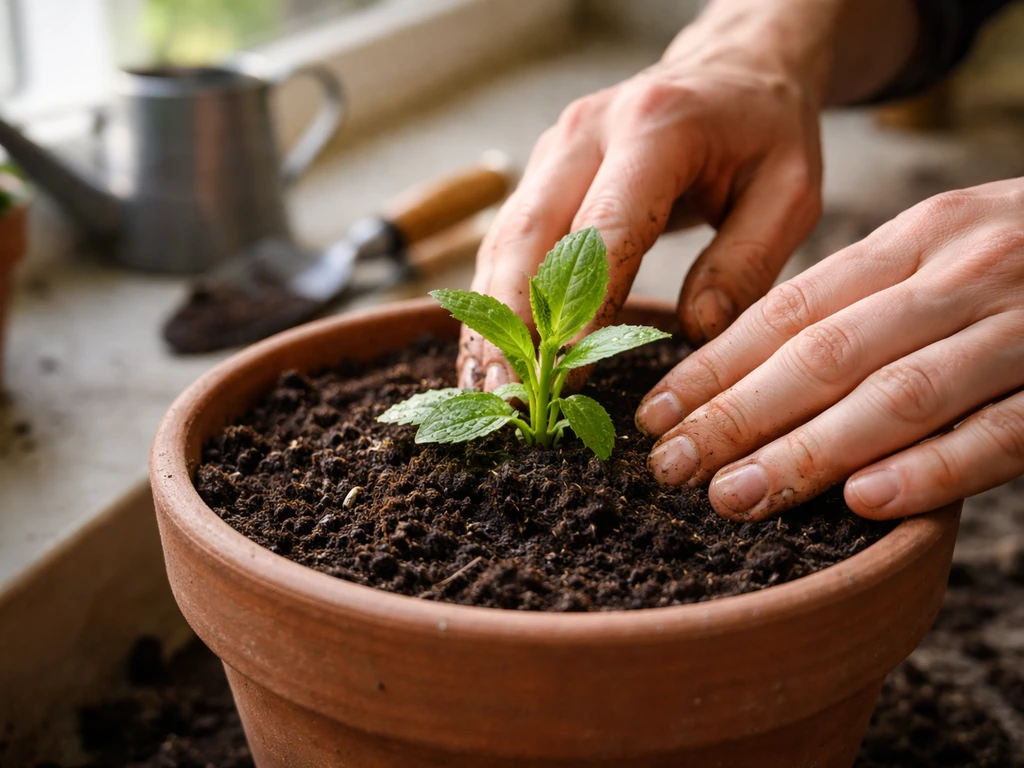
Buying a small foxglove transplant from a nursery in spring and moving it into a pot is honestly easier than starting from seed indoors. You skip the delicate germination phase and start with a plant that already has a root system. Pot it up into your well-draining mix, give it your best light spot, and follow the same temperature and watering approach. If you buy a young first-year plant in spring, expect rosette growth through summer, a cold period in late fall/winter, and potentially flowers the following spring.
Common problems and how to fix them
| Problem | Likely Cause | What to Do |
|---|---|---|
| Leggy, floppy stems | Not enough light | Move closer to window or lower grow light to 3-4 inches above the plant |
| Yellowing lower leaves | Overwatering or waterlogged roots | Let soil dry out more between waterings; check that drainage holes aren't blocked |
| No flower spike after year two | Insufficient cold period or poor light | Give the plant 6-8 weeks at 40-50°F, then return to warm spot with maximum light and 16-hour days |
| Wilting despite moist soil | Root rot from overwatering | Unpot the plant, trim any black/mushy roots, repot in fresh dry mix, reduce watering frequency |
| Pale, washed-out leaves | Too much direct hot sun through glass or nutrient deficiency | Move slightly back from window or add a dilute balanced liquid fertilizer monthly in spring/summer |
| Powdery mildew on leaves | Poor air circulation and high humidity | Improve airflow, water at the base not on leaves, remove affected leaves |
Foxglove indoors and safety: this is serious
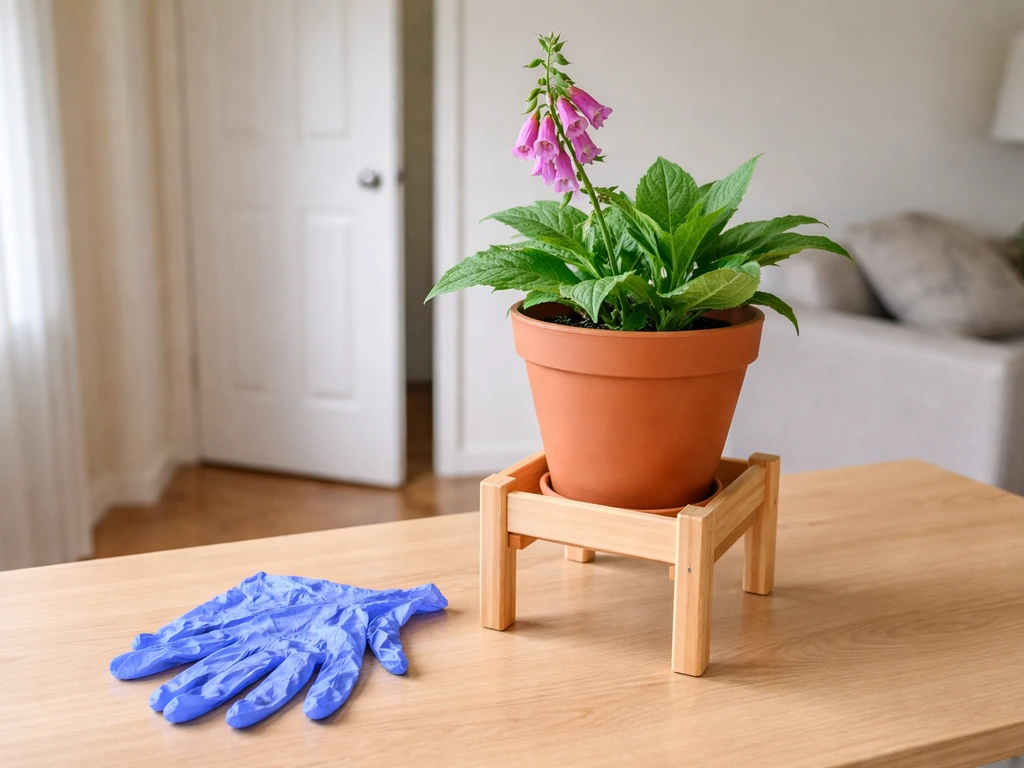
Foxglove is one of the most toxic common garden plants you can bring inside. Every part of the plant contains cardiac glycosides (including digoxin), which are poisonous to humans, dogs, cats, and other pets. Ingesting even a small amount can cause nausea, irregular heartbeat, and in serious cases, death. This isn't scare-mongering, it's the reason foxglove is consistently listed among the most dangerous plants to keep around children and animals.
If you have curious kids or pets who chew on plants, I'd genuinely reconsider bringing foxglove indoors. There are plenty of beautiful plants you can grow inside that don't carry this level of risk. If you are looking for an easier indoor option, you may be able to grow ornamental grass indoors with the right light and container. If you do grow it, keep it completely out of reach, in a room the animals or young children don't access, and don't leave fallen leaves or water trays where they could be reached.
For your own handling: always wash your hands thoroughly after touching foxglove, especially before eating or touching your face. Wear gloves when repotting or pruning. The toxins can be absorbed through skin in some cases, particularly if you have small cuts. Don't let water that has been sitting in the saucer under the pot be accessible to pets or kids either, as it can leach plant compounds.
Is it worth growing foxglove indoors?
For starting seeds ahead of the outdoor season or overwintering a young plant through cold months, absolutely yes. Foxglove responds well to indoor seed starting and you can get a strong head start before transplanting outside in spring. As a permanent indoor plant, though, it's a real commitment: demanding on light, requiring a cold period for flowers, and carrying significant toxicity risk.
However, can you grow perennials indoors is a different question, since most perennials have distinct light and temperature needs a real commitment. If you are wondering can you grow edelweiss indoors, the key is having the right light, a cool temperature shift, and well-drained soil Is it worth growing foxglove indoors? . If you're comparing it to something like asters or ornamental grasses as an indoor flowering project, foxglove is among the more difficult and higher-maintenance choices.
If you want an easier alternative, you can grow ornamental grasses indoors for a similar architectural look with less of foxglove's cold-trigger and toxicity pressure. If you're aiming for a more straightforward indoor flowering project, you might also wonder can you grow asters indoors and what conditions they need.
If you're set on trying it, here's what to set up today: get a full-spectrum LED grow light on a 16-hour timer, a deep terracotta pot with drainage holes, a perlite-amended potting mix, and pick your sunniest, most pet-free room. Start seeds on the surface of moist mix now, get them under the light the moment they sprout, and plan for the long game. You're probably 12 to 18 months away from flowers, but the journey there is genuinely rewarding if you enjoy watching something dramatic and architectural take shape on your windowsill.
FAQ
If I can keep foxglove alive indoors, will it bloom the first winter?
Yes, but treat it as “temporary indoors” rather than a true indoor flowering plant. If your indoor space cannot reliably run a vernalization period around 40 to 50°F for 6 to 8 weeks, you may get a healthy rosette and tall growth with little or no flower spike, then you will have your best chance once you move it outdoors in a proper light and seasonal cycle.
What’s the easiest way to handle vernalization for indoor-grown foxglove?
Usually, no. Foxglove typically needs the cold trigger before it will attempt flowering, and indoors homes stay too warm for that signal. A practical workaround is to start the plant indoors, then move it to a cool, frost-free location for the winter window, and bring it back to your brightest light afterward to encourage a flower spike.
My foxglove seedlings look leggy and flop over, what did I do wrong?
Use strong lighting immediately after emergence. Spindly, leaning seedlings indoors almost always come from light that is too weak or too far away, or a delay between sprouting and turning on the grow light. Keep the light close (about 3 to 4 inches), run roughly 14 to 16 hours, and avoid “saves” like rotating the pot if the intensity is insufficient.
How deep does the pot need to be for foxglove indoors?
Don’t expect a deep pot to be optional. Foxglove forms a taproot, and a shallow container can cause poor stability and reduced vigor. For container depth, aim for at least 12 inches for a mature plant, and use a wide-enough pot (about 10 to 12 inches) so the rosette can establish without tipping.
Can I grow foxglove indoors without a grow light if I have a good window?
Yes, but it has to be a true “bright light” setup, not a decorative or low-output strip. A common failure mode is placing a small LED too far away or running it for too few hours, which leads to non-blooming foliage plants. If you do not have a high-output panel, you will likely need a very sunny south window and still may not get flowers.
How often should I water foxglove indoors?
Focus on keeping the soil lightly moist at germination, then shift to a cycle of thorough watering followed by mostly drying before the next watering. Finger-testing about an inch down is helpful, but also watch the pot weight and drainage, since foxglove is very sensitive to standing water and consistently wet mix.
Do I need to lower the temperature right away after sowing?
It depends on the season and your goal, but your best bet for seedlings is a stable warm environment until you have a strong rosette. For vernalization, plan a separate cool period once the plant is established (not during early germination). In other words, keep seedling temps around 60 to 70°F, then only chase the cold window later if you want flowers.
How careful do I need to be with toxicity if I have pets or kids?
You should avoid handling it without protection, but also avoid using “leaky” precautions. Wash hands after contact, wear gloves for repotting or pruning, and keep fallen leaves, pruning debris, and any saucer water inaccessible. If you have pets, choose a room they cannot access, because ingesting plant material is dangerous even in small amounts.
Can I move my indoor foxglove outdoors in summer and then back inside?
Often, yes if you can place it where it gets consistent strong light and you can manage the winter cold requirement. A cool porch or balcony can work for acclimation in mild weather, but it must still be bright and protected from freezing if you cannot vernalize in a frost-free cool space. Always bring it back indoors to warmth and light after the cold period if you are trying to trigger flowering.
When should I thin foxglove seedlings indoors?
In many cases, seedlings are ready to thin once they have their first true leaves, and spacing helps reduce competition for light and moisture. If they are in cells, thin to one per cell; if in a tray, give roughly 3 to 4 inches of spacing so they can stay upright under your light intensity.