
Yes, you can grow perennials indoors, but the results depend heavily on which ones you choose. Some perennials, like African violets and holiday cacti, genuinely thrive as long-term houseplants with the right light and temperature setup. Others, like hardy bulbs or foxglove, need seasonal cold cues that are almost impossible to replicate in a living room. The key is knowing which category your plant falls into before you commit a windowsill to it.
Can You Grow Perennials Indoors? Guide and Best Plants
James Hartwell
19 May 2026
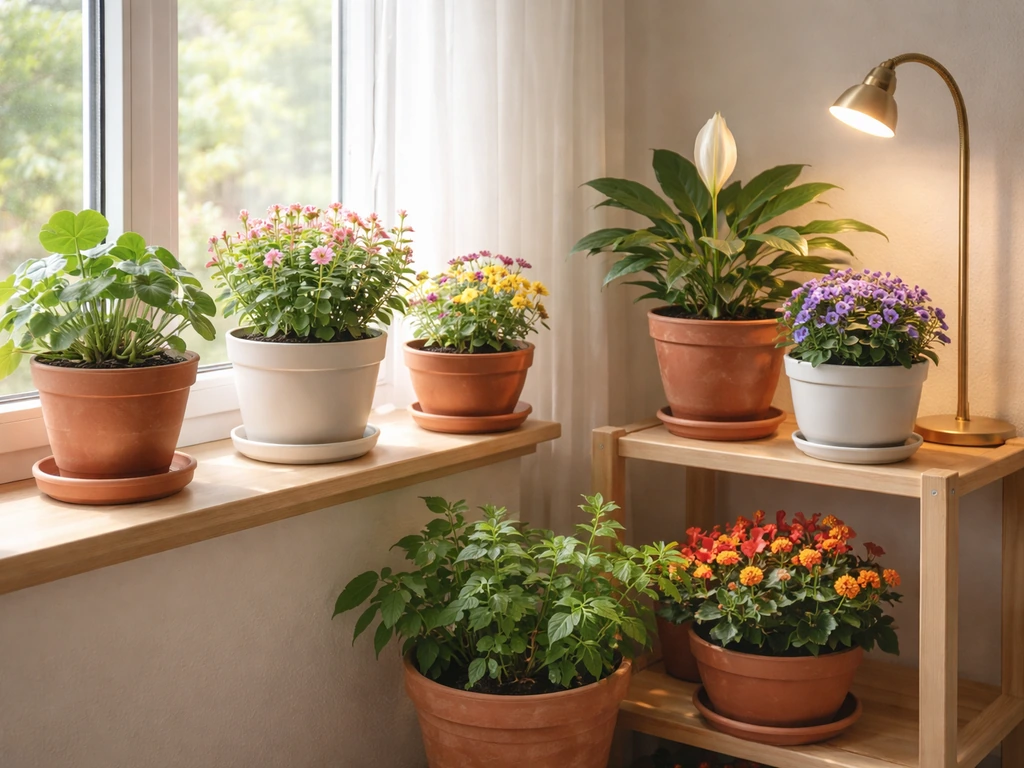
Which perennials can actually grow indoors (the short list)
Not every plant labeled a perennial belongs on your windowsill. Here's how to break them into three honest groups.
True long-term indoor perennials
These are perennials that can genuinely live and rebloom indoors year after year with consistent care. They don't need outdoor soil, hard frosts, or dramatic seasonal shifts to stay healthy. African violets are the gold standard here. They bloom almost continuously when given 14–16 hours of light and kept in daytime temperatures in the 70s °F with nights around 65–70°F. Holiday cactus (Schlumbergera) is another reliable pick. Persian shield is grown primarily for its stunning iridescent foliage and handles indoor light levels well. Kalanchoe rounds out the beginner-friendly group, producing bright blooms in a warm, bright indoor spot.
Perennials that can live indoors with extra management
Florist cyclamen sits in this middle zone. It's technically perennial but follows a strict seasonal rhythm: growing and flowering through winter and spring, then going dormant for roughly two to three months in summer. You can manage this cycle indoors, but it requires a cool resting period (the Chicago Botanic Garden recommends keeping dormant cyclamen in a dark, cool spot with just enough water to keep roots alive, then repotting into fresh mix before bringing it back to bright, cool conditions). Cyclamen also prefer cooler day temperatures around 60–65°F and nights near 50°F, which rules them out for warm apartments.
Perennials that mostly won't work indoors
Hardy garden perennials like asters, edelweiss, and most ornamental grasses need genuine cold dormancy to reset their flowering cycle. Trying to re-bloom forced hardy bulbs indoors is, as University of New Hampshire Extension puts it, 'usually not satisfactory' because of depleted nutrient reserves and the need for low-temperature conditioning (40–50°F cold storage) that your heated home simply can't provide. If you want these plants, you're better off growing them outdoors in containers and bringing them in temporarily during bloom.
Indoor vs. outdoor: how perennial behavior changes when you bring them inside
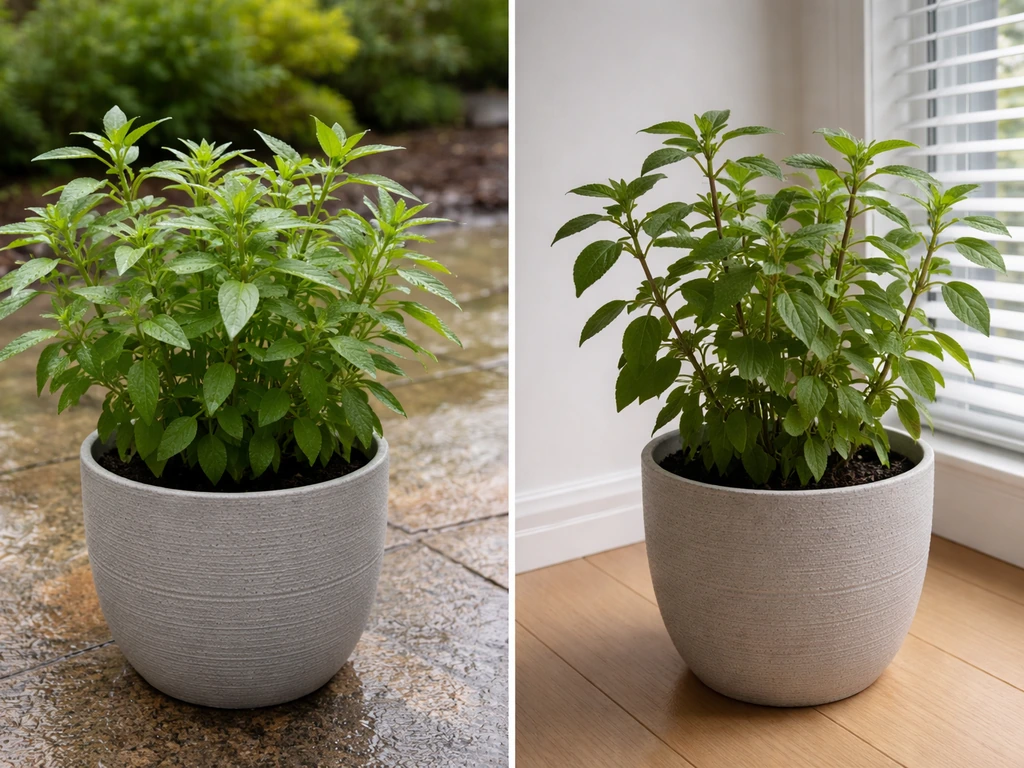
Outdoors, perennials follow the sun's natural arc, rain cycles, and temperature swings through the seasons. That rhythm drives dormancy, flowering, and regrowth. Indoors, all of those signals flatten out. Your home is roughly 68–72°F year-round, the light stays consistent (or drops significantly in winter), and there's no rain or frost. For plants that depend on cold dormancy or precise photoperiod changes, this is a problem. For plants that evolved in stable tropical or subtropical climates, like African violets, which are native to East African highlands with relatively steady temperatures, it's actually ideal. The plants that fail indoors aren't failing because you did something wrong; they're just wired for seasonal cues you can't fake.
Lifespan is another thing that shifts indoors. A garden peony can live for decades outdoors. Move it to a pot in your living room and it will likely struggle within a season, not because you neglected it, but because it needs cold winters. Contrast that with African violets, which routinely live 50 years as houseplants when well cared for. Matching the plant to the environment is everything.
Light requirements and where to put your plants
Light is the number one reason indoor perennials fail. Most flowering perennials want far more light than a typical room provides, especially in winter when northern hemisphere days shorten. Here's what you're working with at different window positions, and when grow lights become necessary.
Window placement
- South-facing windows: best option for most flowering perennials; provides the longest and brightest natural light exposure
- East or west-facing windows: acceptable for moderate-light plants like African violets, which actually prefer bright indirect light over harsh direct sun
- North-facing windows: generally too dim for flowering perennials; fine for foliage plants only
- Distance matters: even a south window drops off sharply two to three feet from the glass, so keep plants close
Grow lights: when and how to use them
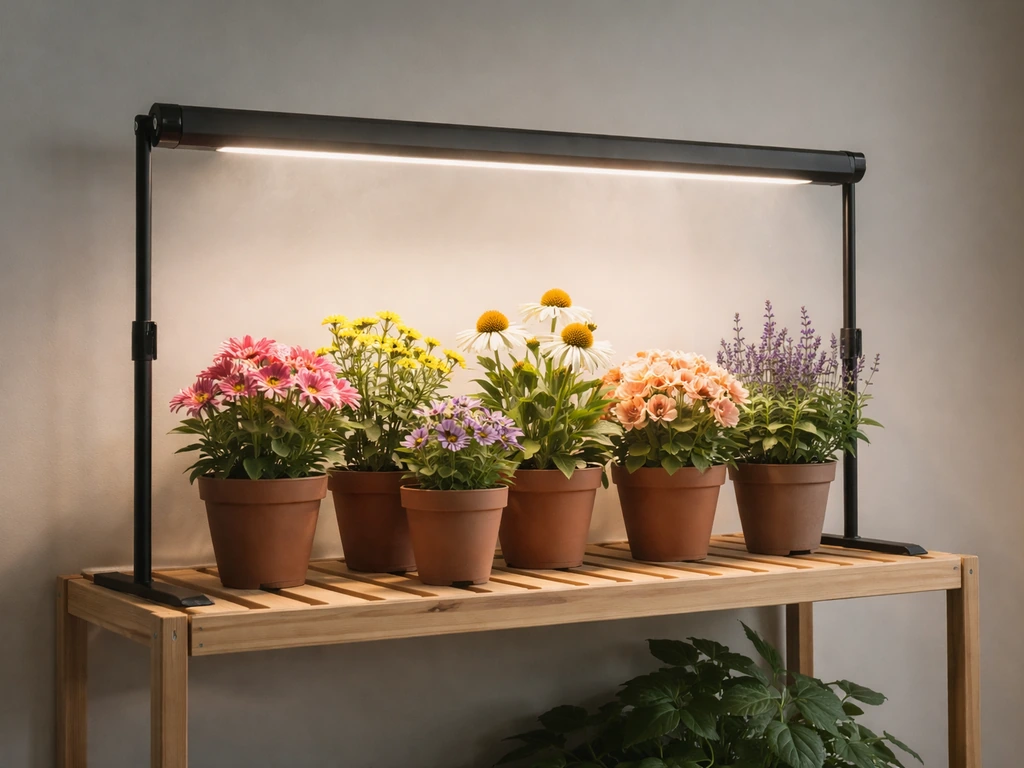
If your windows are limited, grow lights are not optional for flowering perennials. University of Maryland Extension confirms artificial lighting can meaningfully improve quality for indoor plants, especially flowering varieties. For African violets specifically, Wisconsin Horticulture recommends positioning lights 8–12 inches above the plants and running them 14–16 hours per day. A simple outlet timer handles the schedule automatically. For plants like holiday cactus that need darkness to trigger blooming, a timed setup actually helps here too, since you can guarantee 12 hours of uninterrupted darkness for 5–6 weeks to stimulate flower buds.
In terms of light intensity, the University of Maine Extension provides useful PPFD benchmarks: African violets thrive around 50–150 PPFD, while most other flowering perennials want more, in the 100–400 range depending on species. Standard LED grow light panels in the $30–80 range will cover a small shelf of plants adequately; full grow tents with higher-output lights are overkill for most home setups unless you're growing a large collection.
Watering, soil, containers, and drainage
Overwatering is the second most common way indoor perennials die, right after insufficient light. The symptoms look deceptively like underwatering (yellowing leaves, wilting) which leads people to water more, making things worse. The University of Minnesota Extension is direct about this: pots without proper drainage are essentially doomed from the start. Every container needs a drainage hole, and excess water needs to fully clear the pot after each watering.
Container choice
Clay pots dry out faster than plastic, which is actually an advantage for plants prone to root rot. Plastic pots retain moisture longer, which works well for moisture-loving perennials in dry homes. Match the container material to how the plant wants to dry between waterings. Penn State Extension advises repotting when roots are circling the root ball or when the bottom third of the root ball is densely packed with roots, so don't size up preemptively thinking bigger is better.
Potting mix
Don't use garden soil in pots indoors. It compacts, drains poorly, and can carry pests. Use a quality potting mix formulated for the type of plant you're growing. Succulents and cacti (including holiday cactus) want a fast-draining mix with added perlite. African violets do best in a lightweight, slightly acidic mix, and many gardeners use mixes specifically labeled for African violets. Cyclamen prefer a well-draining, moderately rich mix and benefit from repotting into fresh sterile mix after each dormancy period.
Watering technique
Penn State Extension recommends using room-temperature water and always allowing excess to drain fully from the pot. Cold tap water can shock tropical perennials. For African violets in particular, avoid getting water on the leaves as it causes spotting. Bottom-watering (setting the pot in a tray of water for 20–30 minutes then removing it) works well for them. For most other perennials, water thoroughly from the top, let it drain completely, and don't water again until the top inch or two of soil feels dry.
Temperature, humidity, and airflow
Most tropical and subtropical perennials want daytime temperatures in the 65–75°F range, which aligns with the average American home. The exceptions are plants like cyclamen, which prefer cooler conditions around 60–65°F during the day and as low as 50°F at night. If your home is consistently warm, cyclamen is not a good fit regardless of how well you manage everything else.
University of Maryland Extension flags drafts and heat vents as major stressors. Cold air from a cracked winter window, or dry heat blasting from a register below the shelf where your African violets sit, will stop growth, damage foliage, or cause leaf drop. Move plants away from exterior doors, air conditioner vents, and heating registers. A consistent temperature matters more than the exact number.
Humidity is often ignored until you notice crispy leaf edges or flower buds dropping before they open. Most tropical perennials prefer 40–60% relative humidity, which is higher than many homes during winter heating season. A small humidifier near your plant shelf helps. Grouping plants together also raises local humidity slightly through transpiration. Avoid misting directly as it can encourage fungal issues and, for African violets specifically, leaf spotting.
Airflow is the underrated factor. Stagnant air encourages mold, fungus gnats, and powdery mildew. A small fan running on low nearby, or just making sure the room has reasonable air circulation, goes a long way toward preventing problems.
How to pick the right perennial for your home
The honest question isn't 'can I grow perennials indoors?' It's 'which perennial matches the conditions I actually have?' Assess your space first, then choose the plant.
| Plant | Light Needed | Temperature Sweet Spot | Dormancy Required? | Beginner-Friendly? |
|---|---|---|---|---|
| African violet | 14–16 hrs (bright indirect or grow light) | 70s°F day, 65–70°F night | No | Yes |
| Holiday cactus | Bright indirect; 12+ hrs darkness to trigger bloom | 60–70°F | No, but needs dark period | Yes |
| Kalanchoe | Bright indoor light | 65–75°F | No | Yes |
| Florist cyclamen | Bright indirect, cool room | 60–65°F day, ~50°F night | Yes, 2–3 months in summer | Intermediate |
| Persian shield | Bright indirect | 65–75°F | No | Yes |
| Asters / ornamental grasses | Full sun, outdoor conditions | Seasonal variation needed | Yes, requires cold dormancy | Not suitable indoors long-term |
Beginner picks
If you're just starting out, go with African violets or holiday cactus. Both tolerate typical home conditions, rebloom reliably with manageable effort, and are forgiving of occasional watering mistakes. Kalanchoe is also an easy entry point. It stays in bloom for weeks, likes a bright window, and doesn't demand much attention. Persian shield won't give you flowers but rewards you with spectacular foliage that looks good year-round.
For more experienced growers
Cyclamen is worth the extra effort if you have a cool room or can provide one (an unheated bedroom or bright sunporch in winter is ideal). Managing its dormancy cycle is satisfying once you understand it. If you're interested in plants like foxglove indoors, be honest with yourself: they can be started from seed indoors and used as short-season plants, but they won't perform long-term as true houseplants without outdoor conditions. Same goes for asters asters indoors. If you try foxglove indoors, plan on treating it as a short-season starting project rather than expecting true long-term reblooming. Same goes for asters.
Seasonal care plan: flowering cycles, dormancy, and getting them to rebloom
The biggest frustration for indoor perennial growers is buying a plant in full bloom, watching it finish flowering, and then not knowing what to do next. Here's how to think about each season practically.
African violets: year-round with consistent management
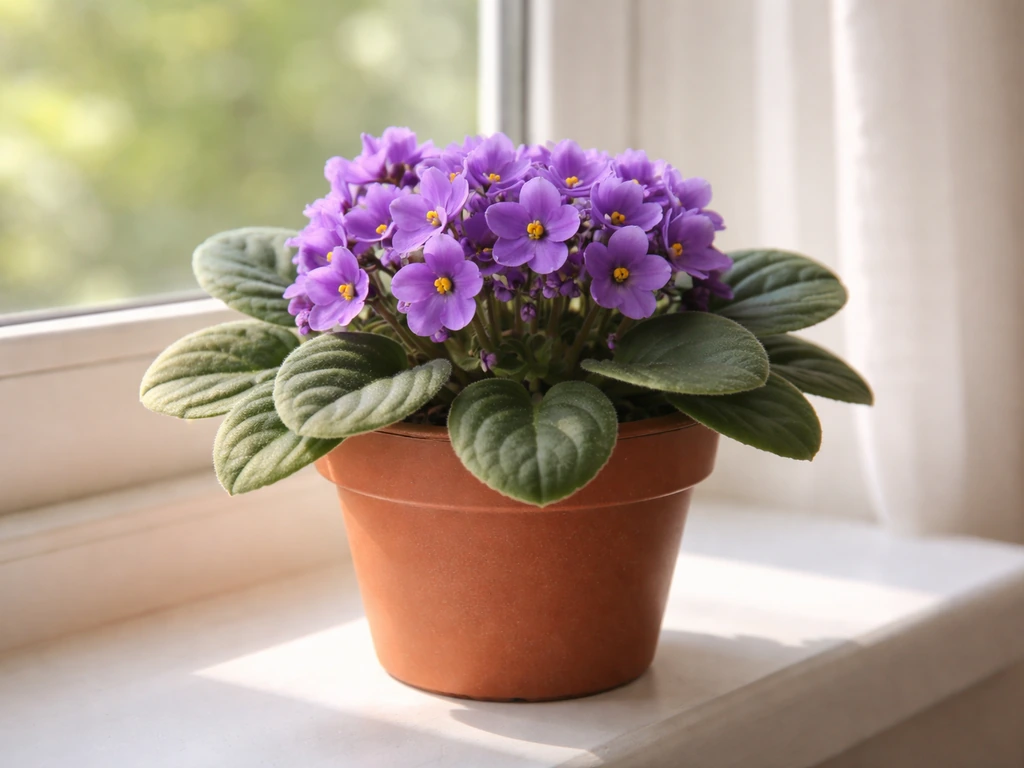
African violets don't have a true dormancy period. They bloom year-round if conditions stay right: 14–16 hours of light, stable temperatures, and regular feeding during active growth. If they stop blooming, the most likely culprits are insufficient light, root-bound conditions, or temperature fluctuations. Repot into fresh mix when the root ball becomes dense, feed with a balanced fertilizer formulated for African violets monthly during active growth, and keep temperatures consistent.
Holiday cactus: triggering the annual bloom
Holiday cactus blooms in response to photoperiod and temperature. Starting around early to mid-October, place it somewhere it gets at least 12 hours of uninterrupted darkness for 5–6 weeks. If your home stays above 60°F consistently, you'll need to strictly control the dark period to trigger flowering. Once buds set, move it back to its normal bright spot and keep watering. After blooming, let it rest with slightly reduced watering through late winter before resuming regular care in spring.
Cyclamen: managing the dormancy-to-rebloom cycle
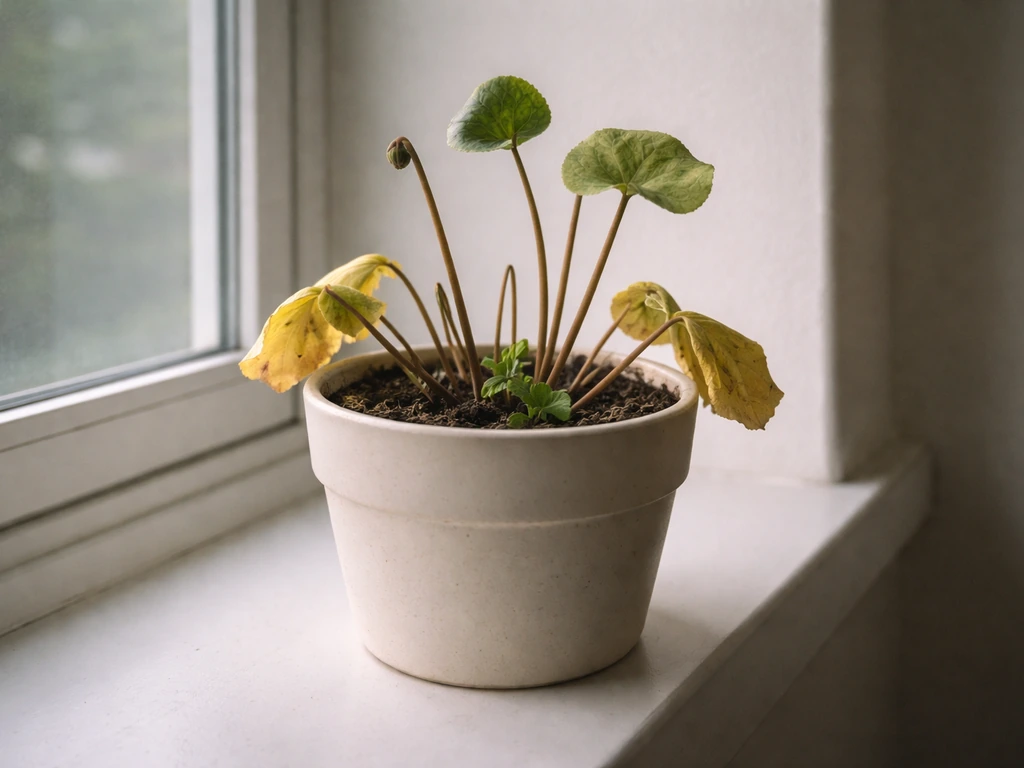
From late spring through summer, cyclamen will stop blooming and the leaves will yellow and die back. This is normal. Move the pot to a cool, dim location and reduce watering dramatically, giving just enough to prevent the tuber from completely drying out. After roughly two to three months (typically by late summer), repot the tuber into fresh potting mix in a slightly larger pot if needed, move it back to a cool bright spot, and resume normal watering. New growth should appear within a few weeks. The Cyclamen Society notes that getting the timing right on dormancy is the key to reliable reflowering.
Kalanchoe: reblooming with a little patience
After kalanchoe finishes flowering, cut back the spent blooms and keep it in a bright spot. Iowa State Extension notes that reblooming can be challenging but is possible. To encourage it, give the plant six weeks of long nights (similar to the holiday cactus method) about three months before you want it to bloom. Avoid fertilizing during this dark period. Once new buds appear, resume normal care. Cool night temperatures help prolong the flower display once it starts.
What about poinsettias?
Poinsettias are technically short-day perennial shrubs, and yes, they can be kept year after year indoors with significant effort. To rebloom, Colorado State University Extension specifies placing them in at least 14 hours of uninterrupted darkness each night starting around October 1, maintaining temperatures between 60–70°F during the conditioning period. Any light exposure during dark hours, even from a streetlight through a window, can interrupt the cycle and prevent reblooming. Most people find this too demanding and replace them each season, which is completely reasonable.
Your next steps for getting started today
If you want to start growing perennials indoors right now, here's a practical sequence to follow.
- Pick one beginner-friendly plant: start with an African violet or holiday cactus from a local nursery or garden center. They're inexpensive, widely available, and give you real feedback quickly.
- Assess your light situation honestly: stand at your windows at midday. If you have a south or east-facing window with no obstruction, try it there first. If your windows are limited or north-facing, budget $30–50 for a basic LED grow light and a plug-in timer.
- Set up the right container: choose a pot with a drainage hole slightly larger than the root ball (not much larger). Use a species-appropriate potting mix, not generic garden soil.
- Establish a watering routine: water thoroughly when the top inch of soil is dry, use room-temperature water, and always let excess drain. Don't let the pot sit in a saucer of standing water.
- Control temperature and airflow: keep plants away from heating vents, exterior doors, and air conditioner drafts. A consistent 65–75°F suits most indoor perennials.
- Plan for the seasonal cycle: mark your calendar for bloom-induction periods (October for holiday cactus and poinsettias, post-spring for cyclamen dormancy). Treating these as recurring calendar events removes the guesswork.
- Expand gradually: once you've got one or two plants doing well, branch out. Try cyclamen for a cool room or explore foliage perennials like Persian shield if you want something low-maintenance and striking.
Indoor perennial growing is genuinely rewarding once you stop fighting a plant's natural needs and start working with them. The failures almost always trace back to light, watering, or placing a cold-dormancy plant in a warm stable room. Get those fundamentals right and you'll have perennials that flower for years. If you're wondering about ornamental grass, the same idea applies: match the plant to your indoor light levels, temperature, and watering routine perennials that flower for years.
FAQ
Can you grow perennials indoors without grow lights if you have a bright south-facing window?
Often, but only for the types that need moderate light, like African violets or holiday cactus. For most flowering perennials, winter light levels still fall too low, so you may see weak growth or no buds. A practical test is to try for a few weeks, then confirm new leaves and any bud development. If nothing changes by about 4 to 6 weeks, add grow lights rather than increasing fertilizer.
How do I tell whether my indoor perennial is getting “enough” light before it stops blooming?
Look for stable, compact growth and leaf posture that stays upright, not stretched or leaning. For many perennials, stretching is the early warning. Also check whether buds abort after forming, that pattern often points to light being slightly under what the plant needs rather than a watering problem.
What’s the safest watering schedule for indoor perennials when I’m not sure how fast the soil dries?
Water thoroughly until excess drains, then wait until the top inch or two feels dry before watering again. If you tend to “top up” small amounts, roots often stay constantly wet and problems start from the bottom. Use a moisture check (finger test or a cheap moisture meter) for the first month to establish your household rhythm.
Do perennials need fertilizer indoors year-round?
Usually not. Fertilize during active growth, and scale back or pause during dormancy or rest periods (cyclamen, and dark-conditioning periods for short-day bloomers). If you keep feeding during a rest phase, you can encourage weak growth and more susceptibility to rot.
Is bottom-watering better for all perennials indoors?
No. Bottom-watering is especially helpful for African violets because it prevents leaf spotting. For most other perennials, watering from the top is fine as long as you let the pot drain fully and avoid leaving water sitting in the tray. Bottom-watering can be a drawback for plants that prefer drier upper soil surfaces, since it keeps the whole mix wet longer.
Can I reuse potting mix from an old indoor perennial?
It’s better to refresh or replace mix, especially for plants that have had fungus problems or that went dormant and were repotted. Old mix can compact and lose structure, leading to poor drainage. As a rule, repot into fresh mix when roots become dense or when the plant completes its dormancy cycle.
What pot size should I use for indoor perennials so I don’t stunt or rot them?
Don’t size up aggressively. Use the next pot size only if roots are circling or if the bottom third is densely packed, then move up just enough to give breathing room. Overly large pots hold excess moisture, and that increases the chance of root rot even when you water “correctly.”
My African violet gets spots on leaves, what should I change immediately?
Stop splashing water onto the foliage. Use room-temperature water, water at the soil level (bottom-watering works well), and let the plant dry quickly after watering. Also check for drafts from windows and heat vents, since stressed plants can show spotting or leaf damage more readily.
Can I grow cool-weather perennials indoors if my home is warm all year?
Some can be done, but cyclamen is the clearest example that usually requires a reliably cool spot. If your indoor temperature stays too high, you should expect poor flowering or failure to complete dormancy correctly. The workaround is an actual cool location like an unheated bedroom or bright sunporch in winter.
How important is humidity for indoor perennials, and what’s a practical target?
It matters, especially in winter when indoor air is dry. Many tropical perennials do better around 40 to 60% relative humidity. Instead of misting frequently, which can invite fungal issues, use a humidifier or group plants together and aim for consistent humidity rather than bursts.
Can I keep multiple perennials in one large container instead of separate pots?
It depends, but mismatched watering needs are the main risk. Mixing plants that like different drying times can cause one to stay wet too long. If you do combine plants, keep them in individual inner pots within the same planter (or choose species with very similar light and watering requirements).
What’s the easiest way to avoid fungus gnats with indoor perennials?
Let the top layers dry between waterings and ensure the pot drains fully, fungus gnats thrive in consistently damp media. Also avoid using garden soil, which often carries more pests. If they show up, remove standing water in trays and consider treating the top layer of the potting mix rather than repeatedly watering “to drown them.”
If my holiday cactus won’t bloom again, what’s the most common mistake?
The dark period is the usual culprit. Even small light leaks during the uninterrupted darkness window, like a lit window or streetlight, can interrupt bud formation. Use a dark location or blackout control (curtain or dedicated room) and keep the timing consistent for the full 5 to 6 weeks.
Can I force dormancy for cyclamen whenever I want?
It’s better to follow the plant’s natural cycle. When it finishes blooming and leaves yellow, you can begin the rest period by moving it to a cool, dim area and reducing watering so the tuber doesn’t completely dry out. Forcing rest too early, or changing the timing drastically, can reduce the chance of reliable reflowering.
Do foxglove and asters work as long-term indoor perennials?
Usually no. They’re more realistic as short-season projects indoors, starting from seed and enjoying a season rather than expecting true year-after-year reblooming. If you want long-term performance, the better plan is outdoor container culture with temporary indoor time around bloom.