
Yes, you can grow ornamental grass indoors, but with a real catch: most of the showiest outdoor varieties need more direct sun than any apartment window can realistically deliver. The ones that actually work indoors are the compact, shade-tolerant, or tropical types: dwarf mondo grass, sedges like Carex 'Feather Falls', and smaller fountain grass cultivars like 'Little Bunny' placed right against a bright south- or west-facing window (or under a grow light). Go in with that expectation, pick the right plant, and you'll have a genuinely satisfying indoor grass. Pick the wrong one and you'll be staring at a sad, leggy, yellowing clump within a few months.
Can You Grow Ornamental Grass Indoors? Yes With These Conditions

James Hartwell
17 May 2026
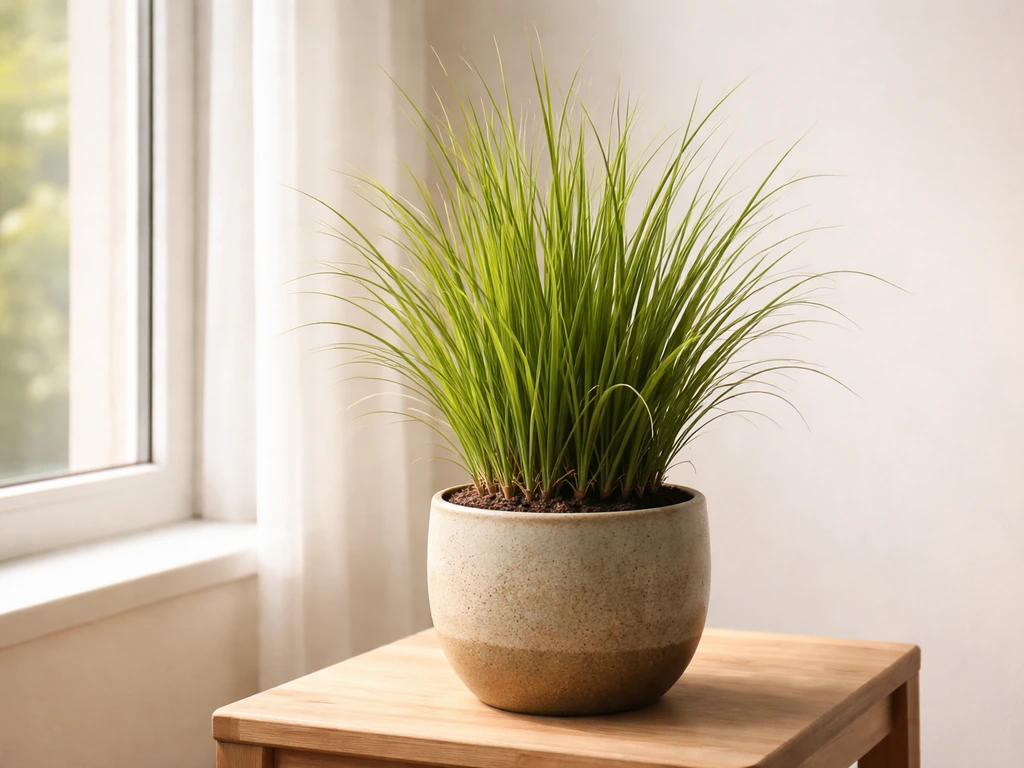
Which ornamental grasses actually work indoors
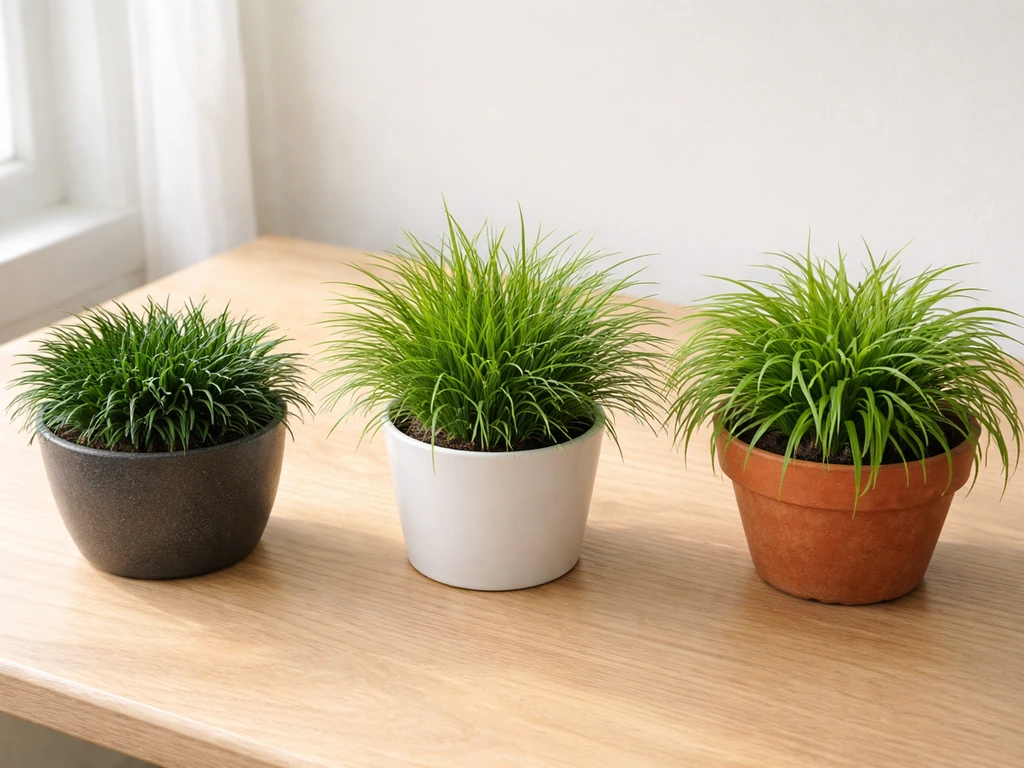
Not all ornamental grasses are created equal when it comes to indoor life. The big, dramatic outdoor species like Miscanthus sinensis (there are over 50 cultivars sold in US nurseries alone) and full-size pampas grass are essentially outdoor plants. They need genuine full sun for hours a day and get large fast. Even in a big bright room, they'll stretch, flop, and disappoint. The grasses that earn a permanent spot inside fall into a few clear categories.
- Dwarf mondo grass (Ophiopogon japonicus 'Nana'): technically a grass-like perennial, not a true grass, but it's what most people picture when they want a low, tidy, grass-textured plant indoors. It tolerates full shade to full sun, which makes it uniquely forgiving for indoor conditions. Slow-growing, stays under 4 inches tall, and essentially no-fuss.
- Carex 'Feather Falls': a sedge, not a true grass, but it reads like one. It performs beautifully in light to partial shade with dry-to-average moisture, which is exactly the kind of conditions most indoor spaces offer. It's one of the easiest grass-like plants to keep alive on a windowsill.
- Pennisetum alopecuroides 'Little Bunny': a true dwarf fountain grass, about 12 inches tall at maturity, forming a dense, gracefully arching clump. It wants full sun, so it's best suited for a very bright south-facing window or a grow light setup. Tolerates light shade but will get leggy without enough light.
- Pennisetum 'Hameln': slightly larger than 'Little Bunny' but still compact enough for a pot. Prefers full sun but can tolerate light shade. More realistic for bright windowsills than larger fountain grass types.
- Tropical grasses and tender varieties: some tropical ornamental grasses sold as annuals in colder climates, including certain Pennisetum varieties with purple or red foliage, can be overwintered indoors as container plants and kept going year-round in warm bright rooms.
Miscanthus is worth a specific mention because it's so popular outdoors. It's winter hardy down to about -30°F outdoors, which tells you it's a tough plant, but tough outdoor plants don't automatically translate to indoor success. In a container, Miscanthus dries out faster and needs a lot of light to stay compact. I'd skip it for a permanent indoor setup unless you have a greenhouse-level sunny room.
Light requirements and where to place your grass
Light is the single biggest challenge for ornamental grasses indoors, and it's where most people go wrong. True grasses like Pennisetum want full sun, which means at least 6 hours of direct, unobstructed sunlight per day. For Pennisetum ‘Hameln’, Walters Gardens notes it prefers full sun but can tolerate light shade Pennisetum ‘Hameln’ prefers full sun but can tolerate light shade. A south-facing window in summer can sometimes deliver this, but in winter, or in a north- or east-facing apartment, you're going to fall well short. Sedges like Carex and grass-like plants like dwarf mondo grass are your best bet without supplemental lighting because they're genuinely comfortable in partial to full shade.
Window placement
Place sun-loving grasses like 'Hameln' or 'Little Bunny' as close to a south- or west-facing window as possible, ideally within 12 inches of the glass. Even a few feet back from a window drops light intensity dramatically. Rotate the pot a quarter turn every week or two so the plant doesn't lean toward the light and get lopsided. Dwarf mondo grass and Carex can sit comfortably on an east-facing windowsill or even a few feet back from a brighter window.
Grow lights as a realistic solution
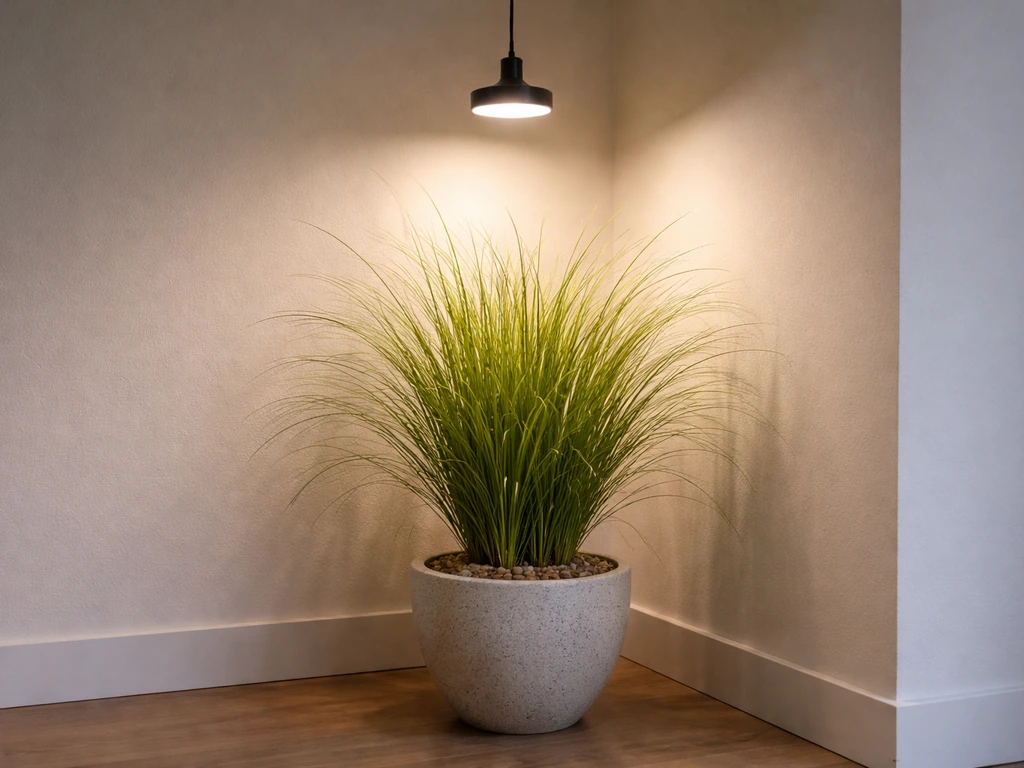
If your windows can't deliver, a grow light is genuinely worth it. The key measurement to know is DLI (Daily Light Integral), which is the total amount of usable light your plant receives over the day. It combines intensity (measured in blank" rel="noopener noreferrer">PPFD, or micromoles per square meter per second) and the number of hours the light is on. For most houseplants, roughly 10 to 14 hours of light per day from a decent LED grow light is a reasonable starting target. For sun-loving grasses, you want to be on the higher end of that range with a fixture that delivers reasonable intensity close to the canopy. A simple full-spectrum LED panel mounted 6 to 12 inches above the pot and run on a timer for 12 to 14 hours a day can substitute for a bright window and keep compact fountain grasses growing well.
Potting and soil setup for indoor grasses
Drainage is everything. Ornamental grasses don't like sitting in wet soil, and the number one killer indoors is root rot from poor drainage. Never use regular garden soil in a pot. It compacts, doesn't drain well, and introduces pathogens that sterile potting mix won't. Use a quality sterile potting medium, and if you want to improve drainage further, mix in about 20 to 30 percent perlite.
For container size, start compact. 'Little Bunny' can be started in a 4.5-inch pot and moved up as it grows. For Miscanthus or larger grasses grown as seasonal container plants, you'd need much bigger pots (think 40 liters or more), which becomes impractical for most indoor spaces. For dwarf mondo grass and Carex, a 6- to 8-inch pot with drainage holes is ideal. Always use pots with drainage holes. A decorative cachepot without drainage underneath a well-draining pot is fine, but never plant directly into a container with no way for water to escape.
Terracotta pots are a solid choice for grasses because they're porous and help prevent overwatering. Plastic pots retain moisture longer, which works better in very bright, dry conditions where the soil dries out fast but can be risky in lower-light setups where the soil stays wet.
Watering, feeding, humidity, and temperature
Watering
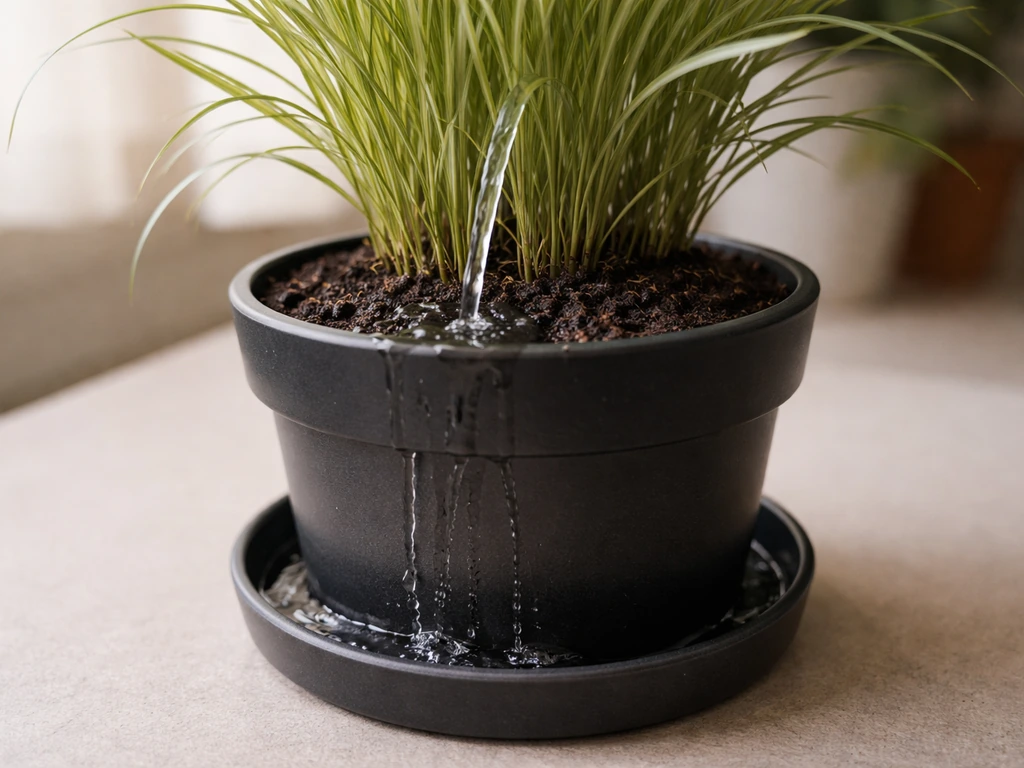
The classic advice to check the top inch of soil works well here. When the top inch feels dry, water thoroughly until it drains from the bottom, then let it dry out again before watering. In a bright, warm spot with a grow light running, you might water every 5 to 7 days. In a lower-light spot in winter, it could be every 10 to 14 days. Overwatering signs include yellowing leaves, wilting despite moist soil, and soft mushy stems at the base. If you see standing water in the saucer after an hour, pour it out.
Feeding
Ornamental grasses indoors don't need heavy feeding, and in lower-light conditions where growth is already slow, fertilizing too aggressively just causes leggy, weak growth. During the active growing season (roughly spring through early fall), feed with a balanced liquid fertilizer at half strength once a month, or use a slow-release granular fertilizer worked into the top of the soil at the start of spring. Slow-release granules take weeks to months to break down, giving a steady, gentle nutrient supply, while liquid fertilizer delivers quickly, which is helpful if the plant looks pale and needs a boost. Stop feeding in late fall and through winter when growth slows.
Humidity and temperature
Most ornamental grasses and grass-like plants are more tolerant of typical indoor humidity than tropical foliage plants, but they still hate cold drafts. Keep them away from air conditioning vents, drafty windows in winter, and heating vents that blast dry, hot air directly on the foliage. Ideal indoor temperatures are in the range of 60 to 75°F for most compact grasses. If you're growing tropical-type ornamental grasses, keep them above 55°F. A bathroom windowsill with natural humidity works surprisingly well for sedges and mondo grass.
Pruning and keeping your grass looking sharp
Ornamental grasses have a natural rhythm: they put on their best show during the growing season, and the foliage often browns and dies back (or at least looks tired) heading into winter. The standard approach is to leave the foliage standing through winter, since it gives the plant some insulation and also looks decent as a textural element, and then cut it back hard in late winter or early spring before new growth emerges. Cut as low as you can without damaging the crown, using clean, sharp pruning shears. This timing is important: cut too early and you expose new growth to cold, cut too late and you're cutting through emerging green shoots.
For evergreen types like dwarf mondo grass and many Carex varieties, you don't do a hard annual cutback. Instead, just pull out or snip off individual dead or brown blades as you notice them throughout the year. This keeps the plant looking tidy without disturbing healthy foliage. If you notice a lot of brown tips across the whole plant at once, that's usually an environmental signal (too dry, too cold, or too much direct sun for a shade-tolerant variety) rather than a pruning issue.
One practical note on mess: grasses do shed. Dried blades, seeds, and bits of foliage will drop, especially after you trim them. If you're placing a grass on a shelf or near light-colored furniture, put something underneath it or plan to wipe down the area regularly.
Troubleshooting common indoor problems
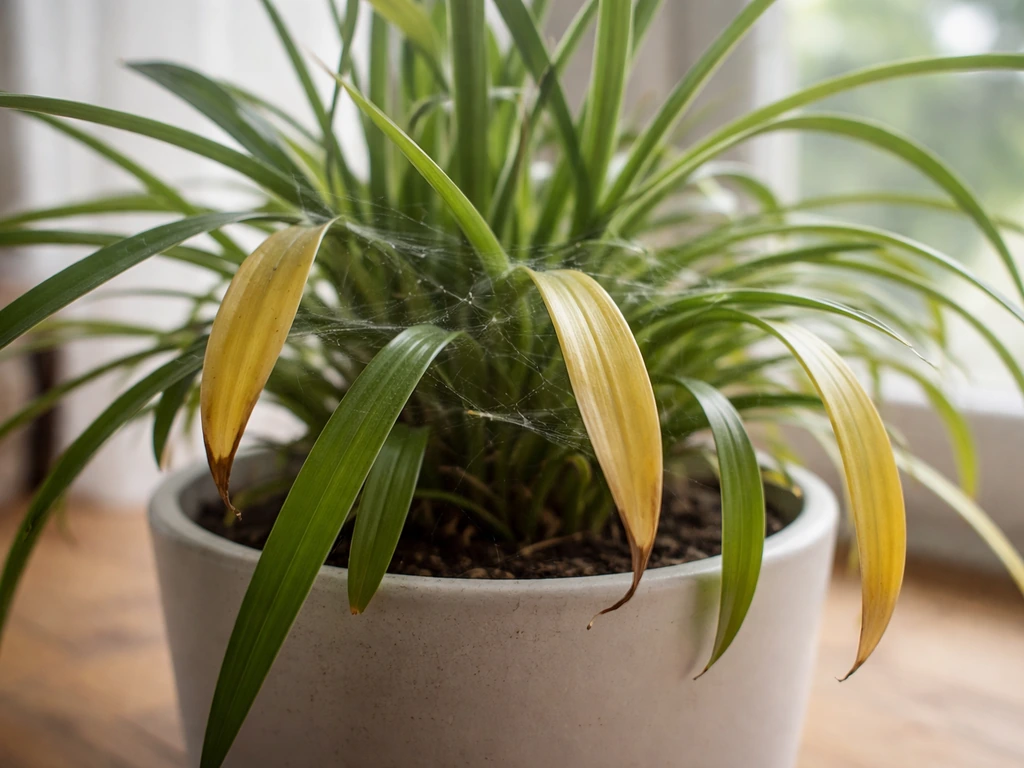
| Problem | Likely Cause | Fix |
|---|---|---|
| Yellowing leaves | Overwatering or root rot | Let soil dry out fully, check roots, repot into fresh sterile mix if roots are mushy |
| Brown leaf tips | Low humidity, cold drafts, or dry air from vents | Move away from vents, add a small humidifier nearby, mist occasionally |
| Leggy, floppy growth | Not enough light | Move closer to a bright window or add a grow light running 12-14 hours a day |
| Pale or washed-out color | Too little nutrients or too little light | Feed with half-strength liquid fertilizer, assess light levels |
| Tiny webs on foliage (spider mites) | Low humidity, dry conditions | Spray with insecticidal soap, repeat treatment in 2-3 days since eggs aren't killed by the first application |
| Fungus gnats flying around soil | Consistently wet soil near the surface | Let soil dry more between waterings, use sticky traps, consider a top dressing of sand |
| Powdery white coating on blades | Powdery mildew from poor air circulation | Remove affected blades, improve airflow around the plant, avoid wetting foliage |
| Root rot | Overwatering, poor drainage, or garden soil in pot | Repot into sterile potting mix with good drainage, use a pot with drainage holes, water less frequently |
Spider mites deserve a special callout because they love dry indoor conditions and can devastate a grass plant fast. You'll see fine webbing between blades and a stippled, dull look to the foliage. Insecticidal soap spray works, but you have to re-treat in 2 to 3 days because the soap doesn't kill the eggs. Miss that second treatment and the next generation hatches and you're back to square one.
A starter shortlist with realistic expectations
Here's a honest rundown of the best options for indoor ornamental grass growing, what each one needs, and what you can realistically expect. Can you grow edelweiss indoors? You can, but it requires very bright light and cool conditions to keep it thriving. Can you also grow perennials indoors? Yes, with the same focus on bright light, proper watering, and realistic expectations for slower growth.
| Plant | Light Need | Water Need | Indoor Lifespan | Best For | Pet Safety |
|---|---|---|---|---|---|
| Dwarf mondo grass (Ophiopogon 'Nana') | Full shade to full sun | Low to moderate | Permanent (evergreen perennial) | Low-light apartments, beginners | Generally considered non-toxic; verify with ASPCA |
| Carex 'Feather Falls' | Light to partial shade | Low to medium | Permanent (evergreen sedge) | Shelves, east-facing windows, low-light rooms | Generally non-toxic; verify before placing near pets |
| Pennisetum 'Little Bunny' | Full sun preferred | Moderate | Seasonal to multi-year (needs bright light to persist) | Bright south-facing windows or grow light setups | Check with ASPCA; some Pennisetum varieties flagged as toxic to cats/dogs |
| Pennisetum 'Hameln' | Full sun, tolerates light shade | Moderate | Seasonal to multi-year depending on light | Bright rooms with supplemental lighting | Same caution as above |
| Tropical ornamental grasses (purple/red foliage Pennisetum types) | Full sun to bright indirect | Moderate | Can be kept year-round indoors in warm rooms | Bright sunny rooms, grow light setups | Verify per species with ASPCA |
The most honest thing I can tell you about growing ornamental grasses indoors is that the grass-like plants (dwarf mondo grass and Carex sedges) will reliably succeed in typical apartment conditions with minimal fuss, while the true sun-loving grasses like fountain grass are a worthwhile challenge only if you can give them serious bright light. If your setup has a great south-facing window or you're willing to run a grow light, 'Little Bunny' or 'Hameln' are genuinely rewarding. If not, lean into dwarf mondo grass and Carex, and you won't be disappointed.
Growth rate indoors will be noticeably slower than outdoors, especially in lower light. Don't expect the dramatic seasonal flush of growth you'd see in a garden bed. These plants will hold their texture and form rather than grow aggressively, which is actually a plus in an apartment setting. One more thing worth knowing: some ornamental grasses indoors will behave more like seasonal plants than permanent ones, especially if light runs short in winter. That's completely normal. Let them rest, cut them back in late winter, and they'll push new growth again in spring when the days get longer.
If you're also exploring other texture-forward plants for indoor spaces, it's worth knowing that some plants often grouped with ornamentals, like Persian shield or asters, have their own unique indoor requirements worth checking before bringing them home. If you’re wondering specifically about asters, you can grow asters indoors too, but they need strong light and the right potting and watering routine. If you’re wondering can you grow Persian shield indoors, focus on bright light and consistently even moisture because it can be less forgiving than ornamental grasses. The principles around light, drainage, and humidity apply broadly, but each plant has its own sweet spot.
FAQ
Which ornamental grasses are most likely to survive long term in an apartment without a grow light?
Choose the right “class” first. If you cannot provide strong light, avoid sun-loving fountain grass and Miscanthus. Instead, start with dwarf mondo grass (Ophiopogon) or Carex sedges, which tolerate partial shade much better. Even then, expect slower growth and more compact clumps than outdoors.
How do I know if my indoor setup has enough light for ornamental grass?
Set your light up so the top of the grass receives strong, even intensity. If the plant is leaning or spacing between blades is increasing, the light is not enough or is too high. A common fix is moving the fixture closer (within about 6 to 12 inches) and running it longer (about 12 to 14 hours), then rechecking after a couple of weeks.
What’s the best window placement to stop indoor grasses from leaning?
Place the pot close to the window, ideally within 12 inches, and rotate it at least every 1 to 2 weeks. If the blades keep growing mostly toward the glass, rotate more often and check that nothing blocks light (sheers, blinds, plant stands, or sheer curtains).
When should I cut back indoor ornamental grass, and what’s the risk of pruning at the wrong time?
Yes, but it must be done correctly. Hard pruning is for late winter or early spring, before new green shoots emerge. Cutting earlier can expose fresh growth to cold and setback the plant, while cutting too late can damage tender emerging blades.
How often should I water indoor ornamental grass, and how do I avoid root rot?
Use a soil moisture check, not a schedule. Water thoroughly when the top inch dries out, then let the excess drain completely. If your saucer or cachepot holds water for an hour or more, pour it off, because ornamental grass declines quickly from root rot in consistently wet conditions.
Can I use regular garden soil or should I switch to potting mix?
For grasses, typical “houseplant” soil is often a bad fit because it compacts and stays wet. Use a sterile potting mix and, if drainage is still slow, mix in 20 to 30 percent perlite. This combination helps prevent the soft-stem and mushy base issues that show up in overwatered pots.
How do I know when to repot ornamental grass indoors, and what pot size should I use?
Repot only when roots fill the container or the clump stops holding healthy texture. Dwarf mondo grass and Carex are happiest in modest, well-drained pots, and frequent upsizing can leave soil staying wet too long. Move up one pot size at most, and refresh the mix so drainage stays consistent.
My grass is browning in winter, how do I tell normal dormancy from a problem?
It depends on the plant type and light level. In lower light or in winter, grasses may slow dramatically and look tired or brown at the tips, even when watering is correct. Treat broad browning as an environmental clue (light, cold drafts, or dryness) rather than immediately trying to prune or fertilize.
How should I fertilize ornamental grass indoors without making it leggy?
Fertilize lightly. In spring through early fall, use balanced liquid fertilizer at half strength about once a month, or use slow-release granules at the start of spring. In winter, stop feeding because growth is limited, and extra nutrients can contribute to weak, leggy growth if light is insufficient.
How do I deal with spider mites on indoor grasses, and why does treatment sometimes fail?
Spider mites can be a major issue in dry indoor air. If you see webbing or stippled foliage, treat promptly and reapply insecticidal soap again after 2 to 3 days to catch newly hatched mites. Also increase humidity slightly around the plant (without creating soggy soil) and avoid blasting vents.
Can I keep an indoor ornamental grass near a drafty window or near HVAC?
Yes, but protect the crown and soil from drying out or freezing. Keep plants away from cold windows in winter and do not let them sit in saucers with excess moisture. If you use a grow light, remove the plant from direct cold airflow while still keeping it under strong light.
Will indoor ornamental grass live for years, or will it act like a seasonal plant?
Some ornamental grasses behave like “seasonal” indoor plants when winter light is weak. That is normal. Use the standard approach of leaving foliage up over winter for structure, cut back hard in late winter or early spring, and allow time for renewed growth as days lengthen.